



World Cup 2026: Japan Determined to Break the 'Quarterfinal Curse'



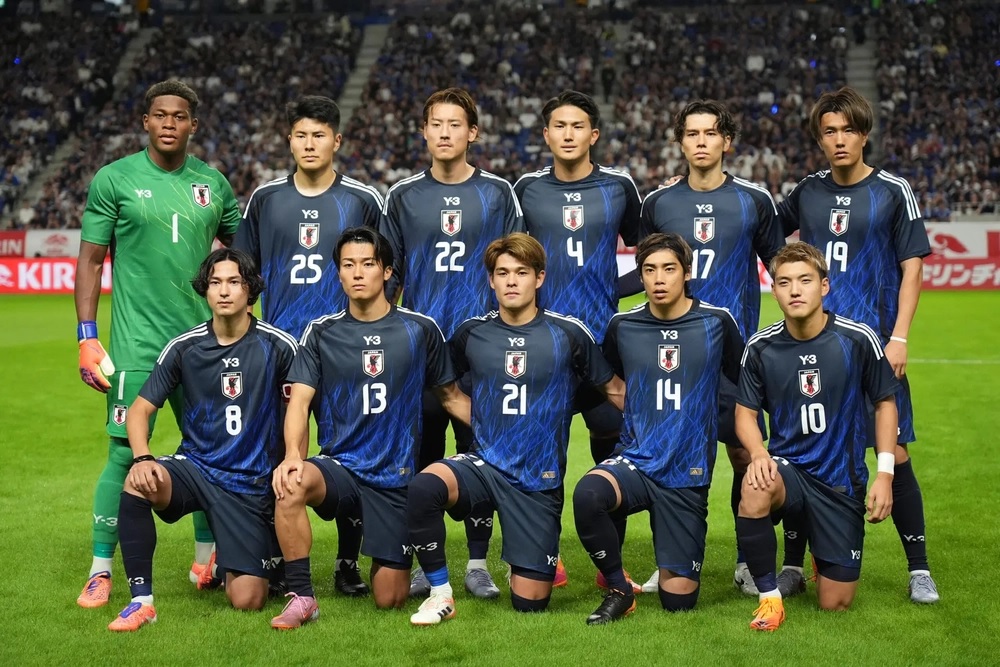
The unveiling of the "Samurai Blue" roster—the nickname for Japan's national team—for the world's biggest football tournament has sparked massive debate over the unfortunate omissions, including notable players who have made their mark in Europe, such as Kaoru Mitoma of Brighton in the English Premier League and Takumi Minamino, who plays for AS Monaco in France's Ligue 1.
Playing in Europe's top five leagues has become 'the norm'
There was a time when players competing in Europe were a rarity for Japanese football. At the 1998 World Cup in France, Hidetoshi Nakata was still playing for Bellmare Hiratsuka in the J1 League before moving to Serie A. By the 2002 World Cup co-hosted with South Korea, the number of Japanese players abroad remained very limited. By the 2010 World Cup in South Africa, names like Keisuke Honda and Yuto Nagatomo began to make their mark in Europe and gradually formed the backbone of the national team.
But now, the picture is completely different. In the just-announced 26-man squad, only three players currently play for domestic clubs. The Japanese national team has become a gathering place for numerous players competing in Europe's top leagues, most of whom hold key roles at their clubs, such as Wataru Endo at Liverpool (England), Hiroki Ito at Bayern Munich (Germany), and Tomiyasu, formerly of Arsenal and now at Ajax Amsterdam (Netherlands). Remarkably, this competition is not limited to a few standout stars. Even the excluded players boast impressive records in Europe. This shows that Japanese football has entered an era where, no matter who is chosen, the squad quality remains high.
Fierce battle for starting spots
The biggest highlight of the current Japanese team lies in the even competition across many positions. Take the midfield, for instance: Wataru Endo, Daichi Kamada, Ao Tanaka, and Kaishu Sano are all midfielders with different styles, yet they all possess top-level class and play in world-class environments.
Up front, even though Mitoma and Minamino are sidelined due to injury, Japan still has a formidable attacking lineup with Takefusa Kubo, Junya Ito, Ritsu Doan, and Keito Nakamura.
Compared to previous generations, the gap between Japan's starting lineup and the substitutes has narrowed significantly. The coach can flexibly adjust tactics based on match developments or opponents. This represents a major transformation for Japanese football.
J.League or school football
Another noteworthy point is the increasingly diverse training backgrounds of the players. Ritsu Doan and Ao Tanaka developed through club youth academies, while Junnosuke Suzuki and Kaishu Sano came through school football programs.
In Japan, there has been debate about whether to follow school football or join club youth academies. But nowadays, regardless of the path taken, players have the opportunity to rise.
The development of training systems in the J.League, the trend of moving abroad at a young age, along with improvements in physical conditioning and tactical awareness, have made the foundation of Japanese football much stronger than in previous World Cups.
Determination to overcome the 'quarterfinal curse'
In the last two World Cups, Japan advanced past the group stage and caused shocks by defeating both Germany and Spain. However, the "Samurai Blue" have yet to get past the quarterfinals. With what may be their best-ever squad depth, Japan is determined to break the "quarterfinal curse" and reach the semifinals and beyond. Despite missing many prominent faces, coach Hajime Moriyasu confidently stated that he will win the tournament this time.
With a record of 71 wins in 102 matches in charge of the national team, Moriyasu boasts a win rate of up to 69%, an extremely impressive figure. This shows that the current "Samurai Blue" possesses a squad with the greatest depth ever, long-term stability, and has transformed into a more mature and resilient team. Coach Moriyasu's confidence is not unfounded.


Wonderfulshortvideo
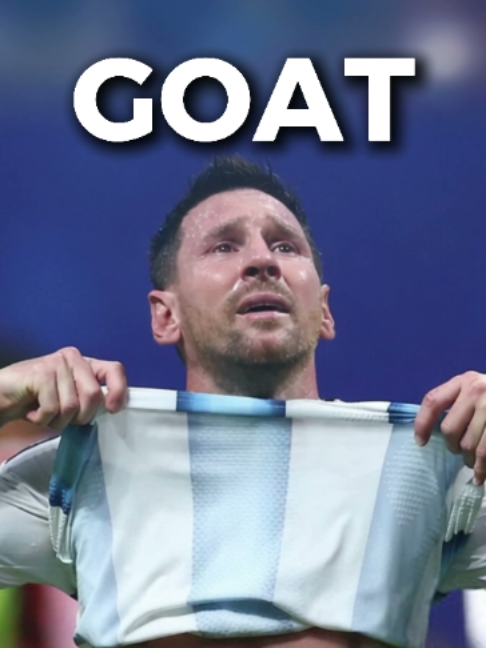
messi goal today messi assist today messi highlights vs egypt enzo fernandez goal today romero goal today argentina goals today argentina 3-2 egypt



“Wonderful player, fantastic player, could not run” 😅
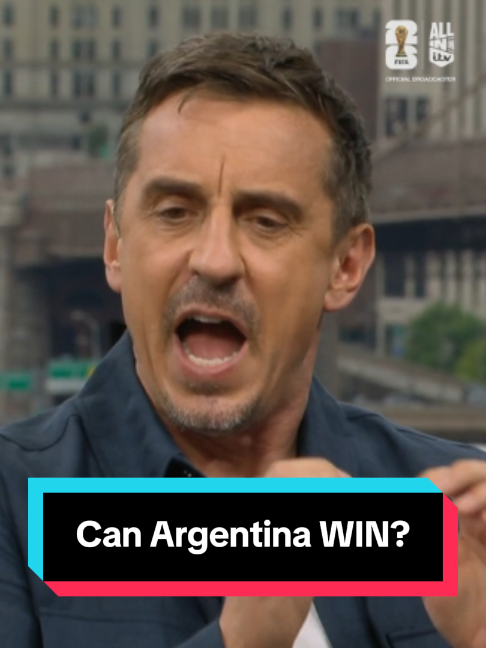
Neville, Keane and Wright DO NOT agree on the future of Argentina in the World Cup 👀
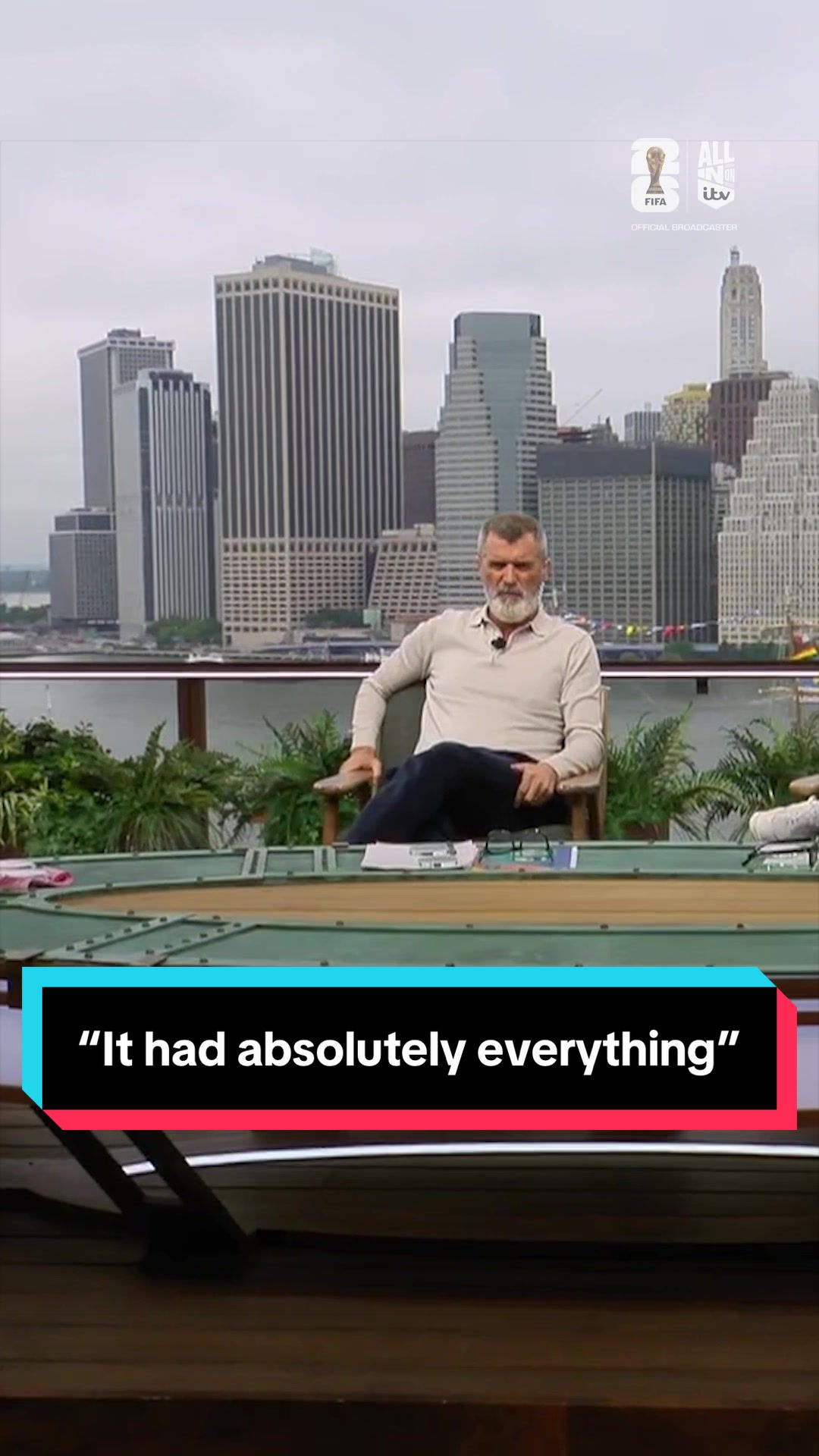
“It gave you everything” 👀
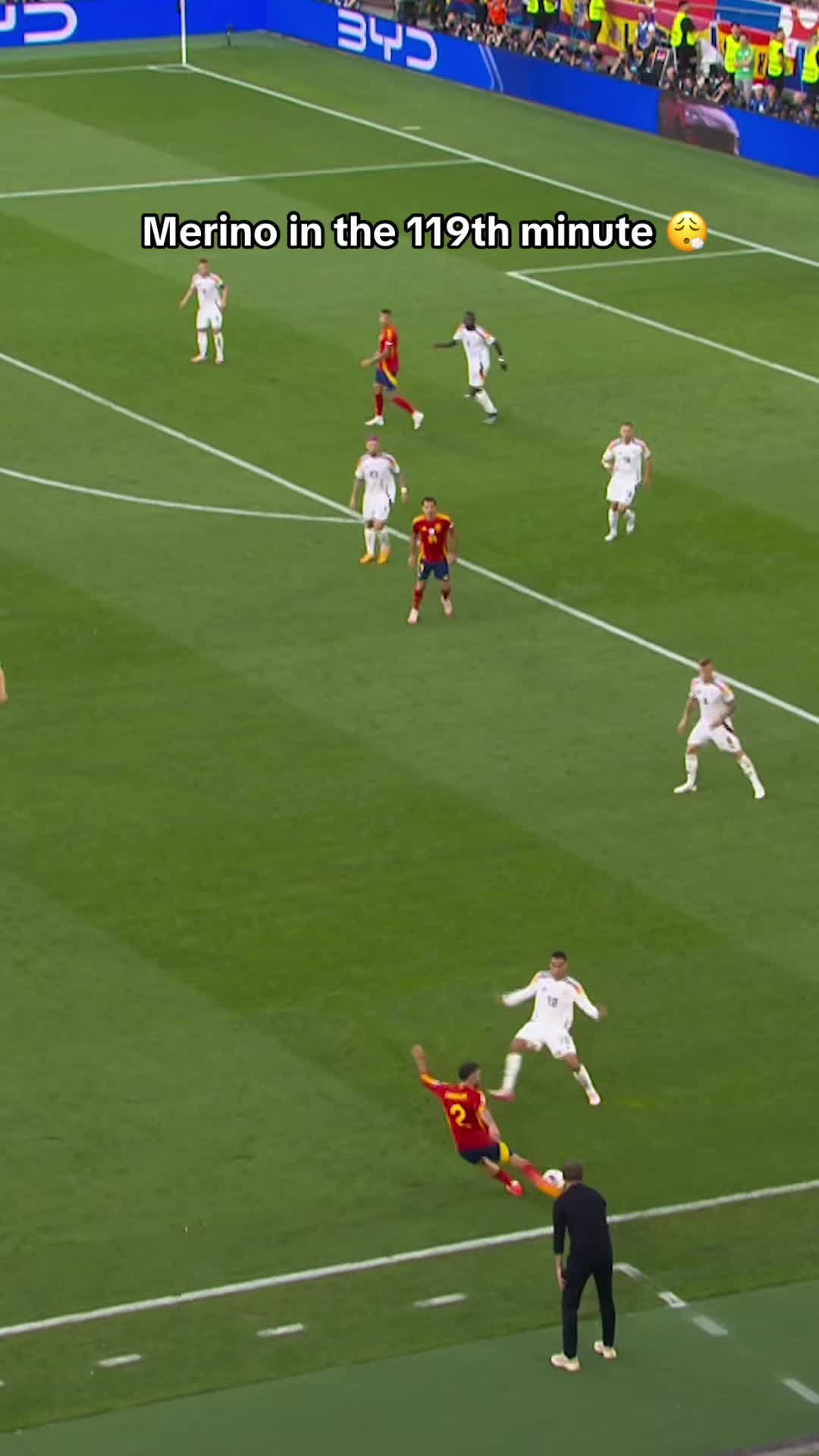
Clutch Merino 😮💨
merino goal today portugal 0-1 spain ronaldo interview today ronaldo retirement retiring
kane goal today kane highlights today england 2-1 congo
 Links
Links
 Contact
 App
App


