



How did PSG defeat Arsenal in the Champions League final?



Perspectives from ESPN football analysts following PSG's penalty shootout victory over Arsenal to claim the 2025-2026 Champions League crown.
PSG truly superior
Paris Saint-Germain successfully defended their Champions League title in the most dramatic fashion, overcoming Arsenal 4-3 on penalties at the Puskas Arena after a tense 1-1 draw over 120 minutes.
A year after their stunning 5-0 victory over Inter Milan in Munich to become European champions for the first time, PSG continued to make history. The Parisian club became only the second team since the Champions League's format change in 1992 to successfully retain the title, following Real Madrid.
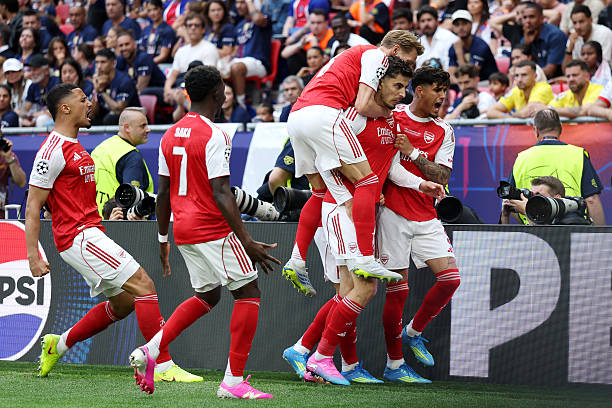
Arsenal's dream start with an early goal from Kai Havertz
Arsenal got off to a dream start. In the 6th minute, Kai Havertz capitalized on an opportunity to put the English side ahead. That goal immediately turned the final into a tense, tactical battle. PSG dominated possession but had to wait until the second half to equalize from the penalty spot, converted by Ousmane Dembele.
However, the biggest highlight came in the nerve-wracking shootout. Eberechi Eze hit the post. Goalkeeper David Raya then made a brilliant save against Nuno Mendes, but Arsenal made things difficult for themselves when Gabriel Magalhaes fired over the bar in the decisive kick, handing victory to PSG.
This title also gave coach Luis Enrique his third Champions League win as a manager.
If you look at isolated moments, Arsenal might feel they were very close to victory. From Nuno Mendes' collision with Noni Madueke, to Bukayo Saka being just a few centimeters away from goalkeeper Matvey Safonov. Then the penalty shootout, where anything can happen.
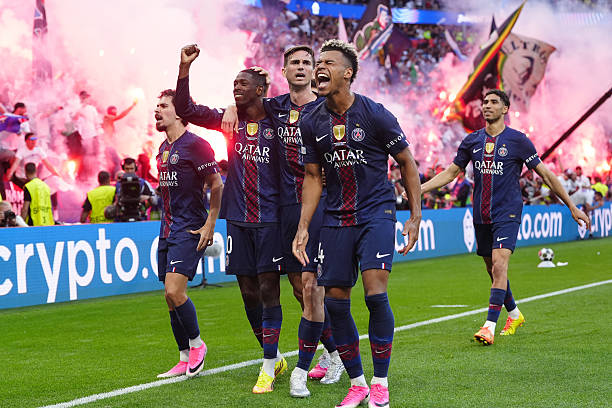
PSG applied suffocating pressure and ultimately found the answer with Dembele's 1-1 equalizer
But looking at the entire match, PSG were clearly the superior side. The Ligue 1 representatives controlled 74% of possession, took 21 shots compared to Arsenal's 7. Expected goals also heavily favored the French side: 1.77 versus 0.44. Safonov had little to do, as the only shot on target he faced during the match was Havertz's early goal.
If football were judged like figure skating, PSG would almost certainly take the gold medal. Nevertheless, they were not perfect. The early goal and Arsenal's compact defense left PSG frustrated for most of the first half. But the difference lay in their ability to adapt.
Desire Doue drifted inside more. Dembele moved wide to create space and spark plays until he was forced off late in the second half with a muscle injury. Joao Neves dropped deeper alongside Vitinha, breaking Arsenal's press and adding another passing link. Later, Bradley Barcola's pace off the bench kept Arsenal's defense constantly on the back foot as fatigue set in.
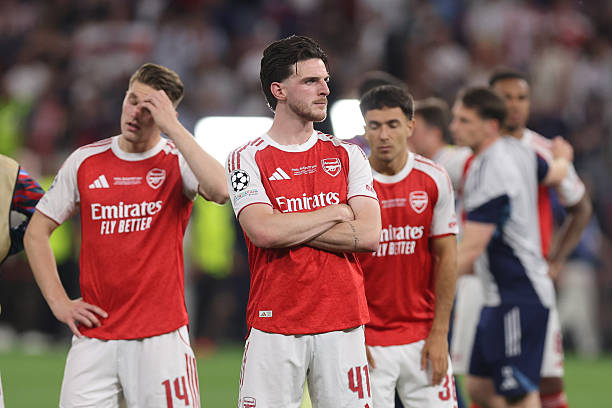
The immense disappointment of Arsenal players after their penalty shootout loss to PSG
More important than tactics was composure. PSG looked more experienced, calmer, and fitting the image of a seasoned champion. A year ago they stood atop Europe, and the night in Budapest showed that experience had not faded.
They were not outclassed in skill. They did not crumble mentally. And when luck did not turn against them, the trophy remained in Paris.
As for Arsenal, coach Mikel Arteta's plan was essentially sound. With an early goal, the Gunners deliberately slowed the pace, closed spaces, and forced PSG to expend energy. Given the relative strengths, fewer spaces meant better for Arsenal.
That tactic nearly worked. PSG only equalized midway through the second half. Key threats like Khvicha Kvaratskhelia and Dembele both left the field before the shootout. Arsenal also had the only goalkeeper to save a penalty kick.
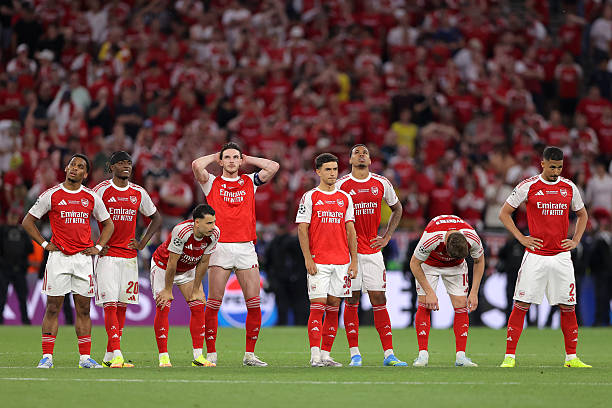
Arsenal did everything they could but still fell short of reaching the pinnacle of Europe
Yet something was still lacking. In that match, the standout figure for PSG was Vitinha. The Portuguese midfielder left the pitch after 105 minutes but led numerous statistics: 162 touches, 141 successful passes, 127 receptions, 133 dribbles, 671 meters of ball carrying, and 22 progressive carries. He also took four shots.
Vitinha was everywhere on the pitch. He kept the rhythm, orchestrated play, escaped pressure, and ensured PSG maintained their dominant game. Arsenal defended resolutely, and Raya played excellently, but against such a Vitinha, the pressure was simply overwhelming.
Arsenal fought to their very limits. This final was their 63rd match of a grueling season. Arteta rotated heavily with six changes to the starting lineup. Even in extra time, Piero Hincapie had to grit through fitness issues because Arsenal had no substitutions left.
In the end, they fell due to a single moment. But that match also showed just how close Arsenal had come to European champion status.
"King" PSG and the big question for Arsenal
As the final whistle blew in Budapest, a sense of regret enveloped Arsenal. This was a squad that invested around £250 million last summer with the aim of conquering every competition. And they truly came a long way.
Winning the Premier League, reaching the Champions League final for the first time in two decades—Mikel Arteta has every reason to feel his project is on the right track.
But in the decisive moment, a small detail changed everything. Substituting Martin Odegaard, Saka, Leandro Trossard, and Havertz left Arsenal without four of their usual penalty takers. Of the five regular penalty takers over the past two seasons, only Viktor Gyokeres remained on the field.
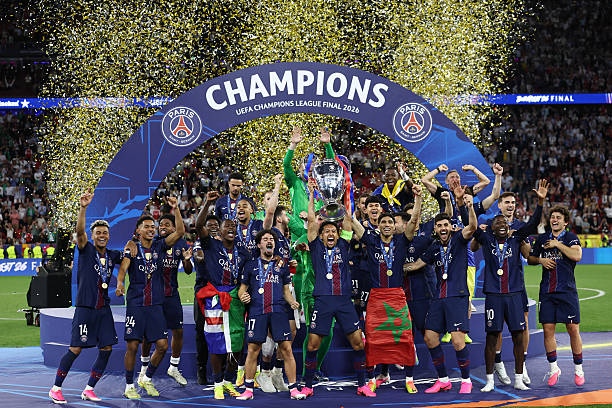
PSG win the Champions League for the second consecutive season
Arteta clearly had faith in those who remained. Declan Rice, Gabriel Martinelli, and Gyokeres all converted. But Eze and then Gabriel missed.
Eze had been a reliable penalty taker during his time at Crystal Palace, but in the Champions League final, he struck the post. Gabriel struck too hard, sending the ball into the stands.
In contrast, PSG approached the penalty spot with impressive confidence. Each kick was clean and precise. Even Nuno Mendes struck decisively despite Raya's save.
The difference between the two sides sometimes came down to just a few centimeters. Another interesting aspect was the goalkeepers' reactions. Safonov simply stood up and returned to his position after each kick. Raya was different. He actively picked up the ball, handed it to the next teammate, encouraged them constantly, and maintained connection. An image that reflected Arsenal's fighting spirit.
Unfortunately, that wasn't enough. This victory places Luis Enrique among the legends of the Champions League. Only Carlo Ancelotti, with five titles, stands above him. Enrique now equals Pep Guardiola, Zinedine Zidane, and Bob Paisley with three cups. And with the current squad, PSG could continue to dominate.
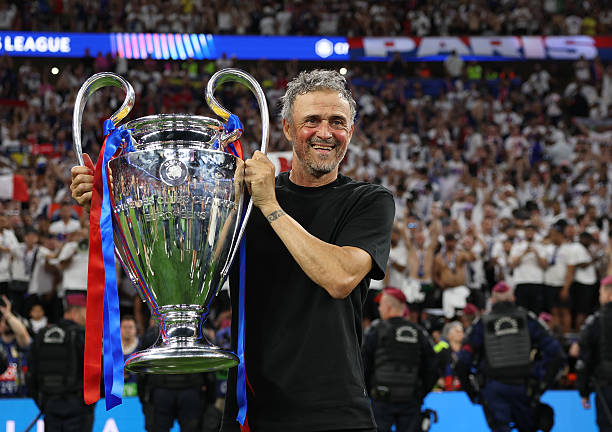
Luis Enrique wins his third Champions League as a coach
Meanwhile, Arsenal face a big question. They have won the English title. They reached the European final. But is their style of football—built on maximizing risk control and waiting for opportunities—still enough to take them that final step?
Throughout the final, Arsenal defended resolutely, true to their brand this season. Gabriel and William Saliba remained solid anchors.
But PSG were the ones who controlled the game. That made people wonder whether Arsenal should evolve into a more attacking, proactive, and pressing version next season. Arteta could choose to continue his current path since they came so close to success. Or he could push the team one step further.
Another controversial topic after the match was Arsenal's time management. During the 90 minutes, they repeatedly slowed the game down, from throw-ins to goal kicks. Luis Enrique frequently pointed at his watch in frustration. The second half also started late due to Arsenal's delayed return to the pitch.
According to statistics, Arsenal disrupted the flow of play for nearly 26 minutes in total. That was part of their strategy but also drew criticism.
Nevertheless, there is no denying Arsenal's quality as a team. They went unbeaten in regular time in the Champions League this season and conceded only seven goals.
Twenty years after their last final appearance, they went further than Arsene Wenger's team by taking the match to penalties.
The Budapest night ended with the trophy staying in Paris. PSG ascended to the summit of Europe for the second straight time through superiority, maturity, and cold-blooded precision at the right moments.
Arsenal left with immense pain. But also with the belief that the gap between them and the European throne had never been smaller. Just a few centimeters. One shot. One moment. And in top-level football, sometimes history is decided by such tiny details.


Wonderfulshortvideo
cristiano Ronaldo training


Cristiano Ronaldo 966 & 967 GOAL
Cristiano Ronaldo and Portugal in World Cup 2026
Rashford ⚽️
Cristiano Ronaldo 6x World Cup
My POV of THAT Raphinha goal
Jermaine Defoe is the new Woking manager
 Links
Links
 Contact
 App
App


