



Key Reminders for Visitors to Mexico for the 2026 World Cup


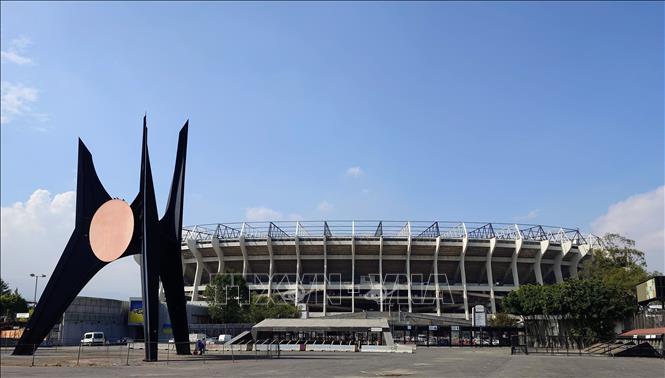
Three Mexican cities—Mexico City, Guadalajara, and Monterrey—will host matches of the world's biggest football event. According to travel and security experts, visitors should avoid traveling to non-touristic areas, especially at night after matches end.
In Mexico City, neighborhoods like Condesa, Roma Norte, and Polanco are considered suitable for tourist accommodation, while areas with more complex security situations are not recommended for international visitors.
Authorities also recommend fans use official ride-hailing apps such as Uber or DiDi instead of hailing street taxis to reduce the risk of unlicensed transport services or scams. Moreover, officials advise visitors not to carry large amounts of cash, avoid flaunting jewelry or valuable electronics, and always keep personal belongings secure in crowded places.
Mexican street food is considered diverse and appealing, but visitors may experience digestive issues due to differences in environment and eating habits. Authorities recommend choosing busy eateries that ensure hygiene and limiting ice consumption at small stalls.
Under Mexican law, drinking alcoholic beverages on the street is prohibited and may result in fines or detention. Alcohol is only allowed in restaurants, bars, or licensed areas.
Additionally, tipping is an important part of service culture in Mexico. In restaurants, the common tip range is 10% to 15% of the bill, and failing to tip may be considered impolite.
Authorities recommend that visitors limit currency exchange at airports because exchange rates at these counters are often lower than elsewhere. Travelers should only exchange a small amount of cash for initial expenses, then use services at legal exchange points (Casa de Cambio) in the city or withdraw money from major bank ATMs to get better rates.
Meanwhile, security experts advise fans to avoid driving outside urban centers, especially on less-traveled roads, and to be wary of ATM fraud.
Regarding health, Mexican authorities remind visitors not to drink tap water and to only use bottled water. Additionally, weather conditions and terrain in the host cities may affect visitors' health.
Mexico City is located at an altitude of about 2,240 meters above sea level, which may cause symptoms like headaches, fatigue, or shortness of breath in many visitors during their first days. Meanwhile, summer temperatures in Monterrey often exceed 35°C, increasing the risk of heatstroke and dehydration.
The 2026 World Cup organizing committee also enforces strict rules on items brought into stadiums. Flares, fireworks, laser pointers, glass bottles, and flags with long poles are among the prohibited items.
According to plans, Mexico has deployed about 100,000 security personnel in the host cities, including military, police forces, and private security guards, to ensure the safety of residents and visitors throughout the tournament.
Travel experts note that having a World Cup ticket does not guarantee entry into Mexico or absolute safety during the trip. Visitors should thoroughly research entry and exit regulations, local laws, and purchase comprehensive travel insurance before departure.
The 2026 World Cup will take place from June 11 to July 19, 2026, in three North American countries: Mexico, the United States, and Canada. The opening match is expected to be held at the legendary Azteca Stadium in Mexico City, featuring the host team Mexico and the South African national team.


Wonderfulshortvideo
cristiano Ronaldo training


Cristiano Ronaldo 966 & 967 GOAL
Cristiano Ronaldo and Portugal in World Cup 2026
Rashford ⚽️
Cristiano Ronaldo 6x World Cup
My POV of THAT Raphinha goal
Jermaine Defoe is the new Woking manager
 Links
Links
 Contact
 App
App


