



PSG successfully defended their Champions League throne: The destined king Luis Enrique


The Champions League cup stays in Paris. With cutting-edge tactics, Luis Enrique created a work of art as PSG defeated Arsenal to claim the throne of European football.
Even in Al-Khelaifi's wildest dreams—sitting next to UEFA president Aleksander Ceferin, not far from Florentino Perez—he could never have imagined the contract Luis Enrique signed that elevated PSG to new heights.
The new Louis of Paris
In French history, there was once a king named Louis II, remembered more by his nickname "the Stammerer" (Le Bègue) than for any glorious deeds. Over a thousand years later, France has another Louis II. He does not rule from a palace or wear a crown, but his power and influence over French football surpass anyone in PSG's history.
Luis Enrique not only led PSG to Champions League glory but also transformed the club's history and elevated the status of French football. PSG's second consecutive European Cup victory goes beyond merely winning a trophy; it affirms the value of the revolution executed by "King" Enrique.
For over a decade under Qatari ownership, PSG spent billions of euros chasing the Champions League with stars like Zlatan Ibrahimovic, Neymar, Lionel Messi, and Kylian Mbappe. Yet the trophy always eluded them.
Then Luis Enrique arrived. The offer from PSG was a major gamble—for both him and the club. The Parisian side had long been known as a "manager destroyer." But embracing risk has always been part of Luis Enrique's nature—a "surfer" of football. A new team quickly took shape, no longer built around superstars but united as a collective.
When Mbappe left Paris for Real Madrid, most of the world expected PSG to weaken. Instead, they grew stronger. Mbappe's departure symbolized the transition and reconstruction along a path completely different from the philosophy before Luis Enrique arrived. Football rewarded that choice, even in the "Russian roulette" of penalty shootouts.
Luis Enrique's PSG no longer revolves around an individual; the entire team relentlessly presses opponents to the point of suffocation. Everyone runs, everyone defends. All serve the system Enrique demands. Vitinha was given the conductor's baton. Ousmane Dembele brings the beauty of an artist but stands ready to become a warrior. Kvaratskhelia is full of improvisation, fighting even with blood on his calves. Every star lowers their ego.
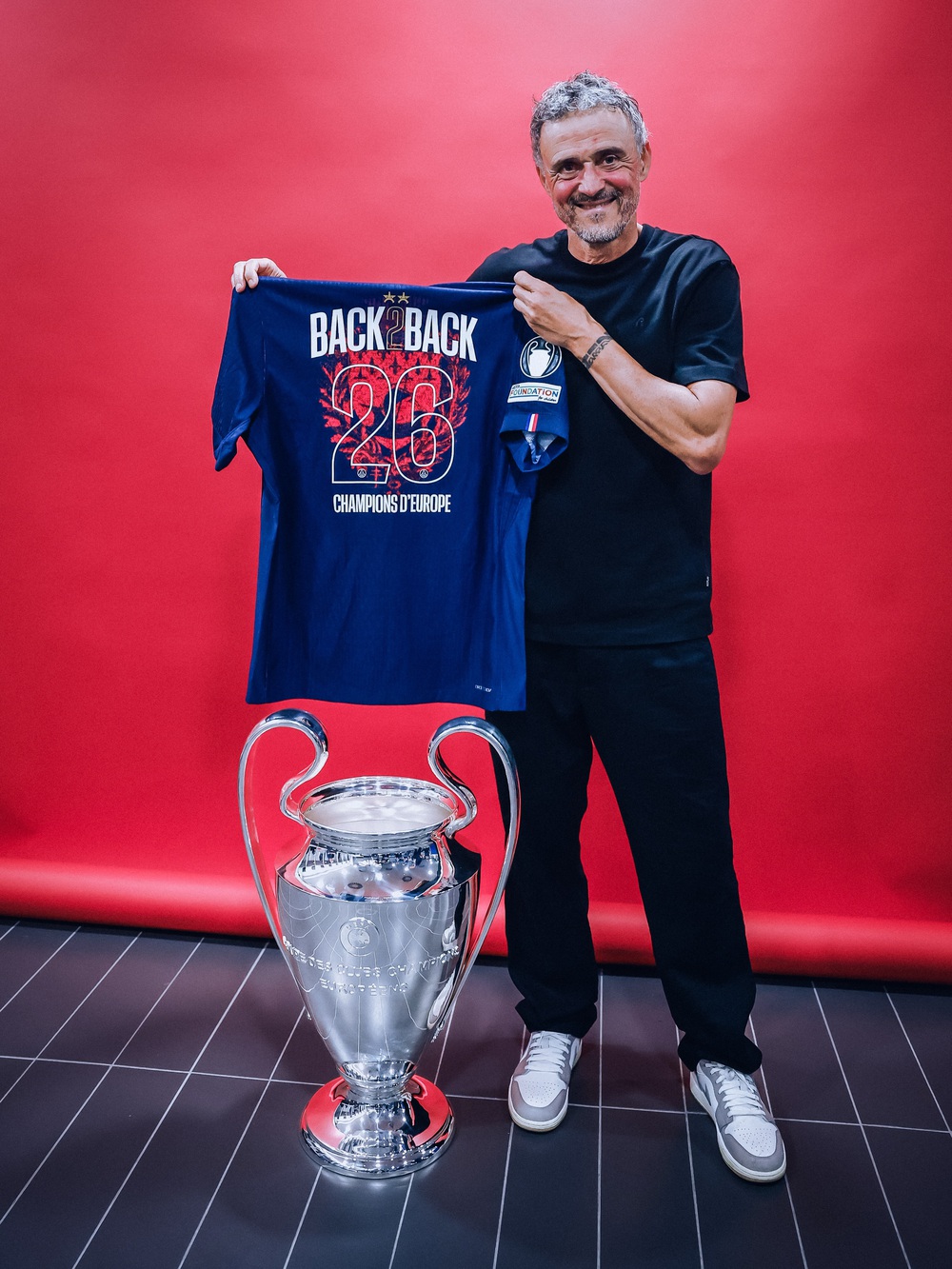
Luis Enrique changed the history of PSG and French football
A great collective
This was the victory of an idea. Football always loves winning ideas. PSG's latest glory carries even more significance given the sport's history. In the Champions League era, only Zinedine Zidane's Real Madrid has successfully defended the title (three times in a row). Messi's Barcelona couldn't do it. Bayern Munich and Pep Guardiola's Manchester City couldn't either. But Luis Enrique's PSG did. This is no longer temporary success but the affirmation of a dynasty. "The first time was history; the second time will be even greater," Enrique proudly said.
People once dismissed Ligue 1, believing French clubs were merely talent suppliers for the Premier League or La Liga. But two consecutive Champions League titles have completely changed that perception. For the first time in decades, French football is no longer on the sidelines of Europe's power game. The man behind this transformation is Luis Enrique.
For Luis Enrique, his glorious period in Paris also represents a personal rebirth, both in life and career. After the tragedy of losing his daughter Xana, he returned to lead Spain but failed at the 2022 World Cup in Qatar, eliminated by Morocco in the round of 16 on penalties. That was a heavy defeat, accompanied by controversial decisions, and not easy to overcome.
Many coaches would have crumbled after such blows. Luis Enrique did not. He came to Paris not to adapt to PSG. On the contrary, he made the Qatari owners and the club adapt to his style. The final against Arsenal reflected that. Mikel Arteta's team defended almost flawlessly, yet PSG still found a way to win.
Winning the Champions League twice in a row for Paris is a painful reality for Mbappe and also a lesson for everyone, including Real Madrid. President Florentino Perez witnessed PSG's triumph from the stands of the Puskas Arena.
France's King Louis II left almost no significant mark. But Luis Enrique's stature in French football is the complete opposite—massive and historic.


Wonderfulshortvideo
messi goal today messi assist today messi highlights vs egypt enzo fernandez goal today romero goal today argentina goals today argentina 3-2 egypt


“Wonderful player, fantastic player, could not run” 😅
Neville, Keane and Wright DO NOT agree on the future of Argentina in the World Cup 👀
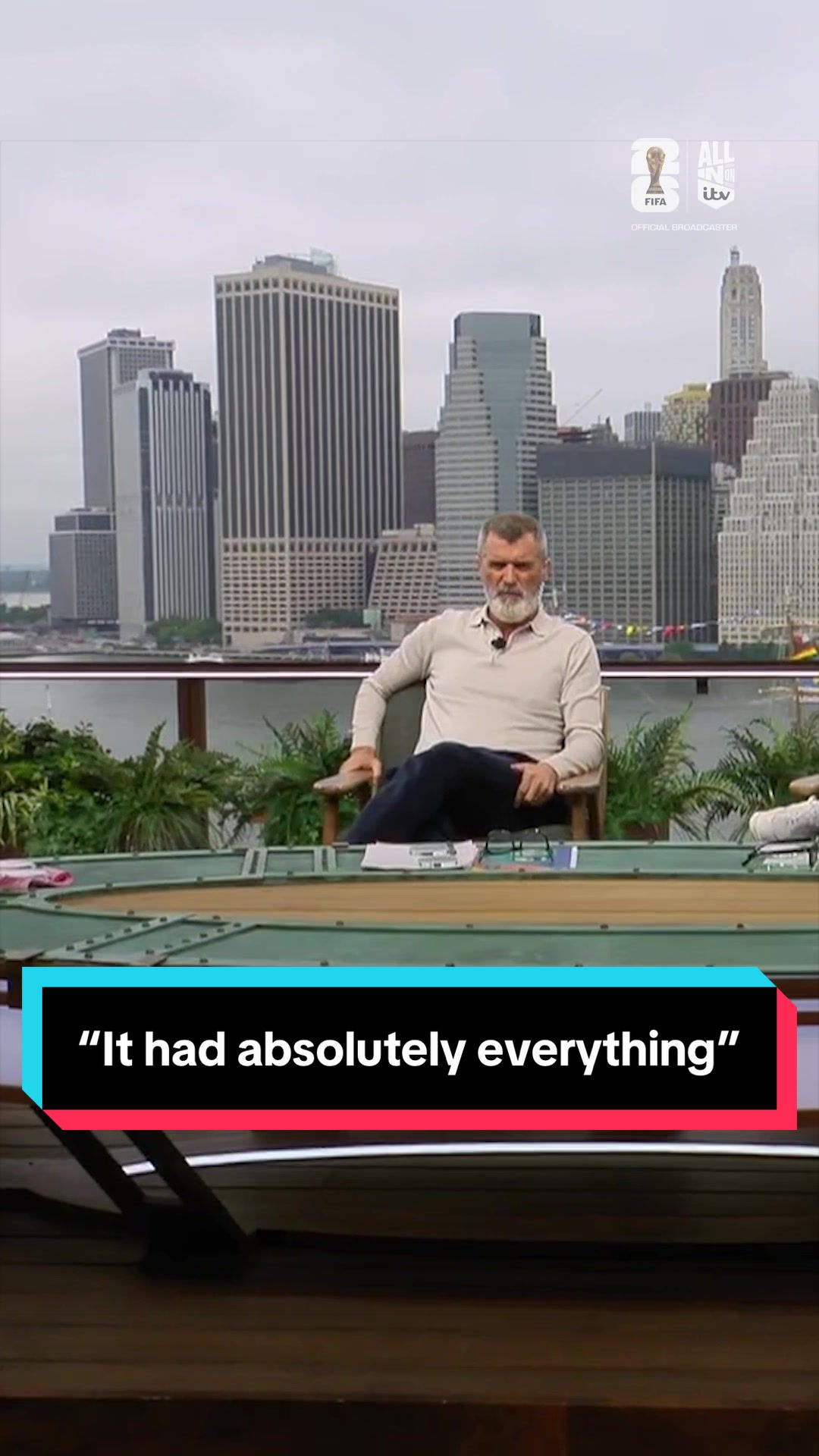
“It gave you everything” 👀
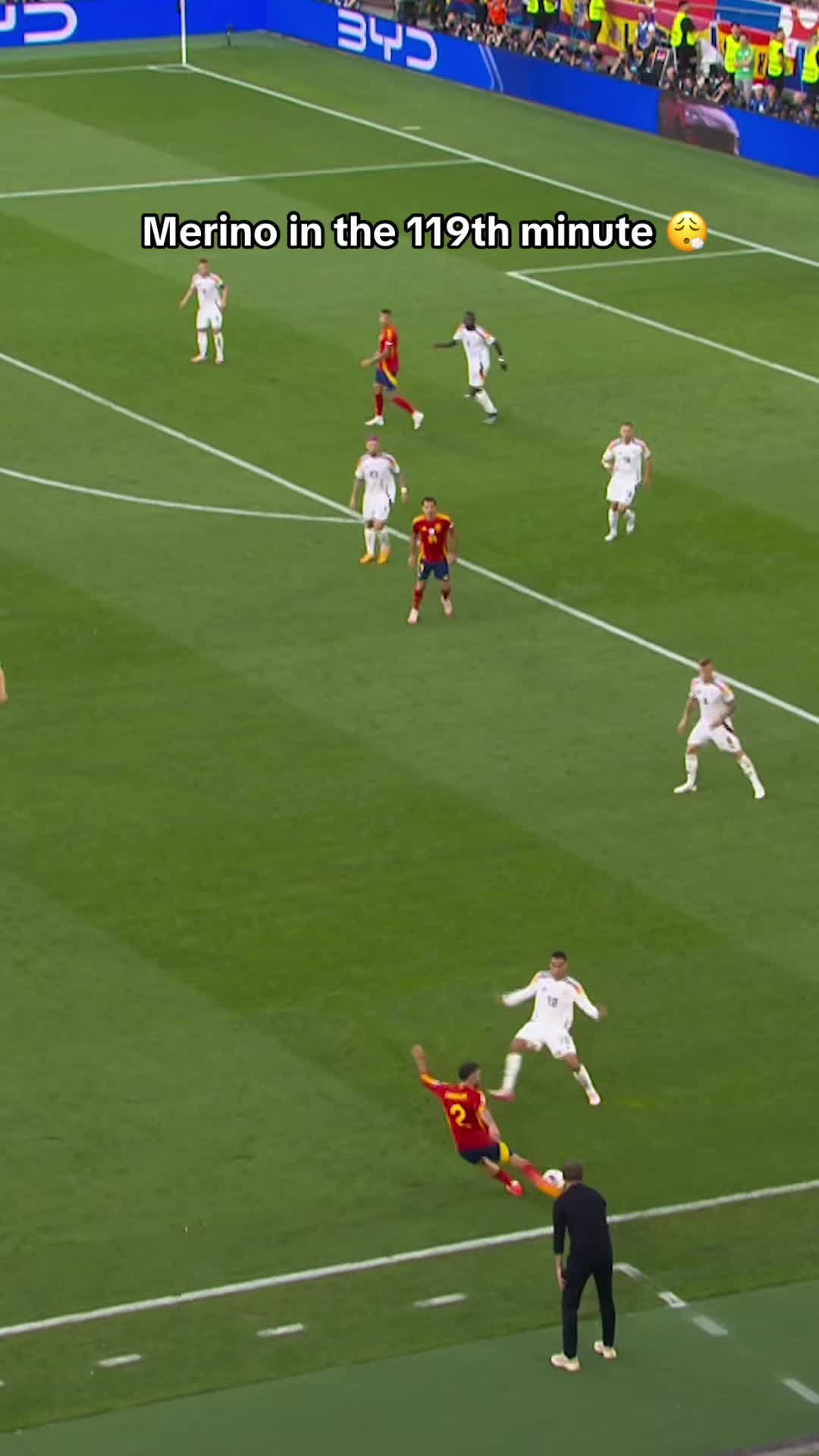
Clutch Merino 😮💨
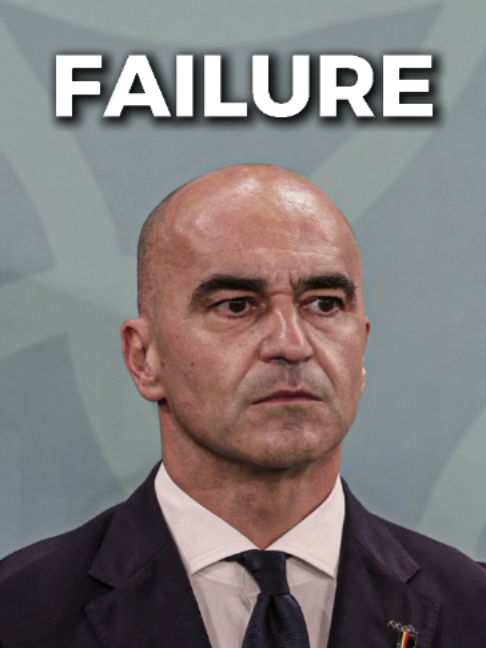
merino goal today portugal 0-1 spain ronaldo interview today ronaldo retirement retiring
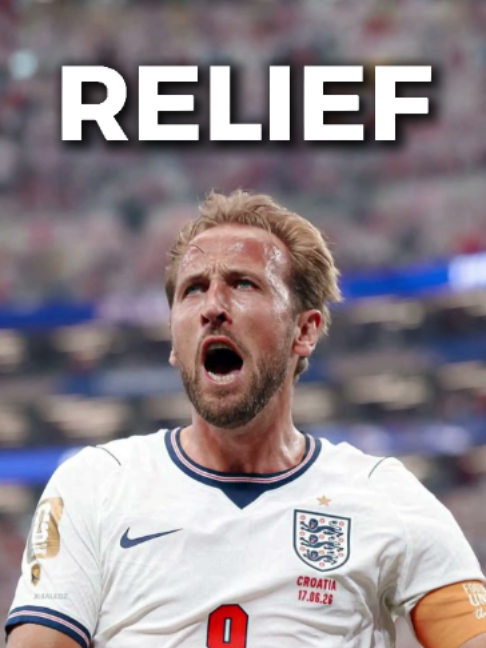
kane goal today kane highlights today england 2-1 congo
 Links
Links
 Contact
 App
App


