



Undergraduate institutions face a severe shortage of football recruits? Athlete skill certificates: the bottleneck in the integrated system



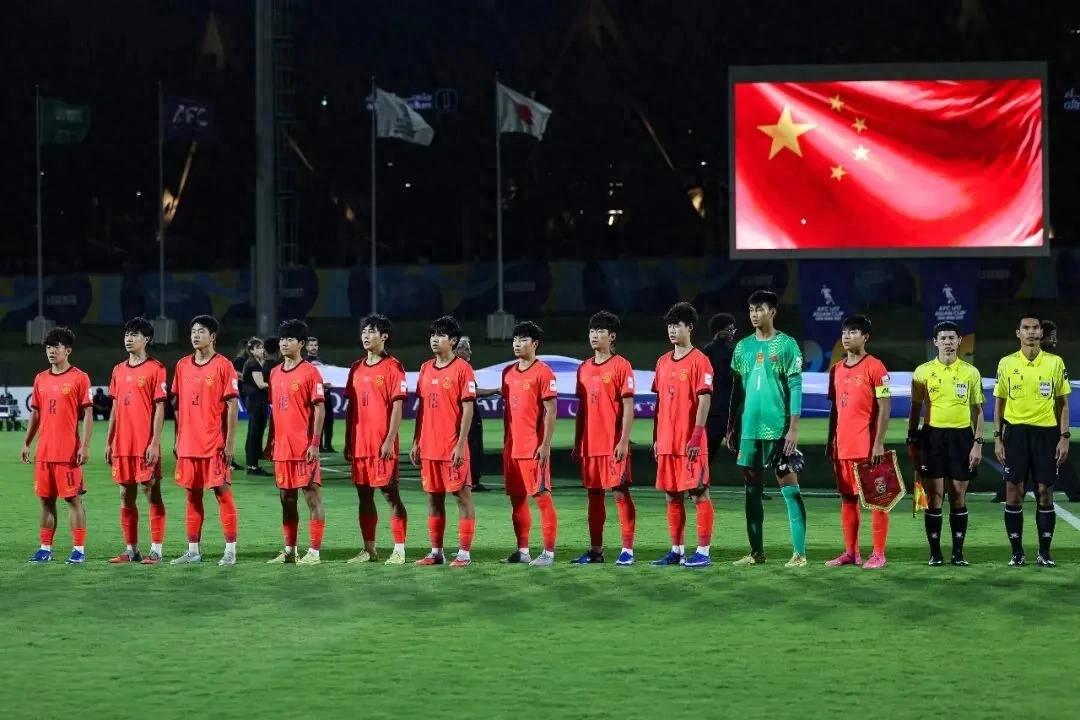
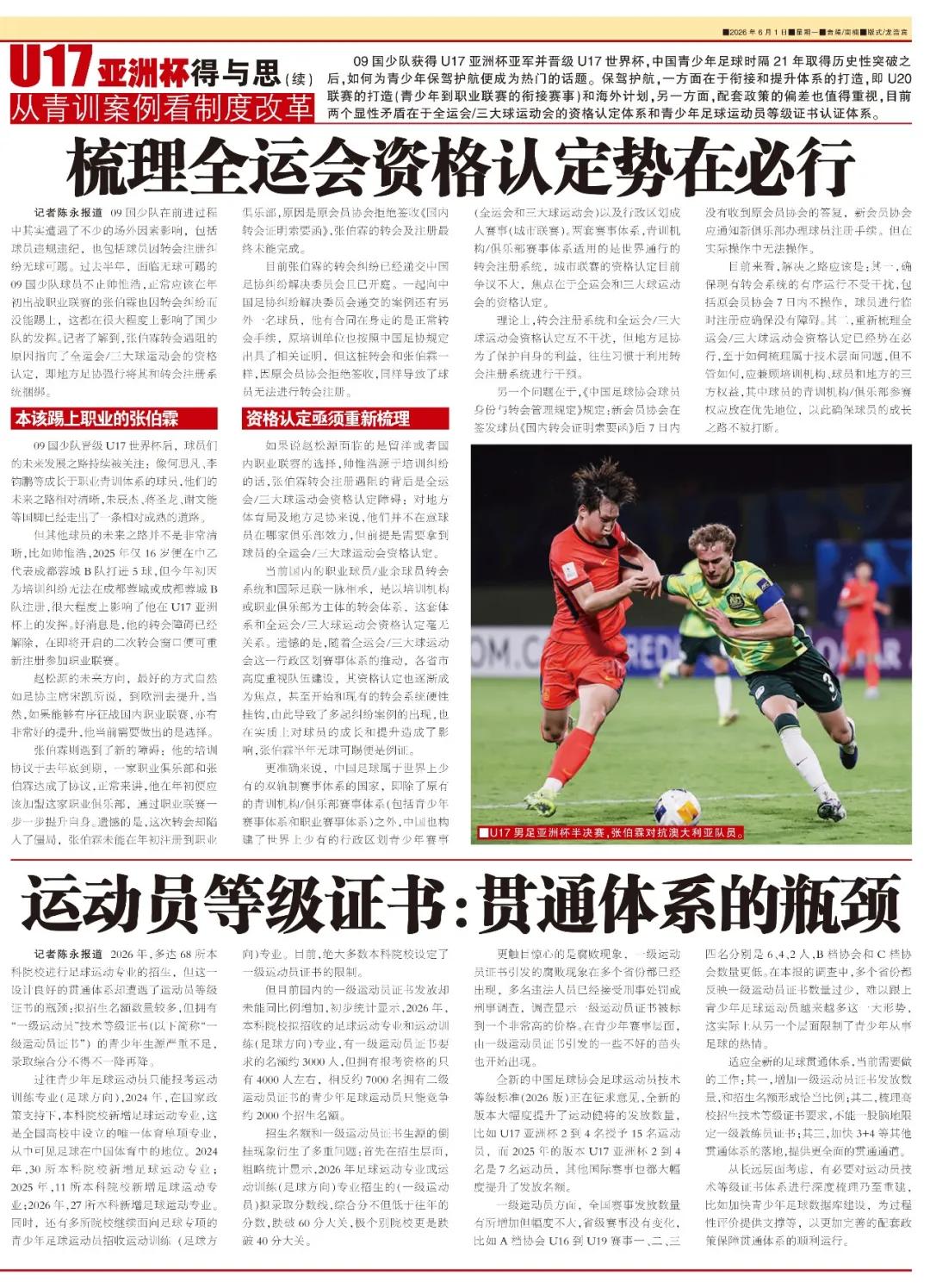
Reported by journalist Chen Yong The U17 national youth team (born 2009) secured the runner-up position in the U17 Asian Cup and qualified for the U17 World Cup, marking a historic breakthrough for Chinese youth football after 21 years. This has made the topic of safeguarding young players a hot issue. Safeguarding involves two aspects: on one hand, building a connection and promotion system—such as the U20 league (a bridging competition from youth to professional leagues) and overseas programs; on the other hand, addressing policy discrepancies, with two prominent contradictions being the qualification recognition system for the National Games/Three Major Sports Games and the youth football athlete skill certificate system.
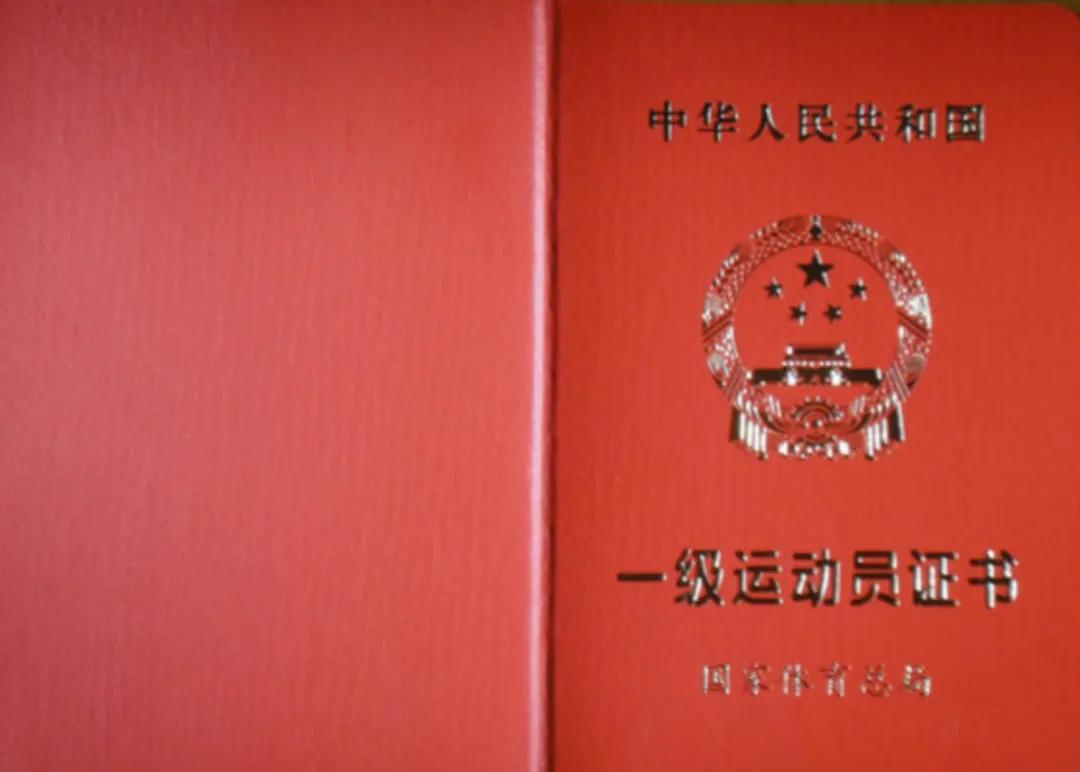
In 2026, as many as 68 undergraduate institutions are recruiting for the football sports major, but this well-designed integrated system encounters a bottleneck with athlete skill certificates: the number of planned enrollment slots is relatively high, but there is a severe shortage of young recruits holding the "Level 1 Athlete" technical skill certificate (hereafter referred to as "Level 1 certificate"), forcing the comprehensive admission scores to be continuously lowered.
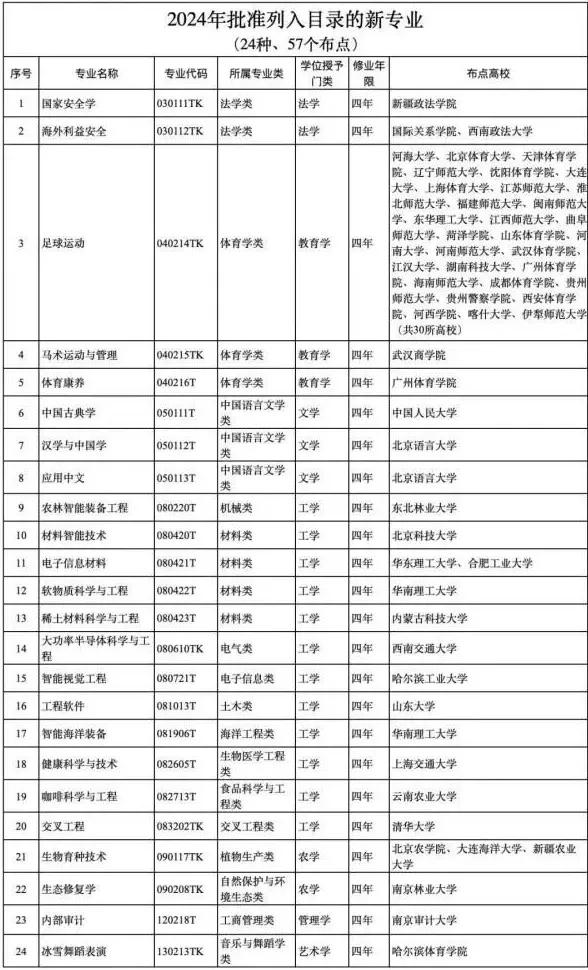
Previously, young football players could only apply for the sports training major (football direction). In 2024, supported by national policies, undergraduate institutions introduced the football sports major—the only single-sport major in Chinese higher education, reflecting football's importance in the country's sports landscape. In 2024, 30 undergraduate institutions added this major; in 2025, 11 more did so; and in 2026, another 27 joined. Meanwhile, many other institutions continue to offer the sports training (football direction) major for young football players. Currently, the vast majority of undergraduate institutions impose a Level 1 certificate requirement.
However, the issuance of domestic Level 1 certificates has not increased proportionally. Preliminary statistics show that in 2026, undergraduate institutions plan to recruit about 3,000 slots requiring a Level 1 certificate for the football sports major and sports training (football direction) major, but only around 4,000 candidates are eligible. Conversely, approximately 7,000 young football players holding Level 2 certificates can only compete for about 2,000 enrollment slots.
The mismatch between enrollment slots and Level 1 certificate holders has led to multiple issues. First, at the recruitment level, rough statistics indicate that for 2026, the expected comprehensive admission scores for football sports or sports training (football direction) majors (requiring Level 1 certificates) have not only fallen below previous years' levels, dropping under 60 points, but some institutions have even seen scores below 40 points.
More alarmingly, corruption has emerged: Level 1 certificate-related scandals have appeared in multiple provinces, with several offenders already facing criminal penalties or investigations. Investigations reveal that Level 1 certificates have been priced at extremely high amounts. At the youth competition level, troubling signs linked to Level 1 certificates are also beginning to surface.
The new Chinese Football Association Football Athlete Technical Skill Standards (2026 Edition) are currently under public comment. The updated version significantly increases the number of Sports Master certificates issued. For example, the U17 Asian Cup awards 15 athletes for 2nd to 4th place, compared to only 7 athletes under the 2025 version. Other international events also see substantial increases in quota allocations.
For Level 1 certificates, national events have seen a modest increase but not a large one, while provincial events remain unchanged. For instance, in Category A association U16 to U19 events, the 1st, 2nd, 3rd, and 4th place teams receive 6, 4, 2, and 0 certificates respectively, with even lower numbers for Category B and C associations. In our investigation, multiple provinces reported that the number of Level 1 certificates is too low to keep pace with the growing number of youth football players, which in turn dampens young people's enthusiasm for pursuing football.
To adapt to the new integrated football system, several steps are needed: first, increase the number of Level 1 certificates issued to create a proper balance with enrollment slots; second, review the technical certificate requirements for university admissions, avoiding a blanket mandate for Level 1 certificates; third, accelerate the implementation of other integrated pathways, such as the 3+4 model, to provide more comprehensive channels.
From a long-term perspective, it is necessary to thoroughly review and even rebuild the athlete technical skill certificate system—for example, by accelerating the development of a youth football database to support process-based evaluations—so that more robust supporting policies can ensure the smooth operation of the integrated system.


Wonderfulshortvideo
messi goal today messi assist today messi highlights vs egypt enzo fernandez goal today romero goal today argentina goals today argentina 3-2 egypt



“Wonderful player, fantastic player, could not run” 😅

Neville, Keane and Wright DO NOT agree on the future of Argentina in the World Cup 👀

“It gave you everything” 👀
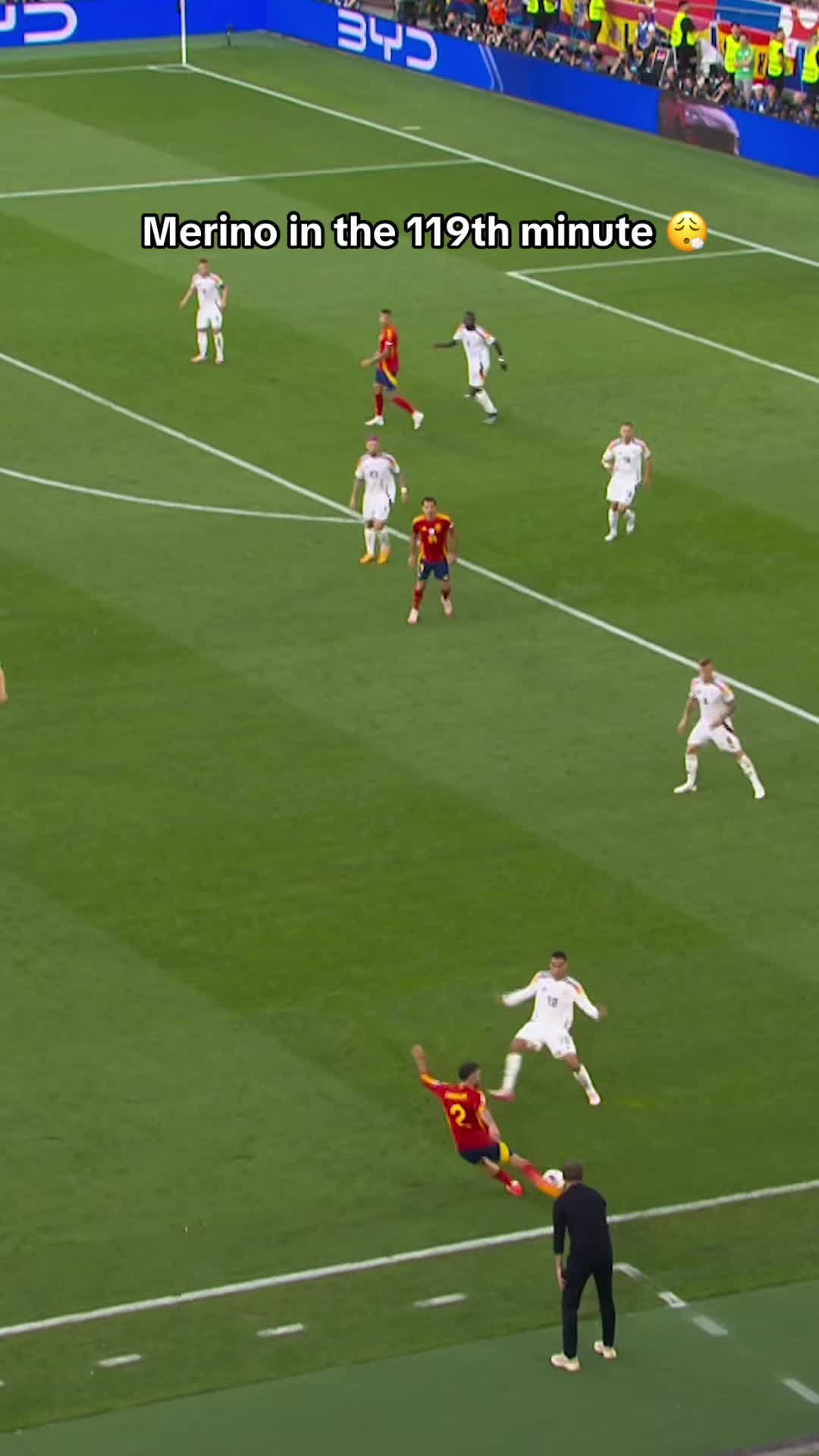
Clutch Merino 😮💨
merino goal today portugal 0-1 spain ronaldo interview today ronaldo retirement retiring

kane goal today kane highlights today england 2-1 congo
 Links
Links
 Contact
 App
App


