



Starting with "A Letter from Song Kai to Zhao Songyuan": Overseas Plans Value Growth as Much as Success


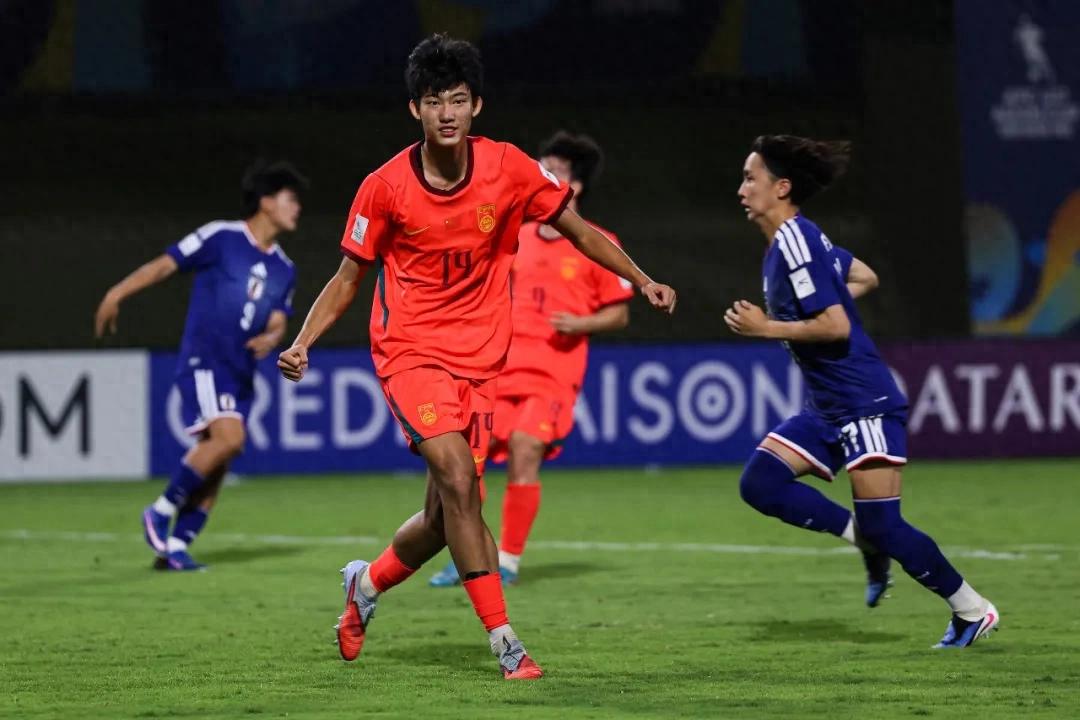
Staff reporter Chen Yong reports Last night, the Chinese U19 national team (the 2007 youth team) officially kicked off their Toulon Tournament campaign, the first appearance for the Chinese youth team in seven years. Before this, the U10 national youth team participated in the Montaigu Tournament in France, and the U11 national youth team joined the Nations' Cup in Italy, as the overseas tournament plan continues to expand.
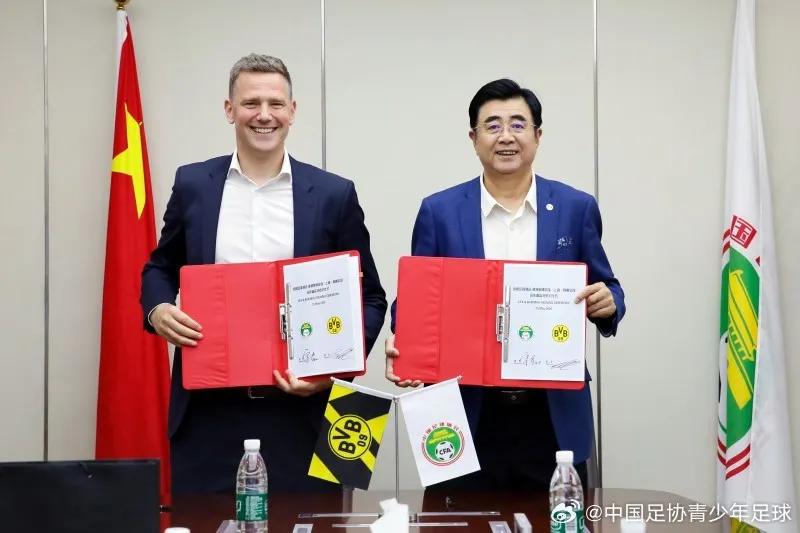
Within the Chinese Football Association's youth development strategy, the overseas tournament plan and the overseas training plan are two complementary systematic projects. Through these two systems, young Chinese football players can become more familiar with and accustomed to mainstream international technical and tactical systems, while also comprehensively honing their overall qualities.
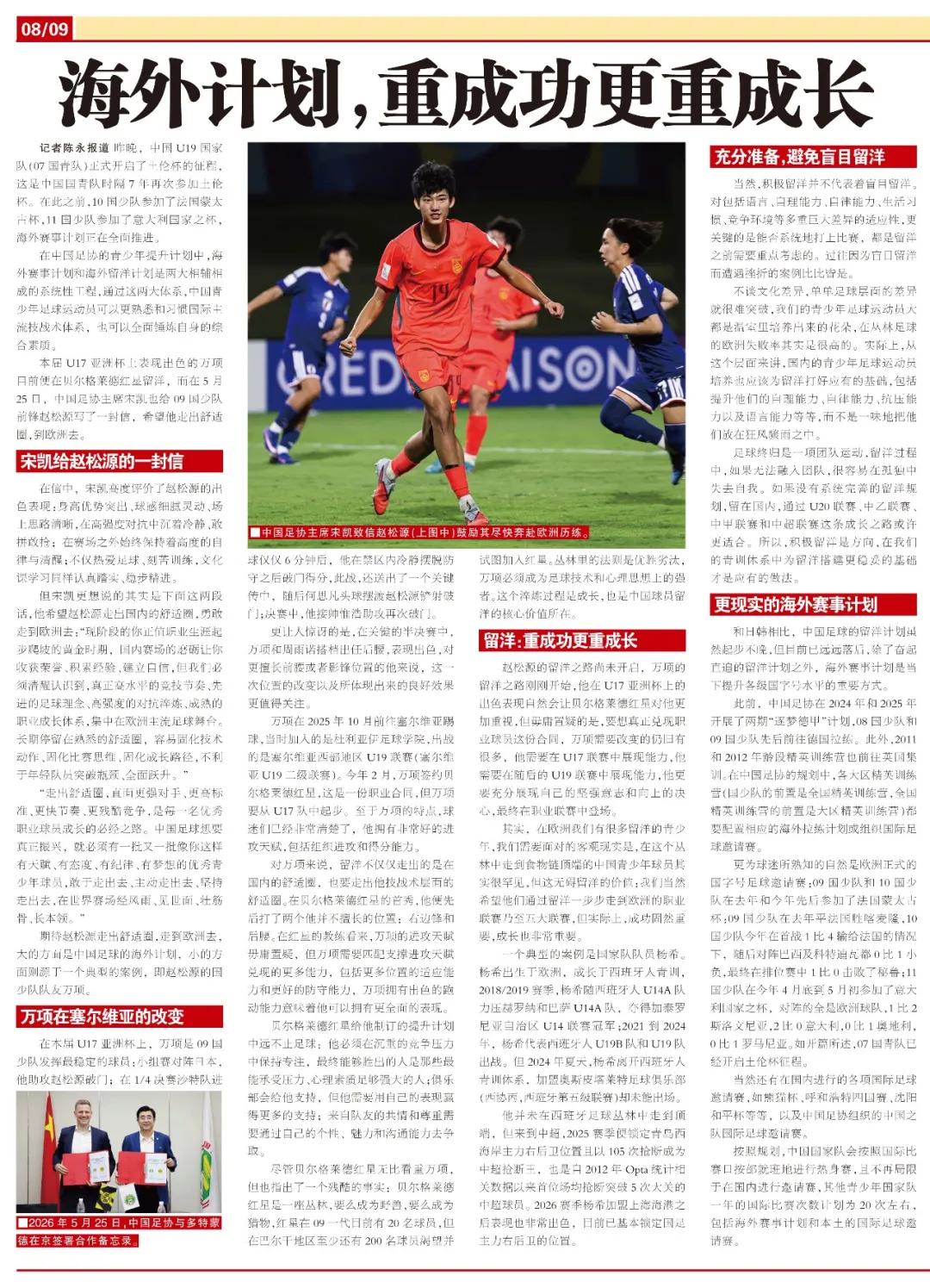
Wan Xiang, who performed impressively in the recent U17 Asian Cup, is currently training abroad with Red Star Belgrade. On May 25, Chinese Football Association Chairman Song Kai wrote a letter to Zhao Songyuan, a forward for the U9 national youth team, urging him to step out of his comfort zone and go to Europe.

In the letter, Song Kai highly praised Zhao Songyuan's outstanding performance: his height advantage, delicate ball control, clear on-field thinking, calmness and aggressiveness under high-intensity confrontation; his consistent self-discipline and clarity off the pitch; and his dedication not only to football and hard training but also to serious and steady progress in academic studies.
But what Song Kai really wanted to convey were the following two paragraphs, encouraging Zhao Songyuan to leave his domestic comfort zone and bravely go to Europe: "At this stage, you are in the golden period of starting your career. The domestic arena has helped you gain honors, accumulate experience, and build confidence. However, we must clearly recognize that the truly high-level competitive rhythm, advanced football concepts, high-intensity confrontations, and mature professional growth systems are concentrated on the mainstream European football stage. Staying in a familiar comfort zone for too long can easily solidify technical movements, game thinking, and growth paths, hindering young players from breaking through bottlenecks and achieving comprehensive leaps."
"Stepping out of your comfort zone, facing stronger opponents, higher standards, faster pace, and fiercer competition is the necessary path for every outstanding professional player. For Chinese football to truly revive, we need wave after wave of talented, disciplined, and ambitious young players like you to dare to go abroad, take the initiative to go abroad, and persist in going abroad, to experience storms, see the world, strengthen their resolve, and enhance their skills on the global stage."
The expectation for Zhao Songyuan to leave his comfort zone and go to Europe stems broadly from China's overseas football plan and narrowly from a typical case: his national youth teammate Wan Xiang.

In the recent U17 Asian Cup, Wan Xiang was the most consistent player for the U9 national youth team: in the group stage match against Japan, he assisted Zhao Songyuan for a goal; just six minutes after Saudi Arabia scored in the quarterfinal, he calmly evaded defenders in the penalty area and scored, also providing a key cross that led to He Sifan heading the ball to Zhao Songyuan for a tap-in; in the final, he scored again after an assist from Shuai Weihao.
What was even more surprising was that in the crucial semifinal, Wan Xiang partnered with Zhou Yuluo as a defensive midfielder and performed excellently—this positional change and its positive effect deserve particular attention.
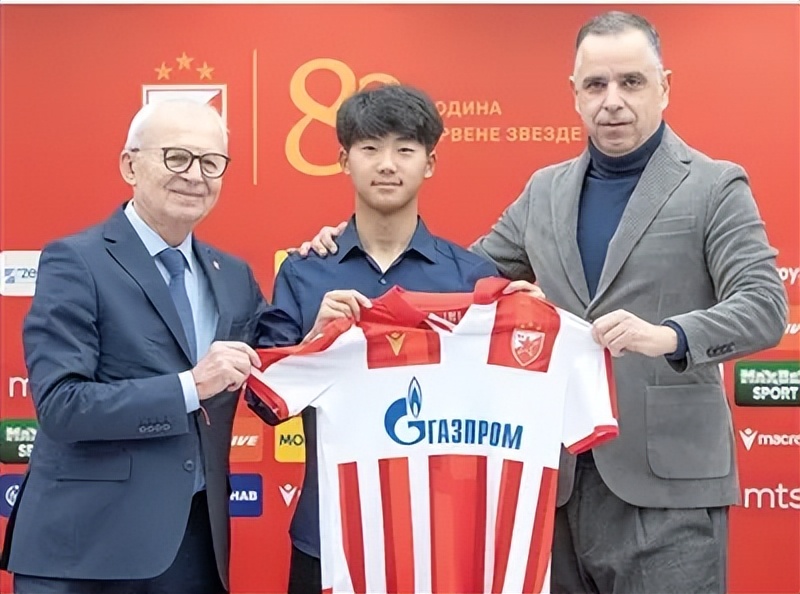
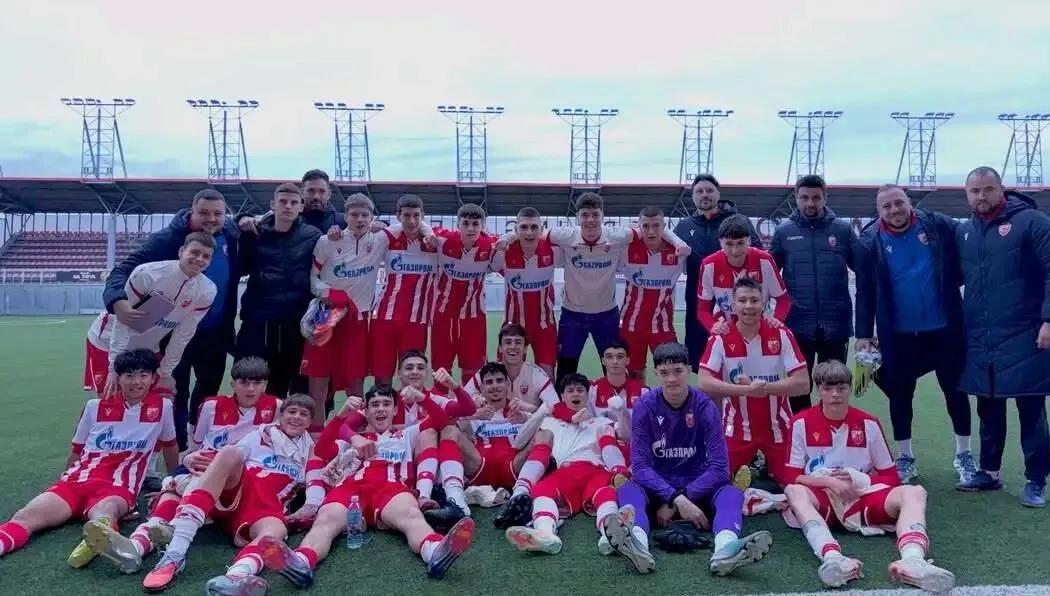
In October 2025, Wan Xiang went to play in Serbia, initially joining the Dujay Football Academy and competing in the Serbian Western Region U19 League (the second-tier U19 league in Serbia). In February of this year, Wan Xiang signed a professional contract with Red Star Belgrade, though he started with the U17 team.
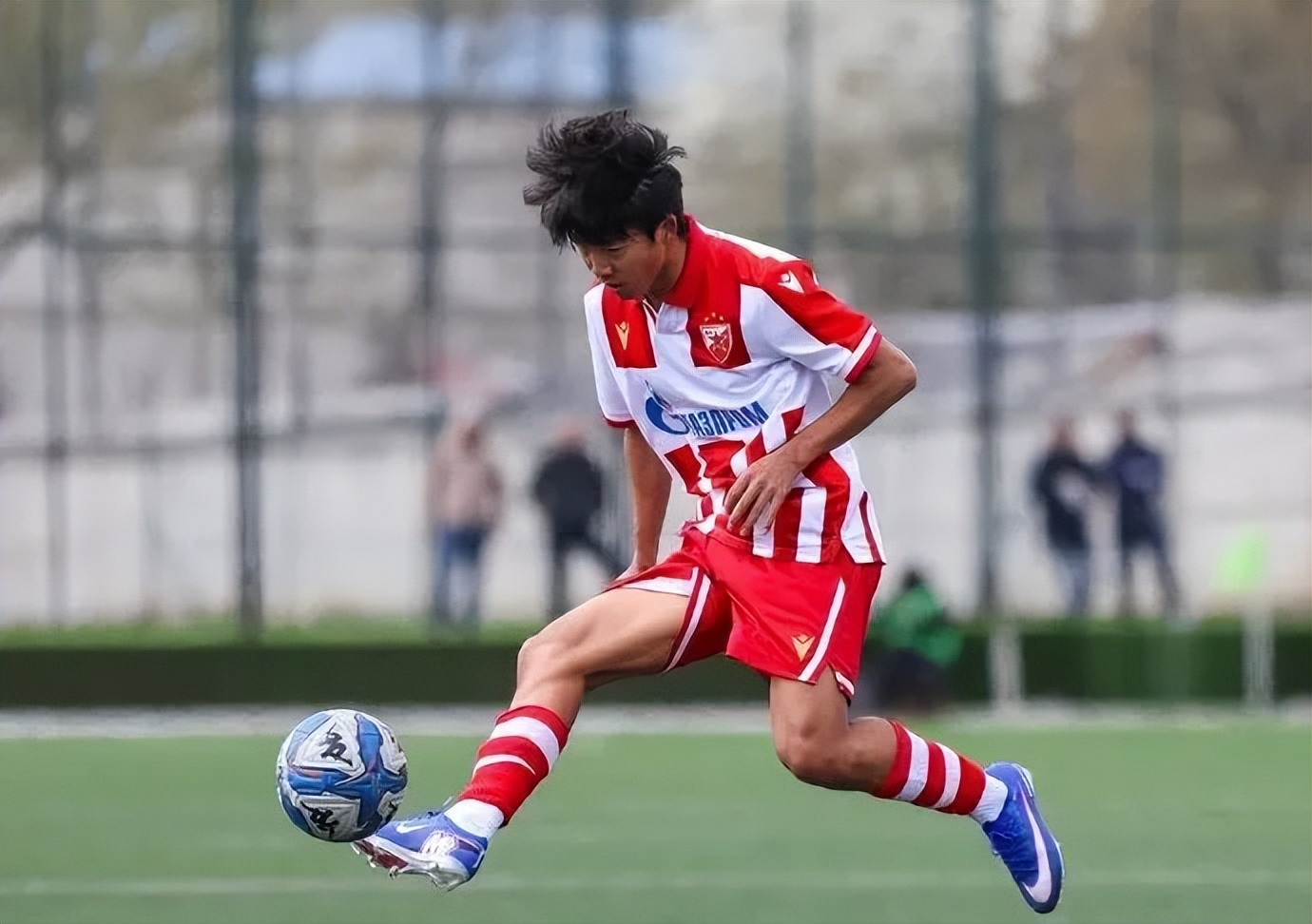
For Wan Xiang, going abroad meant not only leaving his domestic comfort zone but also stepping out of his technical and tactical comfort zone. In his debut for Red Star Belgrade, he played two positions he was unfamiliar with: right winger and defensive midfielder. In the eyes of Red Star's coaches, Wan Xiang's attacking talent is beyond doubt, but he needs to develop the abilities to match that talent, including adaptability to multiple positions and better defensive skills. His excellent running ability suggests he can become a more well-rounded player.
Red Star Belgrade's development plan for him goes far beyond football: he must stay focused under intense competitive pressure; those who ultimately succeed are those who can bear the most pressure and possess strong mental fortitude; the club will support him, but he needs to earn more support through his performance; empathy and respect from teammates must be gained through his personality, charisma, and communication skills.
Although Red Star Belgrade values Wan Xiang highly, they also pointed out a harsh reality: Red Star Belgrade is a jungle—either become a beast or become prey. Red Star currently has 20 players in the 2009 age group, but at least 200 more players in the Balkan region are eager to join them. The law of the jungle is survival of the fittest. Wan Xiang must become strong both in football skills and mental fortitude. This tempering process is growth, and it is the core value of Chinese players going abroad.

Zhao Songyuan's journey abroad has not yet begun; Wan Xiang's has just started. His outstanding performance at the U17 Asian Cup will naturally make Red Star Belgrade value him even more, but beyond doubt, to truly realize his professional contract, Wan Xiang still has much to change. He needs to demonstrate his abilities in the U17 league, then in the U19 league, and most importantly, show his strong will and upward determination to eventually play in professional matches.
In fact, many Chinese youth players are training abroad in Europe. The objective reality is that very few Chinese youth players reach the top of this jungle, but that does not diminish the value of going abroad: we certainly hope they progress step by step to European professional leagues, even top five leagues, but in reality, while success is important, growth is equally vital.
A typical example is national team player Yang Xi. Born in Europe, Yang Xi grew up in the Espanyol youth system. In the 2018/2019 season, he helped Espanyol U14A win the Catalonia U14 league title, beating Girona and Barcelona U14A. From 2021 to 2024, he played for Espanyol U19B and U19 teams. However, in the summer of 2024, he left Espanyol and joined Hospitalet (Tercera División, Spain's fifth tier) but did not get playing time.
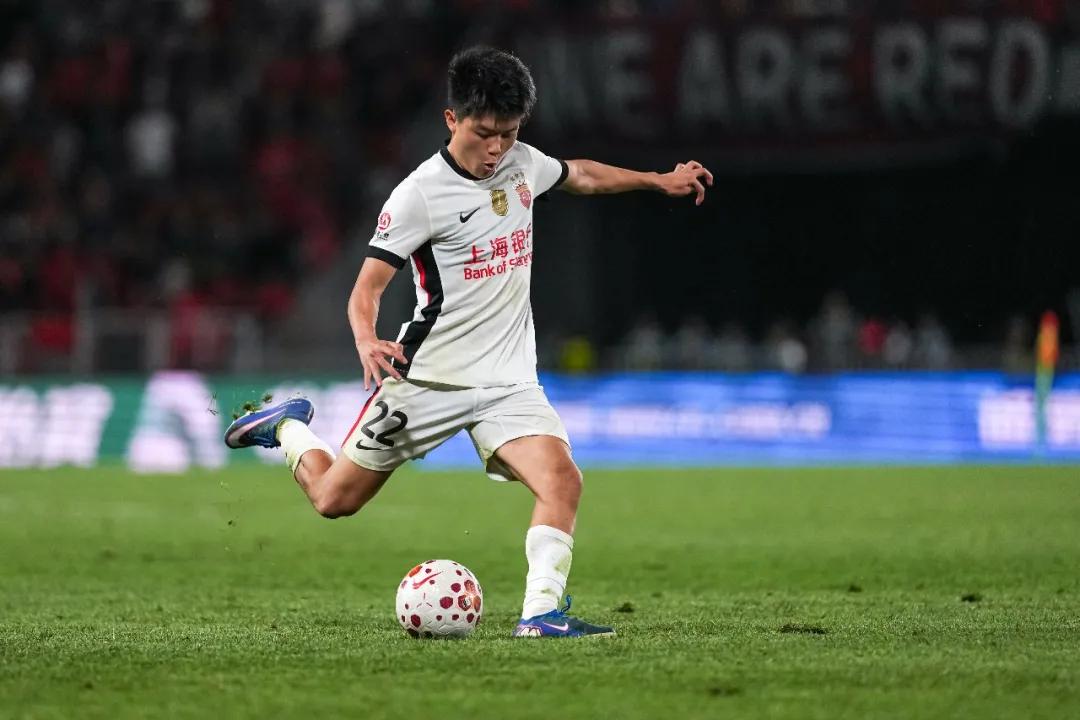
He did not reach the top of the Spanish football jungle, but after arriving in the Chinese Super League, he secured the starting right-back position for Qingdao West Coast in the 2025 season and became the league's interception leader with 105 tackles, the first player since Opta began tracking such data in 2012 to average over five tackles per game. In 2026, he joined Shanghai Port and performed well, essentially locking down the starting right-back spot for the national team.

Of course, actively going abroad does not mean doing so blindly. Adaptability to major differences in language, self-care, self-discipline, living habits, and competitive environments, and most critically, the ability to systematically get playing time, are key considerations before going abroad. There are numerous cases of setbacks due to blind overseas moves in the past.
Without even considering cultural differences, the gap in football alone is difficult to bridge. Most young Chinese football players are like flowers raised in greenhouses, and their failure rate in Europe's jungle football is very high. In fact, from this perspective, domestic youth training should also lay a solid foundation for going abroad, including improving their self-care ability, self-discipline, resilience, and language skills, rather than simply throwing them into the storm.
Football is ultimately a team sport. During the overseas journey, if one cannot integrate into the team, it is easy to lose oneself in loneliness. Without a systematic and well-planned overseas program, staying in China to develop through the U20 league, China League Two, China League One, and the Super League might be a more suitable path. Therefore, actively going abroad is the direction, but building a more stable foundation within our youth training system for overseas moves is the proper approach.
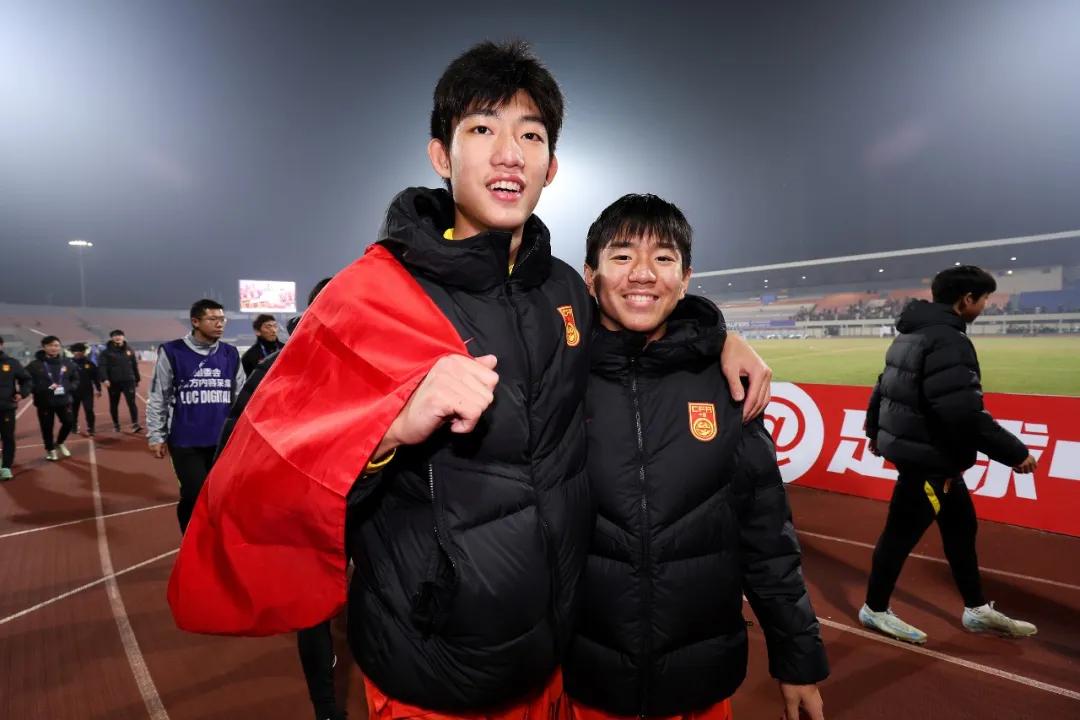

Compared to Japan and South Korea, China's overseas training plan, though starting not late, has now fallen far behind. In addition to catching up on overseas training programs, the overseas tournament plan is an important way to improve the level of national youth teams at all levels at present.
Previously, the Chinese Football Association conducted two "Dream Bundesliga" programs in 2024 and 2025, with the U8 and U9 national youth teams traveling to Germany for training camps. Additionally, the 2011 and 2012 age-group elite training camps went to the UK for集训. In the CFA's planning, regional elite training camps (predecessors to national youth teams) will all include corresponding overseas training plans or international friendly tournaments.
More familiar to fans are the official European youth national team tournaments: the U9 and U10 national youth teams participated in the Montaigu Tournament in France last year and this year: the U9 team drew with France and beat Cameroon last year; the U10 team this year lost 1-4 to France in their first match, then lost 0-1 to Brazil and Ivory Coast, and finally beat Peru 1-0 in the placement match; the U11 national youth team participated in the Nations' Cup in Italy from late April to early May, facing all European teams: 1-2 against Slovenia, 2-0 against Italy, 0-1 against Austria, and 0-1 against Romania. As mentioned at the beginning, the U7 youth team has already started their Toulon Tournament journey. There are also various international youth tournaments held in China, such as the Panda Cup, Hohhot Four-Nation Tournament, Shenyang Peace Cup, and others, as well as CFA-organized international friendlies for Chinese national teams.
According to the plan, the senior national team will arrange friendlies step by step according to international match dates, and will no longer be limited to hosting tournaments in China. Other youth national teams are scheduled to play around 20 international matches per year, including overseas tournaments and local international friendly matches.


Wonderfulshortvideo
messi goal today messi assist today messi highlights vs egypt enzo fernandez goal today romero goal today argentina goals today argentina 3-2 egypt



“Wonderful player, fantastic player, could not run” 😅

Neville, Keane and Wright DO NOT agree on the future of Argentina in the World Cup 👀

“It gave you everything” 👀
Clutch Merino 😮💨
merino goal today portugal 0-1 spain ronaldo interview today ronaldo retirement retiring

kane goal today kane highlights today england 2-1 congo
 Links
Links
 Contact
 App
App


