



The technological revolution of the 2026 World Cup



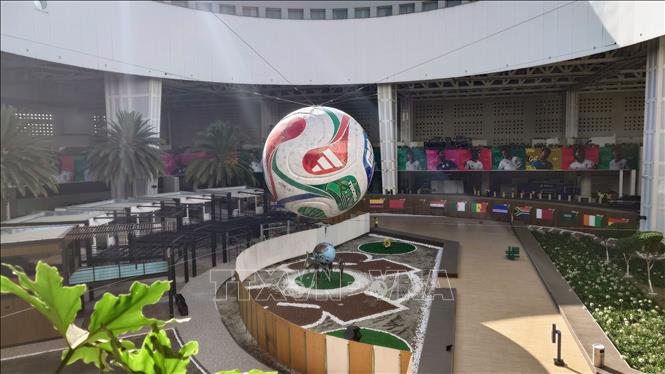
According to Euronews, FIFA plans to deploy multiple new technologies to enhance both the quality of the game and the fan experience.
These digital tools, designed to assist referees, teams, and broadcasters, are expected to transform how the world's most popular sport is experienced both on and off the pitch.
FIFA President Gianni Infantino stated in Las Vegas (USA) in January: "We ensure that technological innovation will benefit every player, team, and fan worldwide... while serving football—the greatest sport on the planet."
Sensors inside the FIFA ball
Advanced technology is now also integrated into the most crucial element of any football match: the ball itself.
The FIFA Trionda ball, manufactured by Adidas, is equipped with a motion sensor chip operating at 500 hertz, enabling referees to track every movement of the ball. According to FIFA, this system collects data up to 500 times per second.
This technology helps referees precisely determine the moment of contact—when a player touches the ball—thereby supporting faster and more accurate offside decisions.
FIFA says the system can also assist in detecting handball incidents or fouls leading to penalty kicks by recording every touch of the ball during the match—something that is very difficult to determine using video footage alone.
Reducing referee errors?
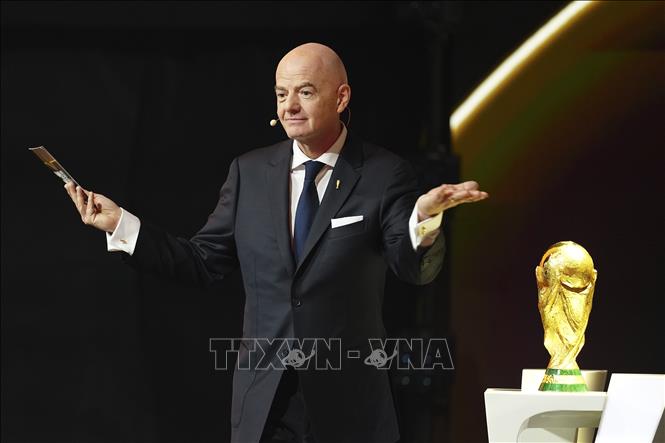
Infantino affirmed that FIFA will also create digital avatars of all 1,248 players participating in the 2026 World Cup to help referees make decisions faster and more clearly reconstruct on-field situations.
Before the tournament begins, each player will undergo a one-second body scan to create a highly accurate 3D model. This will allow referees to track players more easily during high-speed plays or when their view is obstructed.
These 3D models will complement FIFA's existing semi-automated offside technology, which uses a stadium camera system to track the positions of the ball and players at a rate of 50 times per second.
When the ball is passed to a player who may be in an offside position, the control room referees will receive an automatic alert, allowing them to confirm the situation before notifying the on-field referee.
The player's 3D model will also be integrated into slow-motion replays during official broadcasts, helping both stadium spectators and home viewers follow the match more clearly.
Another AI application used in matches is "Referee View." With AI support, this camera system delivers stable match footage to viewers, giving them the feeling of standing right on the pitch alongside the players.
Digital assistant for match analysis
One of FIFA's largest projects for the upcoming World Cup is the development of Football AI Pro, an AI assistant for all participating national teams.
Football AI Pro will analyze matches to provide tactical insights, performance evaluations, and strategic recommendations.
The goal of Football AI Pro is to support coaches and coaching staff to work more efficiently by converting raw match data into actionable suggestions that can be applied on the field.
According to FIFA President Gianni Infantino, the Football AI Pro assistant also helps expand access to football data by providing analytical tools to all 48 participating teams as well as fans.
The system can generate written summaries, video analysis, and data visualizations in graphical form, thereby helping teams study opponents and assess their own performance.
The 2026 World Cup is the largest tournament ever, expanding to 48 teams (up from 32 in the 2022 FIFA World Cup). Four national teams—Cape Verde, Curacao, Jordan, and Uzbekistan—are making their debut in the world's biggest football event this year.
It is estimated that around 6.5 million fans will attend 104 matches across 16 host cities. According to the official schedule, the 2026 World Cup finals will take place from June 11 to July 19, 2026 across three North American countries: the United States, Canada, and Mexico. The opening match of the 2026 World Cup is scheduled for June 11 in Mexico.


Wonderfulshortvideo
messi goal today messi assist today messi highlights vs egypt enzo fernandez goal today romero goal today argentina goals today argentina 3-2 egypt



“Wonderful player, fantastic player, could not run” 😅

Neville, Keane and Wright DO NOT agree on the future of Argentina in the World Cup 👀
“It gave you everything” 👀
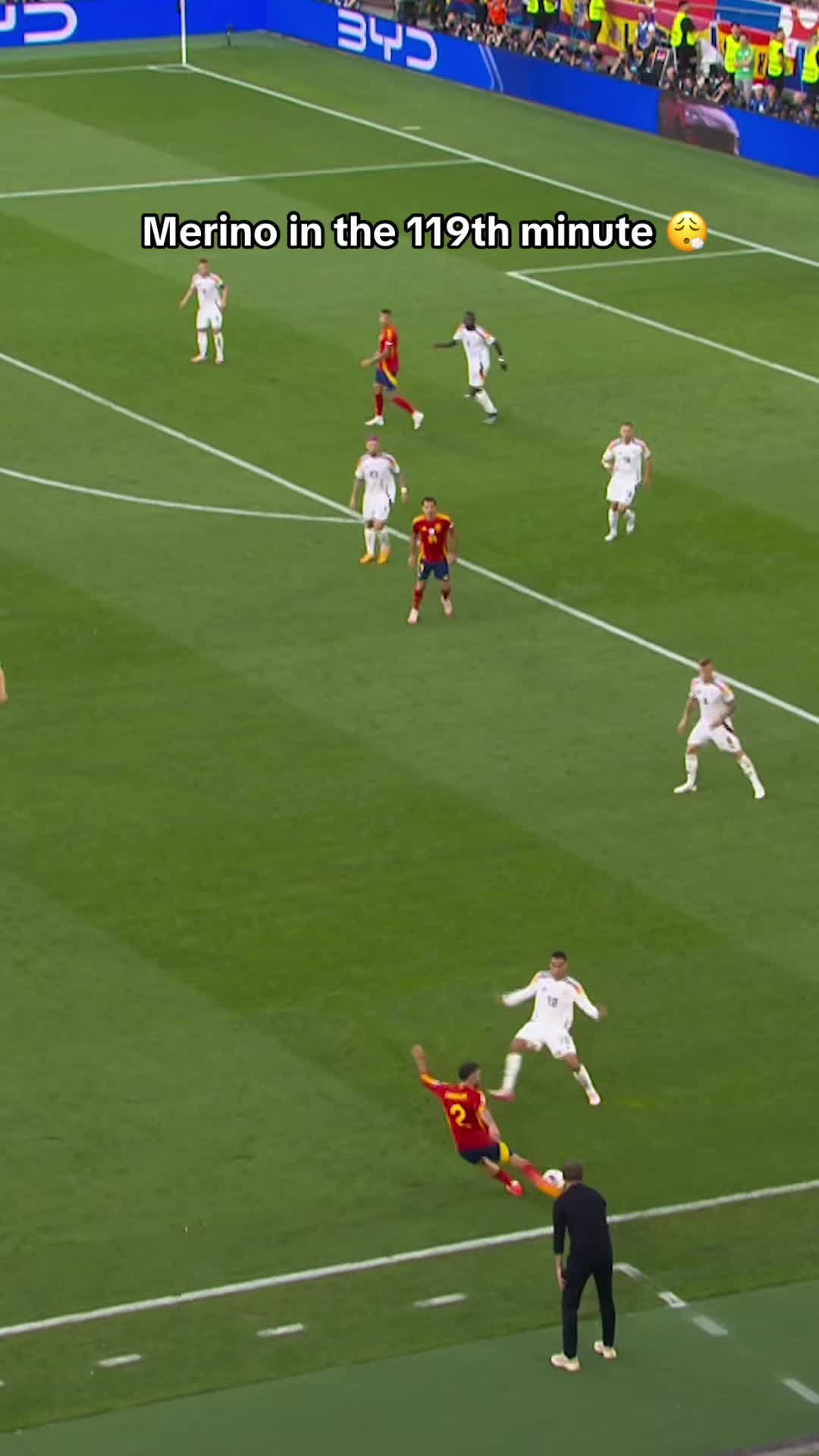
Clutch Merino 😮💨
merino goal today portugal 0-1 spain ronaldo interview today ronaldo retirement retiring

kane goal today kane highlights today england 2-1 congo
 Links
Links
 Contact
 App
App


