



Responsibility fuels growth and breaks long-standing bottlenecks! The captain of Chengdu Rongcheng, Wei Shihao's "peak form"



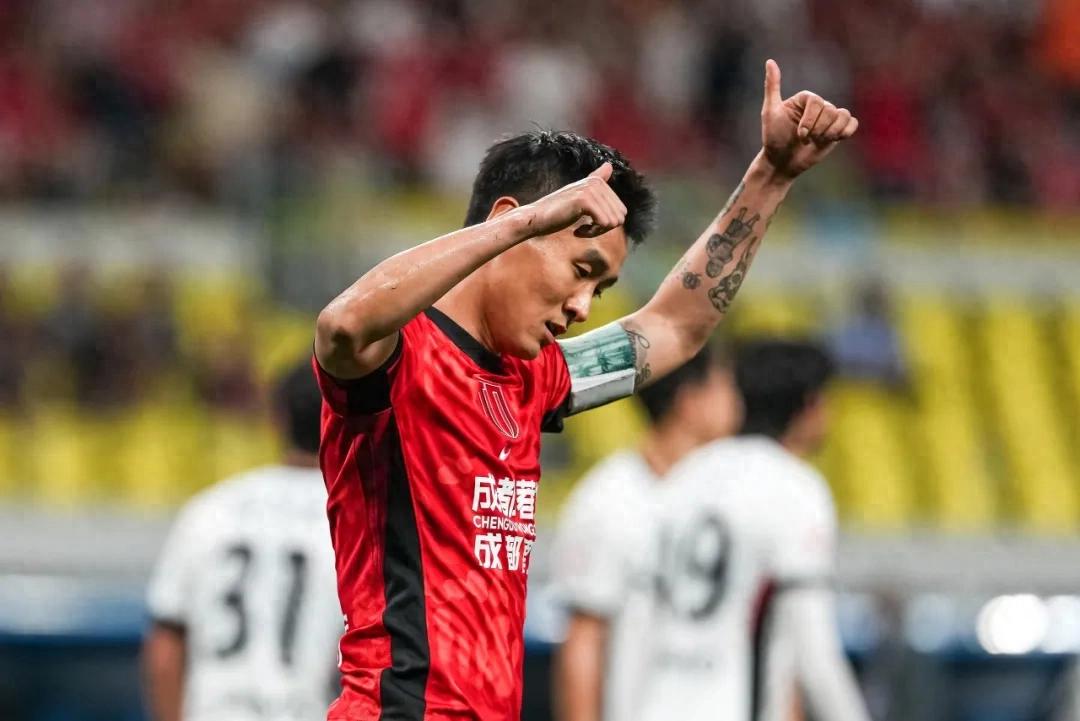
Journalist Lu Mi reports At the halfway point of the Chinese Super League, considering the performances of domestic players from all clubs, Wei Shihao, captain of Chengdu Rongcheng, is arguably one of the most high-profile and impactful national team members in the first half. Thanks to his steady and efficient goal contributions, increasingly diverse tactical responsibilities, and a calmer, more confident on-field demeanor, Wei Shihao sits second on the domestic scorers' list, with his comprehensive display ranking among the elite of his national team peers. Looking at his career trajectory, this period also represents the golden phase where his competitive form is at its peak and his performances are most consistent. After wearing the captain's armband this season, external role constraints and an internal sense of responsibility have tempered his previously rebellious personality, enhancing his team-first mindset and overall game awareness, completing a transformation from a highly talented but individualistic player to a team leader.

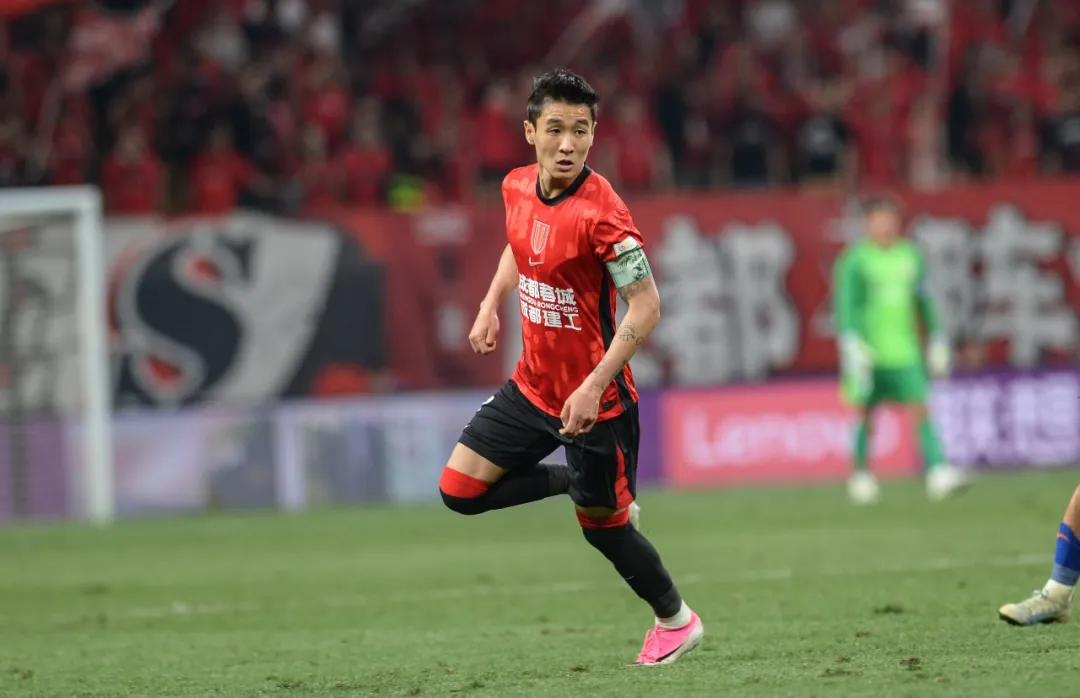
In the first 15 rounds of this season, Wei Shihao has hit a career high in form. Statistically, he has maintained an extremely high attendance rate, missing only one game due to accumulated yellow cards and starting every other match. In 14 appearances out of 15, averaging 88 minutes per game, his availability and playing time are among the best. On the offensive end, Wei Shihao has 6 goals and 2 assists, having topped the domestic scoring chart for a long time before being overtaken by Zhang Yuning by one goal in the last two rounds; he leads all domestic players in total dribbles (56, with 32 successful), total shots (39, with 19 on target), and shots on target rate of nearly 50%, showing a significant improvement in finishing ability. Defensively, he averages 1.07 tackles and 1.35 clearances per game, along with 8 blocks, shedding his previous reputation of prioritizing attack over defense to become a versatile winger with a strong presence on both ends.
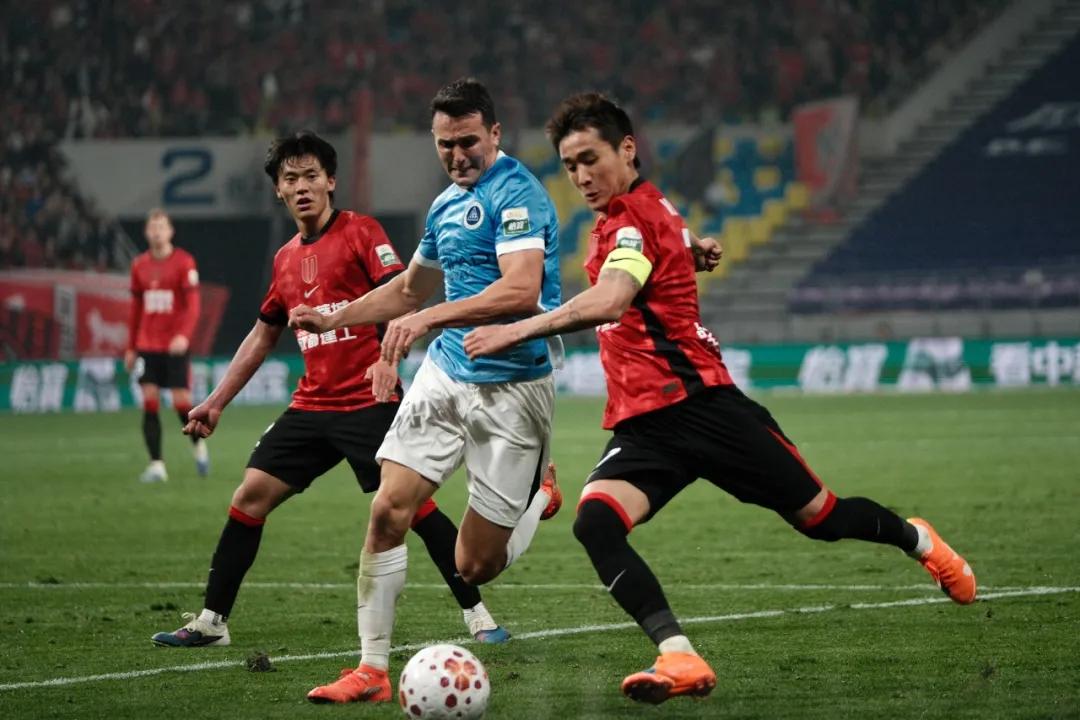
Looking back at his previous seasons with Chengdu Rongcheng, due to different formations and the positioning of foreign supporting players, Wei Shihao was more of a one-dimensional strong point rather than the core driving the entire attack. Entering the 2026 season, John Aloisi switched to a four-back formation, continuously optimizing the tactical system, which led to a role redefinition for Wei Shihao—this is also the key reason for his significantly enhanced tactical contribution. Now, Wei Shihao more flexibly chooses his passing options based on teammates' runs, capable of cutting inside to shoot at goal, dropping deep into midfield to link up possession, and delivering accurate through balls and wide switches, becoming a crucial link in the midfield-to-attack transition and reducing the team's over-reliance on Romulo. In the team's high-pressing system, Wei Shihao actively participates in forward pressure, turning his individual explosiveness into a defensive advantage for the team.
This season, Wei Shihao has actively integrated into and driven the entire offensive system. His game-reading ability and tactical understanding have matured; even in games where he fails to score, he creates numerous opportunities through link-up play, drawing defenders, and orchestrating attacks, making his overall on-field value far greater than before. More importantly, he has improved his consistency—previously, Wei Shihao would occasionally show flashes of brilliance, but his performances fluctuated due to mental volatility or changes in opponent defensive intensity. This season, however, his form curve has remained stable across the first 15 rounds. Even when the team faced difficult moments, such as being passive or trailing, he never showed negativity or slackness. Within Chengdu Rongcheng's system, he has completed a full upgrade from a good starter to an absolute core player.


Wei Shihao has played for several top Chinese Super League clubs in his career, including Beijing Guoan, Shanghai Port, Guangzhou Evergrande, and Wuhan Three Towns. Compared to his earlier years, which alternated between highs and lows with noticeable fluctuations, his time at Chengdu Rongcheng represents the most stable, most professional, and most consistent golden period of his career.
During his stints with Beijing Guoan and Shanghai Port, Wei Shihao was in the rising phase of his career. As a young player, his talent was evident—speed, dribbling, and shooting skills improved steadily—and he delivered many impressive performances, earning a reputation as the most promising young winger in China. Joining Guangzhou Evergrande was widely considered the peak of his career before now. As the then-dominant CSL powerhouse, Guangzhou had a strong squad and a mature tactical system, and that quality platform allowed his abilities to be fully unleashed.
At Guangzhou, Wei Shihao broke out multiple times, especially in the 2019 season, leaving many iconic moments: After a malicious foul in the China Cup led to a one-month internal suspension, he returned in late April and, over the next two months (from round 9 of the CSL), contributed 9 goals and 7 assists across three competitions. In the first half of that CSL season, he played 11 out of 15 matches, scoring 6 goals and providing 4 assists—comparable to his 2026 half-season stats. That season, his single-season goal and assist numbers set personal career records, his wing play was sharp, and his finishing efficiency steadily improved, cementing his place as a regular starter. In multi-front campaigns including the league and cup, he frequently delivered key goals, becoming an important force in Guangzhou's attack.
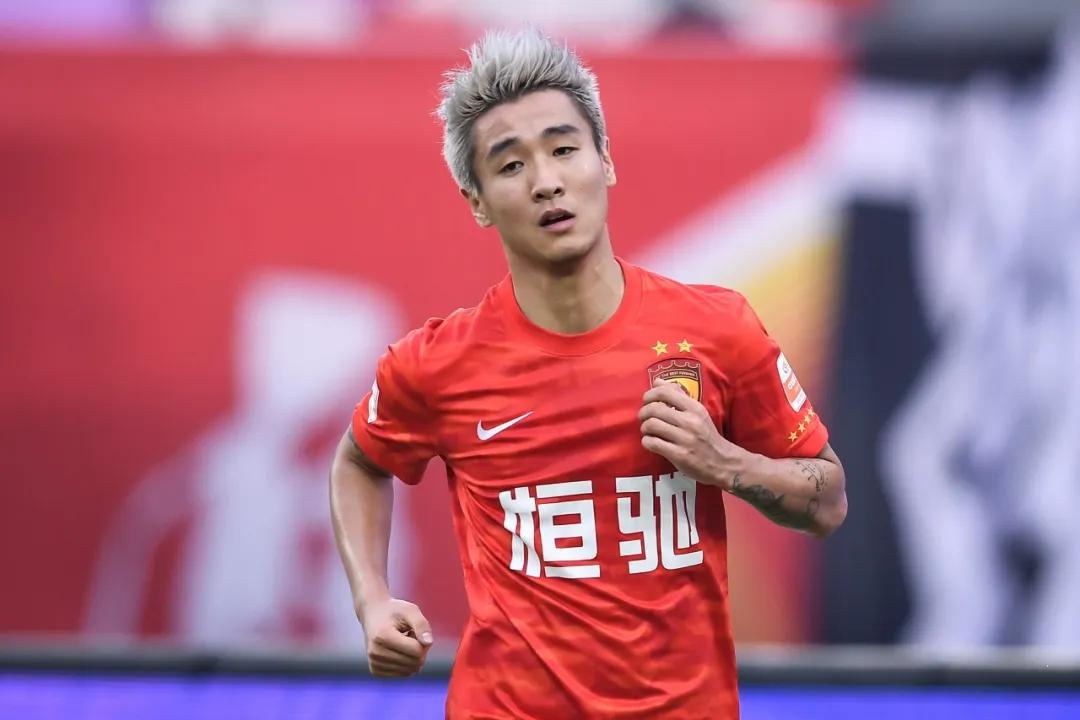
During his years at Guangzhou Evergrande, Wei Shihao won almost all available honors with the team, but his individual performances fluctuated significantly. In 2020, he made only 10 appearances, averaging 60 minutes per game, scoring just 8 goals. In 2022, as the team's strength declined, he had 29 appearances but only 6 goals.
After leaving Guangzhou, Wei Shihao joined Wuhan Three Towns in 2023. At that time, Three Towns had just won the CSL title as a newly promoted team, recruiting many quasi-national team players, especially a number of Guangzhou's mid-generation players. However, new problems emerged. The original system of Three Towns was disrupted in the second year; after Wei Shihao joined, the club's investment plummeted, results declined, the head coach was subsequently dismissed, and Wei Shihao himself was suspended for a long time after provoking referee Ma Ning from the bench. In his one-year stint at Three Towns, he made only 19 appearances and scored just 5 goals, falling into a career low.
Since joining Chengdu Rongcheng, the entire period has been the strongest in terms of form stability and career continuity for Wei Shihao. After arriving in Chengdu, he deeply integrated into the team's overall tactics, developed默契 coordination with teammates, and improved his self-management, with better control over injuries and energy distribution, enabling him to cope with a long season.
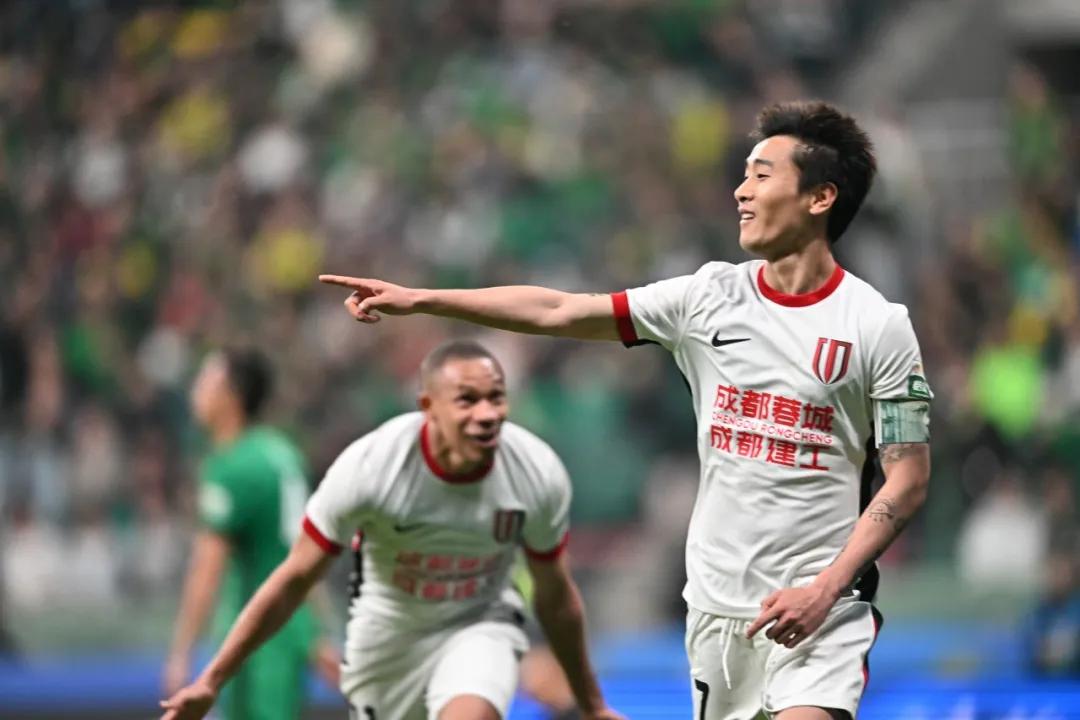

This season, Wei Shihao officially took over the captain's armband of Chengdu Rongcheng. This responsibility has become an invisible constraint, altering his previously free-spirited and flamboyant on-field style. Once a rebellious and emotionally expressive individual player, he has matured under the captaincy in terms of team consciousness, game awareness, and sense of duty, completing a graceful transformation from a personality player to a team leader.
Fans familiar with Wei Shihao know that his distinctive personality has been a long-standing label in his career. In his early years, when facing opponent fouls or controversial decisions, he would easily get emotional, engaging in verbal arguments or retaliatory actions; when the team was trailing or the attack was stalled, his impatience would lead to hasty ball handling and negative emotions. While even opposing fans would not underestimate his competitive ability, issues like emotional volatility and a lack of team awareness had long been bottlenecks preventing him from reaching a higher level.
After becoming captain of Chengdu Rongcheng, the identity constraint and responsibility of the armband became the biggest driver for him to actively change. The most visible change is his emotional management on the pitch. In the first 15 rounds of this CSL season, the competition has been fierce, with frequent wing battles, physical contact, and controversial calls—situations that would easily ignite Wei Shihao's emotions in the past. But now, even when facing his "old nemesis" Ma Ning, after receiving a yellow card, Wei Shihao just turned around with a smile.
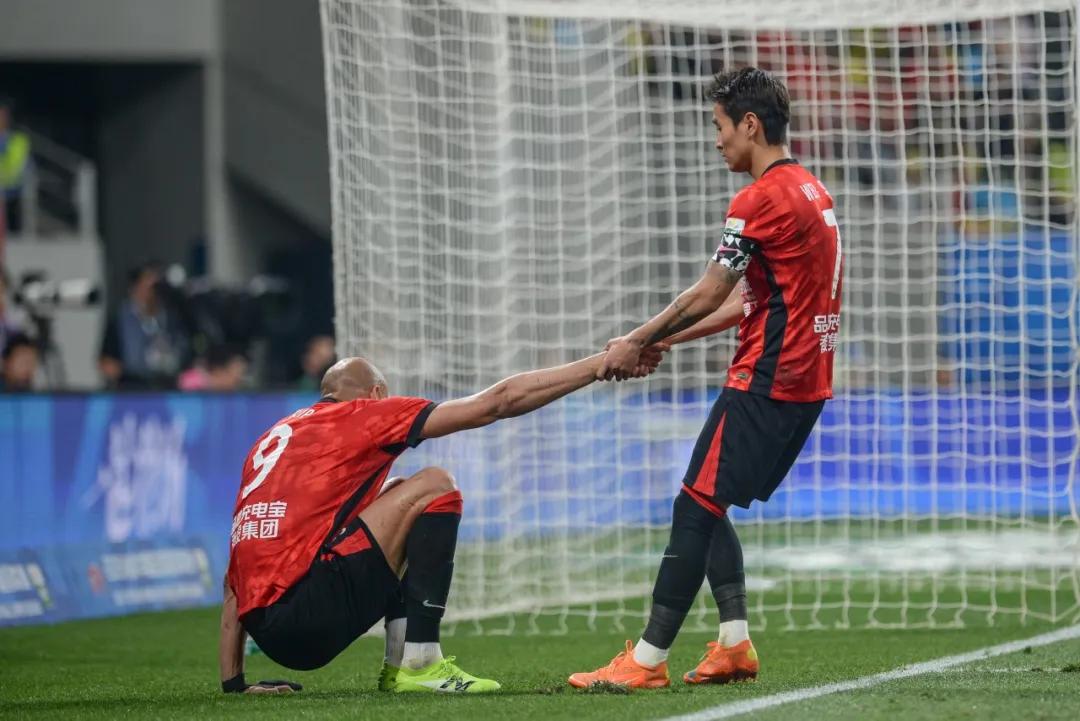
Last season, in an away match against Tianjin Jinmen Tigers, Wei Shihao became furious after fans in the stands insulted his wife, earning a yellow card, and within just eight minutes, his emotions collapsed, leading to a second yellow and a red card. This season, when he again visited Tianjin's away stadium, no matter how intense the physical battles or how loud the noise, Wei Shihao kept all his focus on the match, eventually scoring a brace to lead his team to a comeback victory, personally turning the page on last year's grudges.
In the dressing room, Wei Shihao's sense of collective responsibility is also evident. As captain, he actively takes on the duty of communicating with teammates and uniting the squad. When younger players experience emotional ups and downs, he steps forward to talk and encourage them; when the team falls behind, he stabilizes morale during halftime. This season, after Sorokin joined and the defense line was restructured, the introverted Sorokin initially struggled to fit in. At that point, Wei Shihao specifically asked Sorokin to stand in front of the fans and wave the victory flag after the match—no words were needed in that moment.
The once individualistic personality is gradually transforming into an inclusive, responsible leadership temperament. Today, Wei Shihao understands the essence of team football, learning to sacrifice, coordinate, and lead the team forward. From a rebellious genius national team player to a steady, accountable captain, this growth driven by responsibility has helped him break through years of professional bottlenecks, ushering in his best form in the 2026 season.


Wonderfulshortvideo
messi goal today messi assist today messi highlights vs egypt enzo fernandez goal today romero goal today argentina goals today argentina 3-2 egypt


“Wonderful player, fantastic player, could not run” 😅

Neville, Keane and Wright DO NOT agree on the future of Argentina in the World Cup 👀
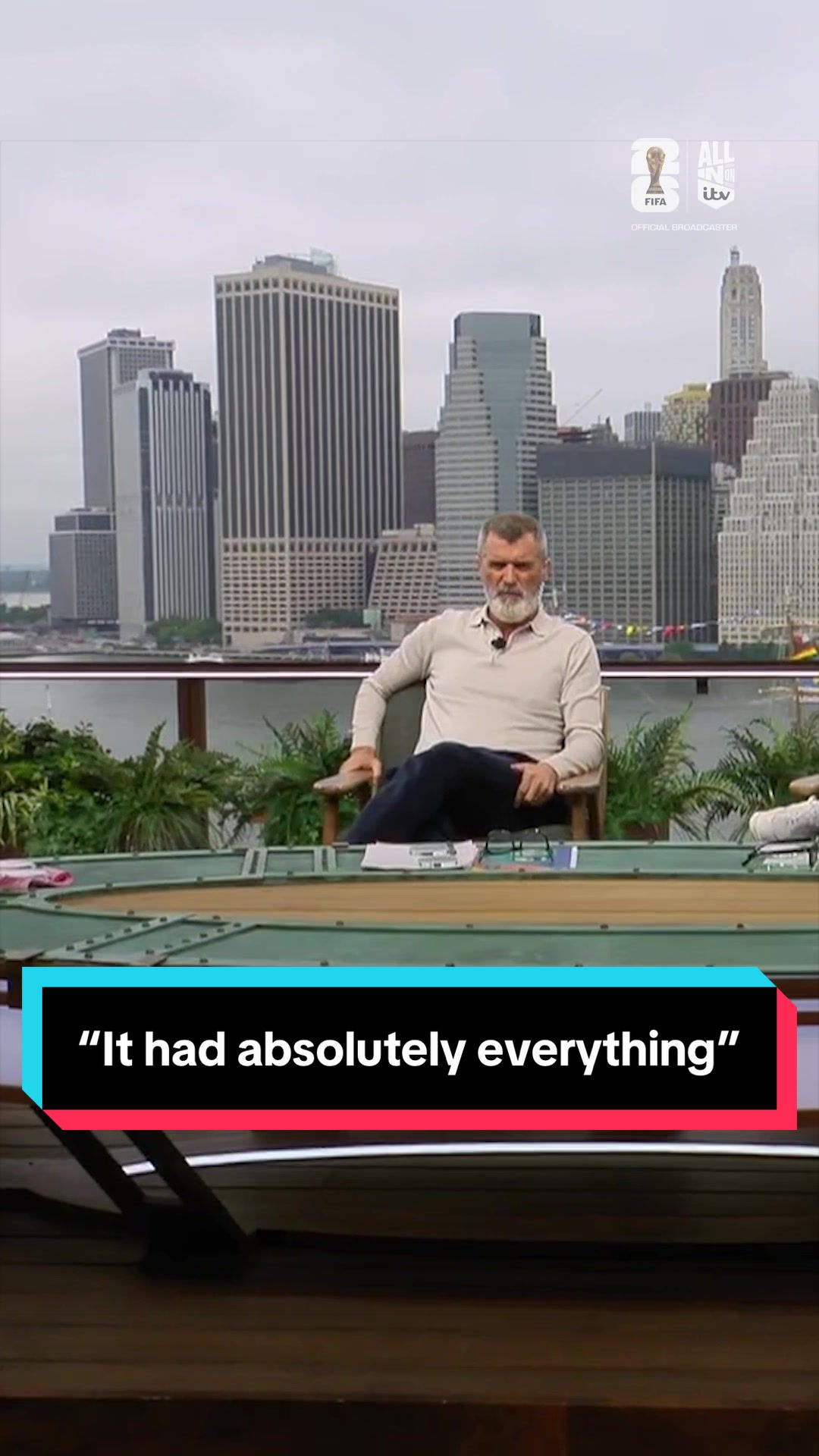
“It gave you everything” 👀
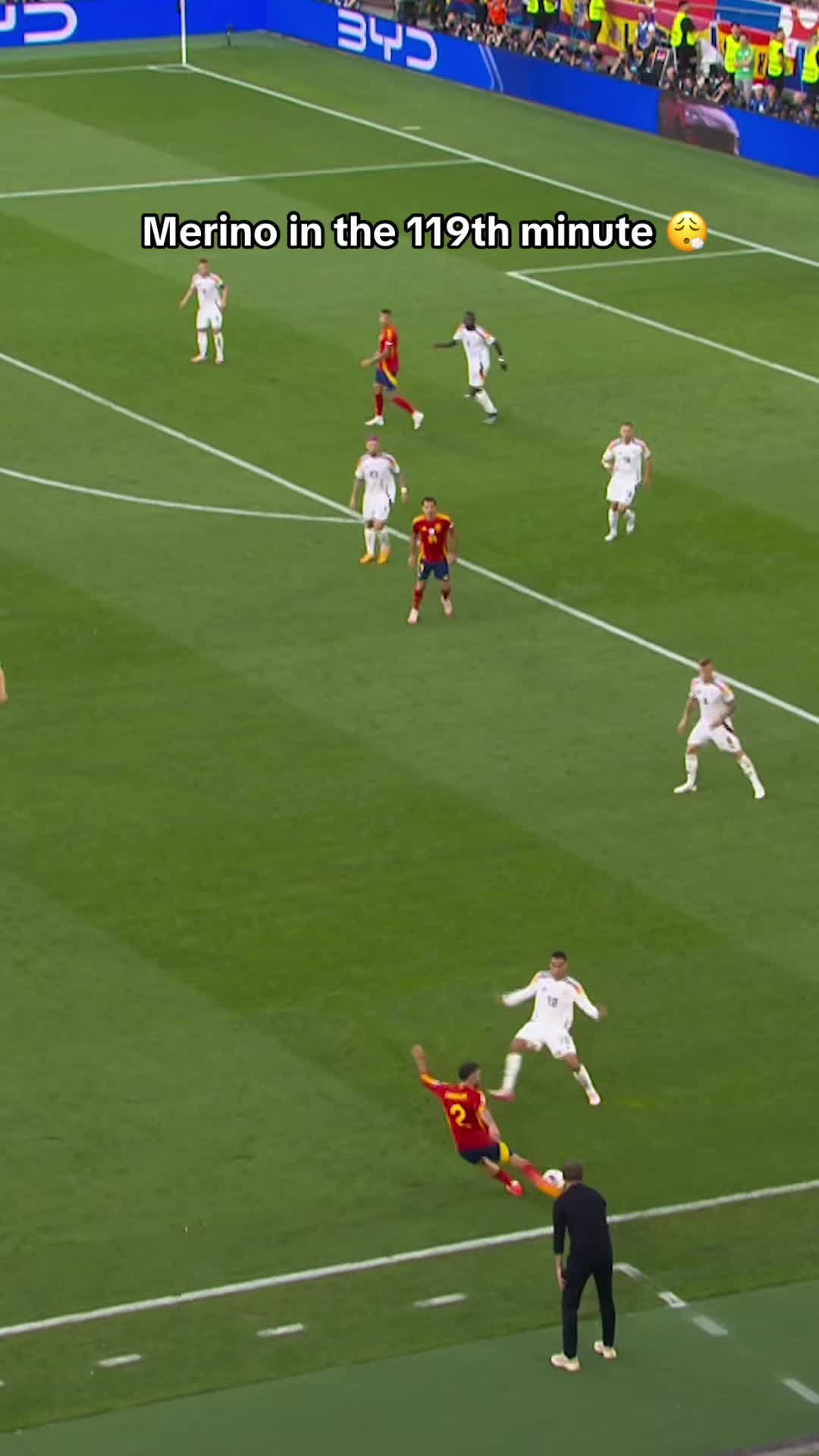
Clutch Merino 😮💨
merino goal today portugal 0-1 spain ronaldo interview today ronaldo retirement retiring
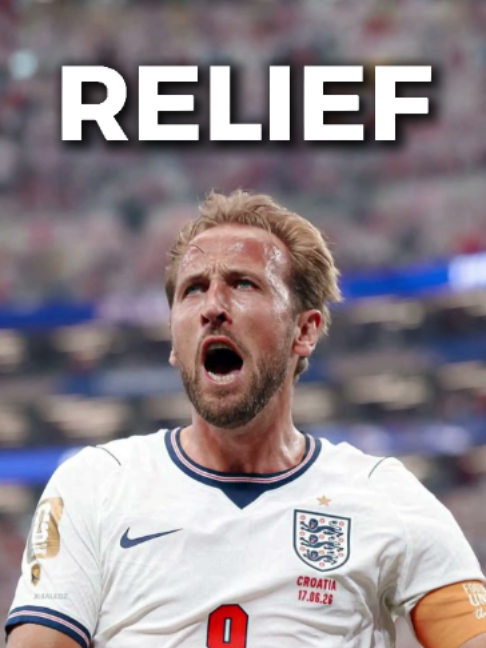
kane goal today kane highlights today england 2-1 congo
 Links
Links
 Contact
 App
App


