



World Cup 2026: Pressure from a Miracle



Four years after their historic journey that brought African football to the World Cup semifinals for the first time, Morocco returns to the global stage no longer as a "dark horse," but as a team expected to compete fairly with the major powers. This new status is creating unprecedented pressure for the North African representatives.
At the 2022 World Cup in Qatar, Morocco created one of the most memorable stories in tournament history by successively defeating Spain and Portugal to reach the semifinals. This unprecedented achievement for an African team not only made Morocco a source of pride for the "Black Continent" but also sparked a wave of enthusiasm across the Arab world.
Four years after that miracle, Morocco enters the 2026 World Cup with a completely different image. The co-host of the 2030 World Cup alongside Spain and Portugal is no longer seen as a surprise phenomenon but has become one of the most formidable representatives of world football outside the traditional power group.
Recent results partly reflect this maturity. Morocco won all their World Cup qualifiers while establishing a streak of 19 consecutive victories – a new record at the national team level, surpassing the 15-match winning streak set by Spain from 2008-2009.
This impressive run of form made Morocco a top contender for the Africa Cup of Nations (AFCON) held at home early this year. However, instead of a convincing campaign, the North African side went through a pressure-filled journey. Despite reaching the final, inconsistent performances drew continuous criticism from fans.
The controversial loss in the final to Senegal became the last straw, leading to the resignation of head coach Walid Regragui – the man who orchestrated the 2022 World Cup miracle. His replacement is Mohamed Ouahabi, a coach who led Morocco to victory in the U20 World Cup last year.
However, this will be his first time leading the national team in a major tournament, with the pressure from the previous generation's success still present. On the pitch, Morocco's greatest hope now rests on Brahim Diaz. The former Spain international has emerged as the team's number one attacking star. Nevertheless, this midfielder still faces considerable pressure after missing a Panenka-style penalty in the AFCON final – a moment believed to have cost Morocco the chance to triumph on home soil.
At the 2026 World Cup, Morocco is placed in Group C alongside Brazil, Scotland, and Haiti. The biggest challenge will come in their opening match against the team in New York (USA) on June 13. However, experts still believe the North African side has a strong chance of advancing past the group stage.
What worries Moroccan fans is not so much the strength of their opponents, but the psychological pressure of living up to immense expectations. While in Qatar Morocco could use the element of surprise to create an upset, this time every opponent will give them the utmost respect.
From a team that once astonished the world, Morocco now faces an even tougher challenge: proving that their 2022 success was not a fleeting moment of brilliance but the foundation for a new status as a rising football power on the world map.


Wonderfulshortvideo
messi goal today messi assist today messi highlights vs egypt enzo fernandez goal today romero goal today argentina goals today argentina 3-2 egypt



“Wonderful player, fantastic player, could not run” 😅

Neville, Keane and Wright DO NOT agree on the future of Argentina in the World Cup 👀

“It gave you everything” 👀
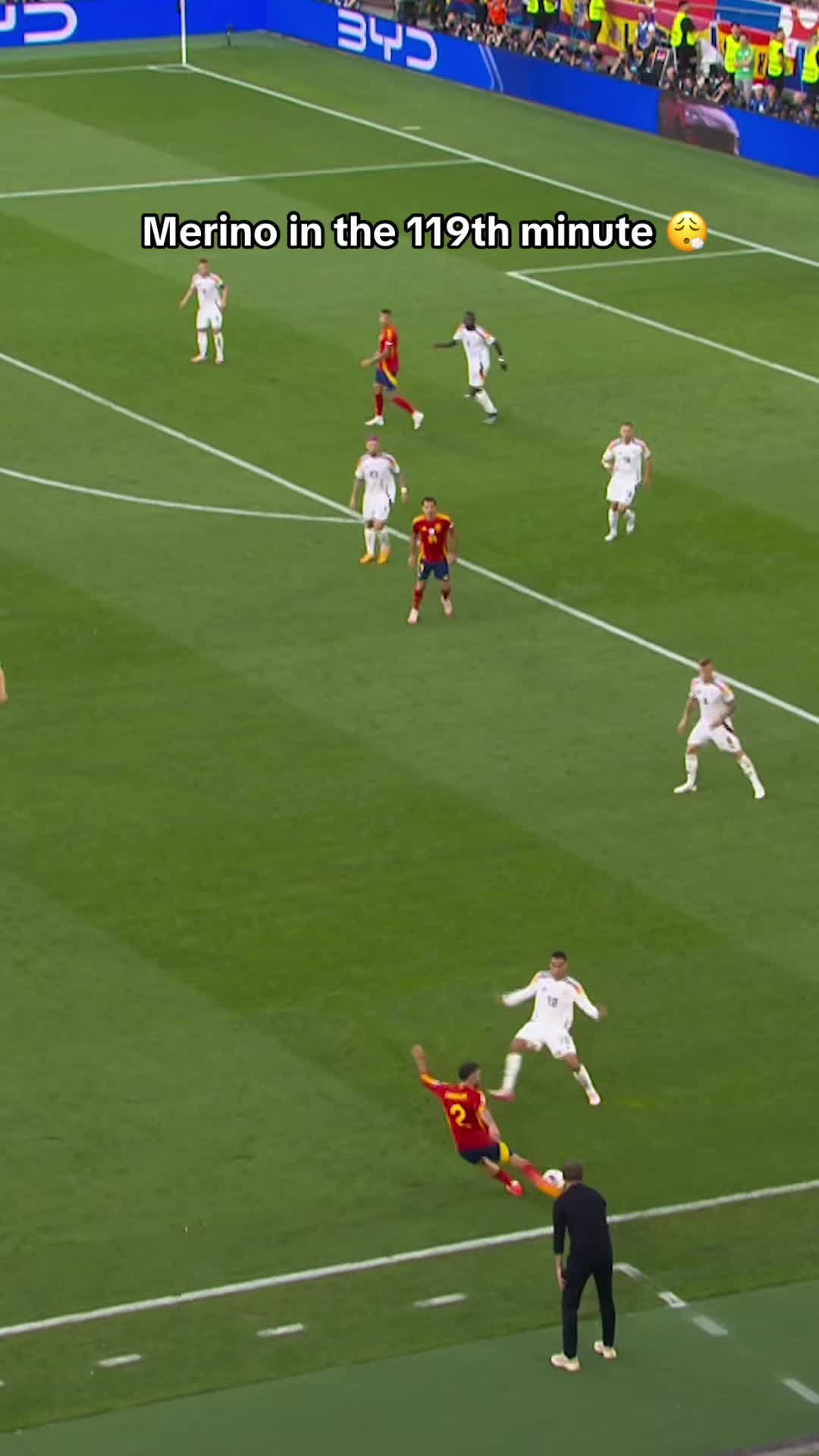
Clutch Merino 😮💨
merino goal today portugal 0-1 spain ronaldo interview today ronaldo retirement retiring
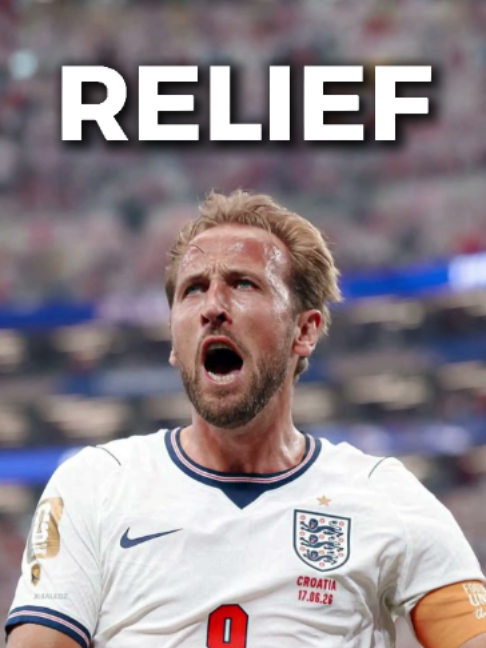
kane goal today kane highlights today england 2-1 congo
 Links
Links
 Contact
 App
App


