



World Cup 2026: 'Egyptian Haaland' and the Pharaoh's Dream


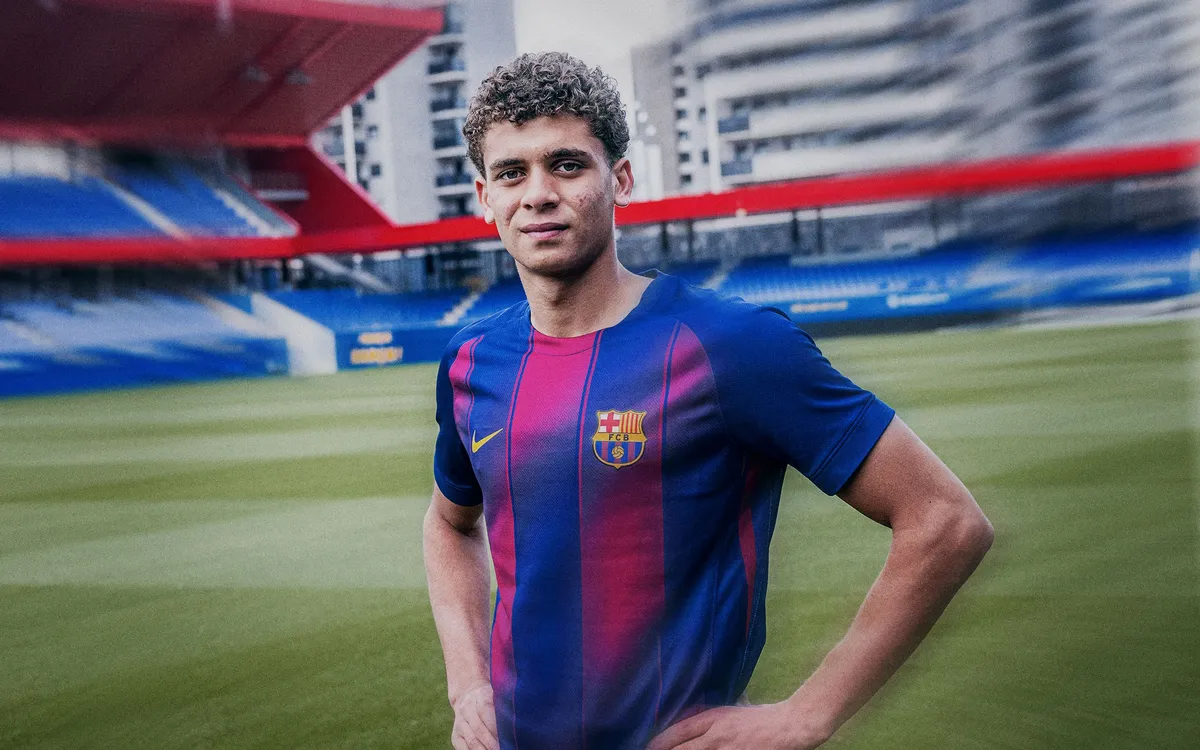
He became the first Egyptian player to sign for Blaugrana and the youngest striker ever to represent Egypt at a World Cup finals.
As reported by a TTXVN correspondent in Cairo, summoning Abdelkarim was Coach Hossam Hassan's most striking decision in last week's squad announcement. While several familiar names were omitted, this choice clearly reflects the coaching staff's trust in the upcoming generation.
At Barcelona, Abdelkarim quickly settled in and delivered promising performances with the youth teams. Club officials state that he fits the profile of the central striker Barcelona has been seeking—one who can complement the wing play of Lamine Yamal and Roony Bardghji in the coming years. The club's long‑term plan is to guide him step by step through La Masia, then Barcelona Athletic, and eventually to the first team.
Nicknamed the "Egyptian Haaland" for his height, speed to escape marking, powerful left‑footed shot, and his confidence and hunger for goals, Abdelkarim also possesses sharp tactical awareness, shown by his leadership of youth sides at both club and national level. He has inherited strong athletic genes: his father was a talented volleyball player renowned for his jumping ability, and that hereditary trait is clearly visible in Hamza's aerial strength.
Journalist Amr Nageeb Fahmy, author of "The Pharaohs' Reign," said he personally pushed for Abdelkarim's inclusion in the AFCON training camp and his international debut, which happened even before his first‑team debut. Nageeb also cited the precedent of striker Mido, who had a similar style and played for Egypt at just 17, as evidence.
The 2026 World Cup summer is set to be a pivotal milestone not only in Hamza Abdelkarim's development, but also a marker for Egyptian football as it increasingly solidifies its place on the world stage.


Wonderfulshortvideo
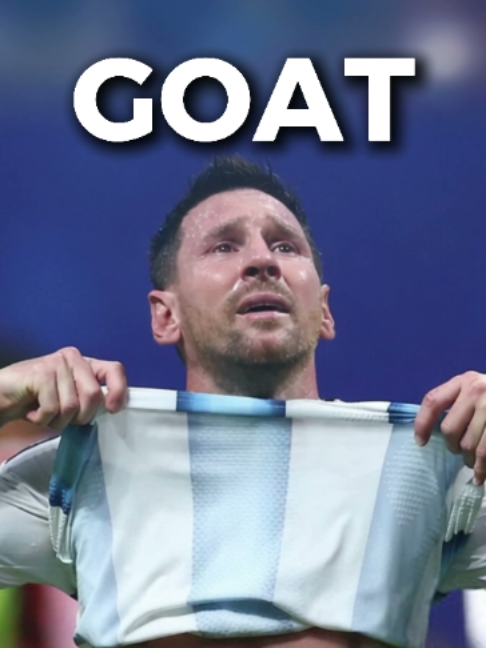
messi goal today messi assist today messi highlights vs egypt enzo fernandez goal today romero goal today argentina goals today argentina 3-2 egypt



“Wonderful player, fantastic player, could not run” 😅
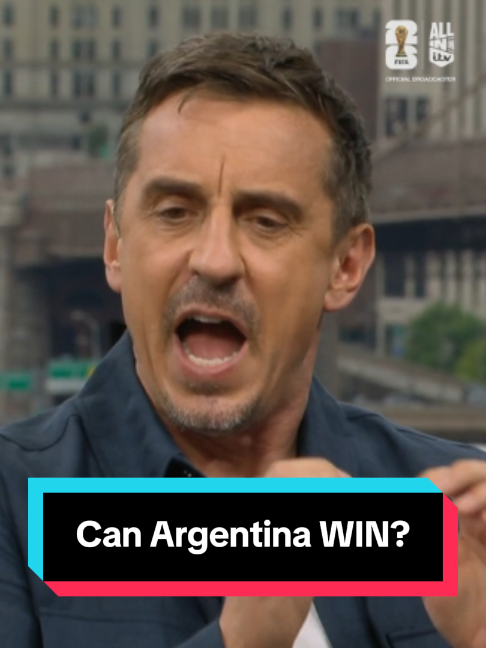
Neville, Keane and Wright DO NOT agree on the future of Argentina in the World Cup 👀
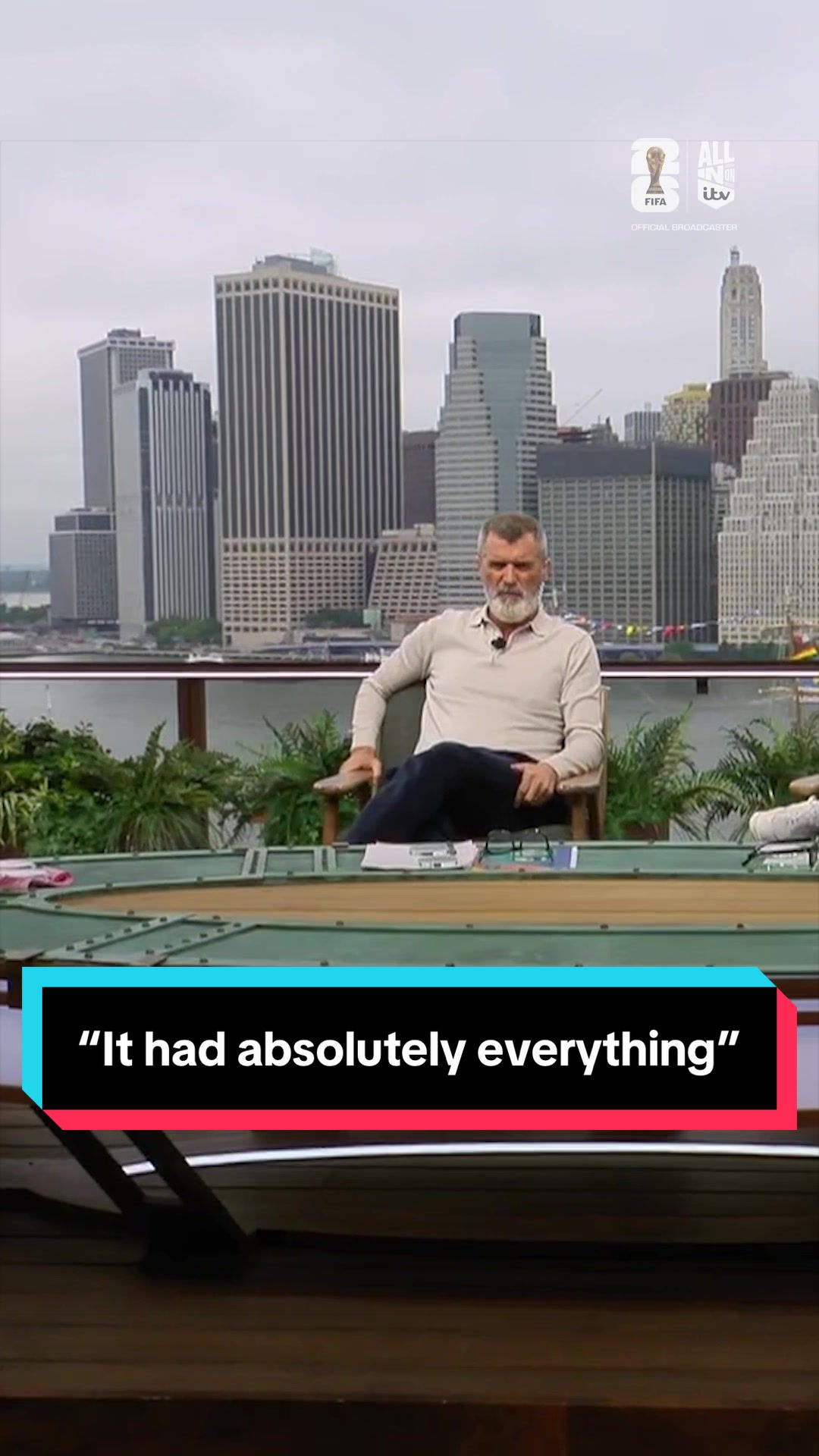
“It gave you everything” 👀
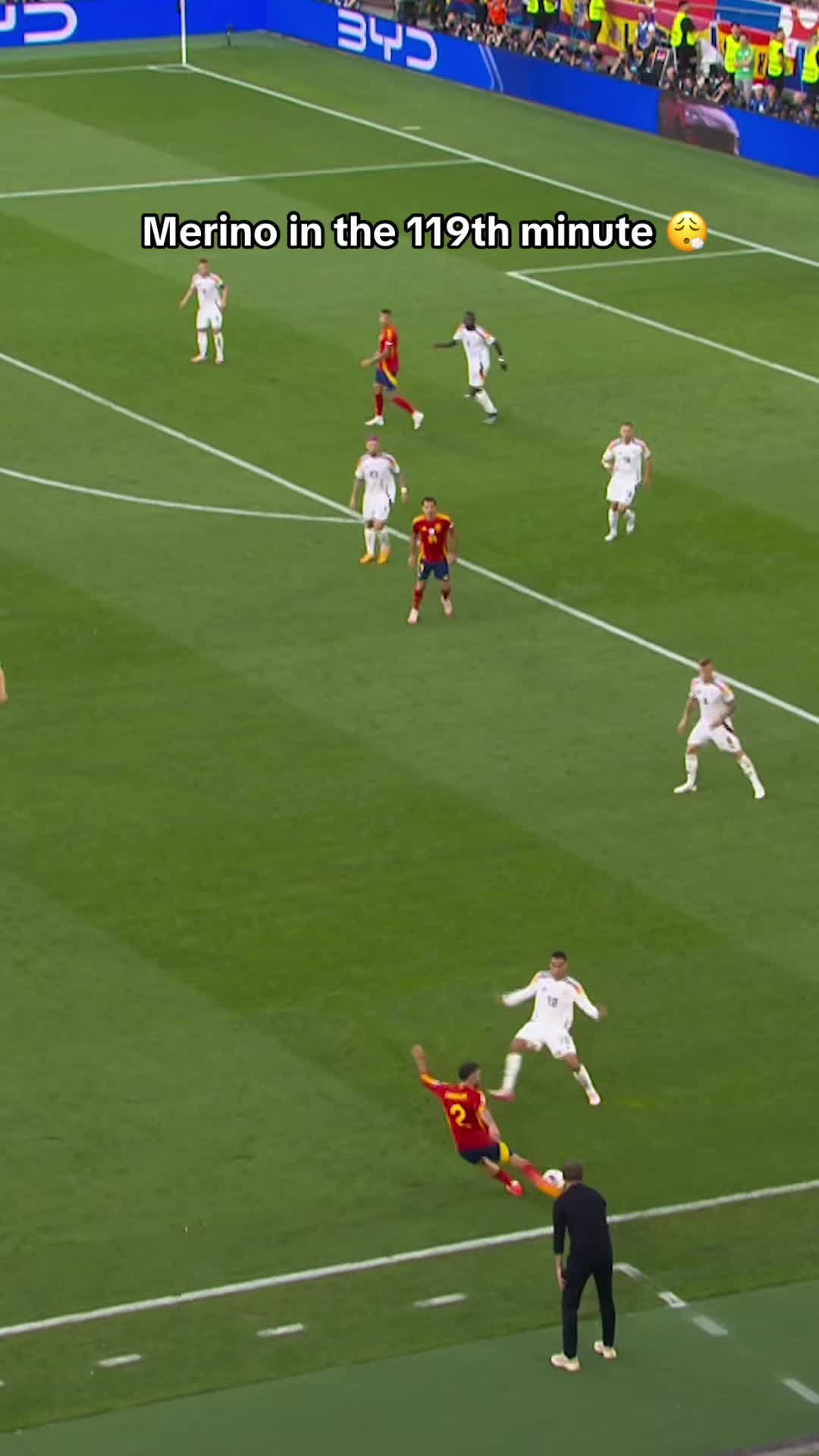
Clutch Merino 😮💨
merino goal today portugal 0-1 spain ronaldo interview today ronaldo retirement retiring
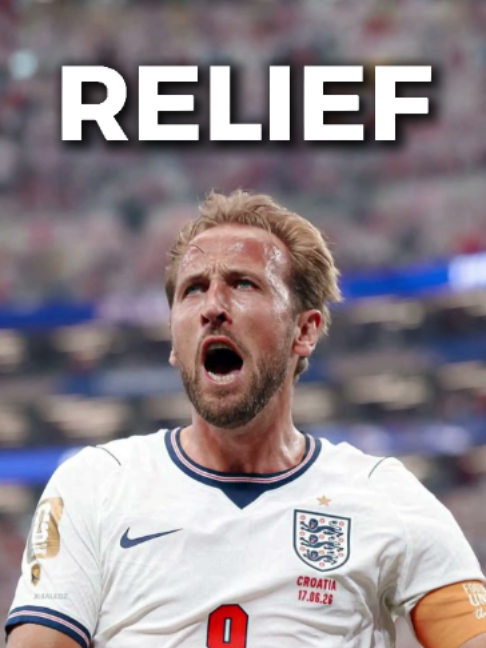
kane goal today kane highlights today england 2-1 congo
 Links
Links
 Contact
 App
App


