



2026 World Cup: Arab nations on the brink of making history


Morocco
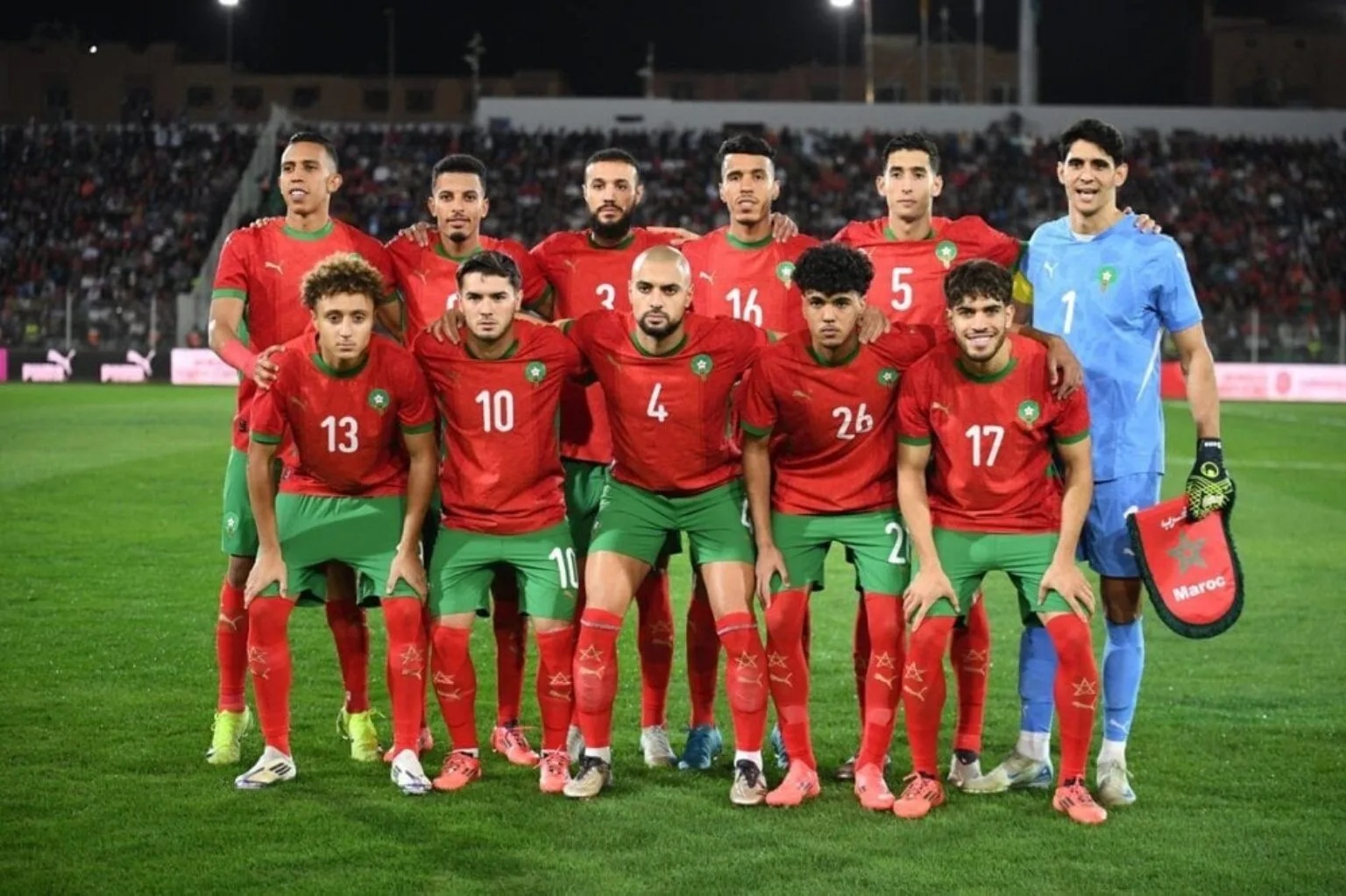
Although the opening match against Brazil presents a major challenge, it is still preferable to facing a South American side later in the competition, especially as Morocco is expected to go deep into the tournament. As a 2022 World Cup semifinalist, the "Atlas Lions" boast a quality squad featuring Champions League winner Achraf Hakimi of Paris Saint-Germain and Brahim Diaz of Real Madrid. This team is well-versed in international play, difficult to defeat, and will surely secure enough points from matches against Haiti and Scotland to advance.
Egypt
All eyes are on Mohamed Salah, and what could be his final World Cup may help relieve pressure on the rest of the squad. Egypt’s attack has been bolstered this year by forward Omar Marmoush, who just completed a successful season with Manchester City. In Group G, Belgium is no longer at its peak from a few years ago, Iran faces various other issues, and New Zealand remains limited, making this a relatively favorable group for Egypt to progress to the next round.
Algeria
This marks the fifth time in history that "Les Fennecs" have qualified for the World Cup finals. Algeria is in fine form under head coach Vladimir Petkovic, who previously led Switzerland to three consecutive knockout-stage appearances, including a victory over France at EURO 2020. Key player Riyad Mahrez, despite being 35, can still produce decisive moments, while Houssem Aouar is shining at Al-Ittihad. In their group, Argentina is the strongest contender. Meanwhile, Algeria’s match against Jordan may prove crucial for securing a spot in the next stage.
Qatar
After a home World Cup in 2022 with three straight losses, Qatar now aims only to improve upon that record. Their 2026 World Cup qualifying campaign was unimpressive, conceding 24 goals in 10 matches, exposing a weak defense and an excessive reliance on forward Akram Afif. The appointment of experienced coach Julen Lopetegui and a manageable group still give the "Maroons" a realistic chance.
Jordan
The absence of key striker Yazan Al-Naimat and qualifying star Ali Olwan, who is recovering from injury, places the attacking burden on winger Musa Al-Taamari. However, as a first-time World Cup participant, the team faces almost no psychological pressure. Jordan is an organized side, difficult to break down, and sharp on the counterattack—as demonstrated in the 2023 Asian Cup final and the 2025 Arab Cup. The opening match against Austria is crucial before the Arab derby with Algeria, a game that will decide the fate of both teams.
Tunisia
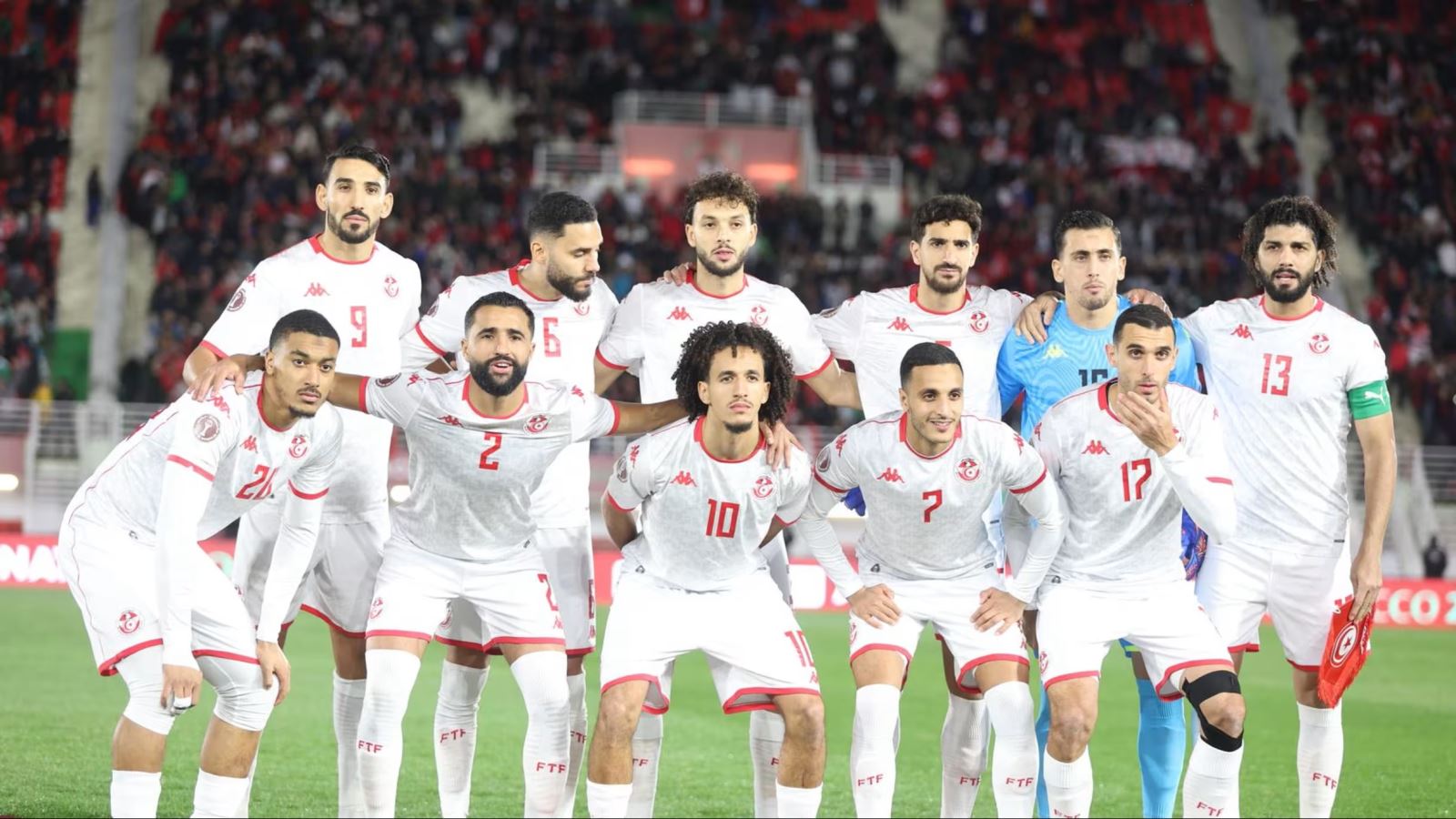
The "Carthage Eagles" are a team without superstars, but under the guidance of experienced coach Sabri Lamouchi, their defensive, sometimes rigid yet pragmatic style has earned them a third consecutive World Cup appearance. Their group, featuring the Netherlands and Japan, poses a major challenge, so Tunisia will aim to take all three points against Sweden in the opener as a springboard toward the knockout rounds.
Saudi Arabia
Replacing coach Herve Renard with Georgios Donis in April is an unknown variable, with the biggest question being whether the team can score enough goals to advance. If coach Donis maximizes the creativity of star Salem Al-Dawsari while maintaining a solid defense, the "Green Falcons" still have a chance. Spain is almost certain to advance. The opening match against Uruguay—a team facing internal issues—is a must-win before the final group game against Cape Verde.
Iraq
Returning to the World Cup for the first time since 1986, Iraq faces a huge challenge in a group with France, Erling Haaland's Norway, and Senegal.
Compared to 40 years ago, Iraq now has players with European experience such as Kevin Yakob, Ali Al-Hamadi, and Zidane Iqbal, alongside coach Graham Arnold, who guided Australia to the World Cup round of 16 in 2022. The chances of advancing are slim, but the pressure is almost nonexistent, and sometimes that is a significant advantage.


Wonderfulshortvideo
cristiano Ronaldo training


Cristiano Ronaldo 966 & 967 GOAL
Cristiano Ronaldo and Portugal in World Cup 2026
Rashford ⚽️
Cristiano Ronaldo 6x World Cup
My POV of THAT Raphinha goal
Jermaine Defoe is the new Woking manager
 Links
Links
 Contact
 App
App


