



Brazil vs Morocco: Not letting the dark horse run wild


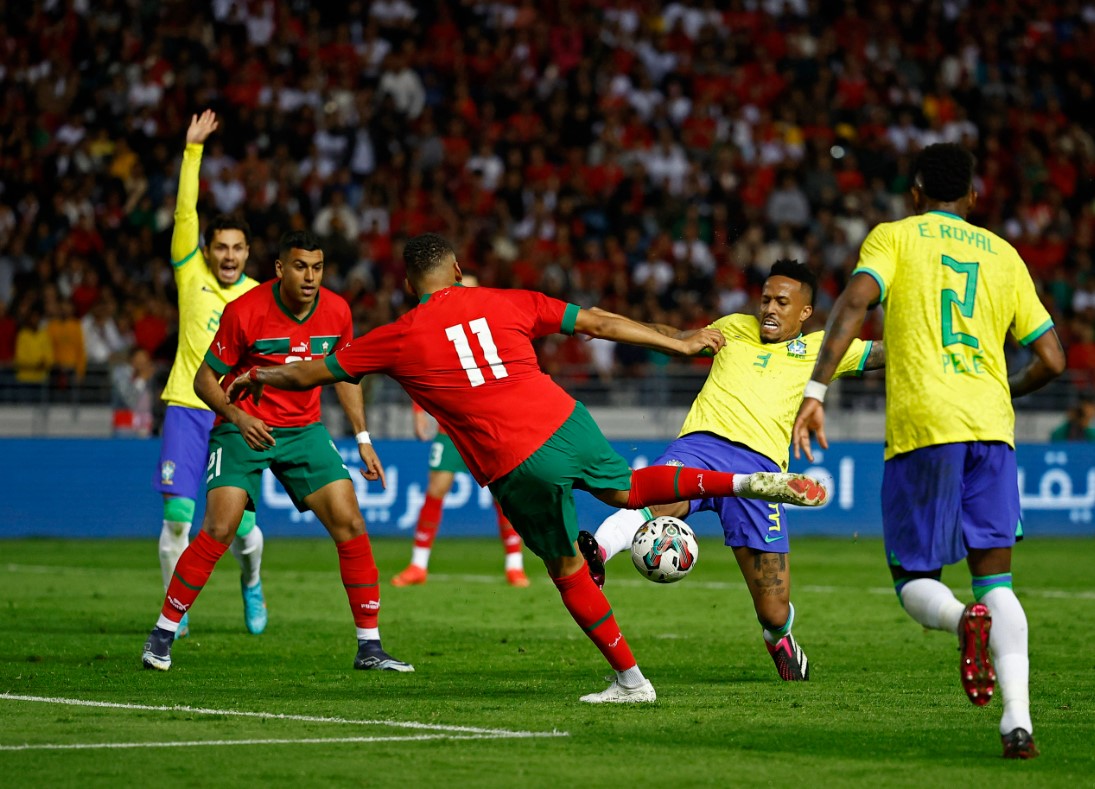
The 1-2 loss to the North African side in a friendly three years ago did not directly cause the crisis for the Samba side, but it was one of the reasons that forced Brazilian football to undergo a revolution with Carlo Ancelotti's arrival as head coach.
Resilient Brazil
The current Brazil is not a perfect team, as shown by clear weaknesses in defense and a forward line that is not as exceptional as in 2002. But the 67-year-old coach is not trying to rebuild a football identity; instead, he helps players overcome chaos, find peace, and gain confidence.
This is the greatest achievement of the Italian tactician. While many top coaches today build their play based on intensity, physical duels, or positional and spatial control, Ancelotti prioritizes a shift in playing mentality and the atmosphere in the dressing room.
He helps players stay calm under pressure and operate a flexible tactical system based on the successful Real Madrid structure of creating balance in play, even though they lack a player like Toni Kroos and top-class full-backs to achieve that.
However, the reduction in finesse of a group lacking major talents has been molded into a pragmatic and tenacious team based on a strong midfield duo in Casemiro and Bruno Guimarães. 25% of the team's recent goals have come from pressing and regaining possession in the opponent's final third.
The use of a flexible forward line based on constant positional changes among the trio Raphinha, Vinicius, and Cunha further shows that the coach nicknamed Carletto is not reliant on a classic center-forward like Ronaldo in the past and is not stuck in a single tactical system.
This has produced a consistent scoring rate for the Samba side of 1.6 goals per 90 minutes. However, the team's irresolvable weakness lies in its defensive system. Brazil's clean sheet rate is quite low, keeping only 8 clean sheets in 20 matches and conceding an average of 0.9 goals per 90 minutes.
Of course, facing one of the tournament's so-called 'dark horses', Ancelotti demonstrates how to avoid interfering in details, maintain discipline, and ensure that stars like Vinicius or Raphinha can shine at decisive moments.
Morocco more attractive
Morocco has not stopped since causing shocks in Qatar four years ago, even after architect Walid Regragui was replaced by Mohamed Ouahbi. This change did not weaken the Atlas Lions; on the contrary, he has created a more attractive and modern tactical picture.
Compared to Ancelotti's illustrious career, the U20 World Cup title won by the 49-year-old coach is very modest. But De La Fuente 'matured' from youth teams with Spain's EURO championship; Ouahbi can do the same, with a deep understanding of this footballing culture.
Above all, continuity is maintained, as he continues the old successful foundations, with quick short passes, speed on the flanks, and cut-ins from the inside channels, which had become the identity under Regragui.
On the other hand, Ouahbi continues to refine the tactical system, adopting a bold 3-2-4-1 formation in possession. This transformation helps the team maintain initiative instead of the purely opportunistic approach in Qatar. They increase ball control, high pressing in the opponent's third, and win the ball back within 7 opposition passes.
This shift in playing state has improved Morocco's performance, averaging 2.55 goals per match and conceding only 0.4 goals per 90 minutes. This balance turns Ouahbi's team into a complete attacking and defensive machine.
But to face Brazil, perhaps Morocco needs something more than Hakimi's forays into the box, given that striker Youssef En-Nesyri is no longer here and Brahim Diaz is not a classic goal scorer.


Wonderfulshortvideo
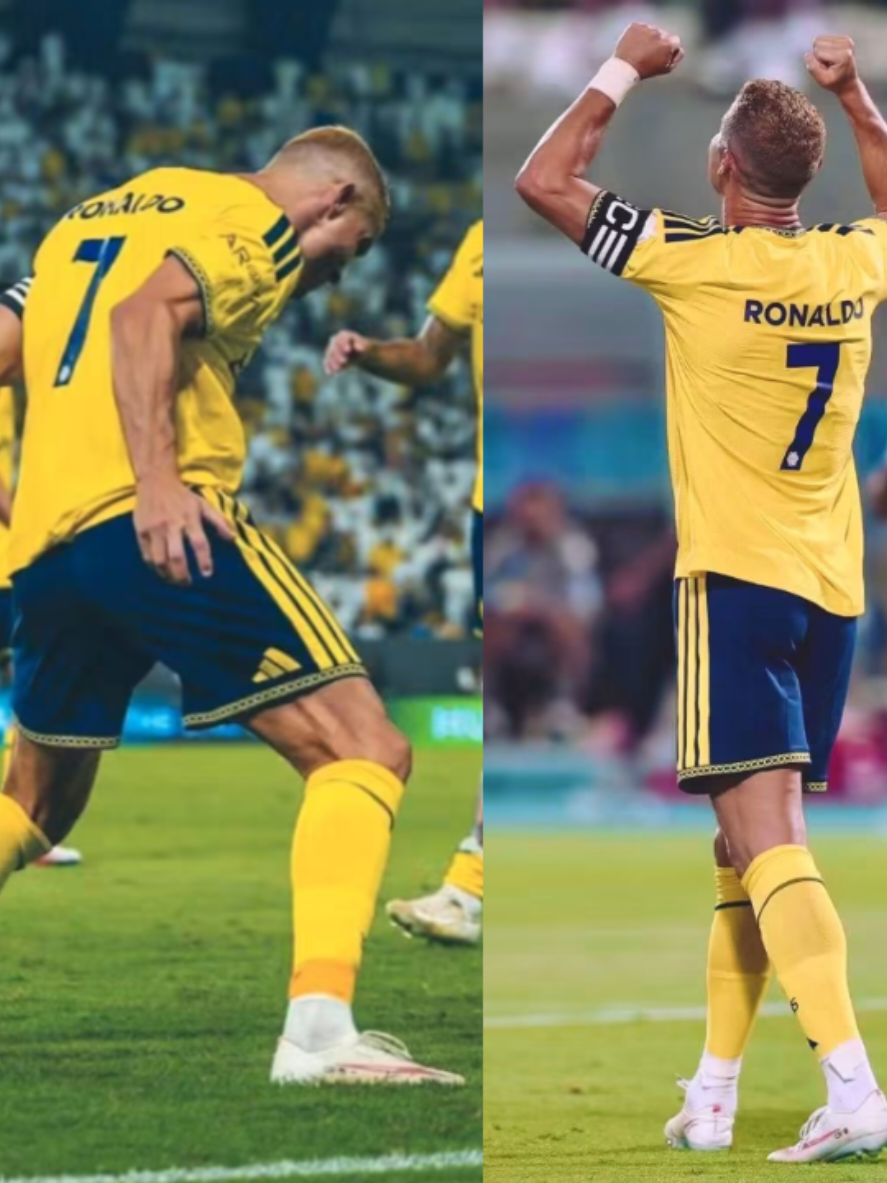
Cristiano Ronaldo is back on the quest for 1,000 goals, and these are his 977th and 978th goals.


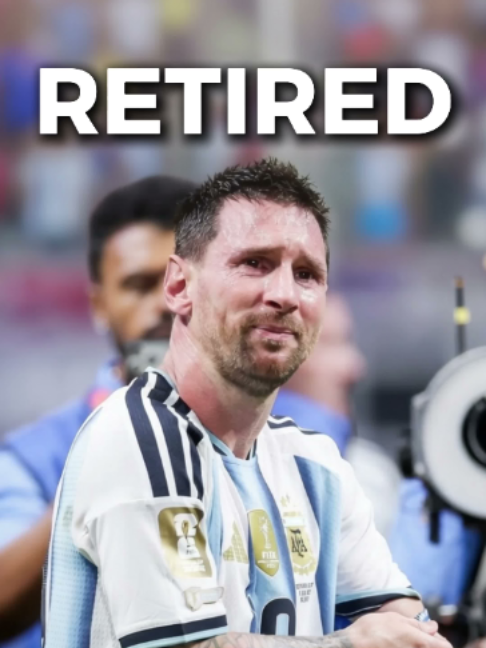
messi argentina retirement messi retiring messi edit
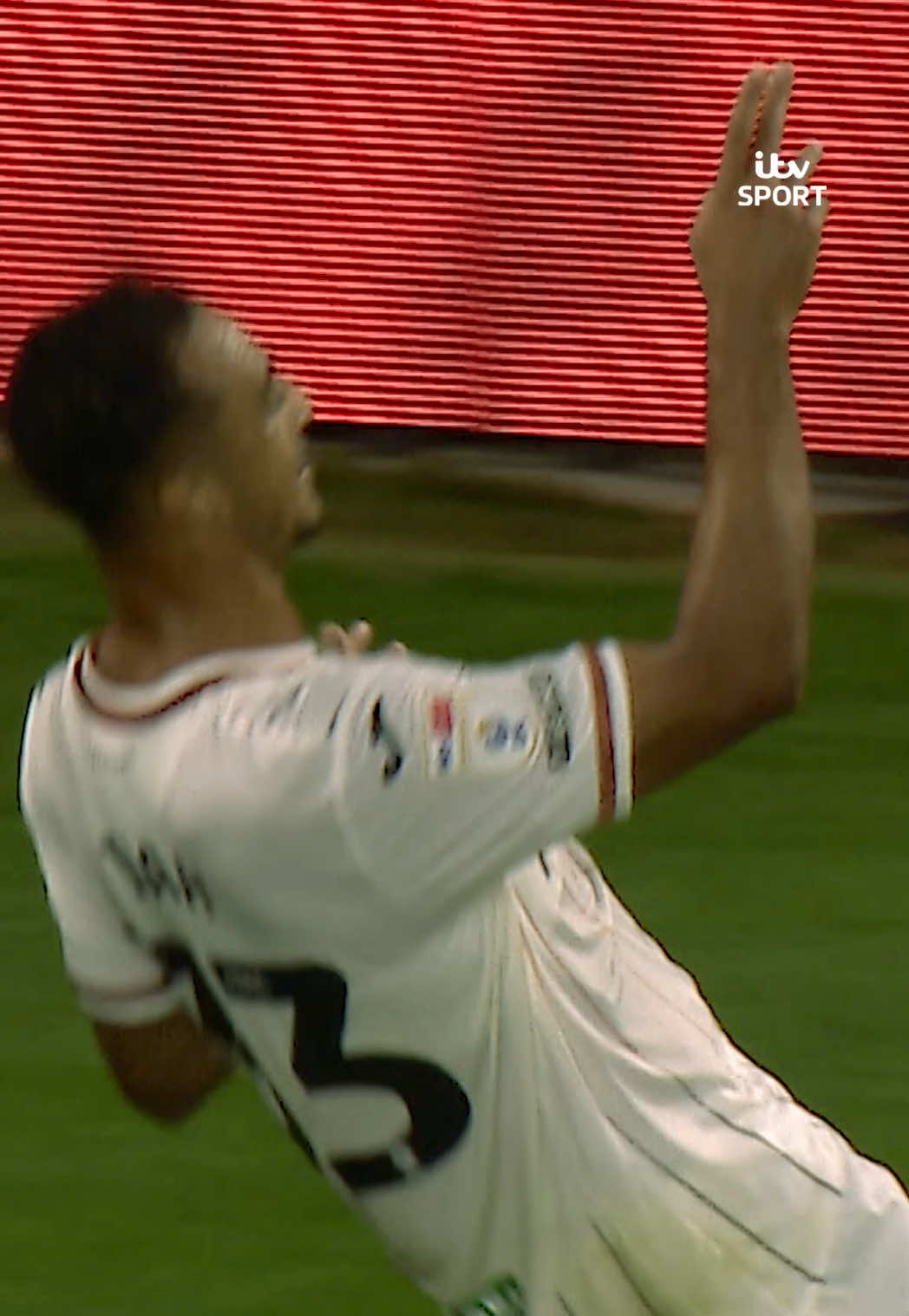
The Swans go TOP of the Championship 🦢
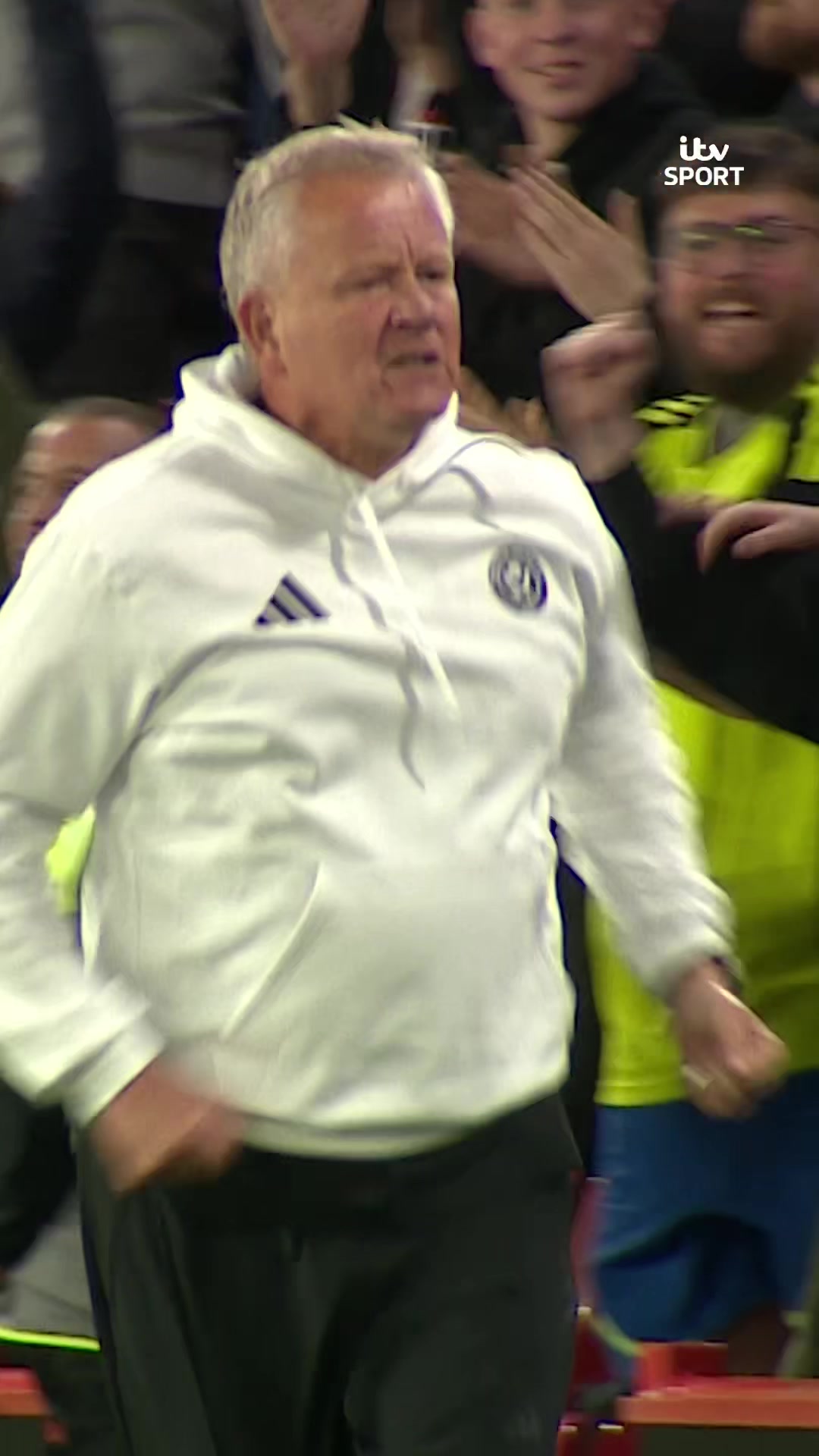
Sheffield United’s Romelle Donovan with an added time WINNER that sent Bramall Lane wild 🔥
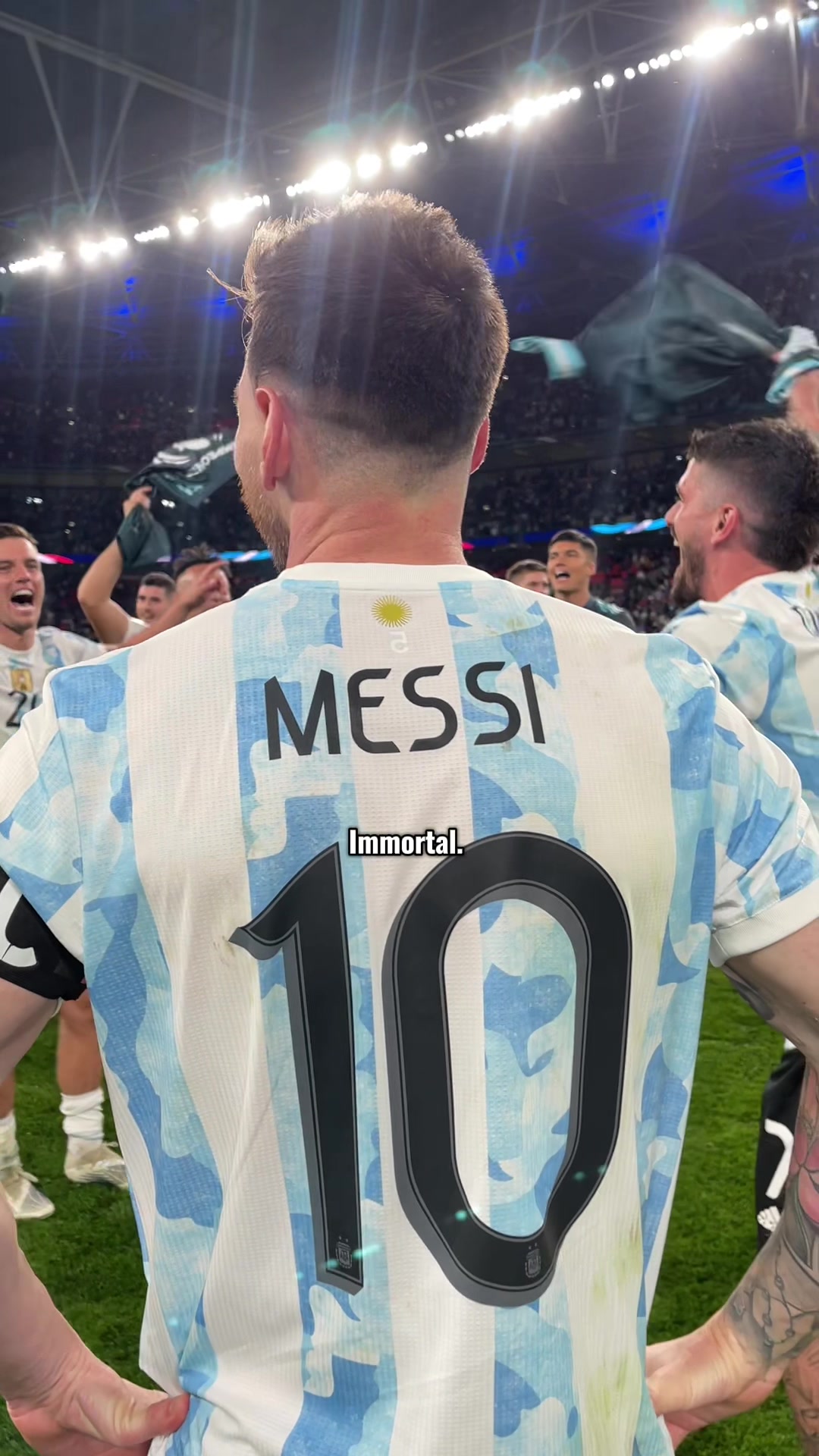
Leo ❤️
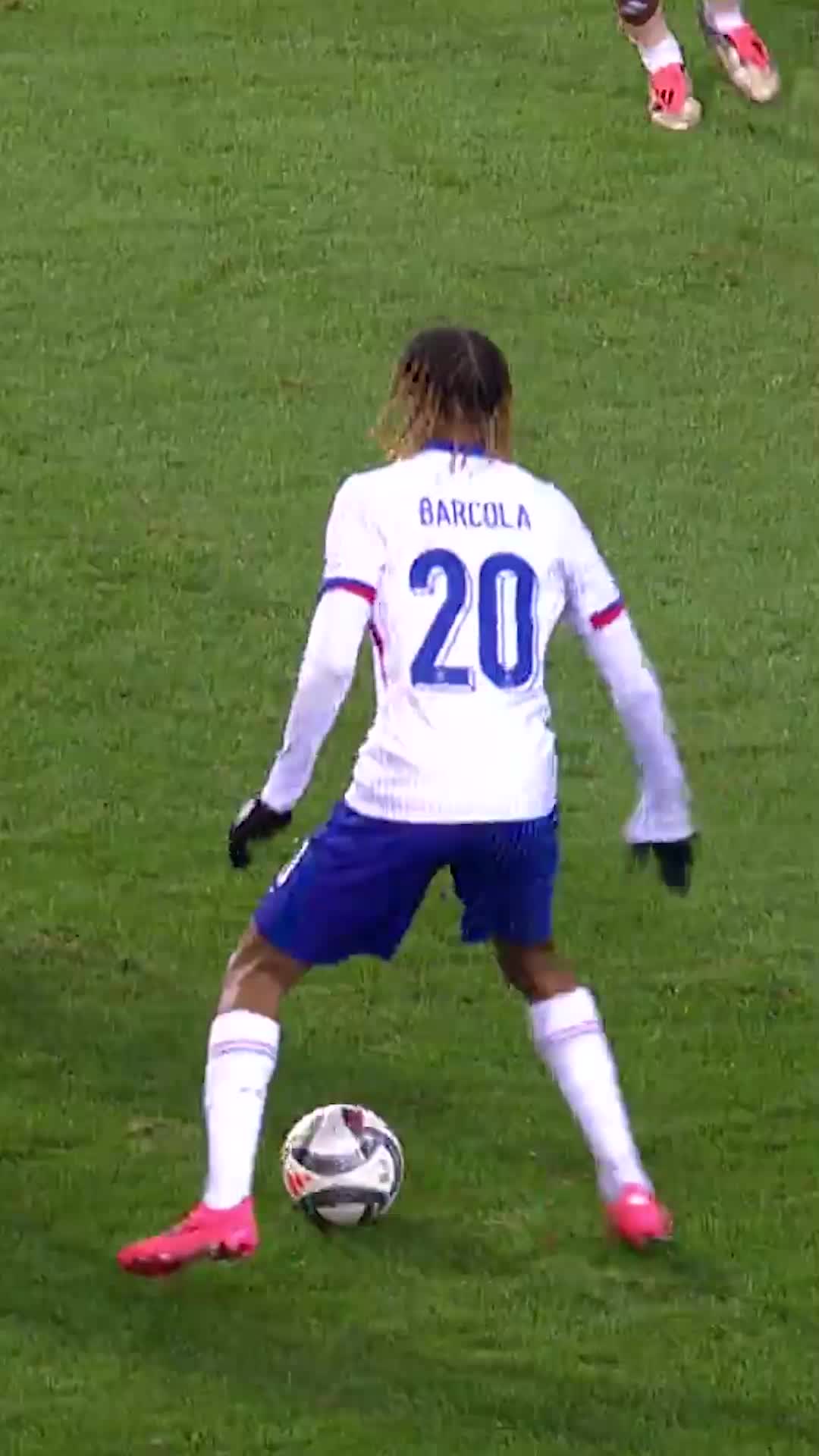
Bradley Barcola magic footwork ✨
It’s always worth it to keep on top of your health, @Memorial Hospitals Group was the most amazing experience! Click the link in my bio for their prices and if you have any questions✌🏽
 Links
Links
 Contact
 App
App


