



Rather Than Lowering Prices, They Leave Seats Empty—the World Cup Is Losing Its Soul


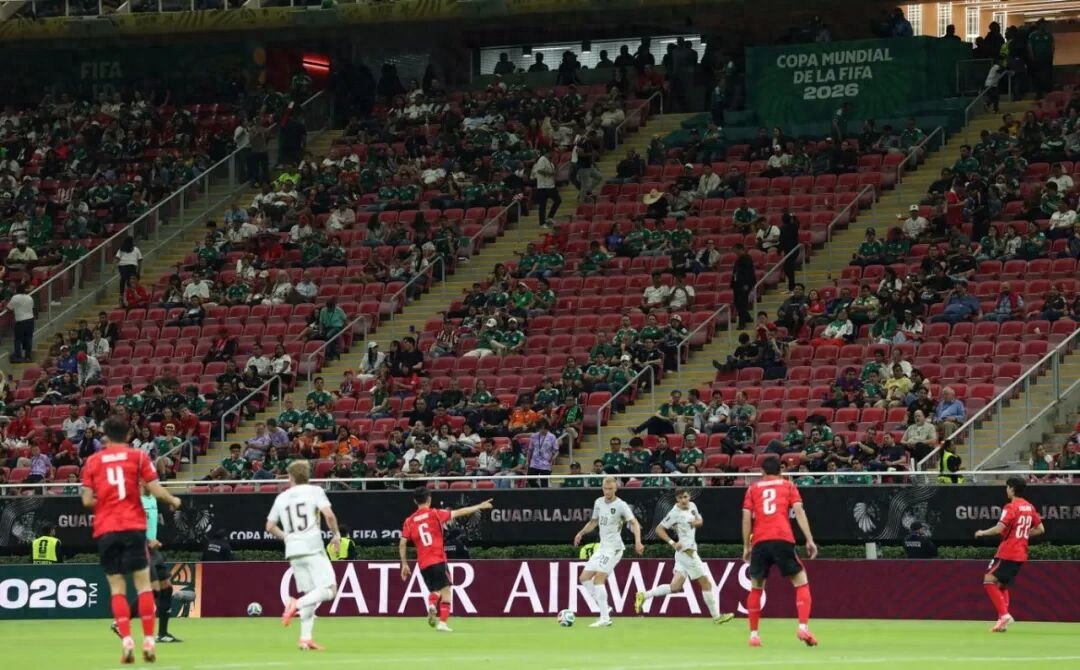
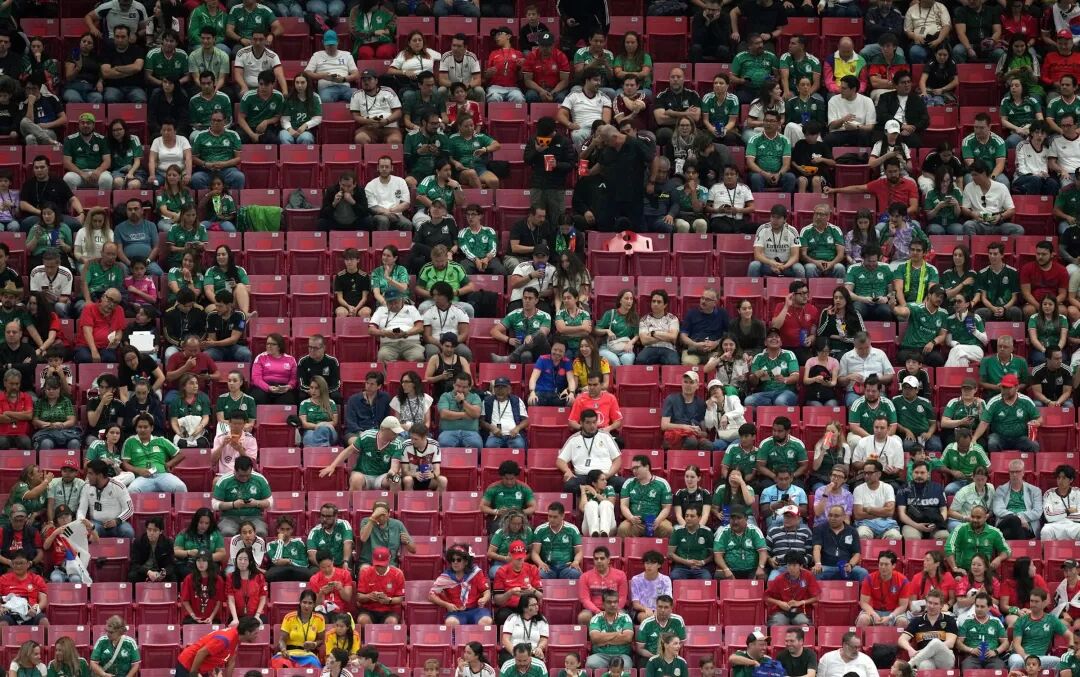
Written by Nino In the first round of the group stage, host nation Mexico attracted over 80,000 fans to the Azteca Stadium in Mexico City for the opening match, filling every seat. However, in the following group A game between South Korea and the Czech Republic at the Guadalajara Stadium, the stands presented an embarrassingly cold contrast: large, conspicuous empty seats were clearly visible in the middle and VIP areas.
This match was the first real test of neutral fans' willingness to buy tickets, and the rows of empty seats exposed the problems caused by the tournament's excessive commercialization. Sky-high ticket prices, a controversial dynamic pricing model, and the extreme costs and administrative barriers fans face when traveling to the U.S. have made the World Cup—an event meant to be open to the whole world—increasingly inaccessible.

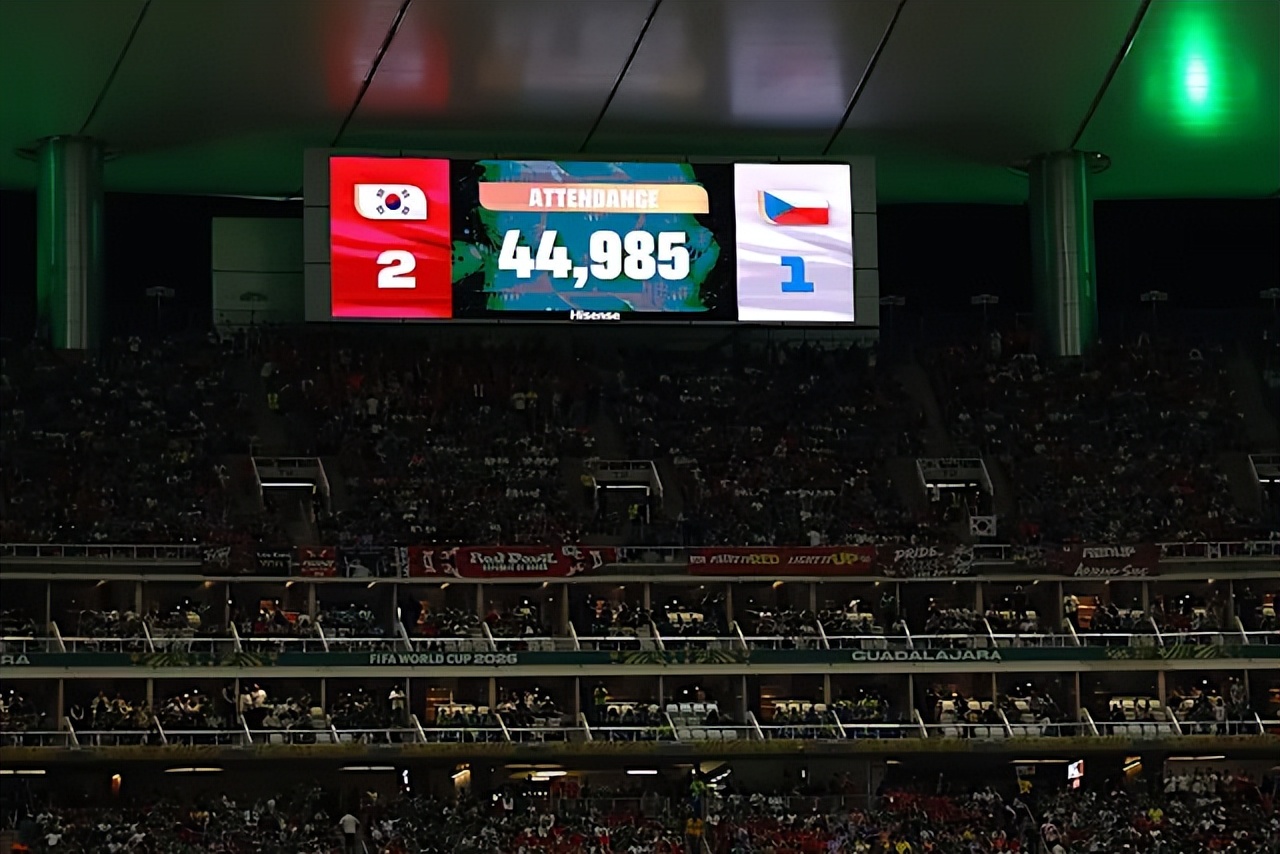
After the South Korea vs. Czech Republic match, FIFA officially announced an attendance of 44,985, while the stadium's maximum capacity is 45,664. This near-sellout figure sharply contradicted the broadcast images showing large stretches of empty red seats, quickly sparking strong criticism and mockery from global media and fans. FIFA President Gianni Infantino was sitting in the stands at the time, witnessing the awkward scene firsthand.
In response to public质疑, FIFA issued a statement after the match, trying to mask the visual gaps by using different counting methods. FIFA explained that the official attendance figure was based on the actual number of digital ticket scans, not on how many seats were occupied at any given moment. They claimed that many ticket holders chose to stand in the stadium's concourses, dining areas, or sponsor zones to socialize rather than staying in their seats during the game.
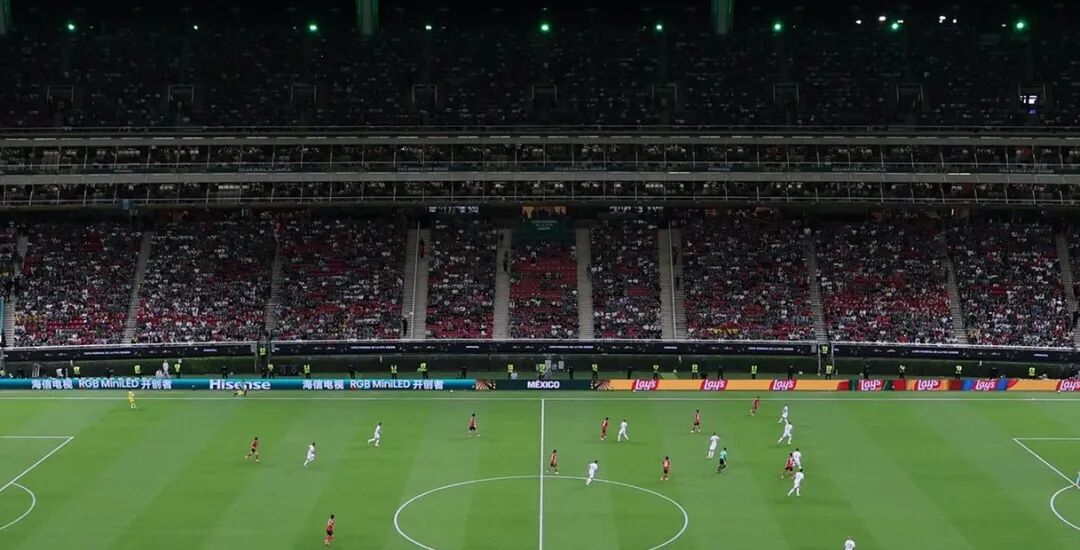
However, the consensus in the sports business world is that this explanation is clearly weak. Guadalajara is one of the cities with the deepest football culture in Mexico and Latin America. If ticket prices were reasonable, local fans would never have left prime World Cup seats vacant. The reality shows that the empty seats in Guadalajara were not due to a lack of fan enthusiasm, but rather because FIFA's ticket sales strategy—using "artificial scarcity" and extremely high pricing—directly shut out ordinary fans. The empty seats in this match were the first warning sign of the bursting of the World Cup ticket price bubble.

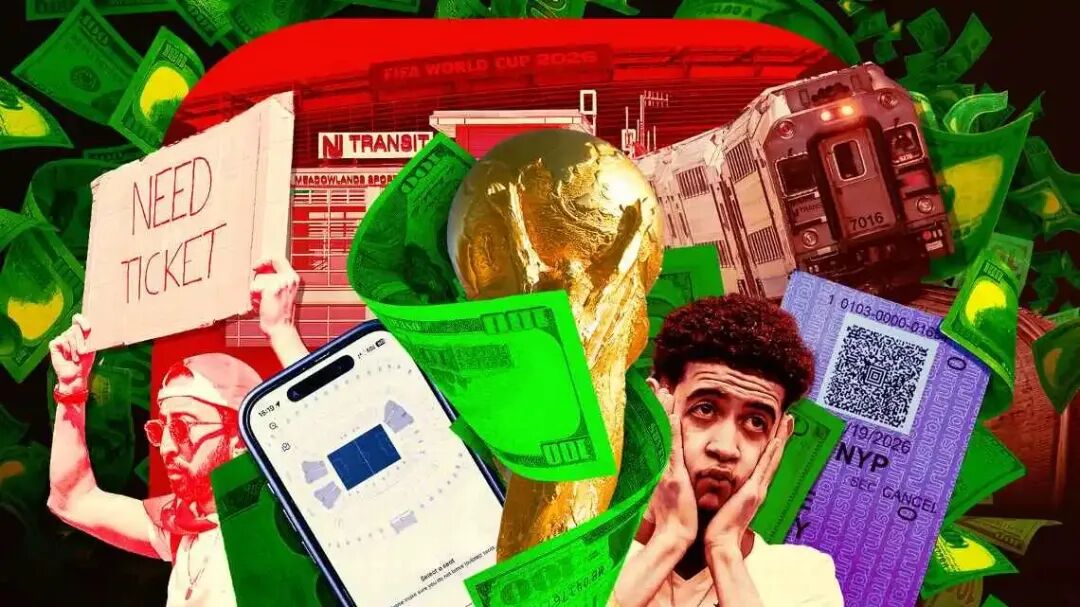
The 2026 World Cup in the U.S., Canada, and Mexico introduced unprecedented commercial mechanisms in ticket management. Among the most controversial was the first-ever use of a "dynamic pricing model" and a highly monopolistic official resale platform. When bidding for the tournament in 2018, the joint bid committee promised the public that the maximum ticket price for the final would be around $1,550. However, with changes in technology and resale management, FIFA used digital ticketing to fully control the secondary market, not only eliminating traditional scalpers but also turning the resale process into a profit engine that charges secondary transaction fees.
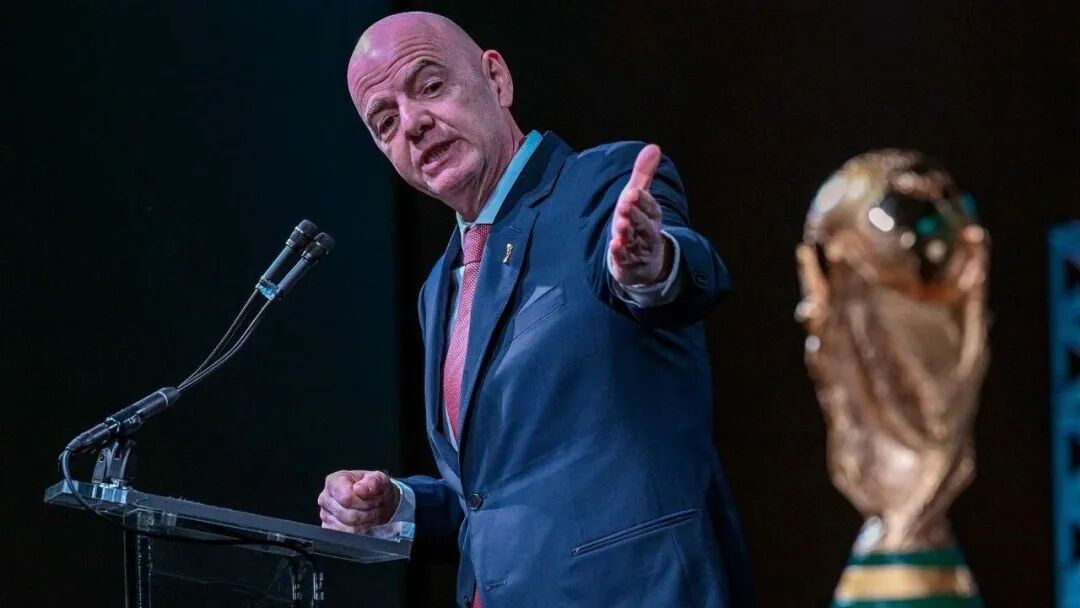
Under this algorithm-driven "dynamic pricing" system, ticket prices on the primary market and the official resale platform surged exponentially based on time, team progression, and search popularity. According to the official direct-sales platform, individual ticket prices for this World Cup ranged wildly from $60 to $10,990. In practice, for international fans, even basic Category 3 group-stage tickets started at $175. In the South Korea vs. Czech Republic match in Guadalajara, many ordinary middle-tier seats were officially priced at $400 to $500, while VIP and premium hospitality boxes soared to over $5,000.
This pricing strategy—denounced by European fan associations as "extortionate"—has completely excluded ordinary fans from the stadiums. According to assessments by European fan groups, the average cost of attending this World Cup has surged nearly five times compared to the Qatar tournament. Football tickets are a "perishable commodity" whose value drops to zero the moment the match kicks off. Because FIFA and the algorithmic resale platform refused to significantly cut prices as the games approached, a large number of tickets remained unsold on the official resale platform just before the matches. The empty seats at the Guadalajara Stadium are a direct casualty of this capitalist logic: "Better to leave them empty than to lower prices."

For international fans traveling long distances, tickets are just the tip of the iceberg when it comes to total expenses. A report from the U.S. lending advisory firm LendingTree estimates that during this World Cup, the average total cost for a fan attending a group-stage match in the U.S. has exceeded $2,100. This includes basic ticket prices, domestic transportation, accommodation, meals, and other incidentals, with severe local inflation varying greatly among host cities.
The New York/New Jersey area ranks as the "most expensive" host market, with an average cost of nearly $3,000 per match, while even the cheapest city, Atlanta, costs $1,642—equivalent to several months' income for many fans in developing countries.
Comparing these figures historically with the 1994 U.S. World Cup makes this inflation spiral even more alarming. In 1994, a three-match group-stage package cost between $200 and $300; now it has soared to between $600 and $1,800. Seven-night accommodation then cost $500 to $700; today, similar lodging has ballooned to $1,500 to $2,500.
Due to skyrocketing airfares, hotel prices, and on-site costs, many hardcore European and Latin American fans who originally planned to attend have made rational compromises. Andy Milne, a veteran British superfan, revealed that because of the prohibitively high ticket and local transport costs in the U.S., large numbers of English and Scottish fans have chosen to skip the North American trip and instead rent vacation villas on the cheaper island of Ibiza or in Las Vegas, watching the games on big screens with friends. For them, this "budget alternative" not only saves thousands of pounds in ticket premiums but also provides a better holiday experience—a silent protest against FIFA's pricing strategy.

Beyond the economic exploitation, political scrutiny and security barriers have also erected a high wall around this World Cup. With 48 participating teams, citizens of more than half of the competing countries must obtain formal visas to enter the United States. The complex border checks and security mechanisms among the U.S., Canada, and Mexico have multiplied the logistical costs and administrative risks for fans traveling between countries.
Under strict entry restrictions and political games, this World Cup has not only blocked ordinary fans but also caused multiple players, referees, and officials to suffer absurd "entry incidents": Somali referee Omar Altan was denied entry by U.S. Customs upon landing in Miami and deported. FIFA took a cold, hands-off stance, stating that it has no power to interfere with the host country's sovereign immigration policies. Altan's dream of becoming Somalia's first World Cup referee was shattered at the border.
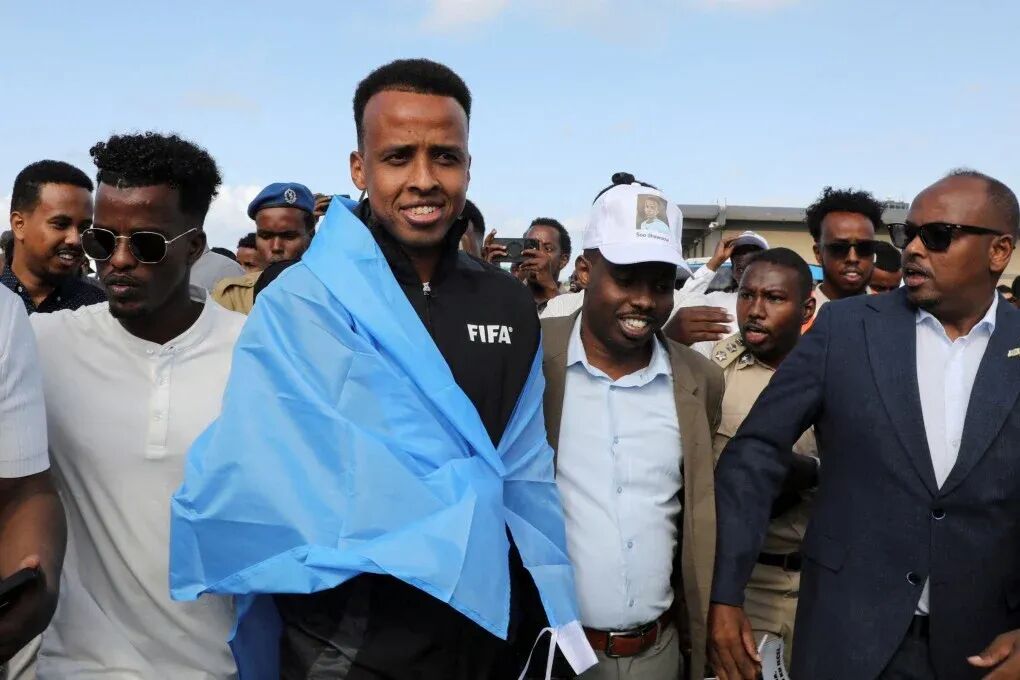
After being deported back to Somalia, Altan received a hero's welcome
Additionally, due to visa issues, the Iranian team could not enter the U.S. normally and was forced to set up their training base in the Mexican border city of Tijuana. They faced a ridiculous logistical arrangement—they had to temporarily cross the U.S.-Mexico border on match days to travel to Inglewood and Seattle for games, then leave immediately afterward. This prevented them from fulfilling FIFA's mandatory pre-match press conferences and media obligations.
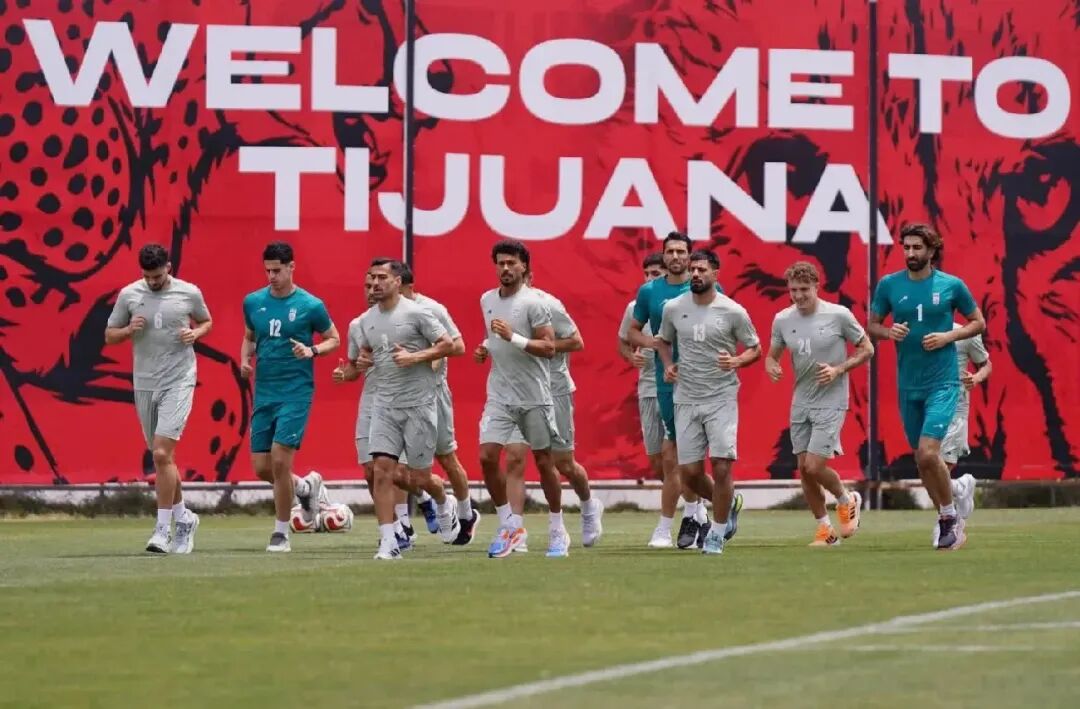
Iraq's 30-year-old star forward Aymen Hussein was detained by customs at Chicago O'Hare Airport, interrogated for nearly seven hours before being allowed entry. However, his accompanying team photographer, Talal Salah, was less fortunate: after being detained and forced to have his phone searched for 10 hours, he was ultimately denied entry and deported. Palestinian Football Association President Jibril Rajoub was blocked from entering the U.S. due to visa issues. He is currently stranded in Mexico City, waiting for U.S. entry approval. As one of the heads of national football associations invited by FIFA, he was supposed to travel to the U.S. for World Cup-related activities, but the U.S. has yet to approve his visa.
Former Arsenal midfielder Thomas, now playing for Villarreal, was denied entry to Canada due to multiple criminal charges, causing him to miss Ghana's first World Cup match.

Currently, legislative bodies in New York and New Jersey have officially launched joint investigations into FIFA's lack of transparency in dynamic pricing and the allegedly anti-competitive practices of its ticket queuing system.
On a purely commercial level, thanks to its sophisticated algorithmic mechanisms, comprehensive resale monopoly, and extreme price discrimination, FIFA will likely announce that this World Cup has generated the highest box office revenue ever. However, in the long run, this "draining the pond to catch all the fish" approach to commercialization is causing irreversible damage to the World Cup's brand foundation and culture.
The reason the World Cup has become the world's most commercially valuable sports IP is not due to its luxurious VIP boxes, but rather to the universality of football, pure national pride, and the cultural atmosphere created by ordinary fans through their songs, tears, and passion in the stands. Once these true "souls of the stadium" are ruthlessly shut out by high ticket prices, exorbitant hotel costs, and discriminatory visa policies, the TV broadcast of the World Cup will lose its most compelling essence, degenerating into a lifeless, exclusive entertainment spectacle completely disconnected from ordinary people's lives.


Wonderfulshortvideo
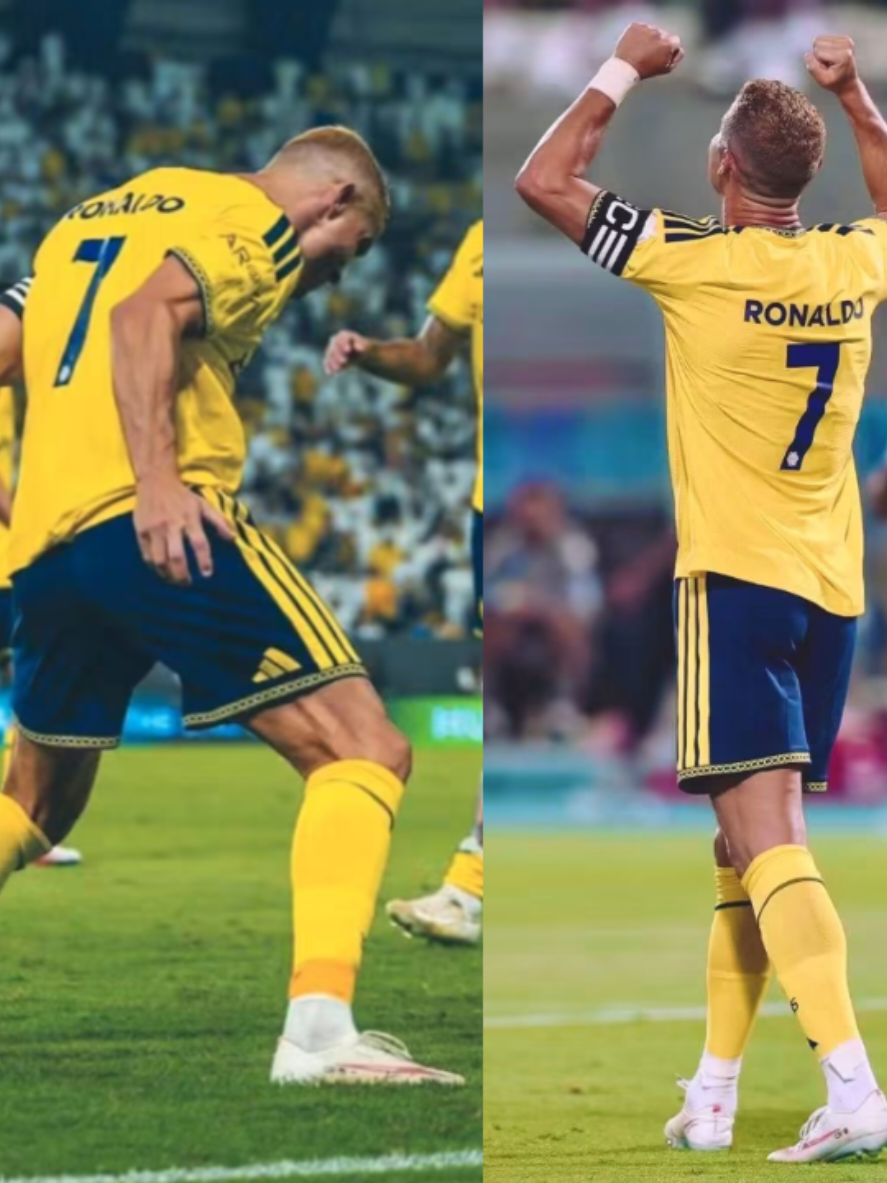
Cristiano Ronaldo is back on the quest for 1,000 goals, and these are his 977th and 978th goals.


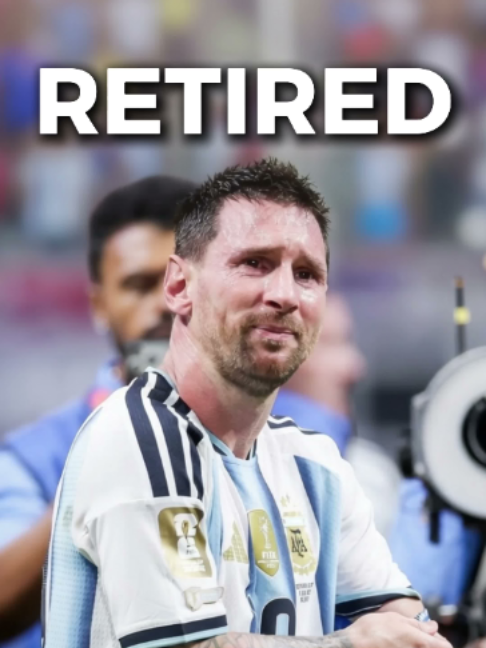
messi argentina retirement messi retiring messi edit

The Swans go TOP of the Championship 🦢
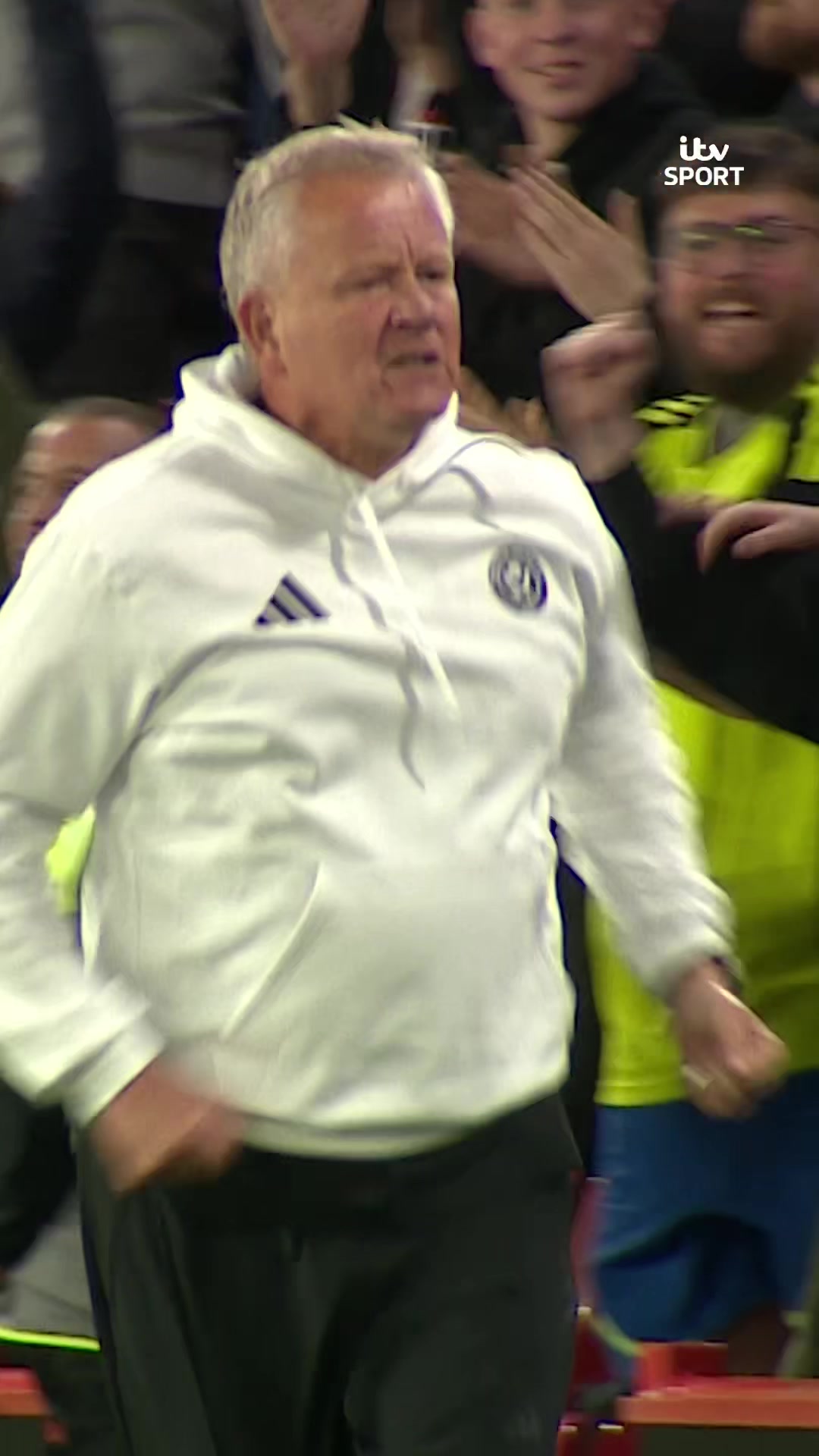
Sheffield United’s Romelle Donovan with an added time WINNER that sent Bramall Lane wild 🔥
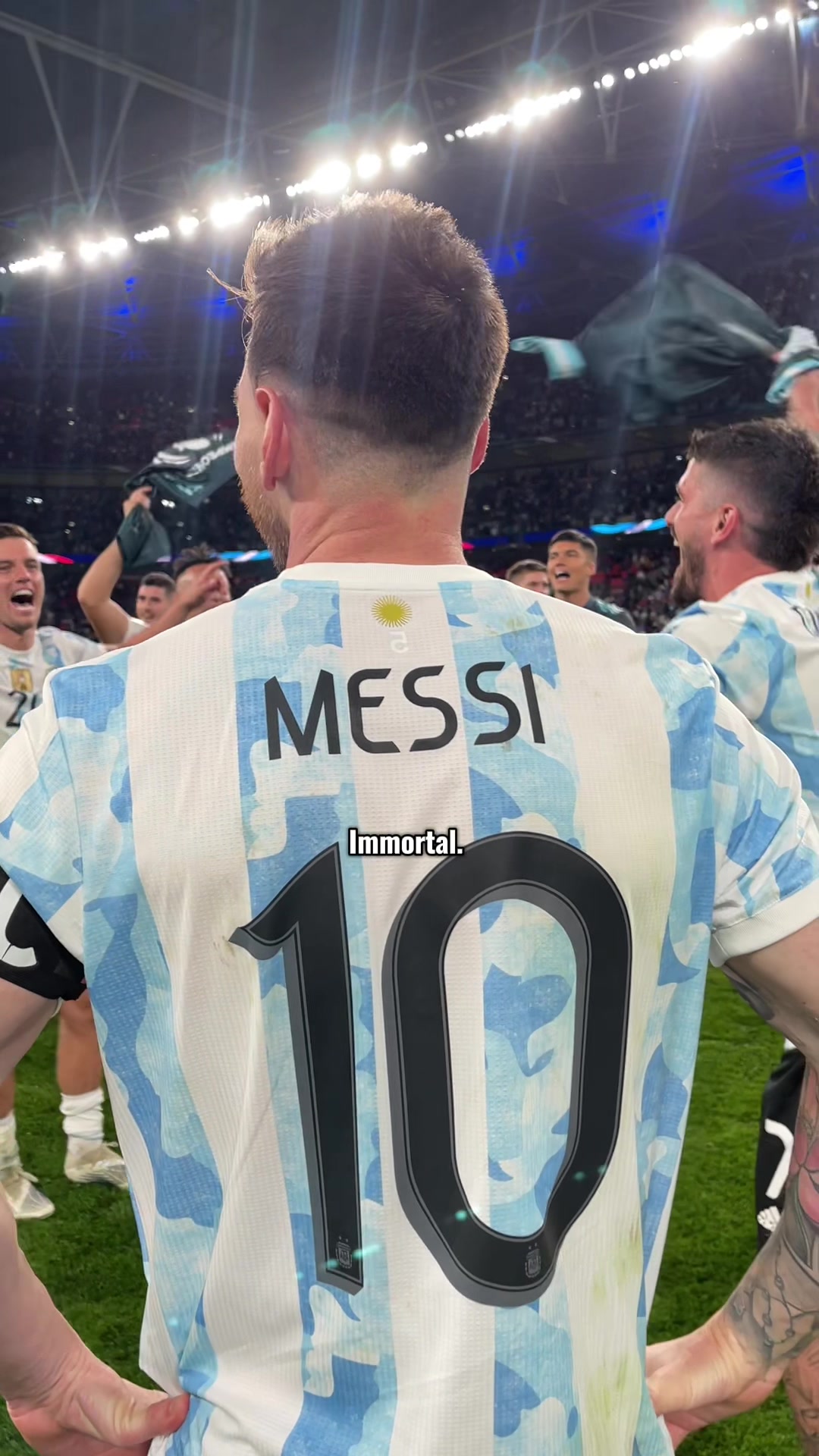
Leo ❤️
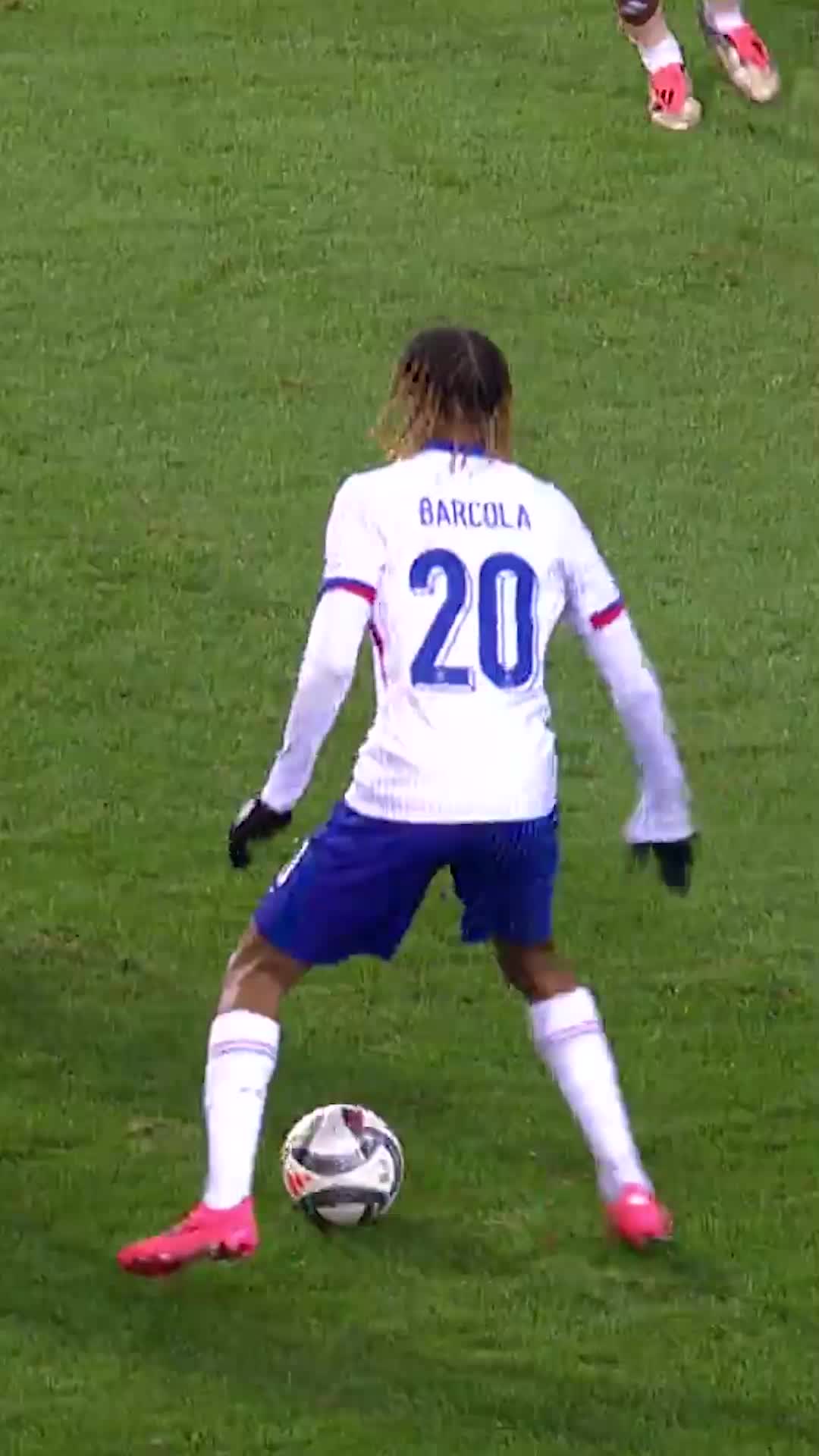
Bradley Barcola magic footwork ✨

It’s always worth it to keep on top of your health, @Memorial Hospitals Group was the most amazing experience! Click the link in my bio for their prices and if you have any questions✌🏽
 Links
Links
 Contact
 App
App


