



The worst host in World Cup history from four years ago has produced the first upset of the 2026 tournament!



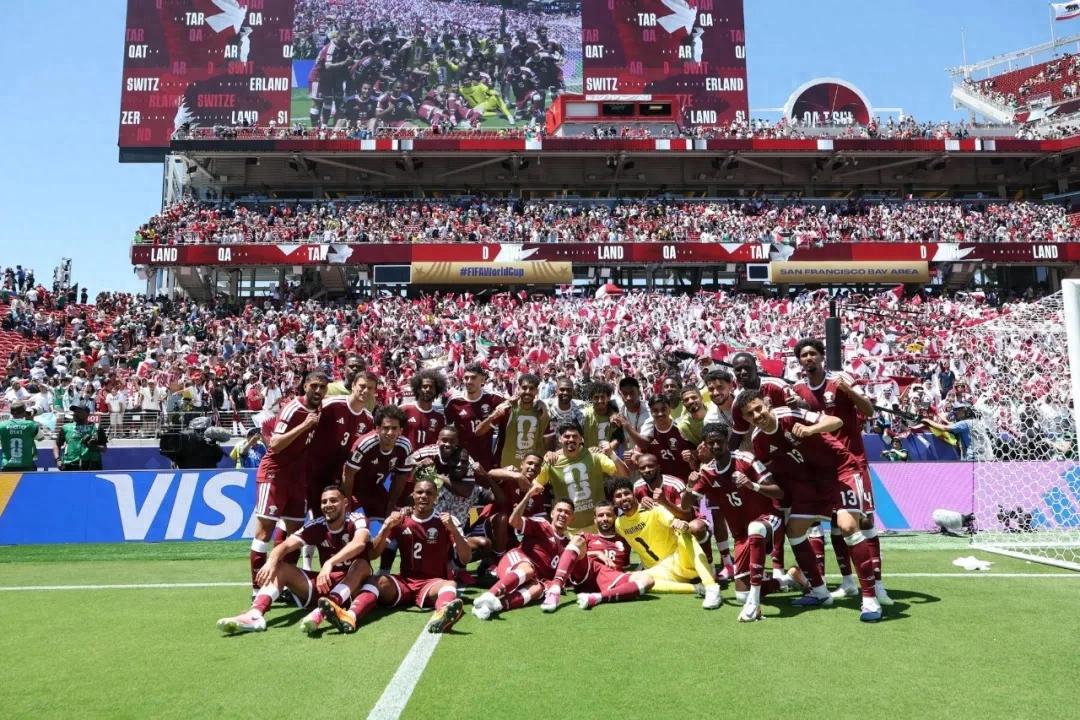
Written by Han Bing The first shock of the 2026 World Cup has emerged! Qatar, widely regarded as the worst host in World Cup history after conceding seven goals without a point four years ago and losing from the opener to group exit, fought back from a passive and beleaguered position to earn a 1-1 draw against Group B leaders Switzerland. A stoppage-time goal in the 94th minute gave them their first ever point in the tournament.
Before this World Cup, Qatar's global ranking (56th) lagged far behind Switzerland's (19th). The total squad value of Switzerland (€332.5 million) was 16 times that of Qatar (€19.93 million), while the starting lineup value (€170 million) was 13 times higher (€12.7 million). The Qatari team was widely considered the underdog, especially given their recent record of no wins in their last four matches against European sides. In September last year, they lost 4-1 at home to Russia (ranked 35th), and just before the World Cup, they were defeated by Ireland (ranked 58th).
Switzerland, as expected, took an early lead: in the 14th minute, Qatari goalkeeper Abnada fouled Freuler inside the box, and Embolo converted the penalty to open the scoring. The Cameroonian-born forward became the sixth Swiss player to score in at least two different World Cups, and only the third to have his first three World Cup goals come against teams from three different continents (Europe, Africa, and Asia). Embolo has now scored against Cameroon, Serbia, and Qatar in his two World Cup appearances. The only others to achieve this feat were Colombia's James Rodríguez (against Ivory Coast, Greece, and Japan) and Russia's Dzyuba (against Saudi Arabia, Egypt, and Spain).
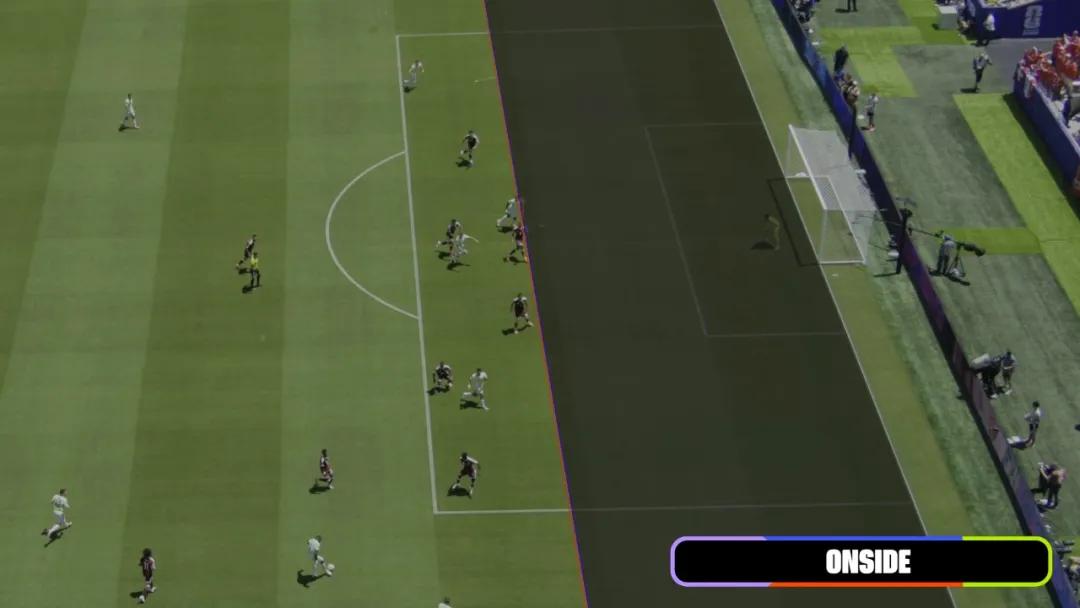
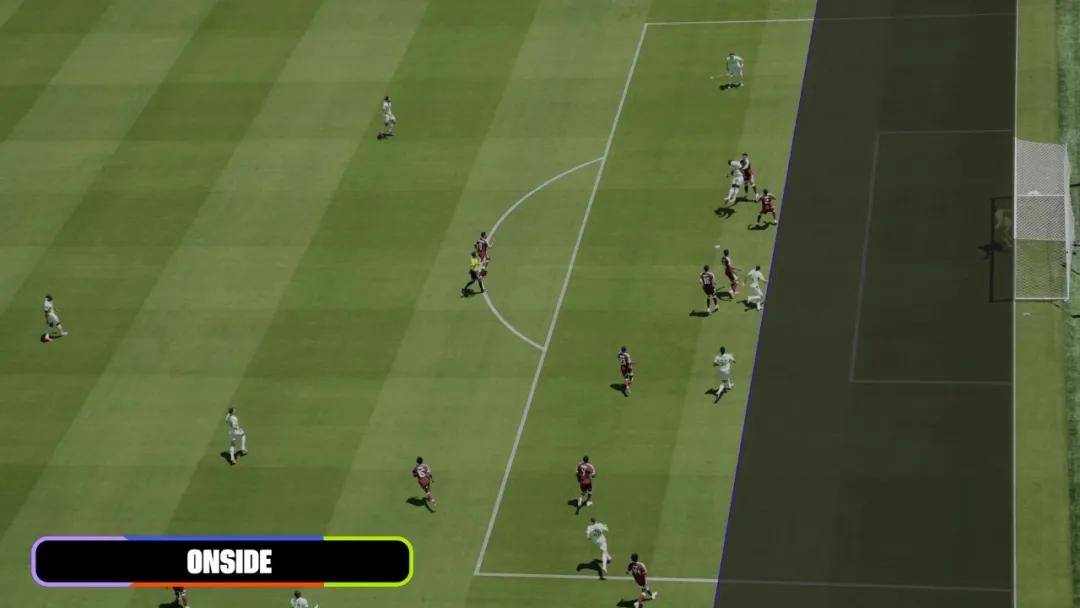
Around the time of the penalty decision, the broadcast failed to provide a clear offside line, sparking widespread doubt about whether Switzerland's attack was offside. This forced FIFA to issue a statement after the match: "A brief technical glitch prevented the generation of the offside animation graphic before Switzerland's penalty in the 14th minute. The issue was quickly resolved. The VAR workflow was unaffected by this problem and followed normal procedures to check the on-field decision. The lines used by VAR to check the positions of relevant players were not displayed, but in both situations before the penalty, the attacking players were not in offside positions."
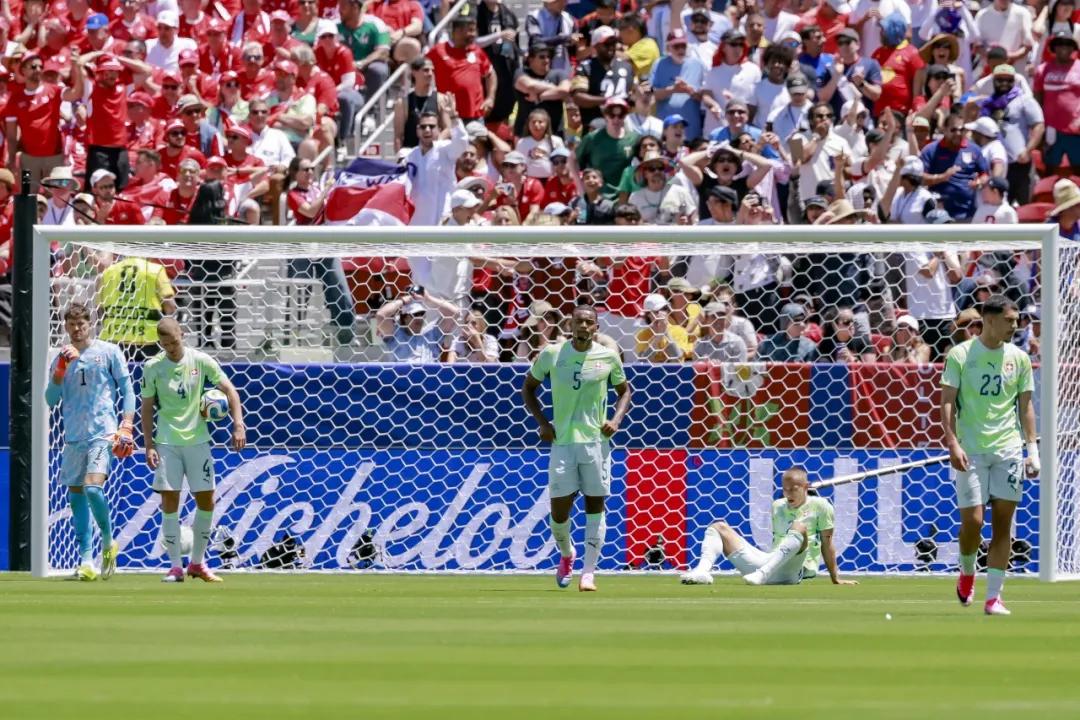
Embolo has scored 10 goals in his last 13 international appearances, showing good form, but he and the Swiss attack squandered at least six clear chances that could have sealed the victory. Switzerland dominated the match overwhelmingly, with 26 shots to Qatar's 7, 68% possession to 32%, and 10 corners to 3, yet only 7 shots were on target. In the second half, an increasingly impatient Swiss side mostly fired wide, ultimately paying a heavy price.
Swiss media and fans were sharply critical of the team's performance: Switzerland's 26 shots were the most in a single World Cup match for the team since 1966. It also tied the record for the most shots by a team that failed to win in a World Cup match since Germany's 2-1 loss to Japan in 2022 (also 26 shots). The Swiss starting lineup had an average age of 30 years and 86 days, the oldest in the nation's World Cup history. Switzerland's last meeting with Qatar was a 0-1 home loss in November 2018, and they failed to exact revenge this time. Before the World Cup, Switzerland prepared by playing Jordan and Australia, going unbeaten with one win and one draw. A 4-1 thrashing of Jordan had fueled confidence in their attack, but they paid the price for squandering too many opportunities.
Al Jazeera praised Qatar's resilient performance, highlighting coach Lopetegui's tactical adjustments in the final 30 minutes, which proved decisive. He gave Afif and Aladdin more attacking freedom, brought on Karim, Fathi, and Mannai to strengthen the midfield, moved Pedro from center-back to right winger, and shifted midfielder Gueye to center-back, making the team more balanced. In the closing stages, Qatar capitalized on Switzerland's fatigue with sudden high pressing and aggressive attacks, eventually getting the desired result.
In the 94th minute, Huhis headed a cross from the left, forcing Swiss defender Muhaim to score an own goal that equalized the match. This own-goal equalizer was the third-latest in World Cup group stage history since 1966, after Hernandez's goal for Mexico against the Netherlands in 1998 (94:04) and Barella's goal for Portugal against the Netherlands in 2014 (94:34). Veteran defender Huhis, who forced the own goal with a stoppage-time header, is known for his attacking prowess. The Algerian-born naturalized player has scored 21 goals for Qatar. He started his career as a striker, netting 6 goals in 4 games to win the 2013 West Asian Cup Golden Boot before switching to defensive midfield and center-back.

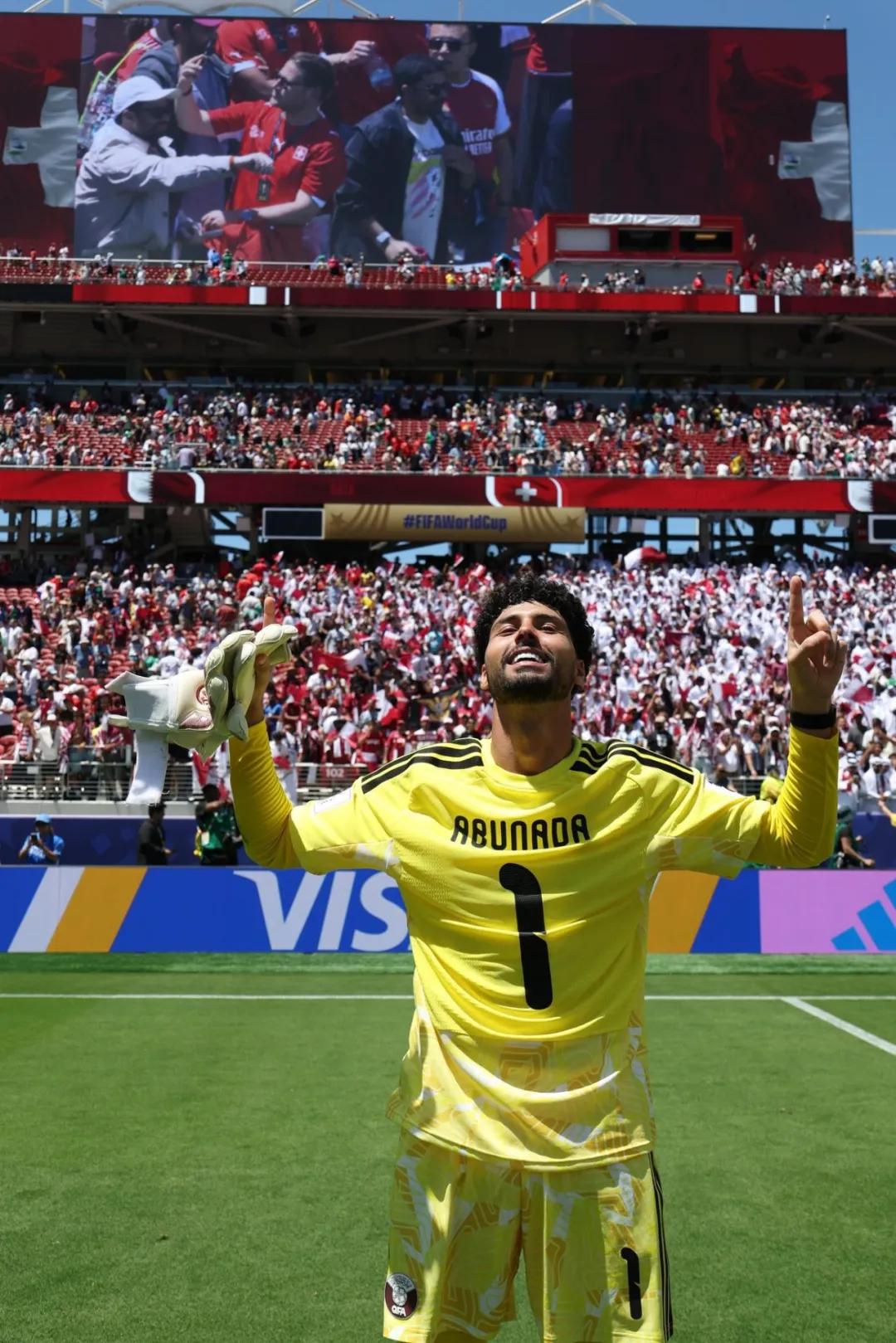
Goalkeeper Abnada, who won Man of the Match, was a key figure in Qatar's first-ever World Cup point. Since October last year, he has started 7 matches for Qatar, conceding only 6 goals. In this match, he became one of only six goalkeepers in World Cup history to make 5 saves in the first half, keeping out efforts from Vargas, Zakaria, and Edmilson, keeping Qatar's hopes of a draw alive.
Abnada, who plays for Al-Rayyan, was the best goalkeeper in both the Qatar Stars League and the Gulf Champions League last season. Last year, he helped Qatar qualify for the World Cup through the playoffs for the first time in history. The Palestinian-born goalkeeper followed captain Haidos' example by donating a small hospital to Gaza to aid the war-torn population.


Wonderfulshortvideo
cristiano Ronaldo training


Cristiano Ronaldo 966 & 967 GOAL
Cristiano Ronaldo and Portugal in World Cup 2026
Rashford ⚽️
Cristiano Ronaldo 6x World Cup
My POV of THAT Raphinha goal
Jermaine Defoe is the new Woking manager
 Links
Links
 Contact
 App
App


