



Doctors warn about the health risks of staying up late to watch the World Cup


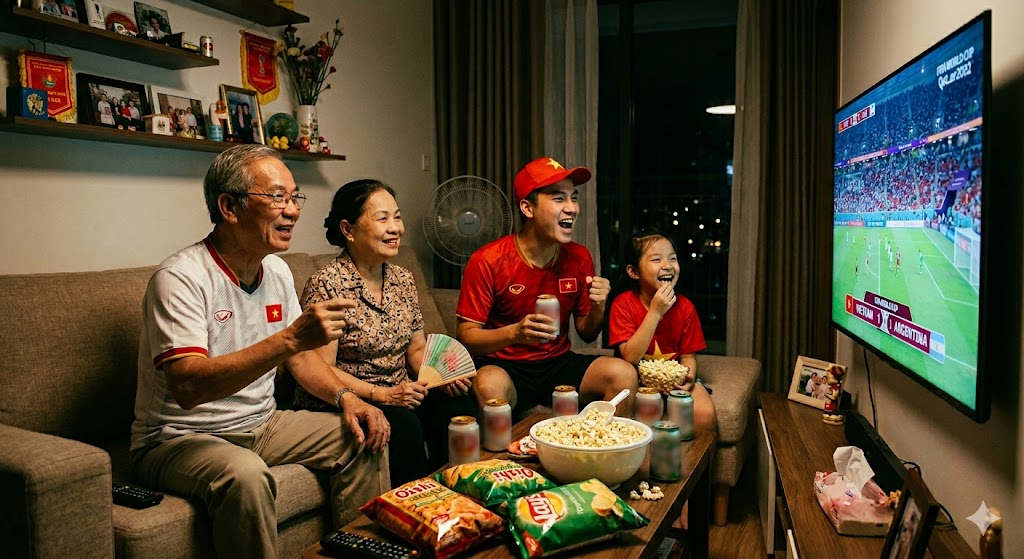
How does watching football all night damage your health?
According to Dr. Vo Hong Minh Cong, Deputy Director of Gia Dinh People's Hospital, sleep is not merely a time for rest but a period in which the body carries out essential recovery and regeneration processes. Continuously staying up late to follow matches disrupts the body's biological clock.
Physiologically, chronic sleep deprivation disturbs the circadian rhythm—the 24-hour cycle that regulates body temperature, blood pressure, hormone levels, and immune function. Cortisol, a hormone that normally peaks in the morning to promote alertness, can become dysregulated, leaving viewers feeling tired, sluggish, and unfocused the next day. Meanwhile, melatonin—the hormone that regulates sleep and acts as an antioxidant—is suppressed when the body is continuously exposed to blue light from TV or phone screens at night.
According to Dr. Minh Cong, easily noticeable consequences of staying up late include headaches, blurred vision, slowed reflexes, irritability, and impaired judgment. Even a single night of sleep deprivation can reduce the activity of immune cells that protect the body against viruses and cancer cells.
If this pattern persists throughout the World Cup, the body may fall into a state of "accumulated sleep debt." The doctor explains that this condition cannot be fully compensated by sleeping in on weekends. Prolonged sleep debt increases the risk of obesity, diabetes, cardiovascular disease, depression, and memory decline.
Moreover, lack of sleep significantly affects the cardiovascular system. Dr. Minh Cong notes that when staying up late continuously, the body increases secretion of cortisol and adrenaline—two hormones that constrict blood vessels and raise heart rate. Normally, blood pressure should drop by 10–20% at night to allow the heart and blood vessels to rest.
Losing this rest time forces the heart and arteries to work nonstop. Additionally, sleep is when the body produces cytokines and immune cells needed to fight infections and inflammation. Prolonged sleep deprivation weakens the body's natural defenses.
According to the expert, individuals who should be especially cautious about regularly staying up late to watch football include the elderly, people with hypertension, cardiovascular disease, diabetes, pregnant women, and those recovering from illness.
For people with underlying conditions, sleep loss combined with emotional excitement or stress from match events can increase the risk of sudden blood pressure spikes, arrhythmias, stroke, or heart attack.
Eating late at night and drinking alcohol while watching football amplify health risks
In addition to staying up late, many people have a habit of eating late or consuming alcohol during matches. According to Dr. Vo Hong Minh Cong, these habits not only add to the health harm but multiply it exponentially in an alarming manner.
Dr. Minh Cong explains that many people believe alcohol helps them relax and fall asleep more easily after watching football. However, alcohol can disrupt sleep architecture, particularly the REM stage—the deepest restorative sleep phase. This means drinkers may still feel fatigued even after sleeping.
In addition, alcohol can cause vasodilation, leading to a drop in blood pressure, followed by a rebound increase in the hours that follow. This mechanism poses hidden risks for people with hypertension and cardiovascular disease.
Regarding late-night eating, Dr. Cong points out that the digestive system also has its own biological clock and needs rest at night to regenerate the mucosa and balance gut bacteria.
When people regularly consume foods high in oil, red meat, or refined carbohydrates at night, the digestive system must work during its intended rest period. Immediate consequences can include gastroesophageal reflux, bloating, indigestion, and heartburn. Over the long term, this habit increases the risk of weight gain, dyslipidemia, fatty liver, and diabetes.
To enjoy the World Cup while protecting their health, Dr. Vo Hong Minh Cong advises fans to plan their viewing schedule wisely to balance sports enjoyment and well-being.
Accordingly, fans should select key matches rather than trying to watch all games. If they must stay up late, they should take a 1–2 hour nap during the day and maintain an early bedtime on nights without matches.
Regarding nutrition, viewers should prepare light foods such as fruits, nuts, or low-fat milk instead of fried items and salty snacks. They should also drink enough water throughout the football viewing and minimize alcohol consumption, especially in the final hours before bedtime.
For people with underlying conditions, taking medications as prescribed and regularly monitoring blood pressure and blood glucose are essential during the tournament. If unusual symptoms such as chest pain, shortness of breath, severe headache, dizziness, or paralysis on one side of the body occur, emergency services should be called immediately for prompt assistance.


Wonderfulshortvideo
cristiano Ronaldo training


Cristiano Ronaldo 966 & 967 GOAL
Cristiano Ronaldo and Portugal in World Cup 2026
Rashford ⚽️
Cristiano Ronaldo 6x World Cup
My POV of THAT Raphinha goal
Jermaine Defoe is the new Woking manager
 Links
Links
 Contact
 App
App


