



Japan drew 2-2 with the Netherlands, and Moriyasu added another line to his notebook.



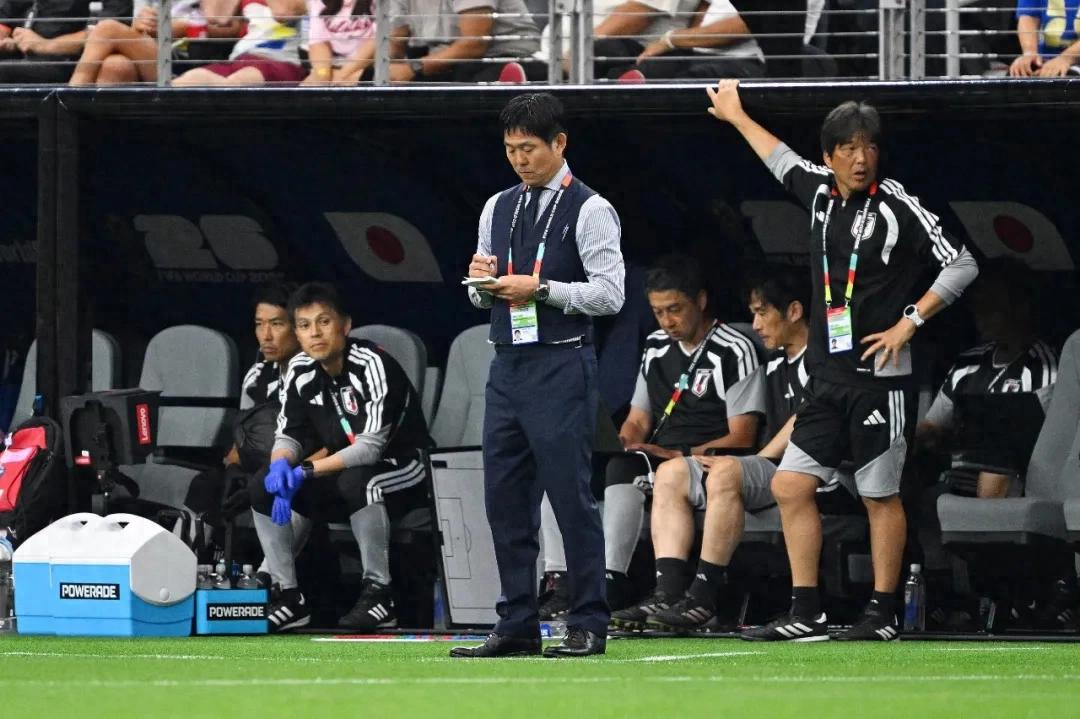
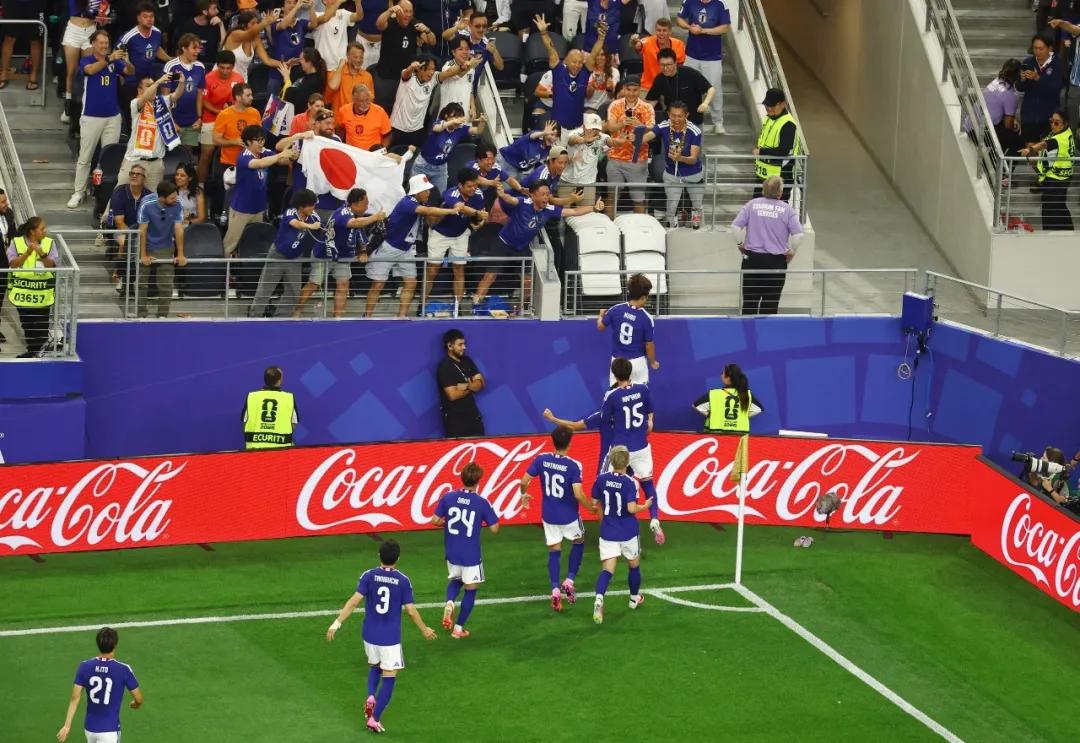
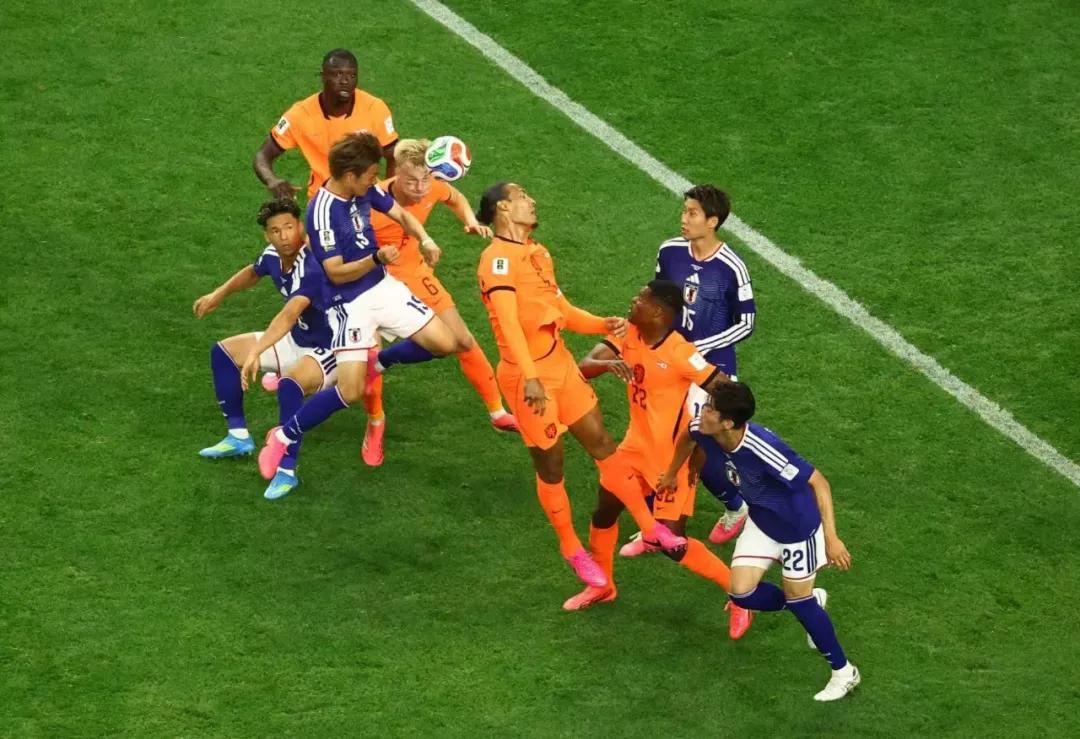
Special contributor / Cai Zonglin In the 89th minute, "I feel like it's happening," Keisuke Honda remarked from the commentary booth. Sure enough, Junya Ito delivered a corner kick with both spin and power, and Koki Ogawa, who plays in the Eredivisie, seized the chance when Virgil van Dijk missed his header, smashing the ball into the net—it glanced off Daichi Kamada's head and went in. Another line was added to Moriyasu's Kokuyo notebook: a 2-2 draw with the Netherlands, and his second World Cup journey had begun anew.
When it comes to understanding Moriyasu's Japan team, we neighbors across the water know them inside out. They were grouped with China in both final rounds of World Cup qualifiers, each match leaving plenty to talk about. Combined with two Asian Cup campaigns, whether they used the standard 4-2-3-1, a 3-6-1, or a 3-5-2, the tactical style of this Japan side has been thoroughly analyzed by domestic experts.
Unbeknownst to many, Moriyasu has become the longest-serving manager in Japan's history. Taking over after the 2018 World Cup in Russia, he broke the Japan Football Association's unwritten rule of "four-year terms" tied to World Cup cycles. In the eyes of the JFA, this honest, somewhat dull middle-aged man has brought unprecedented stability to the team. They see him as the best candidate to lead Japan past the Round of 16 and toward the "highest view."
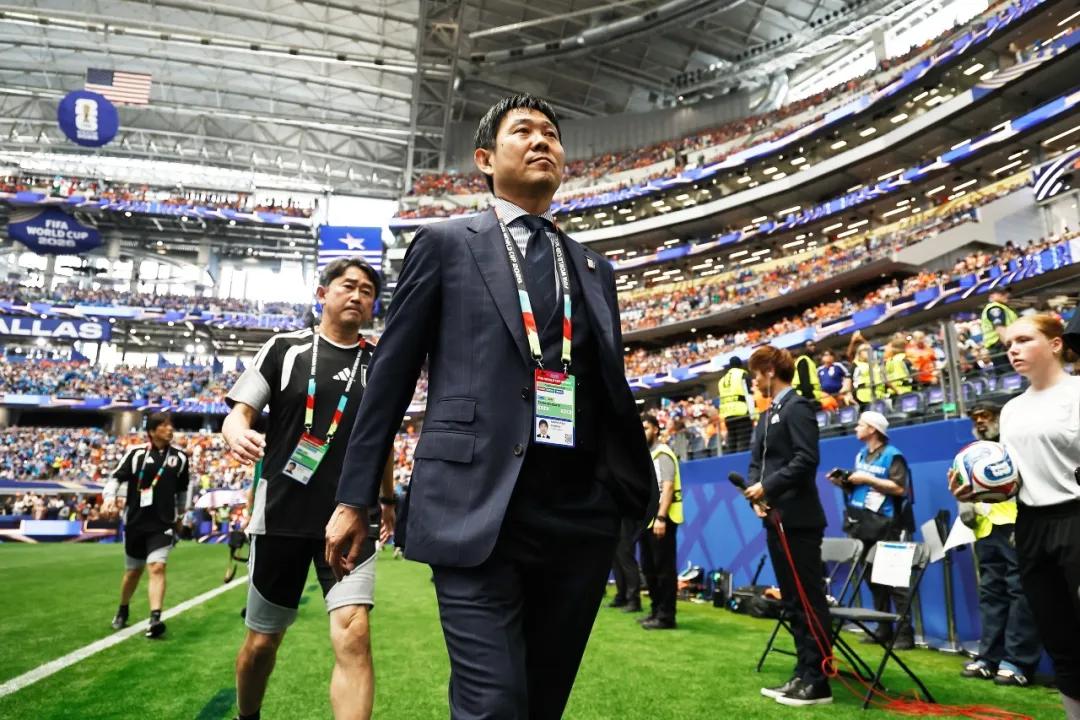
In the harsh environment of modern football, where the average tenure of a world-class national team coach is less than three years, Moriyasu ranks among the top three longest-serving managers among all 48 teams at the 2026 World Cup. Ahead of him are only World Cup-winning coach Didier Deschamps and Zlatko Dalić, who led Croatia to a second-place and third-place finish.
It would be pure fantasy to say Moriyasu faced no challenges during his eight-year journey. From controversies over player selection to in-game adjustments, and his inability to win major tournament titles (especially the Asian Cup, where he failed to beat supposedly weaker opponents), the label "conservative" has never left him. Yet this stubborn, sometimes change-seeking but often steadfast middle-aged man led the team to victories over world champions Germany and Spain four years ago. Public opinion shifted from "incompetent, fire him" to "capable, legendary"—a football meme even Chinese fans know well.
In truth, Moriyasu's coaching style hasn't changed since his days at Sanfrecce Hiroshima. His teams didn't have the biggest stars or the most financial backing, only players who understood and faithfully executed his tactical system. The stability brought by his "conservatism" allowed them to pick up points they needed, even if big matches weren't always pretty. Over five years, they still won three league titles.
Perhaps this tactical approach is exactly what Japan needs now. Today, Japanese football produces players who can thrive in Europe's top five leagues, but compared to European and American giants, they lack absolute superstars—perhaps one or two players globally recognized as top 30 in the world, even reaching the level of Son Heung-min and Lee Kang-in next door. To bridge the gap between a squad of A-level players and S-level talent, Moriyasu's methodology has already shown results at club level.
Japan's opening match of the World Cup in the United States, Canada, and Mexico against the Netherlands isn't entirely unfamiliar. Sixteen years ago in South Africa, the two teams met in the group stage. Against an Oranje side led by Arjen Robben and Robin van Persie, Takeshi Okada's Japan could only park the bus, with 70% possession against them and constant pressure. Eiji Kawashima couldn't stop Wesley Sneijder's long-range shot, and the eventual runners-up Netherlands easily overcame them.
But sixteen years later, that talent gap has narrowed from a chasm to a crack. This was a match between the world's 18th-ranked team and the 8th-ranked team. How to play against strong opponents has been Moriyasu's most important subject since taking charge of Japan, and they've been practicing for it.
Moriyasu deployed the tactical system they had rehearsed for facing top teams: a three-center-back formation to solidify defense, with the season's Bundesliga tackle leader Kaishu Sato and "new European champion" Daichi Kamada in midfield for sweeping and distribution, playmaker Takefusa Kubo in the hole connecting shooter Ayase Ueda and tireless runner Daizen Maeda.
But the key to the formation was the two wing-backs. Moriyasu now uses wingers rather than defenders in those roles. Against the Netherlands, his choices were Keito Nakamura, Ritsu Doan, and substitute Junya Ito. This ensured that while everyone participated in pressing and defending, there were five genuine attacking players on the pitch.
Only this way could they avoid being dominated by strong teams, balancing defensive solidity with attacking threat. This approach has proven effective in recent years, including friendly wins against England at Wembley and Brazil in Yokohama.
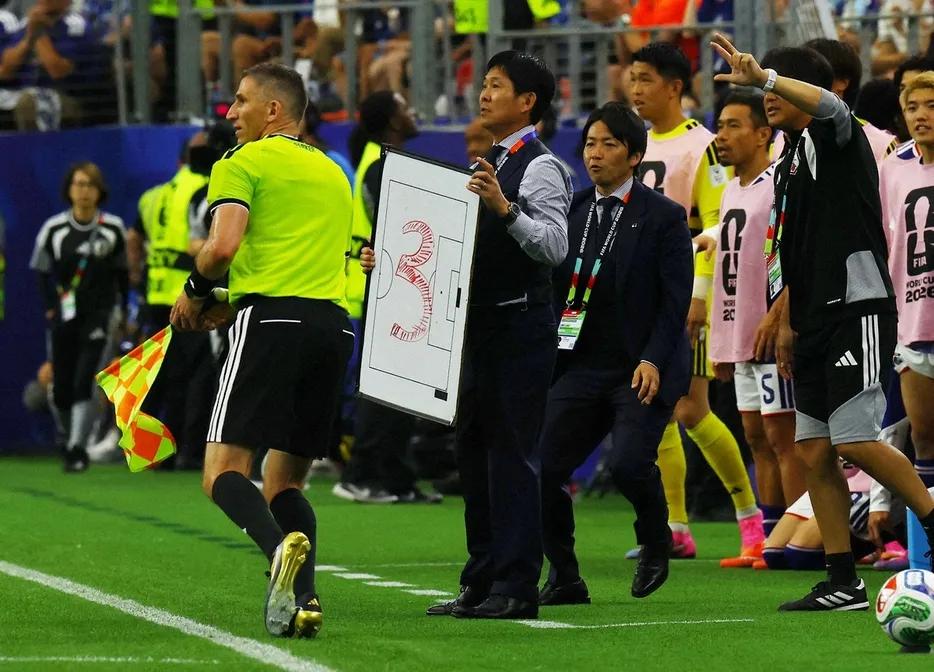
With past success as precedent, Moriyasu's Japan showed no panic against the Netherlands, even after trailing twice. Goals from Keito Nakamura and Daichi Kamada earned them a draw against a formidable opponent, delivering their first result of this World Cup.
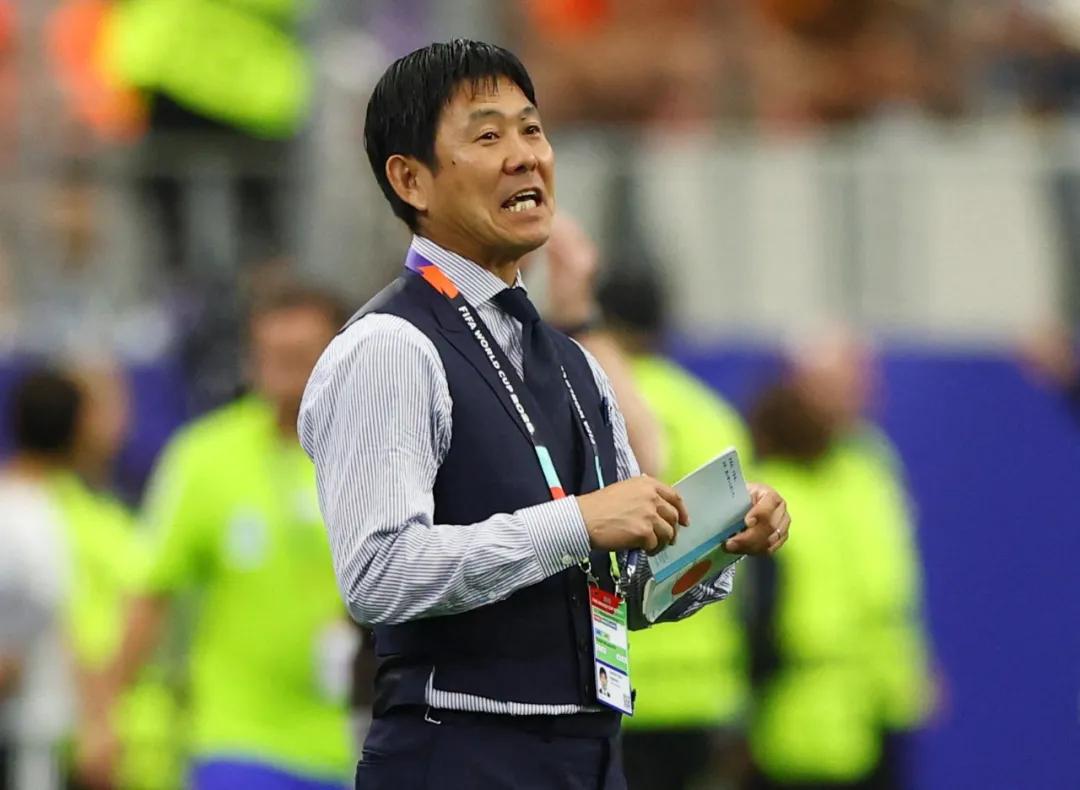
After every match, Moriyasu habitually pulls out his Kokuyo notebook. For this game against the Netherlands, he even brought out a large tactical board with numbered sections, using a baseball-like approach to direct his on-field tactics. It instantly became a new meme for global fans. Yet this honest, somewhat dull man believes he can lead the team to chase the 5% chance of winning the title that Keisuke Honda once mentioned.
But with Takumi Minamino, Kaoru Mitoma, and captain Wataru Endo absent, plus Takefusa Kubo being substituted due to injury in the first match... a series of setbacks lie ahead for Moriyasu. Will his notebook and tactical board provide the answers?


Wonderfulshortvideo
cristiano Ronaldo training


Cristiano Ronaldo 966 & 967 GOAL
Cristiano Ronaldo and Portugal in World Cup 2026
Rashford ⚽️
Cristiano Ronaldo 6x World Cup
My POV of THAT Raphinha goal
Jermaine Defoe is the new Woking manager
 Links
Links
 Contact
 App
App


