



Gu Yasha: To hold fast to one's lifelong passion and strive for it—that is happiness!


Journalist Wang Wei reports On June 3, prior to the kickoff of the 2026 China Team·Wuhan International Women's Football Invitational, the Chinese Football Association and the Chinese women's national football team organized a farewell ceremony for Gu Yasha. Her parents, the entire women's squad, and the spectators on site shared in this touching occasion.
From making her national team debut at age 17 during the Beijing Olympics and scoring a goal, to shedding tears of emotion at her retirement ceremony, Gu Yasha witnessed the ups and downs of Chinese women's football. She remained committed on the front line, accumulating 126 appearances for the national team, 82 of which were starts.
After the retirement ceremony, Gu Yasha admitted in an exclusive interview with our newspaper that she considers herself fortunate because the career she has stuck with is her true love. "To persist in what you love and fight for it—that's happiness," Gu said.


◆ Soccer: The Chinese Football Association and the women's national team organized a retirement ceremony for you in Wuhan under the theme "Thank You, Gu Yasha." How did this make you feel?
Gu Yasha: I really didn't expect it. I think it's a great honor for a player to have a retirement ceremony when stepping away from the game. So I'm truly grateful to the CFA and the national team. On a personal level, having served the national team for over a decade, the fact that the association and the team arranged this ceremony shows that the leaders still remember those of us who contributed to the team.
Actually, I retired about half a year ago. That day happened to be an international A-level match between China and Russia. When I stepped back onto the pitch, the feeling was completely different—I could truly sense the atmosphere and competitiveness of an international A-level game. But at that moment, I also knew clearly that it would be very hard for me to stand on this field again. In the future, I hope to return in a new role and continue to do something for football.
◆ Your professional club career was mainly in Beijing and Wuhan. You played three years in Wuhan, and now your retirement ceremony is held there. Does this city hold special meaning for you?
I think it's a coincidence. I played in Wuhan for three years and was happy to win three championships with the team. It so happened that the national team's A-level match and my retirement ceremony were both held in Wuhan, so this city really has a unique place in my heart.
◆At the ceremony, your teammates gave you a large photo frame as a souvenir. It must contain many memorable scenes and sentiments, right?
I had no idea about this beforehand. Later I learned that Wu Haiyan and Wang Shuang discussed and made it together. The old photos were taken from their phones—pictures we took together during training and matches. When I saw them, I burst into tears. Those photos recorded our journey of fighting together, and also our youth. I was deeply moved. I envy them for still being able to run on the pitch, and I'm proud of them.


◆Soccer: Retirement is always a difficult decision for a player, sometimes painful and cruel. How did you come to this decision?
Gu Yasha: After finishing the Women's World Cup at age 33, I started having more injuries. In fact, when I was just over 30, around the time of the 2021 Shaanxi National Games, I considered retiring. But later I felt I could still play and my form was acceptable. After turning 33, my injuries increased and began to affect my performance more noticeably. At that point, I felt my body was struggling, unable to play a full match—only coming off the bench or starting for half a game. Of course, playing time wasn't the most important thing; what mattered was whether I could still contribute to the team. So when injuries clearly impacted my form, I knew it was time to transition. After finishing the 15th National Games, the team was preparing for a new cycle, so I ended on a relatively complete note. I first played in the National Games at age 19, taking part in five editions. Making it through to 2025 was already good for me—I like to think I stood my ground until the very last shift.
◆Both at club and national team level, you've maintained excellent form. How did you manage that?
Relatively speaking, my physical condition is good. Since I debuted at age 17 in 2008, I've always felt strong and energetic. Over the years, I've injured my knee many times and had surgery. If it weren't for the obvious impact of injuries, I could still play. But I think life isn't just about playing football forever. When it's time to transition, you should do so and continue striving in a different role.
◆You played in three World Cups, two Olympics, four Asian Games, and three Asian Cups for the national team. There must be many unforgettable experiences?
Several matches are most memorable, also regrettable. In 2018, Coach Jia (Jia Xiuquan) led us to the Asian Games. We lost to Japan in the final by one minute in stoppage time. In the group stage, we beat North Korea 2-0—before that, beating them was tough. I felt our squad that year was quite strong, so losing to Japan was such a pity. Also, the 2016 Rio Olympics quarterfinal against Germany: one of our players was sent off, we got a penalty but missed it, and lost 0-1. I think we could have at least forced extra time, maybe even penalties. Even years later, looking back at that match still feels like a huge missed opportunity.


◆Soccer: Over the years, Chinese women's football has experienced highs and lows, glory and struggle. What belief kept you holding on?
Gu Yasha: We play football purely. Players like Wang Shanshan and Wu Haiyan continue for the same reason—it's not about money. We genuinely love it. Even when I kept playing despite injuries, it was because I couldn't bear to let go. Our love for this career and for football makes it too hard to leave the pitch.
Many teammates have noticed we share a common trait—a strong will to win, a deep desire to come out on top. After retiring, I sometimes play casual games with friends, but that "happy football" lacks the feeling of competing for national glory and chasing dreams. When I stepped onto the field at the retirement ceremony, that feeling suddenly hit me intensely. I instantly remembered the days we gave everything for the Olympics and World Cup, everyone charging toward the same goal. That pure determination is truly precious.
Many friends say that some young people today can't find what they truly love. After thinking it over, I realized that finding something you genuinely adore and turning it into a career you hold onto is actually quite rare. But I'm lucky—my career is my deepest passion. To stick with what you love your whole life and fight for it—that's happiness. I'm truly fortunate.
Some girls playing football earn only a few thousand yuan a month, no different from ordinary jobs in society. Yet they still choose to stay on the field. I think it's because they love football from the bottom of their hearts and crave to play. Today someone asked me what my football career has brought me. I answered: the biggest gain is that it made me braver and more determined. When facing difficulties, I don't back down; I grit my teeth and push through.
◆Your teammates told me you never admit defeat on the field. Do you agree?
I think I'm quite competitive—I just want to win. Competitive sports require that spirit: you have to want to win and not fear losing. I've always had that mindset of wanting to win and daring to win.


◆Soccer: Everyone cares about your future. After taking off the national team jersey, what kind of work are you planning to do?
Gu Yasha: I got a good opportunity to become a full-time teacher at the China Football College of Beijing Sport University. Recently, I also assisted Coach Sang Nina in training the U15 national women's selection team. I've never left football—after so many years together, it's hard to let go. Every time I step onto the pitch, even in a different role, my heart is still filled with joy.
◆How does it feel to transition into a teaching role?
In the future, I'll be a teacher at BSU. I think this job is a good choice. I've taught a few classes and found that students really want to interact with high-level athletes and coaches, seeking professional guidance. Actually, we retired players are also learning how to become coaches. During class, I get along well with the students. While teaching them technical skills, I'm also learning—it's a mutually beneficial process.
I've just stepped down, so I still need to study more. Honestly, being a player is completely different from being a coach. Reaching a high level as a player doesn't guarantee the same as a coach. We need a process of learning and accumulation.

◆Are you confident that you can train more forwards with your characteristics in the future?
If I can teach just one player who can deliver a cross of the same quality with her left foot like I did, that would be enough. But who knows what the future holds? For now, I'll just study steadily, work hard like when I first learned to play, and leave the future to itself.
◆Now that you've officially retired, is there anything you'd like to say to the fans?
Thank you! I'm very grateful to the fans for supporting women's football all these years. Not many people follow women's football regularly, so I truly appreciate those who came to watch us play and cheered for us. I hope more fans will support Chinese women's football and Chinese football. At the same time, I wish Chinese women's football continues to improve, and the younger generation bravely moves forward. The future belongs to them.



Wonderfulshortvideo
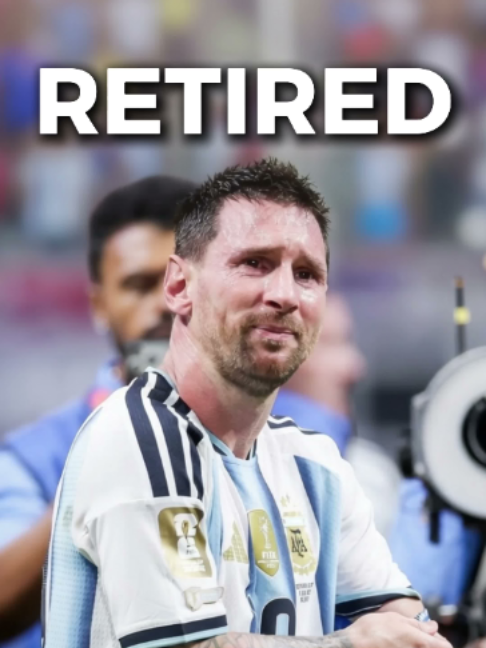
messi argentina retirement messi retiring messi edit


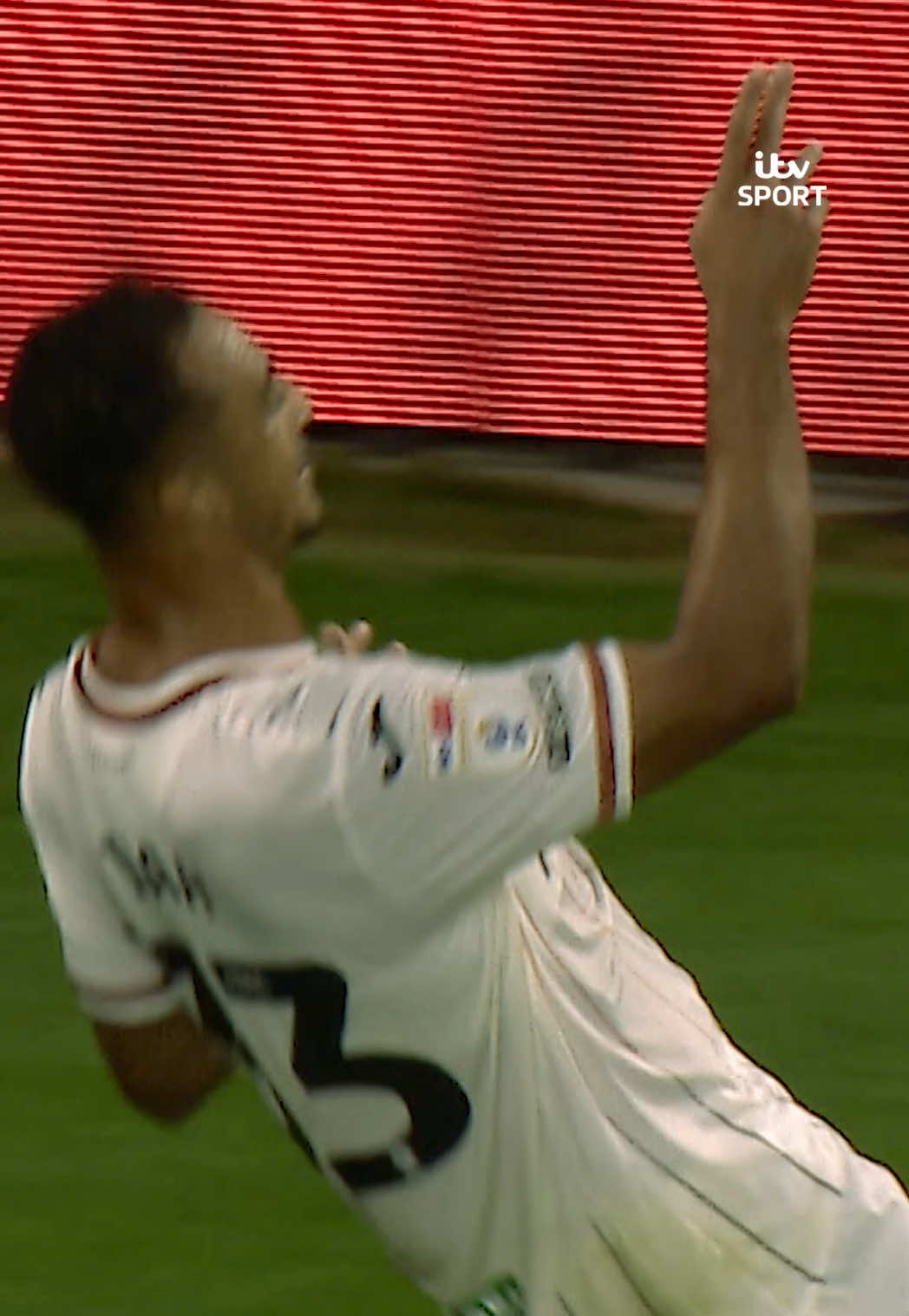
The Swans go TOP of the Championship 🦢
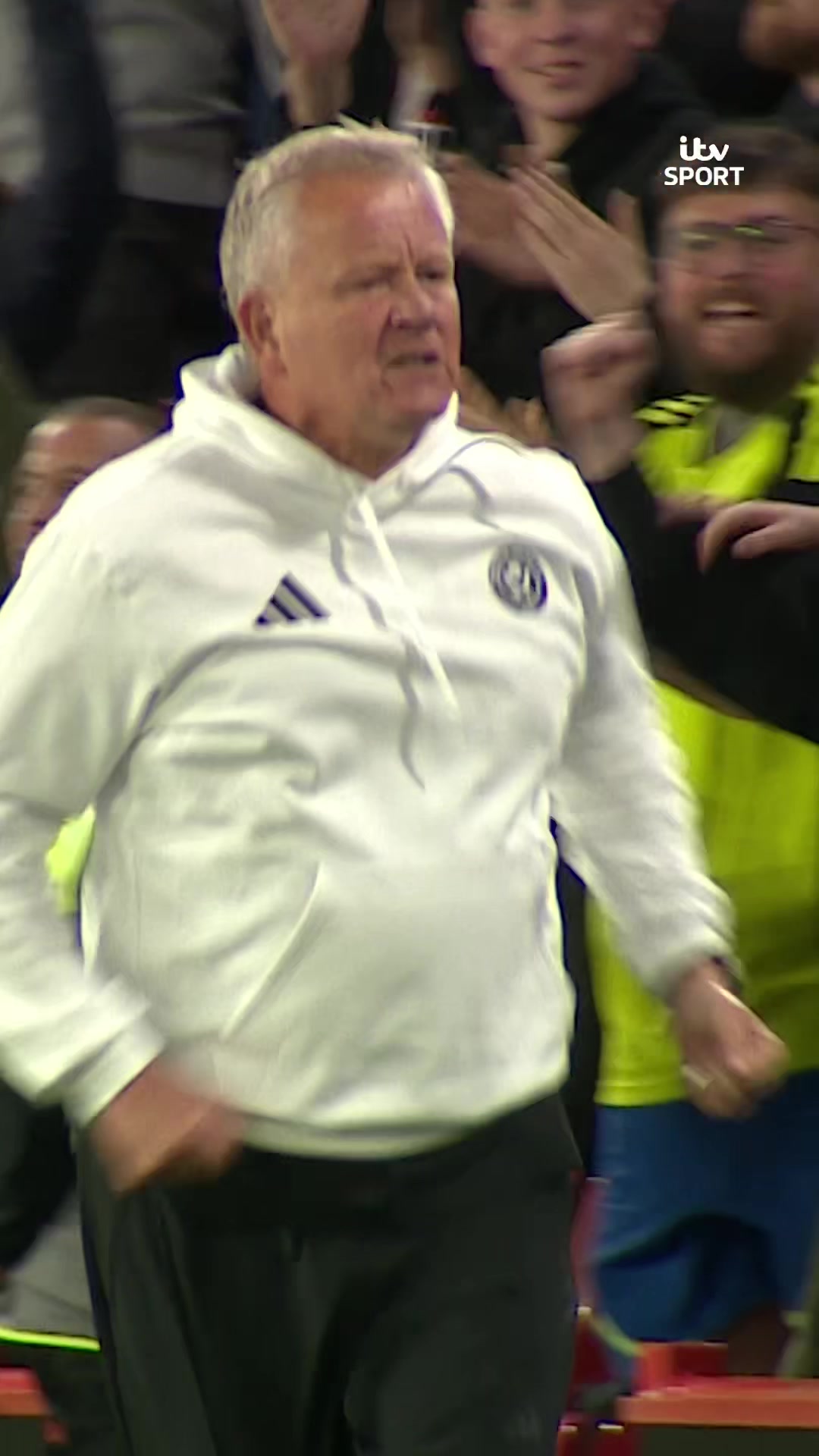
Sheffield United’s Romelle Donovan with an added time WINNER that sent Bramall Lane wild 🔥
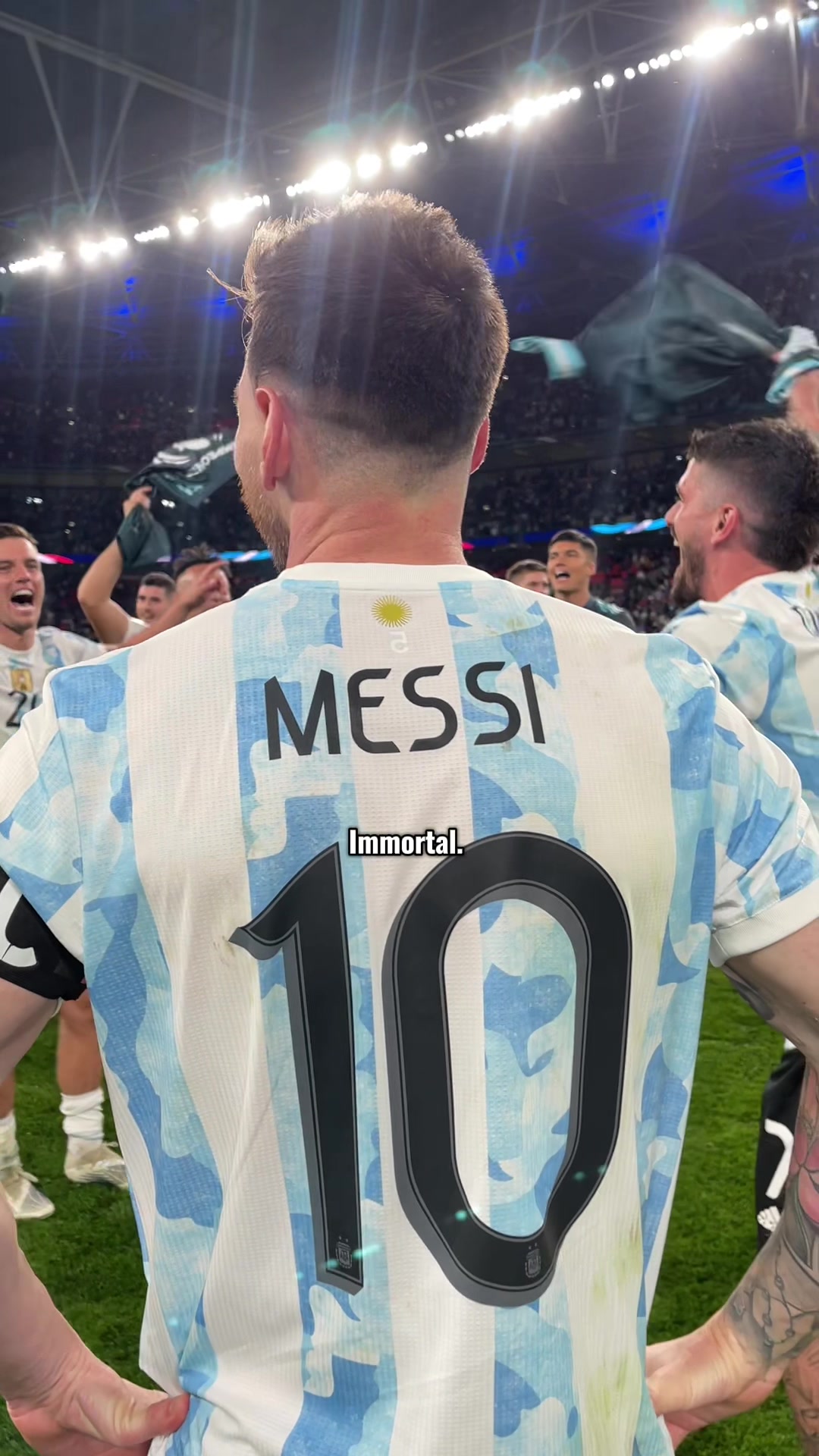
Leo ❤️
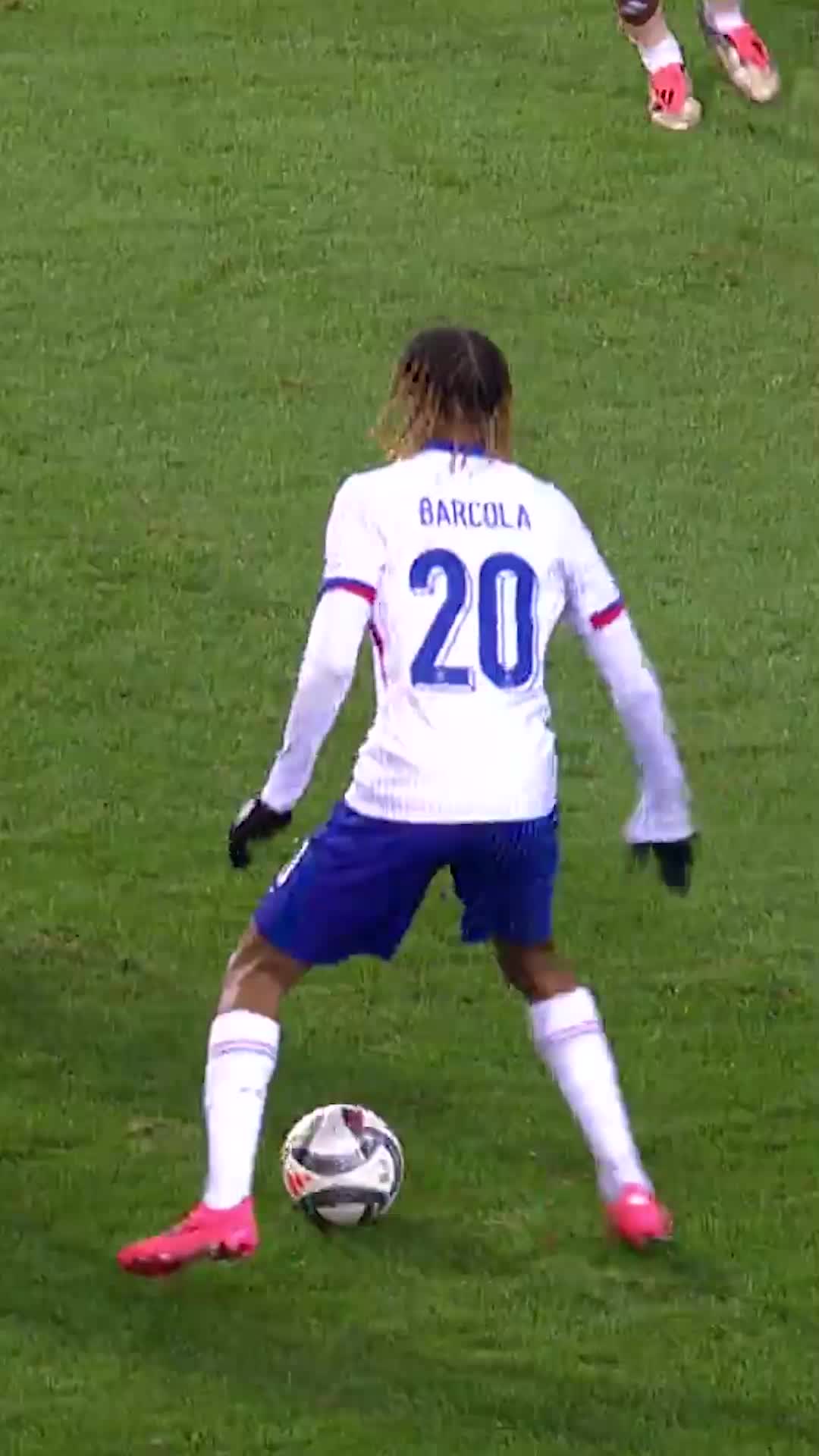
Bradley Barcola magic footwork ✨

It’s always worth it to keep on top of your health, @Memorial Hospitals Group was the most amazing experience! Click the link in my bio for their prices and if you have any questions✌🏽

Daniel Farke deserves credit. Gets better and better. Good point today for Leeds
 Links
Links
 Contact
 App
App


