



Vietnamese Football and Its Final Trophy



The 2025/26 campaign ended with a whirlwind of emotions for football in Ho Chi Minh City. Becamex HCMC dropped to a lower division, whereas Công An HCMC pulled off a remarkable turnaround at the end of the season to claim the National Cup. It was their first silverware in 13 years, following Xuân Thành Sài Gòn's victory in 2013, and also eight years since Becamex Bình Dương raised the cup when considering the recently merged region.
One wonders what this coincidence signifies. All of Ho Chi Minh City's recent major honors have been the National Cup, accompanied by an unfortunate pattern: every previous HCMC club that won the National Cup eventually suffered relegation and then vanished. From Navibank Sài Gòn (2012) to Becamex HCMC (2018). Even the predecessor of Công An HCMC — the original Công An HCMC side — won the National Cup back in 2001 before renaming itself to Ngân hàng Đông Á and subsequently disappearing.
Let's not dwell too much on that "curse," because, after all, for today's Ho Chi Minh City football, any trophy is precious. It proves that this football scene can still make a comeback, still craves achievements, and still has the strength to reach a concrete goal. The National Cup also means a ticket to international tournaments, providing the club with motivation to invest more heavily in its squad for the following season.
But the reality cannot be ignored. Công An HCMC's cup win does not erase the sorrow of Becamex HCMC's relegation, nor the fact that the city will have only one representative in the V-League next season. This means the city's police team must bear immense pressure to maintain a foothold for local football, while juggling multiple fronts. How much investment and what kind of strategy is enough? That puzzle has never been easy, and unfortunately, most previous efforts by HCMC football have failed, leading to the current situation.
The circumstances present yet another challenge. The team that lost to Công An HCMC in the National Cup final was Ninh Bình FC, which had invested heavily ever since its promotion, yet still failed to break through in the race for both the V-League title and the cup competition.
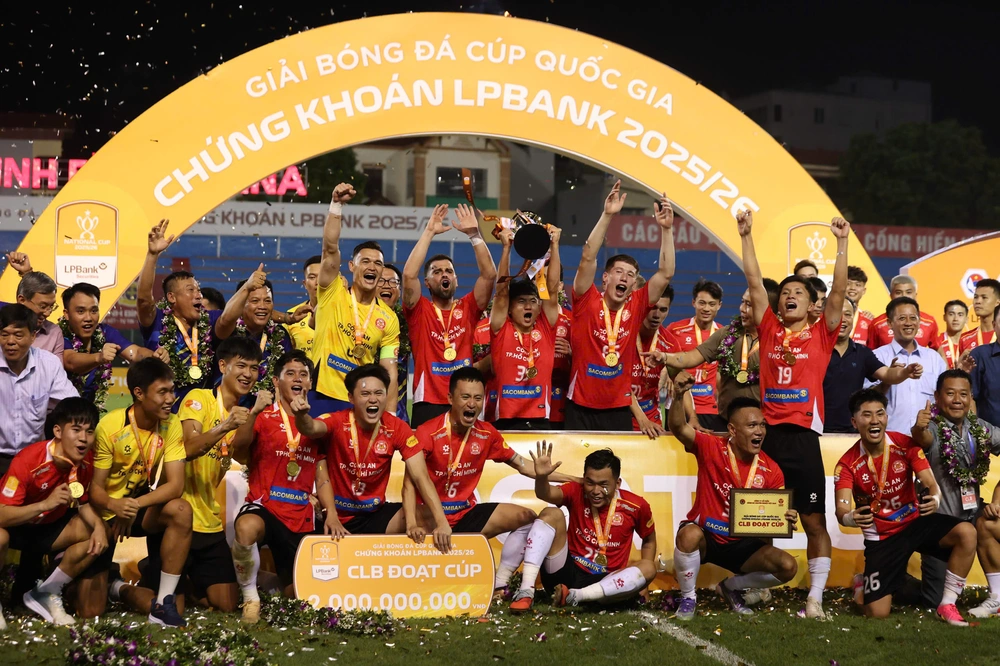
CATP.HCMC's victory in the National Cup is regarded as a significant milestone for Ho Chi Minh City football in 2026. Photo: Hoàng Linh
In the current phase of Vietnamese football, simply opening the wallet does not guarantee acquiring quality players. Meanwhile, clubs in the north keep expanding their scale, and most skilled players are concentrated in that region, making Ho Chi Minh City a less attractive destination.
That's looking upward; looking downward reveals even heavier issues. Just last week, a workshop titled "Contributing Ideas for HCMC Football" was warmly organized, with participants showing genuine passion, but most opinions only added to the weight of the problems.
Ho Chi Minh City's youth training system is not lacking in quantity, but it is fragmented, scattered, and beset by numerous obstacles. Former central defender Lương Trung Tuấn noted that although there are many training centers, HCMC lacks centers strong enough to retain players after development. Currently, many young talents have to join larger, more professional academies, making it hard for the city to maintain a steady pipeline of successors.
It's also worth recalling: Exactly ten years ago, HCMC FC was promoted from the First Division to the V-League. That team is the same as today's Công An HCMC. Over the past decade, it evolved from a club managed by the HCMC Football Federation, cultivated through youth football, then handed over to private investors who poured in money, yet the best achievement was only the V-League runner-up in 2018.
After exactly ten years, the club has finally secured its first trophy — certainly a milestone — but clearly, all the lessons remain. More importantly, the root causes of instability and difficulties seem unchanged from before.
So we can only hope that this National Cup is not the final glory!


Wonderfulshortvideo
messi argentina retirement messi retiring messi edit


The Swans go TOP of the Championship 🦢
Sheffield United’s Romelle Donovan with an added time WINNER that sent Bramall Lane wild 🔥
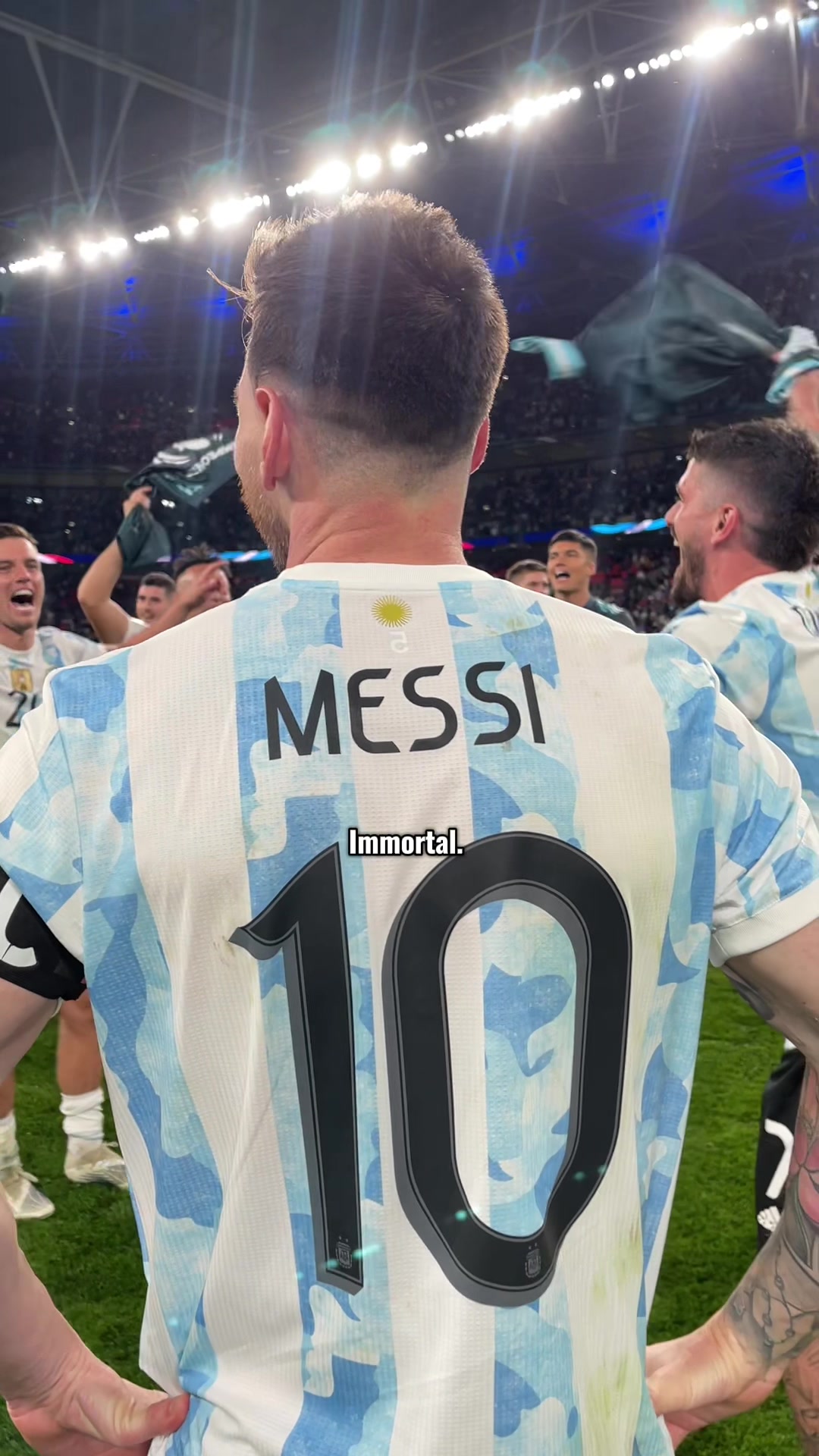
Leo ❤️
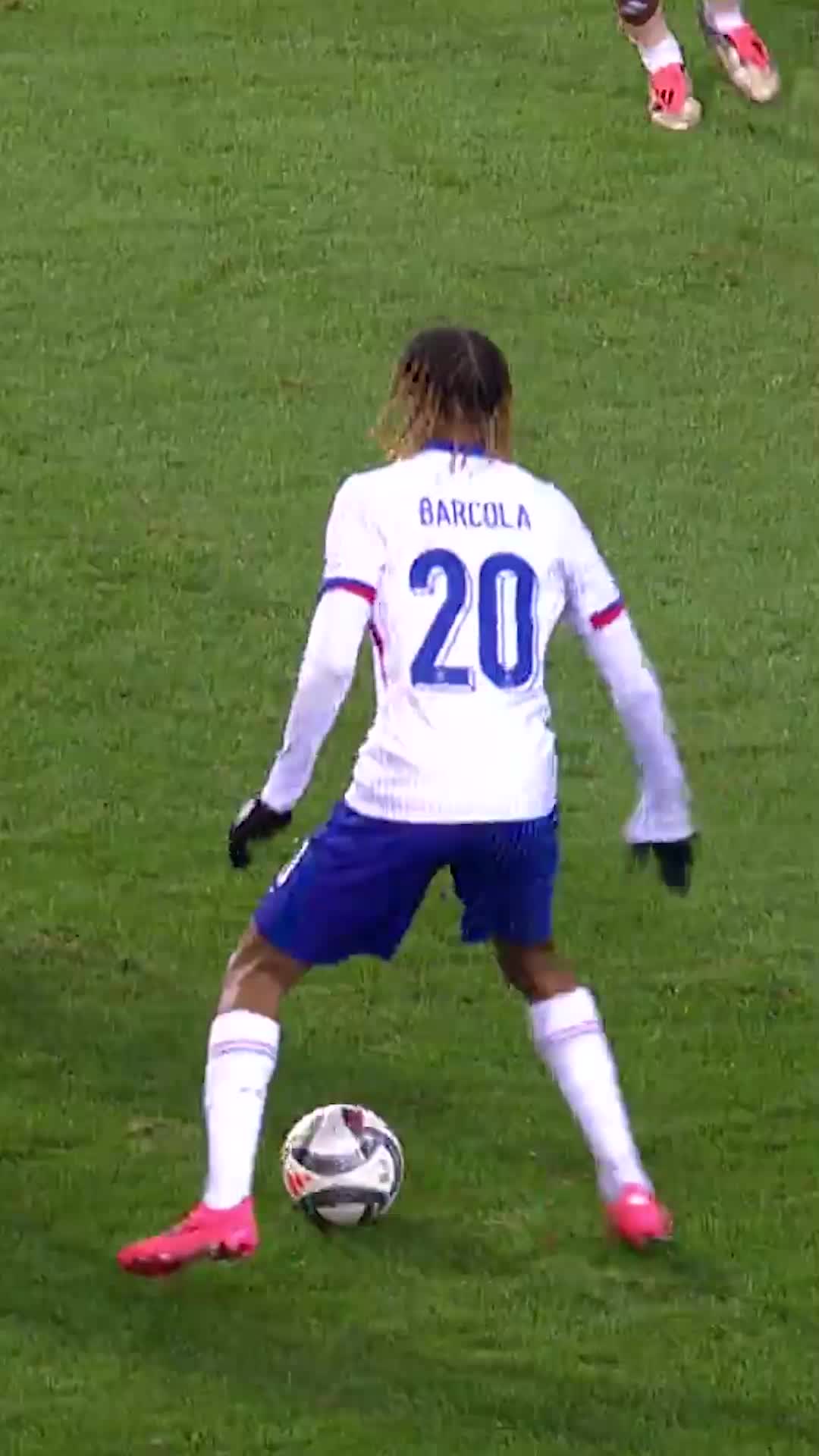
Bradley Barcola magic footwork ✨

It’s always worth it to keep on top of your health, @Memorial Hospitals Group was the most amazing experience! Click the link in my bio for their prices and if you have any questions✌🏽

Daniel Farke deserves credit. Gets better and better. Good point today for Leeds
 Links
Links
 Contact
 App
App


