



Enduring unfair treatment, Iran's team fought hard to earn points



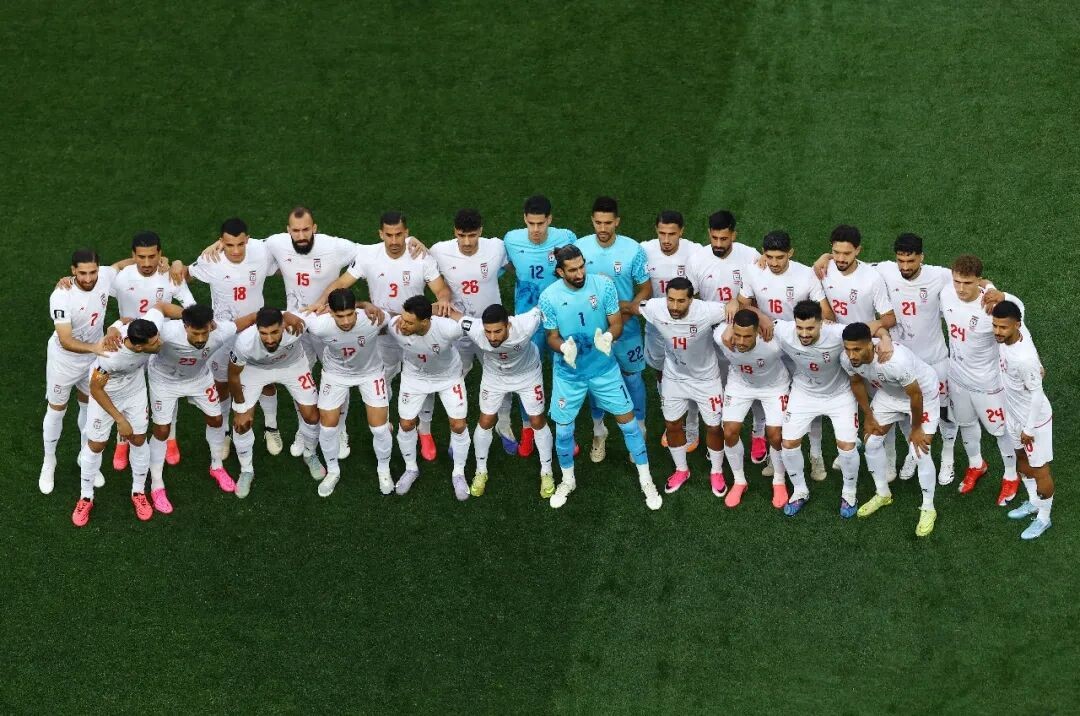
Written by Han Bing Under normal preparation, Iran should have been able to beat New Zealand, a team ranked 65 places below them in the world. Yet, facing the most unjust and challenging preparation and competition conditions in World Cup history, Iran managed to equalize twice at the SoFi Stadium in Los Angeles, earning a hard-fought and precious point.
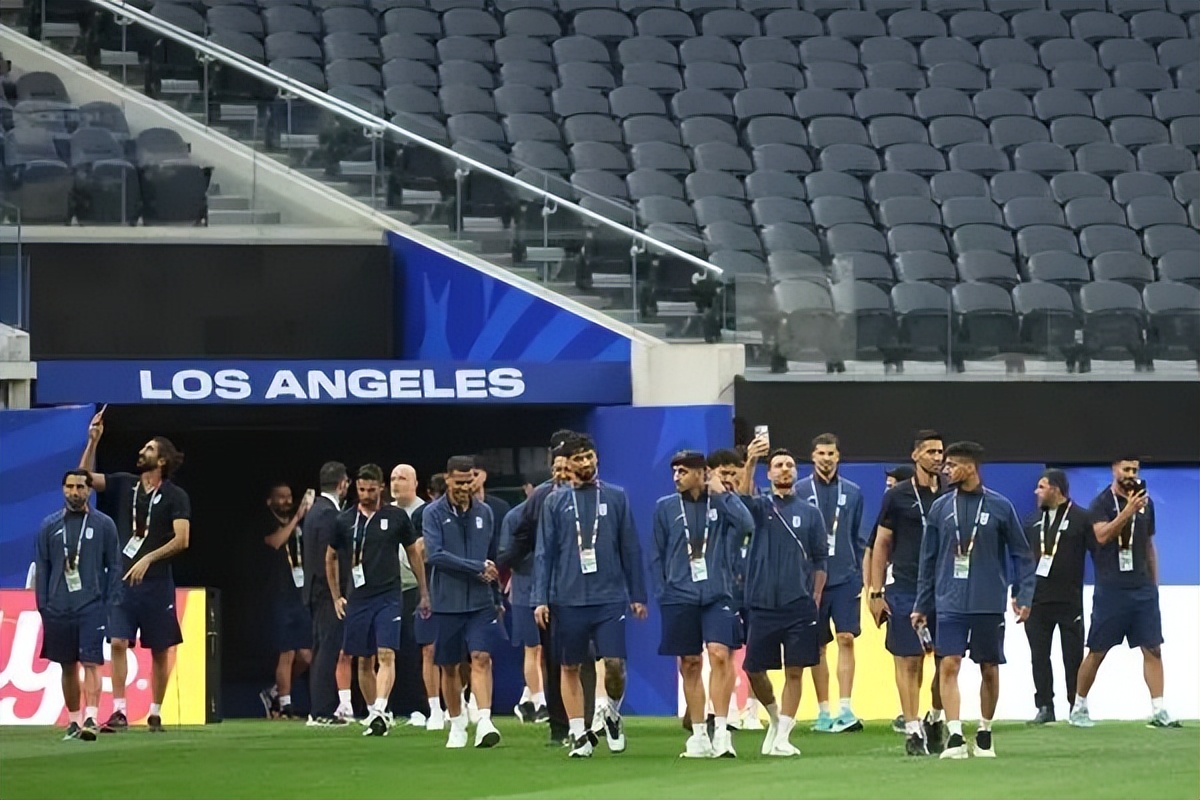
Iran's World Cup debut carried more symbolic than competitive significance. This marked the first time since the tournament's inception in 1930 that a team played on the soil of a hostile nation, a moment already worthy of being etched into World Cup history. The 68,000 spectators at SoFi Stadium witnessed this historic match. New Zealand presented Iran's entire squad with Pounamu, a green stone native to New Zealand's South Island, considered by the Maori to symbolize strength, prosperity, and protection—a gesture of goodwill from the opponent. Before the match, the entire Iranian team sang the national anthem with passion, demonstrating the resilience and tenacity of Iranian football.
The various unfair treatments during Iran's preparation significantly affected the team's training, player condition, and morale. The match itself showed that Iran was indeed impacted by the abnormal preparation. In the 7th minute, a defensive lapse allowed New Zealand midfielder Just to score first. In the 32nd minute, Rezaeian equalized for Iran. At 36 years and 86 days old, Rezaeian surpassed Iranian defender Golmohammadi (35 years and 84 days in 2006) to become the oldest Asian player to score in a World Cup.
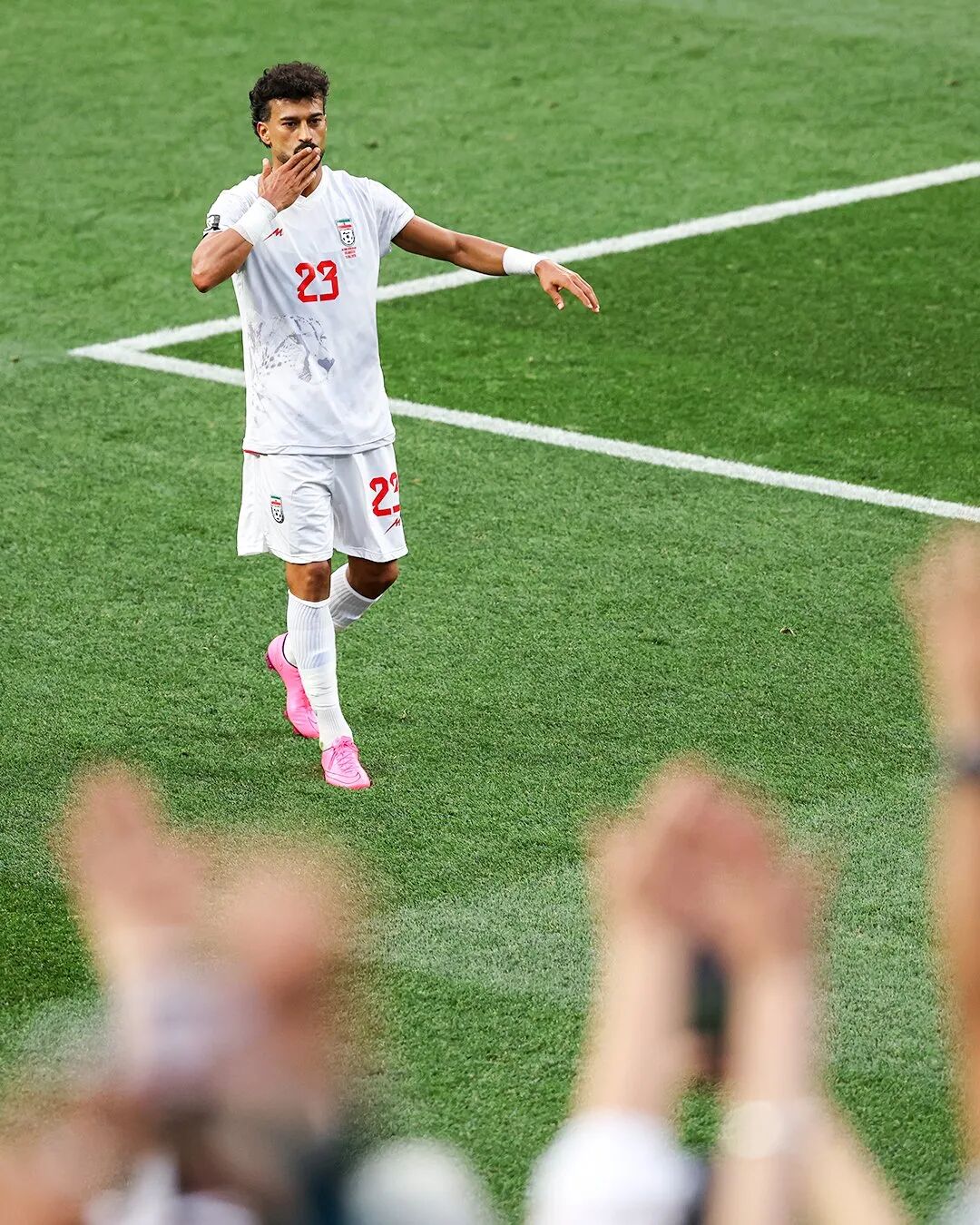
In the 55th minute of the second half, Just scored his second goal. Nine minutes later, Rezaeian assisted Mohebi to level the score again. After the match, Rezaeian stated that Iran should have won. In the first half, Taremi hit the post with a long-range effort, and Nematis goal just before half-time was ruled out for offside. Although Iran dominated, a drop in physical fitness prevented them from securing the crucial three points needed for advancement.
Iran faced the most unfair preparation, training, accommodation, and transport conditions in World Cup history, widely regarded as the biggest scandal of the tournament. The United States deliberately delayed visa processing, severely disrupting Iran's planned training and friendly matches. Iran's football federation had to hastily move their training base from the US to Mexico. On June 3, Mexico issued visas to the Iranian delegation, but on June 5, the US rejected 15 members of the Iranian delegation, demanding that the Iranian team must enter and leave the US within the same day without staying overnight. The US's obstruction over visa timing violated FIFA's World Cup regulations, which state that any participating team has the right to arrive at the match venue one day before the game for a training session.
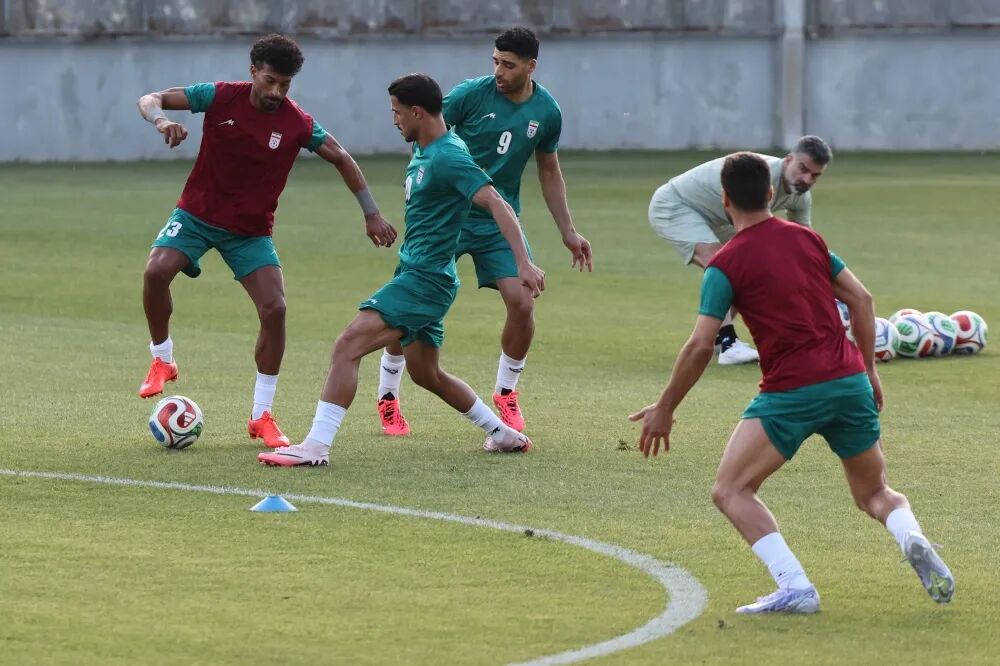
On June 14, Iran and the US signed an electronic memorandum of understanding to end hostilities, which slightly improved Iran's unfair situation. Iran was allowed to fly to Los Angeles one day earlier on a chartered flight last Sunday, but the damage to training and preparation was already irreversible. Iran was forced to cancel several planned friendly matches, and their training during the preparation period could not proceed normally. Additionally, due to flight delays, the team departed at 10 a.m. local time and did not arrive until 3 p.m. Before Iran's first match, the US also relaxed visa restrictions, allowing the Iranian team to stay overnight in the US. Although the Los Angeles police provided security for the team's hotel, off-field disturbances against Iran were not effectively prevented.
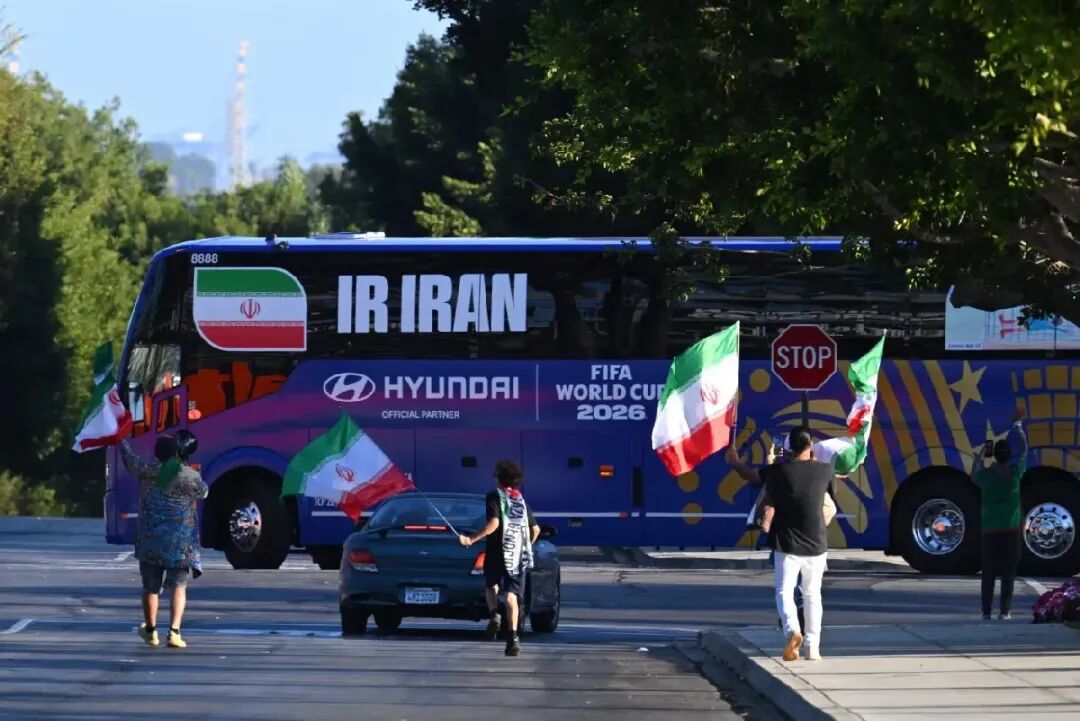
In pre-match media interviews, Iran's head coach Ghalenoei and forward Taremi admitted that from the moment they arrived, they felt a tense atmosphere—an undisguised hostility and obstruction from the host nation. FIFA banned any actions against the Iranian team inside and outside the stadium. Although the US provided 100 security personnel to escort the Iranian team bus—nearly double the number for other teams—the bus still faced harassment from opposition activists outside the venue. During the playing of Iran's national anthem before the match, there were boos inside the stadium, and stadium security largely ignored other banned behaviors by FIFA displayed in the stands.
In addition to Iran's football federation president Taj and team manager Nabi, who had already been denied US visas twice, two Iranian media workers were also rejected yesterday. Iran's football federation issued a statement accusing FIFA of failing to fulfill its promise to ensure that all members of the Iranian delegation received US visas for the World Cup. Last Saturday evening, four more members of the Iranian delegation obtained visas: the federation's international relations head and assistant, a security officer, and a team analyst. Others remained denied.
Fortunately, before the Iranian team departed for the US, local Mexican fans lined the streets to cheer them on at their training base in Tijuana. During the match, when Iran scored, most of the audience applauded and cheered. However, the heavily pressured Iranian team failed to defeat New Zealand, the weakest team in their group. With stronger opponents like Belgium and Egypt ahead, the difficulty of earning points and advancing has increased. Nevertheless, with the Iran-US peace memorandum reached, the Iranian team can now prepare under more normal conditions and focus on football, which is already a victory in itself.


Wonderfulshortvideo

messi argentina retirement messi retiring messi edit


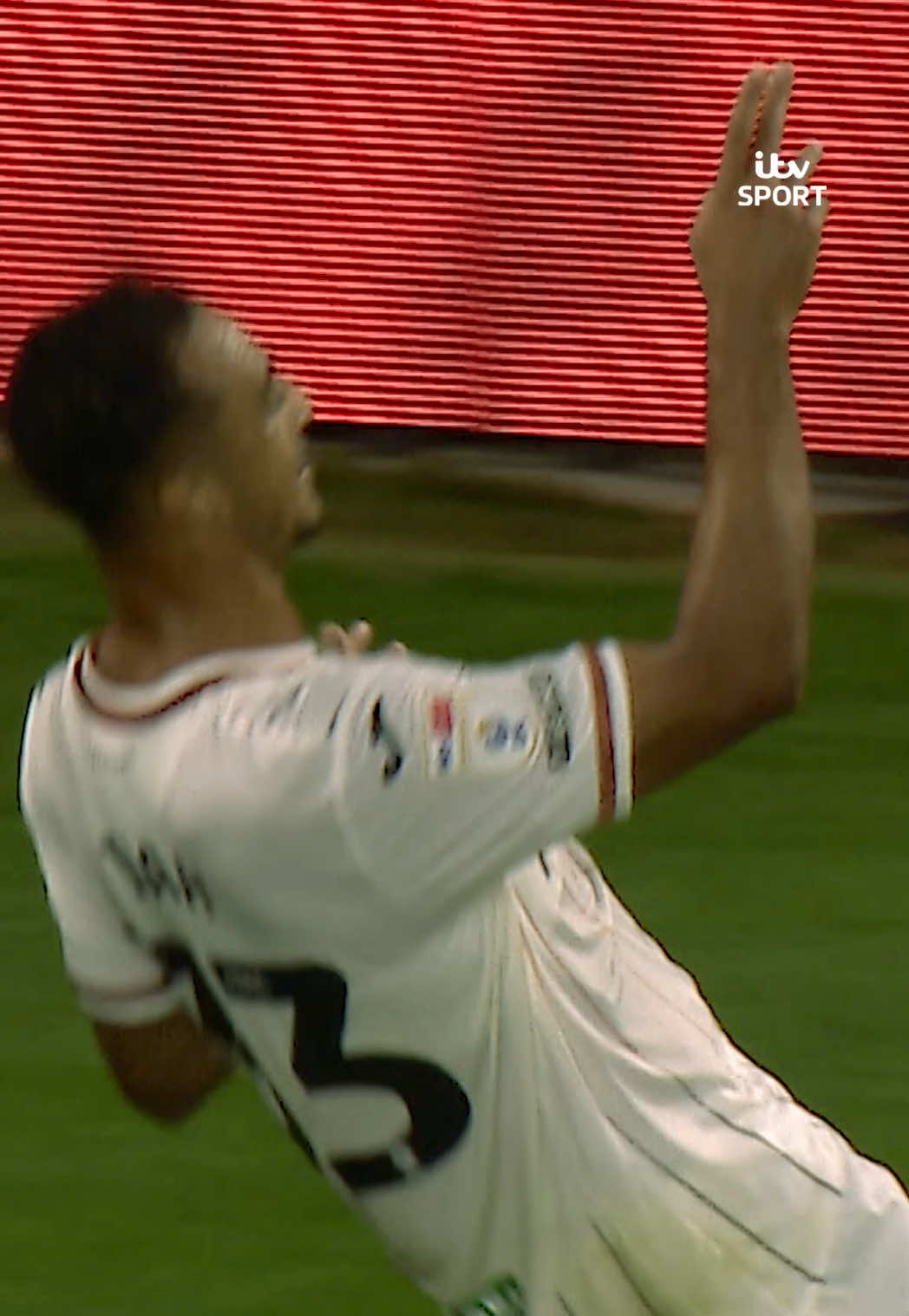
The Swans go TOP of the Championship 🦢
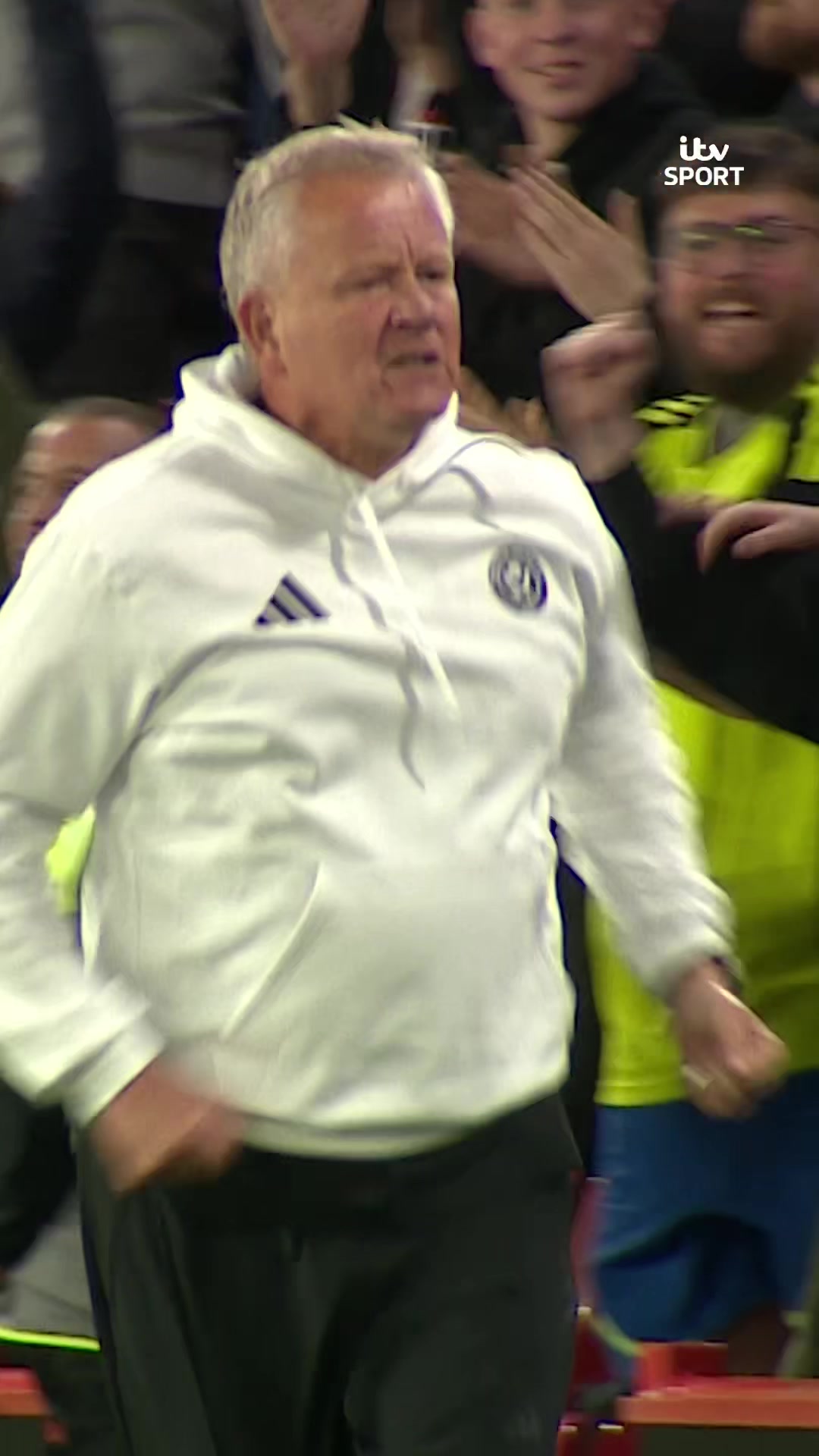
Sheffield United’s Romelle Donovan with an added time WINNER that sent Bramall Lane wild 🔥
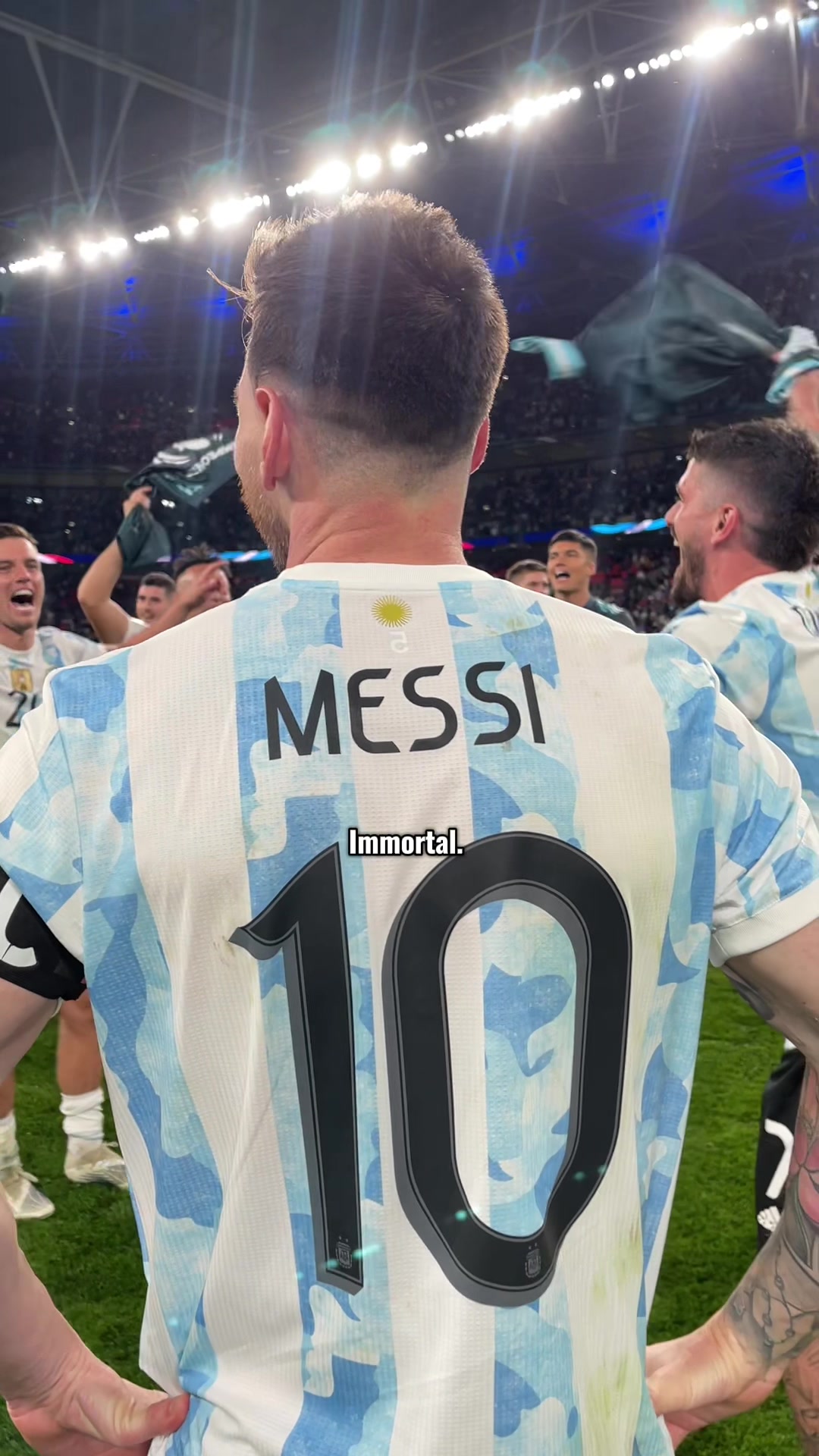
Leo ❤️
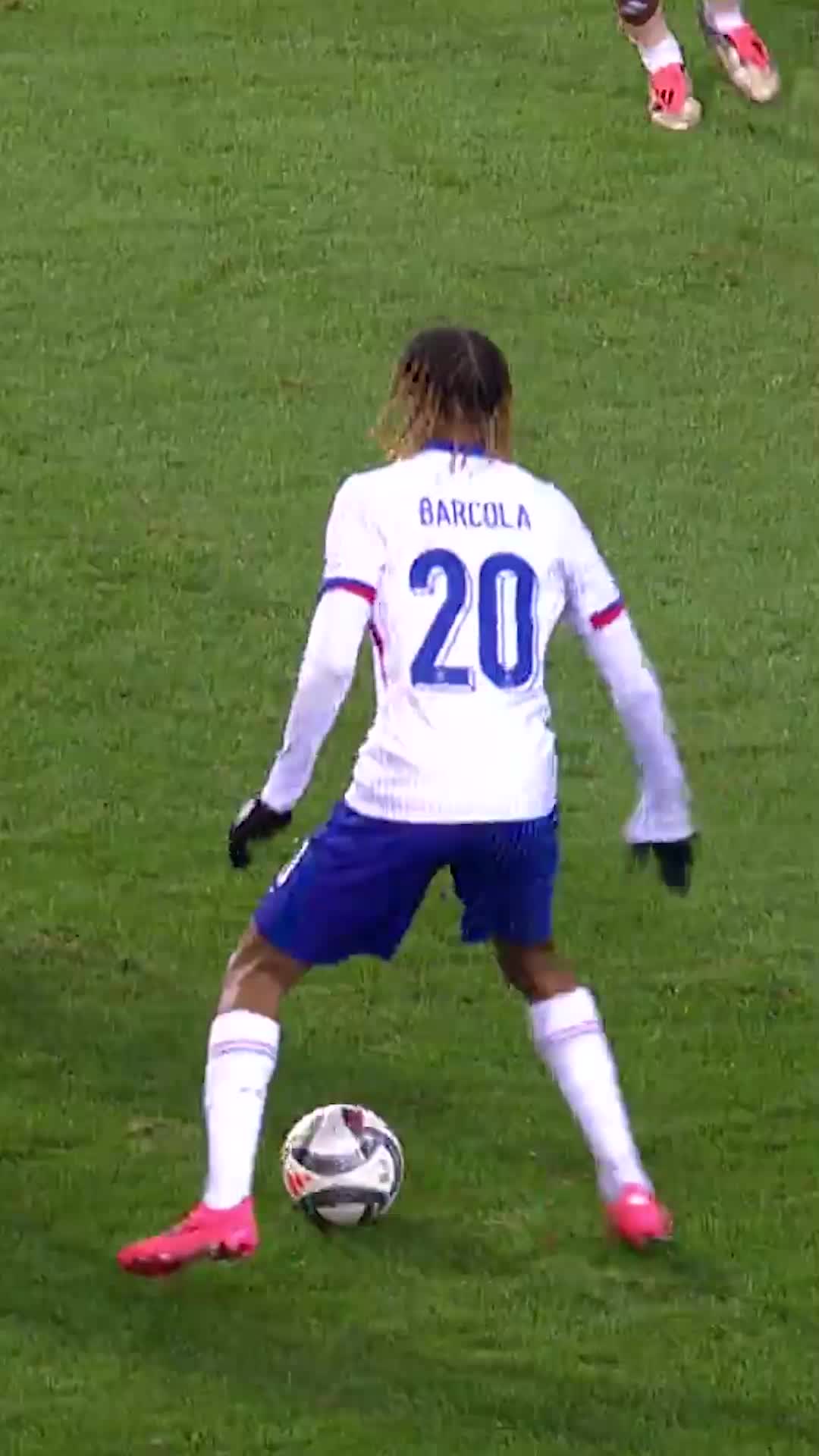
Bradley Barcola magic footwork ✨

It’s always worth it to keep on top of your health, @Memorial Hospitals Group was the most amazing experience! Click the link in my bio for their prices and if you have any questions✌🏽

Daniel Farke deserves credit. Gets better and better. Good point today for Leeds
 Links
Links
 Contact
 App
App


