



Zhejiang FC Drives Youth Training Reform: Cultivating Players to World Standards



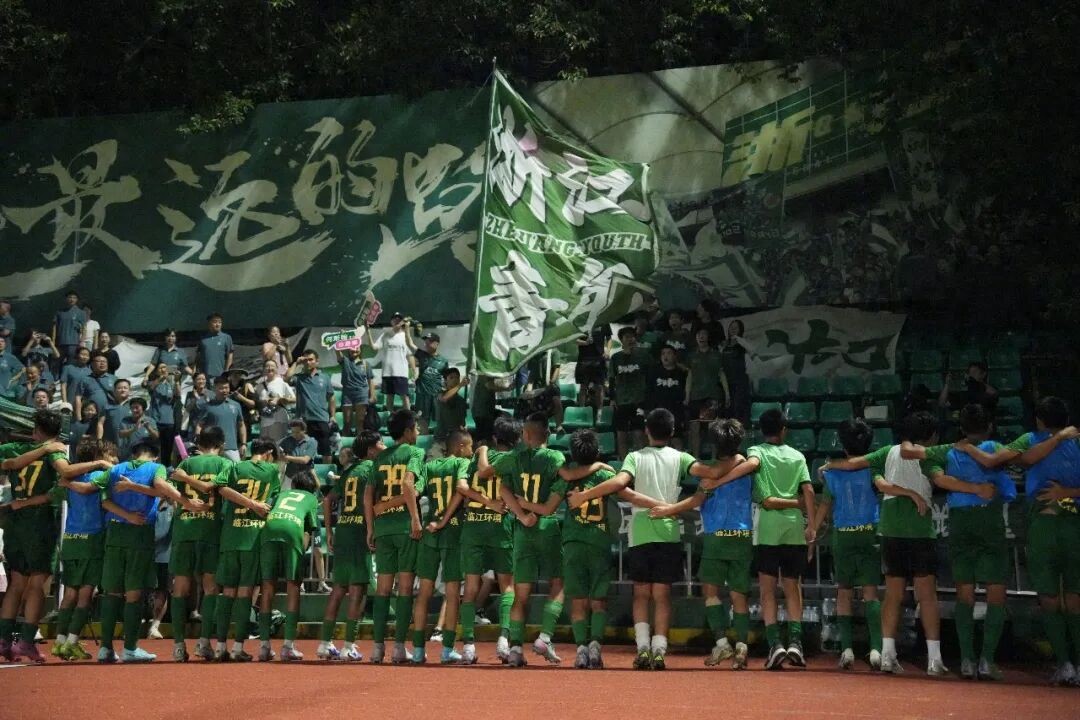
Zhejiang U13 Team Wins Runner-Up in 2025 China Youth League
Written by Zuo Rui Zhejiang Professional Football Club, deeply engaged in youth development and rich in accomplishments, is pushing forward a transformative and consequential change in its youth training approach. While the Sino-Japanese youth training system continues to improve, it also needs iterative enhancement; simultaneously, the new national framework for Chinese football youth training demands the club's proactive integration, assuming responsibility, and collaborative efforts.

At the national level, "accelerating the restructuring of the youth training system" has been included in this year's Government Work Report. On June 12, Zhejiang Province held a provincial football work conference, once again focusing on a "scientifically sound youth training system," making youth training a "top priority." At the end of last year, the Hangzhou municipal football work conference proposed building a "Hangzhou model" based on "youth training as the foundation, professionalism as the core, competitions as the framework, and culture as the soul."
As a member of Chinese professional football and the only Super League club in Zhejiang Province, Zhejiang FC cannot stand aloof. The club's representatives not only attended provincial and municipal football work meetings but also proactively communicated and coordinated with government departments at provincial, municipal, and district levels. For example, in cooperation with the Zhejiang Provincial Football Management Center for the preliminary rounds of the Three Major Ball Games, the club not only took on the competition tasks for the Zhejiang U18 representative team but also reinforced the U16 team with four outstanding players.
Zhejiang FC is a professional club with 28 years of history and 25 years of youth training tradition. Its youth training system started in 2001 during the second-tier league, going through the initial establishment of the youth system, the founding of a football school, the arrival of Takeshi Okada, the formation of a Japanese-style training model, and the publication of a youth training syllabus. Youth training is the foundation and lifeline of this club.
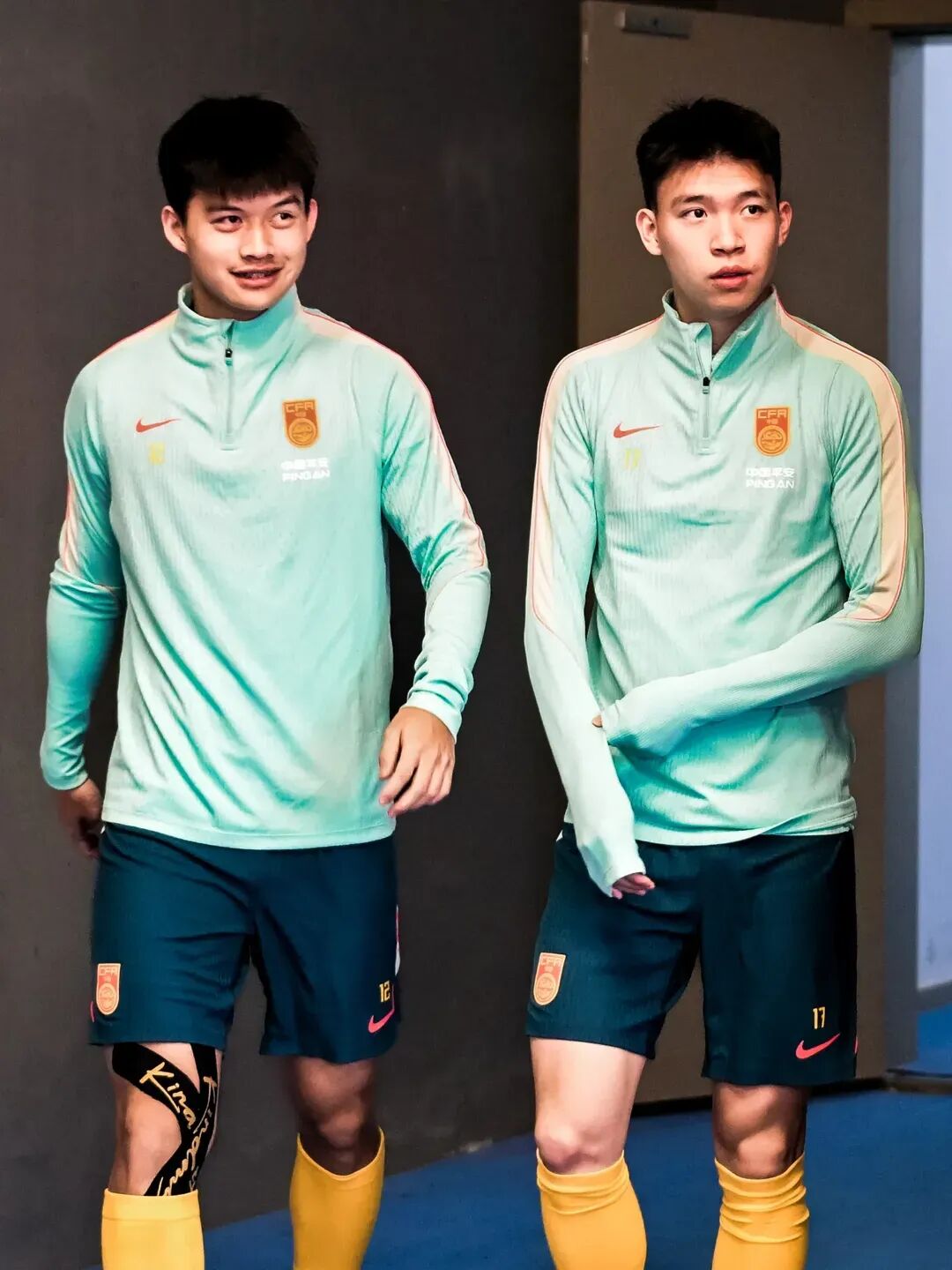
By 2026, Zhejiang FC's youth training has cultivated over 1,100 players, with nearly 300 entering professional leagues such as the CSL, China League One, and China League Two, and 182 players selected for national teams at various levels. The most notable recent youth training achievements include current national team players Zhang Yuning, Cheng Jin, Wang Yudong, and Liu Haofan. Meanwhile, 73 players from Zhejiang FC's youth system are active in first teams across the three professional tiers, and over 100 are involved in the "Wuyue Cup" Zhejiang Provincial City Football League as coaches, players, referees, or team management and competition organizers.
From naturally influencing Zhejiang's local football culture through past achievements to now more proactively and systematically engaging with multiple layers and aspects of the region, the club's approach is clear: it refuses to rest on its laurels. Instead, it must "adapt to the current football environment and era, embrace a resetting mindset and a positive attitude, and restart the youth training transformation."
It is understood that governments at all levels, from national to local, place great emphasis on football and youth training. State Councilor Shen Yiqin has explicitly stated the need to establish a quality evaluation system for youth training institutions "with the goal of producing talent." Zhejiang FC, which has youth training as its cornerstone, feels fortunate and greatly encouraged by this. For them, it means greater attention and support from the authorities.
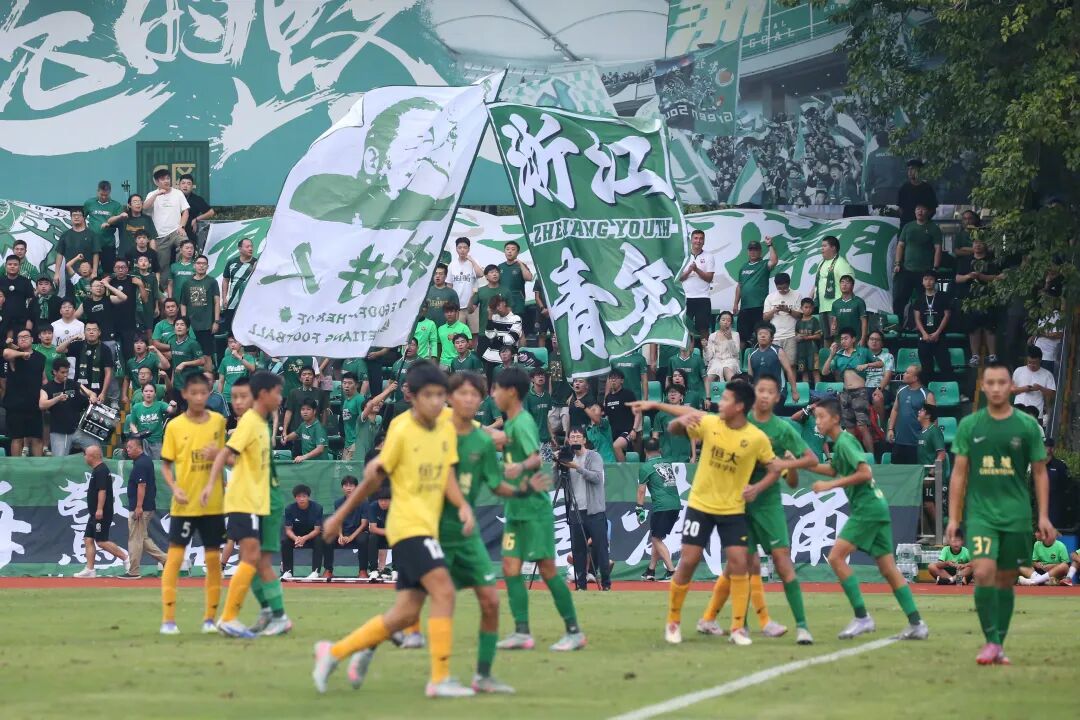
If Zhejiang FC has never stopped striving for excellence in youth training and has always explored how to convert brand value into commercial value, then after introducing state-owned capital for full control, the key question for the club's management has become how to leverage its own brand value and professional expertise to "fulfill greater social responsibilities and create higher social value."
With a mature youth training system and rich professional experience, Zhejiang FC is confident in producing more outstanding players. However, the output of quality players relies heavily on strong regional support and a large talent pool, which must be based on the joint efforts of local governments and authorities. The club believes that only in this way can youth training be done well, describing it as "a long-term systematic project that requires sustained effort."

In the latest batch of players from the 2005-2006 age group entering professional ranks, based on a National Games roster of 38 players, 26 have successfully joined professional leagues, achieving a professional success rate of 68%. This remarkable ratio not only sets a record for Zhejiang FC's youth training but is also rare among international peers.
Through multiple visits to the Zhongtai Base, it is evident that practitioners of Zhejiang FC's youth training are not complacent with current success rates or competition results. They constantly contemplate questions such as: "Why do our players lack competitiveness in AFC Champions League level competitions?" and "Why do our players perform similarly to Japanese players at young ages but fall behind as they progress?"
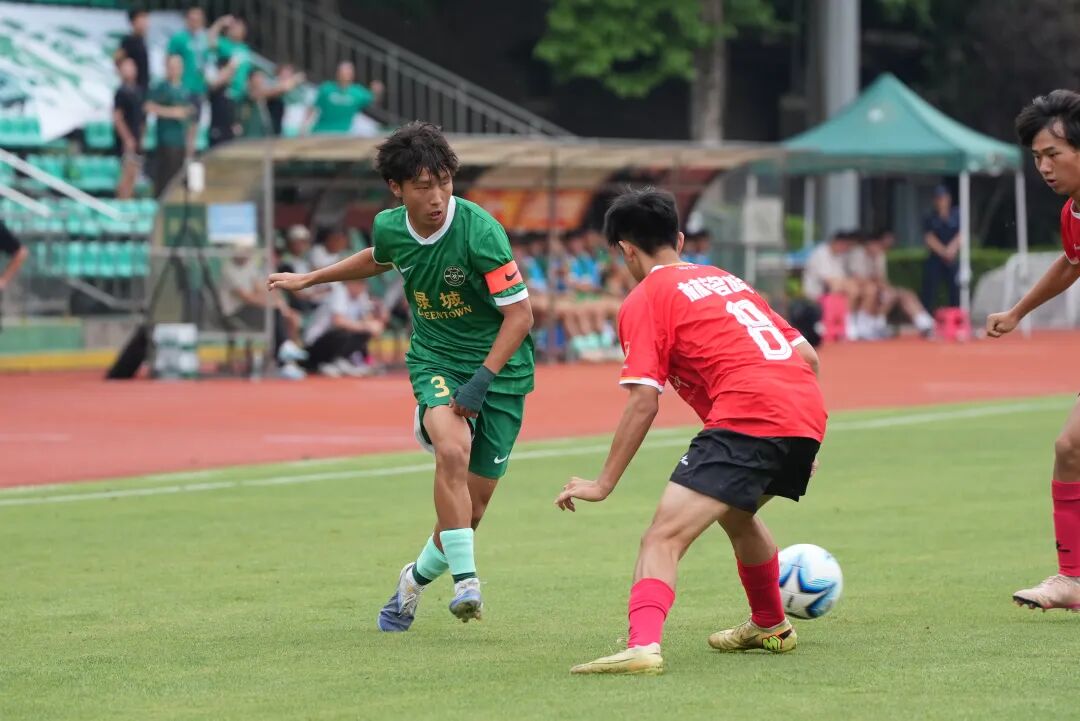
Such deep reflection has become the internal driver for youth training reform. Having comprehensively introduced Japanese youth training resources and systems, and deeply cooperated with Takeshi Okada's team for over a decade, Zhejiang FC became the first football club in China to have its own youth training syllabus in December 2021. This syllabus was jointly developed by Chinese and Japanese technical directors, incorporating the meticulous spirit of the Japanese team and the dedicated efforts of the Chinese team. Only internal coaches at Zhejiang FC can access this "core secret" online, while the club provides theoretical and practical training for partner organizations.
Just as the youth training syllabus is continuously refined and updated, the Sino-Japanese cooperative system is also steadily improving. Currently, the partnership between Zhejiang FC and FC Imabari has entered a mature phase. Compared to the early days when all team head coaches were Japanese with Chinese assistants, it is now more common to see Chinese coaches leading the teams.
Before this year, Feng Yang (U15) was the only Chinese head coach among the youth teams. In February, the club promoted Tan Yang and Li Wei to serve as head coaches of the U20 and U16 teams, respectively. The club stated that after four years of mentoring by Japanese coaches and regular study trips to Japan, it is time to give these young Chinese coaches greater room to lead. "Our goal in learning from Japanese coaches is to cultivate our own coaching strength."
The strengthening of Chinese coaching staff does not mean a weakening of the Japanese team. Currently, the youth training department still employs six Japanese staff members. Kentaro Yasui serves as head of the medical group, while the new technical advisor Kunihiko Matsunaga focuses on improving the professional level of youth coaches through lectures and on-site guidance, as well as evaluating all team coaches.
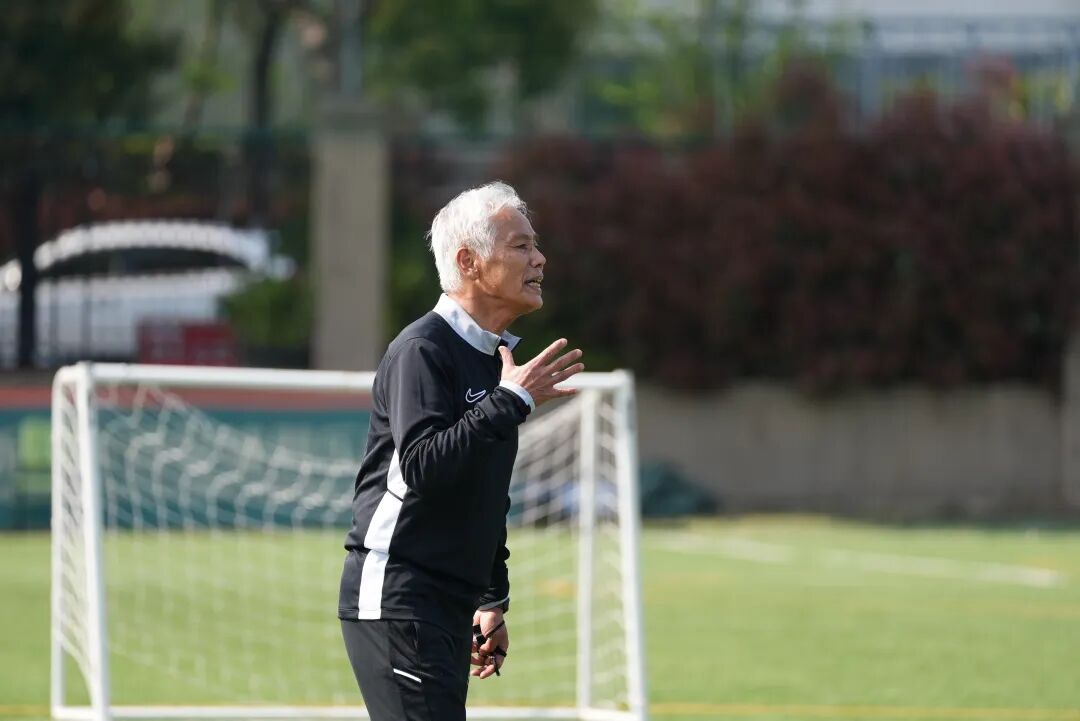
Matsunaga, aged 74, is a significant addition to the club this year. As Japan's highest-level coach and instructor, he previously led the Japanese FA's coach development program. In the new quality control evaluation system he leads, in addition to results, special emphasis is placed on talent cultivation, professional ability, and management skills.
It is clear that although the club has adopted a mindset of transformation and resetting, this does not mean demolishing the existing youth training system. Instead, with higher self-requirements and talent development standards, it aims to comprehensively improve professional technology, management capabilities, logistical support, medical services, and youth training mechanisms. This embodies its youth training philosophy: a consistent guidance system based on a long-term perspective, using football to educate players' character, and cultivating players to world standards.

On June 6, AFC Deputy Technical Director Tsuyoshi Ono and Youth Committee Member Tomohiro Senda arrived in Hangzhou to conduct an on-site evaluation of Zhejiang FC's application for "AFC Three-Star Youth Academy" certification. If the club obtains the highest-level star accreditation from the AFC, Zhejiang FC's youth training may become China's first "AFC Three-Star Youth Academy."
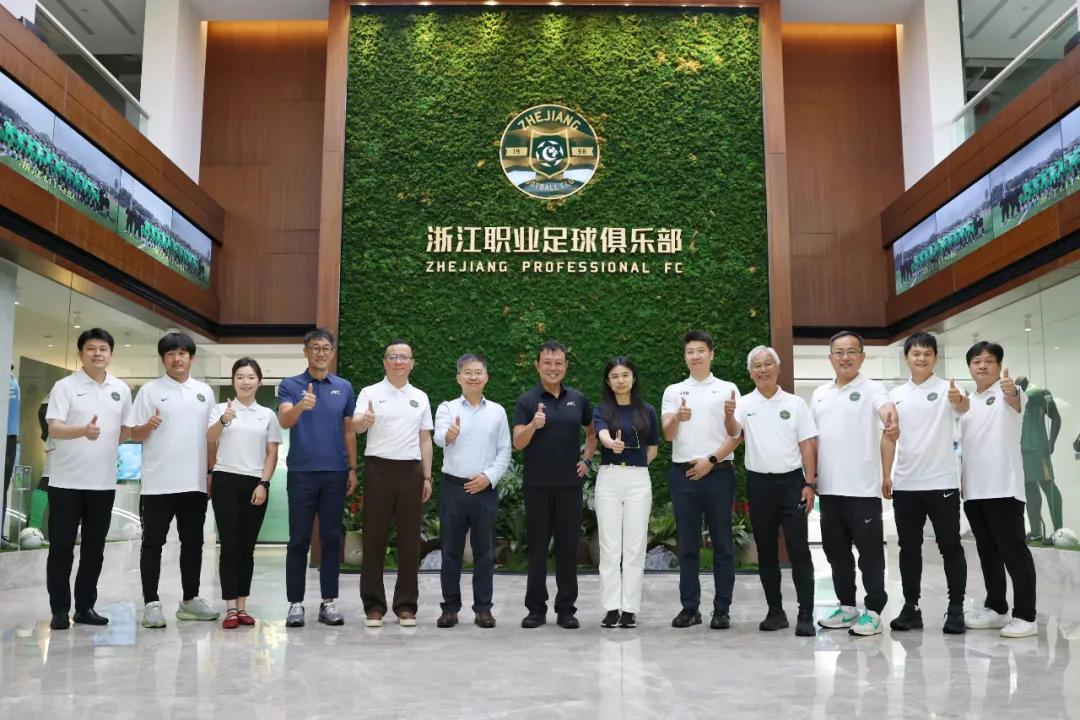
On the same day, Zhejiang FC's partner club FC Imabari received this certification, joining the "AFC Three-Star Youth Academy" family of ten institutions, including Qatar's Aspire Academy, Vietnam's PVF Youth Training Center, and South Korea's Jeonbuk Hyundai Motors.
It is understood that this certification system is part of the AFC Elite Youth Scheme, requiring rigorous review of 20 areas including the applicant's training system, player development environment, education system, infrastructure, and professional team. Currently, only the Jiangsu Taihu Base Women's Football Youth Training has been rated as an "AFC Two-Star Youth Academy" in China.
Competing for the authoritative certification and highest honor of "AFC Three-Star Youth Academy" holds greater significance for Zhejiang FC because "our youth training has encountered a new development opportunity." The club's management soberly recognizes that, compared with the AFC evaluation standards, "we have only just met the bar." Moving forward, by aligning with excellent Asian peers, many tasks become clearer.
Another opportunity lies in the transformation of the new-type football school. Founded in 2004, Zhejiang Greentown Football School is not only one of the subjects evaluated by the AFC delegation but also faces its own opportunities and challenges for transformation and upgrading. Currently, primary-level teams have already connected with quality educational resources in Quzhou, and the club has signed a cooperation agreement with Hangzhou Normal University. However, the key "3+4" integrated secondary-higher education pathway has not yet formed an effective mechanism.
In the next phase, the club will continue to advance the application and transformation of the new-type football school. Besides maintaining an open and transparent pathway for professional players, providing a security mechanism for players and their parents regarding further education is crucial. This affects the future and lives of those who cannot reach the "top of the football pyramid" and also influences the willingness of children across the province and even the country to engage in football and follow Zhejiang FC's youth training.
Facing the nationwide rollout of five-tier youth training centers, Zhejiang FC is willing to participate with an open and positive attitude and a collaborative role. Whether it is sending talent to national or regional-level youth training centers, or leveraging its core competitiveness within provincial, municipal, and county-level centers—namely, the integration of Chinese and Japanese youth training systems and the continuous improvement and comprehensive output of youth training concepts and practices.


Wonderfulshortvideo

messi argentina retirement messi retiring messi edit



The Swans go TOP of the Championship 🦢

Sheffield United’s Romelle Donovan with an added time WINNER that sent Bramall Lane wild 🔥
Leo ❤️
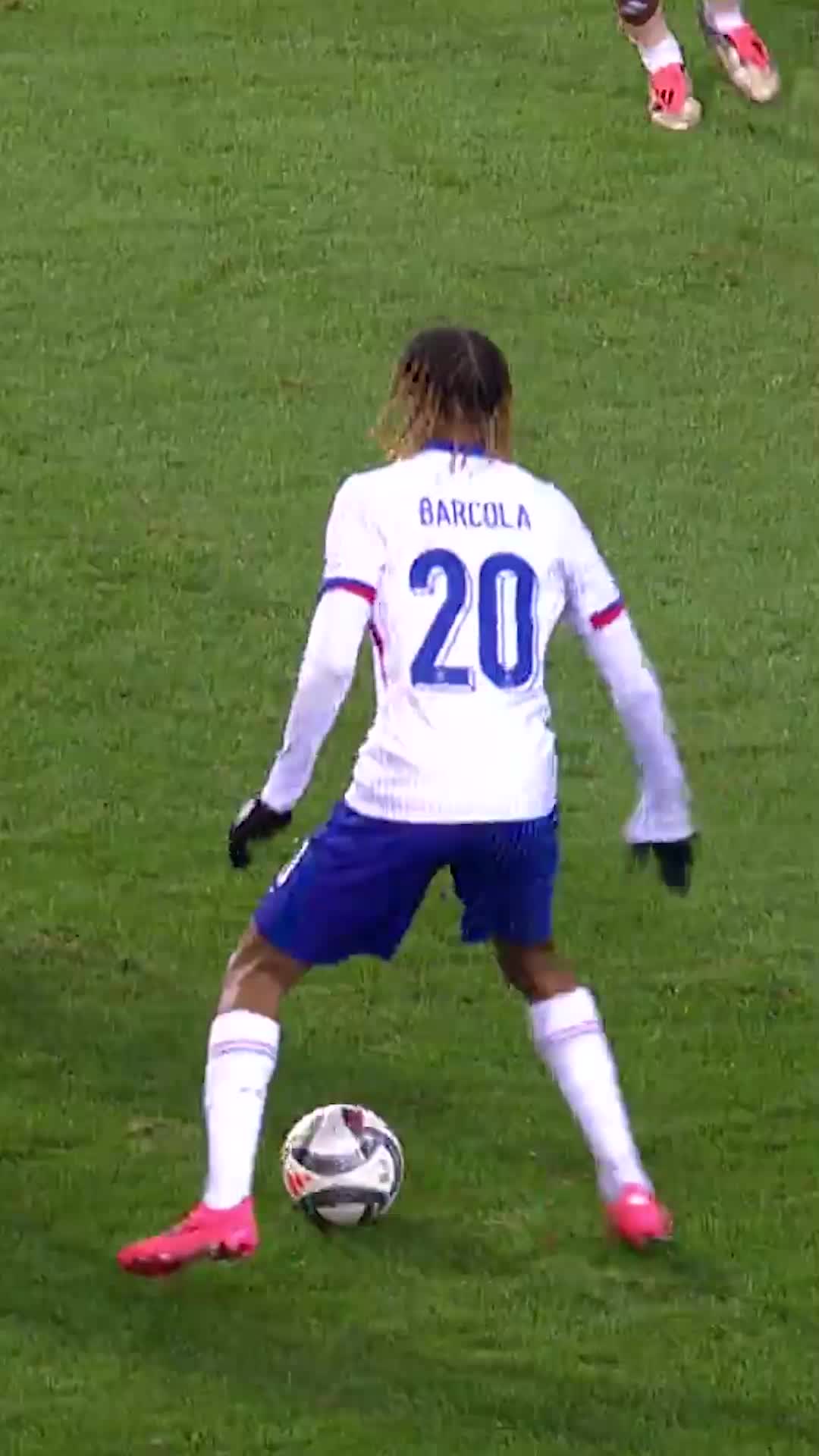
Bradley Barcola magic footwork ✨

It’s always worth it to keep on top of your health, @Memorial Hospitals Group was the most amazing experience! Click the link in my bio for their prices and if you have any questions✌🏽

Daniel Farke deserves credit. Gets better and better. Good point today for Leeds
 Links
Links
 Contact
 App
App


