



Zhejiang FC's Youth Training Cultivators: Persistence is Key in Youth Development!



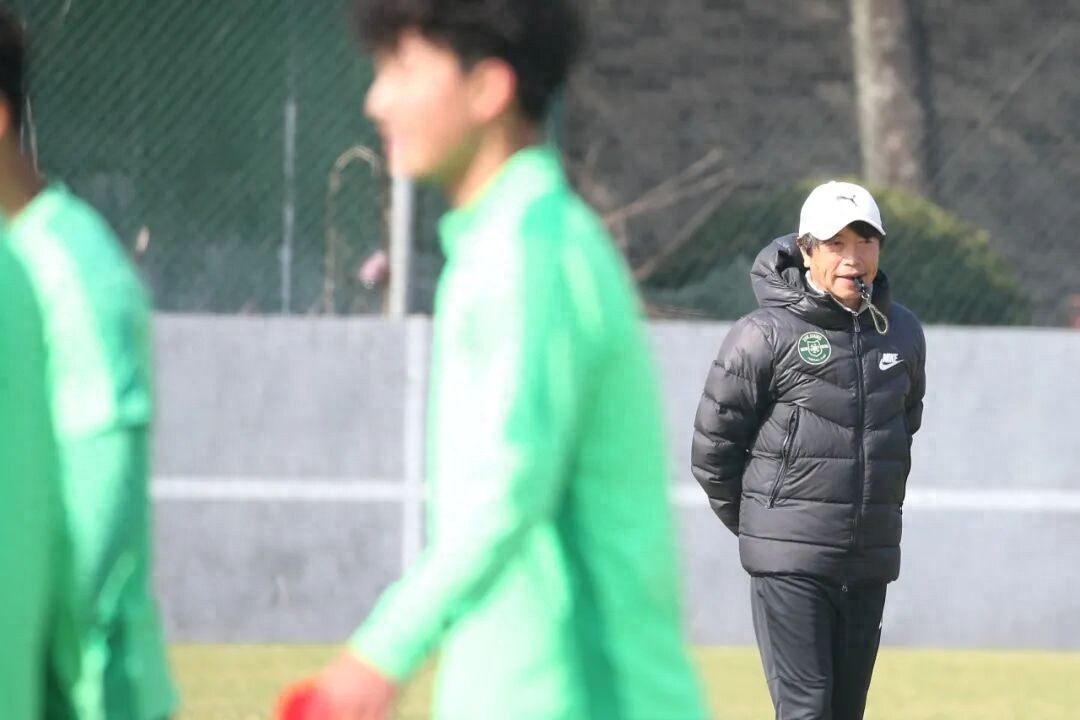
Written by Zuo Rui Tomoyoshi Ikeya, Feng Yang, and Wu Haoyi—these names are far less known than the first-team players at Zhejiang Professional Football Club, but as the club's foundation, their dedication is indispensable. Coming from different countries and born in different eras, these youth development cultivators interpret the club's commitment and legacy in youth training from various perspectives.

Now 64 years old, Tomoyoshi Ikeya has worked at the Zhongtai base for nine years. He is the second Japanese youth development director at Zhejiang FC, succeeding Kiyokazu Hashikawa, and currently also serves as the head coach of the U17 team. He is also a promoter of the "Okada Training Method" abroad and one of the drafters of Zhejiang FC's youth training syllabus.
In his view, the advantage of the Sino-Japanese cooperative youth training system implemented by the club lies mainly in its long-term consistency and unified style of guidance. "That is, for players of different ages and with long development spans, we set unified goals and requirements to carry out our youth training philosophy and football style." Persisting in this way allows for "accumulated effects and amplified advantages."
"Training in this manner might mean that the necessary content for a certain age group leads to unsatisfactory match results, so we often need to take a longer-term perspective," he said. He added that the club's current youth training system, modeled after Japanese football and adapted locally to fit Chinese players' characteristics, is the result of years of accumulation—"hard-won and worth persevering with."
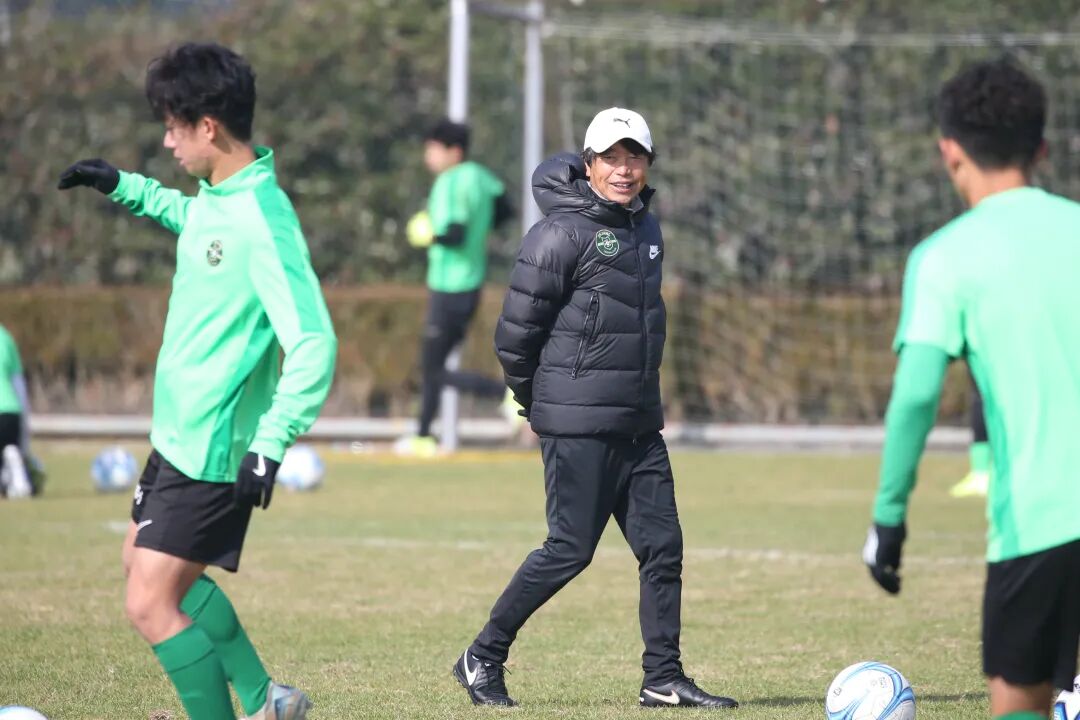
Ikeya believes that both the football exchange environment between China and Japan and the cooperation between Chinese and Japanese coaches at the club are currently very good. "But we need to go deeper," he said. "China's football potential is enormous. We need to change our mindset from within. This is only the beginning, and it takes time to unleash that potential."
In the era when Ikeya played, neither China nor Japan had professional leagues. "If we only consider the quality of facilities, China is more than ten times better than Japan. There are plenty of resources and land here, which need to be used more effectively." He expressed a hope to work closely with young coaches in the club who share the same mindset and understanding. "If we can become a part of the process that learns from Japan and eventually surpasses it, everyone will be very happy."
Regarding the physique and natural conditions of youth players, he believes Chinese children are clearly superior to Japanese children, but they do not perform as well in technical details. "One reason is the difference in their education and football environment," he said. In Japan, children who play football communicate a lot on the field, shouting to each other. But young Chinese players tend to listen more, with the coach doing the shouting. "This leads to a lack of judgment and independent thinking, making it hard to cultivate self-reliant players."
"Japanese coaches and players have always taken the world, especially Europe, as their benchmark." Faced with things he cannot achieve at the moment, Ikeya always believes that making excuses is pointless. "I hope coaches will think more about why I didn't succeed, what I should do, and how to change this mindset."
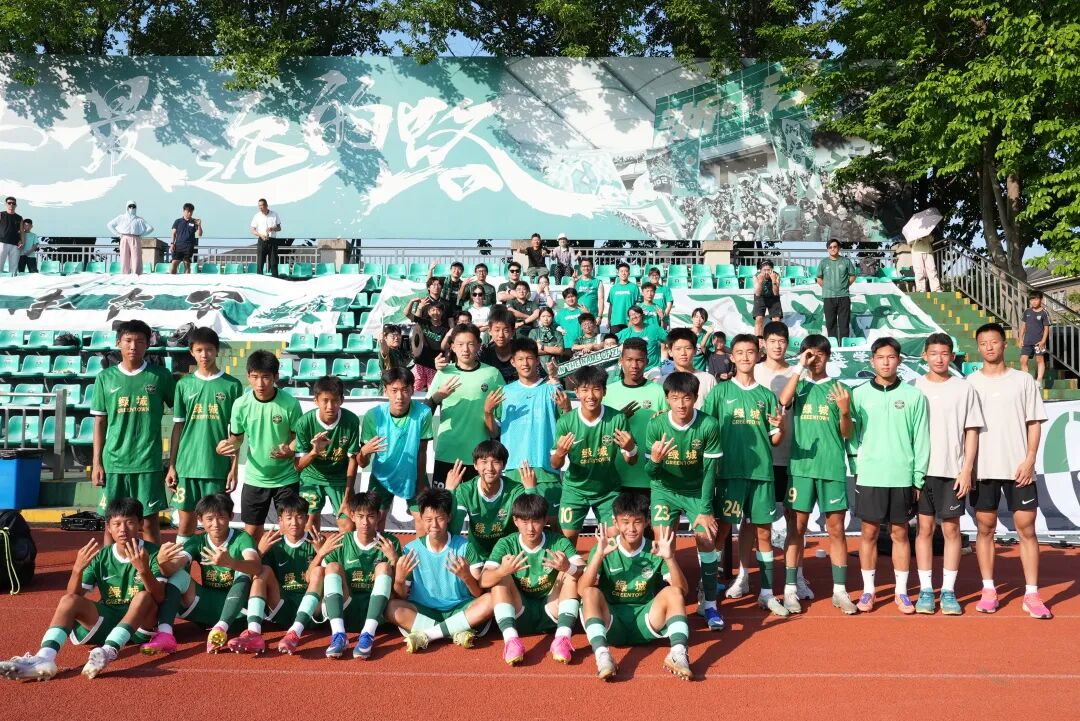
After nine years working in Hangzhou, Ikeya can see that the club's youth training team has an increasing number of young and capable individuals. "I hope Chinese coaches not only absorb Japanese experience but also look at the global forefront. They should learn anything good and adapt it to Chinese conditions, which will help them grow better," he said. He noted that teamwork in youth training is currently very good. "We need to maintain short-term competitive advantages and match results while also keeping long-term goals. We don't just forget about a tournament after it's over; we continue to strengthen player development."

Feng Yang, 44, has benefited greatly from Ikeya and other Japanese colleagues and is now the head coach of the U15 team. After retiring from Tianjin Teda in 2014, he transitioned into coaching and joined Zhejiang as an assistant coach for youth teams in 2018. He said, "I came to Hangzhou to give it a try because of the club's accumulated youth training experience and standards. As a result, I've stayed for eight years."
Having never worked with Japanese colleagues before, Feng Yang initially felt the impact of two different cultures and needed quite some time to adapt to the new coaching environment. "Japanese people are known for being diligent and hardworking, from morning till night, and my experience in football confirms that," he said. He noted that the Japanese team's concepts and methods are more professional, with a stronger focus on work details. "This has had a lasting influence on me personally."
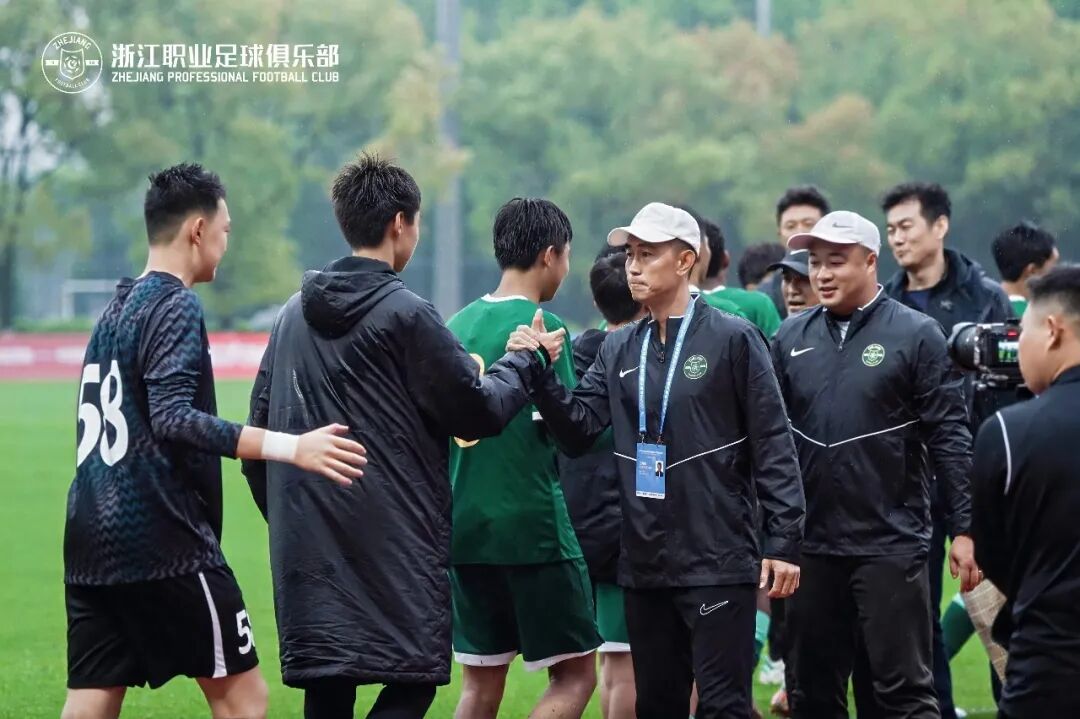
After more than four years of learning, Feng Yang began to lead teams independently. He recalls that the Japanese coaches' workflow and training details once seemed quite tedious, but after patient collaboration, the players' feedback and team performance were excellent. "Over the years of cooperation, we have learned from the Japanese and other peers, gradually improving ourselves. We have persisted in many details."
In Feng Yang's view, being a youth coach is a long-term career. "I also want to take root in youth training, pursue excellence, do my best, and lead myself and my players with this mindset." Over the years, he has coached every age group from 14 to 18. "Each age group, even just one year apart, requires different coaching methods and management styles."
Children at different ages have different pain points and excitement points in football, as well as different motivational tools and management focuses. "Learning, accumulating, and growing together with players of different ages is a very interesting thing." Feng Yang, already an AFC professional-level coach, still enjoys youth training. "Gradually, I stopped thinking about going to the first team."
Seeing a player grow healthily from elementary school, and a team achieve some stage victories by following its own tactical plan, makes Feng Yang feel that the coaching staff's daily efforts are not wasted, and everyone is very happy. Matches always have winners and losers, and results fluctuate, but he always believes: "The primary goal of youth training is to cultivate talent."
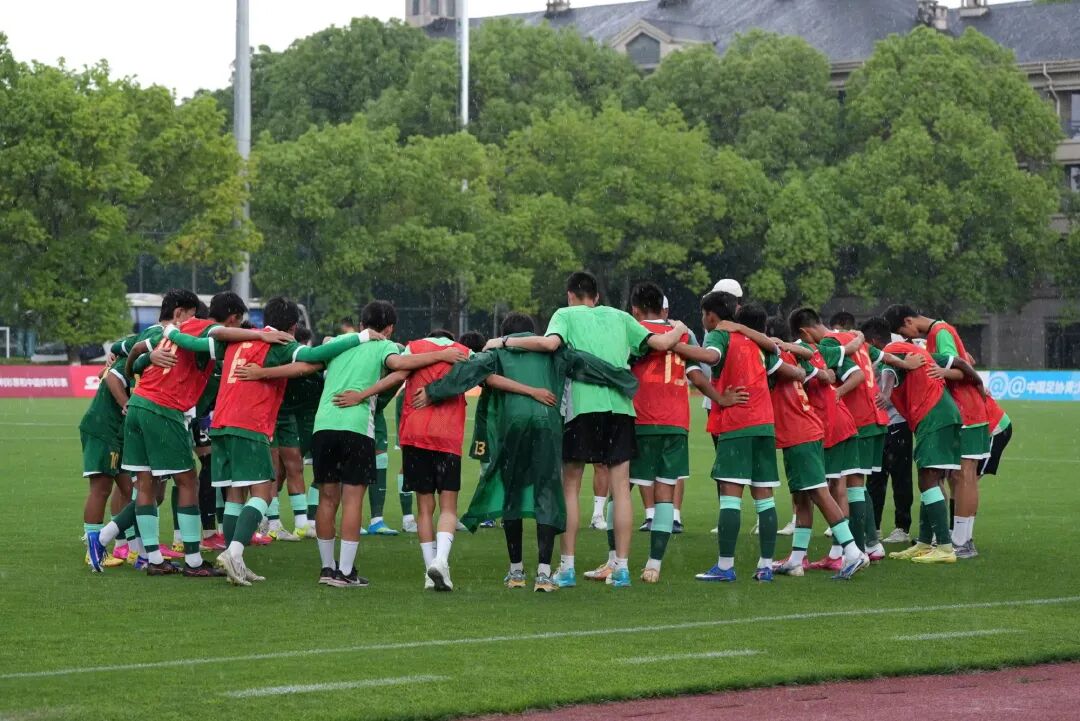
The joy of success and the pain of failure always go hand in hand. Feng Yang said, "Some players, as they grow older, fail to meet the expectations of the coaches or themselves, so they leave. This happens in almost every age group." According to his analysis, the eliminated players either could not adapt to the youth training system or their parents believed that pursuing a professional career was not viable and that going to university was better, leading them to finally decide to leave football.
Competition is harsh, but it can also boost team results. Feng Yang noted that the national U-series teams have shown more promise in recent years. "Because more children born after 2005 are participating in football than before. The base of the pyramid has become thicker and wider." With the integration of sports and education advancing across the country, he believes that the youth training population base and parental support will continue to grow, and the level of youth training in Chinese football will "certainly rise accordingly."

At 28, Wu Haoyi is a junior member of the youth training team. He is now the team leader of the U14 team and served as an assistant coach last year. In terms of seniority, he has been with the club for 18 years, during which he once played for the first team. Even now, seeing his former teammate Tong Lei playing in the Chinese Super League, Wu Haoyi still has mixed feelings. "Watching them play in the league sometimes makes my feet itch."
Due to a late start, many injuries, and missed opportunities that never come back, Wu Haoyi had to retire early. But his bond with football and Zhejiang FC is not over. In the recently concluded "Wuyue Cup" Zhejiang Provincial City Football League, he was not only the top scorer for the Hangzhou team but also scored the tournament's first goal in the opening match.
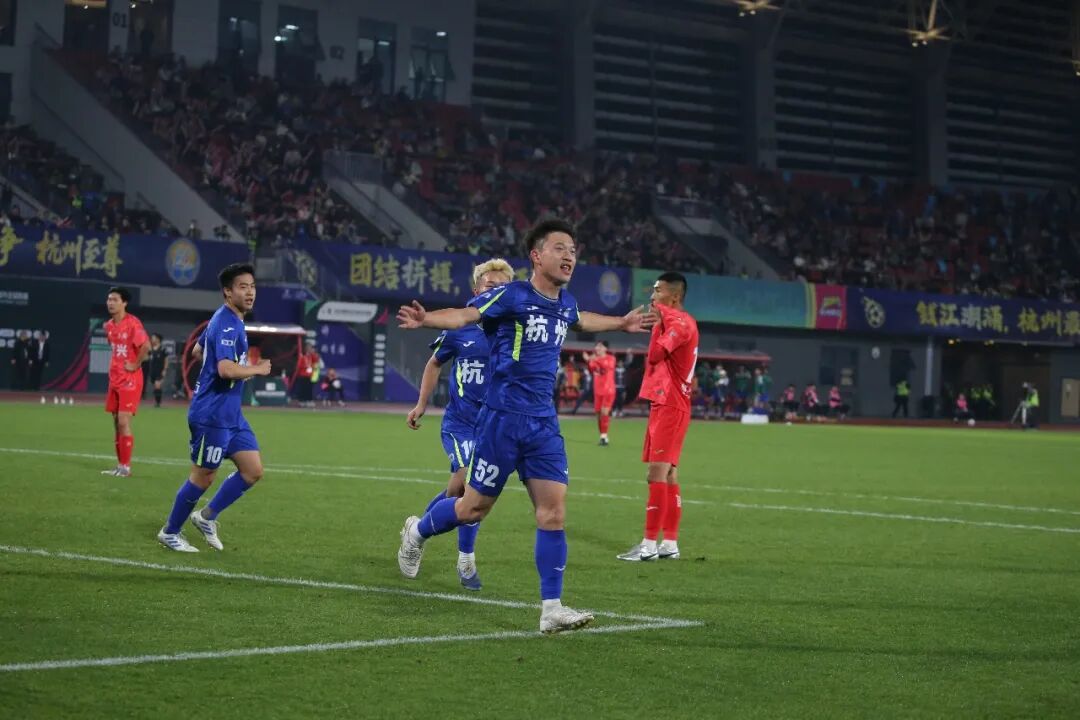
When he graduated from elementary school, Wu Haoyi attended a summer camp at the Zhongtai base. Attracted by the charm and fun of football, he joined the Greentown Football School. From a participant to a successor of Zhejiang FC's youth training, he has witnessed the continuous upgrading of the youth training system. "It is now more systematic, more professional, and the facilities are more comprehensive," he said. "Look at the staffing for each age group: head coach, assistant coach, goalkeeper coach, fitness coach, as well as team doctors, translators, and technical analysts."
During his youth football days, he felt that the training processes designed by Japanese coaches were often more complicated than those of Chinese coaches, and even difficult to complete. "But even if I didn't do well in training, I would find during matches that I had actually learned a lot and gained quite a bit. The results of training naturally showed on the field."
Now, as an assistant to Japanese head coach Uchida Jun, he has another experience. "Japanese training is very logical, one step leading to the next. He tells you why you are doing this, what the opponent will do if you do this, and what you should do in that situation." Wu Haoyi said that when he was a player, he didn't understand this. "Now, by instilling it from a young age, by the time players are 15 or 16, their understanding of football and their thinking ability are completely different."
Once, Wu Haoyi was jogging at the base with Tong Lei when he saw his young players practicing on another field. The two of them played a bit with the kids. Being with first-team players made the youngsters very happy. The children actively asked the big brothers for autographs and took photos with Wang Yudong, finding motivation from their idols. For them, it was a convenient advantage.
Watching his former teammates play in the Chinese Super League on TV or from the stands actually makes Wu Haoyi very proud. "I not only hope they play as long as possible, but I also tell the kids every day that if they want to become professional players, they must be as disciplined as them." Sometimes, he also thinks, "If I can't play professionally, I can still enjoy amateur football, and in coaching, I can get a head start over many others."


Wonderfulshortvideo
messi argentina retirement messi retiring messi edit


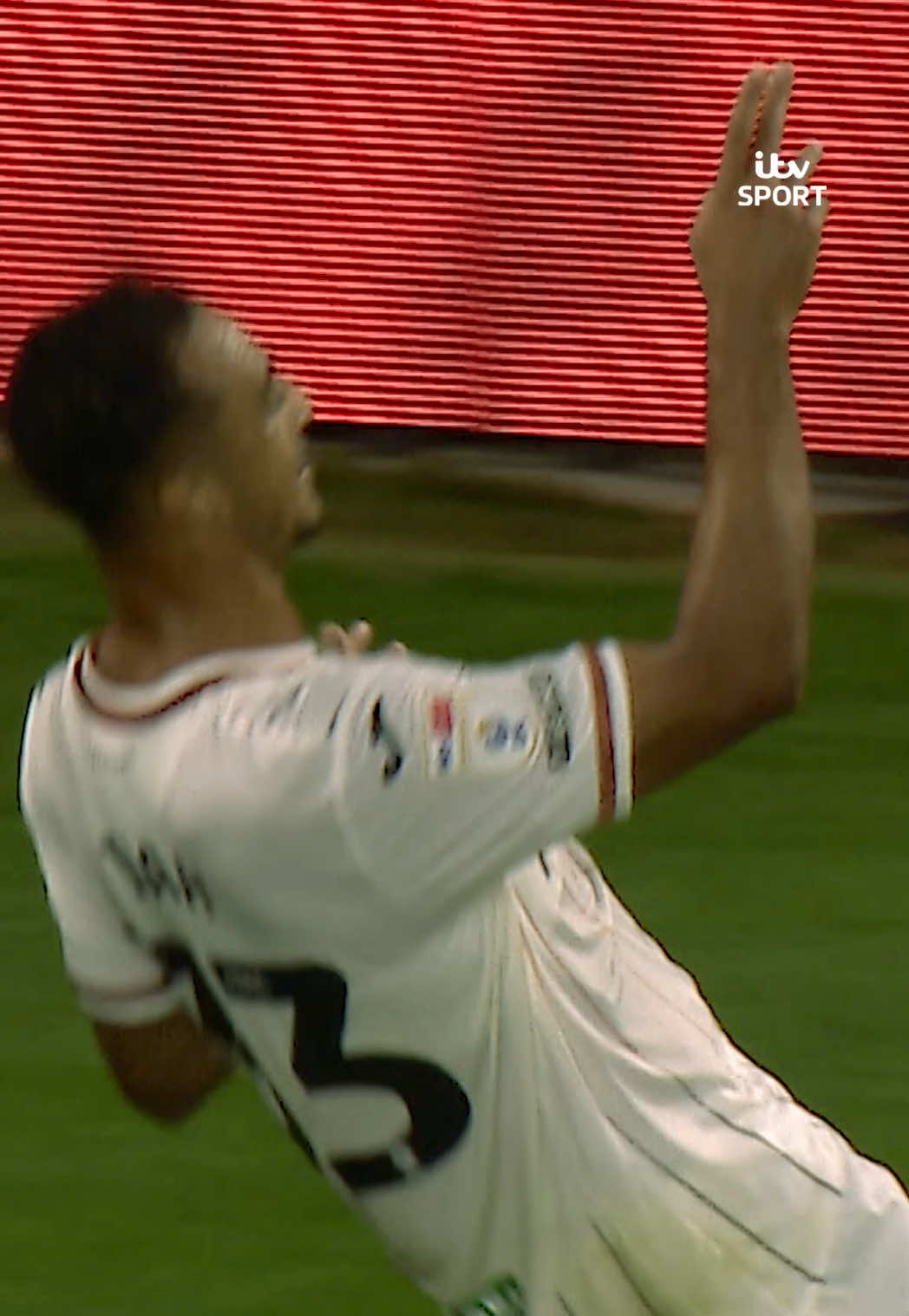
The Swans go TOP of the Championship 🦢

Sheffield United’s Romelle Donovan with an added time WINNER that sent Bramall Lane wild 🔥
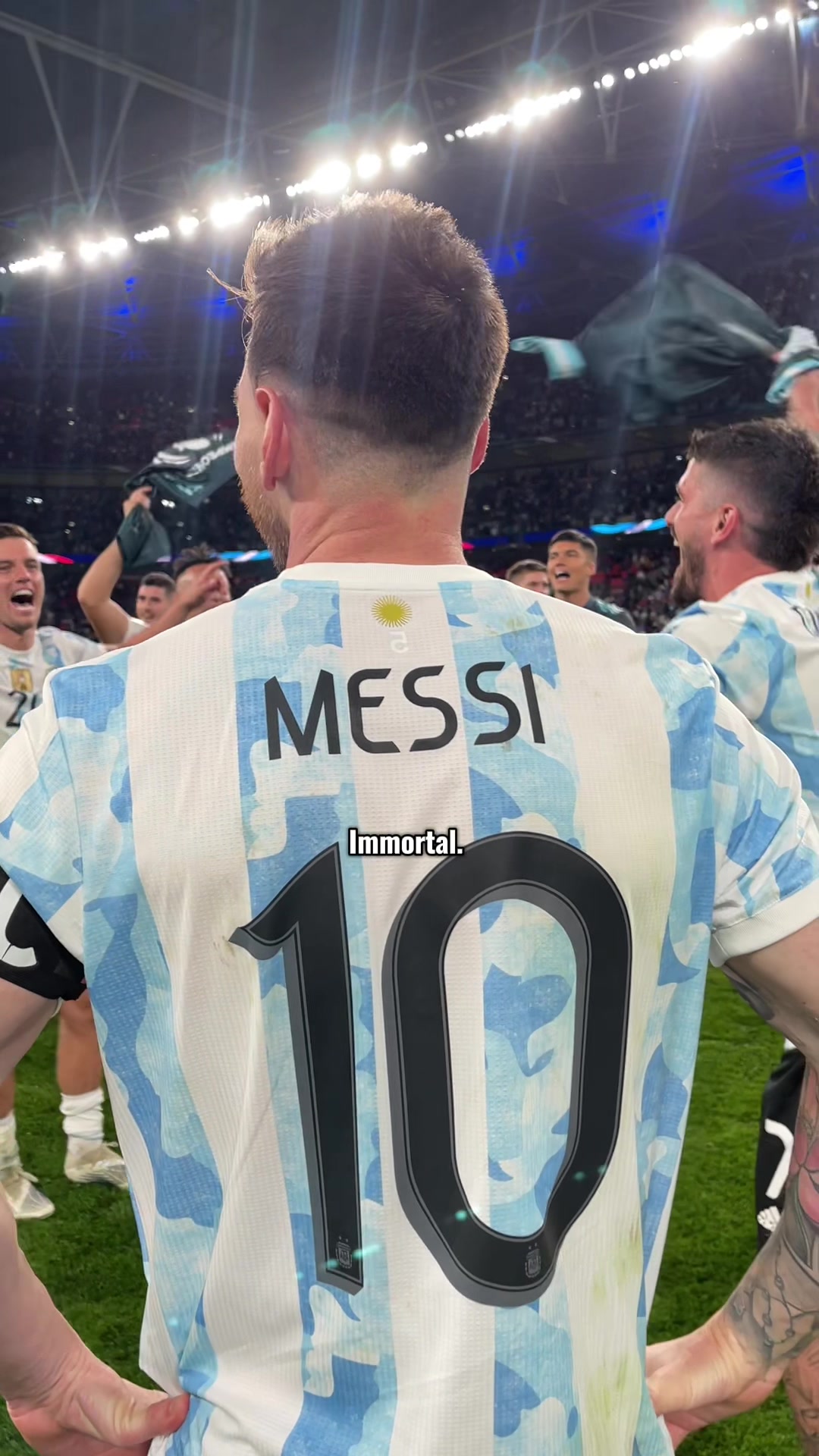
Leo ❤️
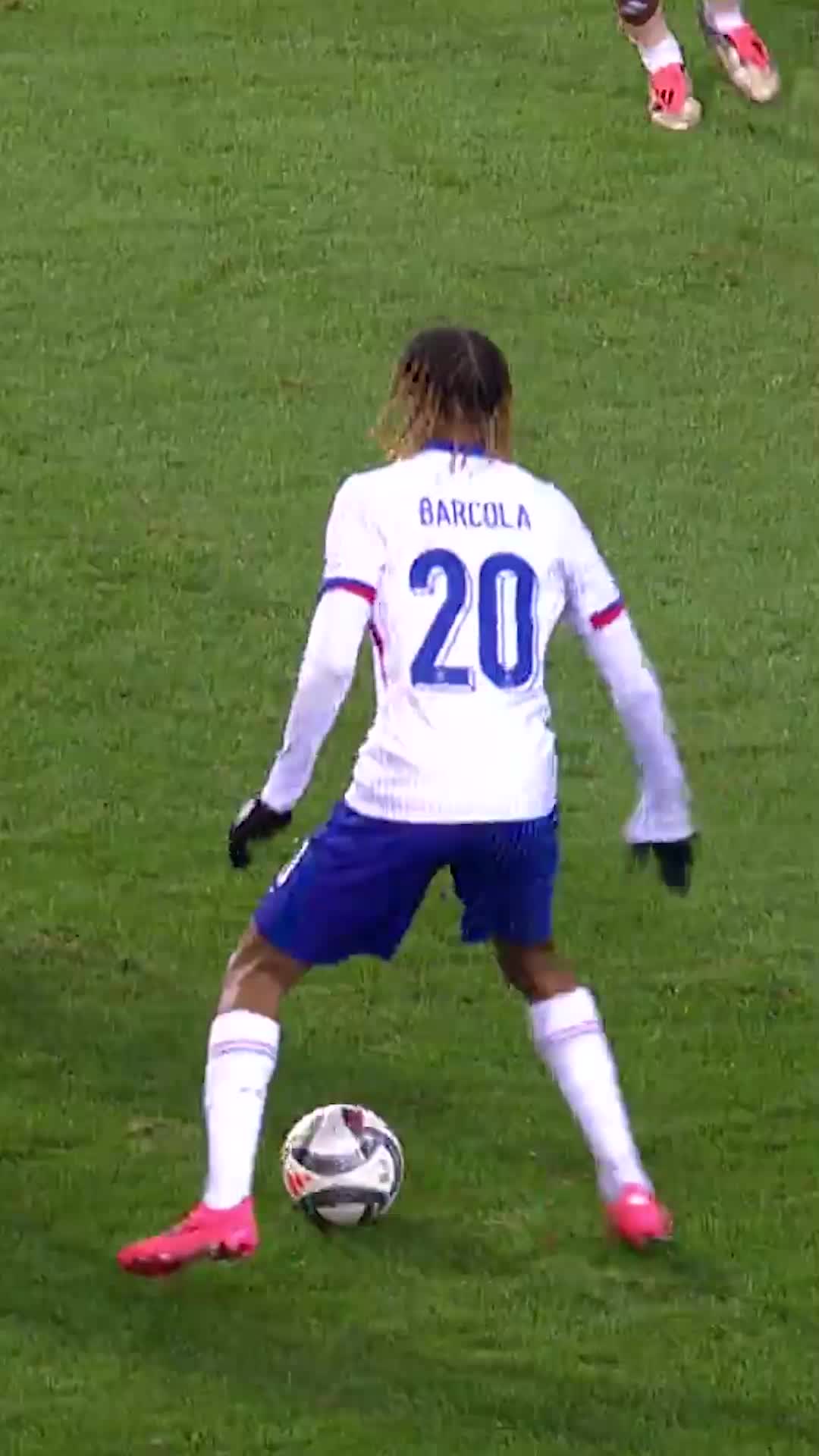
Bradley Barcola magic footwork ✨

It’s always worth it to keep on top of your health, @Memorial Hospitals Group was the most amazing experience! Click the link in my bio for their prices and if you have any questions✌🏽

Daniel Farke deserves credit. Gets better and better. Good point today for Leeds
 Links
Links
 Contact
 App
App


