



World Cup's first "mouth-covering red card"! Is Almiron the "new rule guinea pig"?



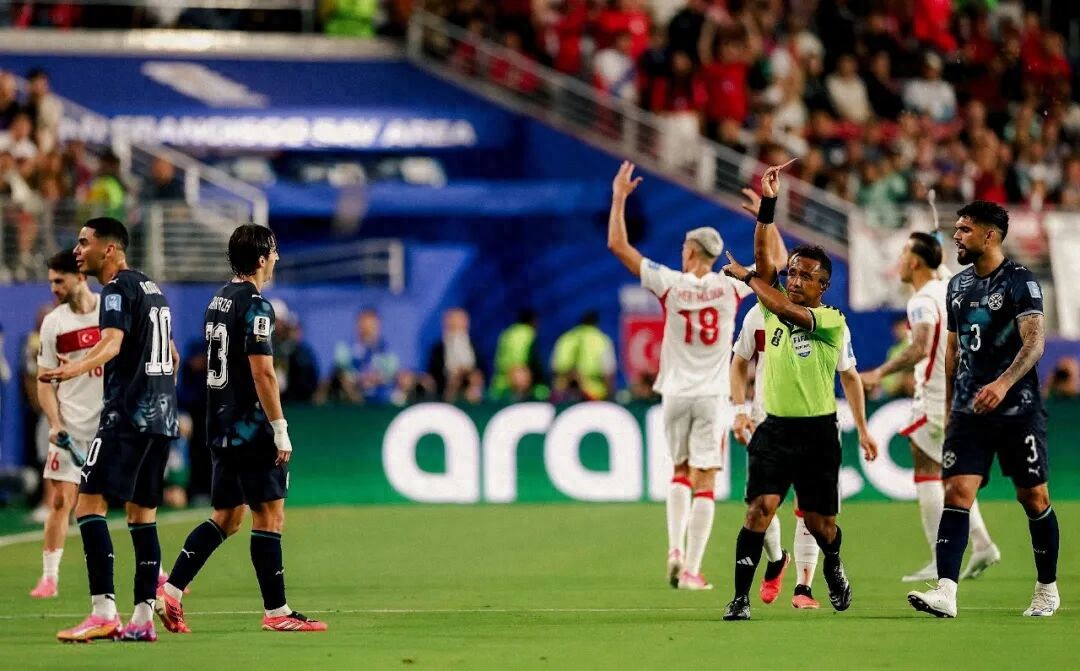
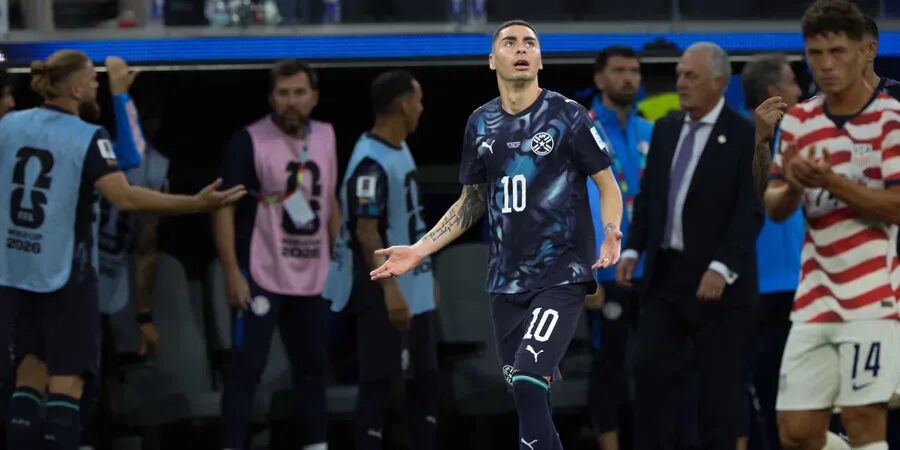
Written by/Jin Cuo. In the game between Paraguay and Turkey, deep into first-half added time, Paraguay's Almiron was sent off with a straight red for covering his mouth during a confrontation. This marks the first time a player has been ejected for this offense under the new World Cup regulations.
At that time, a mass confrontation broke out between players due to physical contact. Almiron walked past Turkish defender Mirdil and then covered his mouth while speaking. The latter quickly reacted and immediately complained to the assistant referee nearby. The Salvadoran referee, Barton, who was in charge, also received a VAR notification. After reviewing the replay, he showed a red card and sent Almiron off, leaving Almiron quite helpless.
This decision immediately sparked protests from Paraguayan players. Several players gathered around Barton to appeal, but he upheld his original ruling.
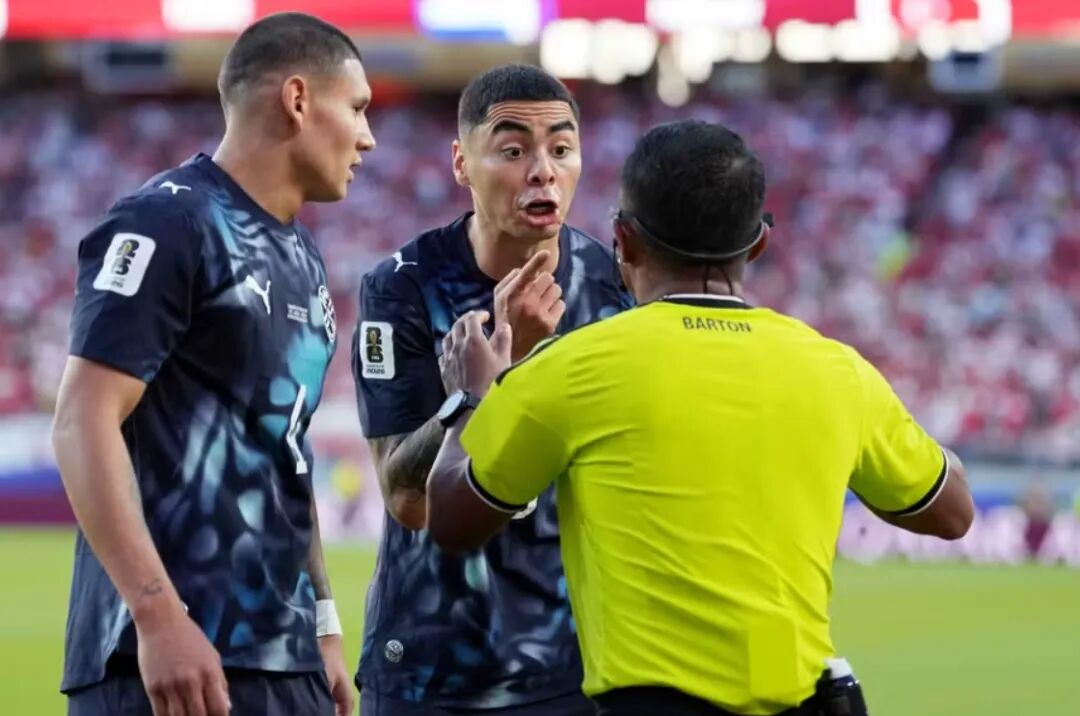
The official explanation from FIFA was: During first-half stoppage time, Paraguay player Almiron covered his mouth while communicating with another player and was shown a straight red card. This incident was discovered through VAR replay.
It is currently unclear what Almiron said, but the sending-off is irreversible. After all, the rules are clear—violating them constitutes an offense.
In April, the International Football Association Board (IFAB) confirmed that the US-Canada-Mexico World Cup will adopt a series of major rule changes, including measures to combat time-wasting, regulate player behavior, and expand VAR (Video Assistant Referee) powers. Among them, the most notable is that players who cover their mouths while communicating with opponents during confrontations may be shown a straight red card.
The new rule stipulates: If a player uses their hand, arm, or jersey to cover their mouth in a confrontational situation and the referee deems it to be unfriendly communication, they will be sent off directly. FIFA Referees Committee Chairman Collina provided additional clarification in June: Only covering the mouth in confrontational situations will be penalized; covering the mouth during ordinary conversation will not automatically result in a red card.
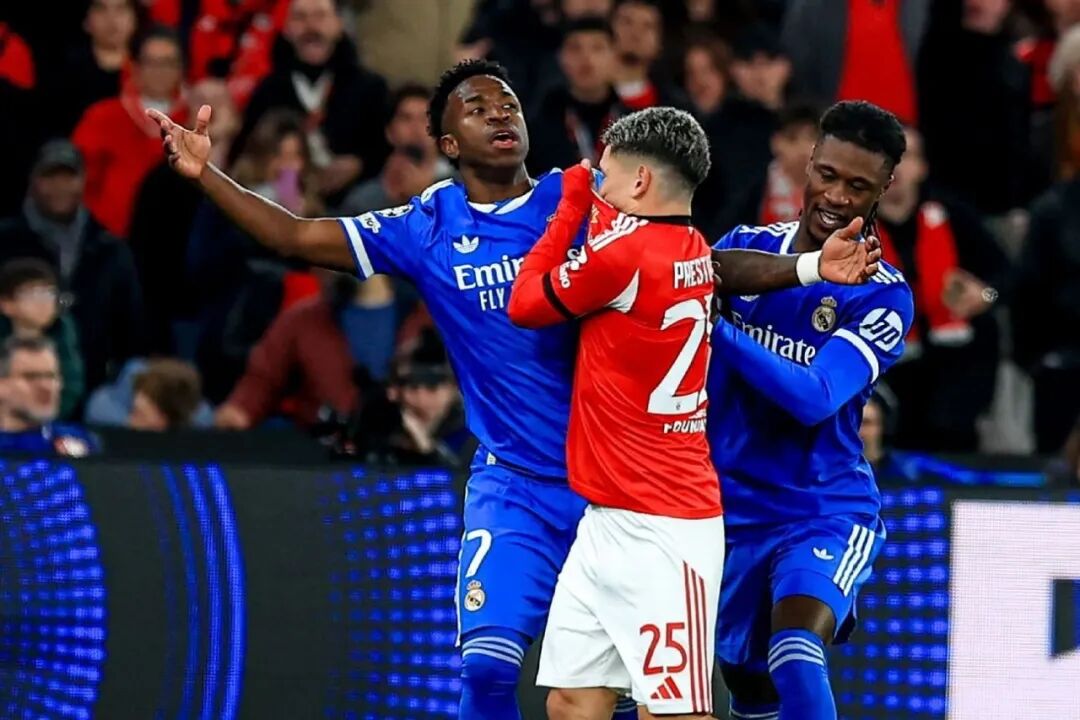
The "mouth-covering" new rule is called the "Vinicius Rule." In February, during the first leg of the Champions League playoff between Benfica and Real Madrid (0-1), Vinicius celebrated a goal and then suddenly ran to the referee to complain that Benfica player Prestianni had covered his mouth and called him "Mono" (meaning "monkey" in Portuguese). Subsequently, UEFA conducted an investigation and concluded that Prestianni did not make racist remarks but did make other insulting comments, resulting in the Argentine being suspended.
During the investigation, FIFA realized that it is difficult to obtain evidence for covering the mouth while insulting opponents. FIFA President Infantino actively pushed for the rule to be introduced: The act of covering the mouth itself proves that the player knows they are saying something improper; otherwise, they wouldn't cover their mouth at all.
At the time, some believed that this rule change would fundamentally force players to face their opponents directly and avoid saying inappropriate things during conflicts, largely curbing unsportsmanlike behavior on the field, especially the persistent and even worsening occurrence of racial discrimination.
Since the World Cup began, many players have been very cautious, and so far only Almiron has covered his mouth. Notably, this is not the first time Almiron has violated the new rules. In the first match against the United States, in the 52nd minute, Almiron went down, and the referee initially gave a yellow card to Ream, awarding Paraguay a free kick. Then VAR intervened, and after reviewing the play at the sideline, the referee canceled Ream's yellow card, ruled that Almiron had dived, and gave Almiron a yellow card.
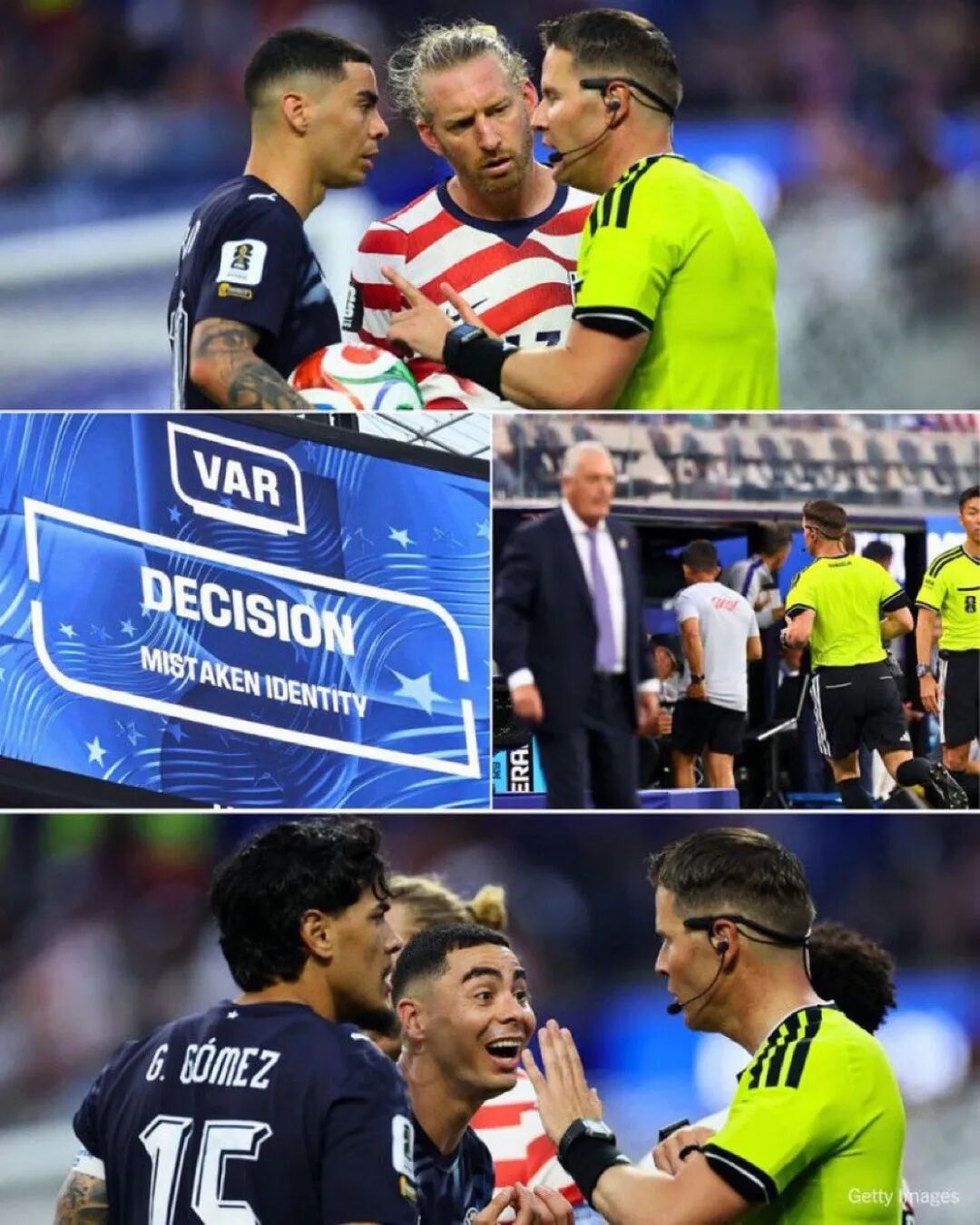
This is one of the five new VAR powers introduced for this World Cup, which states: "In cases where a foul has been incorrectly attributed to an innocent player, while the actual offender is another player, VAR can correct the error." Outsiders jokingly say that Almiron has become FIFA's specially appointed "test subject" for the new rules.
Almiron plays in Major League Soccer and previously played for Newcastle in the Premier League. Interestingly, he has a tattoo that says: "God's timing is perfect." But obviously, his timing for covering his mouth was wrong.
Before Almiron was sent off, Paraguay was leading 1-0. They scored just 65 seconds into the match through Galarza's quick goal, setting a new record for the fastest goal in this World Cup.
In the second half, Turkey launched a wave of attacks but were inefficient, failing to score despite many attempts. In the end, Paraguay held on to a 1-0 victory. Almiron must thank his teammates; otherwise, he would have faced unknown criticism from Paraguayan fans.


Wonderfulshortvideo
Mourinho edit mourinho interview jose mourinho press conference real madrid news today



Cristiano Ronaldo received a warm welcome from fans ahead of tomorrow's match against Al Ittihad.
aguero drug trafficking case football news today
This Arda Güler goal on repeat 🔁
BARCELONA REVENUE barcelona news today

Lashed home by Kieffer Moore ☄️
The saxophones are getting louder for Preston here…
 Links
Links
 Contact
 App
App


