



World Cup 2026: New controversy over treatment of Iran's national team


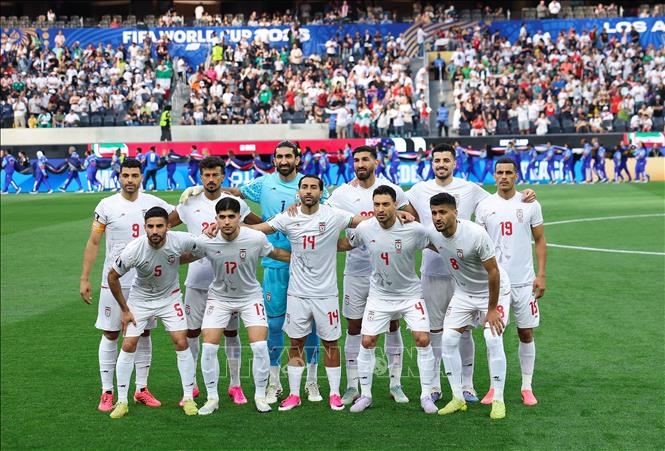
According to a Vietnam News Agency correspondent in the Middle East, Iran Football Federation Secretary General Hedayat Mombeyni continued on June 20 to criticize the regulations applied to the Iranian national team, confirming that a complaint will be filed with FIFA.
Mombeyni argued that Iran is the only team at the 2026 World Cup permitted to arrive at the host city approximately 24 hours before kickoff and must quickly return to its base immediately after the match. He emphasized: "These restrictions affect both the physical and mental state of the players. We believe this is inconsistent with the principle of fairness for all teams participating in the World Cup."
The controversy arose after Iran’s 2-2 draw with New Zealand in the opening Group G match. The Iranian team had to travel by private jet from Tijuana, Mexico, to Los Angeles, USA, one day before the game. Although the distance is only about 204 km, striker Mehdi Taremi said the entire journey took up to five hours due to security checks and immigration procedures.
Immediately after the match ended, the Iranian team returned to Mexico rather than being allowed to stay in the USA for an extra day to recover, as the coaching staff had wished.
The Iran Football Federation also stated that its request to arrive in Los Angeles two days earlier for the match against Belgium on June 21 was denied. According to Iran, this makes it difficult for the team to adapt to playing conditions and prepare professionally.
However, the U.S. side asserts that the current regulations were communicated to Iran in advance. Mr. Andrew Giuliani, Executive Director of the White House World Cup Task Force, said these restrictions stem from security measures applied amid the still-complex relations between the U.S. and Iran, despite a recent temporary agreement to ease tensions.
According to observers, the schedule Iran is following is not significantly different from FIFA's general regulations. Under Article 18.3 of the 2026 World Cup Regulations, participating teams must travel from their base camp to the match venue one day before the game and return after the match ends or no later than the following day. This rule is intended to ensure organizational efficiency given that the tournament, for the first time, includes 48 teams and spans three countries: the USA, Canada, and Mexico.
In fact, many other teams follow a similar schedule. The U.S. team flew nearly 1,600 km from California to Seattle one day before their match against Australia and planned to return to their base immediately after the game. Several teams from the North, Central America, and Caribbean region (CONCACAF) also often choose to arrive at the match venue close to game day to minimize the impact of altitude or weather conditions.
Nevertheless, Iran’s case is still considered unique, as visa and entry restrictions remain in place. Some Iranian officials and coaching staff members are reportedly struggling to obtain U.S. visas. After the first match, player Mehdi Torabi even had to go to the U.S. Consulate in Tijuana to complete visa renewal procedures.
The 2026 World Cup is the first tournament in history held under circumstances where one host nation must welcome a team from a country with which it has had direct military tensions. Therefore, the story surrounding the Iranian team has become one of the most debated issues on the sidelines of the event.
While FIFA has not yet issued an official comment on the possibility of reviewing Iran's complaint, the case continues to fuel discussions about the balance between security requirements, immigration procedures, and the principle of ensuring fair playing conditions for teams at the world's biggest football festival.


Wonderfulshortvideo

Mourinho edit mourinho interview jose mourinho press conference real madrid news today



Cristiano Ronaldo received a warm welcome from fans ahead of tomorrow's match against Al Ittihad.
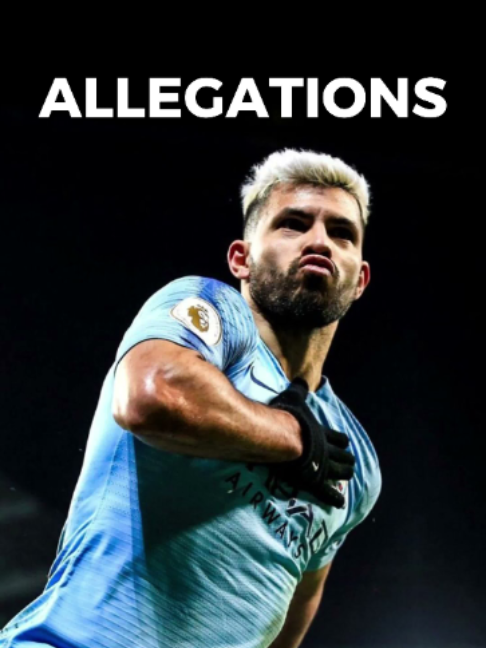
aguero drug trafficking case football news today

This Arda Güler goal on repeat 🔁
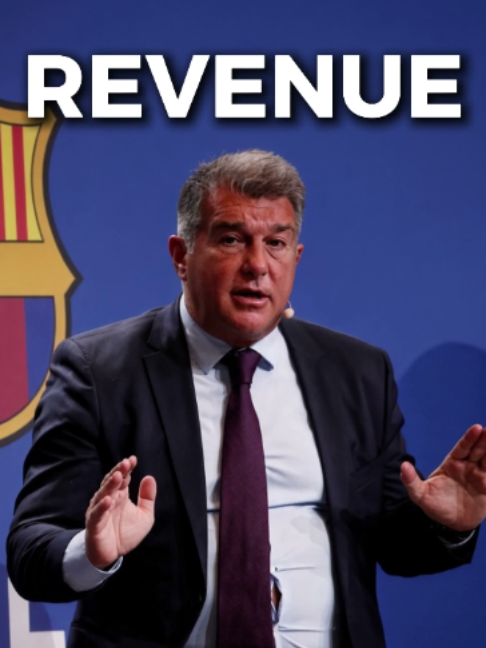
BARCELONA REVENUE barcelona news today

Lashed home by Kieffer Moore ☄️
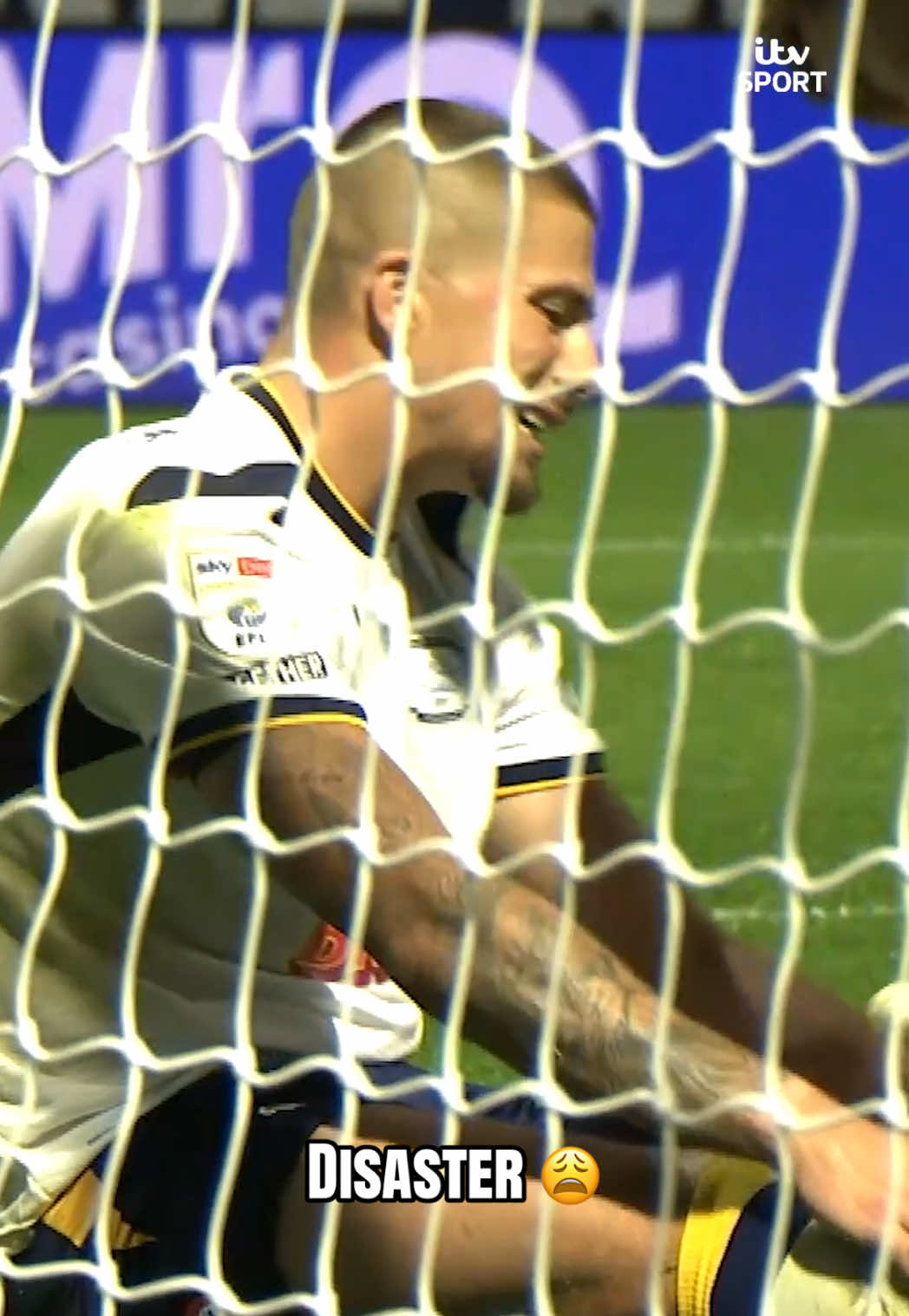
The saxophones are getting louder for Preston here…
 Links
Links
 Contact
 App
App


