



World Cup at Home: Beyond the Glitz



A striking statistic has been revealed during the height of the 2026 World Cup. According to a survey by Ipsos Sports conducted exclusively for the news agency AP over the final three days of June, roughly 6 out of 10 soccer fans in the U.S. say they are "extremely" or "very" excited about the U.S. team advancing past the group stage, yet this figure falls to only 25% among the general U.S. population.
The survey numbers paint a far more detailed picture than the packed stands seen on television. Only about 2 in 10 Americans identify themselves as fans of international soccer or Major League Soccer, a share far behind those following football, basketball, or baseball. Although most people have heard at least something about the 2026 World Cup, just one-third say they are following it "quite a lot," and a mere 17% express strong enthusiasm for the remainder of the tournament—a slight increase from the survey conducted in May.
Even more notable, while about 6 in 10 believe the World Cup will make other Americans more interested in soccer, only 24% of them admit that they themselves have been drawn into that wave. Optimism, it turns out, is largely something people attribute to others rather than a feeling they personally experience. Even how Americans "consume" the tournament reveals a superficial engagement: about 4 in 10 use social media to follow teams, one-quarter go to bars to watch matches, and roughly 20–33% of fans buy jerseys or merchandise.
This is not the first time the United States has faced this paradox. The 1994 World Cup created an equally fervent summer and directly led to the founding of Major League Soccer two years later. But it took three decades for soccer to climb to third place among favorite sports in the U.S., still trailing behind football and basketball. This demonstrates that excitement over a tournament and lasting love for a sport are two different quantities, and the gap between them is not automatically bridged just because the event is successful.
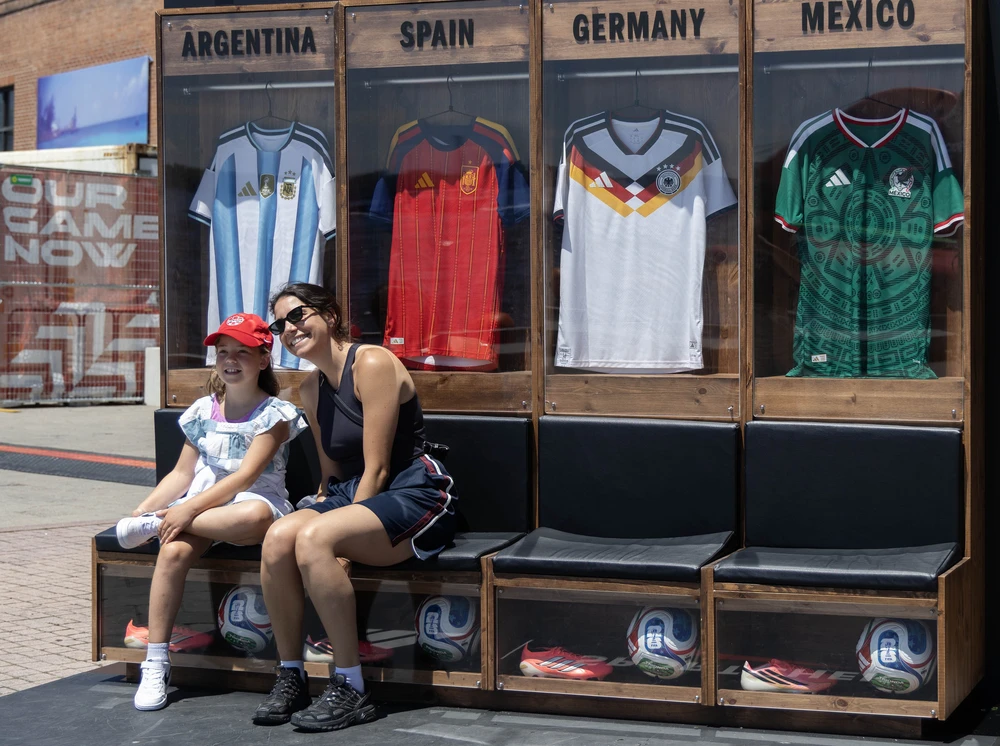
The post-World Cup equation has always been a challenge for any host nation. Photo: Xinhua/VNA
Many countries that have hosted the World Cup fall into another trap: the belief that the event will transform their sports landscape. South Africa in 2010 spent $1.1 billion to build 10 stadiums, with Cape Town's alone costing $600 million and requiring $6–10 million annually to operate—yet no resident team can fill its stands. Brazil spent nearly $4 billion to build and upgrade 12 stadiums, but four host cities had no clubs in the country's top two divisions. Even Qatar, which learned from experience by designing removable stadiums, has yet to find a complete solution to the post-World Cup puzzle for its small-scale domestic soccer scene.
Glitz does not create passion. The 2026 World Cup in the United States serves as a profound reminder that the success of a tournament is just one piece of the puzzle. No matter how brilliant that success, it requires a "lag" to evaluate—when the event initially acts as a positive catalyst, but it is not enough to spark a revolution in sports culture.
Those seemingly distant stories, to some extent, also offer valuable lessons for Vietnam on its journey to develop sports, especially soccer.
For example, learning to cherish what you already have. Vietnam boasts one of the most passionate fan communities in the region, along with several sports that have built sustainable grassroots foundations across generations. If resources are insufficient to elevate these foundations to new heights, it is crucial not to let existing value erode while searching for a major breakthrough. The average attendance in the V-League has not increased over the past five seasons—a warning sign.
Successfully organizing a tournament or building a modern stadium does not automatically achieve all initial goals. Even a sports powerhouse like the United States is still struggling to turn fleeting attention into genuine love.
A major event can be organizationally successful yet fail in legacy if infrastructure is built without a strong human development strategy to sustain it once the spotlight fades.


Wonderfulshortvideo
fermin lopez goal today lamine yamal goal today yamal edit raphinha goal today


Mourinho edit mourinho interview jose mourinho press conference real madrid news today
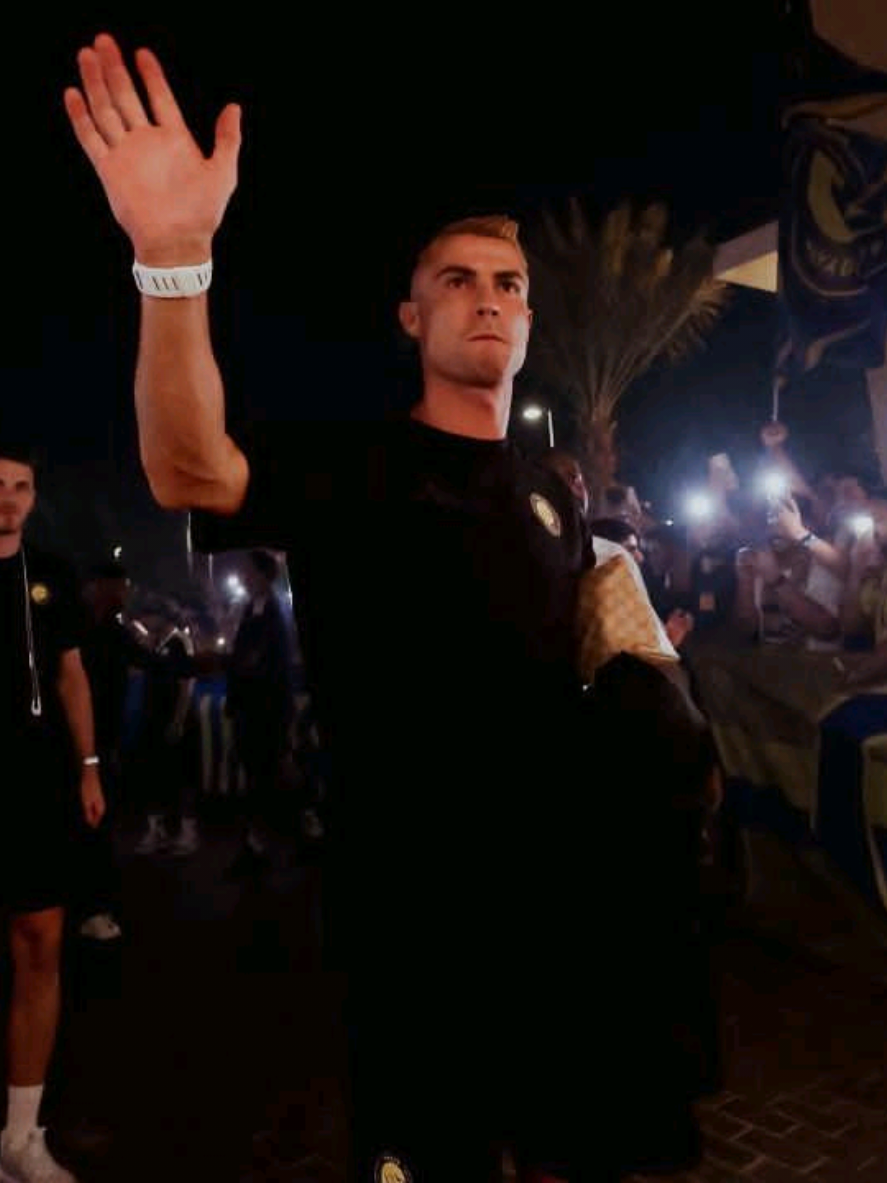
Cristiano Ronaldo received a warm welcome from fans ahead of tomorrow's match against Al Ittihad.
aguero drug trafficking case football news today
This Arda Güler goal on repeat 🔁
BARCELONA REVENUE barcelona news today
Lashed home by Kieffer Moore ☄️
 Links
Links
 Contact
 App
App


