



Klopp's "All-In" Gamble: Betting German Football's Fate



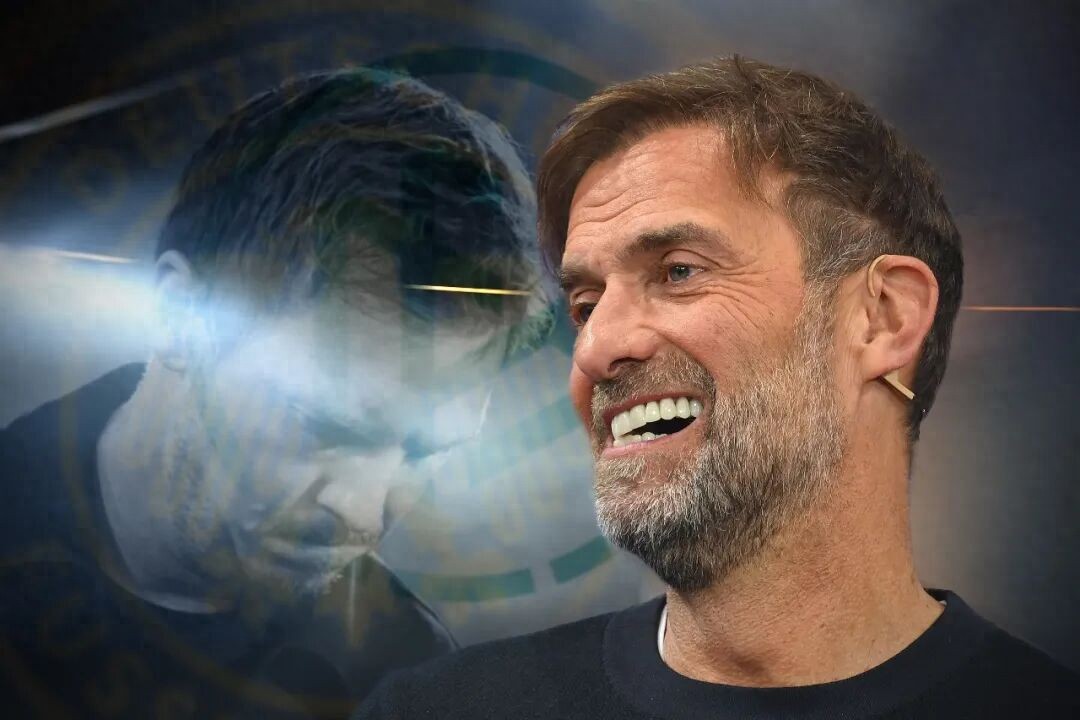
Written by Nan Nan After a brief silence following the World Cup elimination, the rational Julian Nagelsmann chose to step away. For this young coach, it was not a decision swayed by media pressure but the result of careful consideration—after all, his departure was a relief for everyone.
The German Football Association is now in unprecedented agreement on two matters: the need for German football to rediscover its traditional grit, and the singular choice for the next manager. The very day Nagelsmann resigned, the DFB issued a statement saying its top officials were seeking dialogue with Jürgen Klopp, who had expressed a basic willingness to take the role based on prior discussions. Almost every German understands that, whether or not Klopp can restore Germany to past glory, he—and only he—is the best option at this moment.

This marks the first time in nearly a year that Klopp's name has appeared so frequently in the media. The last time he made headlines was in September 2025, when he gave an interview to Adam Crafton of The Athletic UK at the New York Red Bulls training ground in New Jersey. The Athletic is a rapidly growing American sports media outlet, backed by The New York Times, which shut down its sports department in 2023.
That interview was the world's first glimpse of Klopp after leaving Liverpool. In the footage, he wore a New York Red Bulls cap, held a sugar-free Red Bull drink in one hand, and an e-cigarette in the other. Crafton described Klopp's appearance: "He looked thinner and younger. Sixteen months after leaving the Premier League, he seemed like a new man."
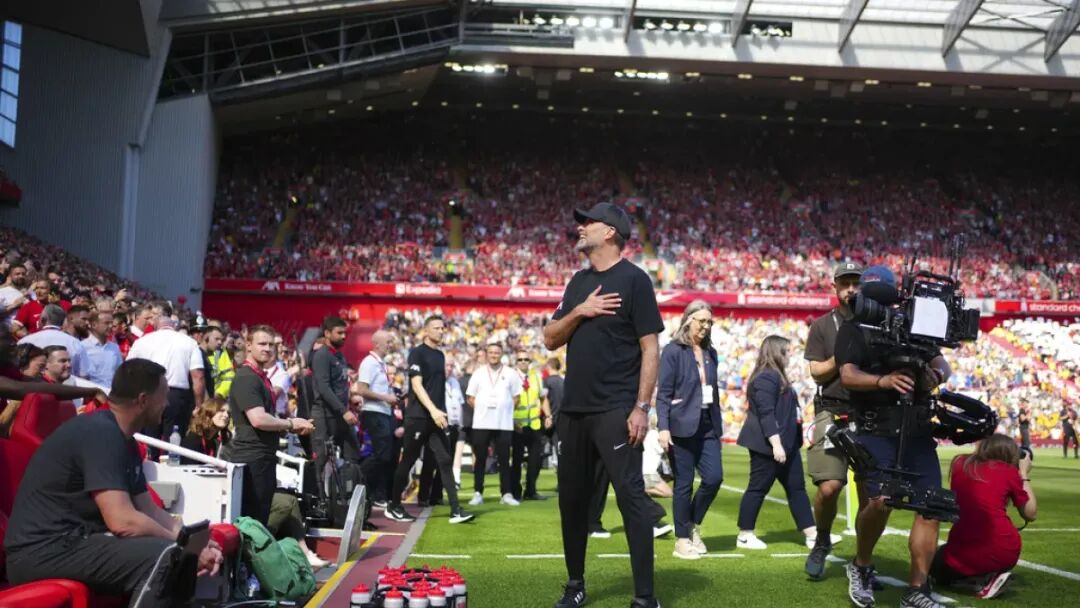
When he decided to leave Liverpool in 2024, Klopp said he was "exhausted." At that point, he had been coaching continuously for 23 years—from Mainz to Dortmund to Liverpool. He witnessed the departures of Lewandowski and Götze, the loyalty of Reus, and Liverpool's rise to Champions League and Premier League glory. Of course, with the joy of titles came the frustration of setbacks. The irreconcilable conflict between Mané and Salah once left Klopp deeply troubled. He made a decision to send Mané away, but in doing so, he also found himself on the opposite side of Salah.
So he chose to leave and became Red Bull's global head of football. It was a role that didn't require daily presence on the training pitch—responsible for guiding scouting strategies and coaching development within the Red Bull system. In effect, he changed positions to continue pursuing his football philosophy. Klopp told Crafton that he enjoyed many things in New York: watching baseball, camping with his family. He wasn't resting; he was recharging, rediscovering the life energy that fuels him.
Crafton also sensed Klopp's transformation. He said, "A dozen months ago, Klopp carried the pain of being tormented for a long time. But now, he's a completely different person." Nearly a year later, Klopp appeared in the broadcast studio for the World Cup in the USA, Canada, and Mexico. When Germany lost their final group match to Ecuador, Klopp commented: "We faced an extremely aggressive opponent, and we chose the wrong way to deal with them." At the time, those words didn't attract much attention—people simply thought Klopp was analyzing Germany's performance. But now, Germans read something else into that statement.
Klopp used "we" instead of "they." At a time when Germans desperately need him, that "we" sounds like someone who has a solution. Another detail drove Germans even crazier. Klopp told the Associated Press: "When I left Liverpool, I lacked the energy and motivation to coach anymore. Since then, I've spent a lot of time recharging. Now, I'm ready."
Ready? Ready for what?

Klopp's words can be interpreted as an olive branch to the DFB, or as tacit permission for them to approach him. With that barrier broken, the DFB stopped hesitating and acted quickly. DFB president Bernd Neuendorf and vice president Hans-Joachim Watzke have already flown to New York to meet Klopp in person—his World Cup broadcast studio is located at One World Trade Center in Manhattan—where they will discuss and finalize coaching details.
The DFB moved fast, and German media were just as quick to reveal details. The DFB will pay Nagelsmann approximately €7 million in compensation, while Klopp's salary is expected to be around €10 million—making him, alongside Brazil coach Carlo Ancelotti, one of the highest-paid national team managers in world football. In fact, Klopp's decision to coach Germany wasn't based on Germany's failure in this World Cup. When he joined Red Bull, he had a verbal agreement that he could leave anytime if the DFB called. According to Italian transfer expert Fabrizio Romano, Klopp has already reached an agreement with the DFB to become Germany's head coach.
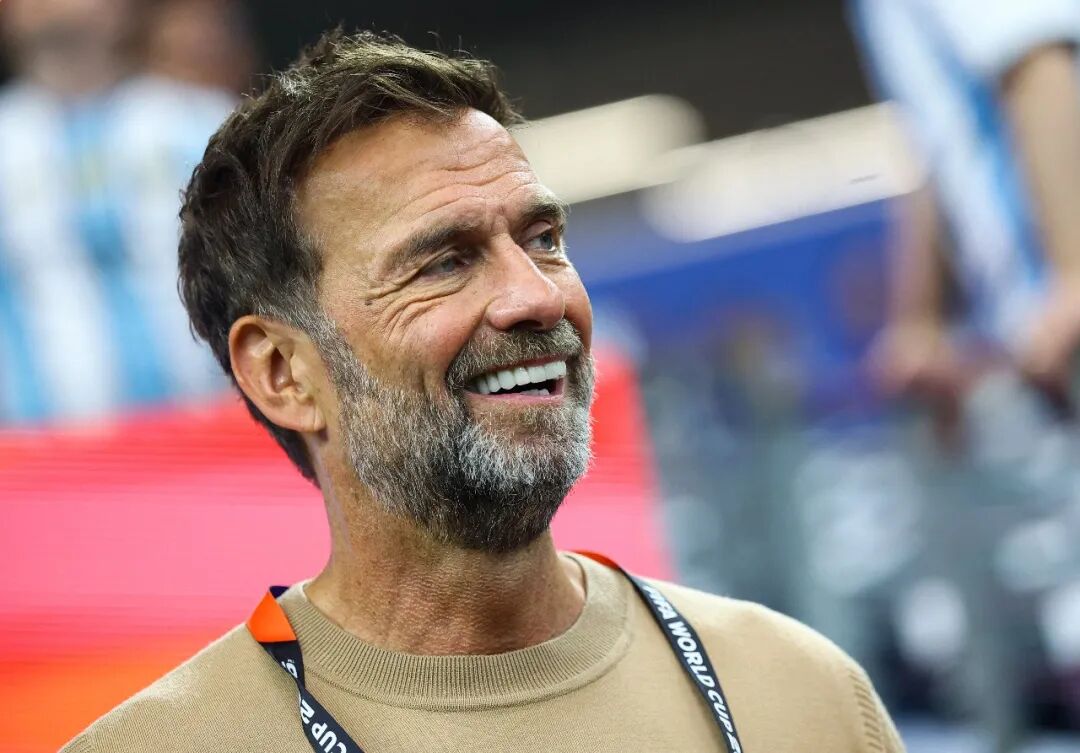
The DFB didn't just offer Klopp a €10 million salary; they also presented him with a literal blank check. German media report that Klopp will become the most powerful national team coach in German football history. Current DFB general manager Andreas Rettig's contract expires at the end of the year, and his successor will no longer interfere with national team affairs. This means the future German team will be entirely under the control of Klopp and sporting director Rudi Völler. The last Germany coach with similar authority was Jürgen Klinsmann, and Klopp will clearly have even more say than Klinsmann—because the DFB must use all their sincerity to win him over.
After complete failure, the DFB could only use a heavyweight figure like Klopp to win back German fans. And it worked—the DFB quickly reversed its unfavorable position. A poll by the New Social Answer Institute (INSA) showed 63% of Germans support Klopp taking over. In a survey by the Institute for Social Research and Statistical Analysis (Forsa), 30% directly listed him as their top candidate. For Forsa, sports topics are usually outside their scope—they focus more on elections, society, and economics—so Klopp's inclusion in their survey underscores his current importance to Germany.
What convinces Germans even more is Klopp's comment during the broadcast: "Responding to a very aggressive team in the wrong way." The subtext is clear: Klopp knows where the mistakes were made, he knows the problems, and—more importantly—given his track record, he knows how to change things. Germans are pragmatic; they wouldn't choose him just for his reputation. They need to know he can solve problems.

So the next question becomes simple: What can Klopp bring back to German football? Note the phrase "bring back," not just "bring." Klopp's football style has never been a secret—from Mainz to Dortmund to Liverpool, the core has never changed, only the finer details. Whether it's "heavy metal rock" or quick transitions after high pressing, Klopp's system is transparent. The DFB also knows that at this stage, they don't care what style of football Klopp's Germany plays; they care more that he can make the 11 Germans on the pitch look more like "Germans"—traditional Germans.
German football doesn't need to discuss tactics—that's pointless. What they need is a firm presence on the sideline, someone who can make Germany's players understand and believe that the cowering look during a penalty shootout is not their true face. Every German player must understand that German football has never lacked players who step up in critical moments. Some may blame them for missing a penalty, but no one will ever fault them for having the courage to take responsibility.
So the ultimate test for Klopp with the German team lies not on the pitch, but in his charisma. Klinsmann set a good example. When he took over in 2004, Germany had been eliminated in the group stage of two consecutive European Championships, and their 2002 World Cup runner-up finish seemed more like a result of Kahn and Ballack's individual efforts. Klinsmann introduced a new coaching system and training methods, helping Germans regain their confidence. By the 2006 World Cup, the German team had transformed—from fallen aristocrats back into title contenders.
Of course, Klopp faces a different situation than Klinsmann did. Back then, although Kahn was aging, Ballack still embodied the tradition of iron-willed German football—Germany at least had a recognizable figurehead. But the Germany Klopp is about to face lacks core character. Forget Lahm and Müller—even someone like Schweinsteiger, who was relatively milder in the traditional German grit, is hard to find in today's squad.
For both German football and Klopp, this is a gamble. They are betting on a seemingly perfect compatibility of character—setting aside tactics, personnel, prioritizing only spirit. In fact, Klinsmann was also gambling in 2004, betting on Germany's rich history and foundation. Now Klopp is betting that the long-lost iron-willed German essence hasn't been diluted and can still be reclaimed.
Looking back, it's hard to say Klinsmann won that bet, but he was certainly no failure. What Klopp will achieve is unknown, but at least the Germans have begun to try.


Wonderfulshortvideo
aguero drug trafficking case football news today


This Arda Güler goal on repeat 🔁
BARCELONA REVENUE barcelona news today
Lashed home by Kieffer Moore ☄️
The saxophones are getting louder for Preston here…
When football is simple but beautiful 😍
Cristiano Ronaldo is back on the quest for 1,000 goals, and these are his 977th and 978th goals.
 Links
Links
 Contact
 App
App


