



Iron-blooded Germany, where has it gone?



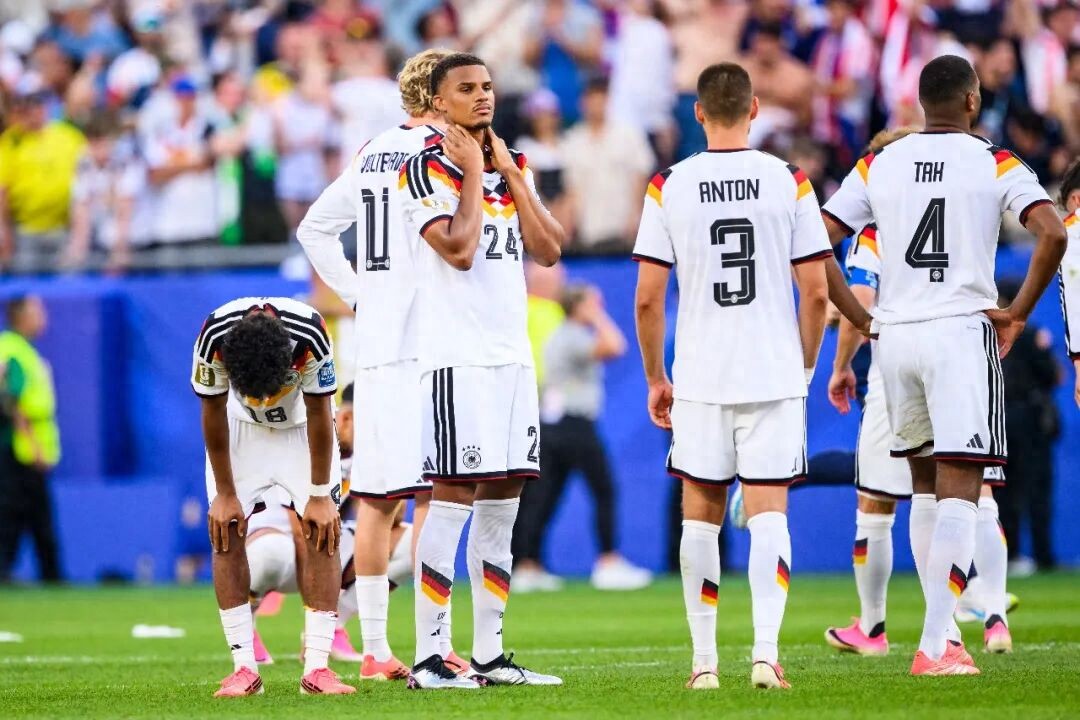
Written by Meng Xiang The microphones on the spider cams at Boston Stadium are no secret—they've been present at every World Cup match since 2010 in South Africa. At the Russia World Cup, 4K high-definition broadcasts were introduced, followed by even more sophisticated technology. Each World Cup match feels like a live show, with those not in attendance striving to uncover every detail unfolding inside the stadium.
Advanced technology has captured many classic moments in football, but every coin has two sides. Before the 32-team tournament began, the Germans never imagined that the microphone, barely visible at first glance on the spider cam, would record something German football least wanted the world to hear, and then broadcast it globally.

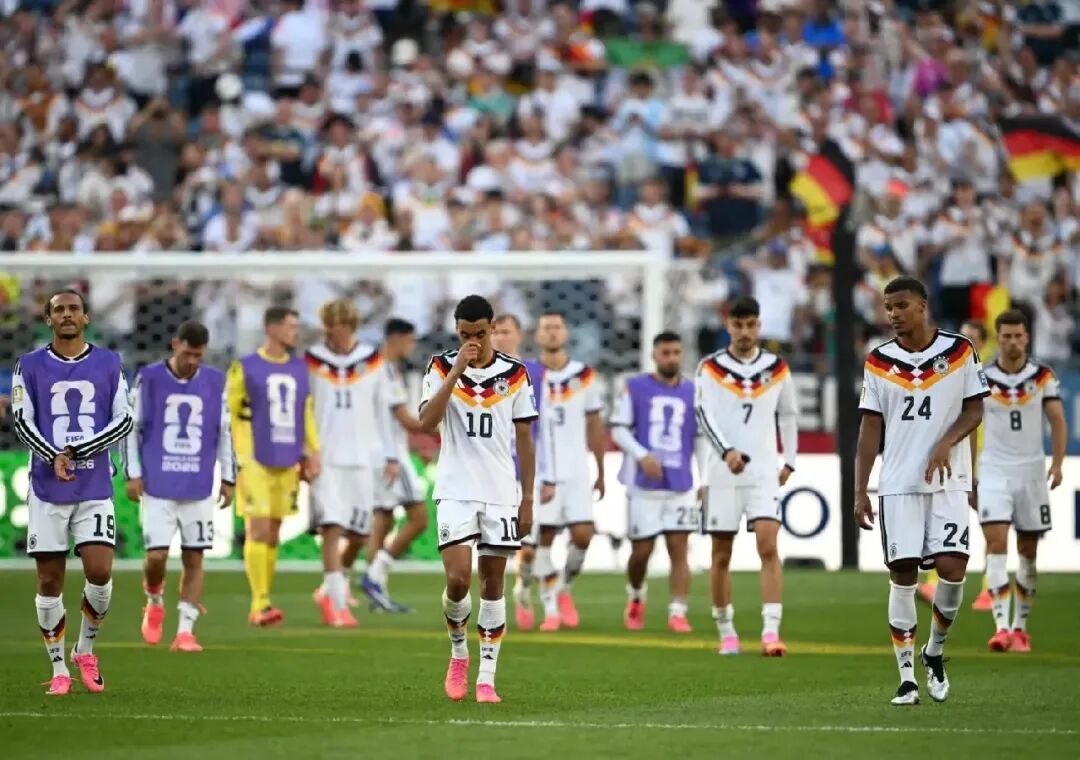
It was right before the penalty shootout. German captain Joshua Kimmich looked up, scanning his teammates with his eyes. "Nene, you?" Kimmich asked defender Robin Brown. Brown said nothing. "Eighth?" Brown relaxed and nodded. "Leon? Sixth?" Kimmich turned to his Bayern Munich teammate, both pure Germans. Kimmich had an instinctive trust in Leon Goretzka.
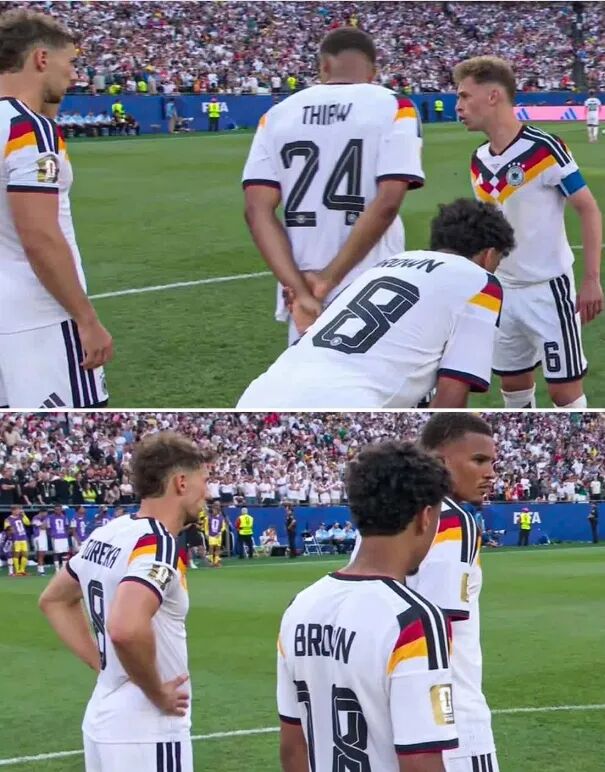
The greater the hope, the greater the disappointment. Goretzka puffed his cheeks and shook his head. Kimmich said nothing more, pointing toward Goretzka and saying, "Ninth." The rest of the story played out on the broadcast: Thilo Kehrer, who had never taken a penalty in an official match, became the most obvious scapegoat for Germany's elimination. The World Cup, a penalty shootout—Germany lost for the first time. "Football is a game where 22 men run and in the end the Germans win." That famous quote from Gary Lineker instantly lost all its value.
After the match, German media reported a number: four German players refused to take the sixth penalty—Goretzka, Anton, Brown, and Kehrer. Jürgen Klinsmann said, "They were not prepared for the penalty shootout." The question is: why was a team about to face a World Cup knockout match not truly ready for it?
After a loss, every detail is magnified with negative emotions and judged critically—that's understandable, because everyone needs an outlet for their feelings. So German media reported that Nagelsmann's team did a lot of possession training, set-piece drills, defensive tactics, and penalty practice during preparation. But the so-called penalty practice only involved players taking a few kicks after training, without simulating the life-or-death environment of a knockout match or the pressure of being labeled a traitor to German football if they missed.
Moreover, Nagelsmann only arranged the first five penalty takers, leaving everything to Kimmich on the field. So when Neuer kept Germany's hopes alive, he didn't know that 40 meters away, Kimmich was still going around the center circle asking who would take the penalty that could send Germany out. Clearly, Germany didn't lose on penalties—they were doomed the moment they entered that fatal roulette.
Where did the problem lie? Obviously not with Goretzka and the others, nor with Nagelsmann or Kimmich. All Germans seemed to sense the severity of the issue. What kept German football at the top of the world was never possession football, never a 75% pass completion rate, but rising first after every challenge and standing firm again and again in adversity. When everyone was moved by the resilience of Modrić and Croatia, the Germans suddenly asked: Where is the iron-blooded Germany?
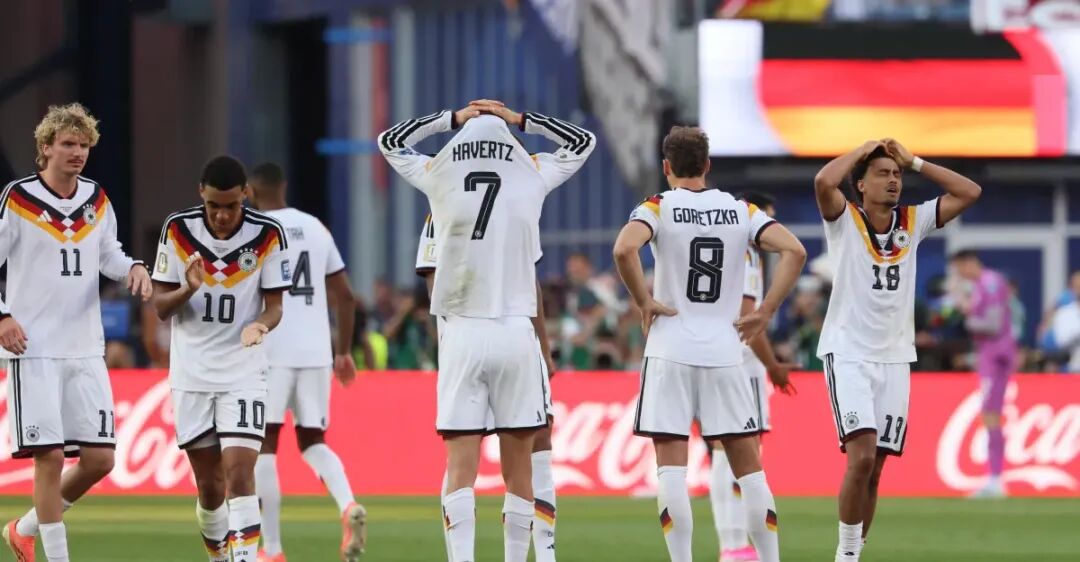

Germany's journey in the USA-Canada-Mexico World Cup started smoothly: they scored their first goal in less than five minutes, and after Curaçao scored an unexpected goal, Germany vented their anger with six more goals. Then came the match against Côte d'Ivoire, their old rivals—they had been in the same group with the African elephants in 2010. Falling behind, then coming back to win, they secured top spot in the group early. In fact, looking back, that comeback was the biggest deception. In the third group match, a full-strength Germany unexpectedly lost to Ecuador. The South Koreans were even angrier than the Germans about that result, because Germany's defeat began Korea's elimination.
In truth, the loss to Ecuador had already exposed Germany's weaknesses to Paraguay. In fact, the Paraguayans didn't even go all out against Germany. Look at what they later did to Mbappé—it's clear they felt that dealing with the Germans didn't require much effort. Never mind that Germany had 75% possession, 21 shots, 16 corners, and 56 crosses—the most crosses in a single World Cup knockout match since 1966.
And then? How many headed chances did Germany win from those 56 crosses? There was no official statistic after the match, but anyone who watched knows the Germans failed—56 crosses yielded just one goal. Perhaps at that moment, the Germans desperately missed Klose, or Gomez, or even Bierhoff—anyone but Woltemade. They missed a German-style center-forward who could consistently head crosses into the net. Unfortunately, the 2026 German team had no Klose, and 2026 German football had no Klose either.
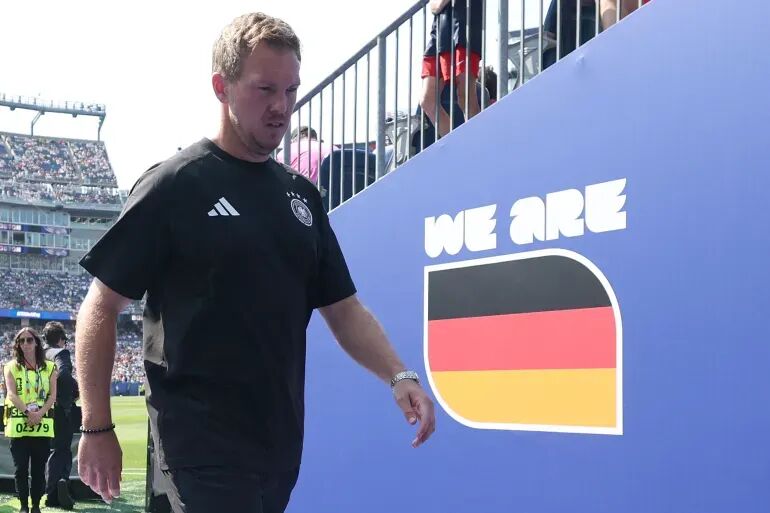
Nagelsmann could only analyze the failure from a tactical perspective: "Our possession play was too slow, and the passing took too long." Philipp Lahm, who led the team to the Brazil World Cup title, could only comment from a technical-tactical angle: "This German team has no ideas, doesn't know how to play, and has made no progress. I've never been so bewildered by a German team." Lahm was careful, deliberately avoiding a topic that would embarrass German football: "A country that won the World Cup just 12 years ago has so quickly abandoned its traditional style." In stark contrast to Germany is France—Russia World Cup champion, Qatar World Cup runner-up, and in the USA-Canada-Mexico tournament, the French still maintained unmatched competitiveness.
Data can deceive the Germans, but time cannot—it only makes them feel estranged from themselves. In 2013, Pep Guardiola took over Bayern Munich, and German football saw the almost unshakable control of Guardiola's Bayern. A year later, the German Football Association made a decision: they began pursuing technique and flexibility, gradually discarding traditional traits like physicality, strength, aerial dominance, and the unique German spirit. They wanted to produce players with no technical weaknesses, but ended up mass-producing players with no technical flaws yet no character or edge. These players could do everything, but none could turn the tide in critical moments.
In the 1990 World Cup final, Germans practically fought to tell Beckenbauer they wanted to take penalties. In 2026? Unfortunately, the story is at the beginning of this article. Matthäus, Klose, and Lahm had all lost before, but four players shying away from a penalty shootout? That's a script Germans themselves could hardly imagine. The Germans quietly lost themselves.

After the 2014 World Cup, Klose left the national team; after Euro 2016, Schweinsteiger retired; in 2017, Lahm also left. In three years, Germany lost three core figures who defined German football's character, especially Lahm. Many remember Schweinsteiger covering his face and not daring to watch Robben take the penalty in the 2012 Champions League final. That night, a German team also lost on penalties, but the image of Lahm, standing just 1.70 meters tall, pulling up his teammates one by one as they lay on the Allianz Arena pitch—that was the last remnant of iron-blooded Germany.
From then on, Germany finished bottom of their group at the 2018 World Cup, lost to Japan and were eliminated in 2022, and then the 2026 penalty shootout. Time doesn't lie. This wasn't just a failure in 2026, nor a single World Cup issue—Germany had been missing since 2016.
Löw, who witnessed German football's last glory, failed in 2018; Flick, who rebuilt Bayern's three-dimensional attack and routed Barcelona in the Champions League, failed in 2022; Nagelsmann, also from Bayern, couldn't escape the losing cycle in 2026. Three coaches with different styles fell at the same spot. This might not be a cycle of German football but a systemic failure. There are clear-headed people in German football. Oliver Kahn put it bluntly: "I don't think Nagelsmann should take full responsibility for this exit." In fact, there's a big divide between academy-style coaches and star-player-style coaches within Germany, but they agree completely on the topic of German football's loss of character.
After Klose retired, German football never produced another top target man center-forward, nor anyone who could carry the ball forward while shrugging off defenders. On the Bundesliga pitch, fans see more of Musiala's agility, but on the World Cup stage, that's nothing—at least the Paraguayans didn't even think of using the same tactics against Musiala as they did against Mbappé. What the Germans need most is to find someone like Lahm. Kimmich resembles Lahm—he's played right-back, central midfield, and defensive midfield, willingly switching roles based on tactical needs—but something is always missing, and it's certainly not technical ability.
So when Nagelsmann finally decided to resign, the German football circle breathed a sigh of relief. It wasn't that they feared him staying; they knew that even if he stayed, he couldn't change anything, because Nagelsmann himself wasn't a "traditional" German football man. For today's German football, rediscovering that fearless spirit is more important than emphasizing possession stats or so-called "control."
For German football, finding the long-lost German character is the top priority; everything else is just technical discussion.


Wonderfulshortvideo
aguero drug trafficking case football news today


This Arda Güler goal on repeat 🔁
BARCELONA REVENUE barcelona news today
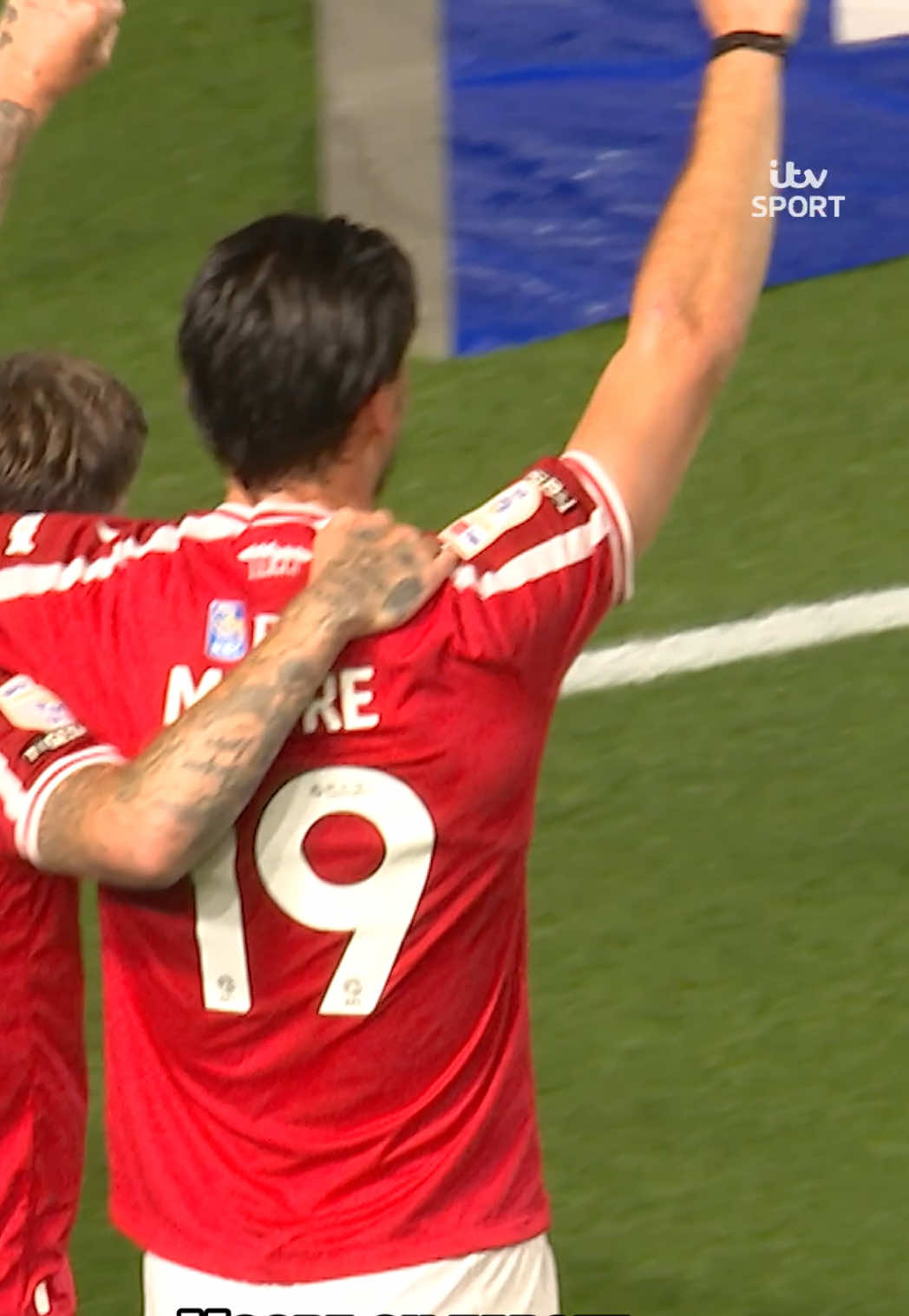
Lashed home by Kieffer Moore ☄️
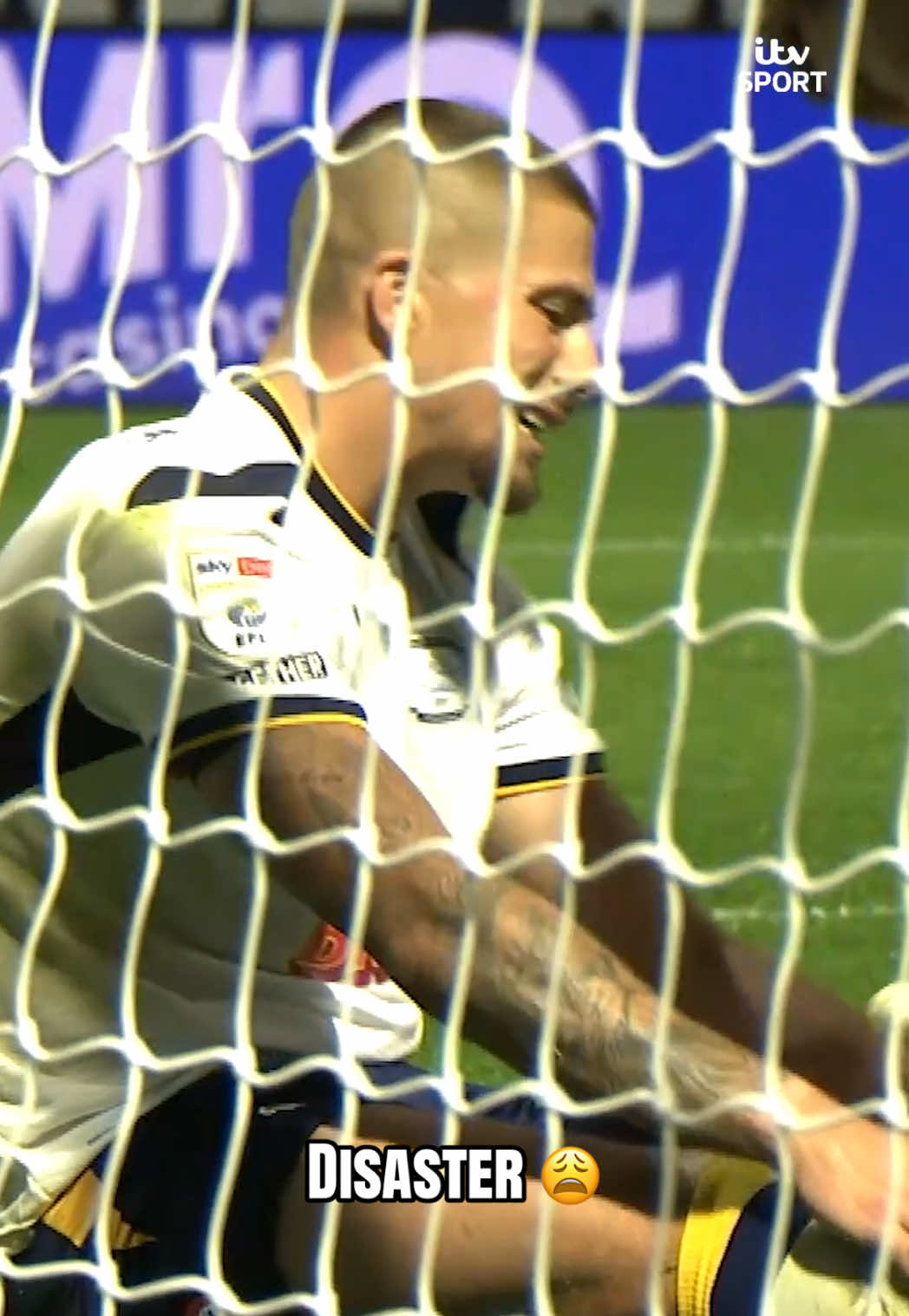
The saxophones are getting louder for Preston here…
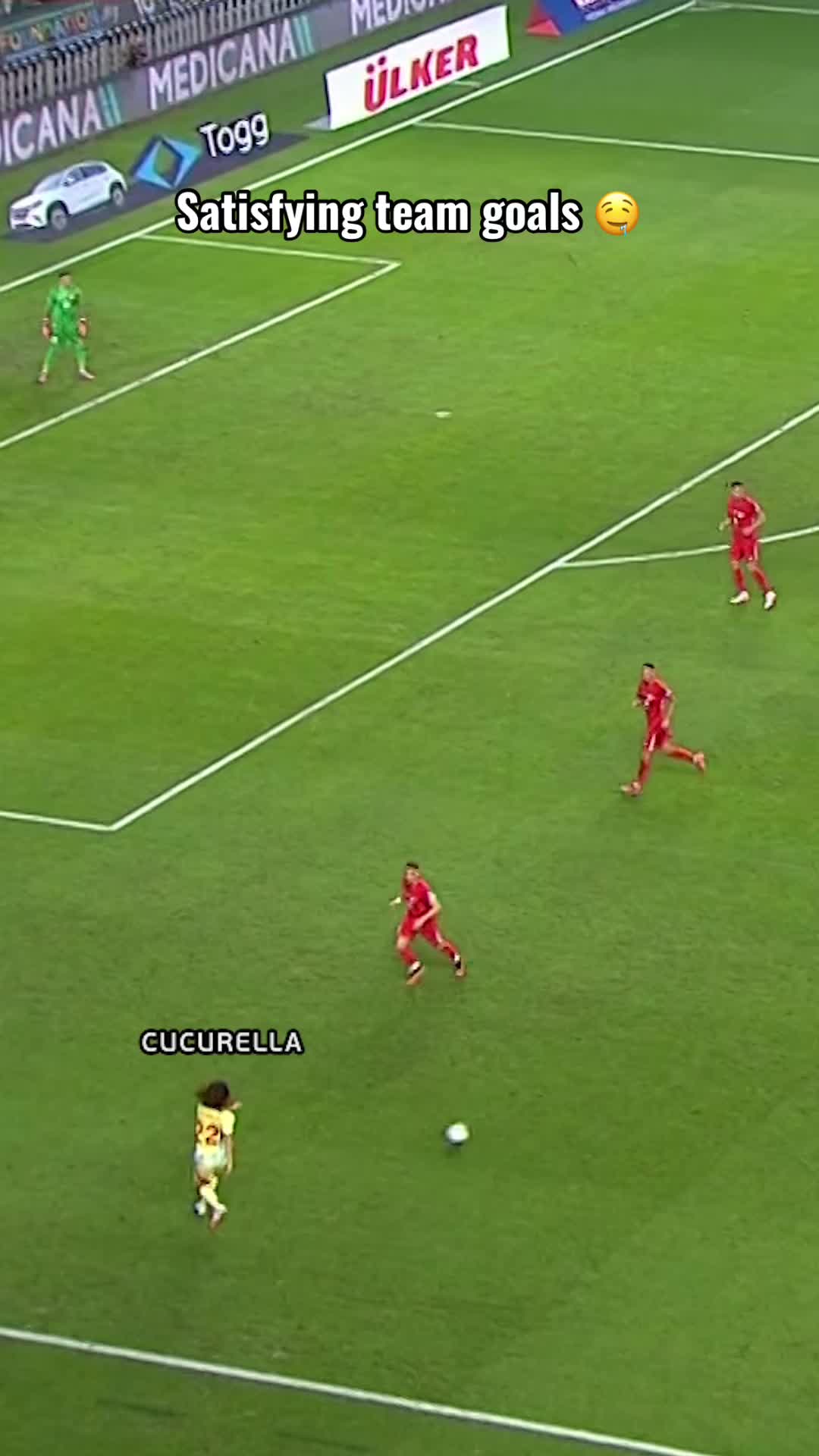
When football is simple but beautiful 😍
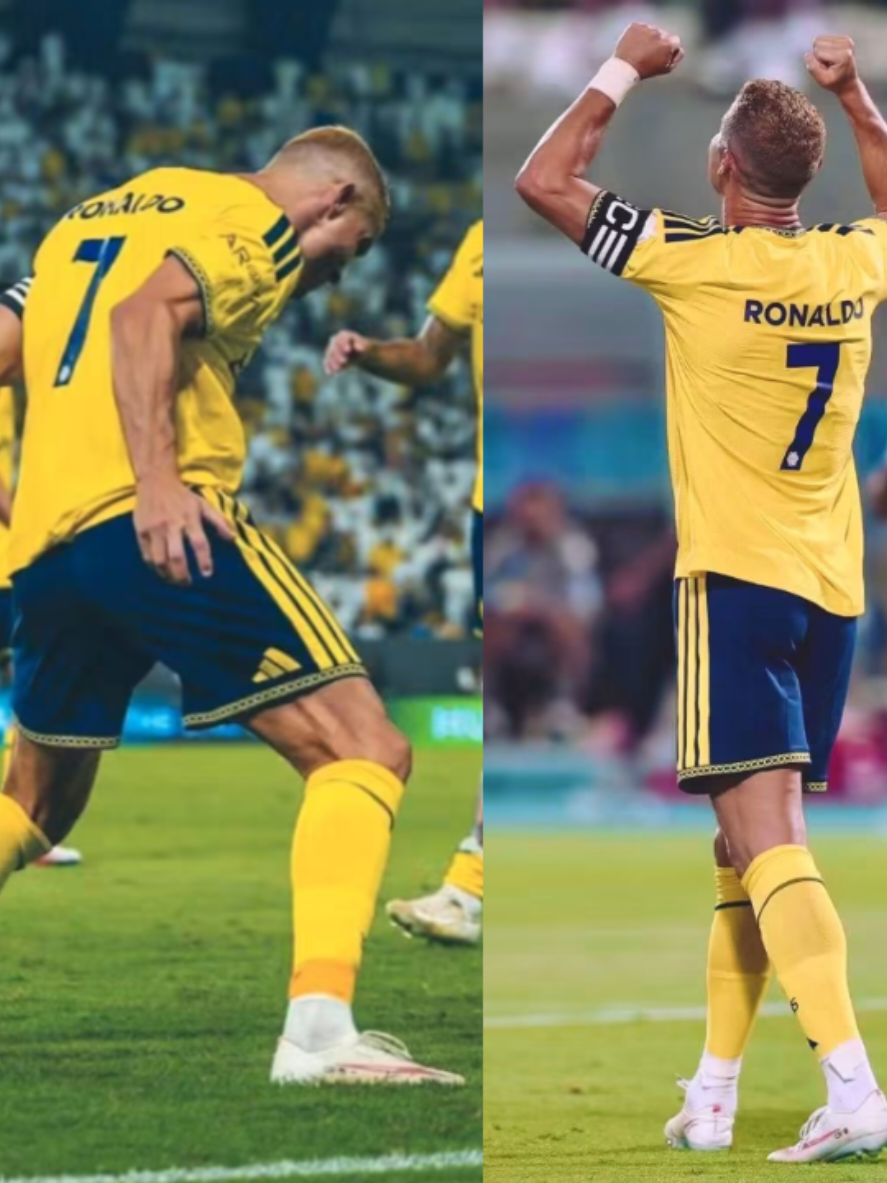
Cristiano Ronaldo is back on the quest for 1,000 goals, and these are his 977th and 978th goals.
 Links
Links
 Contact
 App
App


