



Koeman's original sin is by no means the five-man defense.


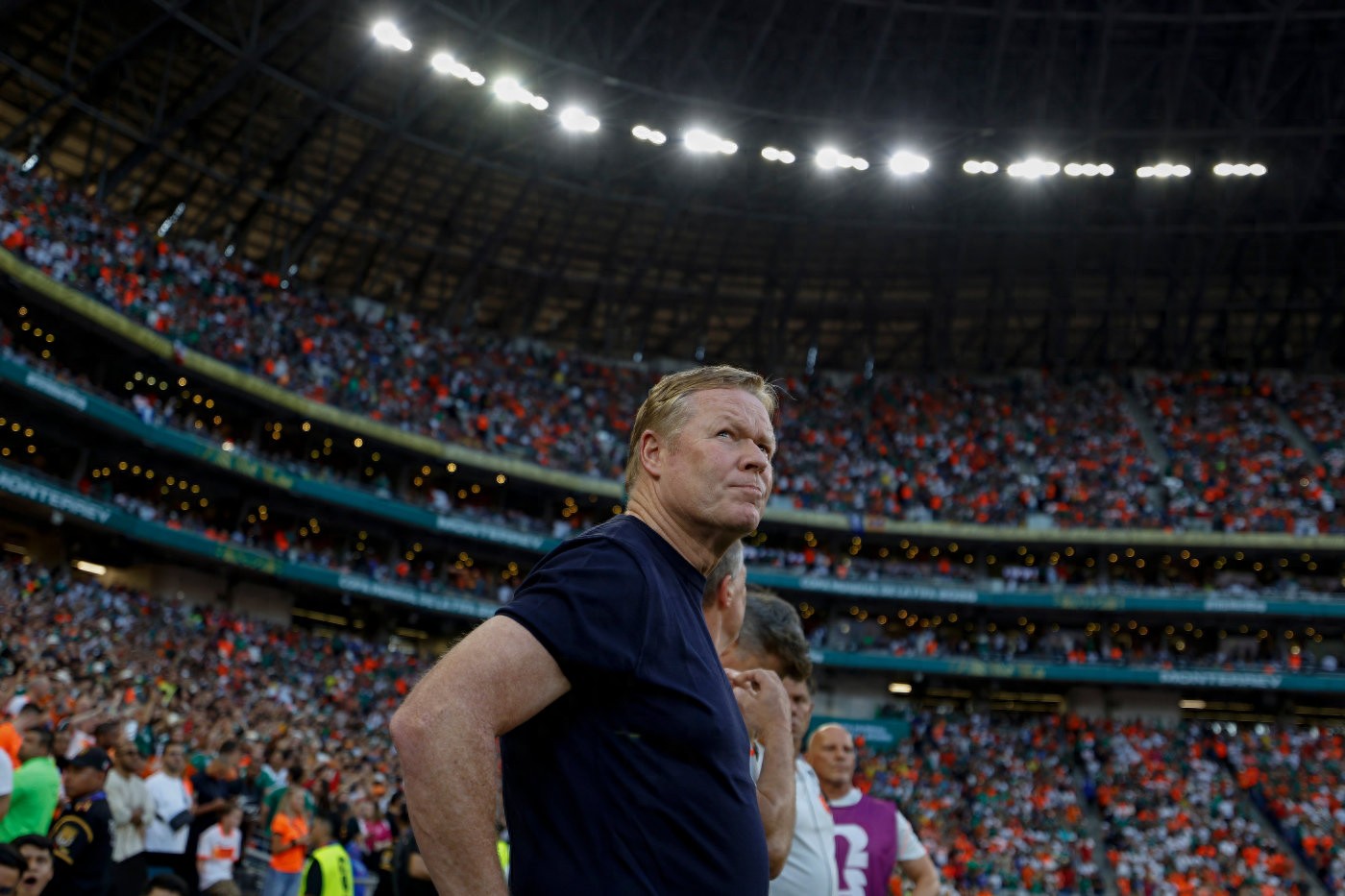
Written by Han Bing. On the night they were eliminated by Morocco, Koeman had already foreseen his fate. However, in the face of widespread accusations of conservatism, he did not back down: "If I had to do it over, I'd make the same choice." He even argued that the intense backlash against his fate and the Netherlands' exit reflected a "result bias": "If that stoppage-time equalizer hadn't gone in, I would have been praised. But instead, I'm being vilified for fielding a five-man defense."
But if we turn back the clock to January 2023, when Koeman began his second tenure, we see a different side of him. At his inaugural press conference, he confidently promised to abandon Van Gaal's five-man defense and restore the Oranje's attractive 4-3-3 and total football philosophy. Ditching the five-man defense was a firm commitment when he took over, yet three years later, using it became his stubborn justification for the Netherlands' elimination. From radical to conservative, from 4-3-3 to five-man defense, from success to failure—can all this fully capture the flawed football logic inside Koeman's mind?
Koeman has never been a romanticist who believes in Dutch football traditions. On the sidelines, he is conservative and timid. The four-man or five-man defense is not an absolute standard; what truly matters is whether a coach dares to take risks when needed and whether he can restore the romantic and imaginative genes of attacking football. By this measure, Koeman is unequivocally an unqualified Dutch national team coach.
Destroying the Netherlands in the Italian way.
Koeman's somewhat defiant "result bias" argument is not without merit in the football world. Besides, he is not the first coach in recent years to use a five-man defense. Van der Vaart, a product of Ajax, knows Koeman's mindset well: "That's how Koeman operates. At Ajax, he used 4-3-3, but in the Champions League, he switched to a five-man defense. If I were the Netherlands coach, though, I wouldn't do that."
What Dutch fans find hardest to accept about Koeman is the misplaced identity of Dutch total football. In the round-of-16 match, the team that actually played more like the Netherlands was Morocco, with three players born in the Netherlands. Meanwhile, Koeman's Oranje took on a clear "Italianization": a five-man defense, overly conservative against strong opponents, goals mainly from counterattacks, and then losing on penalties—almost a carbon copy of Italian football, but wearing orange shirts.
Frankly, the Netherlands has not played a game that matches its traditional style in a long time, nor has it produced players who fit that tradition. Nowadays, a team known for attacking football is famous for its defenders, and in recent years, it has lacked outstanding attackers like Van Basten, Bergkamp, and Van Persie. Perhaps Koeman is not the entirety of the problem; rather, all the problems have simply accumulated during his two terms.
International Football magazine in the Netherlands was skeptical of Koeman even before his return three years ago, noting that most "second-time-around" coaches in Dutch history have failed. Michels, Zwartkruis, Beenhakker, and Hiddink all failed. Koeman's second term continued a winless streak against teams ranked in the top 25 in the world, with 6 draws and 8 losses in 14 matches, effectively relegating the Netherlands to a second-tier international side.
Koeman's swift resignation was driven both by an internal environment where no one supported him after the failure and by an external factor—his wife's cancer diagnosis, which required his care. The latter gave him a dignified way out. But the destructive blow he dealt to Dutch football is already a fait accompli, impossible to undo. The Netherlands, once European champions and World Cup runners-up, were reduced by Koeman to a team that would retreat into a defensive shell with half an hour still to play. Such timidity is enough to send him away in disgrace.
He was never the ideal choice, but a reluctant necessity.
Since leaving Southampton for Everton a decade ago, Koeman's coaching career has essentially been riding on the coattails of his playing days. His journey has taken him through England, the Netherlands, Spain, and back to the Netherlands. Except for the 2020 move to Barcelona triggered by the pandemic, none of his other three tenures yielded satisfactory results. The root cause lies in his excessive conservatism, which has increasingly narrowed his coaching path.
Yet, for Dutch football, which has been trapped in a dual shortage of coaches and players in recent years, Koeman's second stint was an unavoidable, reluctant move. Just as Dutch football has failed to produce world-class strikers and midfielders, it has also failed to produce world-class coaches. Ajax has traditionally been the cradle of top Dutch coaches, but even De Boer and Ten Hag, who had relative success in the Netherlands over the past decade, ended up failing miserably in the Premier League. After the failures of trusted insiders like Reiziger, Heitinga, Maduro, and Van Schip, Ajax resorted to hiring Farioli, a rookie coach with only one season of Ligue 1 experience—and the result was predictable. This season, Ajax has brought in Spanish coach Míchel, who previously only managed Girona, a small La Liga club. Can we pessimistically predict that the lineage of Dutch coaches is becoming hard to sustain?
After many twists and turns, the Dutch coaching world still features the same old faces. Van Bronckhorst returned to Feyenoord, seeing off Van Persie, whose previous season had been a disaster. Slot's failure at Liverpool last season is a new example of Dutch coaches being unable to thrive at top-tier clubs in the big five leagues. Bos returned to PSV and won three consecutive Eredivisie titles, but his earlier stint in the Bundesliga also ended in failure. While new Spanish and German coaches keep emerging, the Dutch coaching scene remains silent. At 78 years old, Advocaat has to come out of retirement to lead Curaçao in World Cup qualifying—a stark illustration of the barren state of Dutch coaching talent.
So far this season, none of the 96 teams in the top five European leagues have a Dutch coach. Among the more than 200 national teams under FIFA, only four, including the Netherlands, are coached by Dutchmen; the other three are Suriname, Curaçao, and Sint Maarten—all Caribbean nations with close ties to the Netherlands. This clearly shows the decline of Dutch coaches worldwide. Dutch football is facing a double gap in coach and player development, and it is unclear where the future of Dutch football lies.


Wonderfulshortvideo
aguero drug trafficking case football news today


This Arda Güler goal on repeat 🔁
BARCELONA REVENUE barcelona news today

Lashed home by Kieffer Moore ☄️
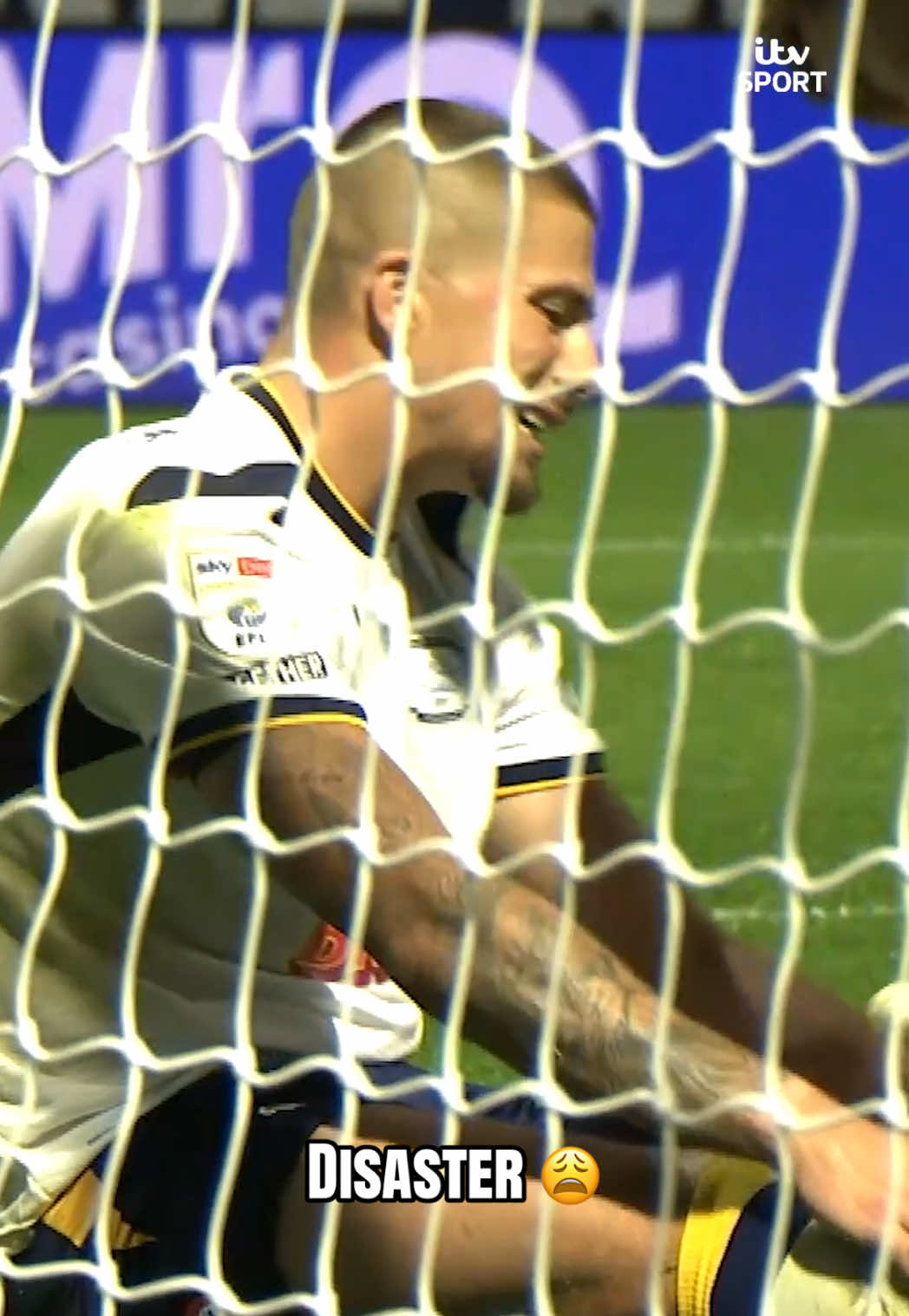
The saxophones are getting louder for Preston here…
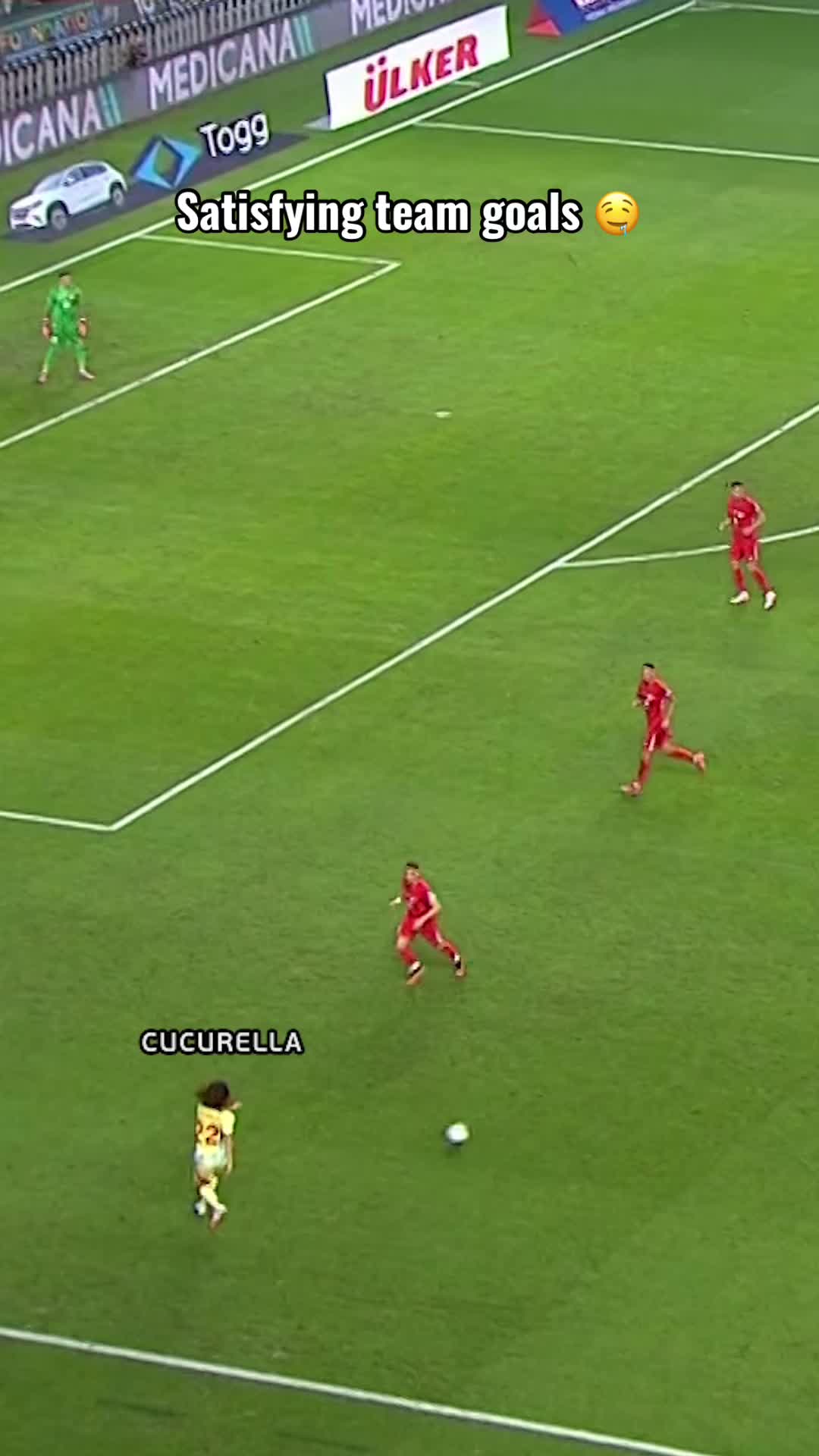
When football is simple but beautiful 😍
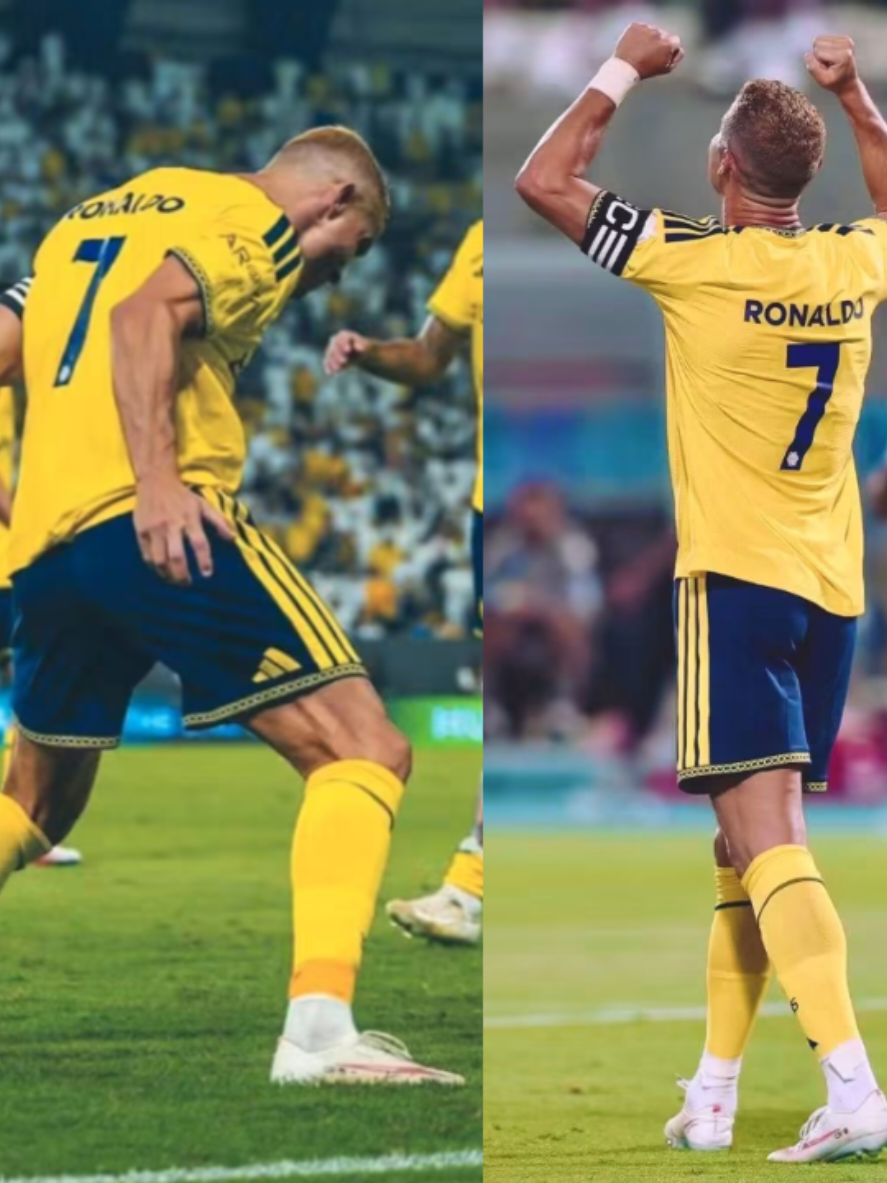
Cristiano Ronaldo is back on the quest for 1,000 goals, and these are his 977th and 978th goals.
 Links
Links
 Contact
 App
App


