



Has Bielsa's tragic character finally come to an end?



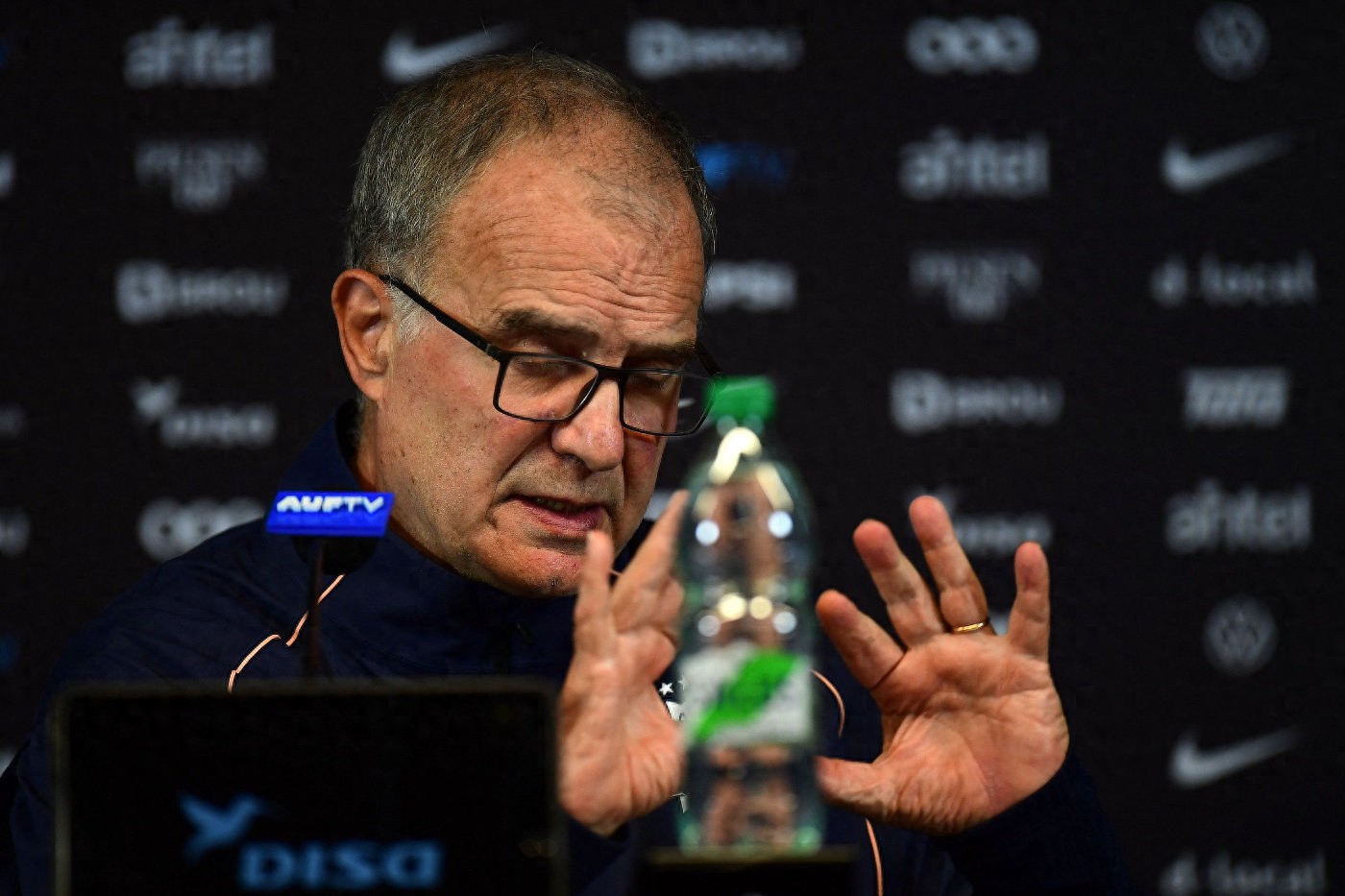
Written by Han Bing A 100-minute press conference is enough to serve as the final documentary of Bielsa's coaching career. As one of the most influential managers of the 21st century, the 70-year-old Bielsa is leaving not only his position as Uruguay's national team coach in this "crazy" manner, but possibly also his 39-year coaching career.
This legendary Argentine tactical master arrived with a stack of detailed statistics. Beyond his passionate and philosophical farewell speech, he was more eager to prove that his tactics were not wrong. But what is the point? As he repeatedly emphasized: "I am absolutely sure that no one cares what I know. Anything I try to convey is unimportant at any level. Others are not interested in understanding my knowledge, and no one is interested in what I express—I have no doubt about that." This profound sense of lonely despair evokes pity for this almost obsessive old man.
Unfortunately, everyone only cares about results, not the process. Just as he rambled on with his data: "I can perfectly explain why we should have finished the group stage with 7 points. We ran 20% more than Saudi Arabia, 30% more than Cape Verde, and 25% more than Spain." But football is not decided by data sheets; the result was Uruguay being eliminated with only 2 points, turning even the thickest analysis report into useless paper.
Earlier, Bielsa had already completely denied his own value as a summary of his three years coaching Uruguay: "If a coach achieves nothing in three years, all his contributions are meaningless: finishing fourth in qualifiers is worthless, a third-place finish in the Copa América is worthless. Despite having excellent players, despite our effort, sweat, and dedication, I still failed." Argentine media generally believe that Bielsa's coaching career has come to an end. However, is this tactical master, who influenced generations, truly "meaningless and worthless" as he claims? Perhaps no one can remain brilliant forever, but it is still heartbreaking to see Bielsa leave in such "absolute loneliness."
In the end, it is stubbornness that leads to failure.
Uruguay in 2026 easily reminds people of Argentina in 2002. Once full of expectations from fans, they slid step by step into the abyss through injuries, internal strife, and bad luck. Bielsa's high-pressing, high-intensity tactics are a double-edged sword—when players are healthy, they can break through any defense and crush opponents; but when players are exhausted or plagued by injuries, Bielsa loses not only victories but also the entire locker room.
Bielsa's tactical stubbornness and coldness toward players laid the groundwork for Uruguay's internal crisis two years ago. Luis Suárez, who left the national team two years ago, publicly criticized Bielsa for being too "inhumane" in his treatment of players. Such a dramatic rift between manager and player went uncontradicted by anyone in the Uruguayan team at the time. This time, Bielsa's nearly month-long closed training camp, with no pre-World Cup friendlies and only 12 U20 players as sparring partners, brought monotony, boredom, and physical damage from high-intensity training, gradually accumulating discontent among Uruguayan players until it erupted before the final group match against Spain.
A delegation of players consisting of goalkeeper Rochet, defender Ugarte, midfielder Bentancur, and Valverde directly "mutinied" against Bielsa. The players demanded lower training intensity to reduce injury risks and requested switching the high-pressing tactics against Spain to a low-block defense and counterattacks. After all, after a long season, asking players to continue high-intensity offensive battles against an already-qualified Spain in the sweltering heat of North America was unrealistic.
But Bielsa, who absolutely cannot tolerate challenges to his authority, made a decision that completely shattered the locker room's trust in him. The Argentine veteran gathered all the players and delivered a 48-minute speech, insisting that the players must unconditionally execute his full-pressing tactics. Captain Giménez could not stop a few players from walking out, signaling an irreconcilable conflict between manager and players. Valverde's near-total disregard for Bielsa before and after the match against Spain said it all.
Bielsa expressed his disappointment with the players, especially the experienced ones: "I leave this World Cup with sadness, because you abandoned me." In the end, he returned alone to Montevideo and held the 100-minute press conference the next day, which is sure to go down in the history of both Uruguay and the World Cup.
Is it truly only his fault?
Argentina was eliminated in the group stage of the 2002 World Cup, and Bielsa wept in the locker room. But clearly, 24 years later, he had not learned his lesson. Bielsa's management of the locker room lacks necessary flexibility, and his tactical deployment and execution lack individualized adjustments. Over the decades, world football tactics have evolved and changed, but Bielsa has remained unchanged in the face of change.
He has also reflected on himself, admitting that he has difficulty communicating normally with others because he is a "toxic perfectionist." He also acknowledged that sports science has advanced rapidly, but building team spirit in the locker room requires passion more than cold instruments and wearable devices. Unfortunately, by the 2024 Copa América, Uruguay's internal strife had already erupted. Two years have passed, and Bielsa still failed to ignite the passion he wanted in the locker room. He still criticized Canobbio in front of the entire team for sitting improperly, calling it "lack of manners," and even made Núñez cry during halftime. Despite showing a touch of warmth by suddenly appearing at player Barrella's family funeral, it was largely ineffective.
This Uruguayan team's core lineup is in their prime. The Uruguayan Football Association's tournament goal was the quarterfinals, to prove the team's top-10 world ranking. But as early as last year's 1-5 friendly loss to the United States, Uruguayan media had already revealed the FA's intention to replace the coach, but they ultimately did nothing because the World Cup was too close. If they had changed the coach then, perhaps Uruguay's results would have been different.
However, the persistent issue of Uruguay's lack of successors has also been overlooked. None of the players who won the U20 World Cup in 2023 have managed to secure a stable spot in the national team. During the Olympic qualifiers, Bielsa was criticized by the media for putting some young players in unfamiliar positions, but in reality, these players can barely survive in European and South American leagues. Bielsa was merely doing his best with limited resources.
Regardless, the Bielsa era for Uruguay has finally ended. It is reported that the Uruguayan Football Association is not in a hurry to find a new coach; the process will only begin after the FA elections next spring. Uruguayan fans can only hope that the new FA leadership will bring new hope to the Sky Blue team.


Wonderfulshortvideo
aguero drug trafficking case football news today


This Arda Güler goal on repeat 🔁
BARCELONA REVENUE barcelona news today
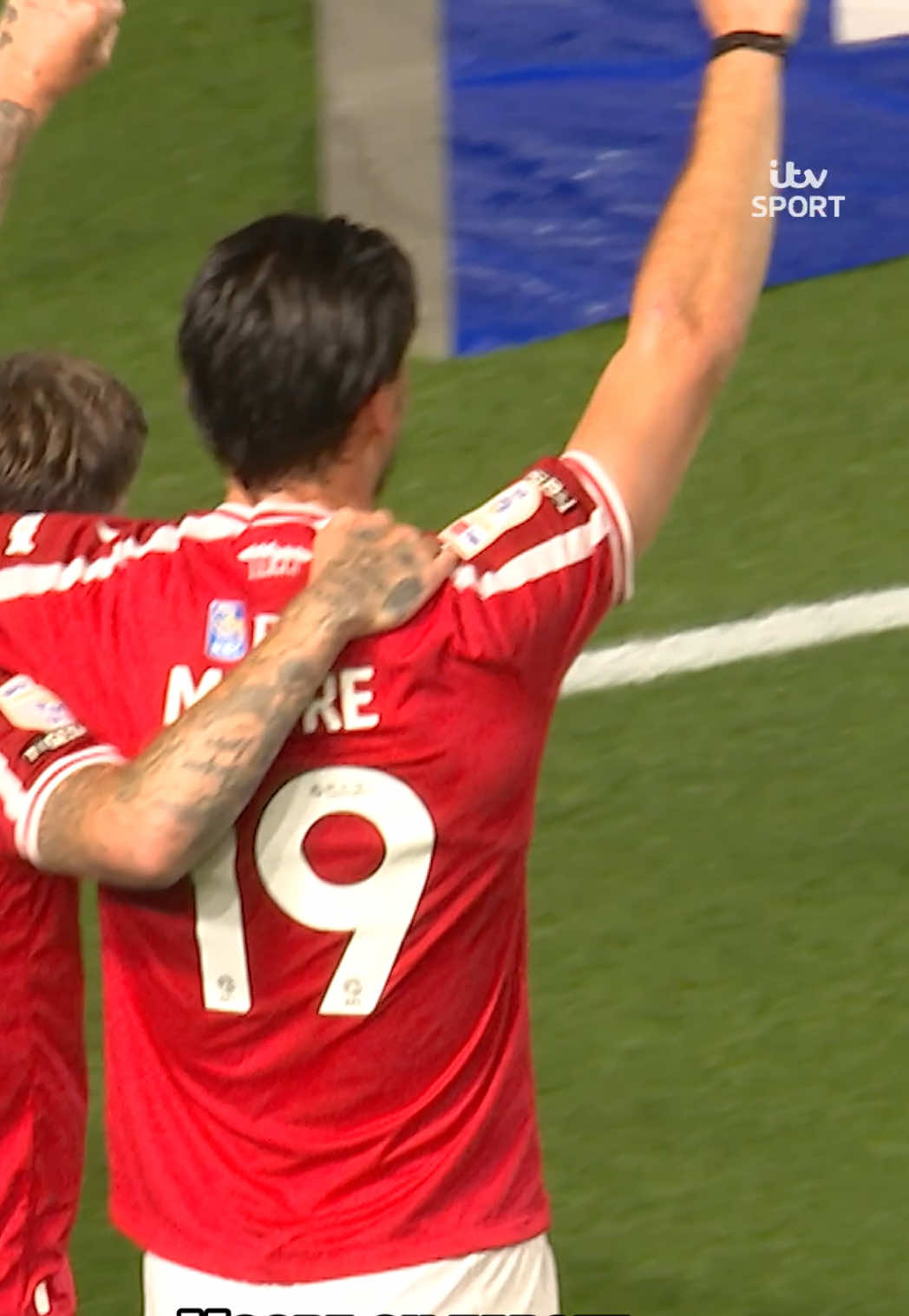
Lashed home by Kieffer Moore ☄️
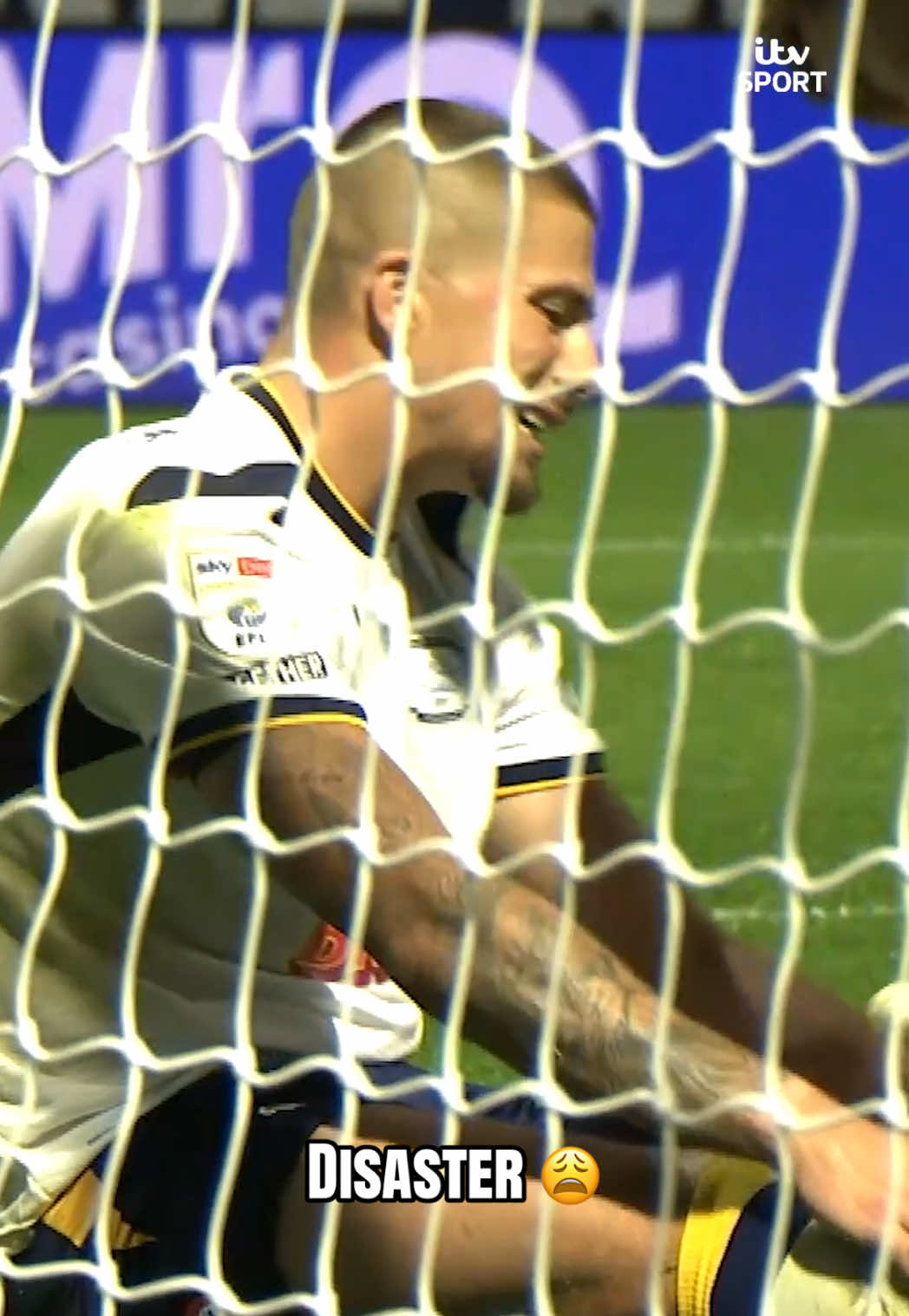
The saxophones are getting louder for Preston here…
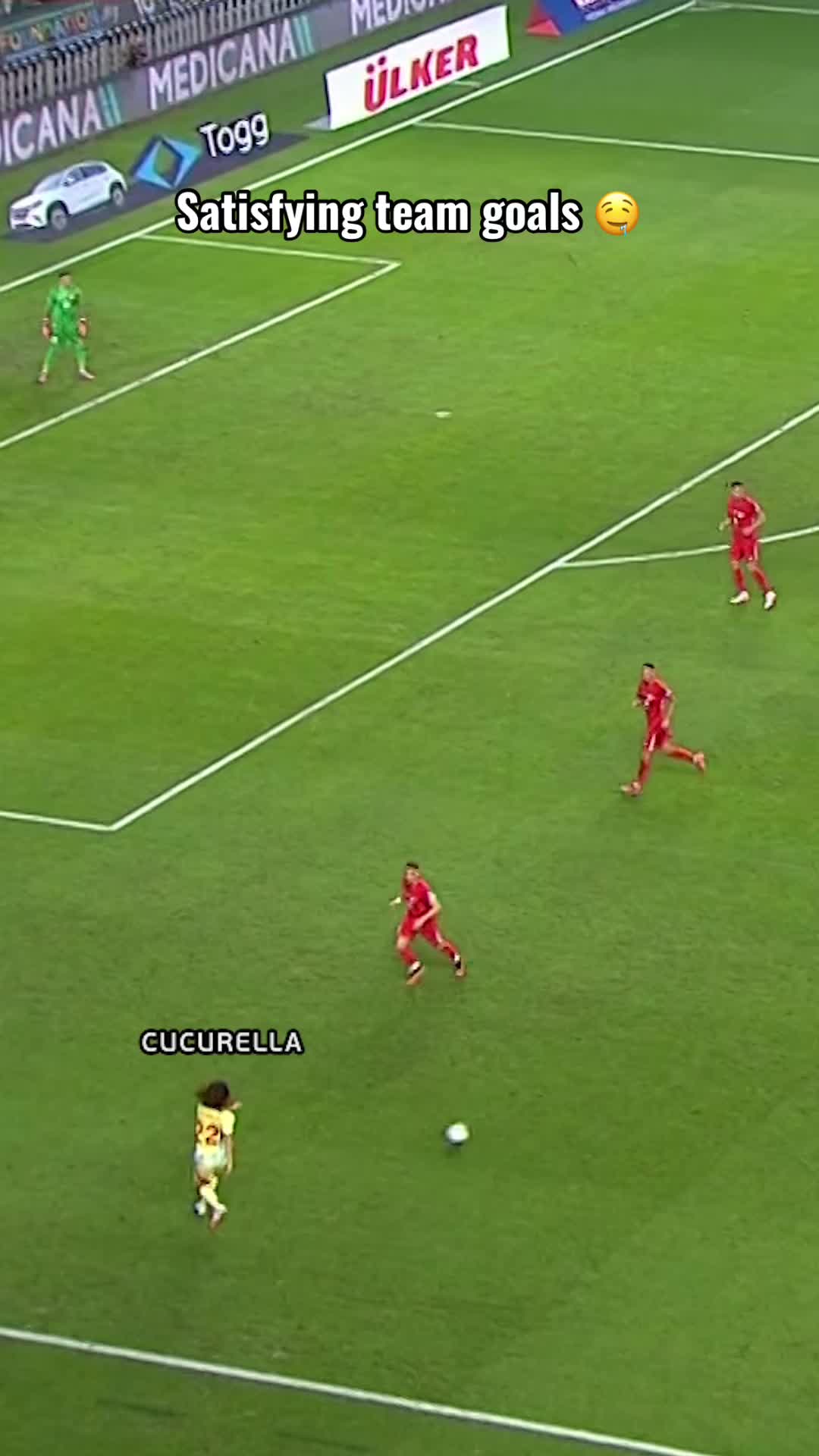
When football is simple but beautiful 😍
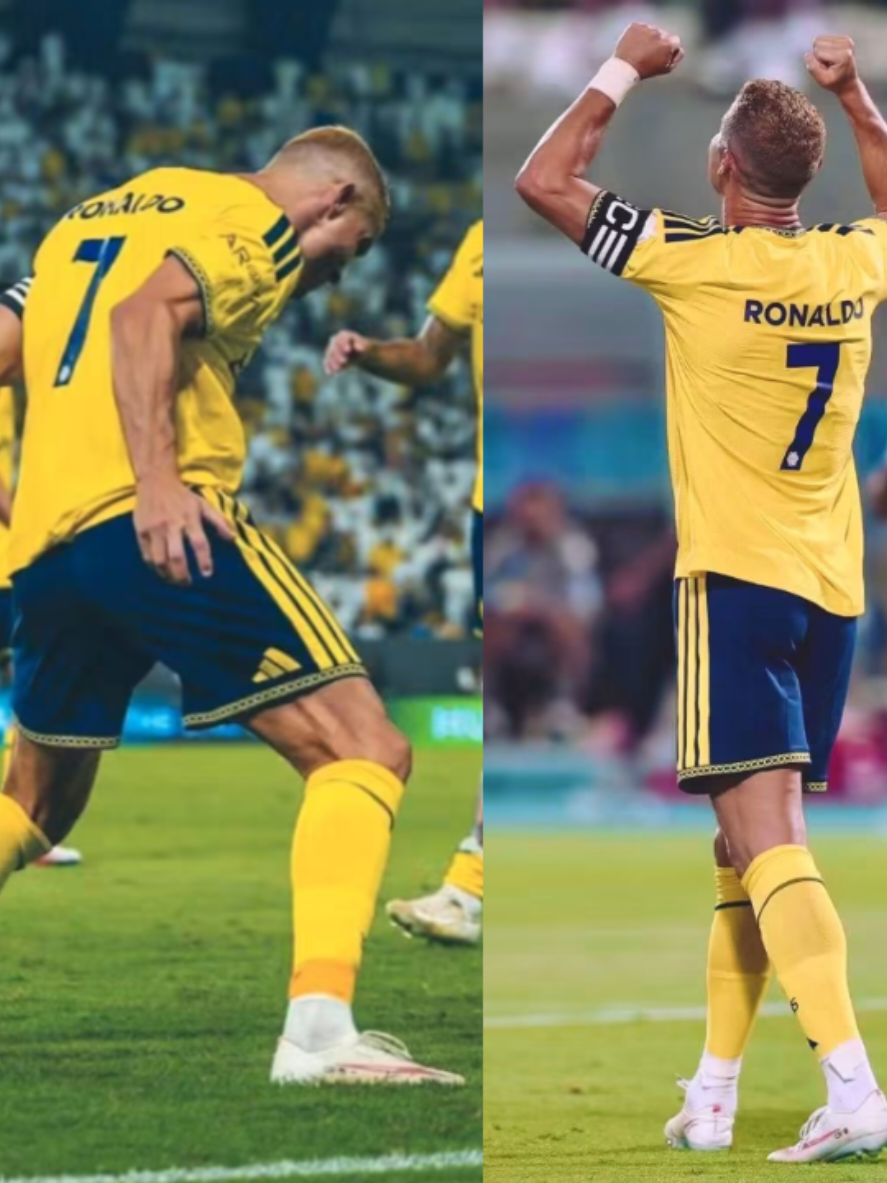
Cristiano Ronaldo is back on the quest for 1,000 goals, and these are his 977th and 978th goals.
 Links
Links
 Contact
 App
App


