



Five-star Brazil? Haaland: Hahahaha



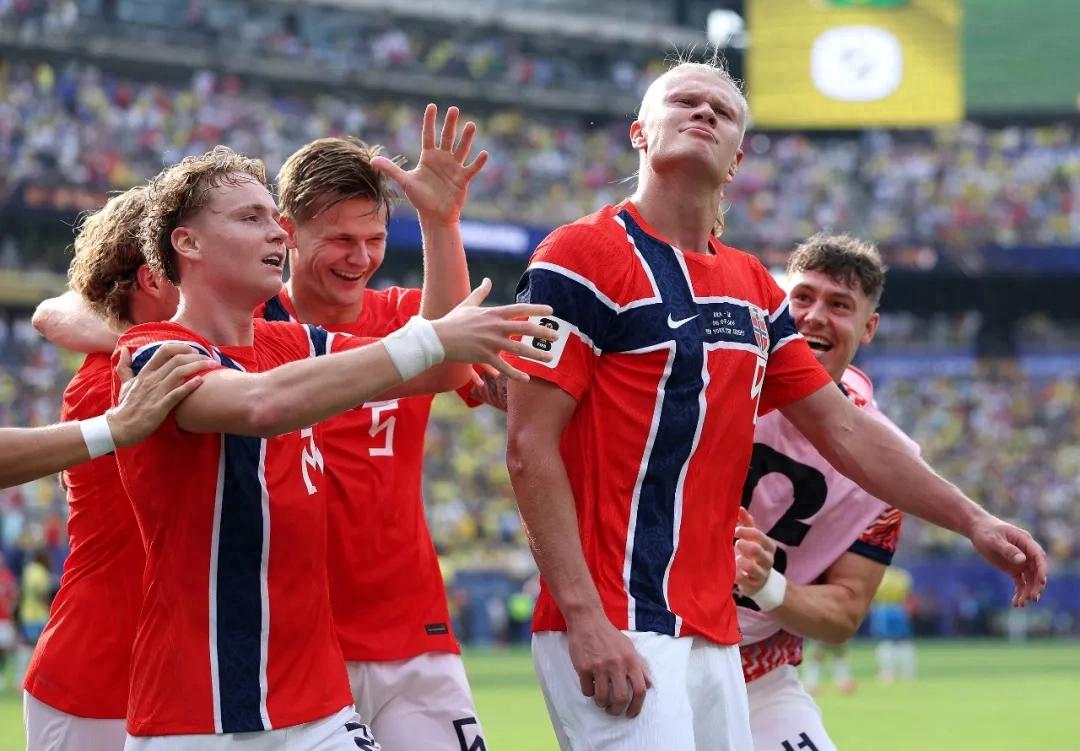
Written by Shen Mo 28 years ago at the Stade Vélodrome in Marseille, Brazil had already secured first place in their group after two straight wins. In their final group match, they were leading 1-0 but conceded two goals in stoppage time, losing 2-1 to Norway. This allowed Norway to surpass Morocco and reach the Round of 16 for the first time in their history, their best World Cup performance ever.
28 years later, at MetLife Stadium in New Jersey, Brazil and Norway faced off once again. The scoreline was the same—2-1—and Norway again won, achieving their best-ever World Cup result. But this time, instead of conserving energy for the next knockout match, the Brazilians were packing their bags to go home.
It is easy to imagine the criticism awaiting Vinícius Júnior and Neymar after Brazil’s worst World Cup performance in 36 years. Norwegian players, however, can hardly relate to that fear. They are stepping onto the World Cup stage for the first time in 28 years; when the 1998 World Cup ended, 70% of them had not even been born.
The spectacular “Viking rowing” celebration became Norway’s iconic moment of this World Cup, while the chant “We never go home” echoing in the locker room revealed their ambition. Relying on old history and new slogans alone would not be enough for Norway to eliminate five-star Brazil or challenge the Three Lions. But do not forget—leading this group of World Cup rookies is none other than Erling Haaland.

Although Norway have never lost to Brazil in four previous meetings (2 wins, 2 draws), even Haaland himself admitted before the match that “the chance of beating Brazil is very slim.” Norway’s coach, Ståle Solbakken, was a witness to the 1998 World Cup miracle—but only as a substitute on the bench. After leading his team to eliminate Côte d'Ivoire in the previous round, his comment, “Carlo Ancelotti, we are coming for you,” drew laughter in the locker room, but it was mostly meant to boost morale. In the actual preparation, he repeatedly emphasized Brazil’s overwhelming superiority, stating, “If we perform even slightly below our best, we have no chance.”
Having coached the team for five and a half years, Solbakken knows every player inside out. His relaxed-but-focused preparation strategy helped a Norway side with little pressure get off to a good start. In the third minute, Sørloth passed back from inside the box, and Bairi’s shot from close range was ruled offside, sparing Brazil an early scare.
But Brazil, with their superior quality, soon took control of the game. In the 10th minute, Cunha was tripped by Ajer inside the box, and VAR prompted the referee to award a penalty. However, Brazil wasted this golden opportunity. More surprisingly, the designated penalty taker was not the man who won the penalty, Cunha, nor the team’s star Vinícius Júnior, but João Gomes—who had only taken three penalties in his entire club career.
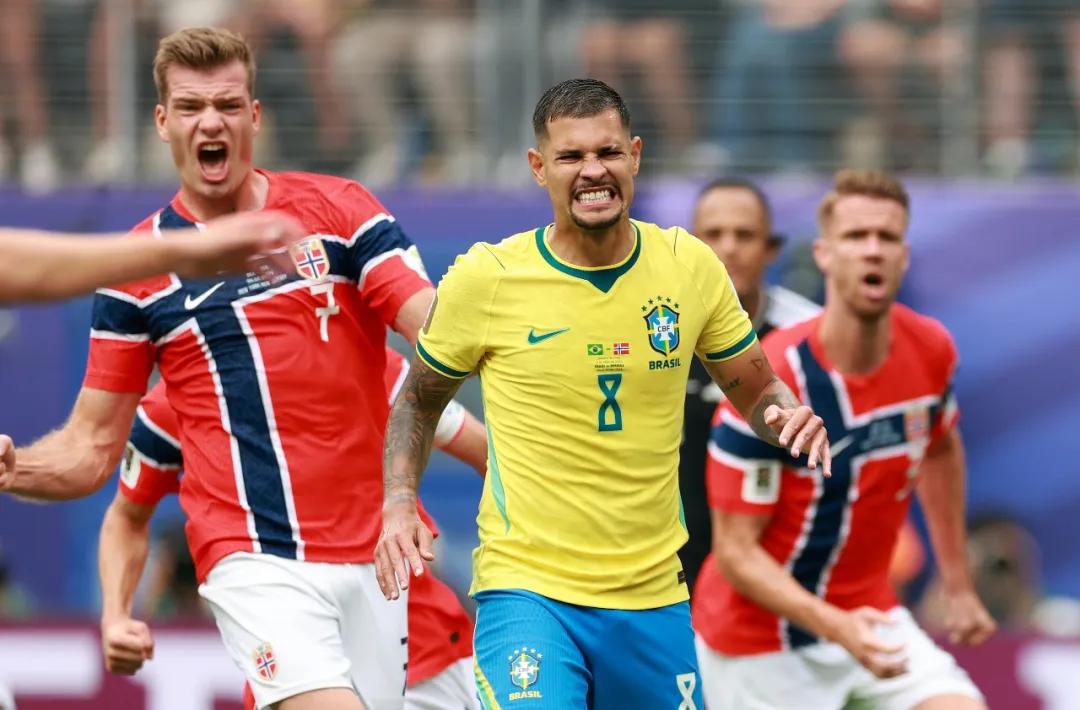
The Newcastle midfielder’s stuttered run-up failed to fool Norwegian goalkeeper Nyland, and his weak shot was easily saved. The choice of penalty taker became a major point of criticism in the Brazilian media, who questioned Carlo Ancelotti’s personnel decisions after the match.
After halftime, it was again the underdog Solbakken who made the first adjustments, bringing on Bobb and Schjelderup for Sørloth and Nusa, laying the foundation for a decisive late counterattack. Ancelotti, on the other hand, kept his lineup unchanged until the 58th minute, when he replaced first-half penalty-winner Cunha with Endrick. But the young substitute, apparently not fully prepared, missed a one-on-one chance just one minute later. Subsequent shots from Râyan and João Gomes were both denied by an inspired Nyland. Although Brazil dominated the first 70 minutes, their repeated missed chances soon came back to haunt them.
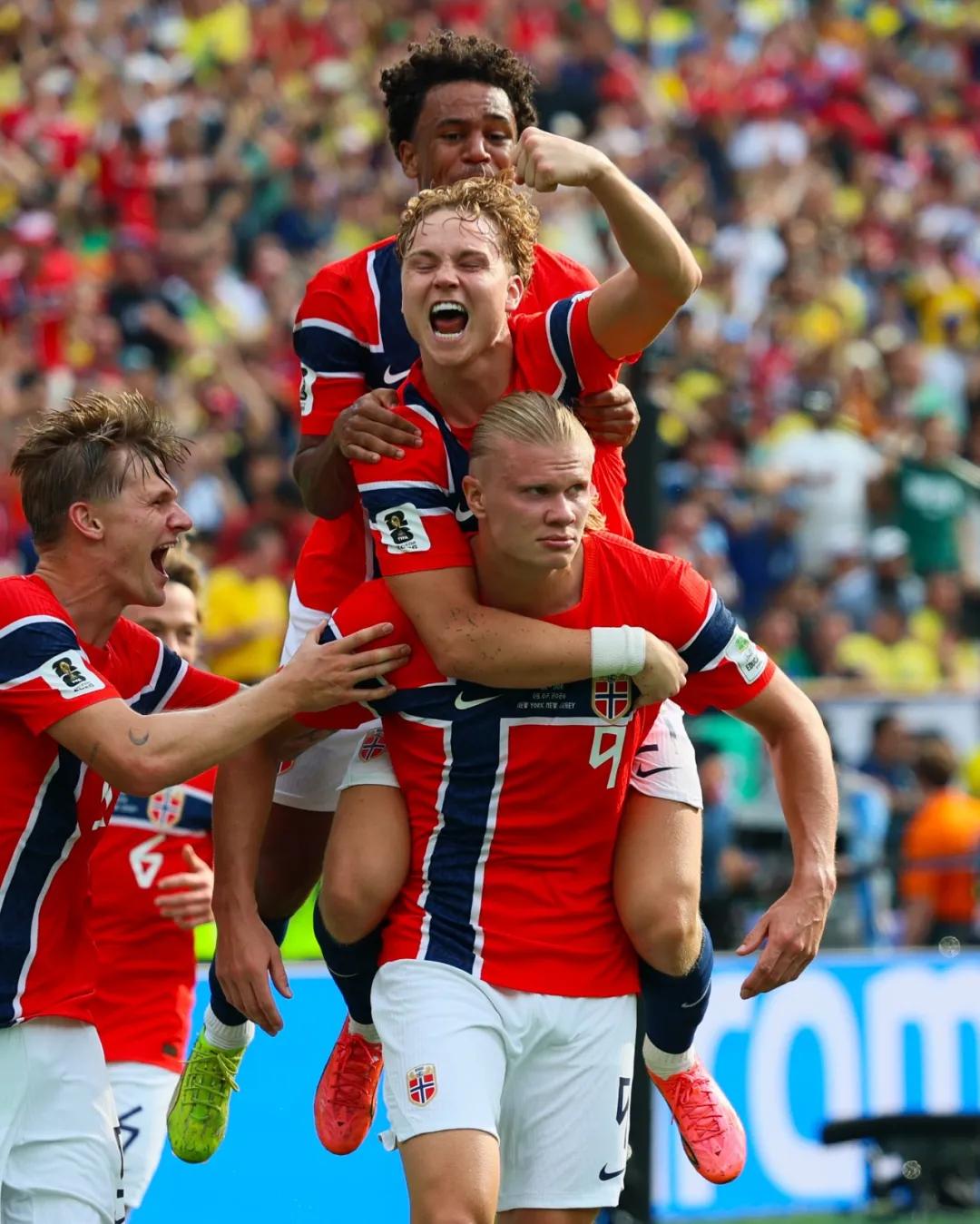
Less than a minute after Ancelotti made his third substitution—bringing on Édson Silva for João Gomes—Solbakken’s changes paid off. In the 79th minute, substitute Schjelderup delivered a key cross, and Haaland overpowered his old club rival Gabriel with a towering header to break the deadlock. In the 90th minute, Haaland struck a low shot from outside the box that beat Alisson again. Before the goal, he even casually controlled the ball and set himself up, while Danilo failed to close him down and Édson Silva watched from the side like a VIP spectator.
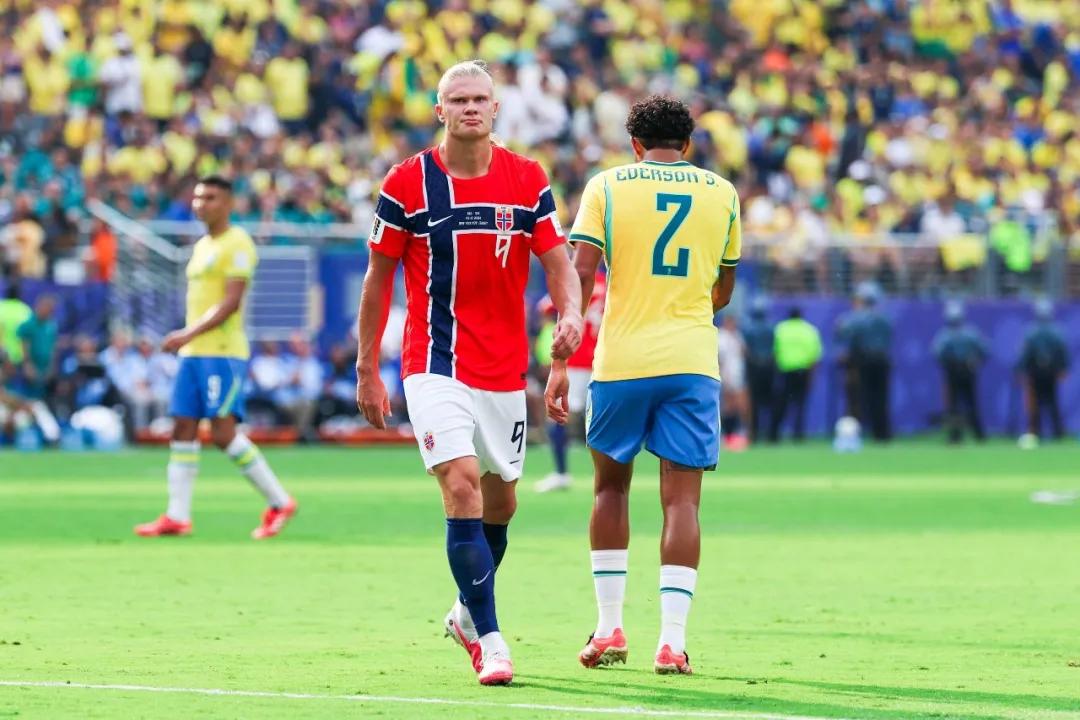

Against Brazil, Haaland had 4 shots, 3 on target, and scored 2 goals. In this World Cup, across 4 matches, he totaled 18 shots, 12 on target, and 7 goals—averaging a goal every 51.4 minutes. Among players with 15 or more shots in a single World Cup since 1966, this is the highest conversion rate, surpassing Gary Lineker’s 15 shots and 6 goals (40%) in the 1986 World Cup.
Although Brazil coach Carlo Ancelotti said he would not assign a specific man-marker to Haaland, the Norwegian striker still had the fewest touches (30) among Norway’s starters. But the Manchester City forward’s terror lies in his ability to maximize his attacking efficiency with limited touches. Just before halftime, he created two excellent shooting opportunities for teammates through individual brilliance, but Martin Ødegaard failed to convert. In the second half, Haaland took matters into his own hands, giving Brazil’s forwards a free lesson on “how to score goals.” After the match, Romário could only lament: “They have a finisher like Haaland, and we don’t.”

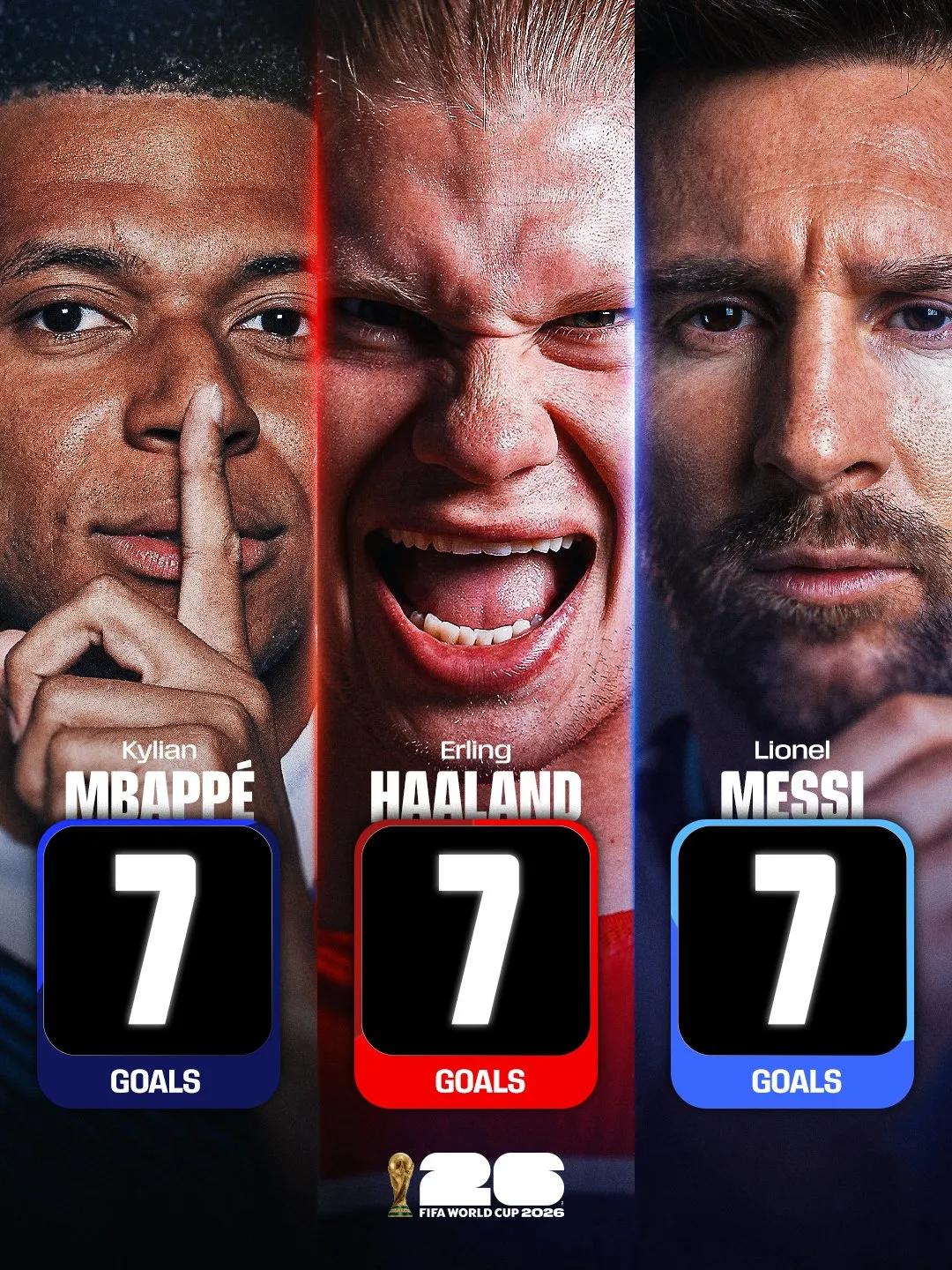
Haaland has scored 7 goals in his first World Cup, equaling Norway’s total goals from their three previous World Cup appearances combined. He becomes the 8th player in World Cup history to score at least 7 goals in his debut tournament, and the first since Poland’s Grzegorz Lato in 1974. Haaland’s 7 goals would have been enough to win the Golden Boot in 11 of the 13 World Cups since 1974—only one fewer than Ronaldo in 2002 and Mbappé in 2022. However, in this World Cup, Haaland is just tied for the lead; Messi and Mbappé also have 7 goals. Haaland has an edge in playing time (having been rested in the final group match), but Mbappé has 2 assists (the tiebreaker for the Golden Boot this year is assists first, then playing time).
Haaland has now scored 4 game-winning goals in this World Cup, becoming the 4th player to achieve 4+ match-winning goals in a single tournament, following Lato (5 in 1974), Schillaci (5 in 1990), and Gerd Müller (4 in 1970). Haaland’s scoring streak for Norway in official matches has extended to 14 games, during which he has recorded 27 goals and 4 assists, averaging 1.93 goals and 2.21 goal contributions per game—truly dominant at the international level. He is not only Norway’s all-time top scorer in World Cups but also in major tournaments (World Cup + European Championship). If he scores two more goals, he will surpass the combined total of all goals Norway has scored in their four previous major tournament appearances!

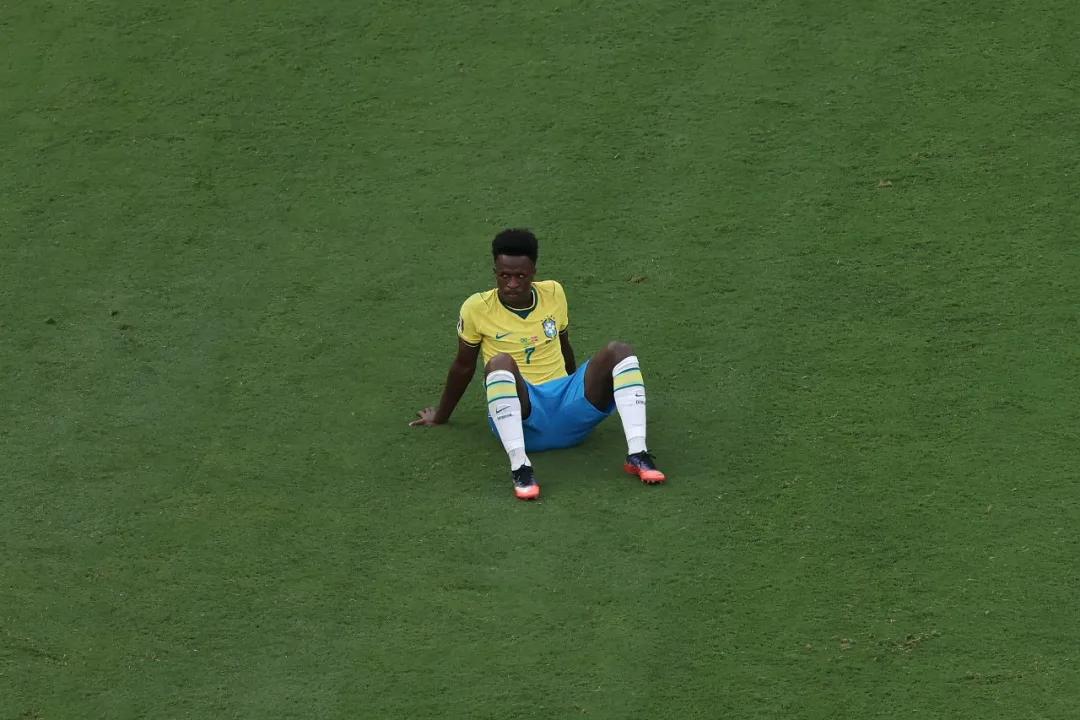
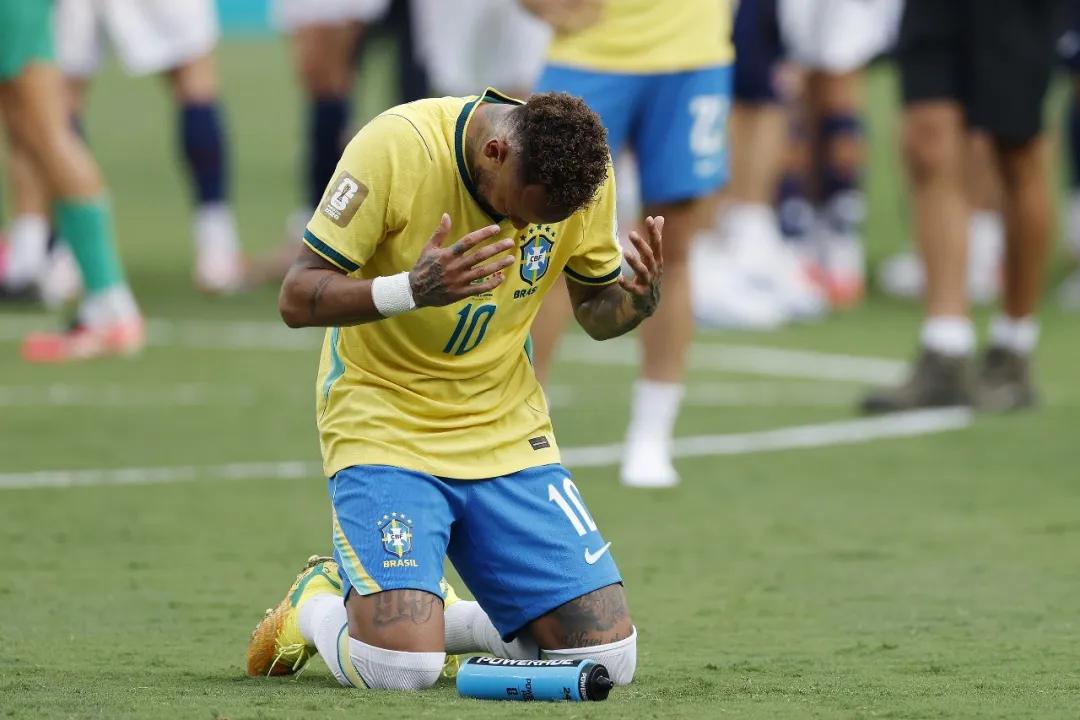
In the 8th minute of stoppage time, Østigård elbowed Casemiro in the box, and Neymar converted the penalty. After scoring, the veteran Brazilian forward exchanged words with Nyland—who had taunted him before the penalty—sparking controversy. Although the game was already lost, wasting precious time at the very end was baffling. Neymar became the second Brazilian player, after Thiago Silva, to participate in four World Cups without winning the title. When the final whistle blew, Vinícius Júnior collapsed to the ground and Neymar knelt in tears—but even that did not fully capture Brazil’s disappointment. This was the first time the Seleção had been eliminated in the Round of 16 since 1990, a 36-year low.
Although the Brazilian Football Confederation immediately voiced support for the newly-extended Carlo Ancelotti, the Italian coach could not escape blame for the team’s exit—just as he had been praised after the previous match against Japan. His failure to sufficiently neutralize Haaland after halftime allowed the opponent’s only real threat to run wild, ultimately leading to Brazil’s worst World Cup result since the group-stage exit in 1966 (tied for worst in 60 years). Brazilian media and fans lashed out at both Ancelotti and the players: not only did they waste chances and struggle to build effective attacks, but they also had only 34% possession, with all offensive stats falling behind Norway’s.
Former international Felipe Melo, who had already criticized Ancelotti after the draw with Morocco, once again slammed the coach’s starting lineup selections. He argued that Neymar should have started to orchestrate attacks and draw defenders, with Martinelli coming on in the second half to provide energy and pressing. However, given that Brazil had twice the expected goals of Norway in the first half and three times in the second half, yet still lost 2-1, Ancelotti clearly cannot shoulder all the blame alone.
In hindsight, Ancelotti’s biggest mistake may have been designating João Gomes as the penalty taker. After the match, he explained his reasoning: based on penalty conversion rates over the past year, Brazil’s top-ranked takers included Neymar, Igor Thiago, and Raphinha, but at that moment João Gomes had the highest penalty success rate among players on the pitch. However, the Newcastle midfielder had only taken three penalties in his entire career (scoring all three)—too small a sample to justify the decision. After the match, Norway coach Solbakken detailed his tactical plan: to exhaust Brazil physically and then attack in the second half. At least in terms of tactical preparation and in-game adjustments, Ancelotti was outclassed this time.
Despite hiring a European coach, Brazil still cannot escape the curse of being eliminated by European teams in the knockout stages of the World Cup since the 2002 final (a 2-0 win over Germany). In the subsequent six World Cups, Brazil have lost to France, Netherlands, Germany, Belgium, Croatia, and Norway. ESPN Brazil lamented: “The current Brazil team is only at a world second-tier level; winning the title is just an unrealistic dream.”


Wonderfulshortvideo
aguero drug trafficking case football news today


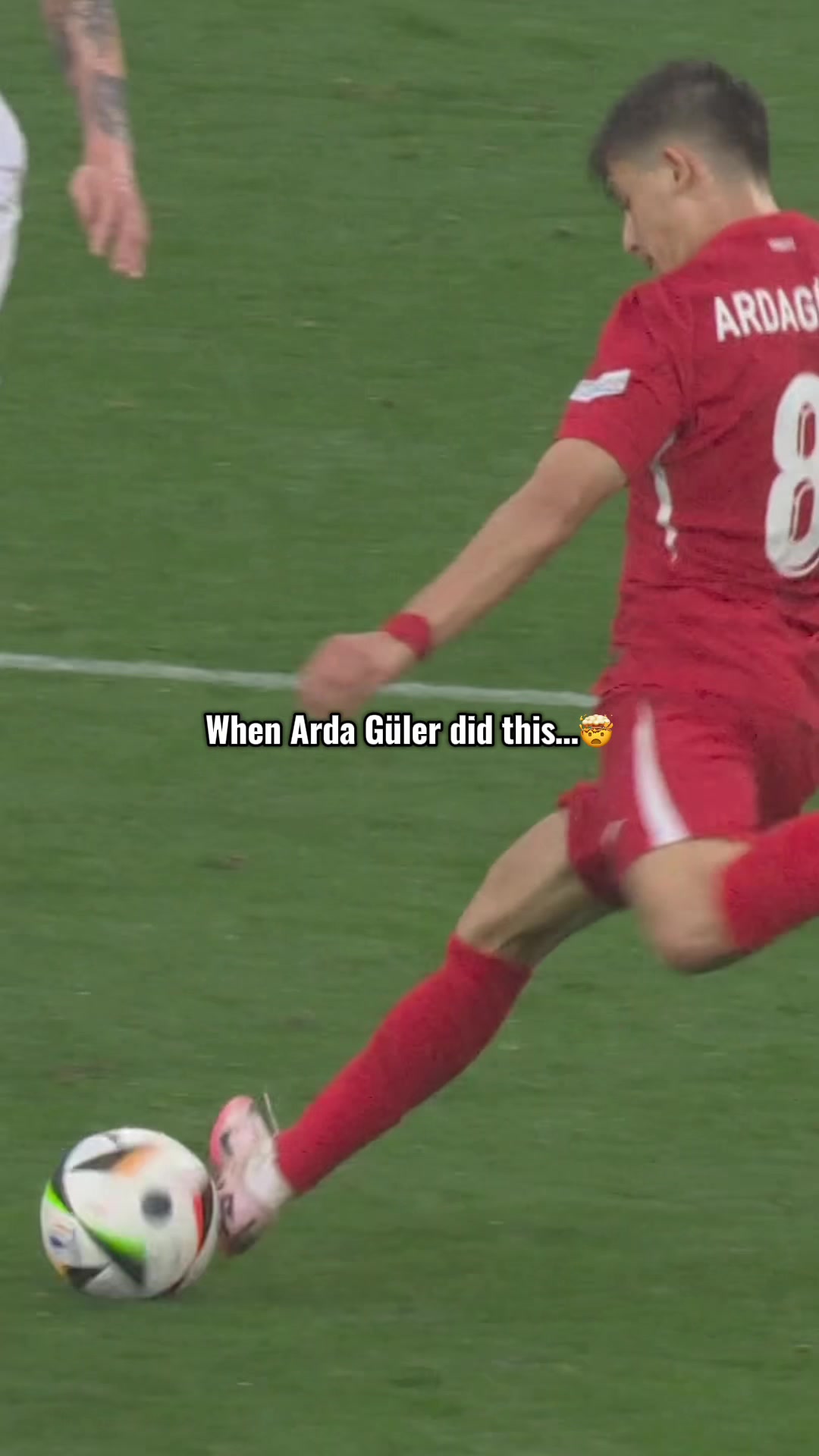
This Arda Güler goal on repeat 🔁
BARCELONA REVENUE barcelona news today
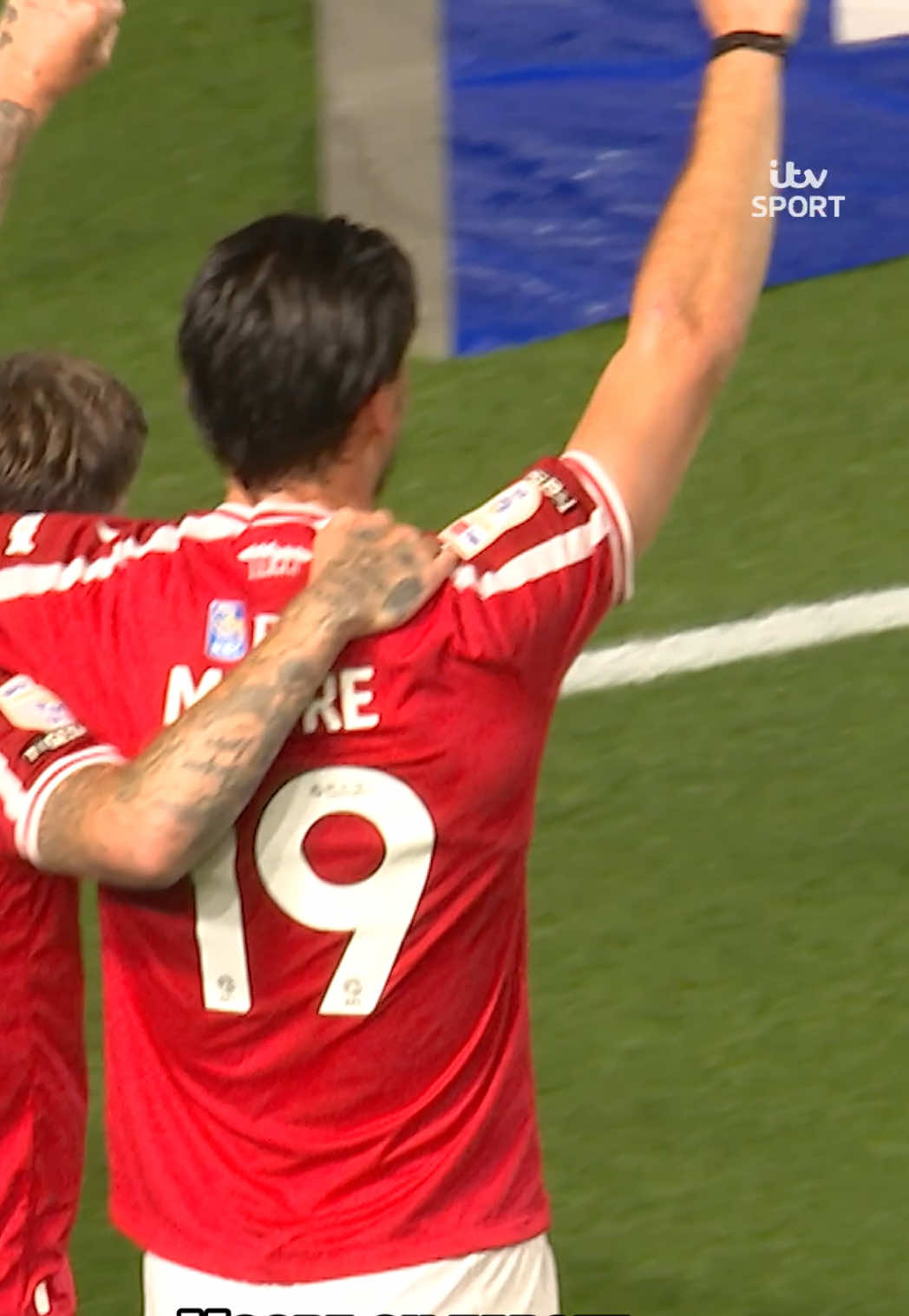
Lashed home by Kieffer Moore ☄️
The saxophones are getting louder for Preston here…
When football is simple but beautiful 😍
Cristiano Ronaldo is back on the quest for 1,000 goals, and these are his 977th and 978th goals.
 Links
Links
 Contact
 App
App


