



From the World Cup, we can see a global wave of naturalization and integration. Where is Chinese football heading?



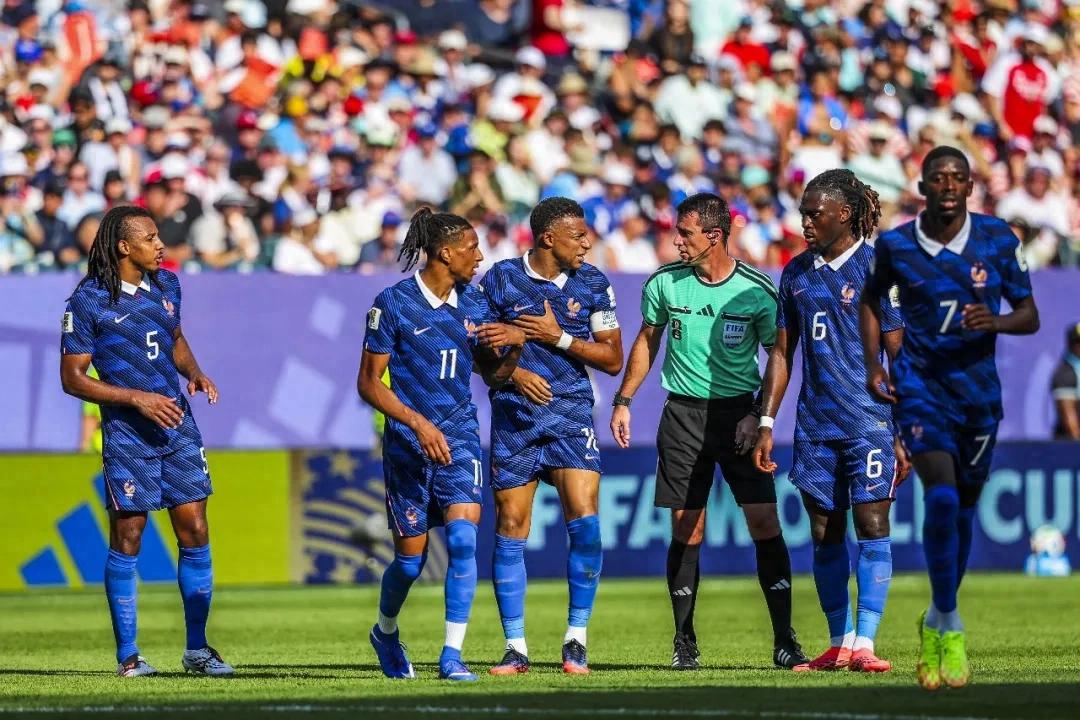
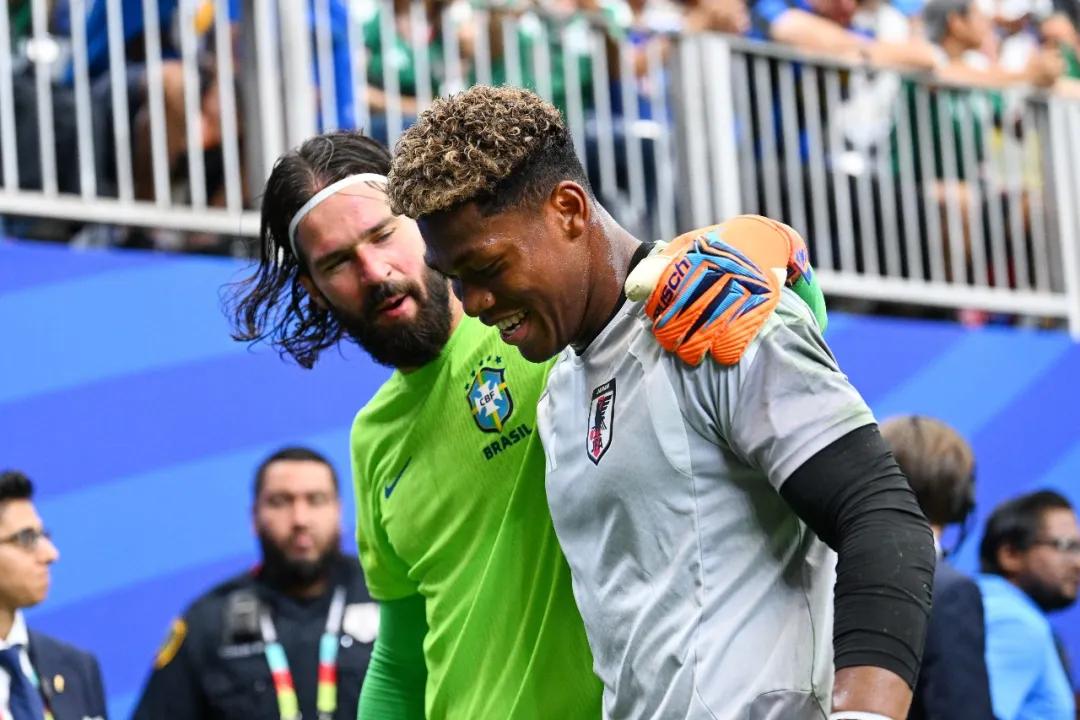
Reporter Chen Yong reports. At the 2026 World Cup, naturalization again became a central theme. Some nations have significantly boosted their football levels through sensible naturalization, posing a major challenge to traditional football powerhouses. More notably, even football-developed countries that do not rely on naturalization follow a path of comprehensive integration. For example, defending champion France now has only one-quarter of white players. Japan, a top Asian team, has a mixed-race goalkeeper, Zion Suzuki, and another mixed-race player, Wang Yuehaihui, represented Japan in the 18-team qualification round. Moreover, the proportion of mixed-race players in Japan's various youth national teams is increasing.
For Chinese football to achieve fundamental revitalization and development, it cannot simply follow the path of some countries that rely entirely on naturalization. The fundamental approach is to build a sound football development system, persistently improve youth football levels, and gradually elevate the league level to boost the national team. At the same time, it is still necessary to adopt appropriate naturalization policies and actively explore integration. Another crucial point is to align with world football through overseas training and competition scheduling, keeping up with mainstream technical and tactical trends, thereby better preparing for Asian and global competitions. This is also an effective method.

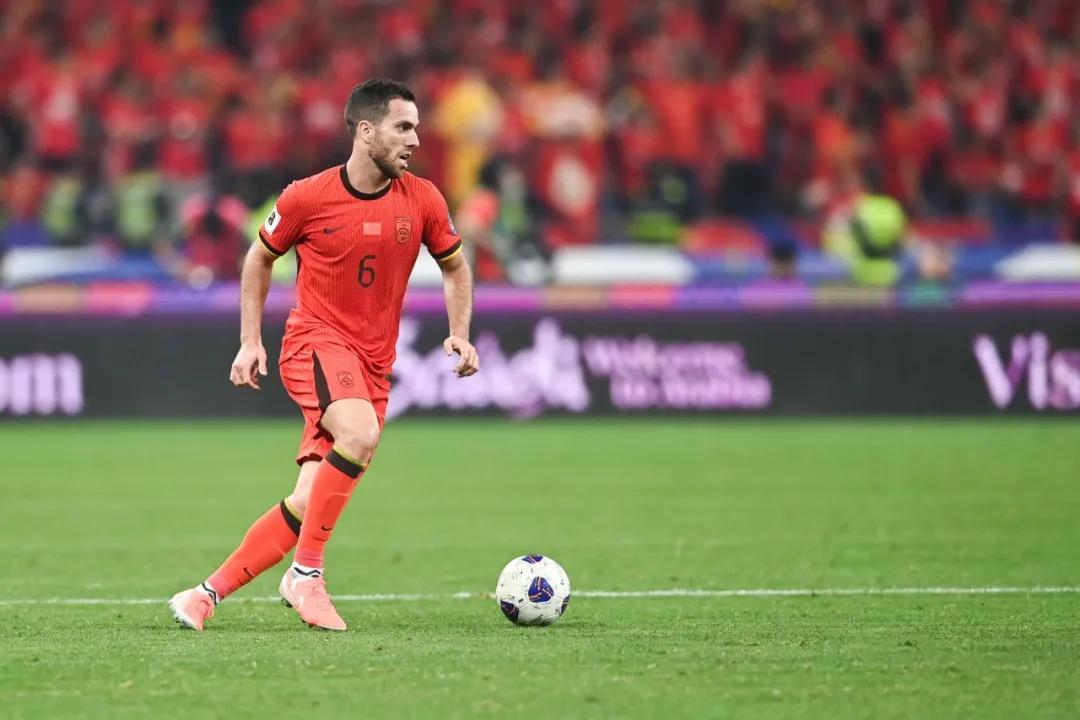
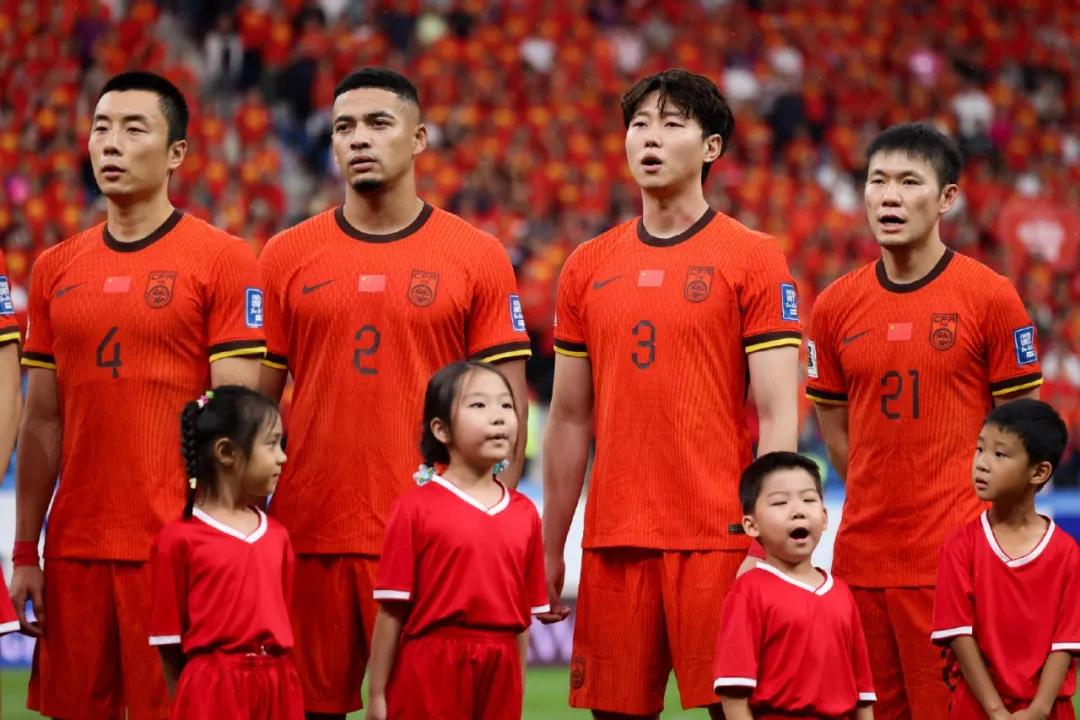
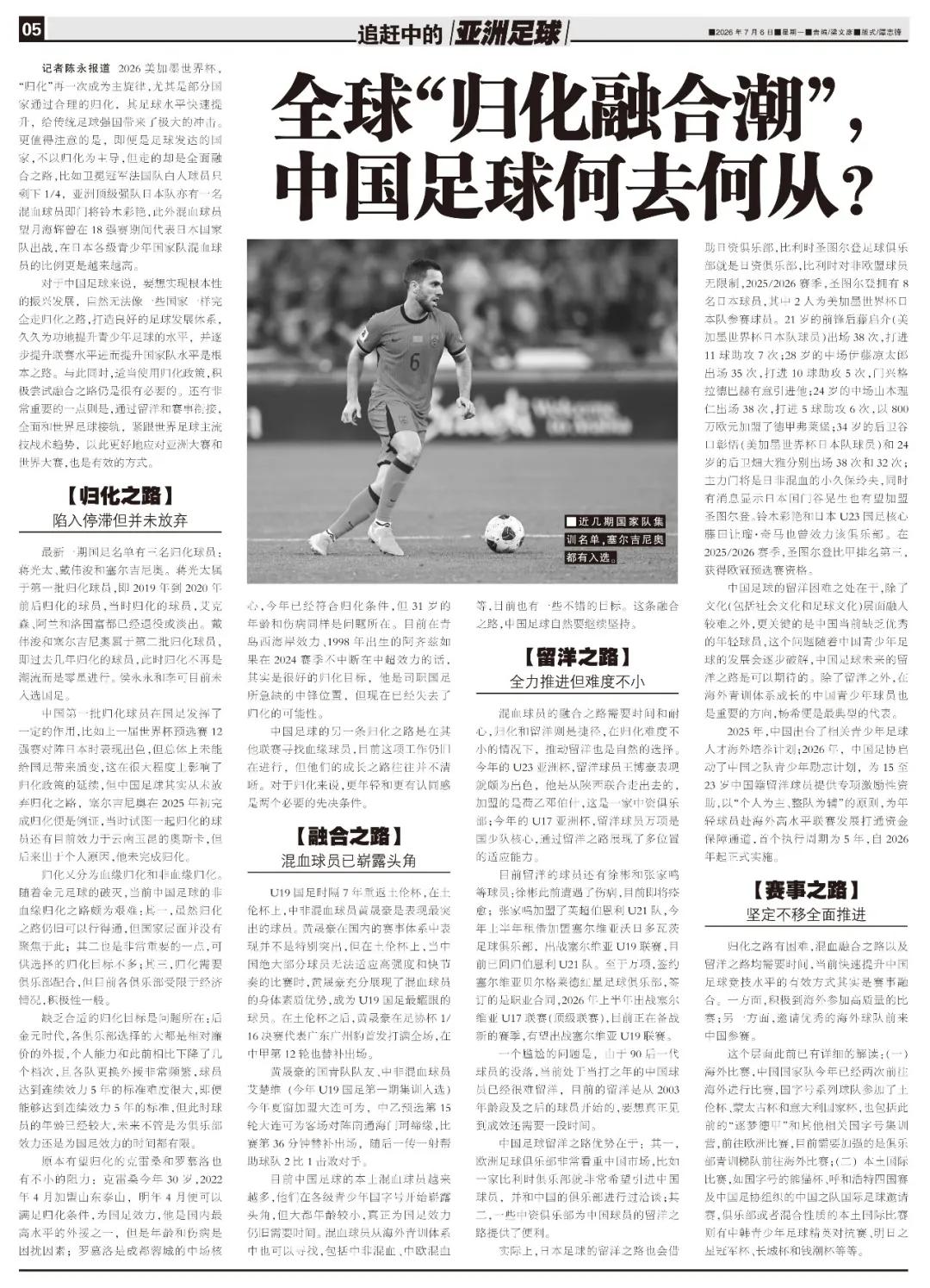
The latest national team roster includes two naturalized players: Jiang Guangtai and Serginho, as well as a player who changed his association, Dai Weijun. Jiang Guangtai belongs to the first batch of naturalized players, who were naturalized around 2019-2020. Among those naturalized at that time, Elkeson, Alan, and Luo Guofu have either retired or faded out. Serginho belongs to the second batch, naturalized in the past few years, when naturalization was no longer a trend but occurred sporadically. Hou Yongyong and Li Ke are currently not selected for the national team.
The first batch of naturalized players played a certain role for the national team, for instance, performing well against Japan in the previous World Cup qualifiers (the 12-team round). However, overall, they did not bring a qualitative change to the team, which greatly affected the continuation of the naturalization policy. But Chinese football has never abandoned the naturalization path. The fact that Serginho completed his naturalization in early 2025 is a testament to this. At that time, another player, Oscar, currently playing for Yunnan Yukun, was also attempted to be naturalized, but later, due to personal reasons, he did not complete the process.
Naturalization is divided into bloodline naturalization (ancestry-based) and non-bloodline naturalization. With the collapse of the gold-rush football era, the path of non-bloodline naturalization in Chinese football has become quite difficult. First, although the naturalization route is still feasible, the national level has not focused on it. Second, and very importantly, there are not many suitable naturalization targets available. Third, naturalization requires cooperation from clubs, but currently, due to financial constraints, clubs are generally not enthusiastic.
The lack of suitable naturalization targets is the core issue. In the post-gold-rush era, clubs mostly choose relatively cheap foreign players, whose individual abilities have dropped several levels compared to before. Moreover, teams change foreign players very frequently, making it difficult for players to meet the five-year continuous service requirement. Even if they do meet the five-year standard, they are often older, and their future contributions, whether for clubs or the national team, are limited.
There are also considerable obstacles for Ke Leisang and Romulo, who were originally expected to be naturalized. Ke Leisang is 30 years old. He joined Shandong Taishan in April 2022, and will meet the naturalization conditions next April, making him eligible for the national team. He is one of the highest-level foreign players in China, but age and injuries are concerns. Romulo, the midfield core of Chengdu Rongcheng, has already met the naturalization conditions this year, but at 31, age and injuries remain issues. Another player, Aziz (born 1998), currently playing for Qingdao West Coast, would have been a good naturalization target if he had not interrupted his CSL tenure in the 2024 season. He plays as a center forward, a position the national team urgently needs. However, he has now lost the possibility of naturalization.
Another path for Chinese football's naturalization is to search for bloodline players in other leagues. This work is still ongoing, but their development paths are often unclear. For naturalization, being younger and having a stronger sense of identity are two necessary prerequisites.

The U19 national team returned to the Toulon Tournament after a seven-year absence. At the tournament, Chinese-African mixed-race player Huang Shenghao was the most outstanding performer. Huang's performance in domestic competitions had not been particularly remarkable, but at the Toulon Tournament, when most Chinese players struggled to adapt to the high intensity and fast pace, Huang fully demonstrated the physical advantages of mixed-race players, becoming the brightest star of the U19 national team. After the Toulon Tournament, Huang started and played the full 90 minutes in the FA Cup Round of 32 for Guangdong Guangzhou Bao, and also came off the bench in the 12th round of the China League One.
Huang Shenghao's teammate in the U19 national team, another Chinese-African mixed-race player Ai Chuwei (selected in the first training camp of this year's U19 national team), joined Dalian Kewei in this summer's transfer window. In the 15th round of the China League Two preliminary stage, Dalian Kewei played away against Nantong Haimen Kediyuan. Ai came off the bench in the 36th minute and subsequently provided one assist and scored one goal, helping his team win 2-1.
Currently, there are more and more domestic mixed-race players in Chinese football. They are beginning to emerge in various youth national teams, but most are still young, and it will take time before they can truly play for the senior national team. Mixed-race players can also be found in overseas youth training systems, including Chinese-African and Chinese-European mixed-race players, and there are currently some promising targets. This path of integration naturally should be continued by Chinese football.
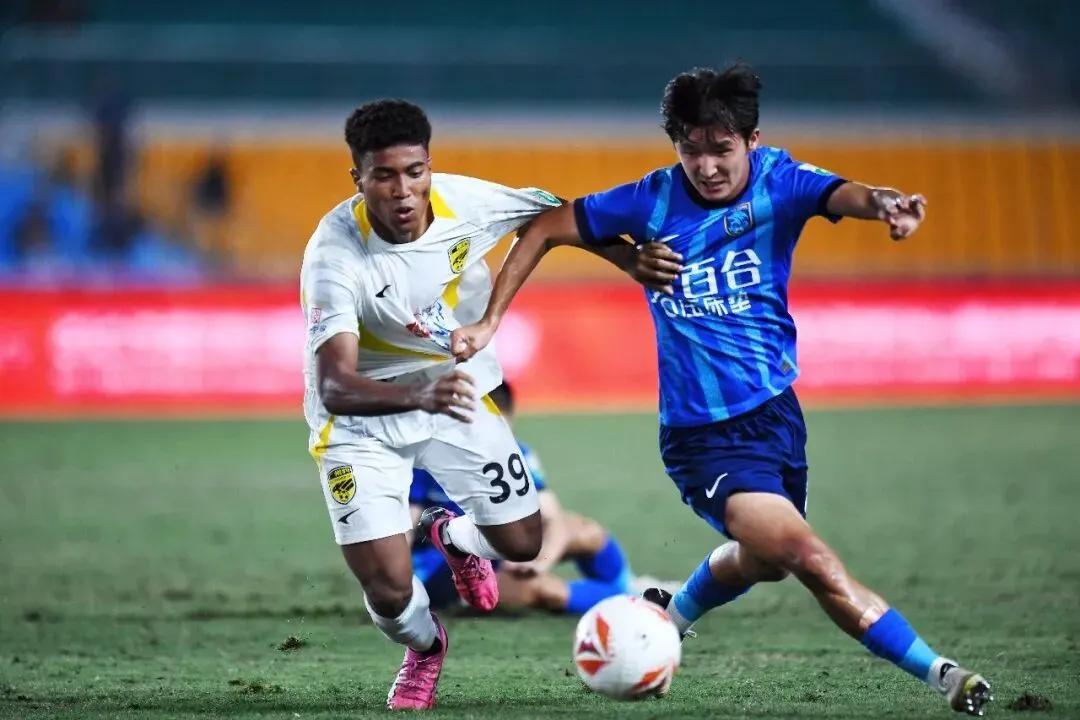

The integration path for mixed-race players requires time and patience. Naturalization and overseas training are shortcuts. Given the difficulties of naturalization, promoting overseas training is a natural choice. At this year's U23 Asian Cup, overseas-trained player Wang Bohao performed quite well. He started from Shaanxi United and joined FC Den Bosch in the Dutch Eerste Divisie, a Chinese-owned club. At this year's U17 Asian Cup, overseas-trained player Wan Xiang was the core of the U17 national team, demonstrating versatility in multiple positions through his overseas experience.
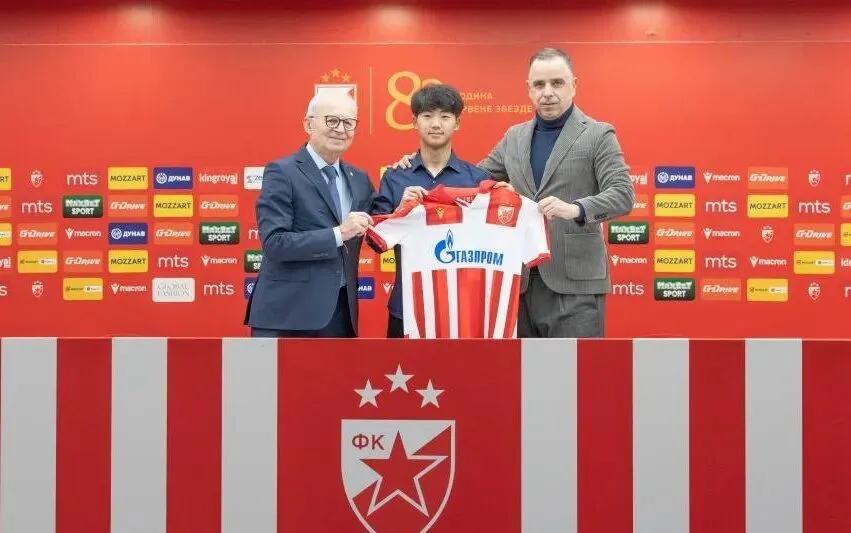
Other overseas-trained players include Xu Bin and Zhang Jiaming. Xu Bin previously suffered an injury and is now close to recovery. Zhang Jiaming joined Burnley's U21 team in the English Premier League. In the first half of this year, he was loaned to FK Voždovac in Serbia, playing in the Serbian U19 league, and has now returned to Burnley's U21 team. As for Wan Xiang, he signed a professional contract with Red Star Belgrade in Serbia. In the first half of 2026, he played in the Serbian U17 league (top division), and he is currently preparing for the new season, with expectations to play in the Serbian U19 league.
An awkward problem is that due to the decline of the post-90s generation of players, Chinese players in their prime years now find it difficult to go abroad. The current wave of overseas training started with players born in 2003 and later. It will take some time before real results can be seen.
The advantages of Chinese football's overseas training path are: first, European football clubs highly value the Chinese market. For example, a Belgian club is very eager to sign Chinese players and has held discussions with Chinese clubs. Second, some Chinese-owned clubs provide convenience for Chinese players to train abroad.
In fact, Japanese football's overseas training path also leverages Japanese-owned clubs. Belgian club Sint-Truiden is a Japanese-owned club. Belgium has no restrictions on non-EU players. In the 2025/2026 season, Sint-Truiden had eight Japanese players, two of whom were participants in the Japan squad for the 2026 World Cup. The 21-year-old forward Keisuke Goto (a World Cup player) made 38 appearances, scoring 11 goals and providing 7 assists. The 28-year-old midfielder Ryotaro Ito made 35 appearances, scoring 10 goals and providing 5 assists, with Borussia Mönchengladbach interested in signing him. The 24-year-old midfielder Rihito Yamamoto made 38 appearances, scoring 5 goals and providing 6 assists, and joined Bundesliga side Freiburg for €8 million. The 34-year-old defender Shogo Taniguchi (a World Cup player) and 24-year-old defender Daiki Hata made 38 and 32 appearances respectively. The starting goalkeeper was Japanese-African mixed-race Reo Kokubo, and there are reports that Japanese national team goalkeeper Kosei Tani may also join Sint-Truiden. Zion Suzuki and Japan U23 national team core Joel Chima Fujita also previously played for the club. In the 2025/2026 season, Sint-Truiden finished third in the Belgian Pro League, earning a spot in the Champions League qualifiers.
The difficulties of Chinese football's overseas training lie in the challenges of cultural integration (including social and football culture), and more critically, the current lack of outstanding young players in China. This problem will gradually be resolved with the development of Chinese youth football, making the future of Chinese football's overseas training path promising. In addition to overseas training, Chinese youth players growing up in overseas youth training systems are also an important direction. Yang Xi is the most typical representative.
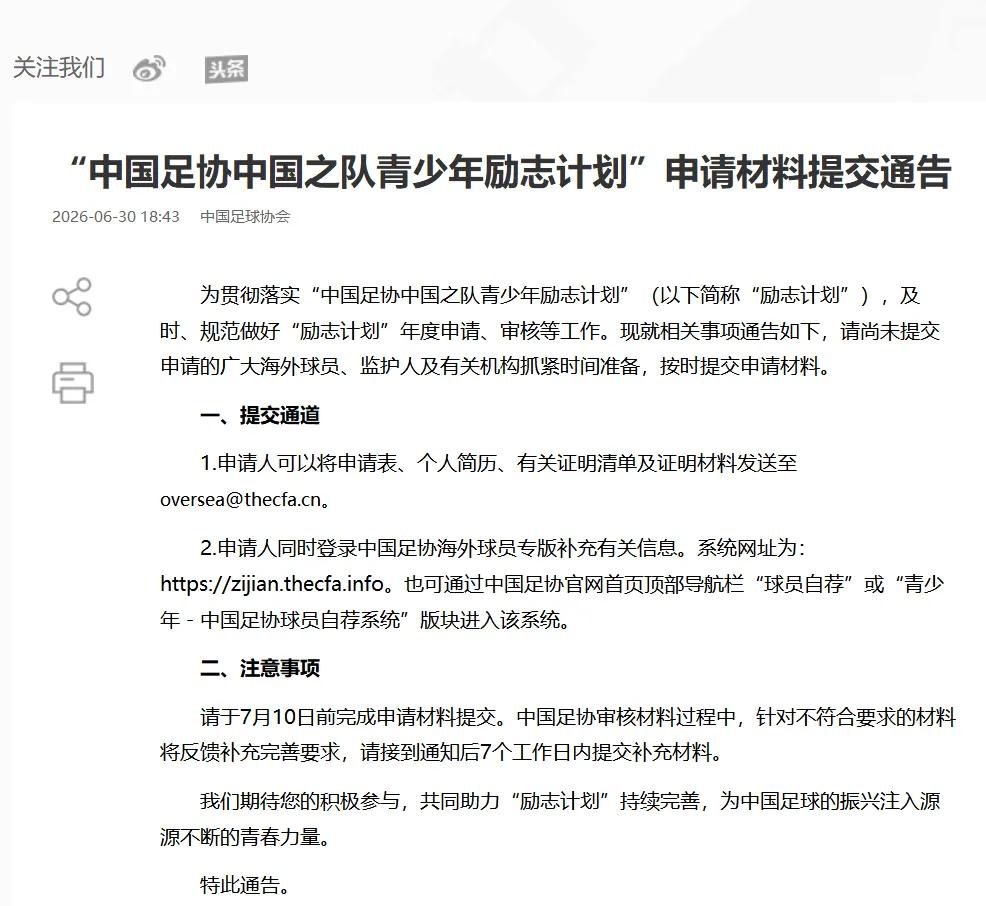
In 2025, China introduced a relevant overseas training plan for youth football talents. In 2026, the Chinese Football Association launched the "China Team Youth Inspirational Plan," providing special incentive funding for Chinese overseas-trained players aged 15 to 23. Following the principle of "individuals first, teams as supplementary," it establishes a financial guarantee channel for young players to develop in high-level overseas leagues. The first implementation cycle is five years, officially starting in 2026.

The naturalization path has difficulties, and both the mixed-race integration path and the overseas training path require time. Currently, an effective way to quickly improve the competitive level of Chinese football is actually tournament integration. On one hand, actively participate in high-quality overseas competitions; on the other hand, invite excellent overseas teams to come to China for matches.
This aspect has been explained in detail previously: (1) Overseas competitions: The Chinese national team has already traveled abroad twice this year for matches. The various national age-group teams participated in the Toulon Tournament, the Montaigu Tournament, and the Italian National Cup, as well as earlier events like "Chasing the Bundesliga Dream" and other related national team training camps. Going to Europe for matches, the current need is to strengthen the overseas trips of club youth teams. (2) Domestic international matches: For example, the national team's Panda Cup, the Hohhot Four-Nation Tournament, and the China Team International Football Invitational organized by the Chinese Football Association. Club or mixed domestic international matches include the China-Korea Youth Football Elite Challenge, the Future Star Champions Cup, the Great Wall Cup, and the Qianchao Cup, among others.


Wonderfulshortvideo
aguero drug trafficking case football news today


This Arda Güler goal on repeat 🔁
BARCELONA REVENUE barcelona news today

Lashed home by Kieffer Moore ☄️
The saxophones are getting louder for Preston here…
When football is simple but beautiful 😍
Cristiano Ronaldo is back on the quest for 1,000 goals, and these are his 977th and 978th goals.
 Links
Links
 Contact
 App
App


