



Insights from African football? Naturalization and European migration will lead to an even bigger wave.



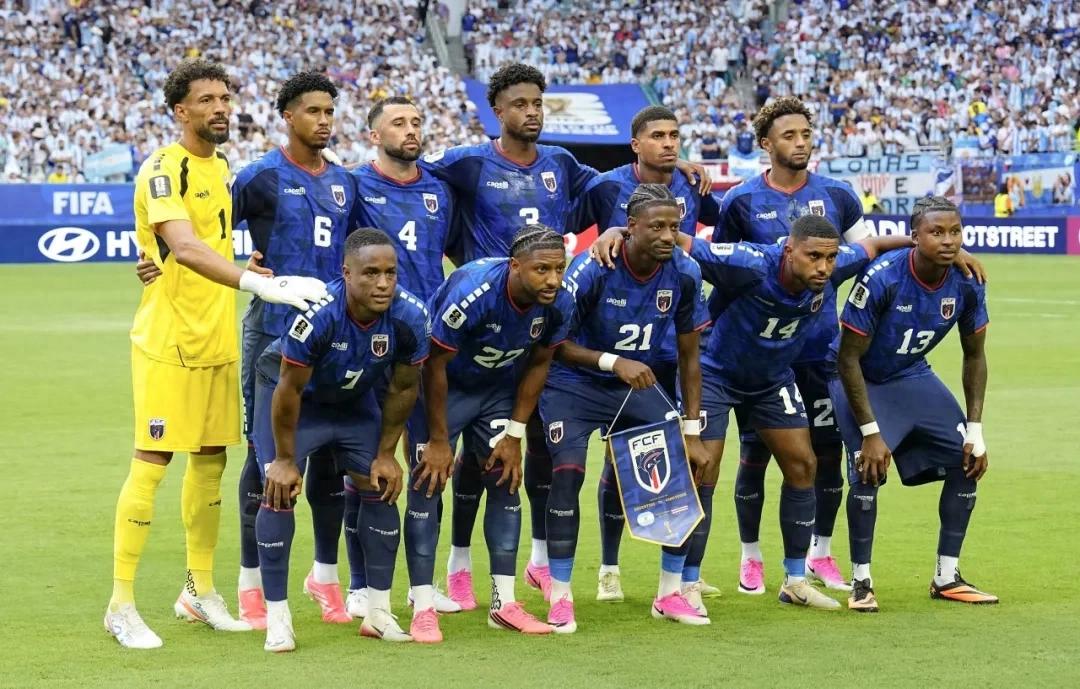
Written by Han Bing The World Cup has entered the Round of 16, but the performances of Asian and African football, the biggest beneficiaries of the World Cup expansion, could not be more different—7 out of 9 Asian teams were eliminated in the group stage, with the remaining 2 also failing to reach the Round of 16; 9 out of 10 African teams advanced to the 32-team stage, with a progression rate exceeding even the traditionally strong South America and Europe. In the Round of 16, 2 African teams successfully reached the Round of 16, while those that failed to break through—Cape Verde, Senegal, South Africa, Ivory Coast, and DR Congo—were all narrowly defeated in the final moments, with commendable performances.
Asian football faces its biggest crisis in 12 years after the expanded World Cup. Apart from the randomness of injuries and off-field factors, the key issue is that Asian teams are lagging behind in the global trend of dual-track development in "naturalization and European migration." Asia is also pursuing naturalization, but the quantity and quality fall short of African football. Even Japan, which leads Asia by a wide margin in the number of overseas players, cannot compete with strong African teams in terms of the quality of its European-based players.
After this World Cup, teams that have tasted success will inevitably launch larger and more aggressive waves of naturalization and European migration. Asian football has already fallen behind, and Chinese football must quickly catch up with this trend, or it risks being left even further behind.
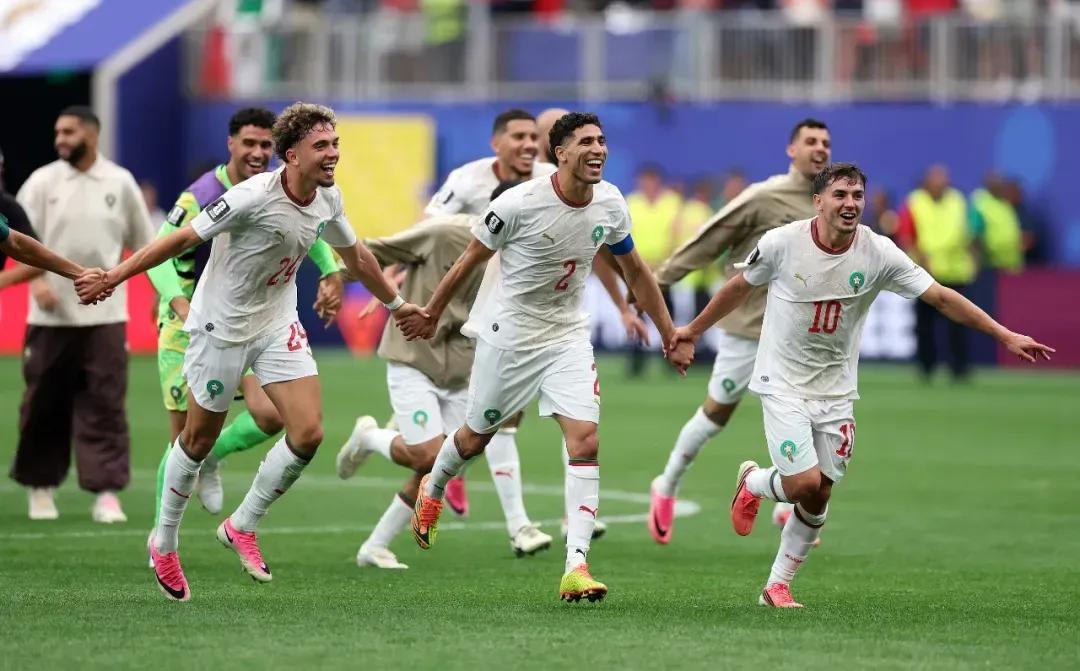

At the 2026 World Cup, Asian football has failed to reach the Round of 16 for the first time in 12 years, while African football has set a record for the highest number and proportion of teams advancing from the group stage in World Cup history. The gap lies in the quantity and quality of naturalized and European-based players.
First, in terms of quantity, counting narrow-sense naturalized players (those born outside the national team's country), 6 of the 10 African teams had more than 10 naturalized players: DR Congo (20), Morocco (19), Algeria (16), Tunisia (15), Cape Verde (14), and Senegal (12). Additionally, Ivory Coast (9) and Ghana (8) brought the total number of naturalized players across the 10 African teams to 113.
What about the naturalization status of the 9 Asian teams? Only three—Qatar (14), Iraq (9), and Australia (8)—had more than 5 naturalized players, totaling just 39, or 35% of Africa's total. The average number of naturalized players per African team exceeded 11, while in Asia it was only 4—a gap of nearly three times, which has widened the disparity in team strength. More naturalized players mean more overseas-based players and more individuals with strong individual skills, creating a scale effect that significantly impacts team performance. Saudi Arabia, Jordan, and Qatar, which performed poorly in the group stage, each had only one active European-based player, linking their poor results to a lack of overseas players.
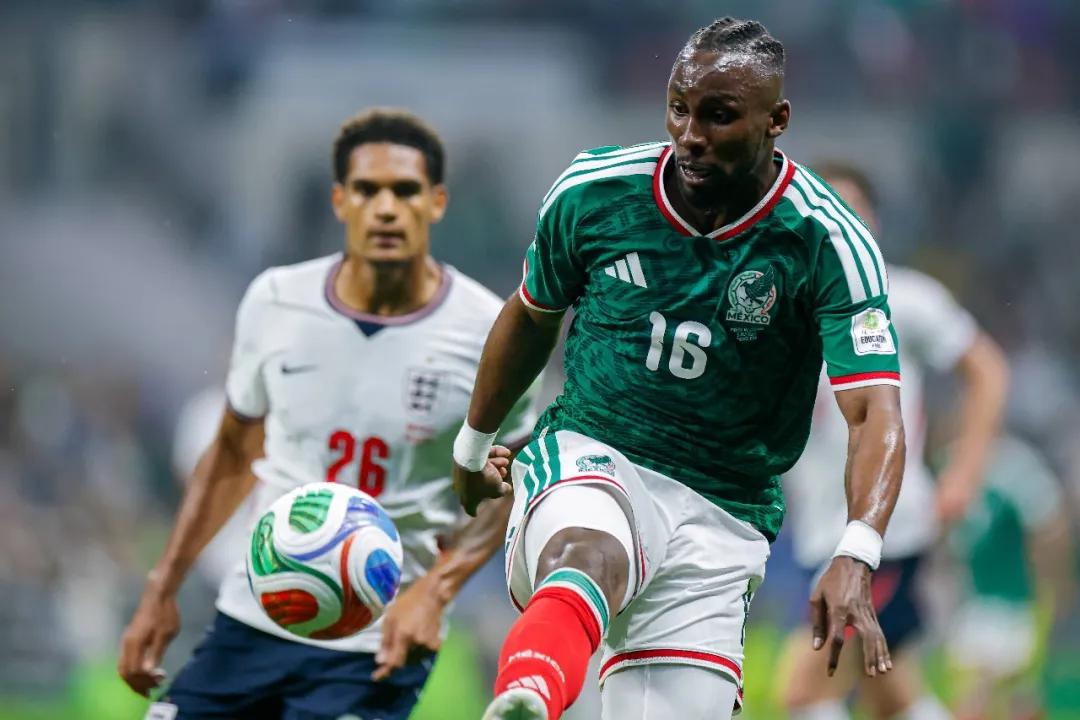
Not only Africa but also teams from other continents have generally embraced the trend of naturalization and European migration. The three host nations that reached the Round of 16 collectively had 18 naturalized players; Mexico, long known for its excellent youth development and top-tier league quality in North America, had as many as 5 naturalized players, including Colombian-born league top scorer Quiñones; Curaçao's 26-man squad included 25 naturalized players, with the sole exception being Chinese-born Tyrus Chen—who emigrated to the Netherlands shortly after birth and began his football development there.
Asia generally lacks the large immigrant population advantage that Africa and North/Central America have in Europe, so the only comparable effect comes from the advantage of having many overseas-based players. In the harsh environment of competing for European football talent's "surplus capacity," only Japan, Australia, South Korea, and Iran can keep up through overseas migration. Japan had 23 out of 26 players based in Europe, Australia 16, South Korea 15, and Iran 9. Iran also had as many as 12 players with previous European experience, ranking second in Asia in that regard. At this World Cup, the best-performing Asian teams were Japan and Australia, which have the most European-based players; Iran's failure to advance was largely due to severe off-field disruptions.
Japan, with 23 European-based players, leads Asia by a wide margin, but it is not outstanding compared to African teams. As many as 8 of the 10 African teams had 19 or more European-based players: Ivory Coast (25), DR Congo and Ghana (24), Cape Verde and Senegal (23), Morocco (20), Algeria and Tunisia (19). In total, African teams had 188 European-based players, while Asia had only 91—less than half of Africa's total.
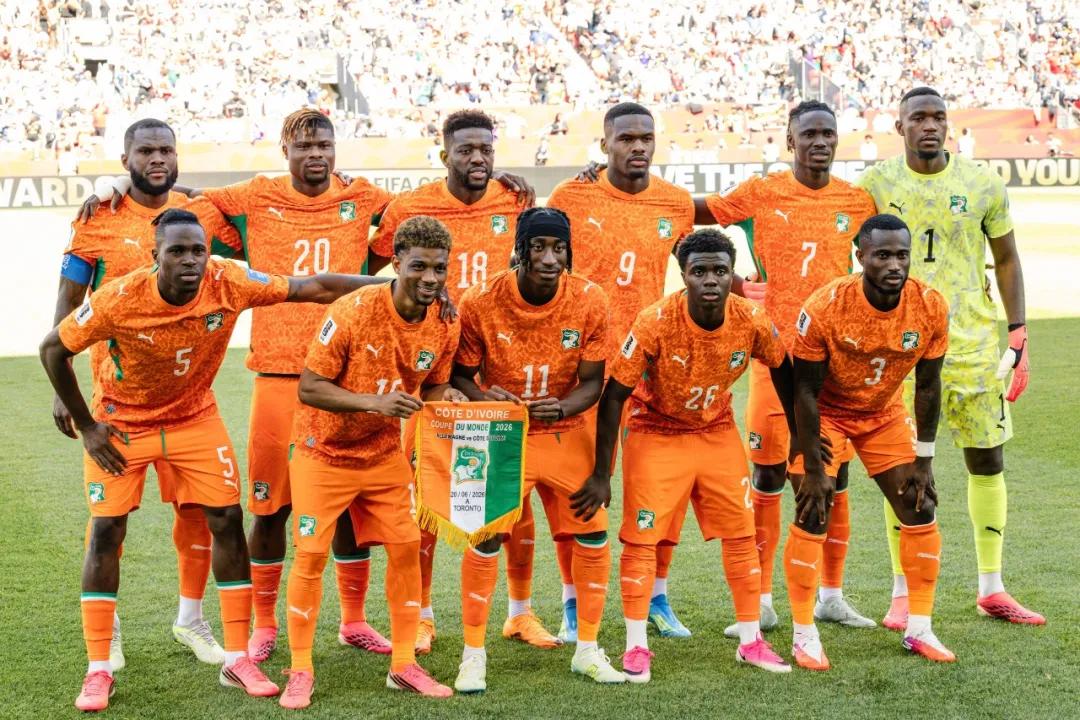

The stark contrast in World Cup performances between Asian and African teams is rooted not only in the huge gap in the quantity of naturalized and European-based players but also in the clear difference in quality, and that is the key factor.
African teams performed well because their players are predominantly based in Europe's top five leagues and major second-tier leagues, especially at mid-to-upper-tier clubs. Senegal had 20 of its 23 European-based players in the top five leagues, Morocco (14), Ghana (13), Ivory Coast (12), and DR Congo and Algeria (11)—nearly half of each squad.
In comparison, Japan, the Asian leader in overseas numbers, had 13 players in the top five leagues, making it the closest to world second-tier level, followed by Australia and South Korea (5 each). Asia had only 26 players in Europe's top five leagues, while Africa had 93—nearly 3.6 times as many. These players in the top five leagues, especially at mid-to-upper-tier clubs, formed the absolute backbone and core of African teams, helping them achieve strong results in this World Cup.
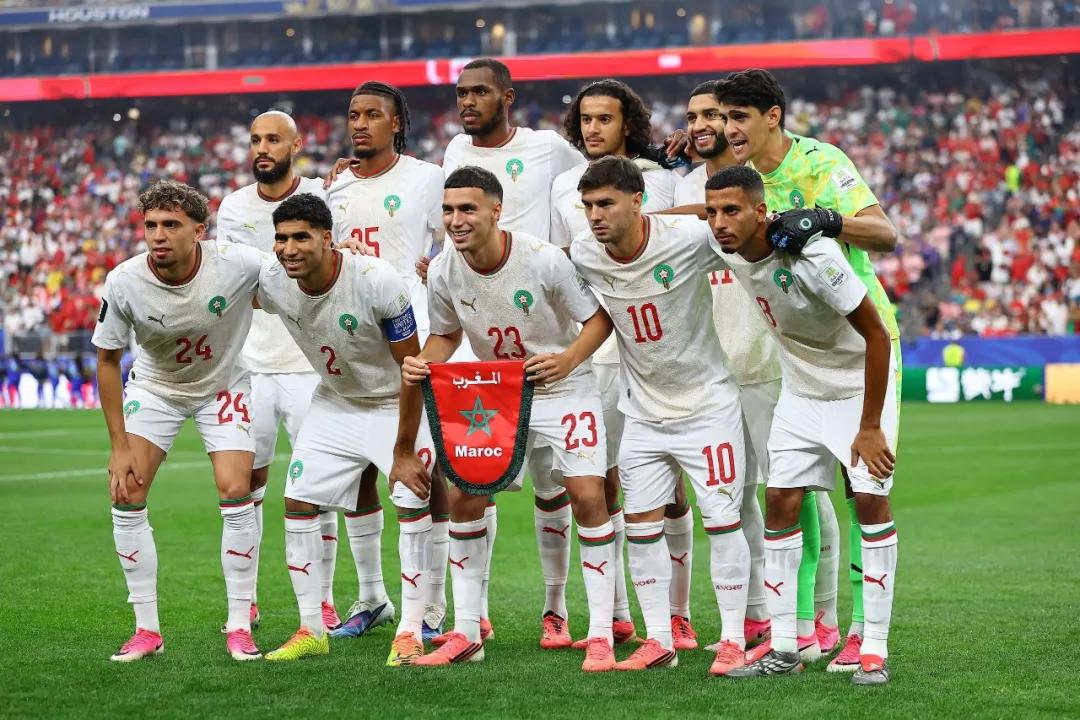
The quality of European-based players is crucial for a team's World Cup performance. Morocco, the best-performing African team, had 9 of its starting 11 playing in Europe's top five leagues, not counting goalkeeper Bounou, who had top-five-league experience but had moved to Saudi Arabia. The only starter without top-five-league pedigree, striker Sebari, played for Dutch giants PSV and will join Bundesliga powerhouse Bayern Munich after the World Cup. In contrast, Japan's best-performing starting lineup had only 6 players from the top five leagues, with only defender Hiroki Ito playing for a top-five-league giant. The absence of key players like Wataru Endo, Kaoru Mitoma, Takumi Minamino, and Takefusa Kubo (the latter due to injury during the tournament) significantly impacted Japan's strength.
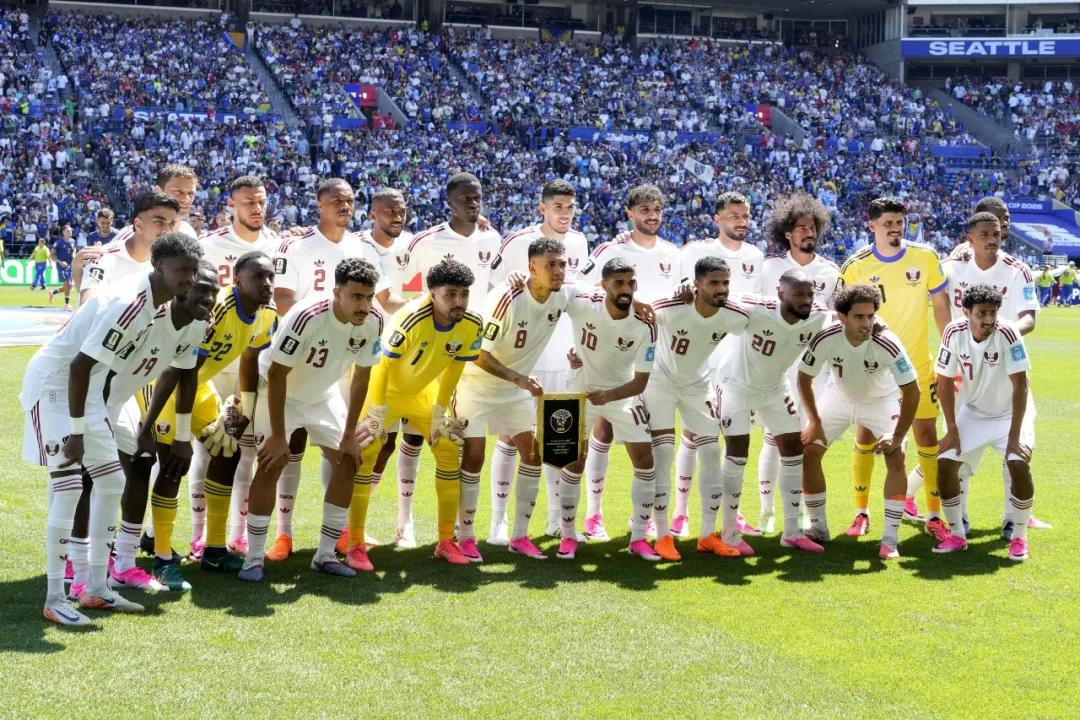
Even Japan, which leads Asia in both quantity and quality of European-based players, struggled, and other Asian teams were even more disappointing. Iraq (15) and Uzbekistan (10) had many European-based players, but like Saudi Arabia and Iraq, only one played in the top five leagues. Most European-based players were in lower-tier second- or third-division leagues, incomparable to African teams that rely heavily on top-five-league players. Qatar had as many as 19 naturalized players (including those born in Qatar) from 13 different countries, but the vast majority of their careers were spent in the Qatari league. The lack of European-based players directly hurt their strength and performance.

It is worth noting that despite the large pool of African immigrant footballers in Europe available for naturalization, African football has not abandoned youth development. In recent years, it has invested significant effort in local youth training. Cultivating local youth talents and sending them to Europe as early as possible, alongside aggressive naturalization, is another key strategy for sustainable development—"walking on two legs."
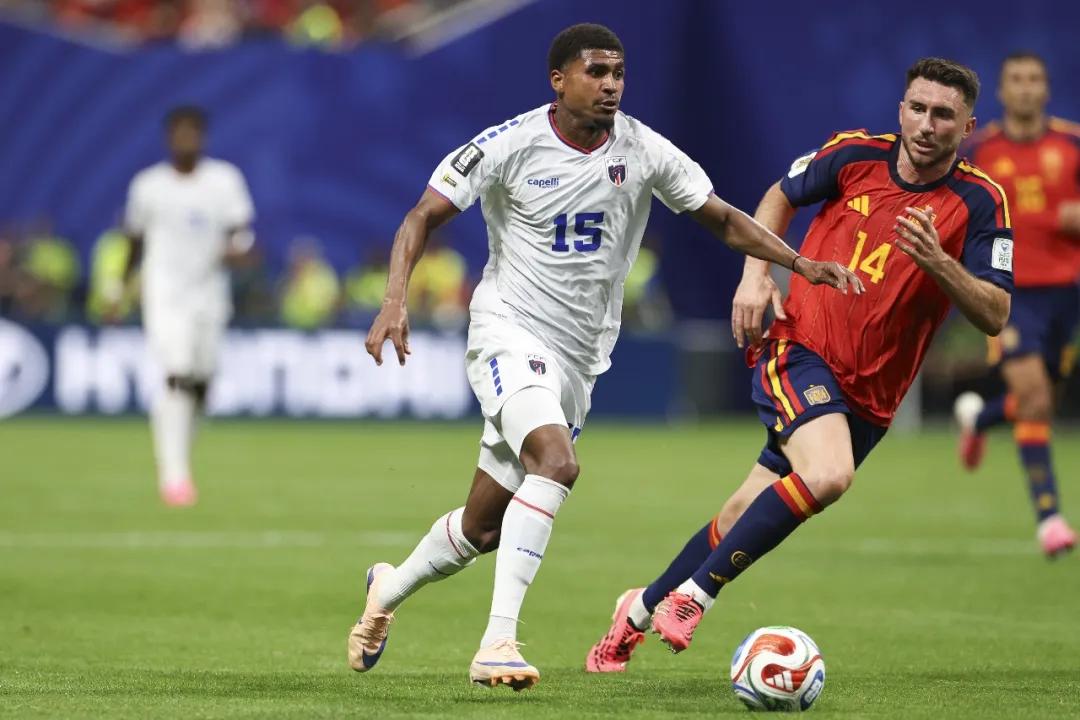
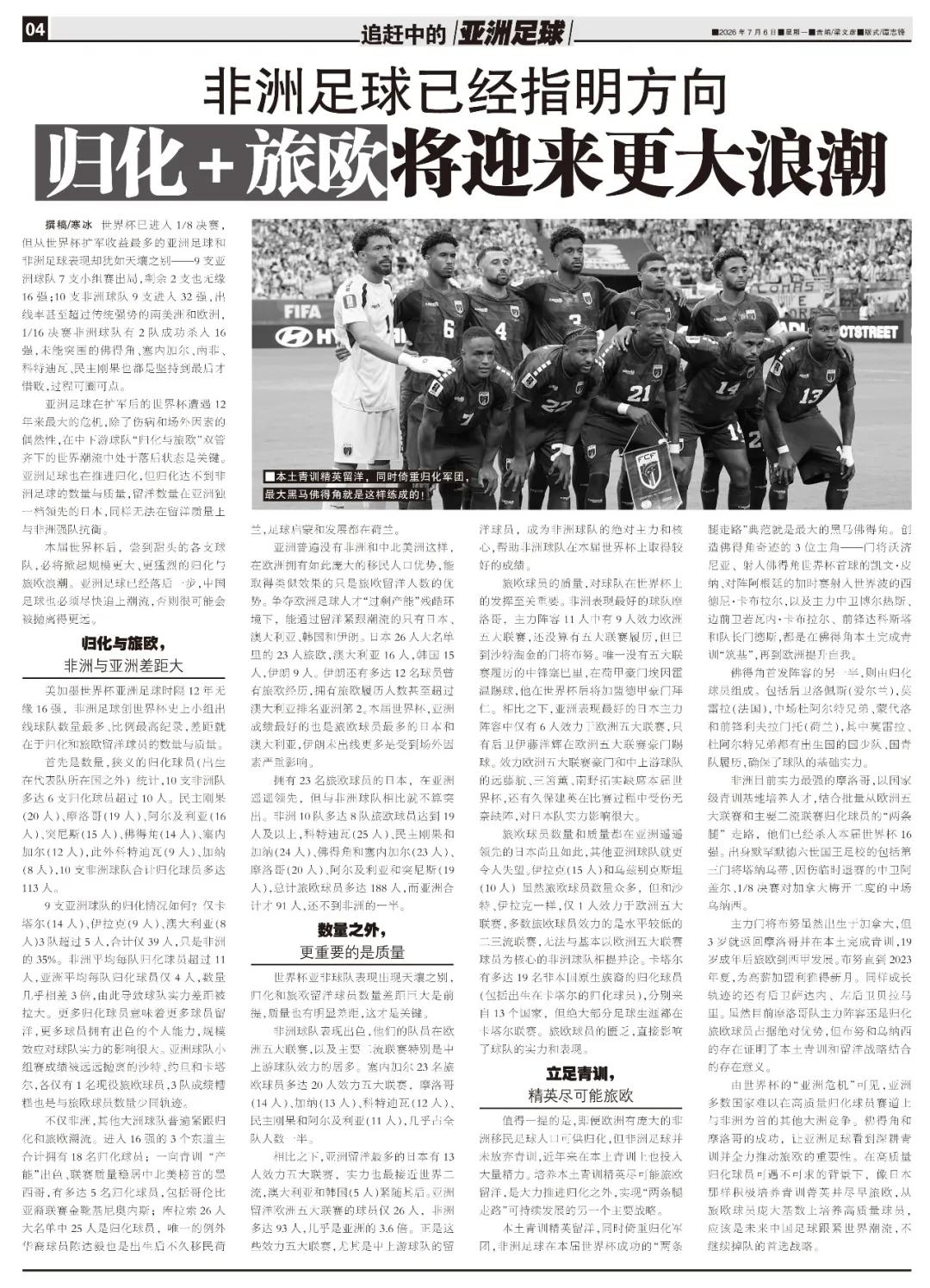
The model of "walking on two legs"—nurturing local youth talents to go abroad while relying on naturalized players—is exemplified by Cape Verde, the biggest surprise package of this World Cup. The three heroes behind Cape Verde's miracle—goalkeeper Vozinha, Kevin Pina (scorer of Cape Verde's first World Cup goal), and Sidney Cabral (who scored a wonder goal in extra time against Argentina), along with center-back Borges, winger Jovane Cabral, forward DaCosta, and captain Mendes—all completed their foundational youth training in Cape Verde before refining their skills in Europe.
The other half of Cape Verde's starting lineup consisted of naturalized players, including defender Lopes (Ireland), Moreira (France), midfielders Duarte brothers, Mondelo, and forward Livramento (Netherlands). Among them, Moreira and the Duarte brothers had youth national team experience (U17/U20) in their birth countries, ensuring the team's baseline strength.
Morocco, currently Africa's strongest team, has developed talent through a national-level youth training base while combining large-scale naturalization of players from Europe's top five leagues and major second-tier leagues. This "two-legged" approach has already taken them to the Round of 16 of this World Cup. Graduates of the Mohammed VI Football Academy include third-choice goalkeeper Tagnaouti, center-back Aguerd (who withdrew due to injury), and midfielder Ounahi (who scored twice against Canada in the Round of 16).
Starting goalkeeper Bounou, though born in Canada, returned to Morocco at age 3 and completed his youth training there before moving to Europe (La Liga) at 19. He only joined Al-Hilal in Saudi Arabia in the summer of 2023 for a high salary. Similar trajectories were followed by defender Saadane and left-back Bellamari. Although the current Moroccan starting lineup is still dominated by naturalized European-based players, the presence of Bounou and Ounahi proves the value of combining local youth development with overseas migration.
The "Asian crisis" at this World Cup shows that most Asian countries struggle to compete with Africa and other continents on the track of high-quality naturalized players. The success of Cape Verde and Morocco highlights the importance for Asian football of deeply investing in youth development and vigorously promoting European migration. Given that high-quality naturalized players are hard to come by, the preferred strategy for Chinese football—to keep pace with global trends and avoid falling further behind—should be to actively cultivate youth elites and send them to Europe as early as possible, building a large base of European-based players from which to develop high-quality talent.


Wonderfulshortvideo
aguero drug trafficking case football news today



This Arda Güler goal on repeat 🔁
BARCELONA REVENUE barcelona news today

Lashed home by Kieffer Moore ☄️

The saxophones are getting louder for Preston here…
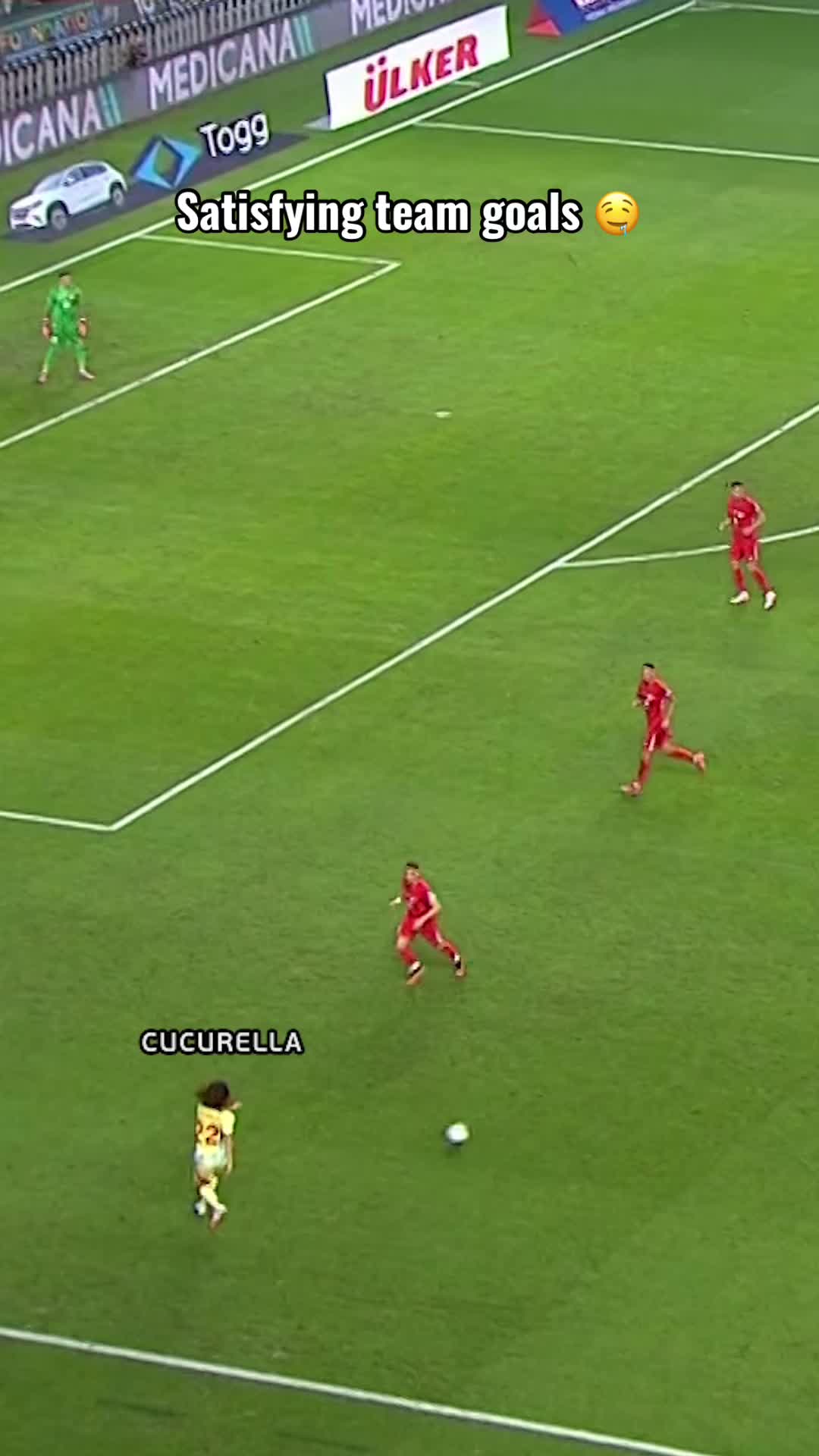
When football is simple but beautiful 😍
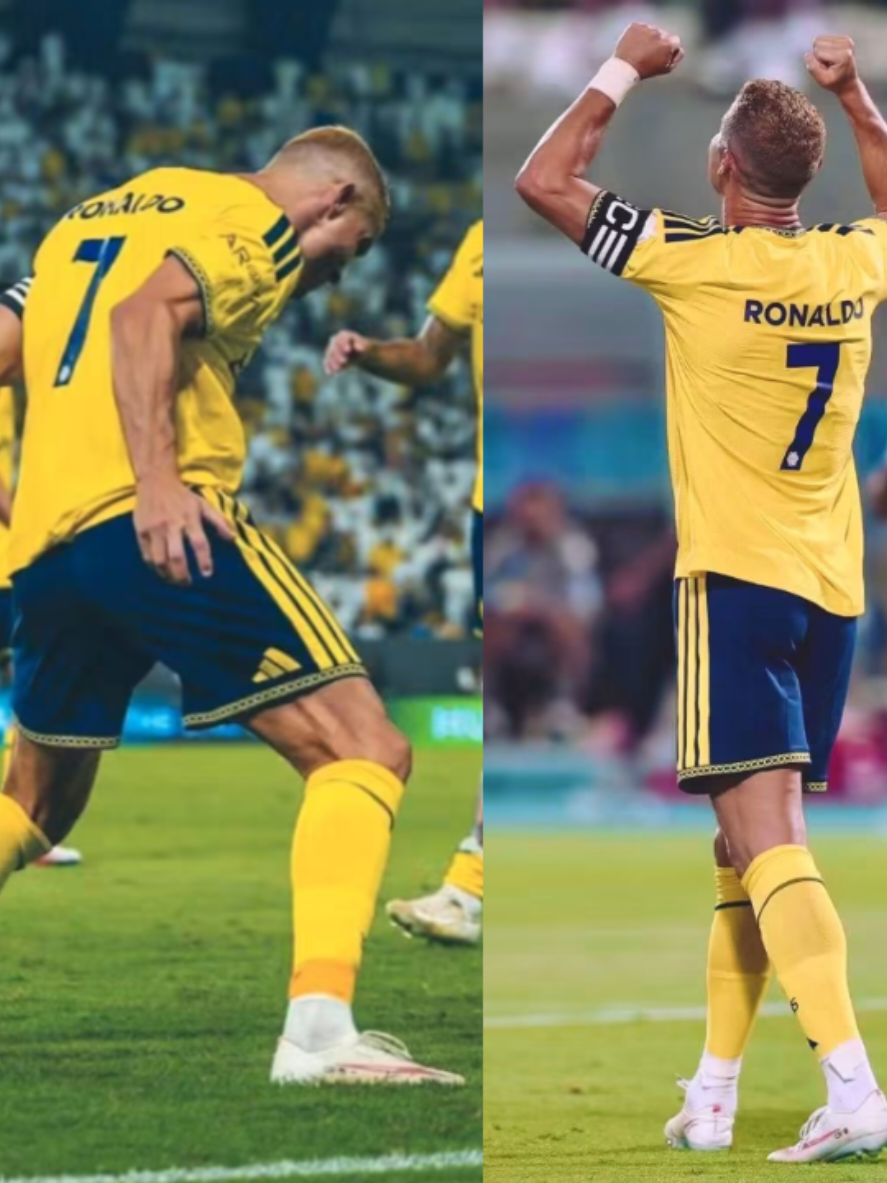
Cristiano Ronaldo is back on the quest for 1,000 goals, and these are his 977th and 978th goals.
 Links
Links
 Contact
 App
App


