



Go home, and then each goes their own "way"



Written by Nan Nan On July 4th, in Dallas, USA, as the match against Egypt was about to enter extra time, Australian coach Popovic made a last-minute decision, replacing starting goalkeeper Bicic with veteran Ryan. However, Australia still fell on penalties and were eliminated.
With this, all AFC teams were knocked out, with each taking a different path home, and the road ahead within their own countries is equally varied.
"Heroes" at a time of generational change
On July 1st, at Mehrabad Airport in Tehran, when the Iranian players appeared, hundreds of fans waved Iranian flags and sang the national anthem, welcoming the "heroes" back.
Iran was the last third-placed team to be eliminated. In fact, they didn't lose a single match in the World Cup, drawing 2-2, 0-0, and 1-1. Among their group opponents, aside from New Zealand, both Belgium and Egypt advanced to the round of 16, with Iran missing out by just two goals in goal difference. Similarly, with three draws, Cape Verde topped Uruguay and Saudi Arabia to become group runners-up. That sounds unfair to Iran, but there's nothing to be done.
Everyone knows it wasn't easy for Iran. Their base camp was forced to relocate to Tijuana, a border city in Mexico, and they only received US entry visas a few days before matches. More than a dozen members of the delegation were denied visas altogether, forcing the team to enter and leave the US on the same match day. Only before the final group match did restrictions ease slightly, allowing them to arrive two days early. The distance from Tijuana to Los Angeles is 204 kilometers, a five-hour drive one way. Beiranvand made seven saves against Belgium and became a hero. He said, "We couldn't advance, nor could we bring you happiness." His first words were an apology, delivered with tears; defender Rezaeian also apologized.
The fans told the players that they appreciated their all-out effort in the United States, and that they came to express their gratitude.
The whole world knows that Iran didn't lose to football; they lost to an invisible hand. Unlike their discontent with Americans, the Iranian team left a thank-you letter for the Mexicans before departing Tijuana, saying, "You made us understand that hosting a World Cup is more than just stadiums and tickets. Mexico will always be our second home."
Of course, for Iranian football, reclaiming lost dignity cannot hide the fact that they once again failed to advance past the group stage. Iran's average age has been high in every World Cup, and this time it exceeded 30. How to manage generational renewal is a challenge the Iranian Football Federation must face.
Moriyasu only renewed for one year?
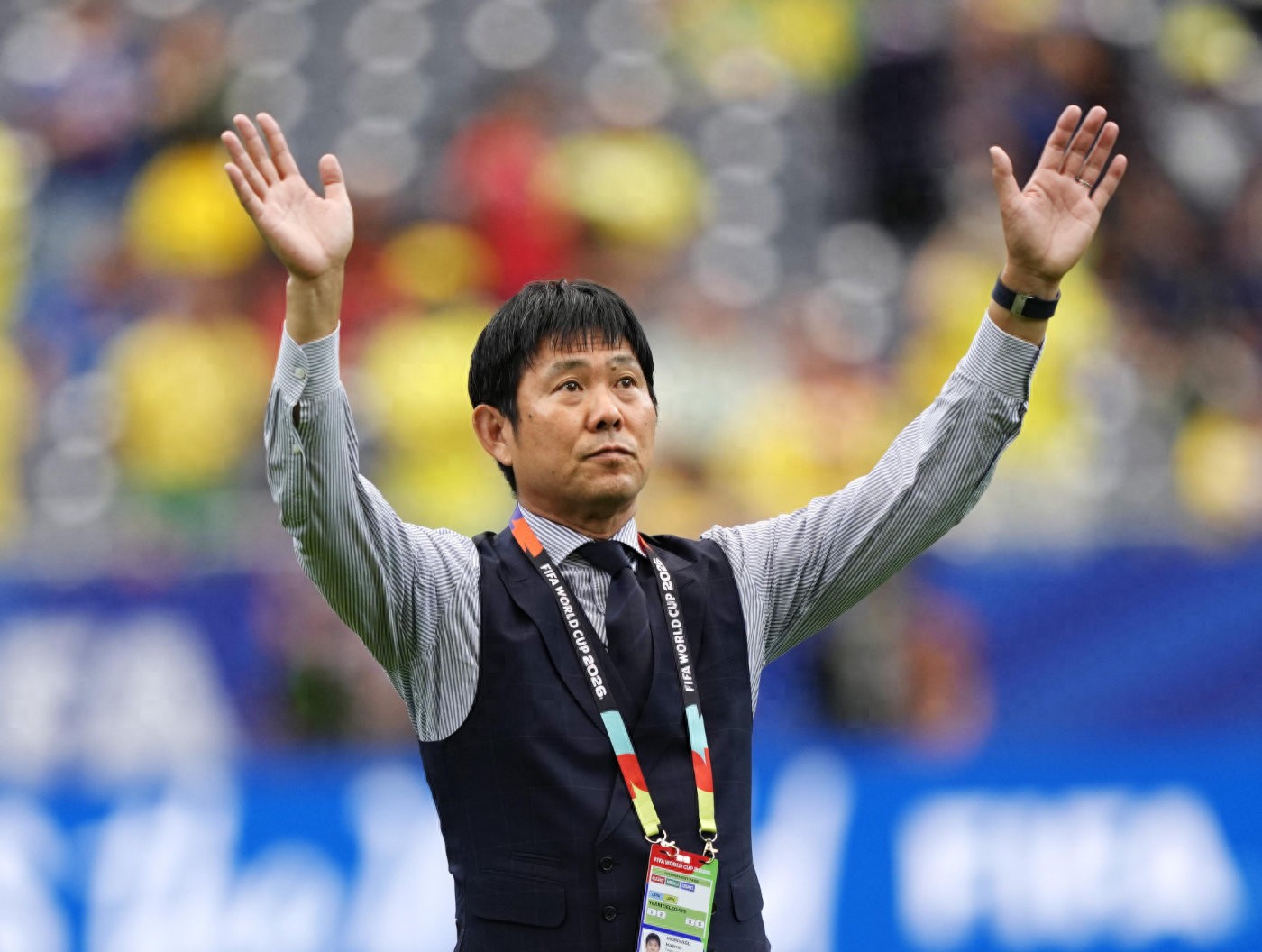
Among the eight Asian nations at the US-Canada-Mexico World Cup, if greater hope leads to greater disappointment, then the most disappointed must be the South Koreans. But in reality, the Japanese level of disappointment is no less than that of the Koreans. After advancing as group runners-up, Moriyasu once again declared the goal of winning the title. Though he didn't specify winning it this time, shouting "championship" before facing Brazil is itself a sign of extreme confidence.
The result was brutal. For the fifth consecutive World Cup, Japan fell in the first knockout round, and this time against what is widely considered the weakest Brazil team in history—one that Japan had beaten within the past year. After returning home, Moriyasu stated at a press conference that what he needed most was rest, followed by a review of the World Cup and recent work. As for the future, he didn't mention it, only saying he was "very regretful."
The Japan Football Association seemed hesitant. They had originally planned to renew Moriyasu's contract, but Japanese media reported that the JFA only intended to offer a one-year extension, aiming to complete the Asian Cup next year, after which his fate would be decided based on results. If Moriyasu steps down, Japan's U21 national team coach Oiwa could take over.
Nikkan Sports interviewed JFA President Kozo Tashima, who told the media that he had discussed renewal with Moriyasu. At an internal JFA meeting in early July, most attendees believed that despite the absence of key players like Mitoma and Minamino, Japan had drawn with and even dominated European powerhouses such as the Netherlands and Sweden, convincingly defeated Tunisia, and only narrowly lost against Brazil—not a poor performance, and these experiences are valuable assets.
Some figures in Japanese football felt that a one-year renewal was unfair to Moriyasu. Honda Keisuke called out via social media: "If the association is only renewing Moriyasu because they can't find a replacement, then let me try for one year. If we don't win the Asian Cup, fire me without complaint." However, Honda was clearly joking, as he doesn't even hold a professional coaching license.
Regardless of whether Moriyasu continues to coach, the JFA will maintain the domestic coach policy that has been in place since the 2018 World Cup. But they also face a bottleneck that is hard to break in the short term: a lack of world-class coaches and players. Ancelotti can adjust personnel and formations in midfield to turn the game around, while Moriyasu can only sit on the bench and watch. Similarly, after defeating Germany and Spain with team-based football at the 2022 World Cup, Japanese football spent the next four years almost obsessively building collective synergy, yet still fell short in critical moments due to the lack of decisive individual performances—a frustrating reality for Japanese football, as breaking through the ceiling of individual ability requires both talent and effort.
Japanese football is already very strong, as the world has seen, but their helplessness and powerlessness are equally visible to the global football community.
Sacking, investigation...
There was tragedy, calm, and certainly anxiety. Despite earning two draws, Saudi Arabia finished last in their group after a 4-0 thrashing by Spain. In recent years, the Saudi league has been aggressively using oil wealth to attract European stars. Cristiano Ronaldo, Félix, Mané... by the 2026 World Cup, nearly 50 players from the Saudi league were present, second only to Europe's top five leagues.
However, high transfer fees and salaries only brought star names, not a qualitative leap for Saudi football. Compared to their victory over Argentina at the Qatar World Cup, Saudi Arabia had few highlights this time. After elimination, Saudi Football Federation President Mishal quickly stated that he took full responsibility and announced his resignation. Saudi media reported that Mishal announced his resignation through personal social media, and the federation accepted it directly, with no further discussion planned at the regular July meeting.
Mishal led the Saudi federation for seven years, was one of the architects behind the massive influx of European stars into the Saudi league, and was a key driver behind hiring Greek coach Donis. The Greek coach used different player combinations and tactics in the three group matches, drawing sharp criticism from Saudi media and fans. Donis's departure is now a given; Saudi media indicate that former Al-Nassr coach Jesus is a top candidate for the new coach.
Iraq was equally furious about their team's performance. After waiting 40 years to return to the World Cup finals, they lost all three matches. The Iraqi Olympic Committee has launched a full investigation covering preparation, tactical arrangements, and personnel selection, and has stated that reforms will follow. "The national team does not belong to the Olympic Committee, nor the Football Association, nor the government—it belongs to the entire nation," said senior Iraqi Olympic Committee official Aqeel Muftin.
Uzbekistan, making their World Cup debut, suffered an even more complete defeat. After local coach Karpazev led them to qualification, Italian Cannavaro took over and began a "tragic journey": three losses, eleven goals conceded. What angered Uzbek media even more was that Cannavaro, earning €4 million per year, didn't see conceding double-digit goals as shameful: "Uzbekistan's participation in the World Cup is a positive step, even though we conceded 11 goals..." He didn't even finish his sentence. After elimination, Cannavaro didn't return to Tashkent with the team but flew directly from New York back to Italy.
The Uzbek Football Federation is now in a dilemma—firing the Italian would require a hefty compensation, while keeping him would draw further criticism. As things stand, Cannavaro is very likely to continue coaching.
As for Australia, they lost due to their coach's last-minute whim, but they too need to reflect.
The 2026 World Cup served as a mirror for Asian football. Some gained dignity, others gained lessons. When the Asian teams went unbeaten in six matches in the first round, "Asia Rising" became a hot topic, but soon rising turned into elimination. The expansion to a 48-team World Cup gave Asia more berths, but also allowed Asian football to see once again how far they still lag behind the world's best. Returning from North America to Asia, everyone needs to ponder one question: This time, Asia stopped at the round of 32; next time, how far can Asia go?


Wonderfulshortvideo
aguero drug trafficking case football news today


This Arda Güler goal on repeat 🔁
BARCELONA REVENUE barcelona news today

Lashed home by Kieffer Moore ☄️
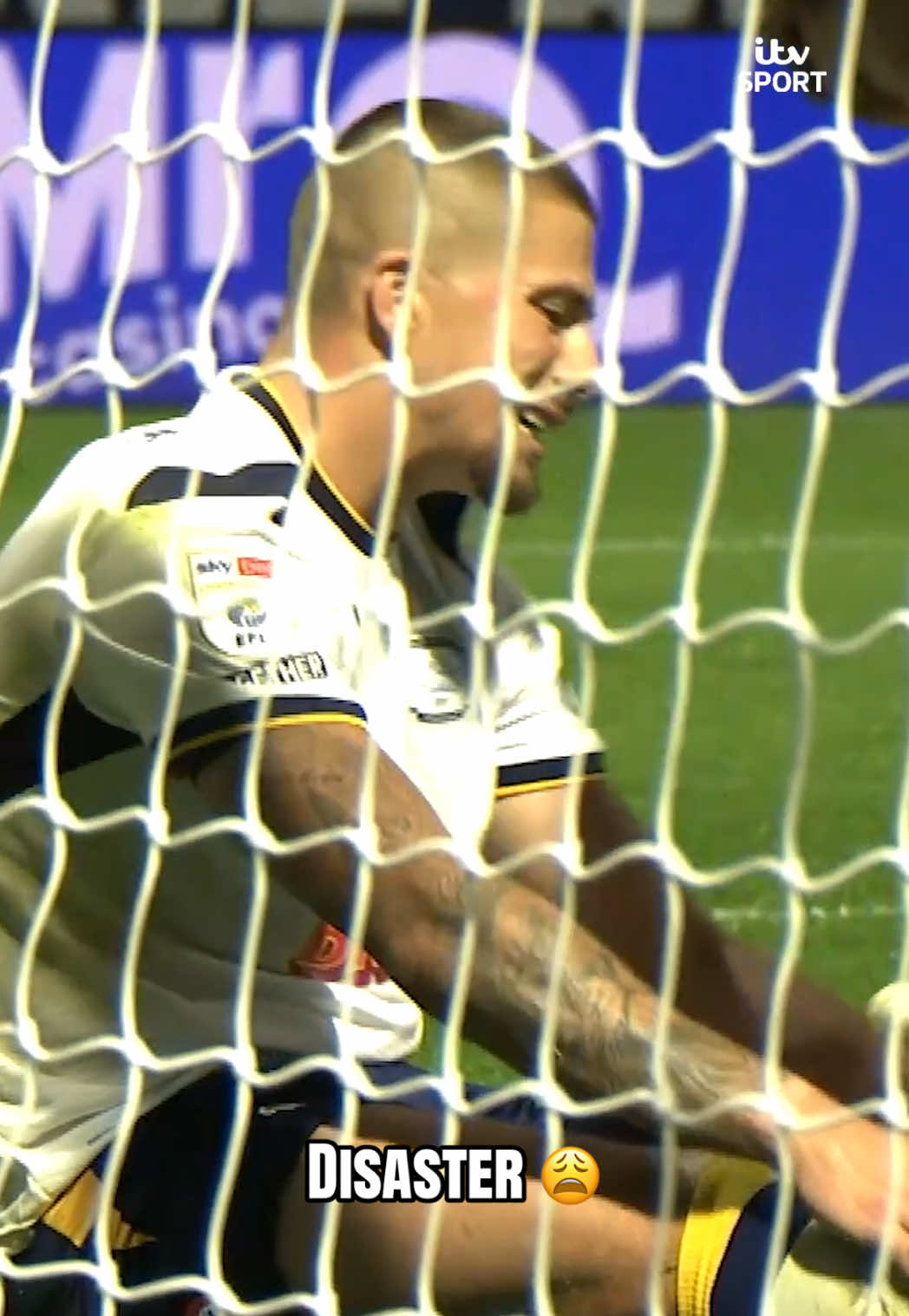
The saxophones are getting louder for Preston here…
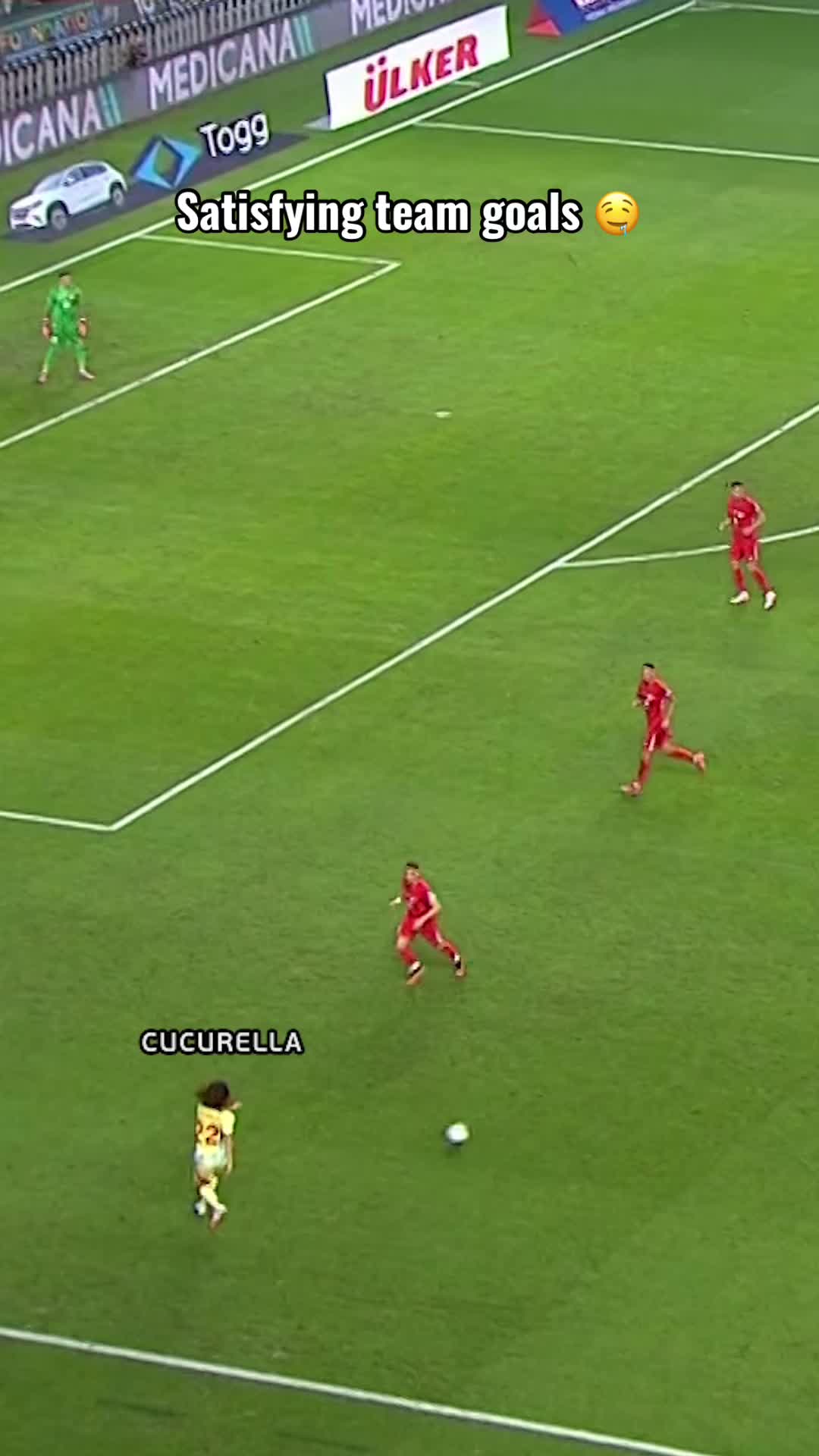
When football is simple but beautiful 😍
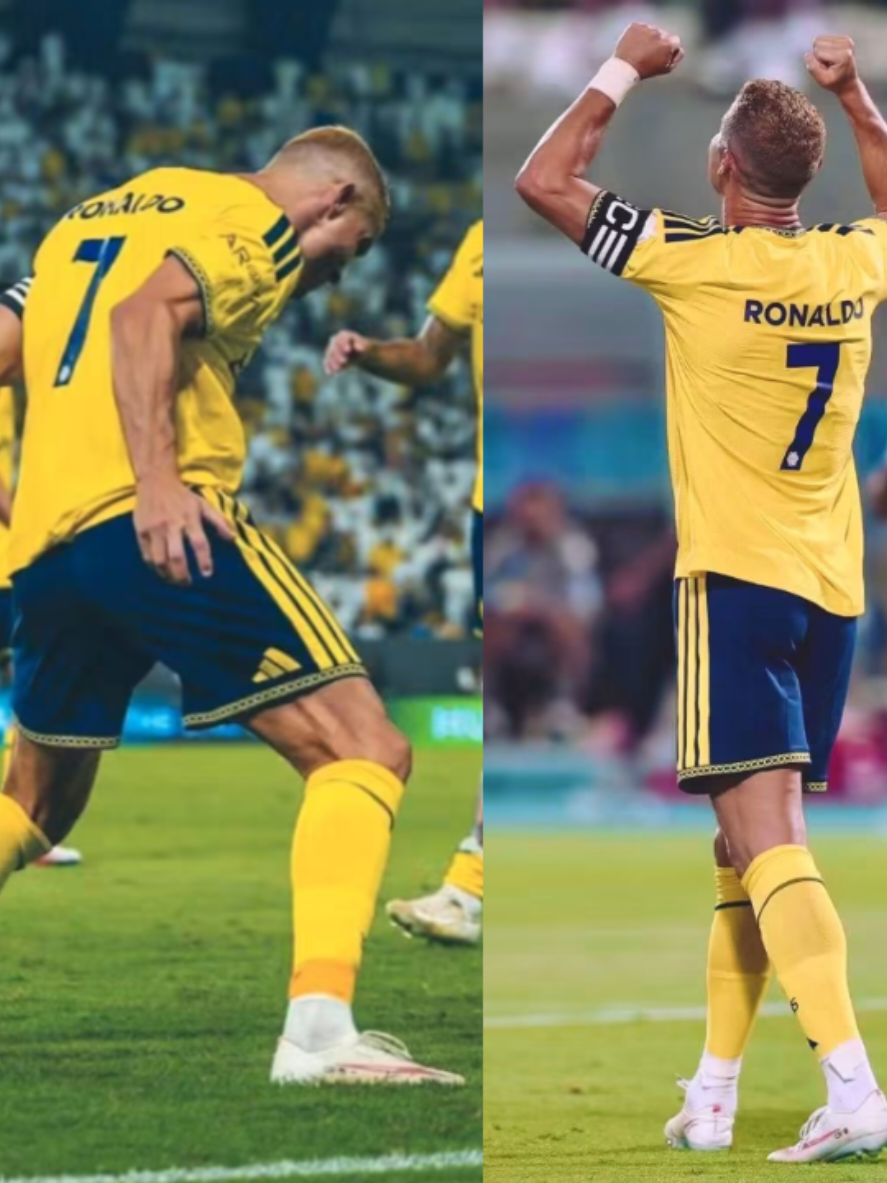
Cristiano Ronaldo is back on the quest for 1,000 goals, and these are his 977th and 978th goals.
 Links
Links
 Contact
 App
App


