



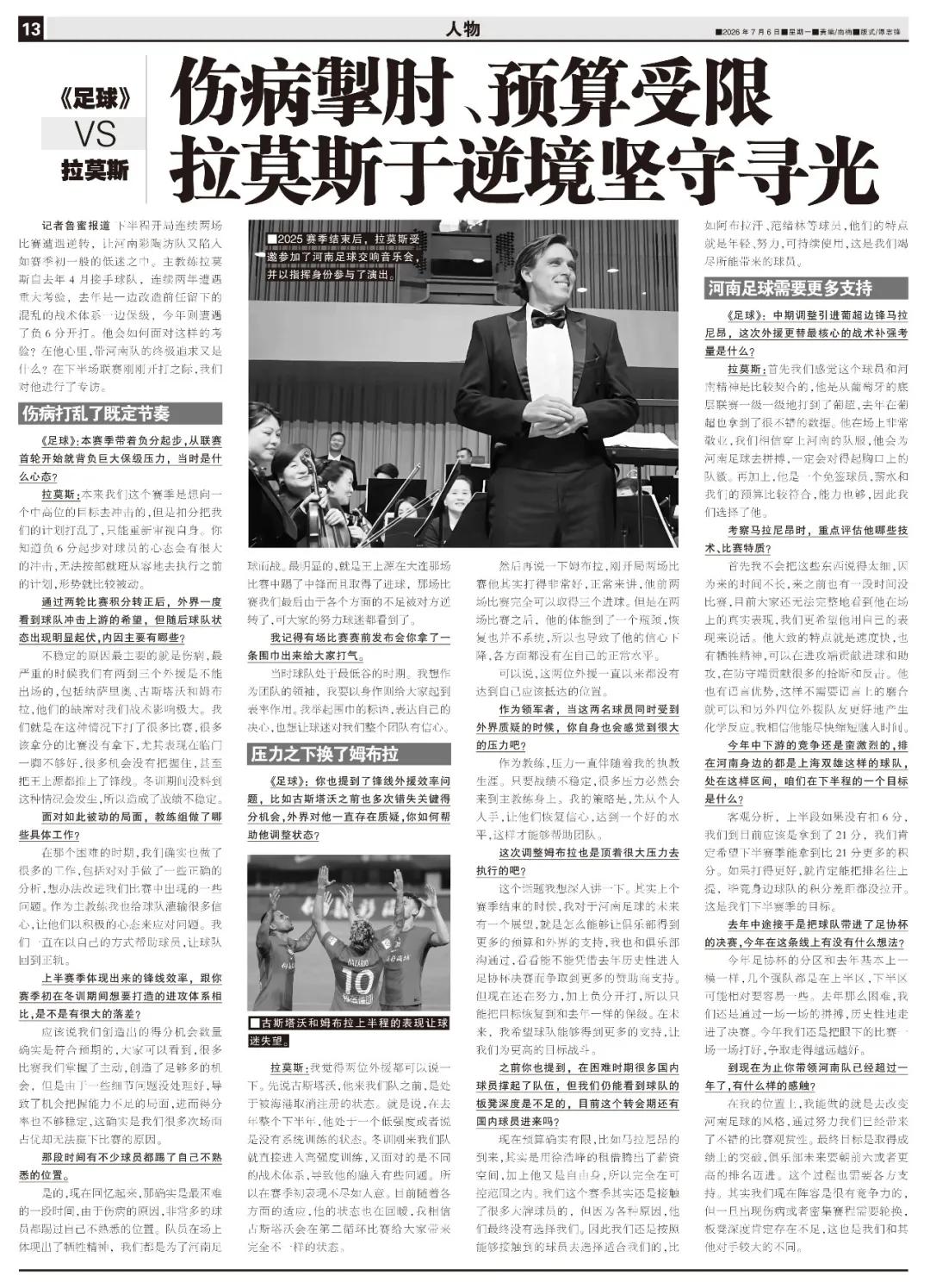
Plagued by injuries and a tight budget, Henan's head coach Ramos perseveres in search of hope against the odds



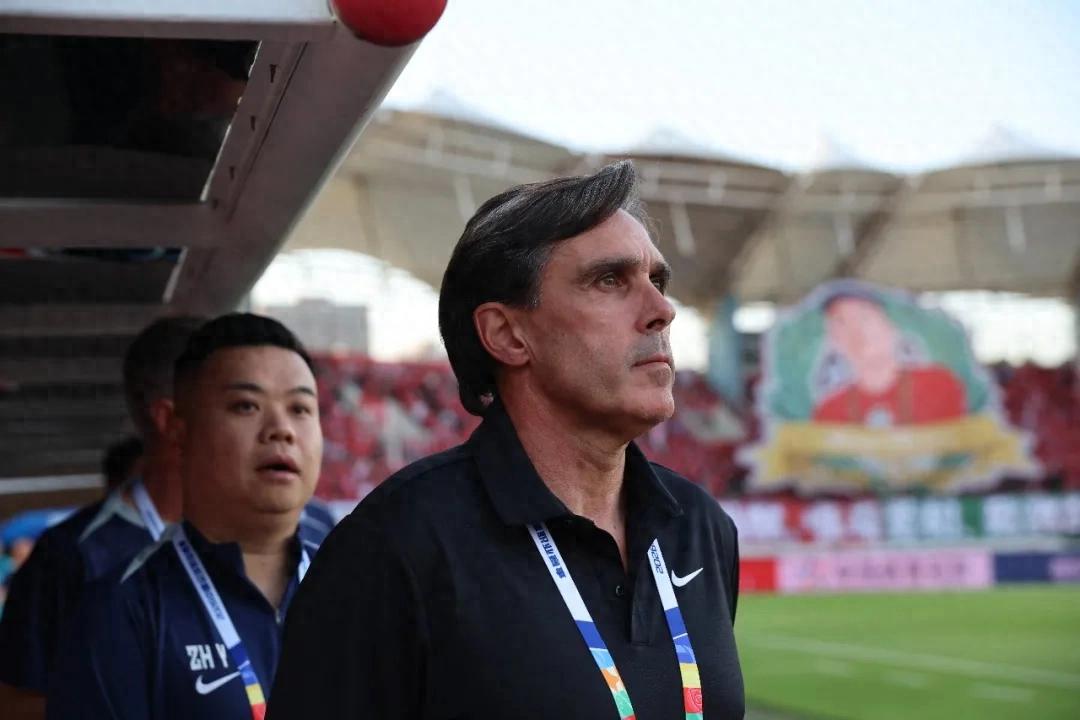
Reporter Lu Mi reports The team's downward slide after being overturned in two straight games at the start of the second half has plunged Henan Caotaofang into a low point similar to the beginning of the season. Coach Ramos, who took the reins last April, has endured severe trials for two straight years—last year, restructuring the chaotic tactics left by his predecessor while fighting relegation, and this year, starting with a six-point deficit. How will he respond to this challenge? What is his ultimate aspiration for leading Henan? We conducted an exclusive interview with him just as the second half of the league kicked off.

◆ Soccer: This season, you started with a negative point total, bearing immense relegation pressure from the very first matchday. What was your mindset at that time?
Ramos: We originally aimed to challenge for a mid-to-high position this season, but the point deduction disrupted our plans, forcing us to reassess our situation. You know, starting with minus six points has a huge psychological impact on the players—it makes it impossible to calmly execute our original plans step by step, leaving us in a passive position.
◆After turning the points positive following two rounds, the outside world once saw hope that the team could challenge for a higher spot. But then the team's form became noticeably inconsistent. What were the main internal reasons?
The main cause of the instability is injuries. At its worst, two to three foreign players—including Nasario, Gustavo, and Mwemba—were unavailable, which severely impacted our tactics. We played many matches under these circumstances, dropping points in games we should have won. This was especially evident in our poor finishing—we missed many opportunities, even pushing Wang Shangyuan up front. We didn't anticipate this during winter training, which led to the unstable results.
◆Facing such a passive situation, what specific measures did the coaching staff take?
During that difficult period, we indeed put in a lot of work. We analyzed our opponents correctly and tried to improve the issues in our games. As head coach, I also instilled confidence in the team, encouraging them to face problems with a positive attitude. We have been helping the players in our own way to get the team back on track.
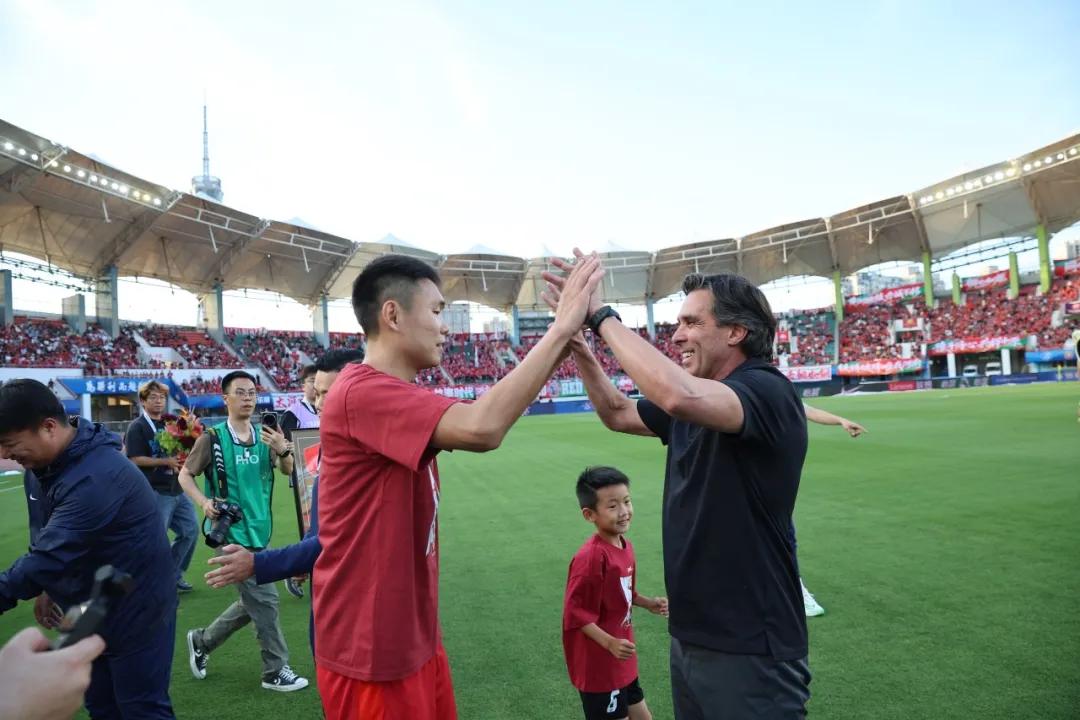
◆Compared to the offensive system you wanted to build during winter training, the forward efficiency shown in the first half of the season must have been a huge disappointment?
I would say the number of scoring opportunities we created was indeed in line with expectations. As you could see, we dominated many matches and created plenty of chances. However, due to some fine details not being handled well, we lacked the ability to convert those chances, leading to an unstable scoring rate. That is precisely why we lost several games despite having the upper hand.
◆During that period, many players had to play in unfamiliar positions.
Yes, looking back, that was indeed the toughest time. Because of injuries, a lot of players had to play in positions they were not used to. The players showed great sacrifice—we are all fighting for Henan football. The most obvious example is Wang Shangyuan, who played as a striker in the match against Dalian and even scored. Unfortunately, due to various shortcomings, we were overturned at the end of that game, but the fans could see everyone's efforts.
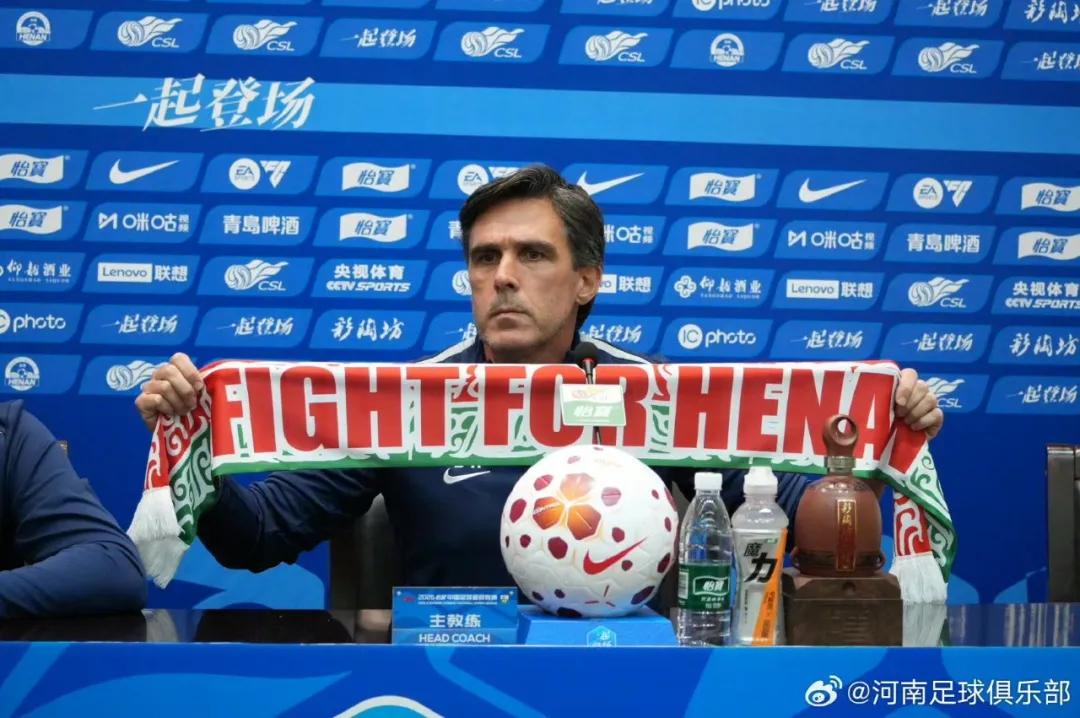
◆I remember in one pre-match press conference, you took out a scarf to boost morale.
At that time, the team was at its lowest point. As the team leader, I wanted to set an example and lead by example. I raised the scarf with the slogan to express my determination and give the fans confidence in our whole team.

◆◆ Soccer: You also mentioned the efficiency of the foreign forwards. For instance, Gustavo has missed several key scoring opportunities, and there has been persistent doubt about him from the outside. How do you help him adjust his form?
Ramos: I think we can talk about both foreign players. Let's start with Gustavo. Before joining us, he was in a state of being deregistered by Shanghai Port. In other words, for the entire second half of last year, he was in a low-intensity state or without systematic training. When he joined us in winter training, he immediately went into high-intensity training and faced a different tactical system, which caused some integration issues. So his early-season performances were not ideal. Now, as he adapts, his form is recovering. I believe Gustavo will show a completely different state in the second half of the season.
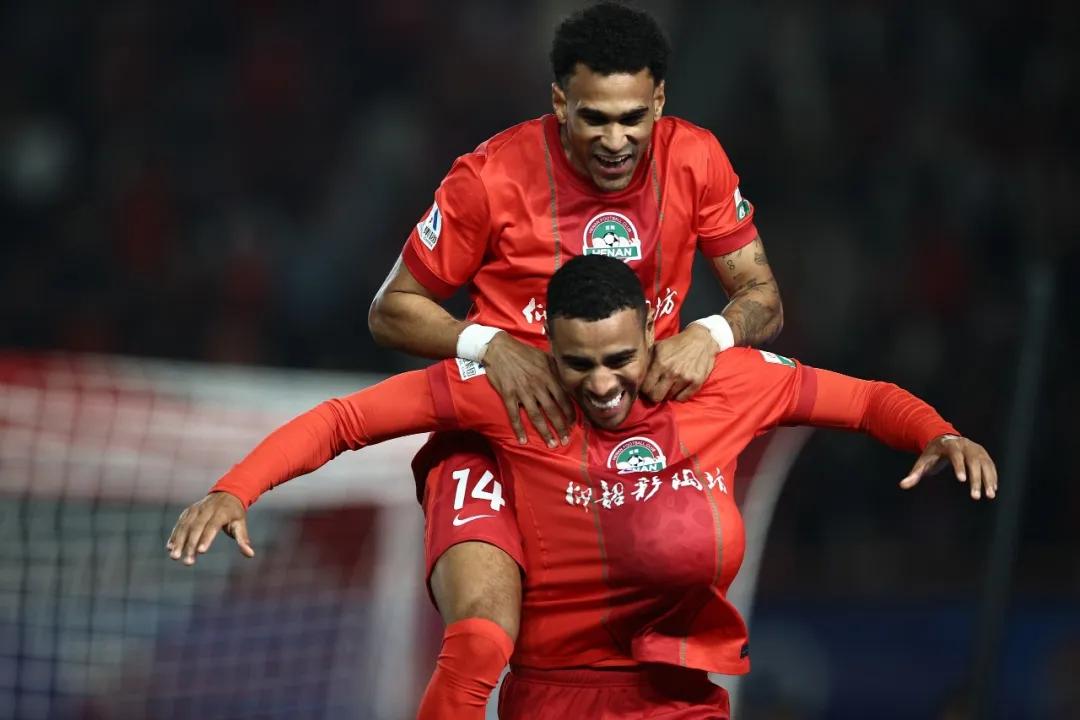
As for Mwemba, he played very well in the first two matches of the season. Normally, he could have scored three goals in those two games. However, after those matches, his fitness hit a bottleneck, and his recovery was not systematic, which also led to a decline in his confidence and overall performance falling below his normal level. You could say that both foreign players have not yet reached the level they should be at.
◆As the leader, when both players face outside criticism, you must feel a lot of pressure yourself, right?
As a coach, pressure has always been part of my career. Whenever results are unstable, the pressure naturally falls on the head coach. My strategy is to start with individuals—help them regain confidence and reach a good level so they can contribute to the team.
◆The decision to adjust Mwemba this time was also made under great pressure, wasn't it?
I'd like to talk about this topic in depth. Actually, at the end of last season, I had a vision for the future of Henan football—how to secure more budget and external support for the club. I also communicated with the club about whether we could attract more sponsors after reaching the FA Cup final for the first time in history last year. But we are still working on that, and with the point deduction, we have no choice but to set the same goal as last year—survival. In the future, I hope the team can receive more support so we can fight for higher goals.
◆You mentioned earlier that many domestic players held up the team during the tough times. Still, we can see that the squad lacks depth. Are there any new domestic players coming in during this transfer window?
The budget is indeed limited. For example, the arrival of Maranhão was made possible by freeing up salary space through the loan of Xu Haofeng, plus he was a free agent, so it was fully within our control. We did approach many big-name players this season, but for various reasons, they didn't choose us. So we selected players we could reach who fit our needs—like Abra Khan and Fan Xulin. Their characteristics are youth, hard work, and sustainability. These are the players we managed to bring in with all our effort.
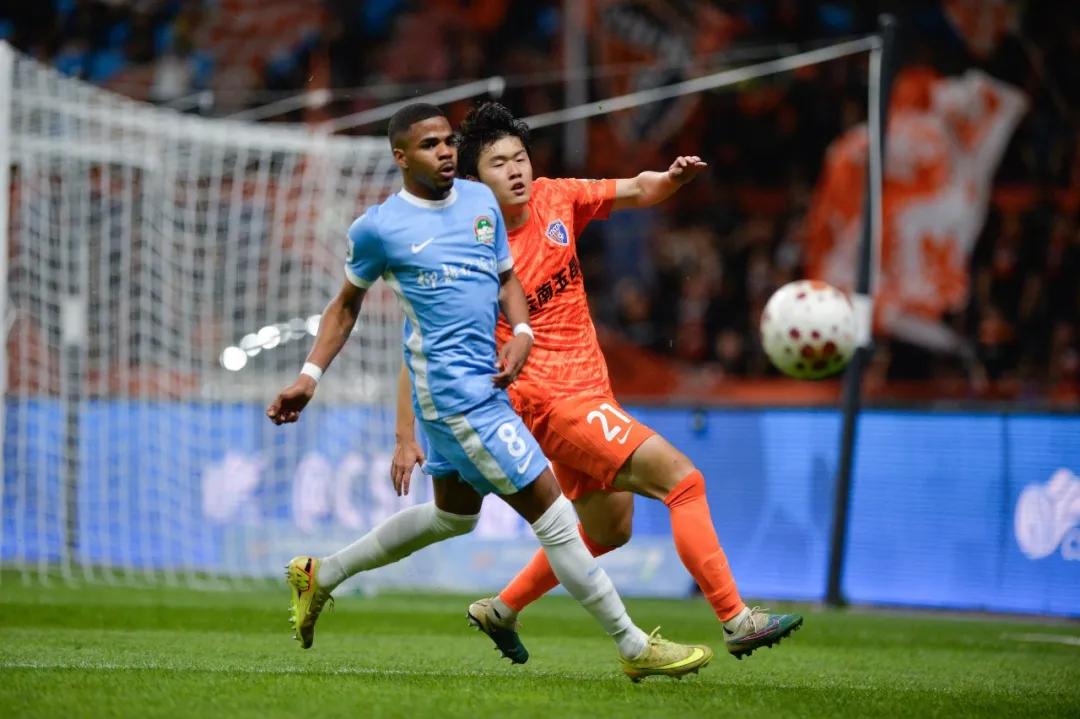

◆◆ Soccer: The mid-season adjustment brought in Portuguese league winger Maranhão. What was the core tactical consideration behind this foreign player change?
Ramos: First, we felt this player matches the spirit of Henan. He climbed step by step from the lower Portuguese leagues to the Portuguese top flight, and he had very good stats there last year. He is very dedicated on the pitch. We believe that wearing the Henan jersey, he will fight for Henan football and be worthy of the badge on his chest. Additionally, he was a free transfer, his salary fits our budget, and he has the ability. So we chose him.
◆When evaluating Maranhão, what technical and game traits were you focusing on?
First of all, I won't go into too much detail because he hasn't been here long, and he hadn't played for a while before coming. At the moment, people haven't fully seen his real performance on the pitch. We prefer that he speaks through his own performances. Roughly speaking, his characteristics are speed and a self-sacrificing attitude. He can contribute goals and assists offensively, and also provide many tackles and counter-attacks defensively. He also has a language advantage, which means he doesn't need to adapt linguistically to develop chemistry with the other four foreign players. I believe he can shorten his integration time as quickly as possible.
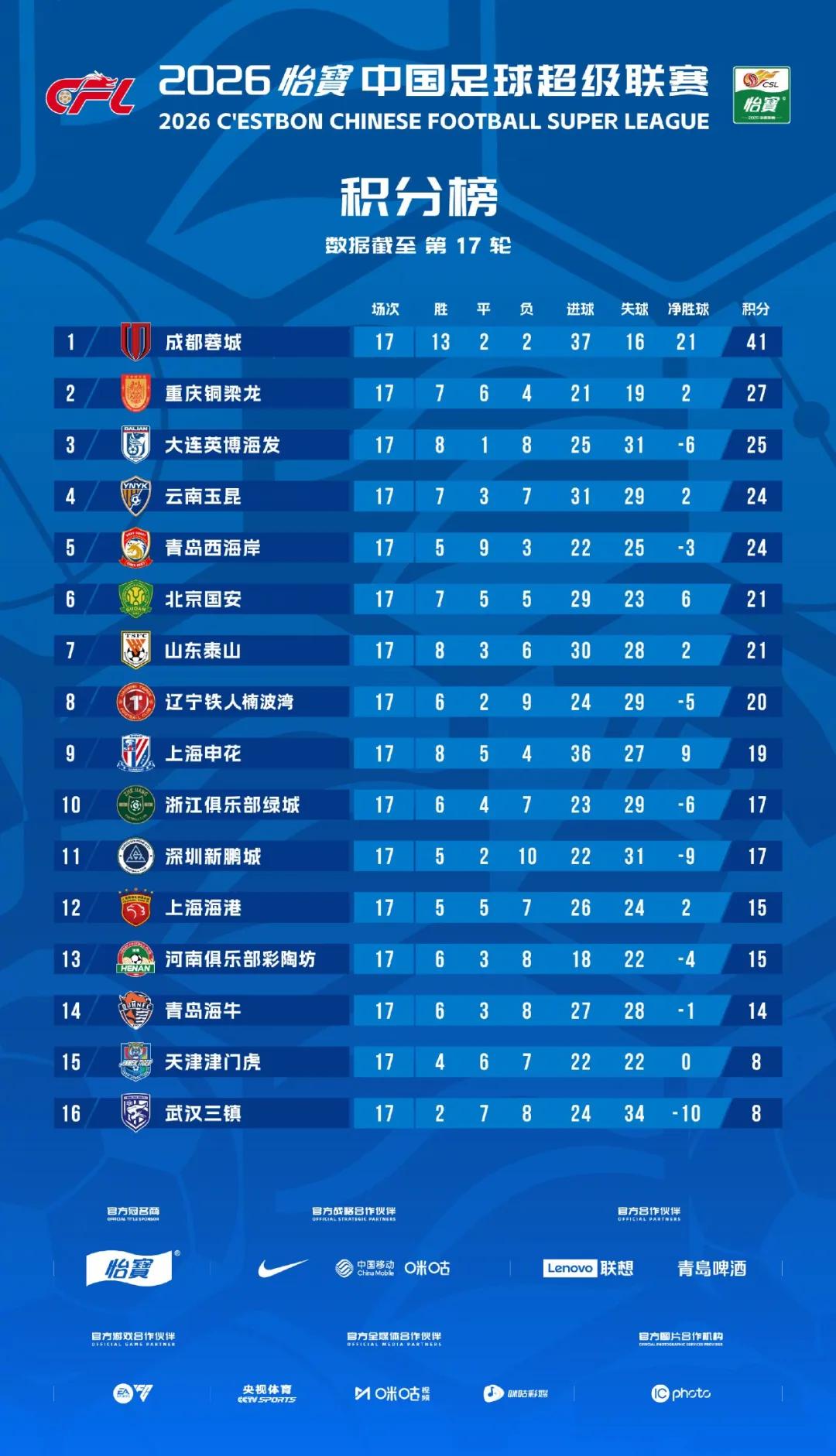
◆This year, the competition in the mid-to-lower part of the table is quite fierce. The teams around Henan include the two Shanghai giants. Being in this range, what is your goal for the second half of the season?
Objectively speaking, if we hadn't been deducted six points in the first half, we would have 21 points now. We certainly hope to get more than 21 points in the second half. If we play better, we will definitely move up the standings, because the point gaps between nearby teams are not wide. That is our goal for the second half of the season.
◆You took over midway last year and led the team to the FA Cup final. Do you have any thoughts about this year's competition?
This year's FA Cup bracket is almost identical to last year's. Several strong teams are in the upper half, while the lower half is relatively easier. Last year, despite all the difficulties, we fought match by match and made it to the final for the first time in history. This year, we will take each match as it comes and try to go as far as possible.
◆It has been over a year since you took charge of Henan. How do you feel about it?
In my position, what I can do is to change the style of Henan football. Through our efforts, we have already brought a good level of entertainment to the matches. The ultimate goal is to achieve a breakthrough in results—the club should aim for the top six or higher in the future. This process also requires support from all sides. In fact, our current squad is quite competitive, but once injuries or a tight schedule require rotation, the depth of the bench is definitely insufficient. That is also a major difference between us and other opponents.

 リンク
リンク
 連絡先
連絡先
 アプリのダウンロード


