



Why does Messi frequently miss penalty kicks?


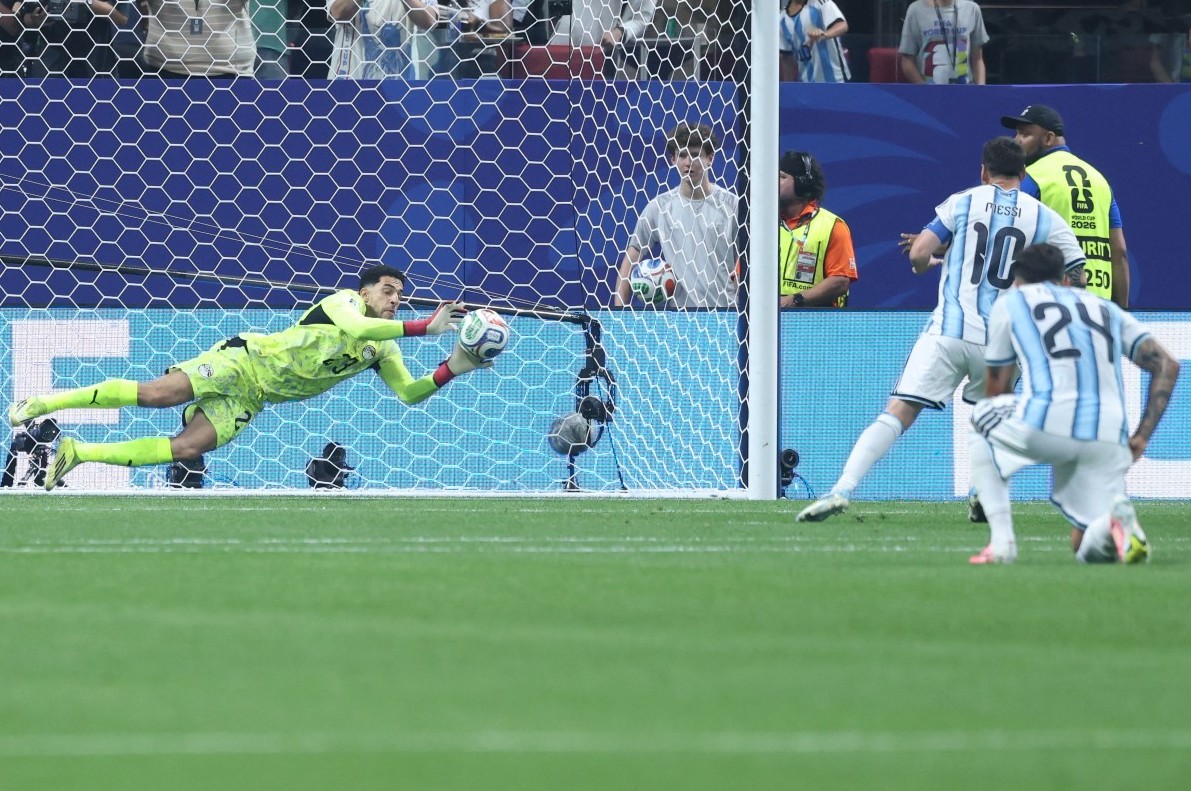
This marked the second penalty Messi had missed at the 2026 World Cup, following a failed attempt against Austria in the group stage. Although he later scored and played a key role in Argentina's 3-2 comeback win, the missed kick reignited a long-standing question: Why is one of the greatest players in history not a penalty specialist?
Messi has never been a penalty expert
In fact, looking at his entire career, Messi has never had the outstanding penalty conversion rate many assume. According to statistics updated after the Egypt match, the Argentina captain has taken approximately 149 penalties in official matches, scoring 116 and missing 32, with a success rate of around 78%.
While not a low figure, it is only on par with the average in top-level football and significantly lower than elite specialists like Harry Kane, Robert Lewandowski, or Bruno Fernandes—each maintaining a success rate near 90%. This shows Messi is an excellent striker but has never been considered a "master" from the penalty spot.
The biggest difference lies in his execution style. While many forwards opt for powerful shots to reduce the goalkeeper's reaction time, Messi prioritizes deceiving his opponent. He often takes a slow run-up, watches the goalkeeper's movement, and then decides to place the ball into the opposite corner. This technique has helped him score many goals throughout his career, as success is nearly guaranteed if the goalkeeper commits too early.
However, this tactic has clear drawbacks. If the goalkeeper remains calm, holds their position longer, or reads Messi's habits, the advantage quickly disappears. Many modern goalkeepers now actively wait until the last moment instead of guessing early, forcing Messi to make decisions in a very short time. When that happens, a poorly placed or underpowered shot significantly increases the chance of being saved.
Too much creativity can be a burden
Furthermore, the very trait that makes Messi exceptional in open play can become a disadvantage from the penalty spot: his creativity. Unlike penalty experts such as Harry Kane or Robert Lewandowski, who have developed a fixed "formula" with a consistent run-up, foot technique, and finishing spot, Messi constantly varies his approach.
At times he uses the inside of his foot to place the ball into the corner, but he also frequently switches to a laces shot for power or to deceive the goalkeeper. This versatility makes him unpredictable in open play, where improvisation is a powerful weapon. However, at the penalty spot—which demands consistency and the ability to repeat a motion with near-perfect accuracy—not sticking to a fixed formula sometimes leaves his success rate below that of top penalty specialists. In other words, Messi's greatest strength in open play inadvertently makes him less reliable when taking penalties.
Modern football also adds to the difficulties for players like Messi. A decade ago, goalkeepers mainly studied video footage; now, most teams have dedicated data analysis departments. Every penalty is recorded with full details: shot direction, ball speed, foot angle, run-up rhythm, and even habits of changing decisions at different moments.
As the most famous player in the world, Messi has a massive amount of data for opponents to study. Goalkeepers are well aware of the probabilities of him shooting left or right in various situations. As a result, "reading" Messi has become much easier now than in the early stages of his career.
Psychological pressure and age
The factor of age cannot be ignored. Messi has turned 39 but still performs at an extremely high level. Nevertheless, minor physical changes affect his ability to execute delicate technical movements. Penalties are not just about psychology; they also depend on run-up speed, ankle flexibility, and the ability to generate force at the moment of contact. Even a slight reduction in foot speed can make the shot less powerful or less precise, giving the goalkeeper a better chance.
Another factor is psychological pressure. The World Cup is the most demanding stage in football. After the missed penalty against Austria, Messi admitted he was "very angry with himself," before scoring a brace to secure Argentina's victory. In the match against Egypt, when he missed again, the pressure was even greater, especially with Argentina trailing.
Sports psychologists have long pointed out that consecutive penalty attempts are heavily influenced by memory of previous shots. After a failure, players tend to overthink, change their decision at the last second, or lose their natural flow. This is especially true for a player like Messi, who carries the expectations of an entire team.
Notably, Messi's World Cup penalty statistics are far worse than his overall career record. After the Egypt match, he has taken 8 penalties in World Cup matches, scoring 4 and missing 4—a success rate of just 50%. Messi also became the first player in World Cup history to miss two penalties in the same tournament, excluding shootouts. It is a record he certainly never wanted to hold.
Ultimately, Messi's frequent penalty misses are not due to a single cause. They result from a combination of a style favoring finesse over power, the vast amount of data opponents can exploit, the effects of age, and the unique pressure of major tournaments. These factors make his success rate from the spot incomparable to that of top penalty specialists.


Wonderfulshortvideo
This Arda Güler goal on repeat 🔁


BARCELONA REVENUE barcelona news today

Lashed home by Kieffer Moore ☄️
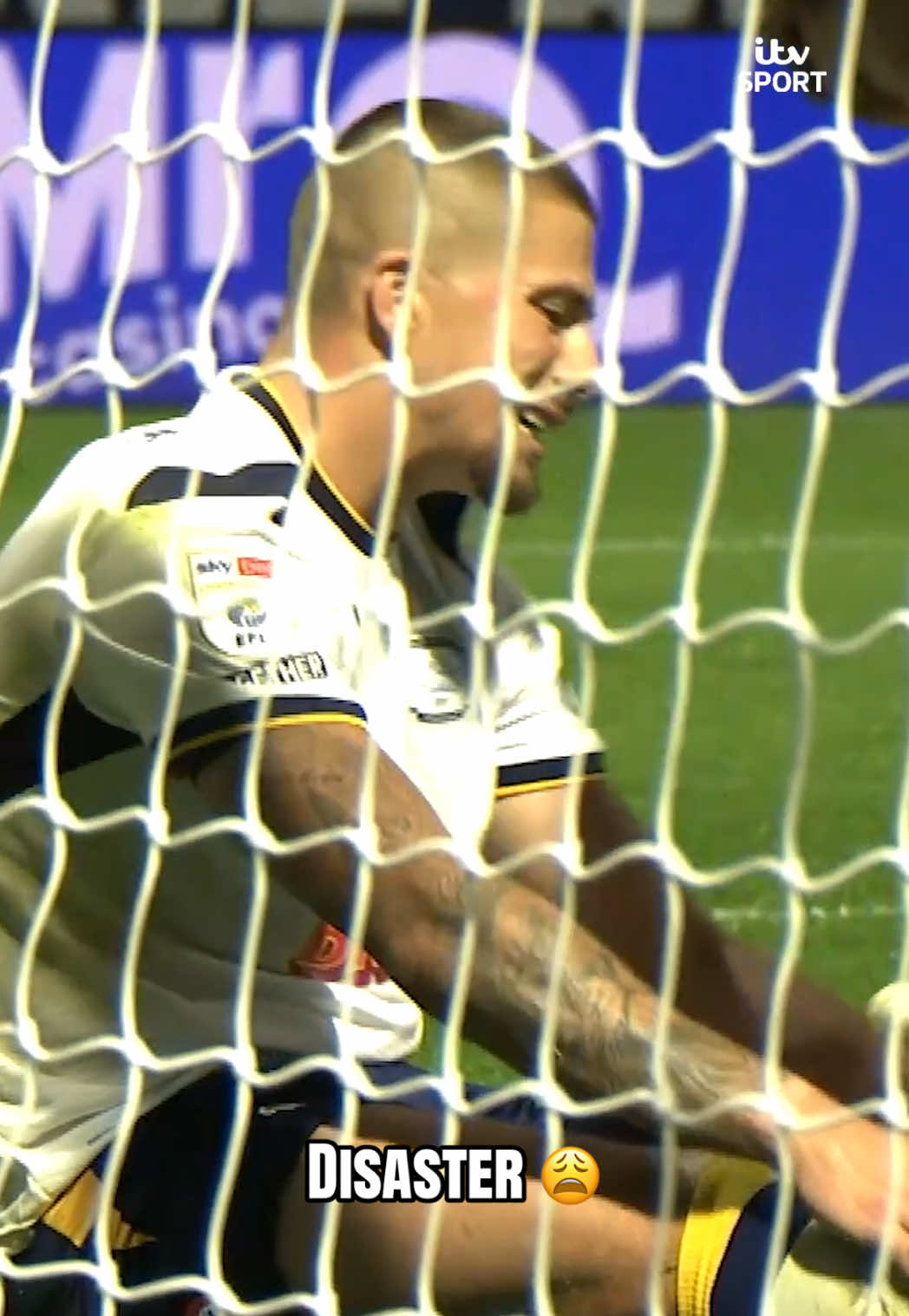
The saxophones are getting louder for Preston here…
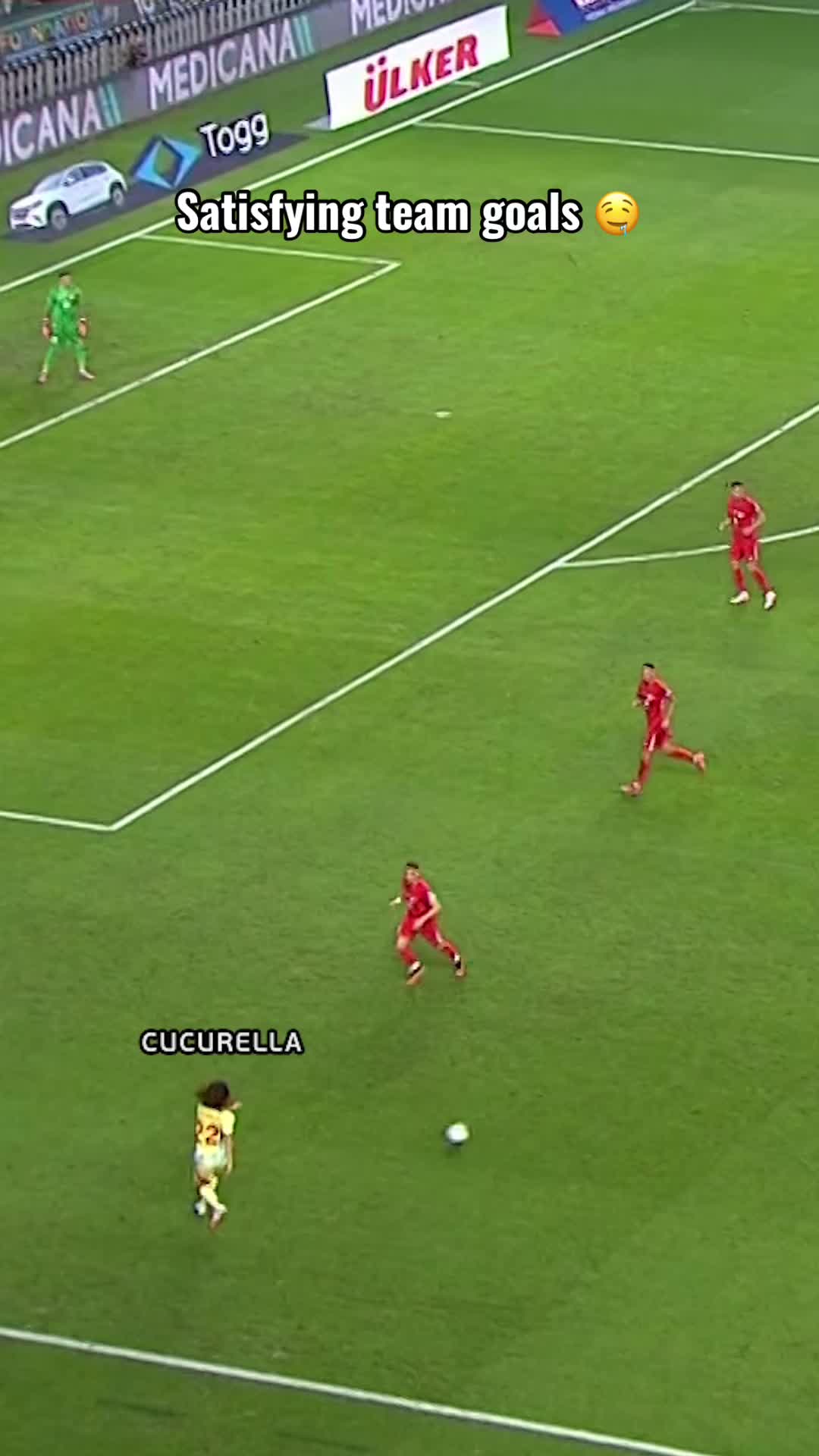
When football is simple but beautiful 😍
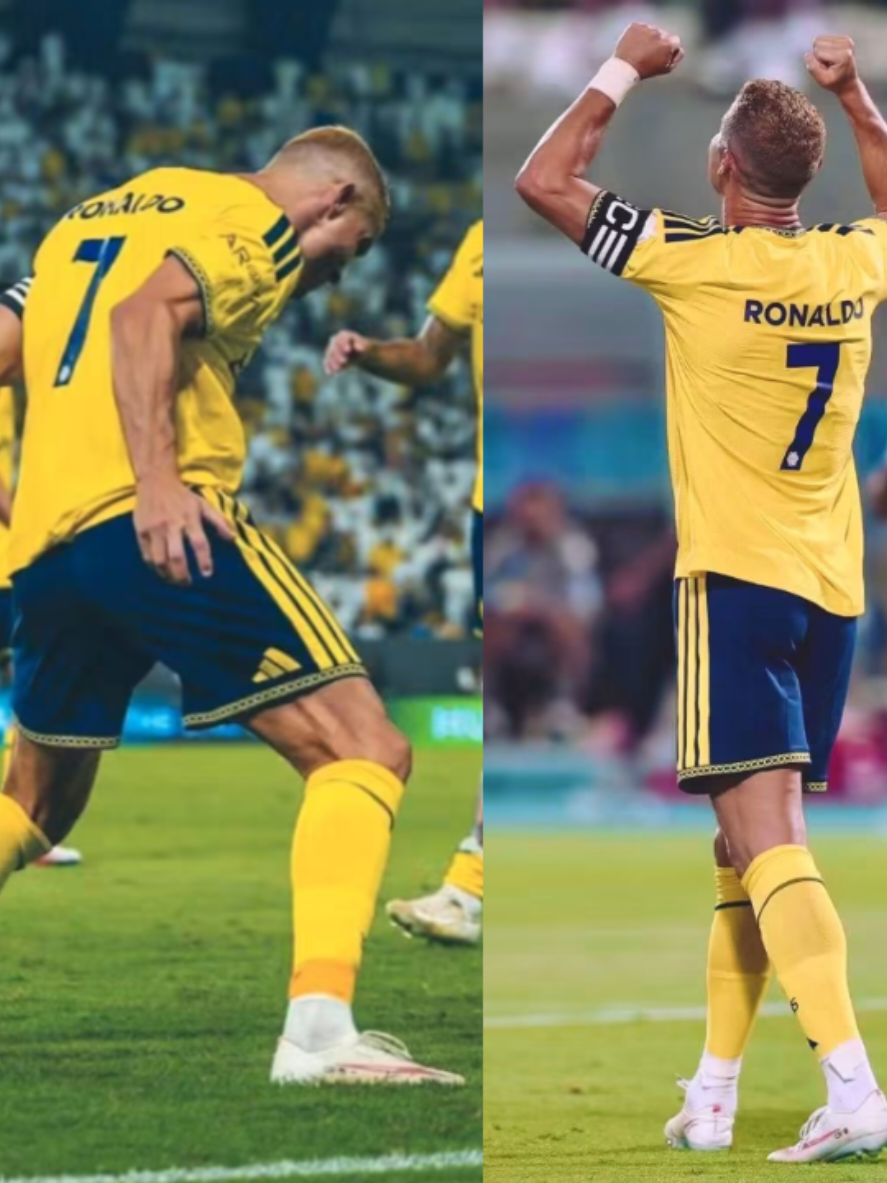
Cristiano Ronaldo is back on the quest for 1,000 goals, and these are his 977th and 978th goals.
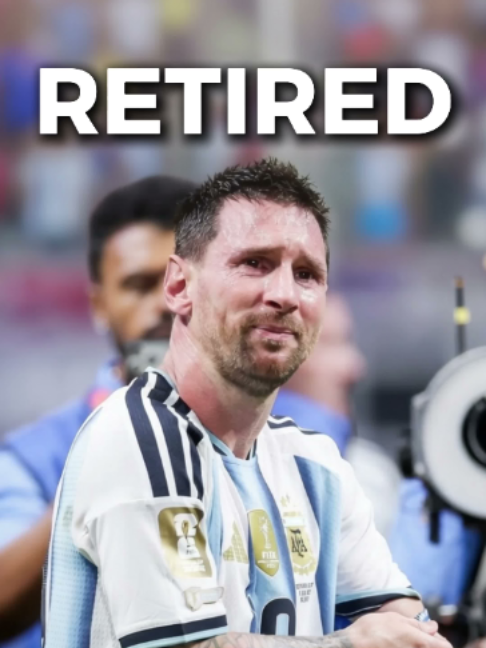
messi argentina retirement messi retiring messi edit
 Links
Links
 Contact
 App
App


