



Argentina came back from 2-0 down, never underestimate a champion's heart.


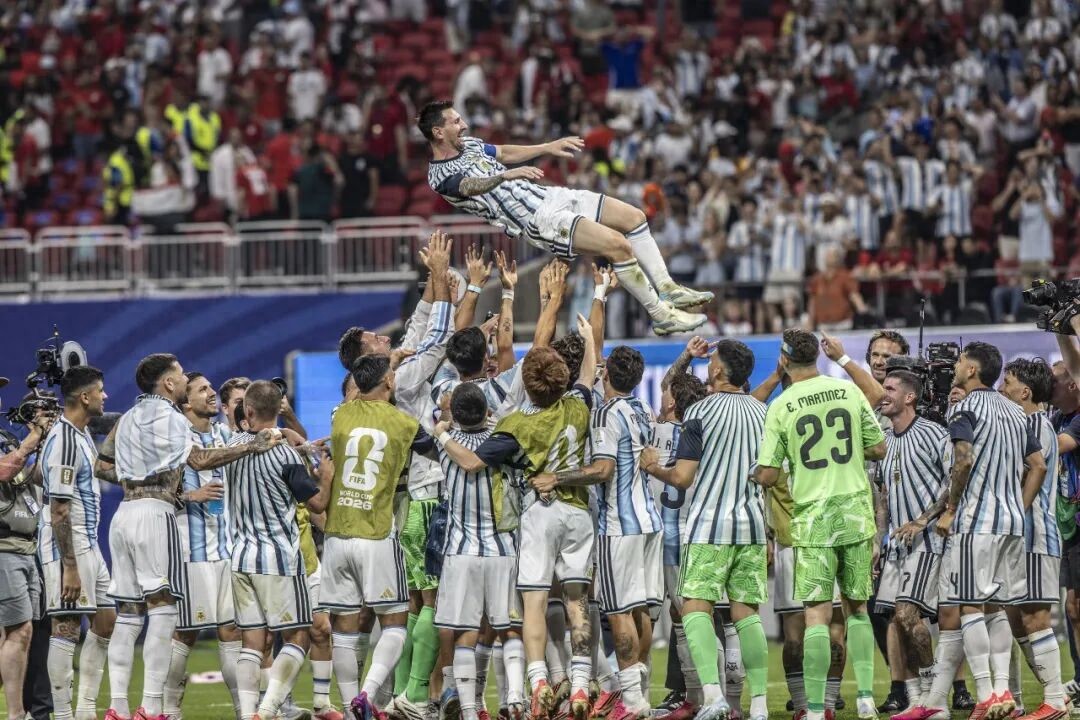
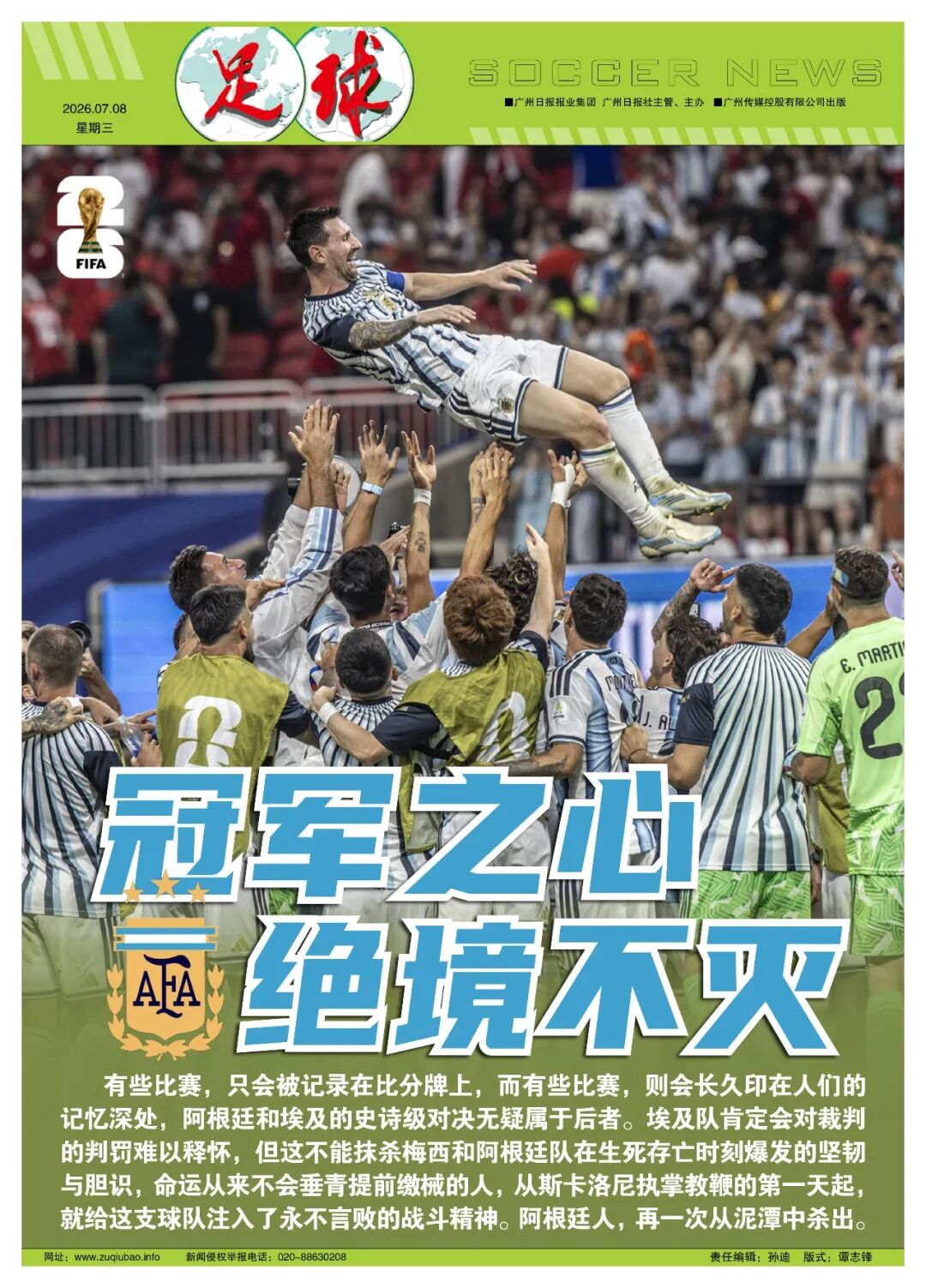
Written by Nino. Some matches are only recorded on the scoreboard, while others are forever imprinted in the depths of memory. The legendary clash between Argentina and Egypt in the early hours of July 8th certainly falls into the latter group.
After narrowly surviving against Cape Verde, Argentina faced Egypt and once again found themselves in trouble: Egypt’s “iron cage triangle” neutralized Messi, leaving the defending champions without their playmaker, flailing like headless flies. Their attack lacked structure, while the defense was struck twice by set pieces and counterattacks. When Egypt’s standout left winger Ziku made it 2-0, the Argentines were on the brink of elimination in the round of 16.
But football is magical. In the final 10 minutes of the second half, fate turned on a dime: Ziku was forced off with an injury, Messi—who had missed a penalty—scored and assisted within four minutes, and substitute Lautaro Martinez set up Enzo Fernandez for a dramatic winner after the latter had made several errors. 3-2, Argentina completed a comeback from 2-0 down, reversing the match and advancing to the quarterfinals.
Egypt had an unforgettable night, unable to let go of their grievances against the refereeing decisions, but that cannot erase the resilience and courage displayed by Messi and Argentina at a critical moment. Even when everything seemed stacked against them, they never stopped believing. Destiny never favors those who surrender early. From the first day he took charge, Scaloni instilled an unwavering fighting spirit in this team, allowing Argentina to fight their way out of the mire once again.


From the moment French referee Letexier blew the opening whistle, Egypt, coached by legendary figure Hassan, launched an intense high press, hoping to smother Messi with the numerical advantage of their 3-5-2 midfield. Scaloni started with a 4-1-3-2 formation, with Paredes and Alvarez in the lineup, no natural wingers, and the offensive focus concentrated in the middle. But Argentina’s passing lacked variation and relied too heavily on short passes, making it easy for Egyptian players to read the play. Both wide players, De Paul and Enzo, made frequent errors under pressure.
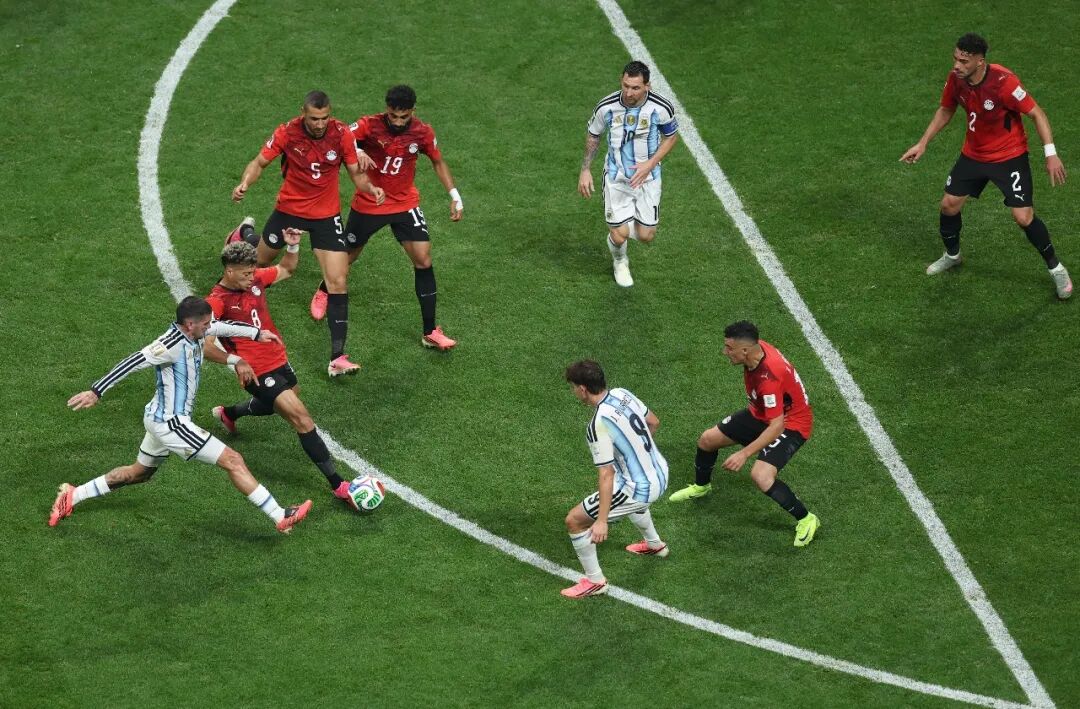
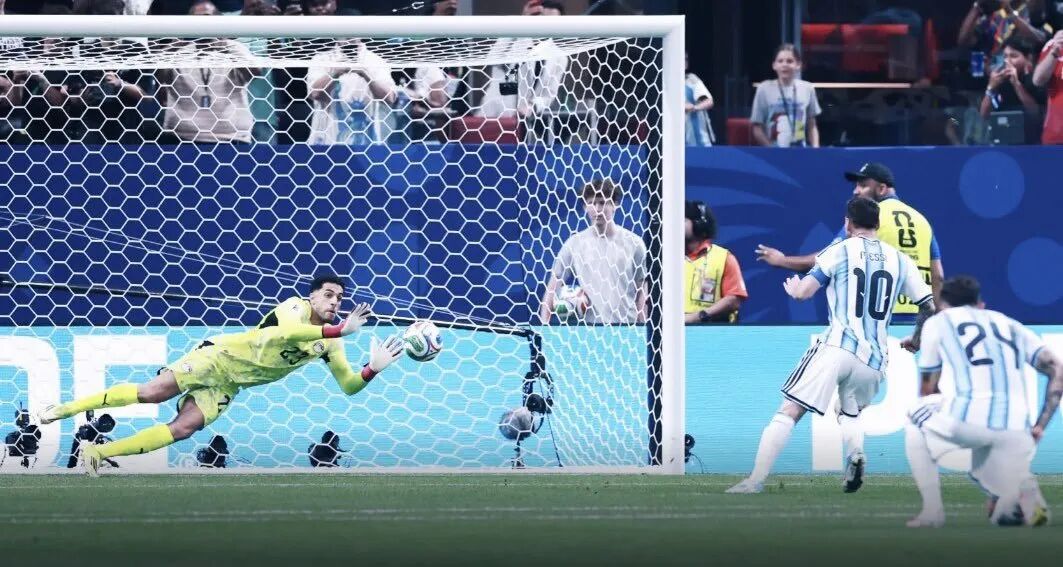
In the 15th minute, Yasser capitalized on a set piece, heading past Lisandro Martinez who had lost his mark, and the Argentine fans fell silent. It was the first time they had trailed in a World Cup since losing to Saudi Arabia in the group stage of the previous tournament. Six minutes later, Tagliafico won a penalty, but Messi’s spot kick was saved by Egypt’s young goalkeeper Shobeir. Messi became the first player to miss two penalties (excluding shootouts) in a single World Cup, which visibly affected his and the team’s mentality. As the match progressed, Argentina grew visibly anxious, while Shobeir continued his heroics, denying close-range efforts from Mac Allister and Alvarez. At halftime, Argentina were still behind.
In the second half, Scaloni did not immediately adjust the tactics, but Egypt’s impenetrable defense forced Argentina into futile possession around the edge of the box. Meanwhile, Egypt struck again on the counter through Ziku, only for VAR to rule it out after determining that the Egyptian player had committed a stamp during the tackle.
Still trailing 1-0, Argentina breathed a sigh of relief. Scaloni quickly made changes: winger Gonzalez and striker Lautaro replaced full-back Tagliafico and midfielder De Paul, while Montiel came on for Molina, adopting a more aggressive three-man defense.
But Argentina suffered another blow—Egypt struck again with a near-identical counterattack to the one that had been disallowed. Once more it was Ziku, who slotted home easily, and this time there was no doubt about the goal.
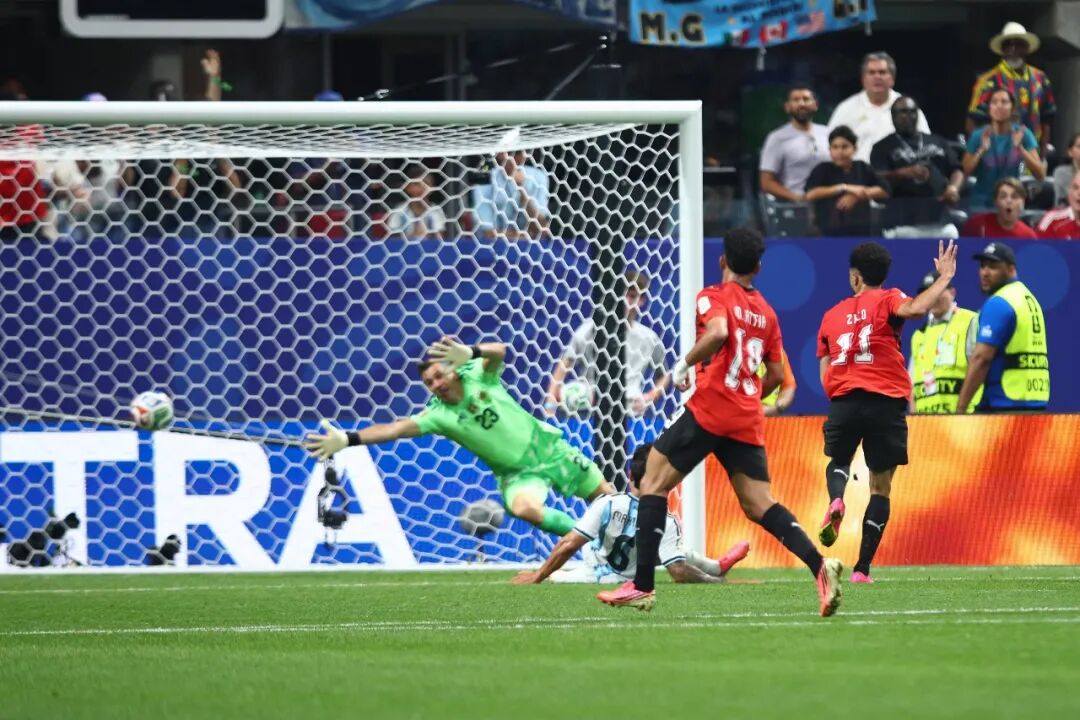
With just over 20 minutes left, Argentina were in deep trouble—almost a hopeless situation. At that moment, almost everyone thought Argentina were finished.

Yet football is truly magical. Under extreme pressure, Argentina erupted, and the idea that a 2-0 lead is more dangerous than 1-0 seemed to prove true once again.
In the previous World Cup, Argentina fought hard against Mexico, the Netherlands, and France. In this edition, they faced a nerve-wracking moment against Cape Verde, but fought through. This time was no different.
Messi stopped trying to force his way through the middle or rely on intricate combinations. Instead, he shifted to the right flank, gaining valuable space to lift his head, pick out more dangerous attacking options, and completely transform Argentina’s attack. With Lautaro and Gonzalez stretching the play on both wings, Argentina’s wide play was revitalized. They regained control of midfield, quickened the tempo of their passing, and piled on the pressure. Romero pushed forward into the box, using his height to trouble Egypt’s defense.
In the 79th minute, Messi delivered a cross from the right, and Romero headed home to make it 2-1. It was Messi's ninth World Cup assist, equaling the record held by 1954 champion Germany captain Fritz Walter and 1958/1962 champion Brazil midfielder Waldir Pereira. Messi now tops both the assist and goal charts in World Cup history.
Just four minutes later, Messi again orchestrated an attack from the right. The Egyptian defense failed to clear, and the ball fell back to Messi, who unleashed a powerful shot to equalize. It was his eighth goal of this World Cup, bringing his all-time World Cup tally to 21, further extending his own record. After scoring, Messi let out a roar of relief.
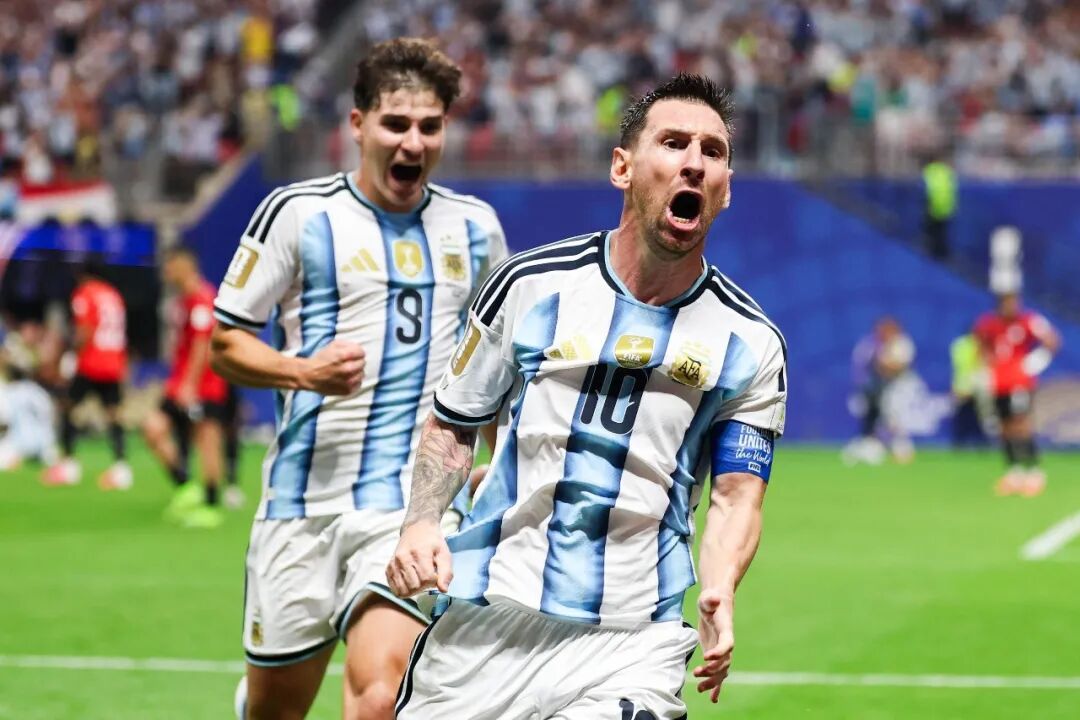
In stoppage time of the second half, Lautaro calmly assessed the counterattack and delivered a precise cross. Enzo, using his excellent physical attributes, powered a downward header that left Shobeir helpless, the ball arcing beautifully into the net.
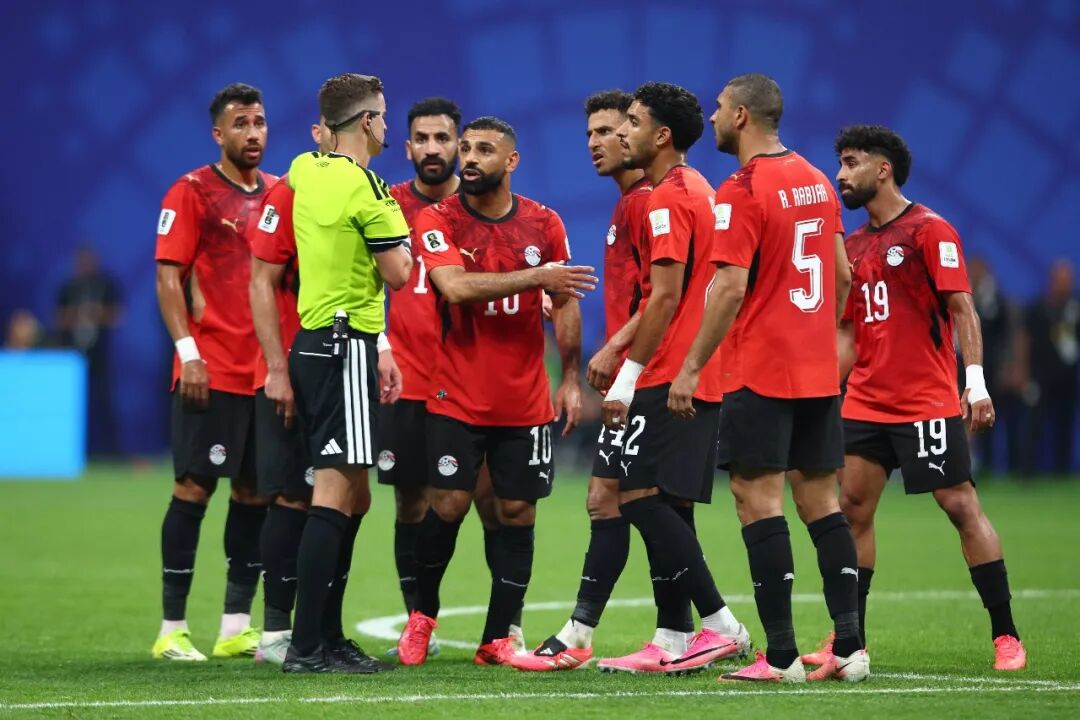
3-2, Argentina had completed the comeback. Egyptian players and coaching staff were furious, arguing that a foul on Salah before the counterattack and an earlier tug on Hamdy by Mac Allister inside the box had been clearly missed. Coach Hassan and several players received yellow cards for arguing with the referee.
After the match, Egypt remained livid. Hassan and Ziku both strongly criticized the officiating. Ziku bluntly said the match seemed rigged: “We were 2-0 up, and then the referee came after us. Congratulations to Argentina—looks like they’re going to win another World Cup.” Hassan added: “We should have had a penalty, but it was denied. One of our goals was disallowed. After that, we could have made it 3-1, but instead it became 2-2. And that pull on Hamdy in the box was clearly a penalty.”

When the final whistle blew, the entire Argentina team celebrated wildly. It was a night of survival.
Messi could not contain his emotions and wept. Even the usually calm Scaloni was too emotional to give a pitchside interview. Messi redeemed himself after missing the penalty by contributing a goal and an assist. After the game, he said he was proud of his teammates: “This win is a relief for all of us. Coming back from 2-0 down is not easy, but as I always say, this team never gives up and fights until the last moment. We were lucky that Romero scored when he did, and we still had time to turn things around within 90 minutes. What this team did today was incredible. We once again showed Argentine pride, character, and desire.”
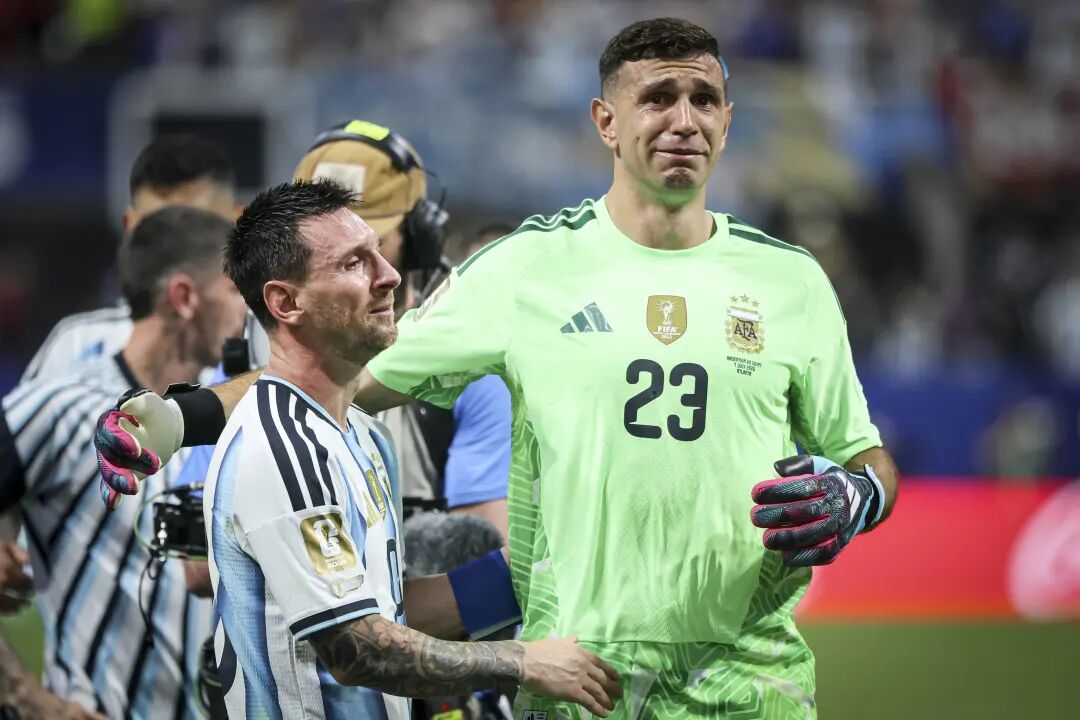
Scaloni said the victory was as significant as other great moments in Argentina’s history: “This is a team that never stops, that always pushes forward. That is the true essence of football. Tactics and strategy are important, but without the spirit we showed today, we would have been eliminated long ago.”
Of course, the Egyptians will feel aggrieved, and they will keep complaining about the refereeing. But the fact remains that Argentina scored three goals in the final 20-plus minutes, partly because Egypt let their guard down, and the defending champions unleashed enormous energy in a desperate situation.
One question remains: Is this Argentine team truly strong? In terms of squad depth and individual reputation, they are far from the strongest. They ran into major trouble against Cape Verde and Egypt, but they fought their way through. Moreover, resilience in adversity, on-field character, and the courage to fight tooth and nail are even more important in World Cup knockout matches. Argentina deserve their quarterfinal spot and will continue to pursue a title defense.


Wonderfulshortvideo
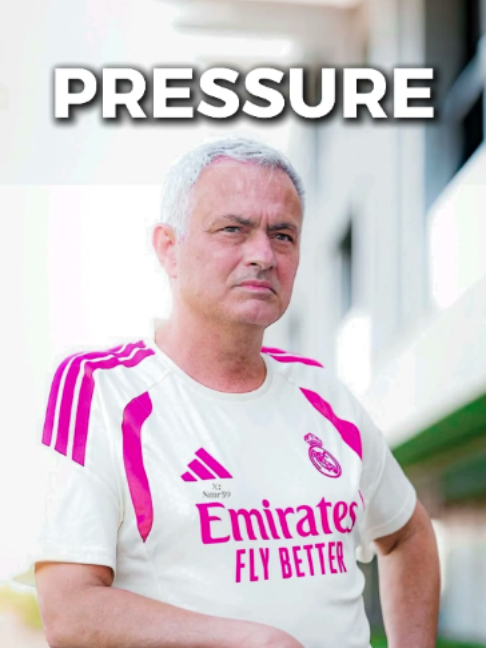
Mourinho edit mourinho interview jose mourinho press conference real madrid news today



Cristiano Ronaldo received a warm welcome from fans ahead of tomorrow's match against Al Ittihad.
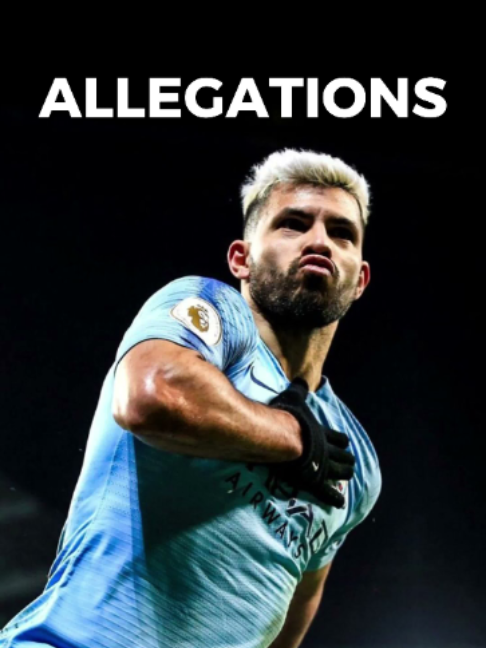
aguero drug trafficking case football news today
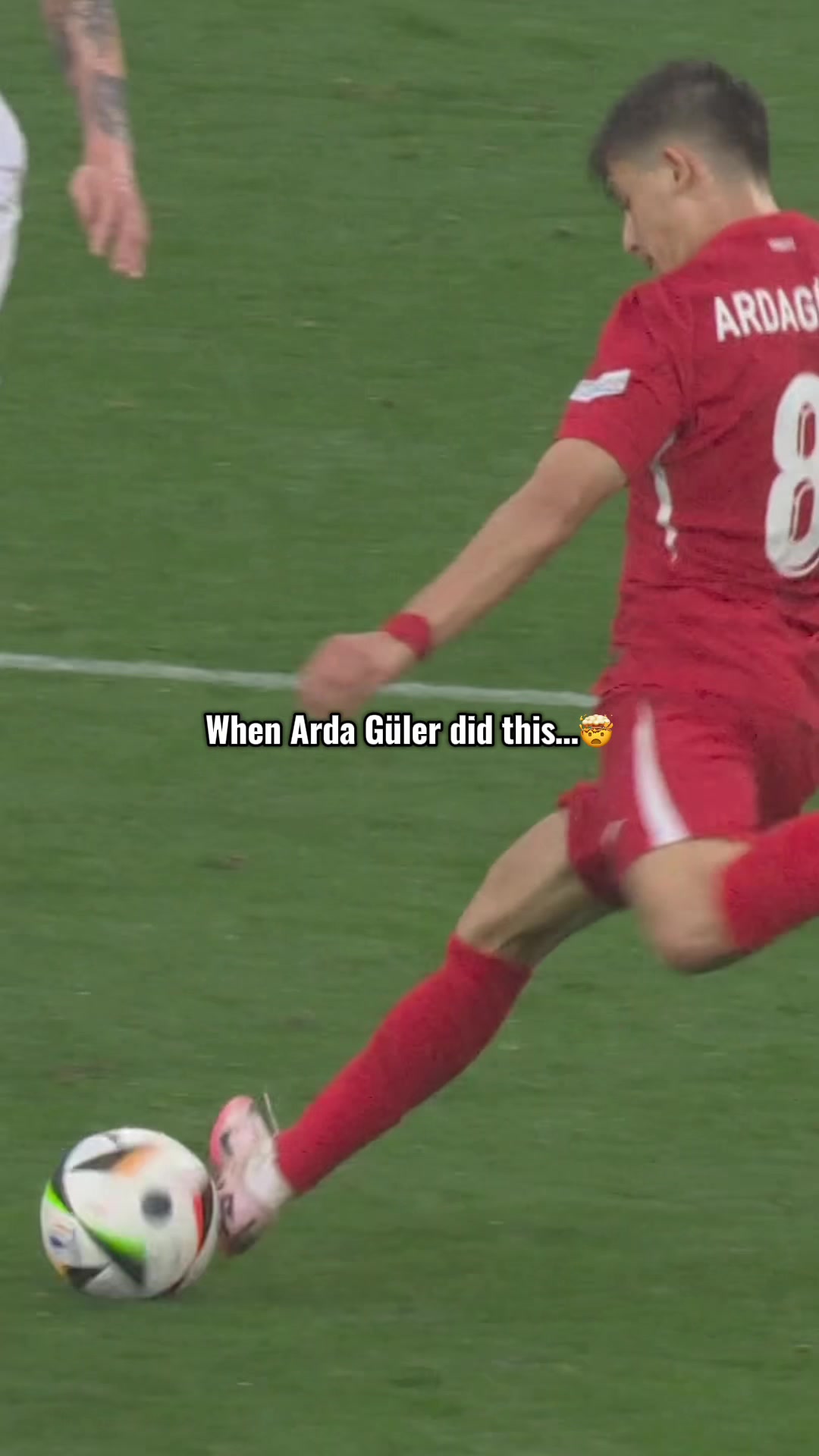
This Arda Güler goal on repeat 🔁

BARCELONA REVENUE barcelona news today

Lashed home by Kieffer Moore ☄️
The saxophones are getting louder for Preston here…
 Links
Links
 Contact
 App
App


