



World Cup 2026: The Deschamps Transformation



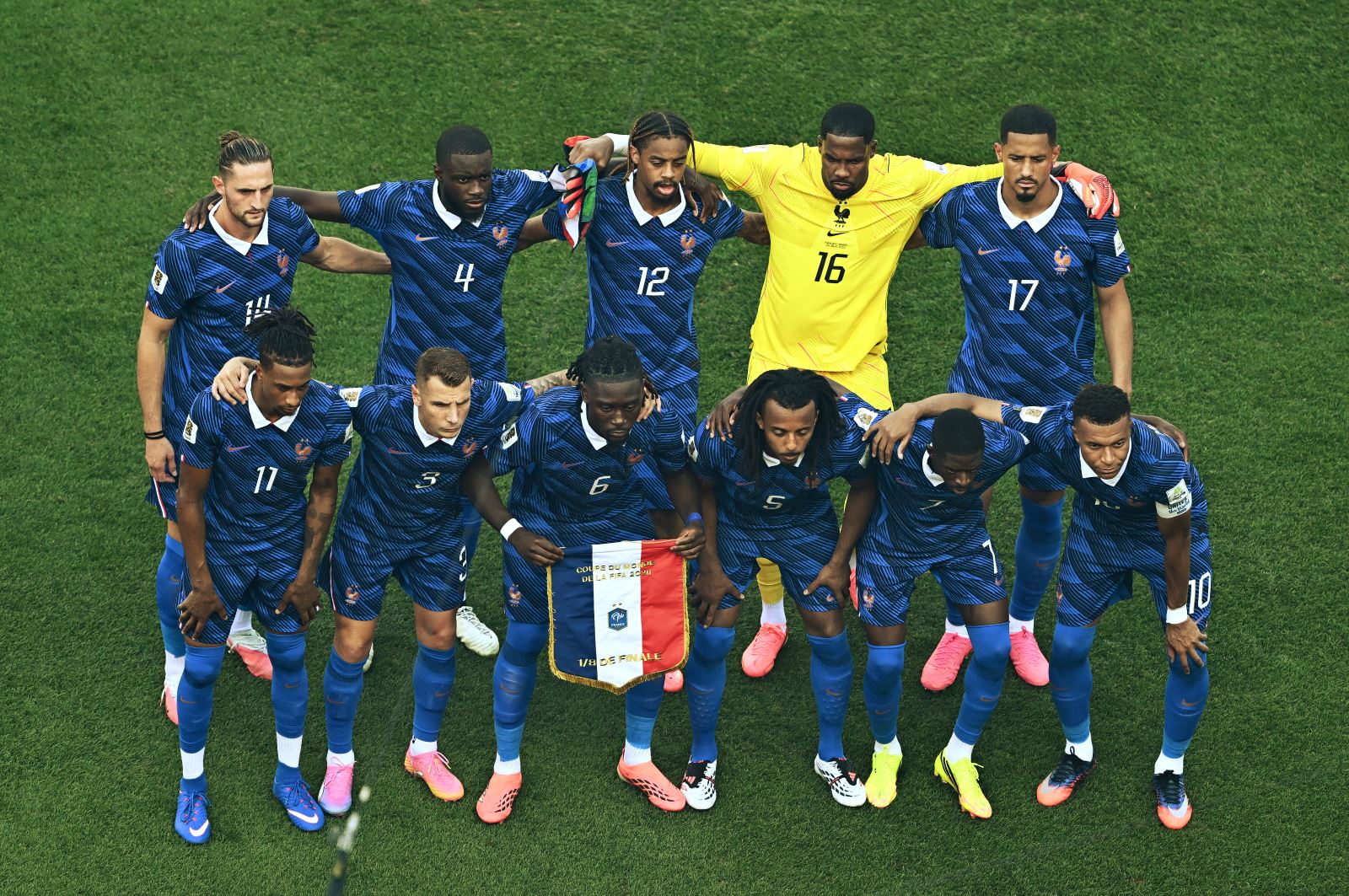
Sports daily L'Équipe considers this one of the most notable changes during the 57-year-old manager's final World Cup in charge of the French team.
According to L'Équipe, Deschamps has maintained a 4-2-3-1 formation with four attacking players from the start of the tournament, giving Michael Olise more playmaking responsibilities in the number 10 role and encouraging the forwards to move flexibly. This approach is seen as a departure from the pragmatic image long associated with the French team under his tenure.
The change becomes even more evident when compared to Euro 2024, where France scored only four goals in five matches and the attack failed to meet expectations. According to L'Équipe, the problem for "Les Bleus" at that time was not a defensive approach but an ineffective attacking execution.
The turning point came from the win over Croatia in the UEFA Nations League quarterfinals in March 2025. The decision to enhance Michael Olise's role in central areas helped the French team's attack become more coherent. Since then, Deschamps' side has averaged 2.61 goals per game and maintained a rate of 2.8 goals per game at the 2026 World Cup.
According to L'Équipe, although Deschamps insists the French team has pursued a similar style since the 2022 World Cup, the current system is significantly different. In Qatar, while also using four attacking players—Kylian Mbappé, Ousmane Dembélé, Olivier Giroud, and Antoine Griezmann—Griezmann often dropped deep as a central midfielder, whereas Michael Olise now takes on a more distinct playmaking role.
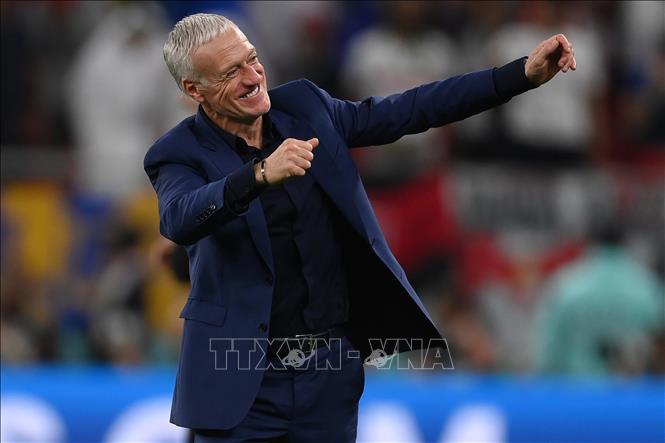
L'Équipe also suggests that in a context where tactical revolutions are increasingly difficult at the national team level, France currently does not copy any club's model. Although only two starters are from Paris Saint-Germain, the capital club still exerts influence through collective team spirit and the requirement for attacking players to actively contribute to defensive support.
Placing the current French team in historical context, L'Équipe compares it as one of "Les Bleus" most attack-oriented squads in major tournaments. The newspaper recalls the 1958 World Cup team with 23 goals in six games, Michel Platini's generation winning Euro 1984, the team that triumphed at Euro 2000, and notably the 2006 World Cup finalists with the quartet of Franck Ribéry, Zinedine Zidane, Florent Malouda, and Thierry Henry.
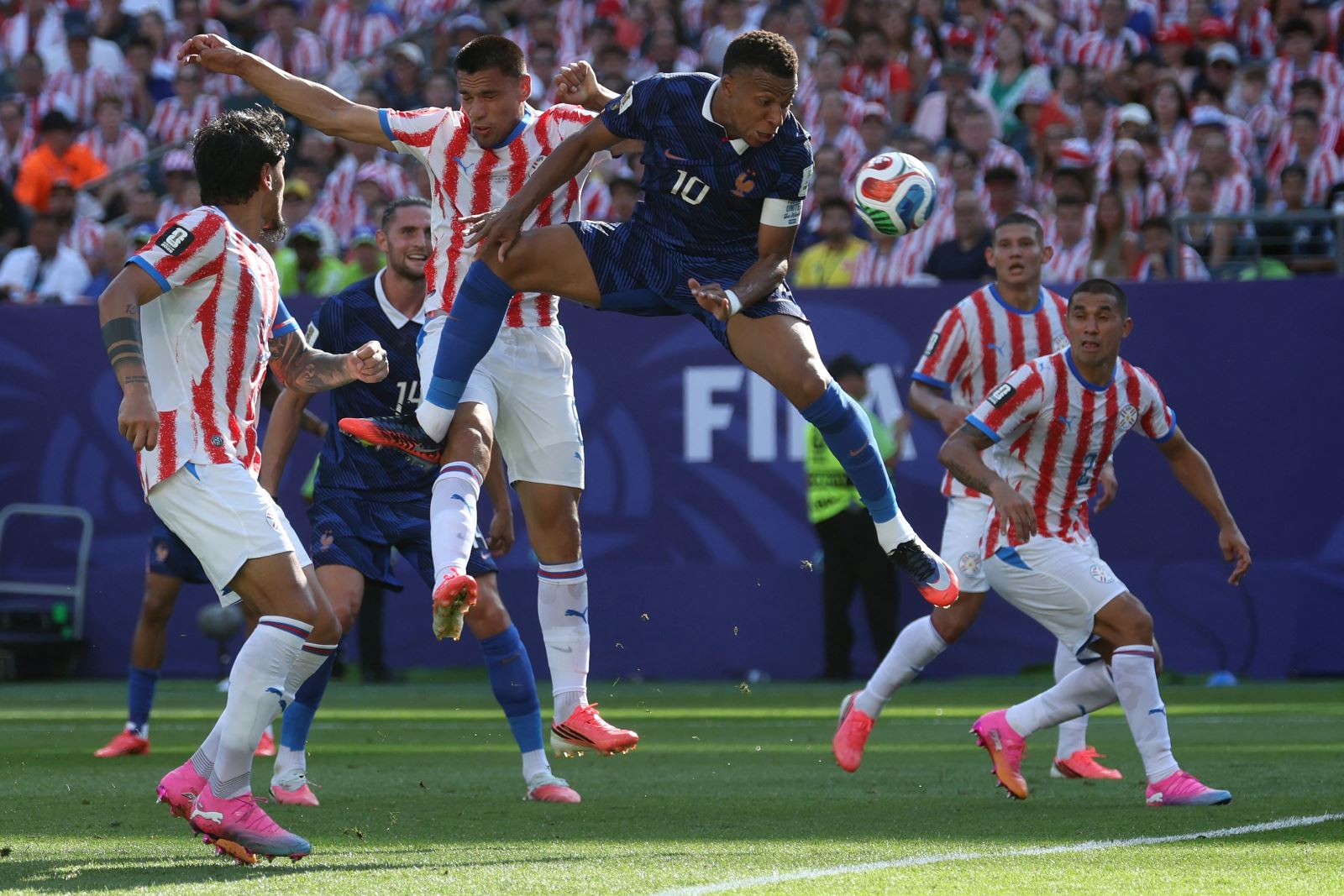
According to L'Équipe, the French team at the 2026 World Cup shares many similarities with the 2006 side in terms of deploying four attacking players, but achieves a higher scoring efficiency. The French sports daily suggests that whether Deschamps continues to pursue this philosophy or adjusts to strengthen the midfield in tougher matches will depend on each opponent. Nonetheless, what the French team has shown since the start of the tournament indicates that Deschamps is gradually changing his image as a coach once considered overly pragmatic, while reigniting the long-standing debate about the possibility of conquering the World Cup with an attack-oriented style.


Wonderfulshortvideo
BARCELONA REVENUE barcelona news today


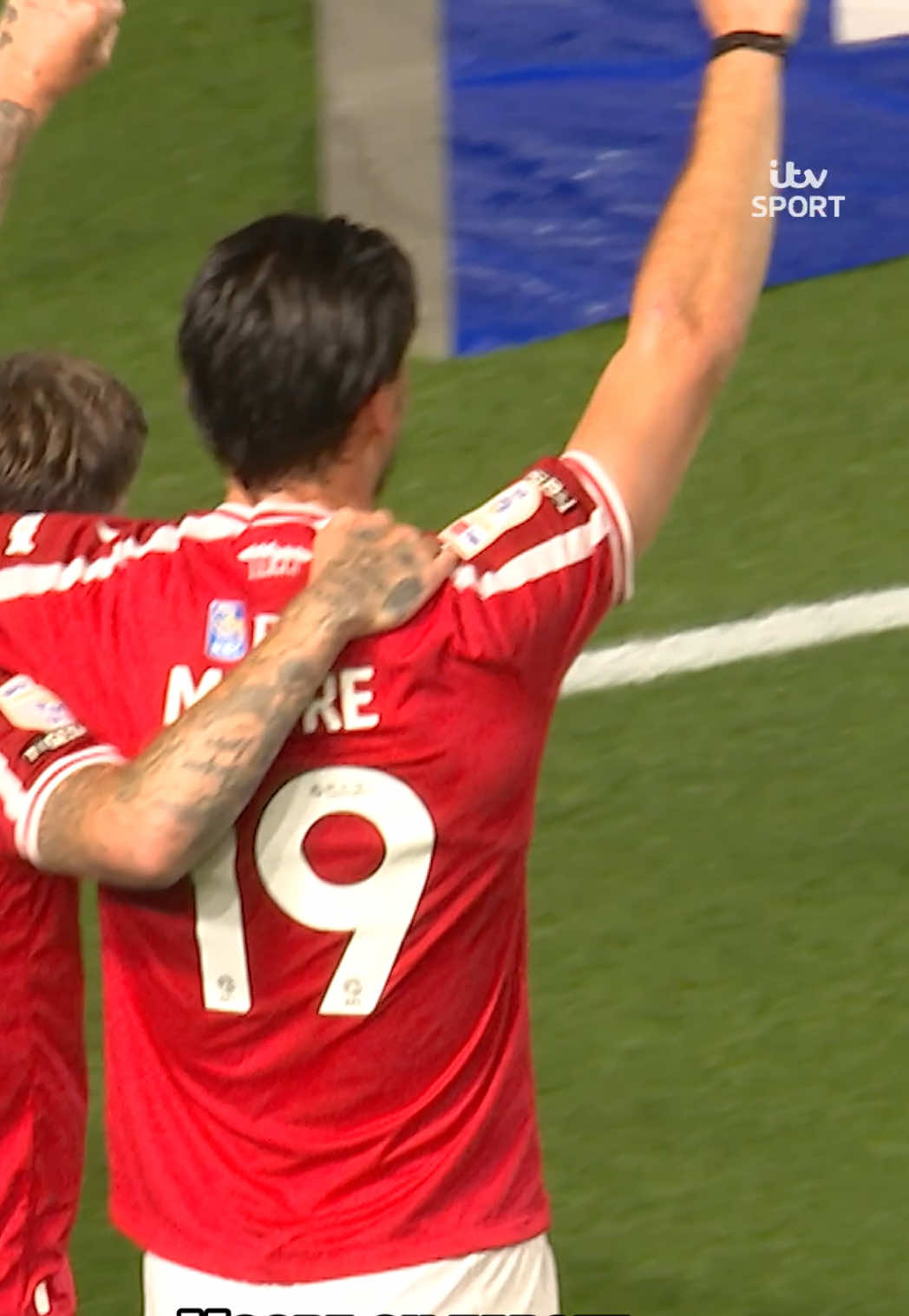
Lashed home by Kieffer Moore ☄️
The saxophones are getting louder for Preston here…
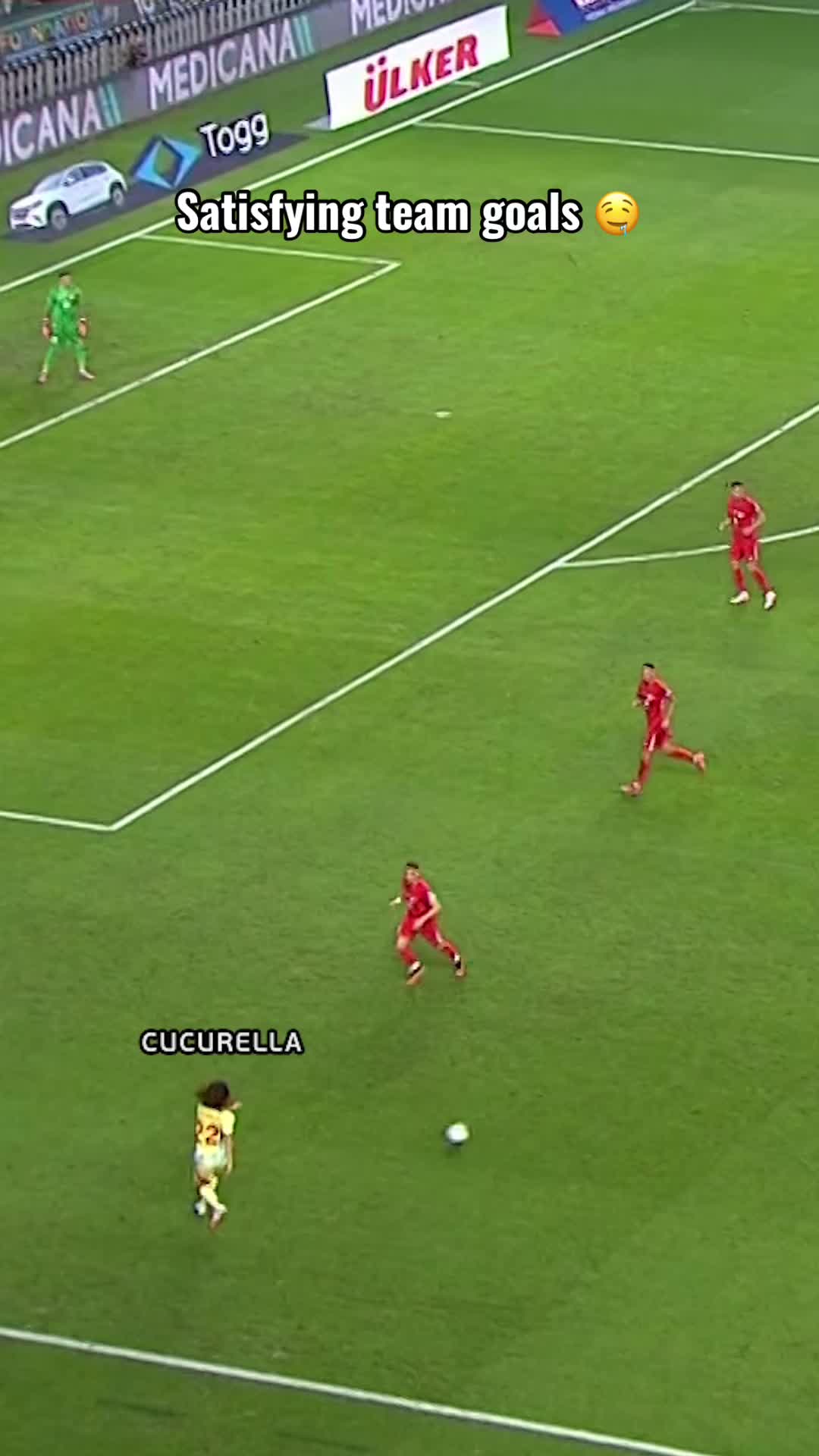
When football is simple but beautiful 😍
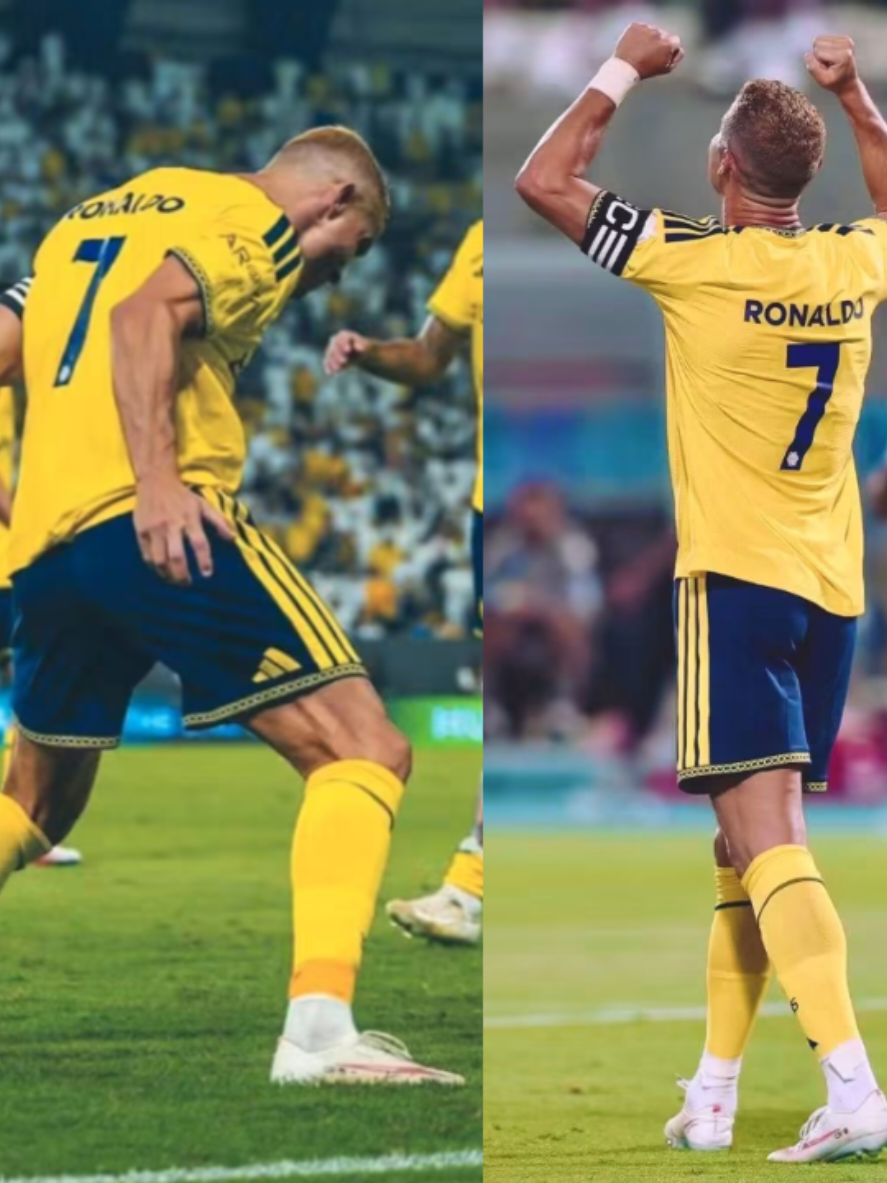
Cristiano Ronaldo is back on the quest for 1,000 goals, and these are his 977th and 978th goals.
messi argentina retirement messi retiring messi edit
The Swans go TOP of the Championship 🦢
 Links
Links
 Contact
 App
App


