



World Cup 2026: The Surprising Truth About Referees' Physical Fitness



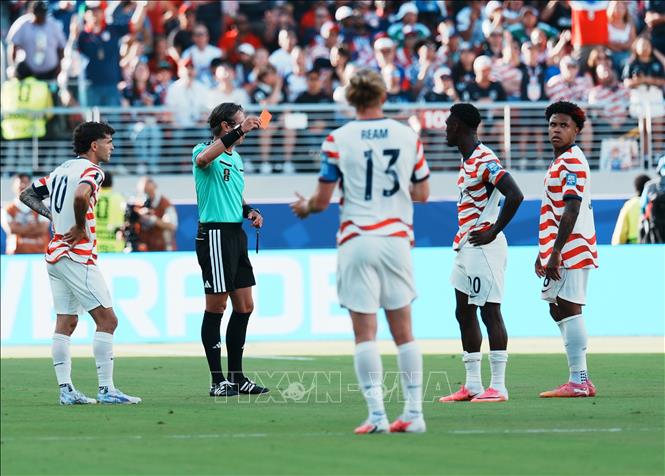
According to FIFA, World Cup referees typically cover 12–13 km per match, a distance comparable to many players on the field. Beyond simply running long distances, they must constantly sprint, change direction, maintain optimal viewing angles, and make precise decisions while their heart rates remain extremely high.
For this reason, FIFA began preparing the "men in black" for the 2026 World Cup nearly four years ago, with a process no different from that for elite athletes. Referees undergo multiple periodic fitness tests, with training intensity significantly increasing in the six months leading up to the tournament.
Their biggest challenge is not just the distance covered. A referee may officiate a match in the hot, humid conditions of the USA, then later handle a game in Mexico City, where an altitude of over 2,200 meters above sea level makes breathing and recovery far more difficult. Long flights, time zone changes, and extreme weather make the 2026 World Cup a comprehensive endurance test.
FIFA says lessons learned from the 2025 Club World Cup in the USA have been fully leveraged to prepare referees, especially in adapting to high temperatures, high humidity, and the constant travel between venues. During training, referees are simultaneously honed in endurance, speed, strength, acceleration, and flexibility.
Many exercises are designed to precisely simulate on-field scenarios, from sprinting after the ball to sudden direction changes to maintain the best viewing angle. All are monitored via GPS data, heart rate sensors, and recovery metrics to ensure referees are in peak condition before each match.
Studies cited by FIFA show that fatigue directly impacts officiating quality: referees tend to choose poorer positions, have limited visibility, and experience slower reflexes, increasing the risk of incorrect decisions. Therefore, physical fitness is no longer a secondary factor but a vital foundation for refereeing at major tournaments.
For the 2026 World Cup, the officiating team includes 52 main referees, 88 assistant referees, and 30 VAR referees from 50 member associations. They are based in Miami in a specially designed environment for training, recovery, and professional preparation, supported by medical staff, physiotherapists, and sports nutritionists.
Three days before each match, referees typically conduct high-intensity simulation training sessions combined with acceleration and short-burst speed drills. After the match, the top priority is physical recovery through light exercises, massage, cryotherapy, and strict hydration protocols. FIFA also adjusts training schedules to minimize prolonged exposure to harsh sunlight.
These demanding requirements are easily overlooked by fans, as referees rarely appear in highlight reels. But in reality, they perform an astonishing amount of physical exertion. According to FIFA, in top-level matches, high-intensity running can account for more than one-third of a referee’s total distance covered, while their heart rate often fluctuates between 80–100% of its maximum threshold.
Not only do they run, but they must also simultaneously observe player movements, detect potential fouls, anticipate tactical developments, and find the best angles to make the most accurate decisions—all while accelerating at match pace.
Despite thorough preparation, injury risks remain ever-present. In a group-stage match between the USA and Australia, German referee Felix Zwayer suffered cramps and collapsed on the field during stoppage time, requiring players from both teams and his assistants to help stretch his muscles so he could continue officiating until the final whistle.
As the 2026 World Cup enters its decisive rounds, the spotlight remains on the stars on the pitch. Yet behind every game-changing moment are the silent footsteps of referees—individuals enduring physical pressure just as intense as any player.


Wonderfulshortvideo
BARCELONA REVENUE barcelona news today



Lashed home by Kieffer Moore ☄️
The saxophones are getting louder for Preston here…
When football is simple but beautiful 😍
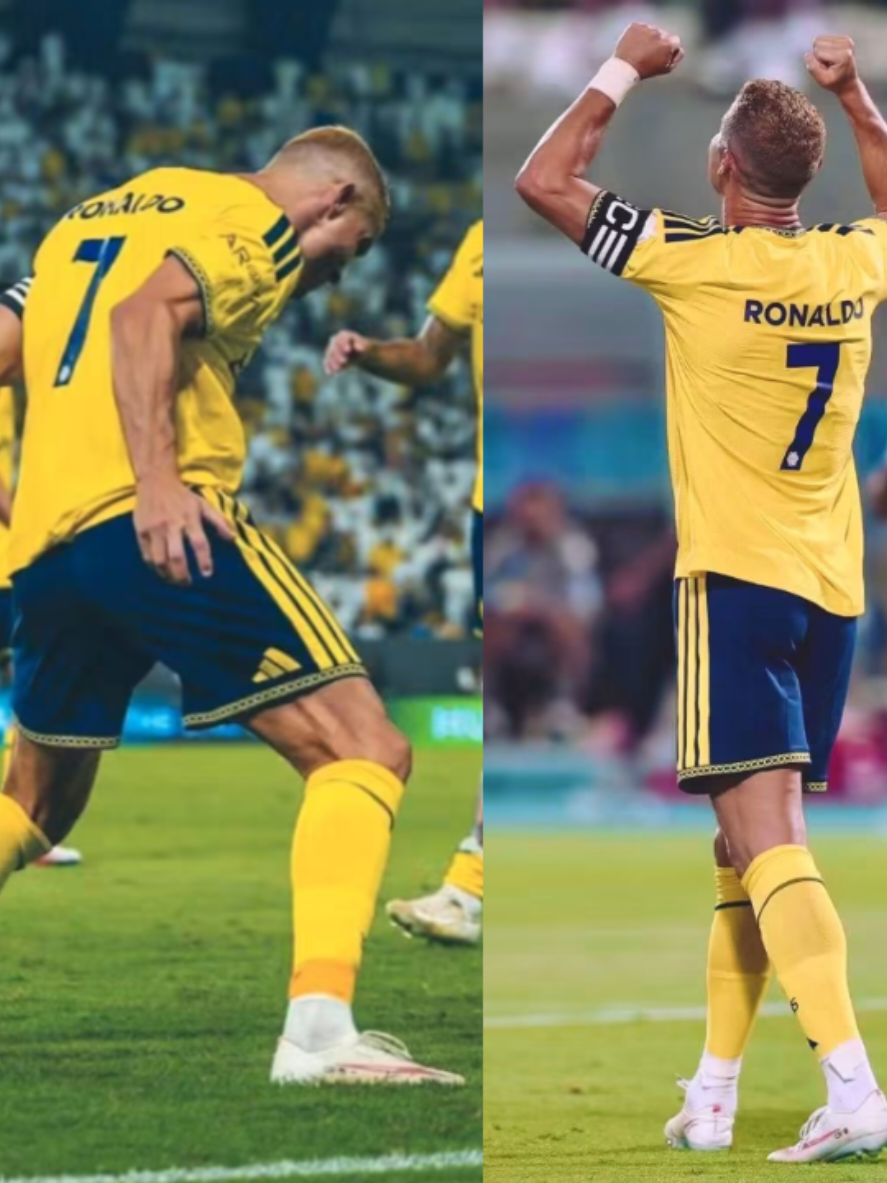
Cristiano Ronaldo is back on the quest for 1,000 goals, and these are his 977th and 978th goals.
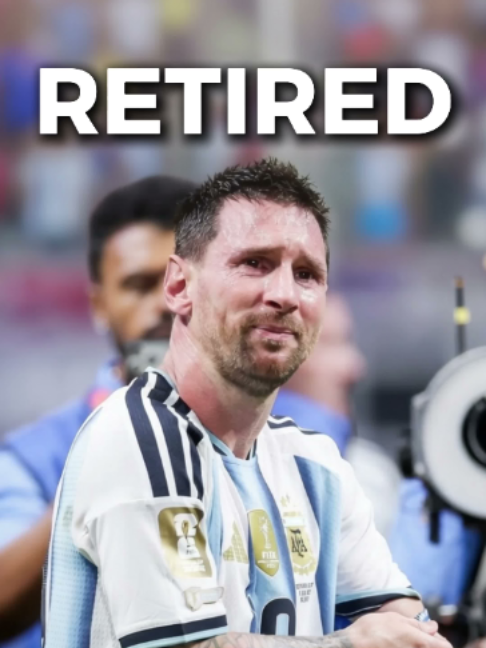
messi argentina retirement messi retiring messi edit

The Swans go TOP of the Championship 🦢
 Links
Links
 Contact
 App
App


