



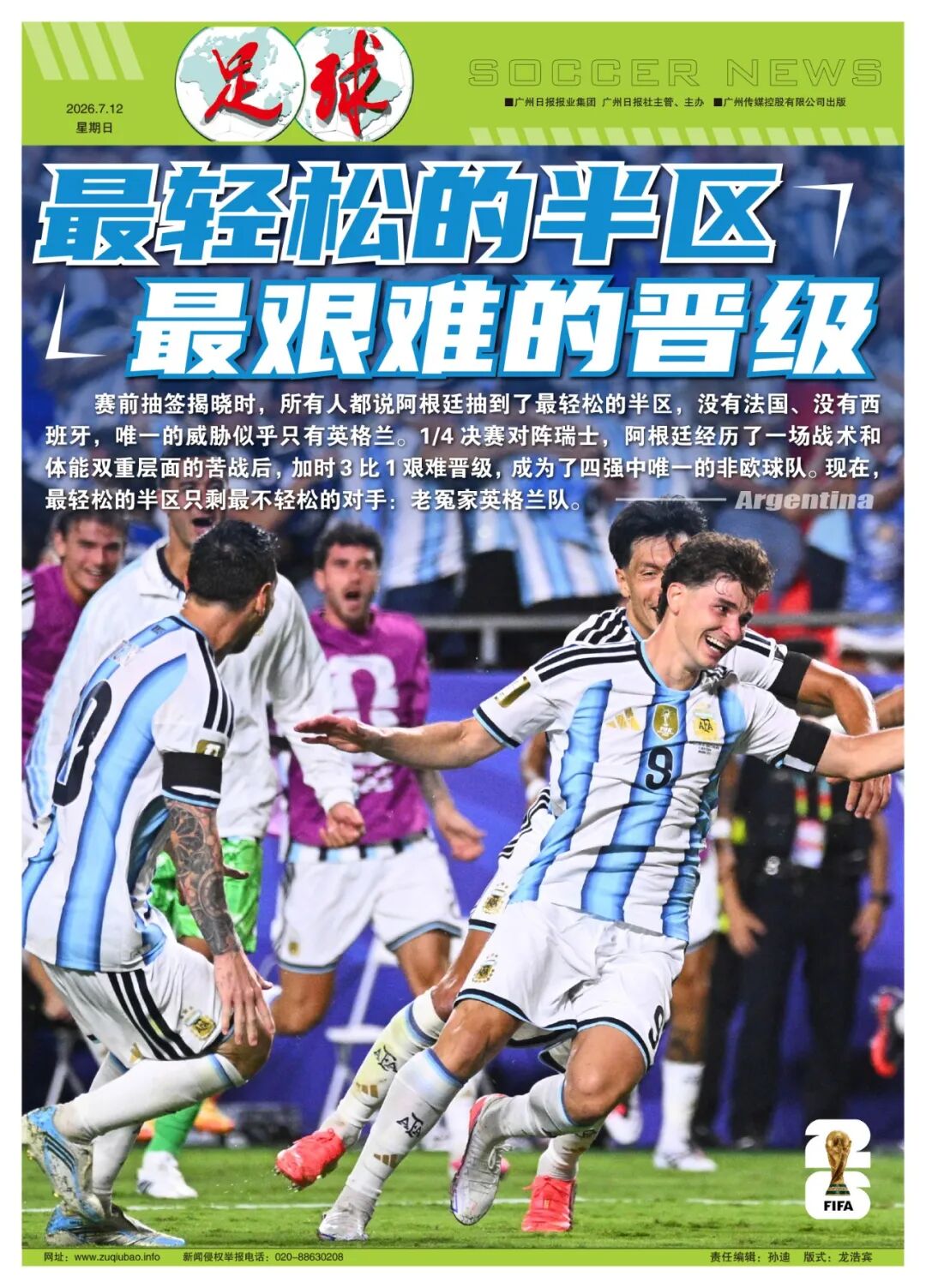
Argentina breaks through Switzerland's "iron wall," just two matches away from defending their title!



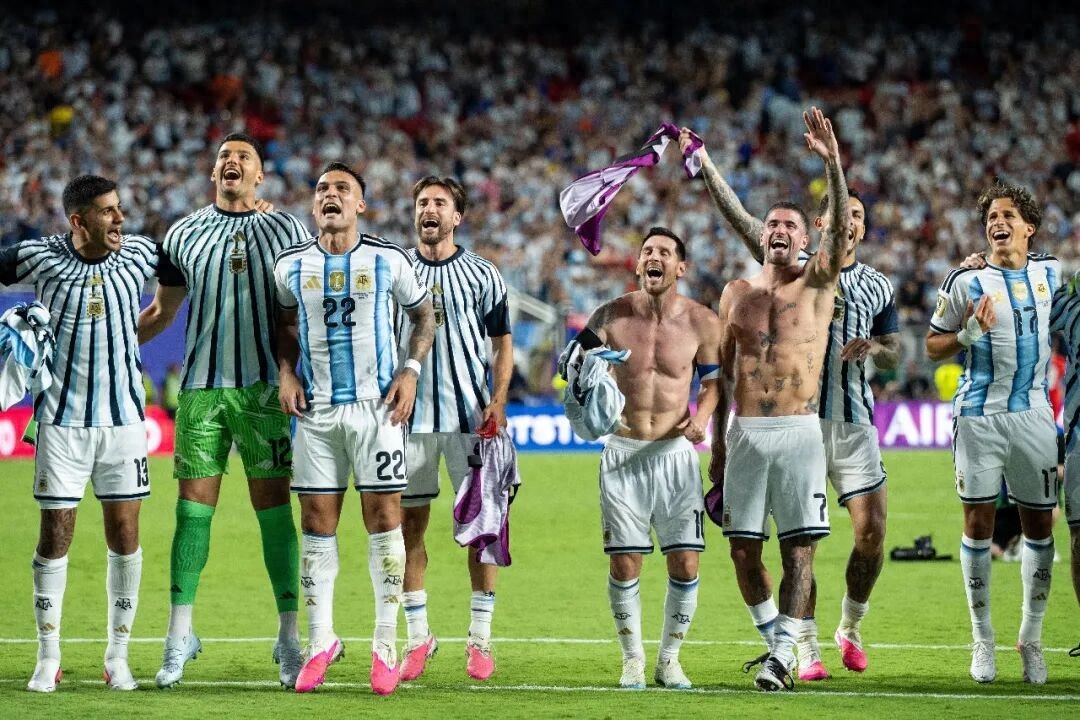
Written by Nino In the World Cup quarterfinal at Kansas City Stadium, Argentina endured a tough fight on both tactical and physical fronts. Confronted by a Swiss side with almost flawless defensive organization, they failed to secure victory in regular time, and after the equalizer, they looked vulnerable. It was only in the dying moments of extra time, thanks to Alvarez's stunning long-range strike and Lautaro's follow-up finish, that Argentina triumphed 3-1 over Switzerland to narrowly advance to the World Cup semifinals.
For Argentina, the match was far more dramatic than the final score suggests. Switzerland proved why they had reached the last eight, dragging the defending champions into a war of attrition through intense physical confrontations, pressing, and tight zonal defense. Argentina, meanwhile, once again displayed the key trait of the Scaloni era: they may not always play perfectly, but they consistently find ways to win.
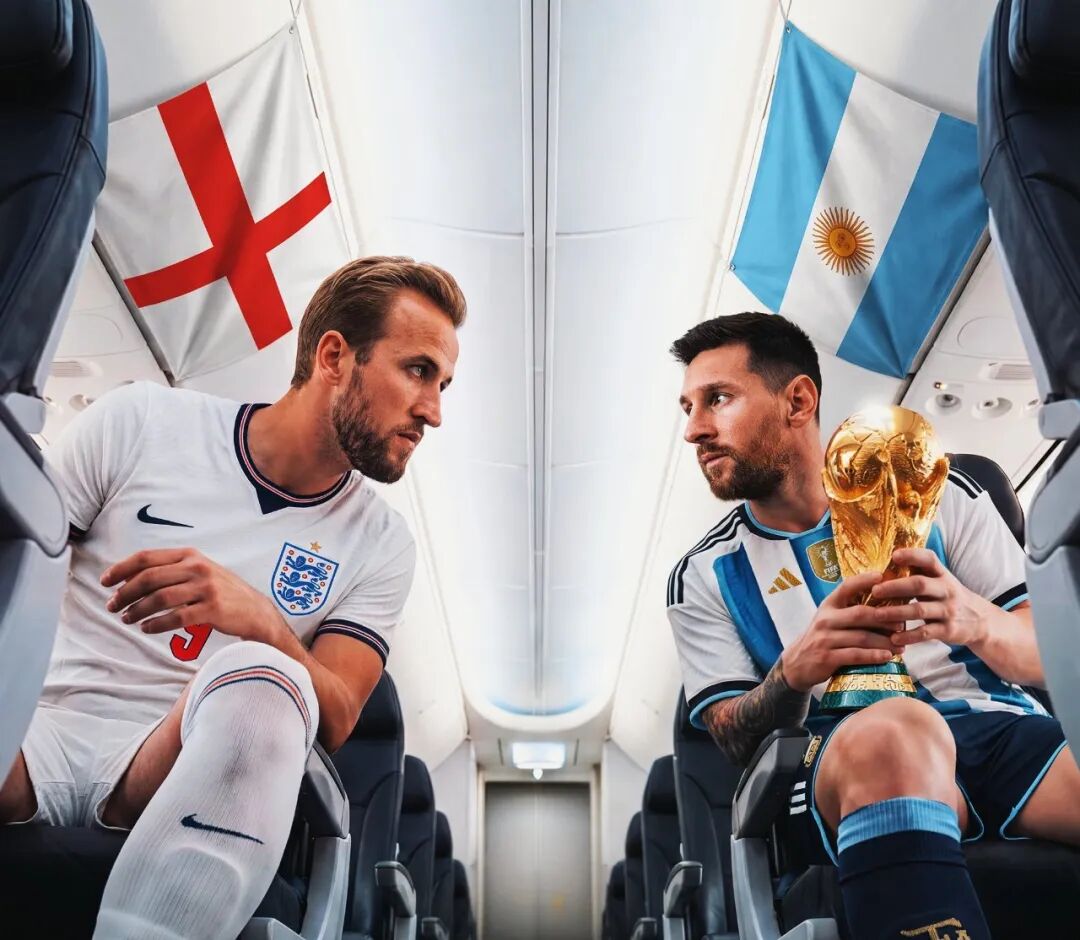
Argentina has reached the World Cup semifinals for the third time in four editions, making them the only non-European team in this year’s final four. They will face England in the semifinal. From the Falklands War to Maradona's Hand of God and his solo run past five defenders, from Owen's breakout performance to Beckham's red card, the World Cup clashes between Argentina and England have never lacked drama. Now, 24 years later, these two teams meet again. For Argentina, nothing could be more thrilling than a title defense that involves defeating the English on the path to the final.

In terms of the starting lineup, Scaloni again opted to focus on attacking through the middle, sticking with the 4-1-3-2 formation used against Egypt. Paredes, De Paul, Enzo, and Mac Allister formed a quartet of central midfielders, leaving the flanks to Molina and Tagliafico, while Alvarez continued to earn trust alongside Messi in attack.
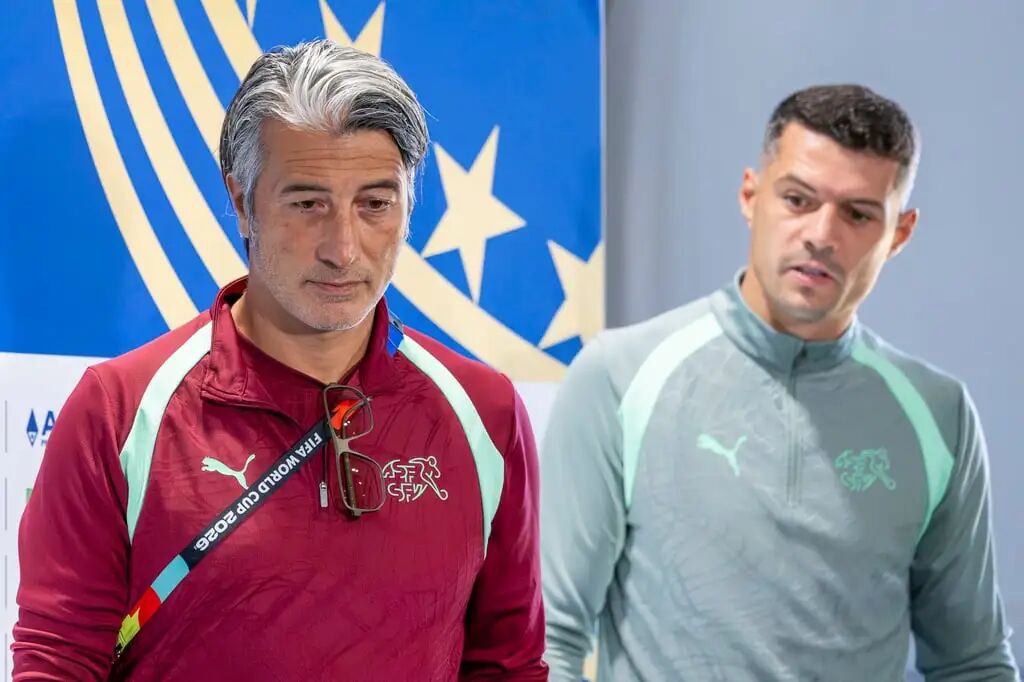
With no true wingers in the starting XI, Argentina’s wide play relied heavily on the overlapping runs of Molina and Tagliafico. Swiss coach Yakin pulled two strategies from his bag: first, using zonal marking on Messi to restrict his receiving range and keep him away from the penalty area; second, having Xhaka, Freuler, and the dropping Embolo constantly pressure Paredes and Mac Allister, who were responsible for building play from the back, forcing Argentina to attack more from the flanks. Finally, Switzerland pushed their defensive line high to apply intense pressure, launching quick counterattacks after winning the ball. Even when counterattacks weren't possible, they made it difficult for Argentina to enter the box and create scoring chances.
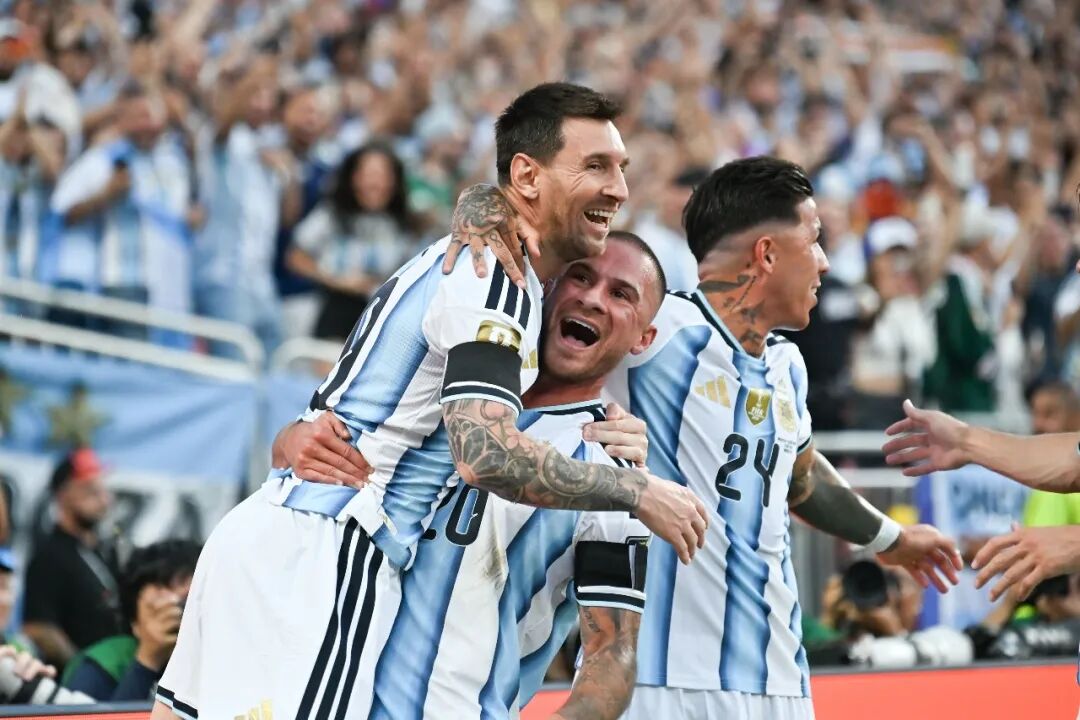
Nevertheless, it was Argentina who struck first. Early in the match, Switzerland's high defensive line gave Messi some space. He combined with Mac Allister and, from two consecutive corner kicks, assisted the latter with a header to take the lead. With this assist, Messi's World Cup assist tally reached 10, officially surpassing two legendary record holders—1954 World Cup-winning German captain Fritz Walter and 1958 and 1962 World Cup-winning Brazilian midfielder Didi (both with nine assists)—to stand alone at the top of the World Cup all-time assists list.
But the goal did not disrupt the Swiss game plan. They stuck to their approach even more resolutely, continuing to attack Argentina's defense through the flanks, especially targeting the space left behind by the fullbacks when they pushed forward. When both Molina and Tagliafico joined the attack, Argentina's wide defensive cover was insufficient, leaving gaps in the penalty area.

In the second half, Switzerland significantly increased their offensive initiative. They began to shift play more frequently from side to side, using quick ball movement to drag Argentina's defense out of shape. The match fell entirely into the rhythm Switzerland desired, with Argentina struggling to get the ball into the Swiss half for a period. In the 67th minute, Switzerland finally got their reward: Ndoye exploited the space left by Molina and De Paul on the right flank, burst into the box, and fired a low shot through Martinez's legs to make it 1-1.
Just four minutes after Switzerland's equalizer, a moment that changed the course of the game occurred: Embolo, who had been locked in a battle with Paredes for most of the match, went down in a dramatic dive after another clash with the Argentine. Portuguese referee Pinheiro, after a VAR review, corrected his initial decision to show Paredes a yellow card, instead showing Embolo his second yellow of the match. Two yellows turned into a red, leaving Switzerland with ten men for the final half-hour of regular time.
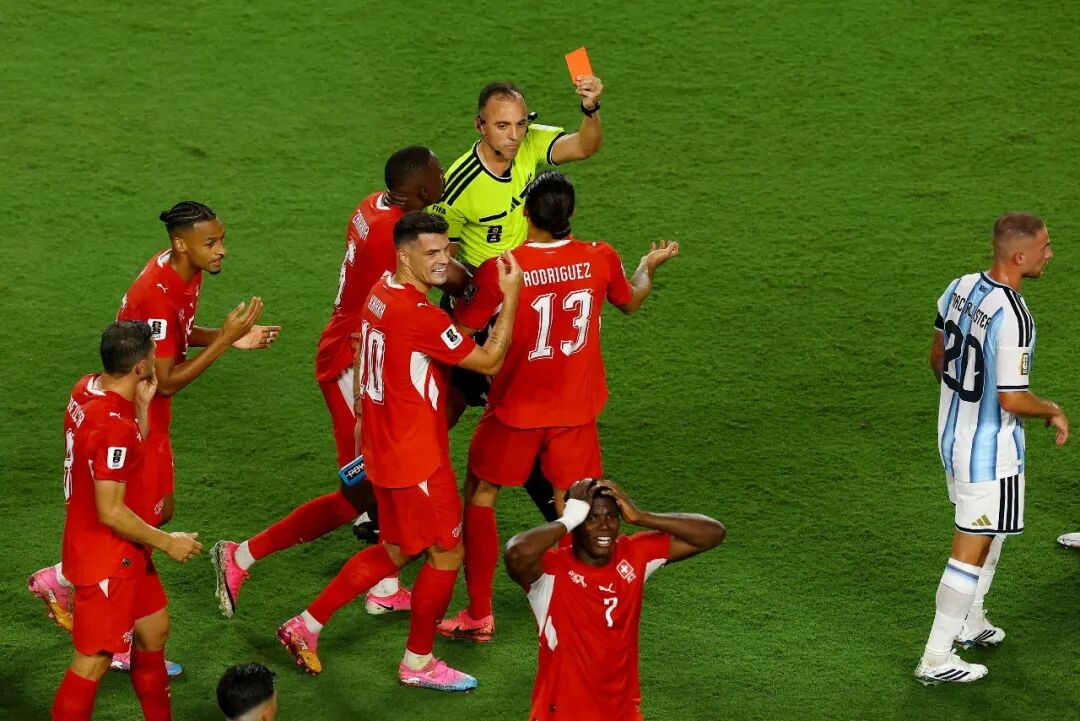
Embolo's red card completely disrupted Yakin's plans. Switzerland was forced to abandon their attacking approach and immediately switched to a deep defensive block. Scaloni then made his moves: first, he brought on Gonzalez to strengthen wide attacking options, preventing Switzerland from solely defending the center; second, he introduced Lautaro as an extra attacking presence in the box, making it harder for Swiss center-backs to leave their positions to help the midfielders double-team Messi, thereby creating more chaos for Argentina. Finally, Almeida's late substitution further enhanced Argentina's wide threat.
Despite being a man down, Switzerland held firm with their tight defense and the reliable performance of goalkeeper Kobel, stubbornly keeping the score at 1-1 until the end of regular time. However, once extra time began, the Swiss players' stamina noticeably declined, and Argentina's individual talent began to shine.
In the 112th minute, the Swiss defense failed to close down quickly enough, allowing Argentina a fleeting chance just outside the box. Alvarez set himself and fired a powerful long-range shot that curved perfectly into the top corner. "La Araña" silenced the doubters with a world-class strike—his first goal of the tournament.
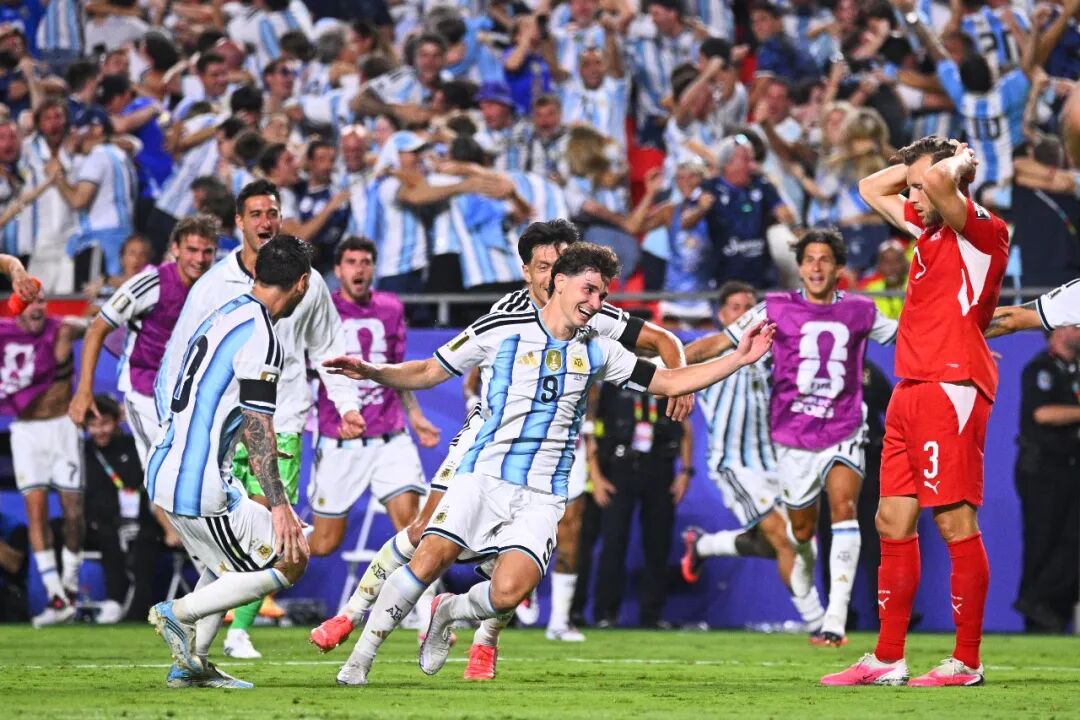
After conceding, Switzerland had to abandon any hope of penalties and went all out in search of an equalizer. In the dying moments, Almeida launched a counterattack, and Lautaro delivered the final blow, making it 3-1 and leaving Switzerland with no way back.
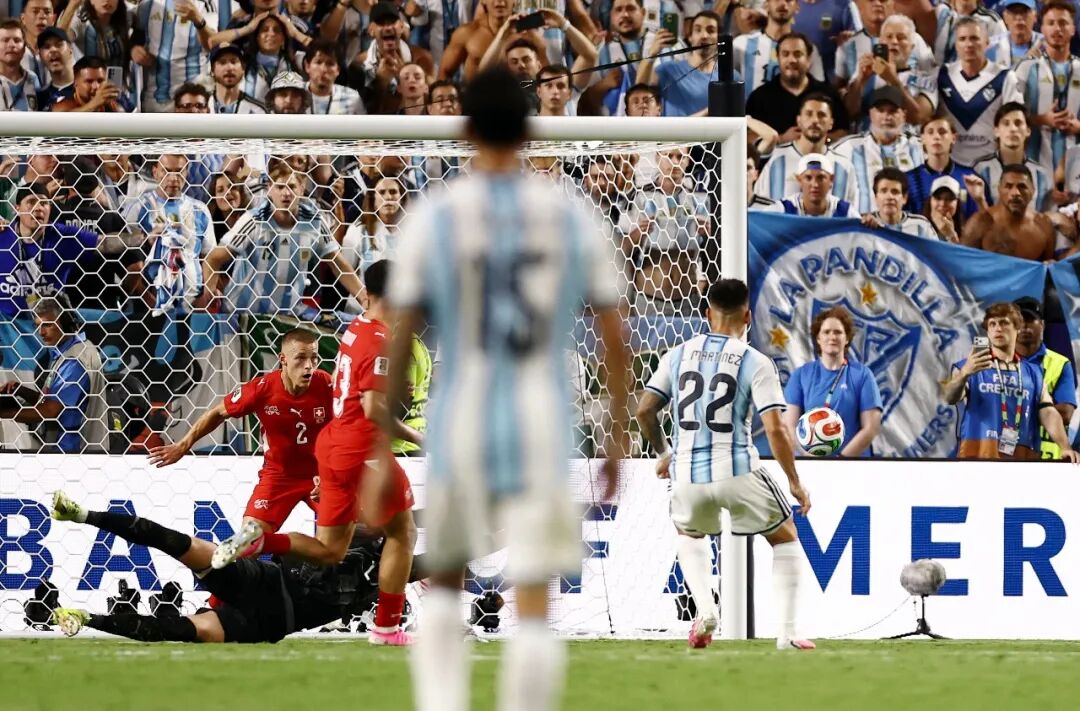

Scaloni admitted after the match: "We had a very tough game today. We knew they were a physically strong team, and they caused us a lot of problems. We couldn't get out of some difficult situations. Fortunately, one of their players was sent off, and we took advantage to attack. We have to face reality—there is still much to improve, but victory is always the best medicine."
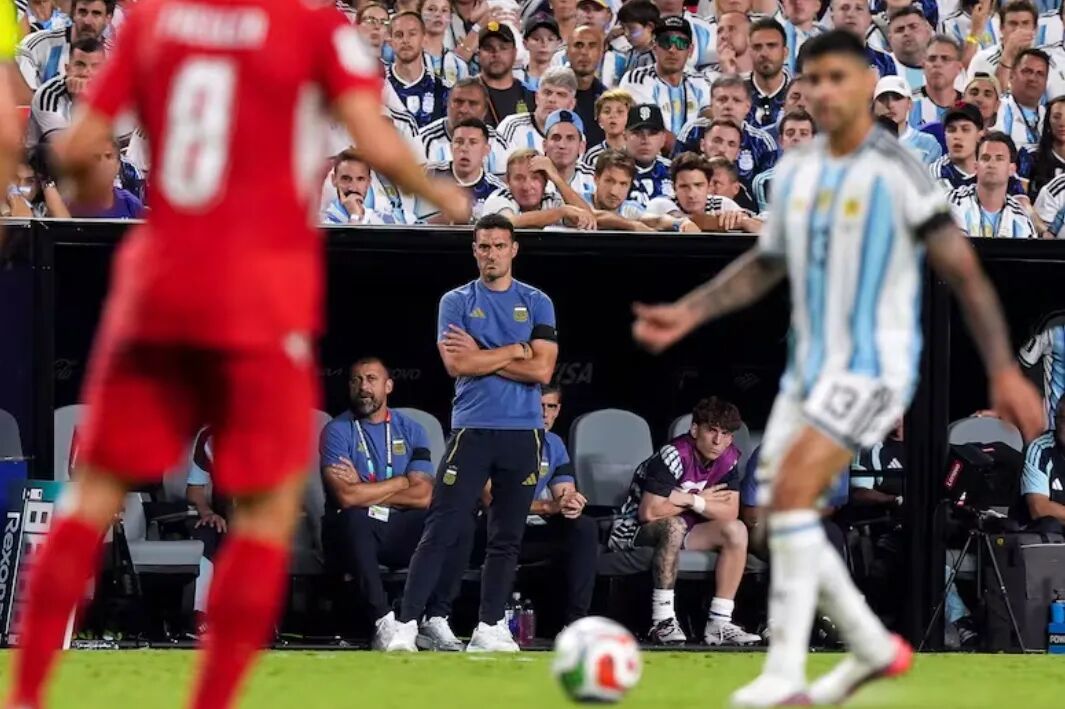
Swiss captain Xhaka, on the other hand, struggled to hide his disappointment: "Being eliminated like this is really heartbreaking. Even with ten men, we were evenly matched against the world champions. The red card completely changed our game plan."
With this, the four World Cup semifinalists are confirmed: France, Spain, England, and Argentina—the top four nations in the world rankings. For the first time in World Cup history, all four semifinalists are the top four ranked teams. In the semifinals, Argentina will face England, and France will meet Spain. Argentina stands as the only non-European team among the four, carrying the hopes of the entire nation and South America as they move forward, just two matches away from realizing their title defense dream.


Wonderfulshortvideo
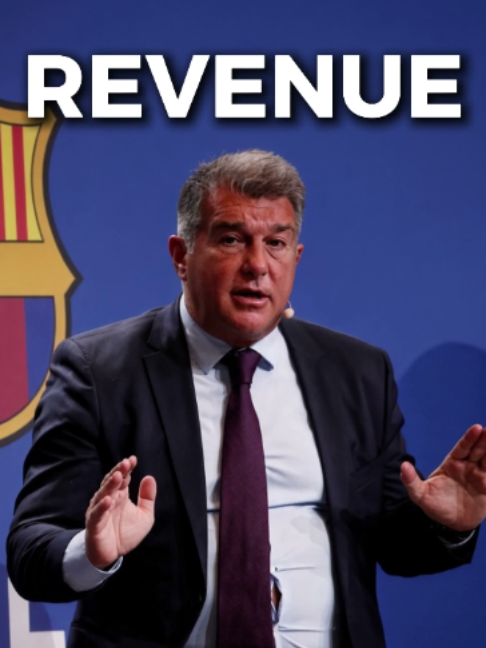
BARCELONA REVENUE barcelona news today


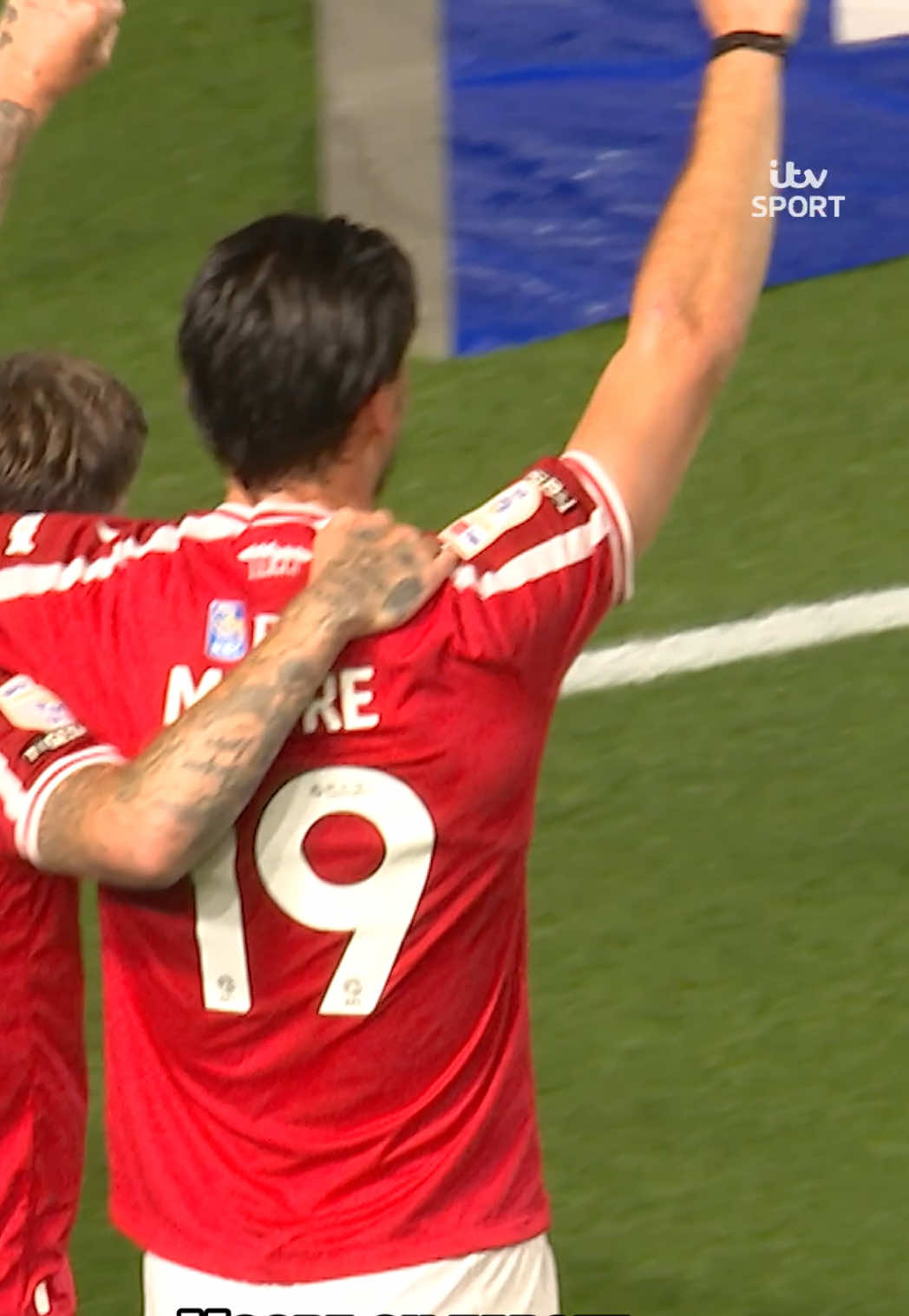
Lashed home by Kieffer Moore ☄️
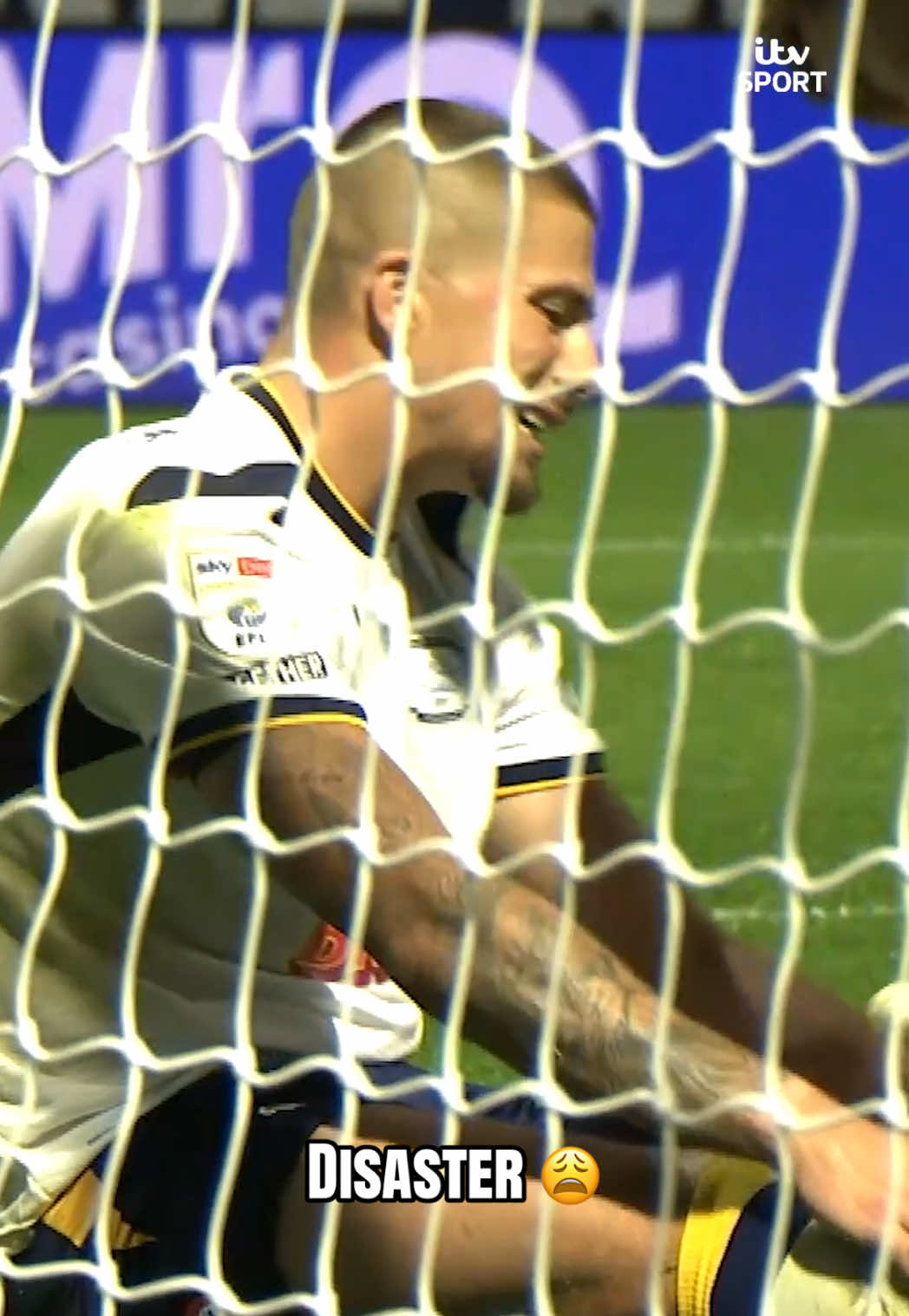
The saxophones are getting louder for Preston here…
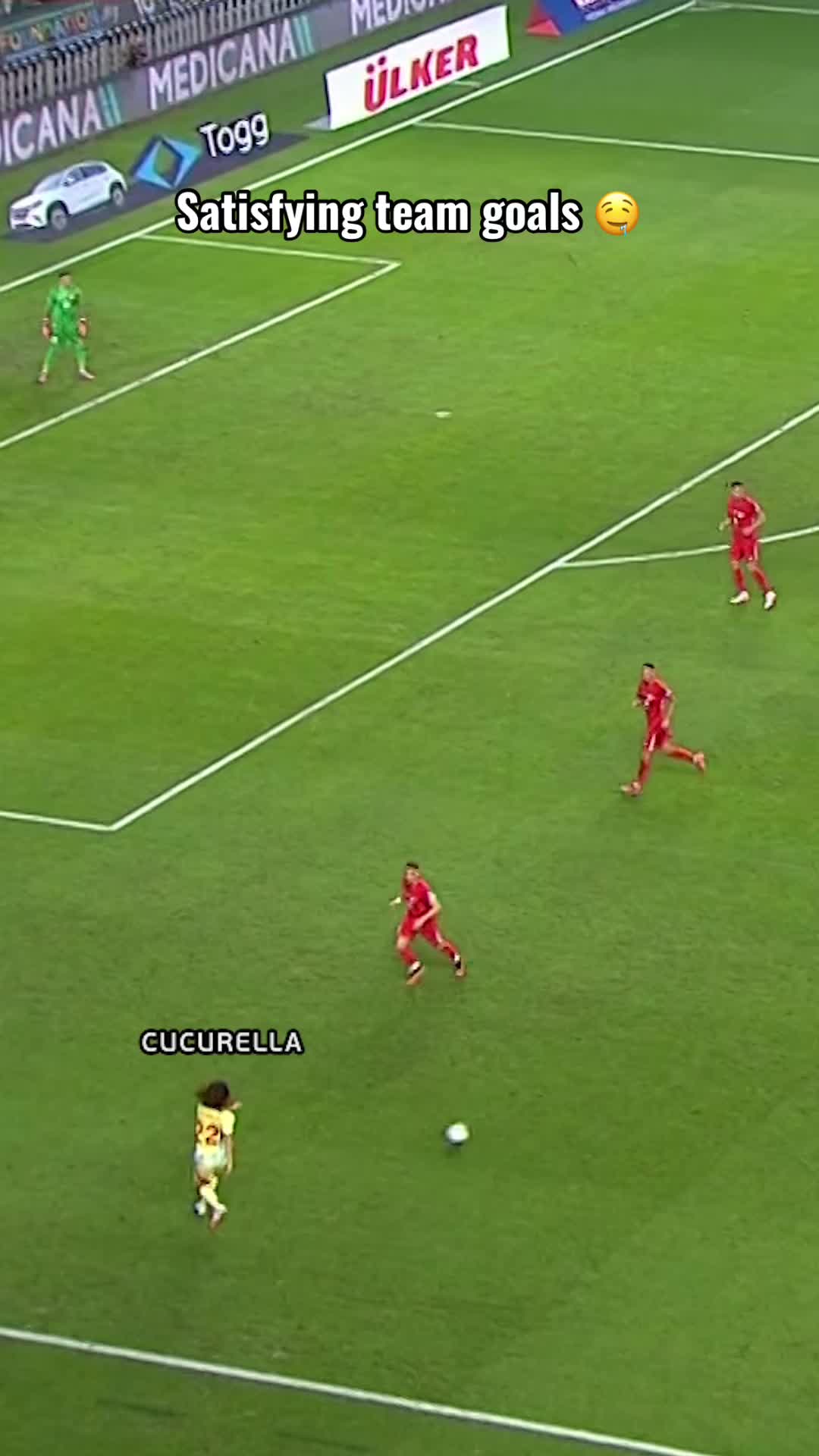
When football is simple but beautiful 😍
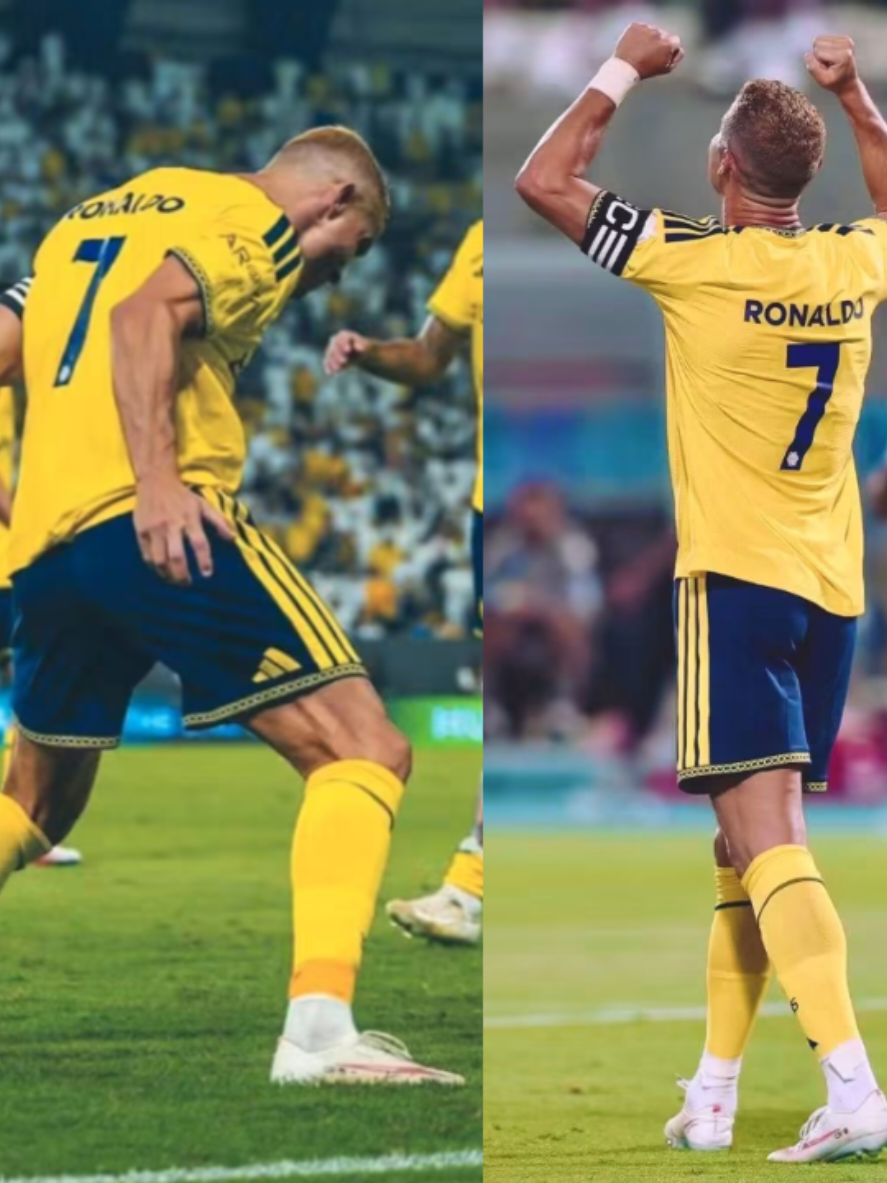
Cristiano Ronaldo is back on the quest for 1,000 goals, and these are his 977th and 978th goals.
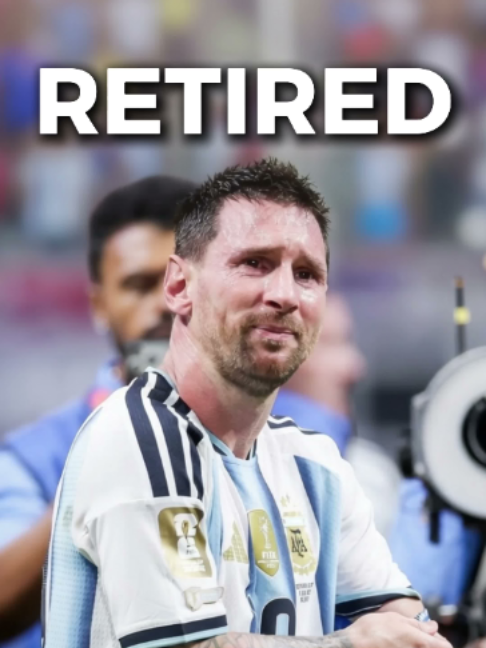
messi argentina retirement messi retiring messi edit
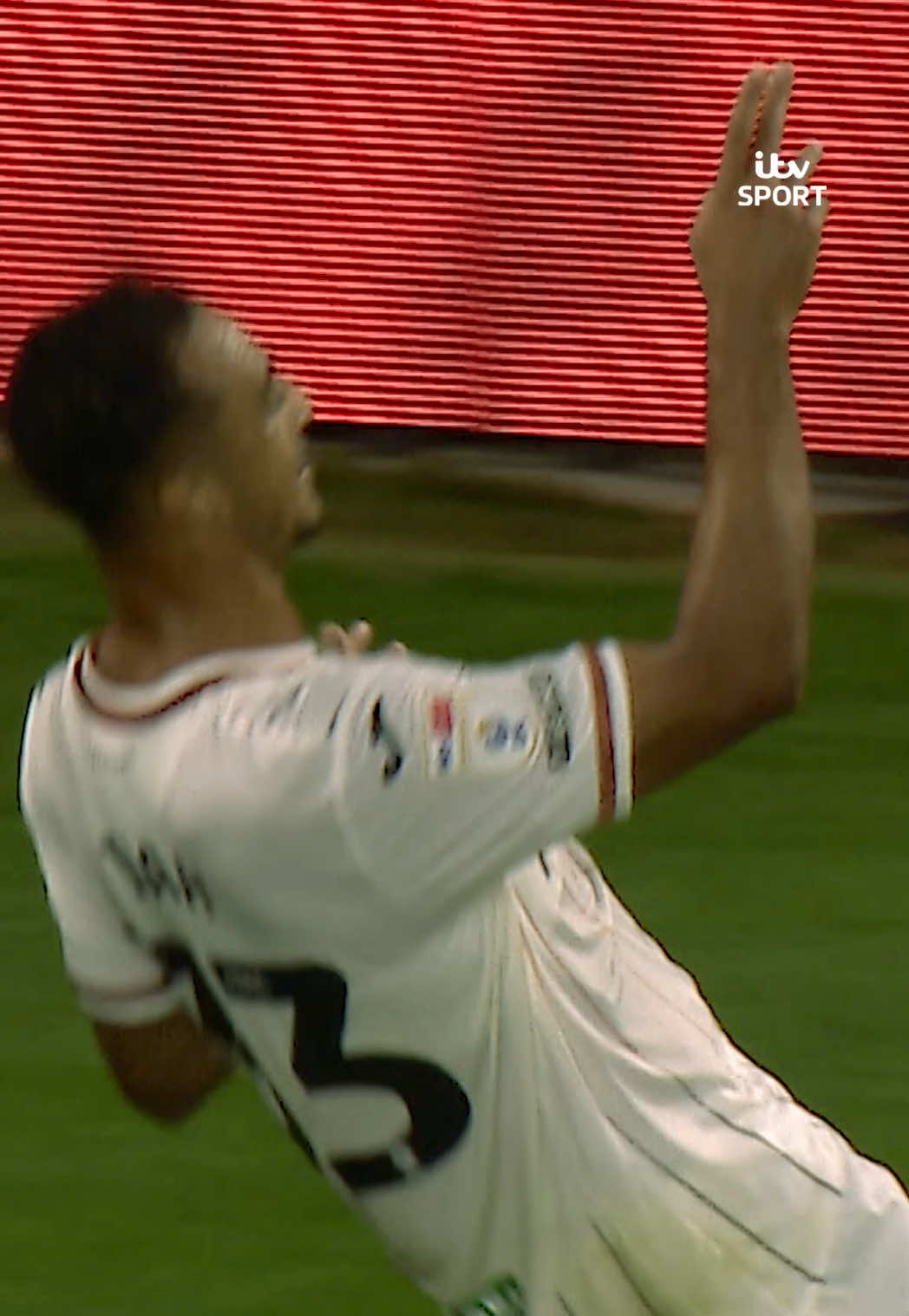
The Swans go TOP of the Championship 🦢
 Links
Links
 Contact
 App
App


