



FIFA proposes a 'shock' move: what chance does Vietnam have to play in the 2030 World Cup?


If FIFA expands the 2030 World Cup to 64 teams, the Vietnam national team will gain additional chances to contend for a historic spot, yet the problems of squad strength and generational handover are still significant hurdles.
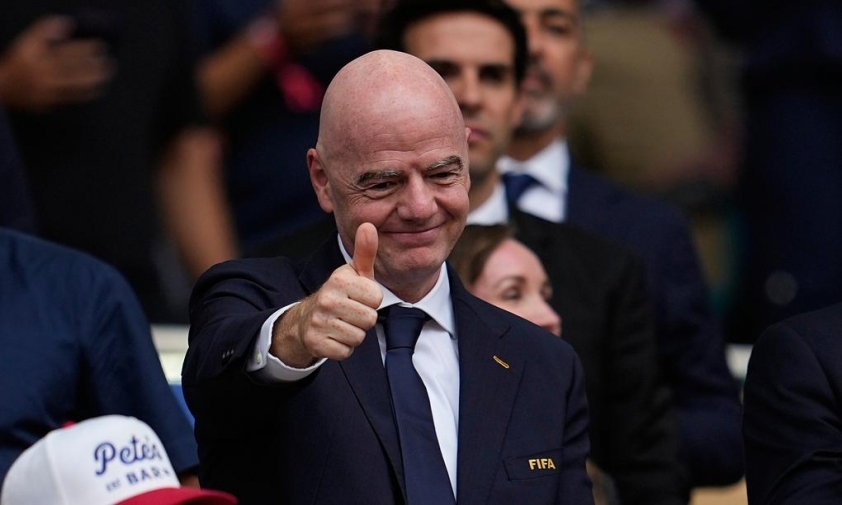
Proposal to increase the number of participating teams in the 2030 World Cup from 48 to 64 by the President of the International Federation of Association Football (FIFA), Gianni Infantino is attracting great attention from fans worldwide. Although it is still just an idea to celebrate the 100th anniversary of the world's biggest football festival, this plan still opens up many hopes for developing football nations, including Vietnam.
If the plan is approved by FIFA, Asia is likely to receive additional berths compared to the current 8.5 slots. This means the chance to compete for a World Cup spot for teams in the chasing group like Vietnam will become wider. However, increasing the number of teams does not mean the journey to the World Cup will be easy, because Vietnam still has to compete with a host of strong opponents such as Japan, South Korea, Iran, Australia, Saudi Arabia, Uzbekistan, Iraq, or the UAE.
Besides the external factor from FIFA, Vietnam's football opportunity also depends on the process of squad preparation in the coming years.
By 2030, many key pillars of the current national team will have passed their peak career period. Nguyen Xuan Son and Nguyen Quang Hai will turn age 33, Nguyen Hoang Duc 32 years old, Do Duy Manh and Vu Van Thanh 34 years old, while Dang Van Lam will be over age 37. That raises an urgent need for generational transition if they want to maintain competitiveness at the continental level.
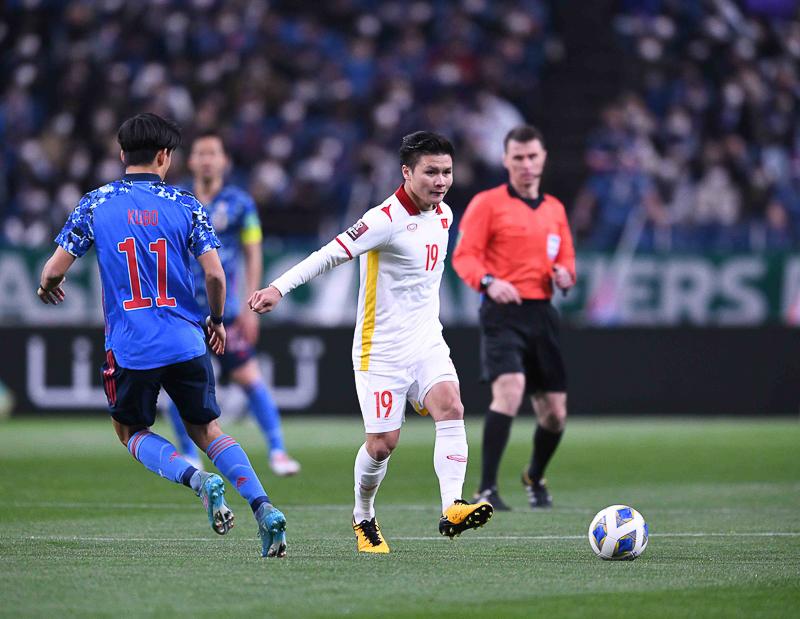
This is also why the current U23 players are expected to become the foundation for the journey towards the 2030 World Cup. If the qualifiers take place from 2027 as planned, the coaching staff will have to carry out a gradual rejuvenation process, combining the experience of veterans with the youth of the next generation instead of a complete overhaul in a short time.
Another notable point is the policy of using naturalized players and overseas Vietnamese are showing more positive signs. In recent times, the Vietnam national team has added quality names like Xuan Son or goalkeeper Nguyen Filip, thereby significantly enhancing squad strength. If this trend continues, and many Vietnamese-origin players playing abroad fulfill the conditions under FIFA regulations and Vietnamese law, the team can certainly acquire more internationally experienced players in the coming years.
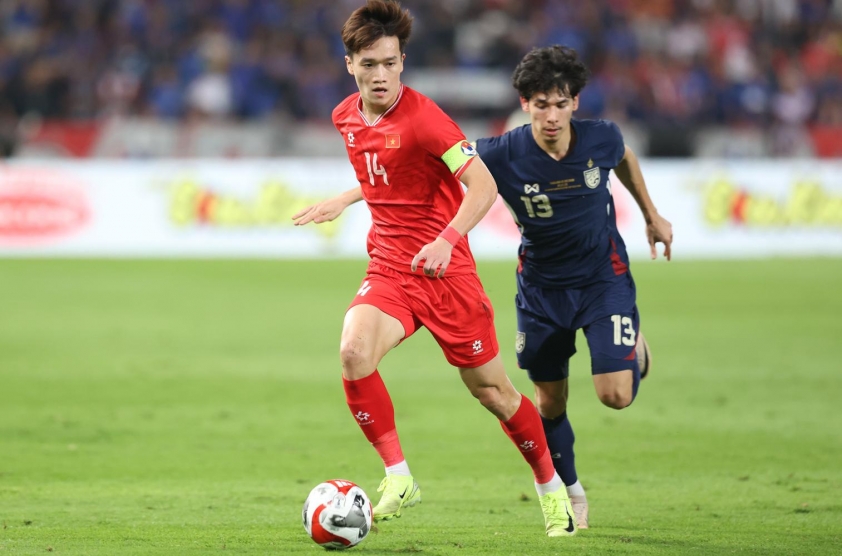
Nevertheless, naturalized players will only be part of the equation. To think about the World Cup, Vietnamese football still needs a solid foundation from youth training work, the quality of the V-League, as well as creating conditions for many players to compete in more competitive environments.
The proposal for a 64-team World Cup has not yet been officially approved by FIFA, but clearly it brings a more optimistic perspective for Vietnamese fans. If they make good use of the opportunity from the expansion of berths, and prepare the squad systematically over the next 4-5 years, Vietnam can certainly nurture hope to compete for a historic ticket to the 2030 World Cup. That dream still has many challenges, but perhaps it has never been as close to reality as now.

 リンク
リンク
 連絡先
連絡先
 アプリのダウンロード


