



World Cup 2026: The key to France's success



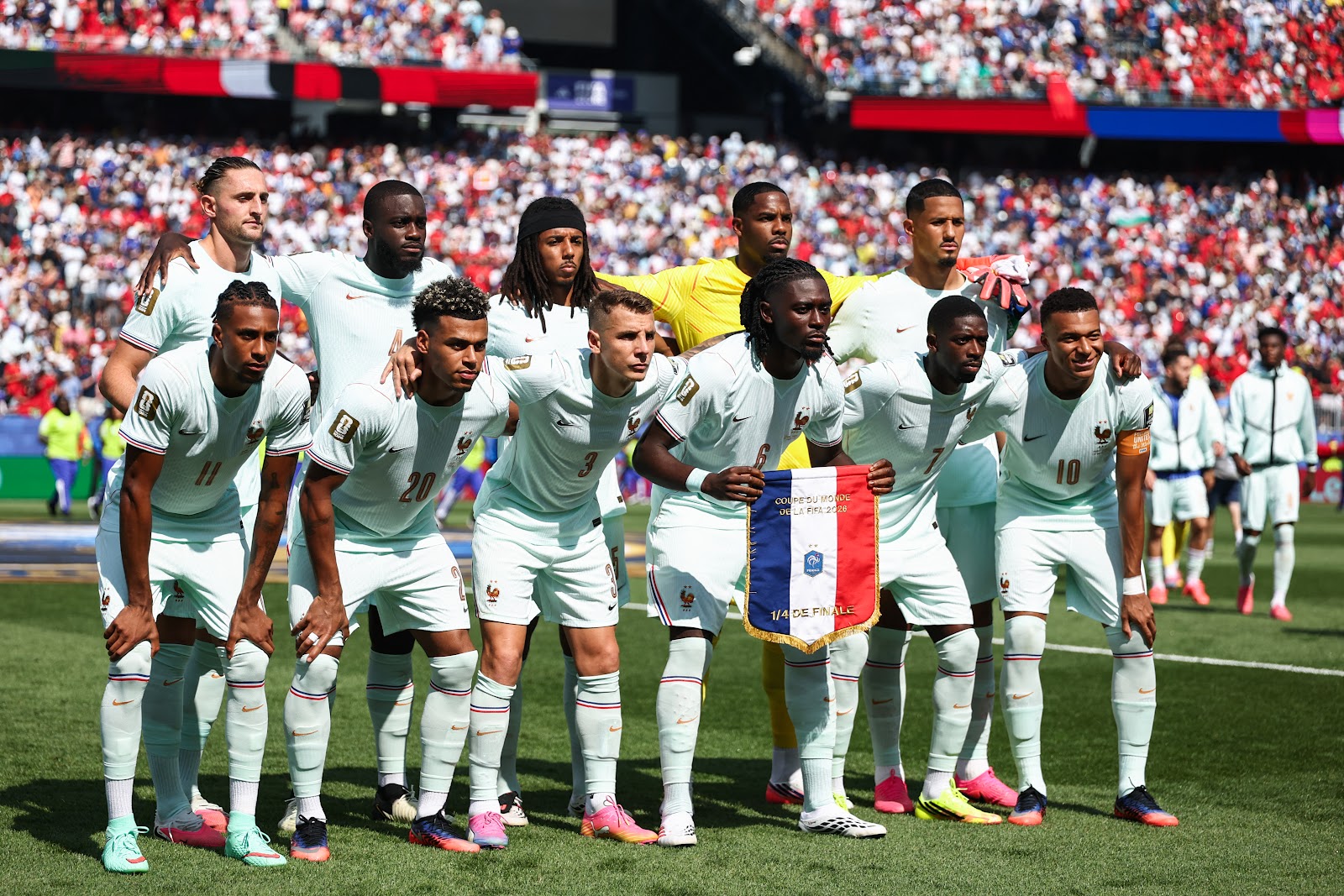
According to an analysis by the French sports daily L'Équipe, coach Didier Deschamps' greatest legacy is not just his titles, but his ability to adapt flexibly, build a cohesive team, and constantly renew the squad to maintain top-tier status worldwide.
As reported by a TTXVN correspondent in Paris, L'Équipe notes that from winning the 2018 World Cup to reaching the 2026 semifinals, Deschamps has retained his pragmatic philosophy, but has made tactical adjustments to suit changes in personnel. While the 57-year-old manager once prioritized perfect balance between attack and defense, he now allows the team to take more risks to maximize the potential of his attacking players.
The newspaper states that this shift was not sudden but resulted from adapting to new talent. With more quality forwards available, Deschamps boldly fields four offensive-minded players, encourages full-backs to push forward, and builds a fast defense to limit counterattacks.
L'Équipe believes that adaptability is the "common thread" throughout Deschamps' 14-year tenure with France. Instead of forcing players into a fixed system, he adjusts the playing style to exploit each generation's strengths. This has kept France competitive in major tournaments despite constant squad changes.
Former Croatia coach Slaven Bilić noted that France was once known for solidity but not creating many scoring opportunities. In his view, Deschamps' gradual development of a more attacking style demonstrates his management skill and adaptability.
Beyond tactics, the stability of the coaching staff has been key to France's success. Since 2018, Deschamps has largely kept his support team unchanged, except for the fitness coach after the 2018 World Cup. His close bond with assistant Guy Stéphan is seen as the foundation for unified decision-making.
Switzerland coach Murat Yakin says Guy Stéphan's absolute trust and loyalty to Deschamps contribute to France's success. Unlike many top teams expanding their coaching staff, Deschamps sticks with a lean team that values experience and responsibility.
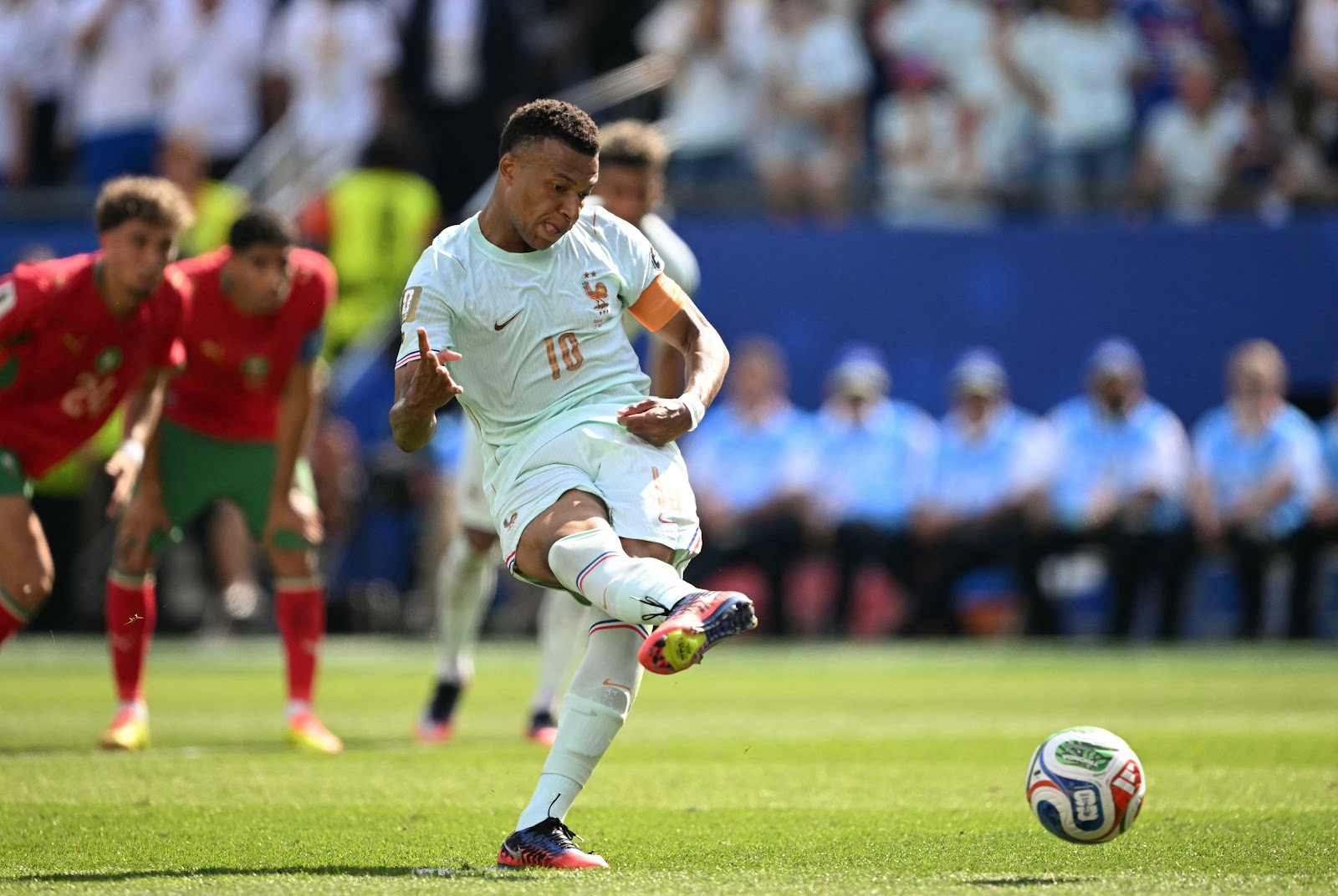
L'Équipe also highlights a notable change in Deschamps' management: the growing role of captain Kylian Mbappé. While the French coach used to rely on Hugo Lloris to gauge player sentiment, Mbappé now serves as a key bridge between the coaching staff and the squad. Through the captain, Deschamps stays informed about the dressing room atmosphere and collective suggestions.
Nevertheless, Deschamps maintains strict discipline. According to L'Équipe, he firmly handles any violations of team rules and does not alter training environment or lifestyle principles, even while adapting to younger players' mindsets.
Another factor emphasized by the newspaper is Deschamps' focus on building team unity. After lessons from the 2022 World Cup, the coaching staff has arranged more relaxation and bonding time for players during the extended tournament in the US, maintaining a positive atmosphere.
L'Équipe concludes that the combination of tactical adaptability, people management skills, coaching staff stability, and team cohesion has created the "Deschamps formula," enabling France to reach the World Cup semifinals for the third consecutive time. This is considered a remarkable milestone in French football history, one that will be difficult for any other coach to replicate soon.

 リンク
リンク
 連絡先
連絡先
 アプリのダウンロード


