



Hand over the "Hand of God" to the Argentines behind Messi



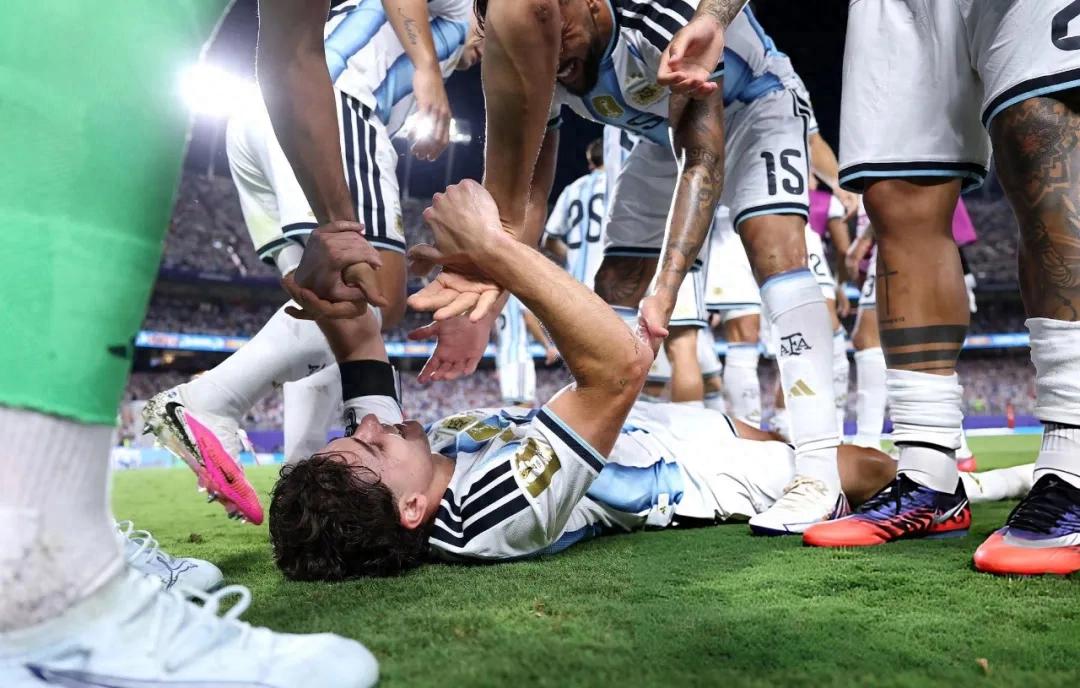
Written by Nan Nan Going to extra time against Switzerland was not unexpected for Argentina. Back in the 2014 World Cup in Brazil, the Swiss forced Argentina into the 118th minute, with Di Maria emerging as the hero. Yet, despite having a man advantage for 40 minutes, they couldn't find the net, and the anxiety was clear on the Argentines' faces. Thus, when Alvarez scored that wonder goal in the 112th minute, all Argentines breathed a sigh of relief.
The ball came in from the left flank, while Messi was on the right side of the attack. As the goal went in, his teammates went wild. Messi, however, stood still, took a deep breath, slowly exhaled, and then jogged toward Alvarez.
This was the only match among Argentina’s six games in this World Cup where Messi did not score. It was also the first time since the group stage finale against Jordan—where he directly converted a crucial free kick—that the 39-year-old Messi didn't have to put the ball into the net himself to give Argentina hope in a tough battle. In the group stage, Messi scored six goals; in the first two knockout rounds, he scored one each. Since the last World Cup, Argentina's critical moments have always been linked to Messi—until this World Cup, until this grueling match against Switzerland.
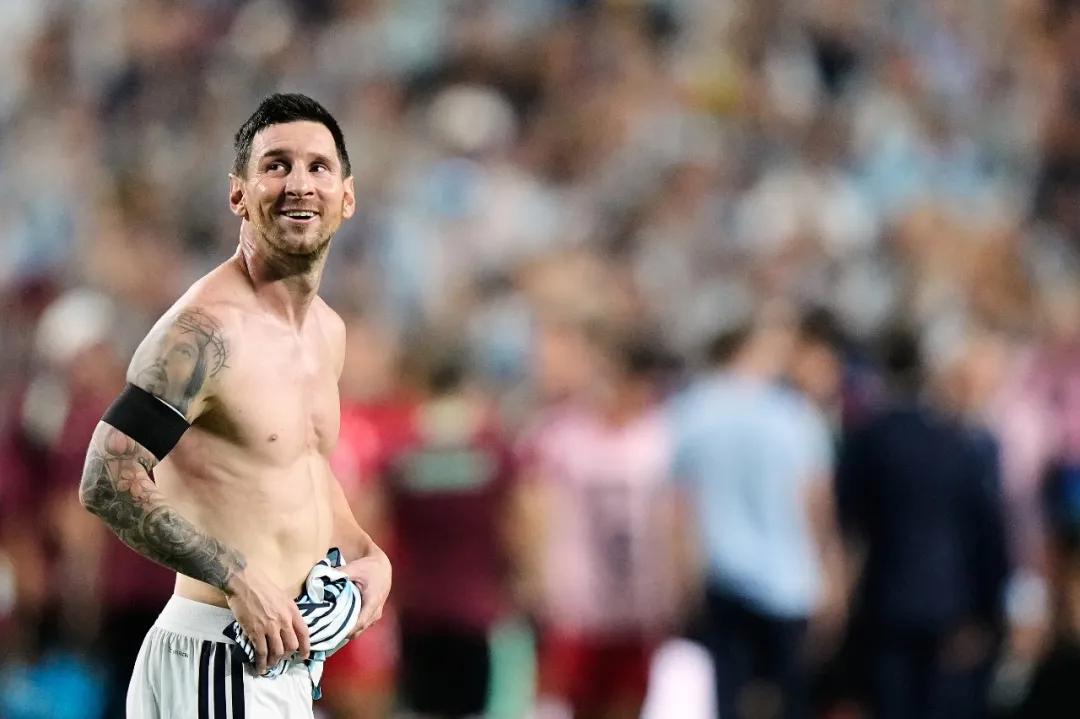

After the match against Cape Verde, Messi said, "No team that reaches the knockout stage of a World Cup is a pushover." At that time, they were forced into extra time by a small African nation with just over half a million people. The 40-year-old Vozinha made eight saves in total, four of which denied Messi. Even though Lima put Argentina ahead again in extra time, they couldn't stop Cape Verde from fighting back. The score remained 2-2 until the 111th minute, when Messi took a corner, Romero headed it in, and the goal was eventually credited to Cape Verde defender Borges.
If Cape Verde only gave Argentina a scare, then Egypt truly put the defending champions on the brink of elimination. From the start, the Egyptians made Argentina uncomfortable. Yasser gave Egypt an early lead, and Messi's penalty was saved by El-Shennawy. To make matters worse, even after VAR spotted a foul on Lima before Egypt's goal and the referee disallowed it, Egypt still made it 2-0. At that point, the defending champions were less than 30 minutes away from elimination.
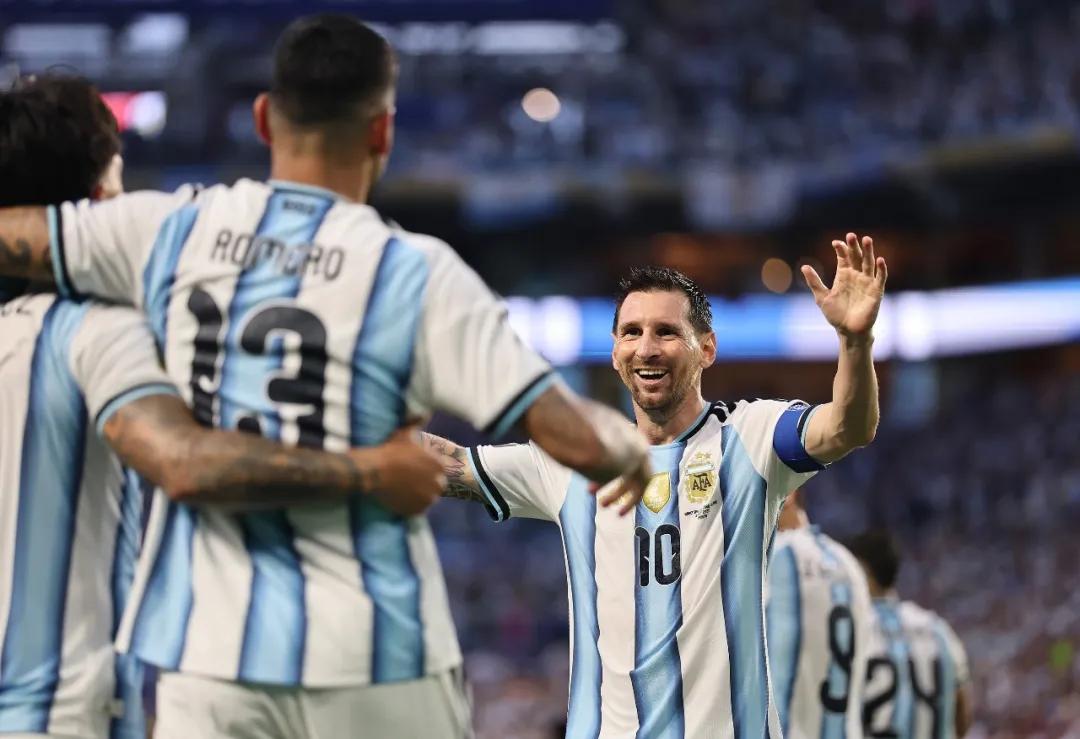
Messi's look of looking up and shaking his head was iconic, but what followed was even more so. Scaloni made substitutions that moved Messi to the right flank, where the No. 10 simply needed to deliver crosses—accurate crosses. The Argentines have never lacked determination, and since winning the last World Cup, they have also gained calm composure. So Messi's cross found Romero, and then Messi himself scored the equalizer.
In the final moments, Lautaro's cross set up Enzo for a dramatic winner—the 3,000th goal in World Cup history. After the match, Enzo said, "I've been waiting for this goal since the Qatar World Cup. We have a team that never gives up, no matter the difficulties or adversity." In World Cup knockout history, very few teams have come back from 2-0 down within 90 minutes; the last one was Belgium in 2018.
For the future of Argentine football, what matters more than the comeback is that Messi did not need to be directly involved in the final winning goal.
Switzerland is the second European team Argentina has faced in this World Cup; in the group stage, they easily defeated Austria. In truth, neither Switzerland nor Austria are top European sides, yet a team like Switzerland still dragged Argentina into extra time. The Swiss marked Messi as tightly as any other team, and his stats were not impressive—aside from one shot after cutting inside that tested Kobel. For the rest of the match, the Argentine captain stayed mostly away from the opponent's goal; whenever he entered Swiss territory, he was met with heavy attention.
So Messi had to rely on set pieces. Mac Allister's goal not only gave Argentina the lead but also made Messi the only player in World Cup history to reach double digits in both goals and assists. Of course, if even Cape Verde wasn't a pushover, the Swiss certainly wouldn't hand Argentina a victory. Despite their rough touches and slow pace, they could still score through methodical European attacking patterns. European teams attack like machines, repeating patterns and seizing fleeting opportunities.
The red card changed the flow of the match, but Argentina had to wait over 40 minutes for the goal that changed the result. Across three knockout matches, three different players served as saviors: Romero, Enzo, and then Alvarez—no longer Messi, Messi, and Messi. This isn't the Argentina people remember from four years ago, when Messi scored in all four knockout games, bagged a brace in the final, and contributed seven goals and three assists—two-thirds of the team's total. Four years later, Argentina have scored 17 goals in six matches, the most in the tournament, with Messi personally involved in 59% of them. Argentina still rely on Messi, but fortunately, they are no longer so dependent on him.
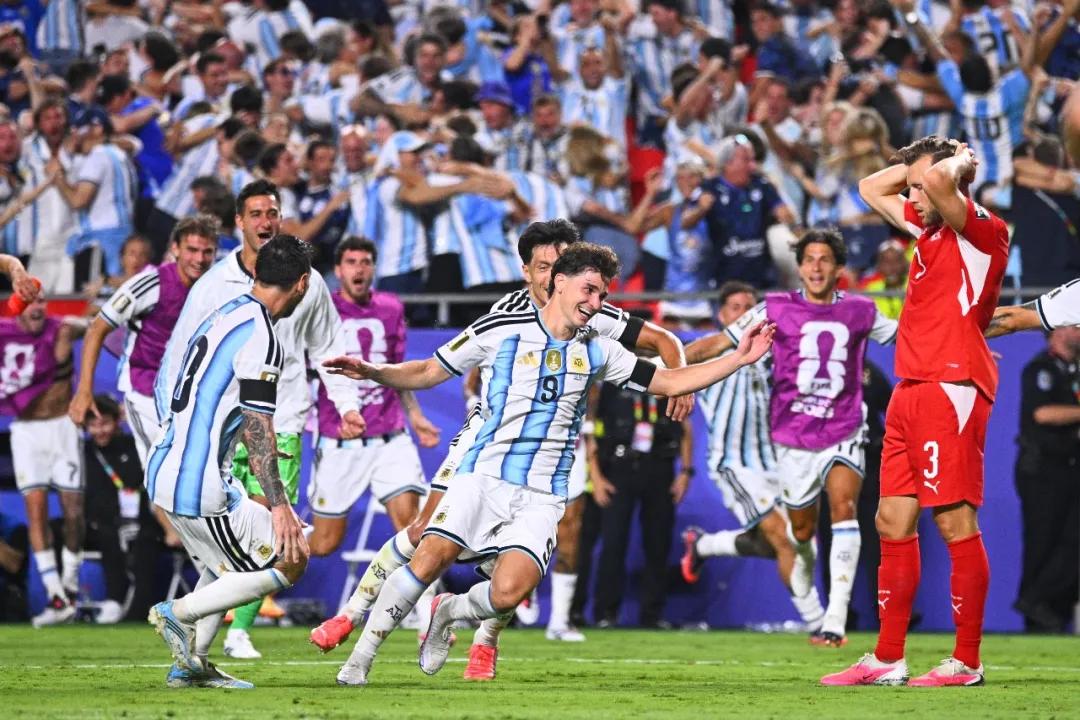

Beyond the match results, the data tells another story. In the 2022 World Cup, Messi had 32 shots, 20 crosses, and was fouled 22 times. In this World Cup, he has 33 shots, 40 crosses, and just 14 fouls suffered. The most obvious change: his cross count has doubled, while the number of fouls he draws has dropped significantly. The reason is simple: Messi's activity area has gradually shifted outward and deeper. He has become a distributor rather than a finisher. As a result, Argentina's opponents no longer see Messi as the only threat to neutralize.
Some believe this is because Messi, at 39, can no longer take on an entire defense alone, but Scaloni disagrees. After the dramatic win over Egypt, Scaloni said in a press conference: "Messi gave everything to win the title for all of us. We were 2-0 down, 20 minutes from elimination, and things were about to fall apart completely. But Messi never complained, never blamed any teammate for a mistake. He did only one thing: keep asking for the ball. I think people have completely reversed the logic."
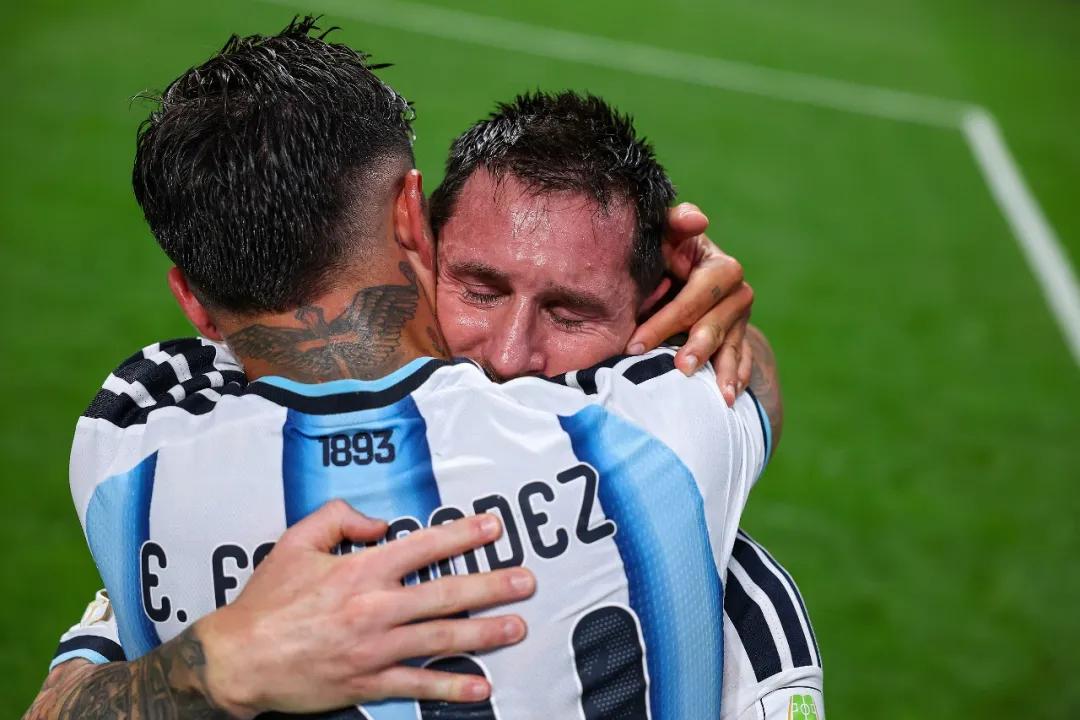
Scaloni says this because he sees what others don't: after the win over Egypt, Messi shed tears of excitement. "People admire Messi mostly because he scores many goals and wins many trophies, but everyone in our team respects him from the bottom of their hearts because, despite his incredible achievements, he still feels a deep responsibility toward every player wearing the Argentina shirt."
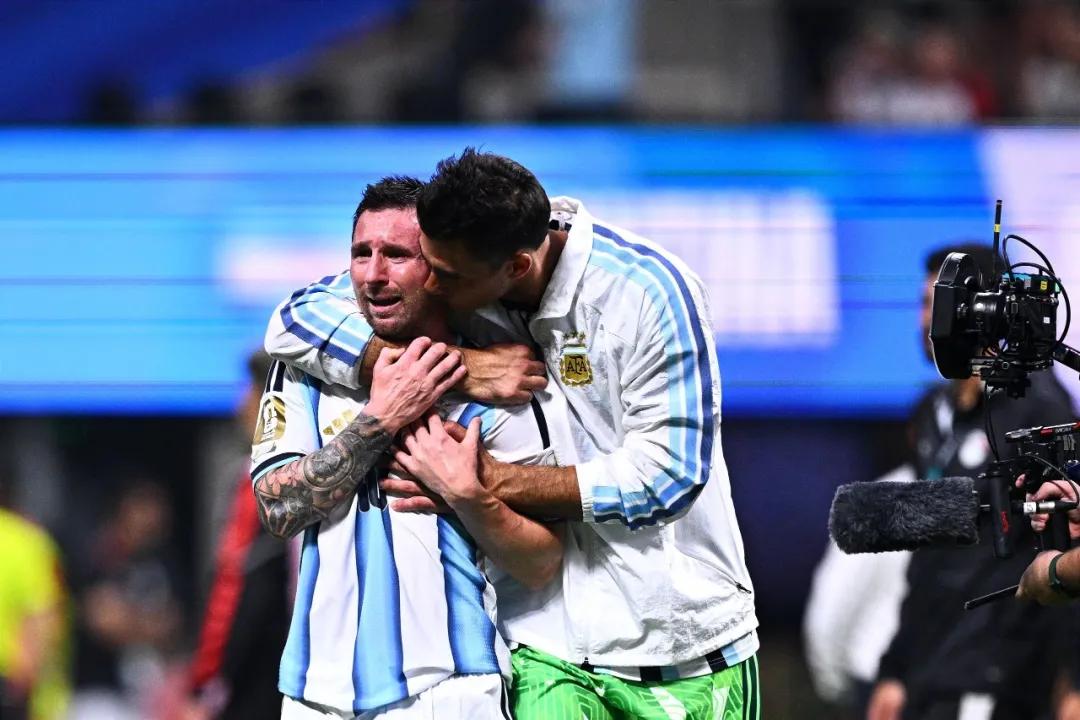
In this Argentina team, Messi's value has never been just about scoring. In 2022, his goals were so crucial that they overshadowed almost everything else. But in 2026, when Messi is no longer Argentina's sole finisher, those overshadowed aspects become clearer. Palacios once said in an interview: "On the pitch, we have to do the dirty work for him. When you have such a talented player on your team, everyone is happy to do it because it brings rewards." Now, Argentina not only have people doing the dirty work for Messi, but also players taking on the beautiful tasks—like match-winners and spectacular goals.
So at 39, Messi still asks for the ball from his teammates, but he no longer charges into the opponent's defense alone. Instead, he positions himself where he can see the bigger picture and think. Argentina have evolved from placing unlimited trust in Messi in 2022 to a point where Messi can also trust others.
The Argentines still lean on Messi, but they are no longer so dependent on him, because the trust Messi gives is reciprocated. Three knockout matches, three different individuals have proven that this team will not let Messi down. Maradona never had such luxury; he carried the burden alone until the end. Messi, after 20 years, has finally unloaded a large part of that weight.
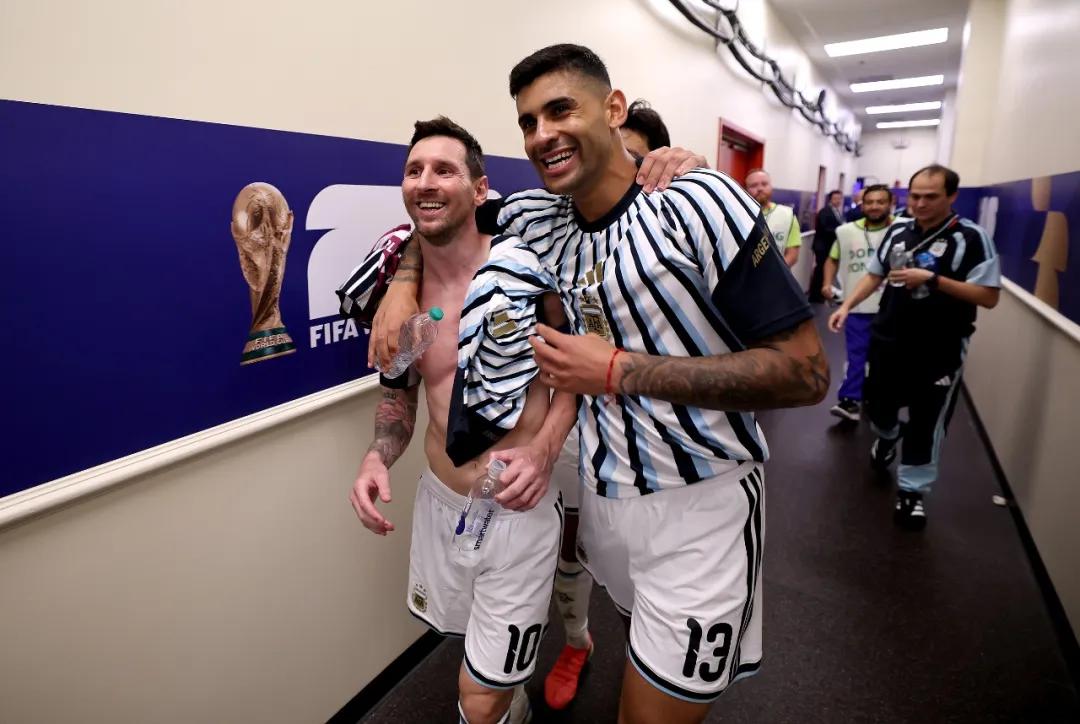

Undoubtedly, Argentina has had the easiest path among the semifinalists, facing Cape Verde, Egypt, and Switzerland—nowhere near the level of Morocco, Norway, or Belgium. In the semifinals, there are no weak teams. All four top-ranked teams in the world are present. Argentina will face their long-time rival, England.
In over 20 years of international career, with more than 200 matches and 125 goals, Messi has never faced England. The World Cup has left this opportunity for his career. Messi said, "I've never played against England before; this will be the first time, so it's bound to be a special match, especially as a World Cup semifinal." Scaloni, however, downplayed the historical tensions between Argentine and English football: "It's just a normal football match, that's all. No need to overthink it."
But is it really just a normal football match? No one would agree. Maradona and the Hand of God are inescapable topics between these two nations.
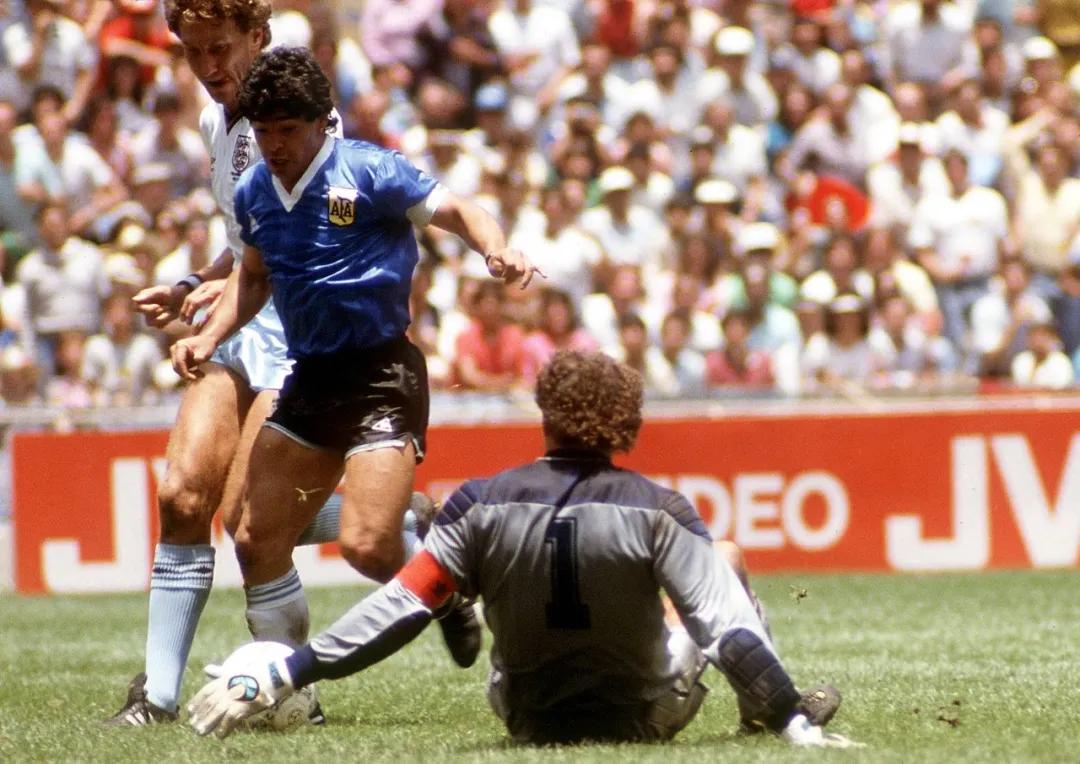
In 1986, Maradona, with one hand and two feet, defeated England through extreme individual heroism, forever making the English—proud for nearly a century in modern world history—a backdrop to the "Hand of God."
Forty years later, Argentina will face England again in a World Cup. But this time, they don't need to rely on the No. 10's hand. Perhaps, in English eyes, Argentina's narrow escapes in the weakest knockout bracket represent their chance to reach the World Cup final. However, these three knockout matches have proven exactly what makes this Argentine team so formidable: Argentina no longer has only Messi; beside him stands a group of players ready to step up. This means England's challenge is not just to shut down Messi, but to also stop the helpers behind him. No, they were helpers; now they are killers.
At last, Messi can trust those Argentines. Forty years ago, Maradona beat England with one hand. Forty years later, Messi hands his own hand over to the people behind him.
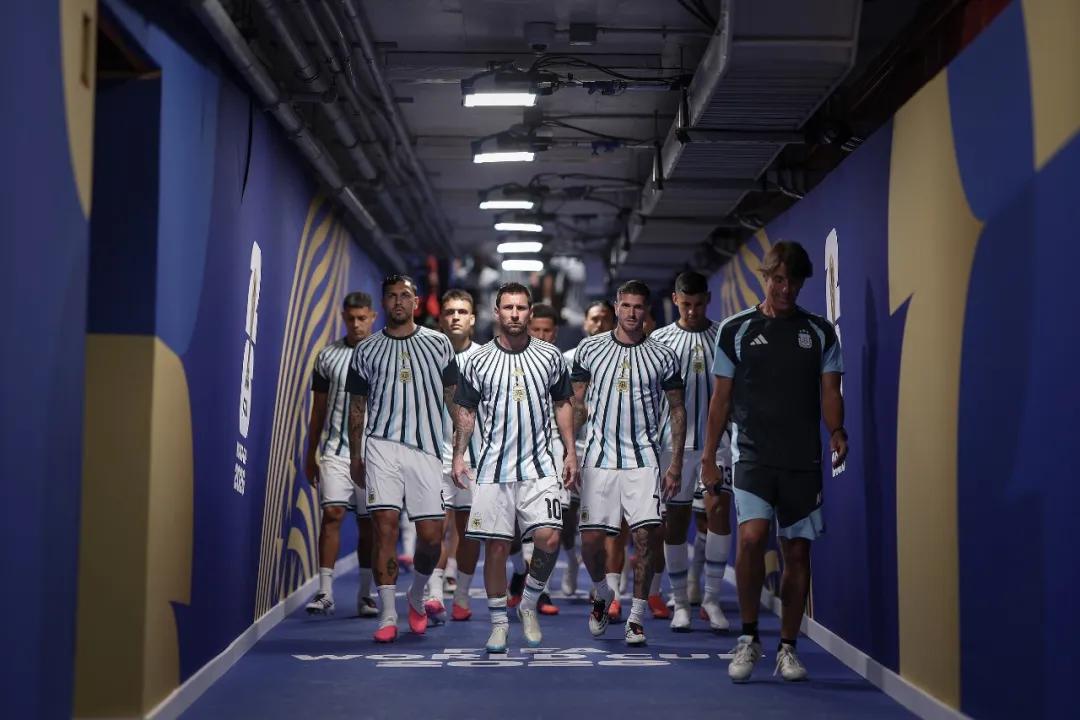


Wonderfulshortvideo
BARCELONA REVENUE barcelona news today


Lashed home by Kieffer Moore ☄️
The saxophones are getting louder for Preston here…
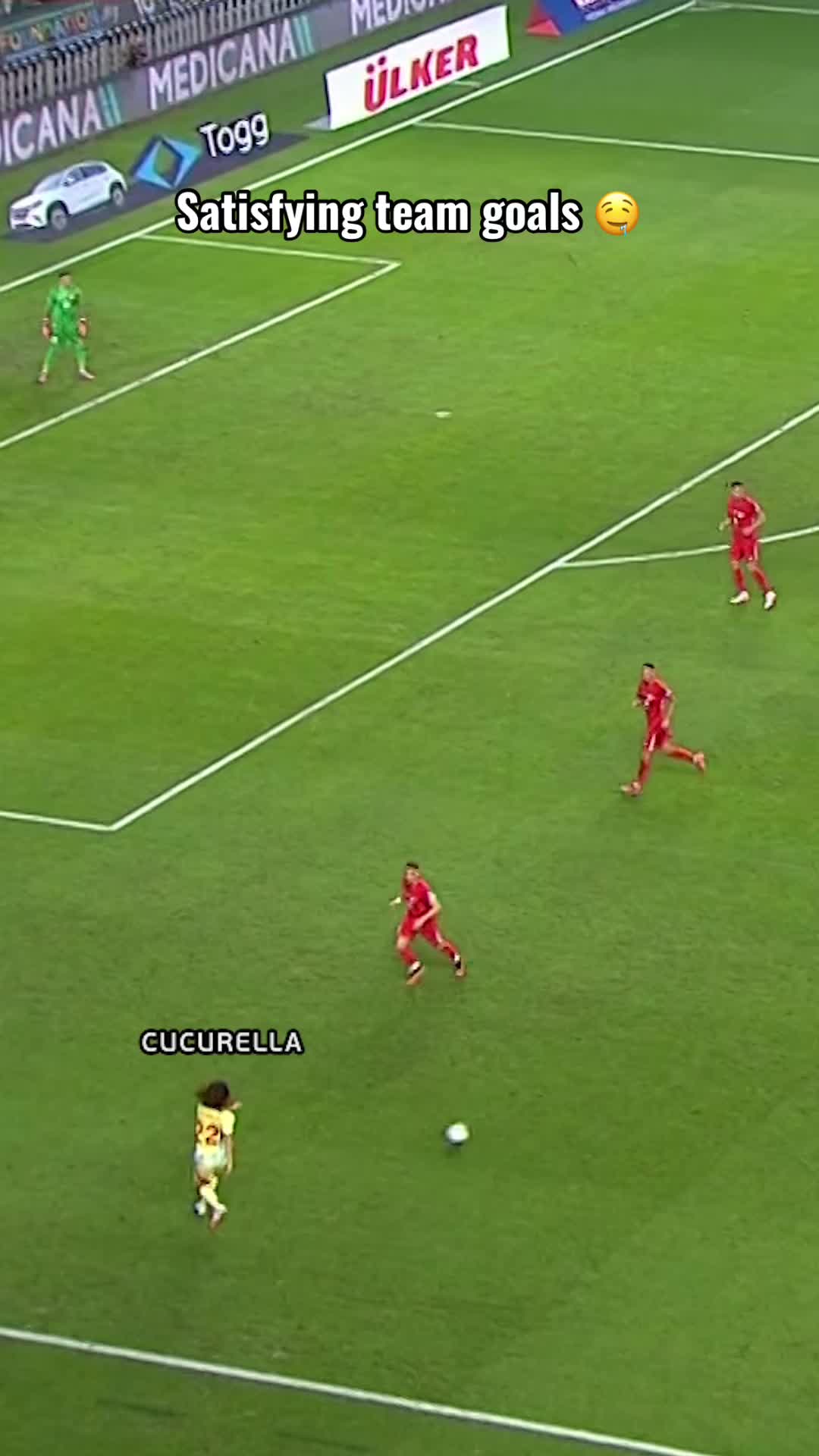
When football is simple but beautiful 😍
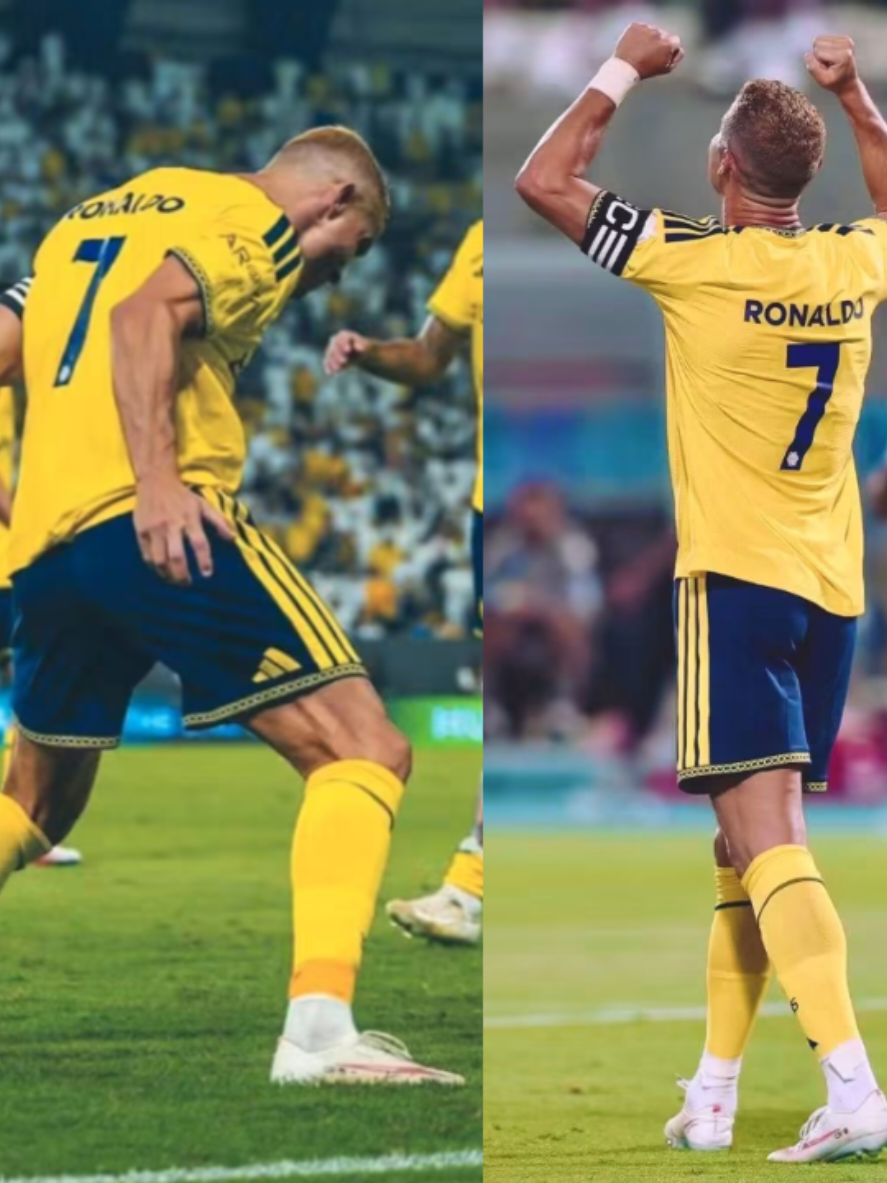
Cristiano Ronaldo is back on the quest for 1,000 goals, and these are his 977th and 978th goals.
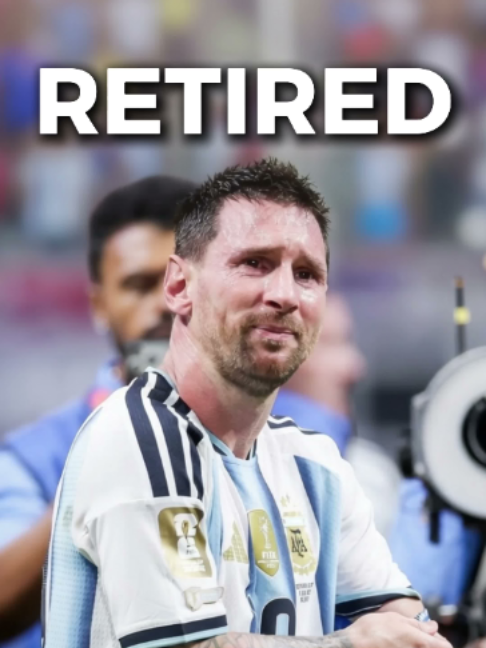
messi argentina retirement messi retiring messi edit
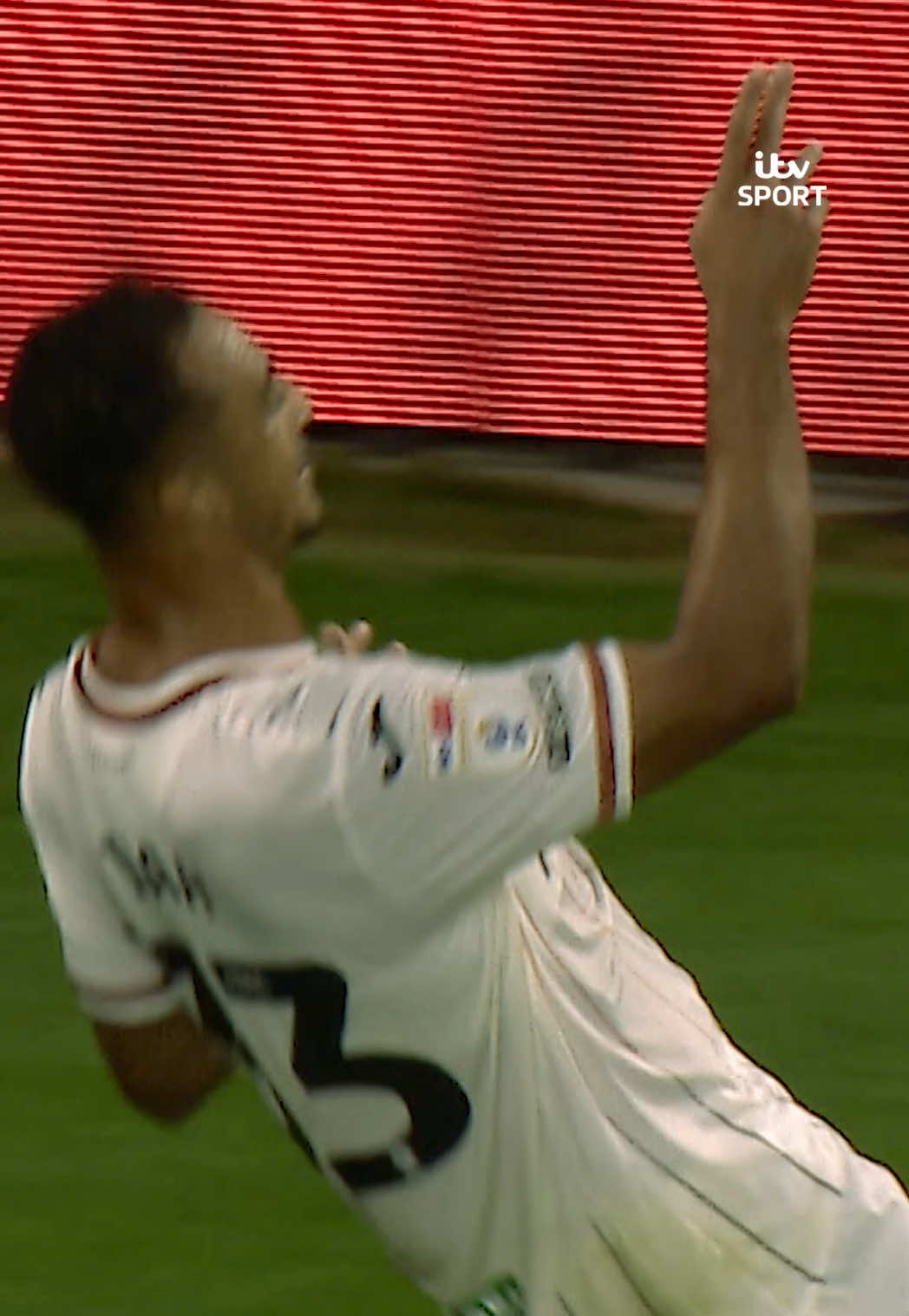
The Swans go TOP of the Championship 🦢
 Links
Links
 Contact
 App
App


