



Vozinha: The Making of a "Grassroots Superstar"




Written by Han Bing At 40 years old, unemployed, and valued at just €50,000, that was the entire profile of Cape Verde goalkeeper Vozinha before the start of the World Cup. According to FIFA's official data, his €50,000 valuation tied for the third-lowest among the 1,248 participating players, and he attracted almost no attention before the tournament. Yet this "fringe player" pulled off a phenomenal grassroots comeback on the World Cup stage, shattering the entrenched bias that defines a player's worth by market value and fame, and instantly rising to the ranks of top-tier inspirational icons in football.
The World Cup has never been short of ordinary players who skyrocket to fame in a single match, but Vozinha's turnaround is uniquely special. Representing Cape Verde, an African island nation with a population of just over 500,000, limited football resources, and a thin footballing heritage, the team qualified for the World Cup finals for the first time and advanced to the knockout stage, achieving their best-ever result. Vozinha, over 40 and from a humble background, perfectly embodies the underdog spirit of this surprise team.
According to statistics, before the World Cup, Vozinha had only 50,000 followers on social media; during the tournament, that number skyrocketed to over 29 million, setting a record for follower growth. After his overnight breakthrough, commercial deals and professional offers poured in, making him a global symbol of perseverance and a classic case of a grassroots underdog rising to prominence.
Vozinha's explosion onto the scene is not a mere flash in the pan of internet hype; it represents the ultimate expression of football's true essence. Football never judges strength by background, age, or market value; what truly moves people is the tenacity of long-term dedication, extreme self-discipline, and an unyielding spirit. After more than three decades chasing his dream on the pitch, living in obscurity for half his life, the 40-year-old Vozinha endured the hardships and seized this once-in-a-lifetime opportunity, finally seeing the rewards of his years of perseverance. Compared to the superstar players under the global spotlight, Vozinha—with his low starting point, ordinary talent, and unremarkable career—is far more relatable to the vast majority of professional footballers. His story offers powerful lessons and warnings for Chinese domestic players.
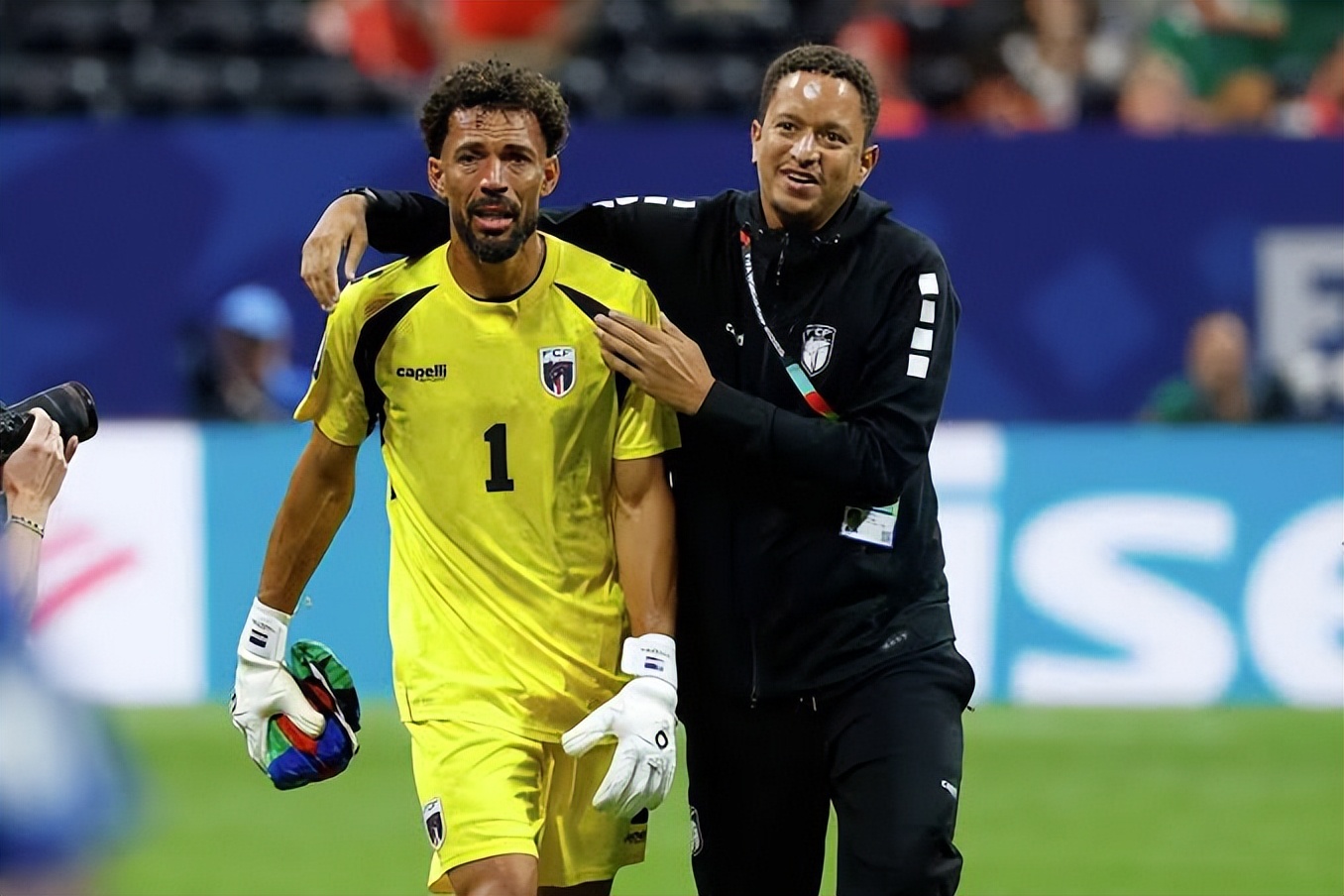

Vozinha's rise to fame is a textbook example of an ordinary person's triumph in the social media era, a genuine portrayal of a commoner fighting against fate. Football has long been plagued by a clear class hierarchy, where a player's market value and league level largely determine their on-field influence and commercial appeal. Vozinha tore down this rigid system, proving that the core foundation of the football pitch is passion and skill.
In this World Cup, Vozinha faced football powerhouses such as Spain, Argentina, and Uruguay. His opponents' market values were more than a thousand times his own, and the gap in paper strength was huge. Yet he remained calm under pressure and fought tenaciously. In the group stage match against tournament favorites Spain, whose squad was valued at €1.22 billion, Spain dominated possession and launched a barrage of shots, leaving Cape Verde on the defensive for most of the game. In that match, Vozinha made seven crucial saves, repeatedly denying close-range sure goals, helping his team secure a shocking 0-0 draw against the mighty opponent. This earned Cape Verde their first-ever point in a World Cup finals, and Vozinha received a high match rating, making a name for himself.
In the second group match against Saudi Arabia and the third against Uruguay, Vozinha continued his solid performances, helping his team advance to the knockout stage.
In the Round of 16, Cape Verde faced defending champions Argentina. In this match, Vozinha reached legendary status. Facing an elite attack led by Messi, he made eight effective saves, dragging the game into extra time. After the match, he earned a professional rating of 8.4.
Few people know that just before the World Cup, this veteran who became a legend in a single tournament had been told by his Portuguese second-division club that his contract would not be renewed, leaving him unemployed. At 40, he even considered retirement. However, his outstanding World Cup performance changed his life. Not only did commercial offers flood in, but clubs like Inter Miami and several top Brazilian sides also extended invitations, giving him a chance at a late-career turnaround.
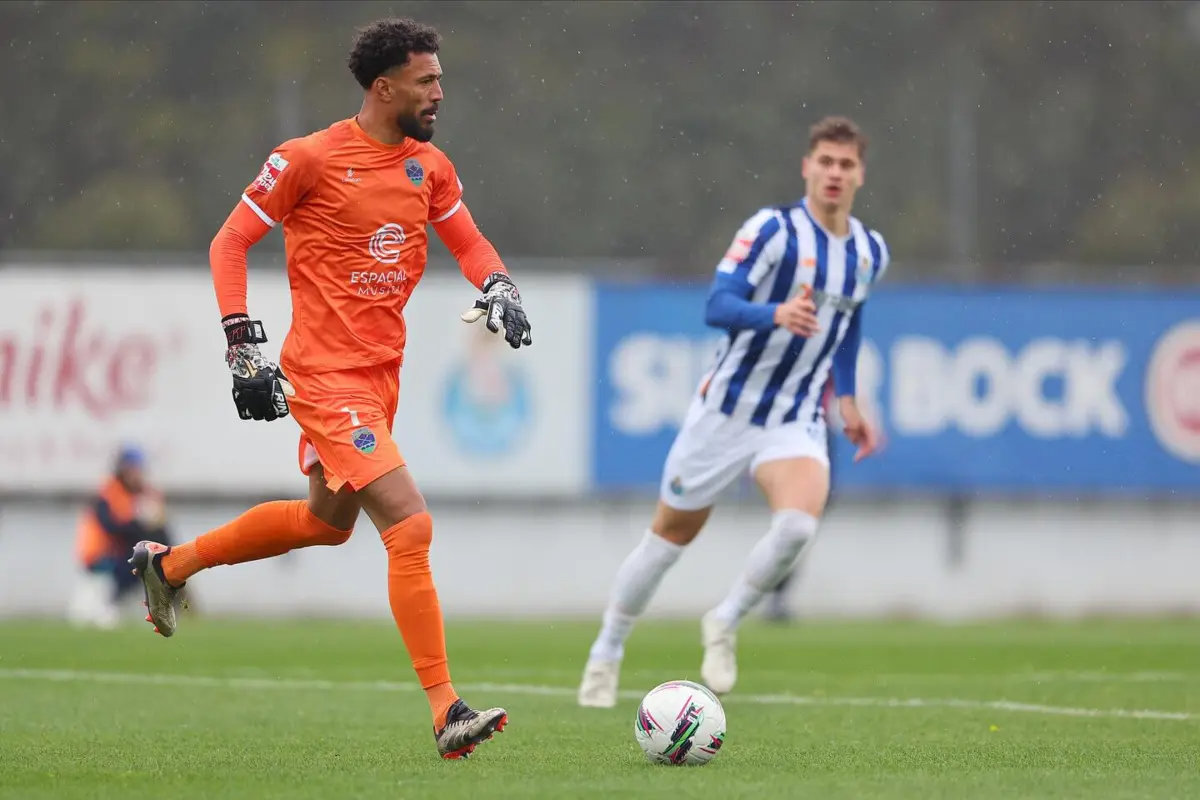
Fans are tired of the routine brilliance of superstar players. Vozinha's rare persona—advanced age, humble roots, and a comeback from the brink—struck a deep emotional chord with the public. But the hype is just the surface; what truly underpinned his comeback was decades of unwavering love for the game and competitive dedication. Having been denied top-level opportunities for years and repeatedly facing professional setbacks, he never gave up on himself and stayed true to his original passion. This dual commitment—both in ability and belief—is precisely the quality that many players, especially Chinese players, sorely lack nowadays.

Vozinha has become the unique inspirational icon of this World Cup. The world marvels at his overnight success, but few dig deep into why, among millions of ordinary players, he alone seized this opportunity.
The answer lies in his rocky professional career. Vozinha's starting point was extremely low; he only became a professional player at age 25, when he joined the Angolan league, far later than the typical debut age. Moreover, he never played in a top European league, spending years in African and lower-tier Portuguese competitions. Without top-tier resources or a pedigree from a big club's youth system, his career was already behind his peers from the very beginning. He remained on the fringes of football throughout.
For decades, he lingered on the periphery of the game—no hype, no high salary, no resources. When faced with unemployment, he even considered retirement, and his career seemed to have hit a dead end.
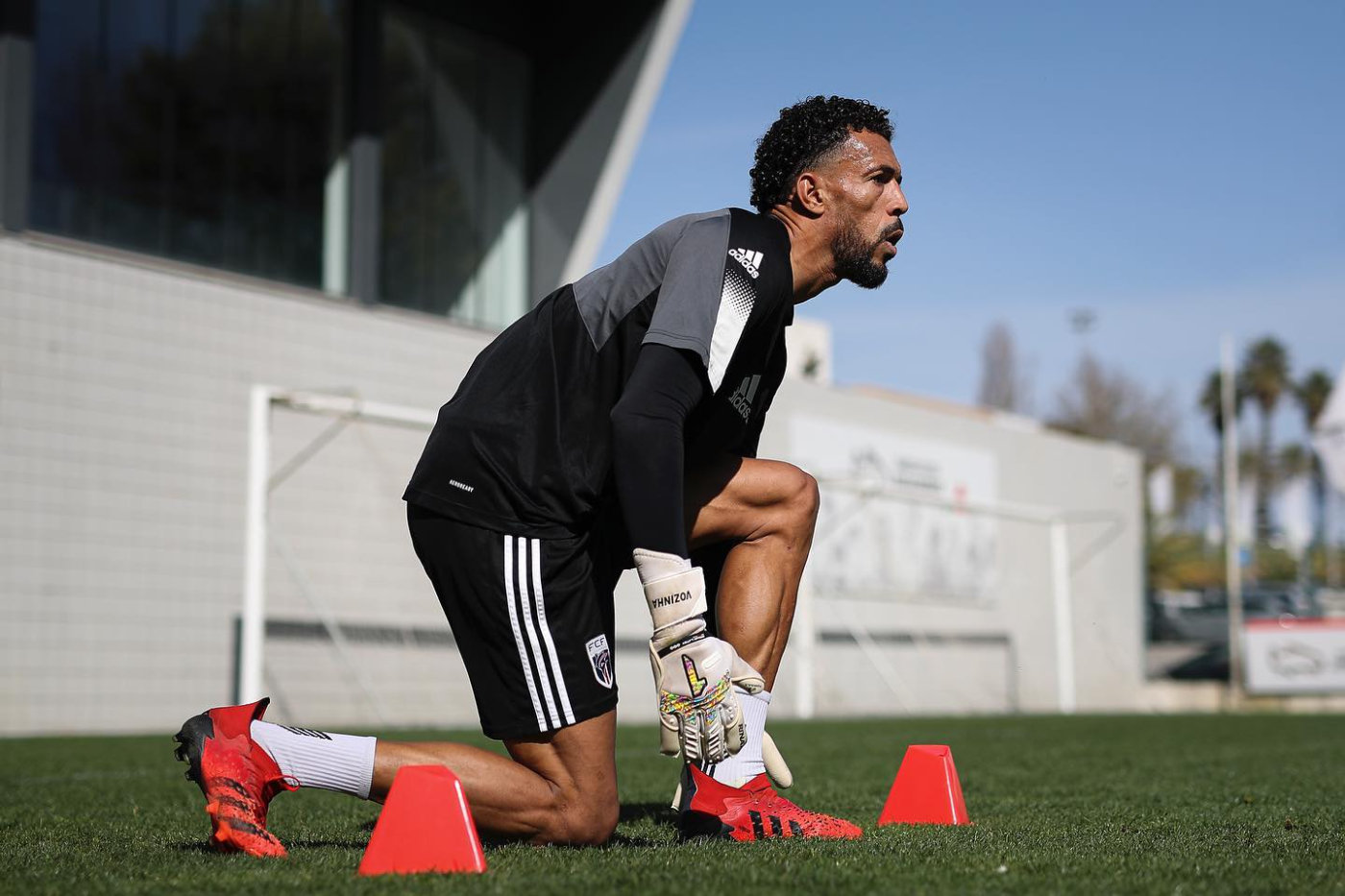
But even in the depths of his struggles, Vozinha never lost his love for football. Without a professional support team or quality training facilities, he maintained extreme self-discipline. He consistently pushed himself through intense extra training, honing his goalkeeping core skills—saves, anticipation, rushing out, and reflexes on the line—to maximize his competitive condition for as long as possible.
Of course, discipline is the most precious professional trait of Vozinha, and it is a quality that many players today lack. Many domestic players enjoy excellent resources and generous salaries, yet they lose their original passion for football early on—slacking on the pitch, lacking drive, and settling for the status quo. They have never experienced the desperation of having no team to play for, so they easily give up and coast. Meanwhile, most struggling players at the bottom rarely manage to maintain their love for the game over decades like Vozinha; instead, they choose to leave football behind.

Naturally, what helped Vozinha endure the tough times, besides his passion, was a deep-seated sense of national pride. Cape Verdean football has long been weak and underappreciated. As a veteran who has given so much to the team, he has personally experienced countless lows.
In interviews, Vozinha admitted that he has kept going because he wants the whole world to see Cape Verde. In his eyes, there are no strong or weak teams on the World Cup stage; every save he makes on the pitch is not only to prove himself but also to fight for the dignity of his country.
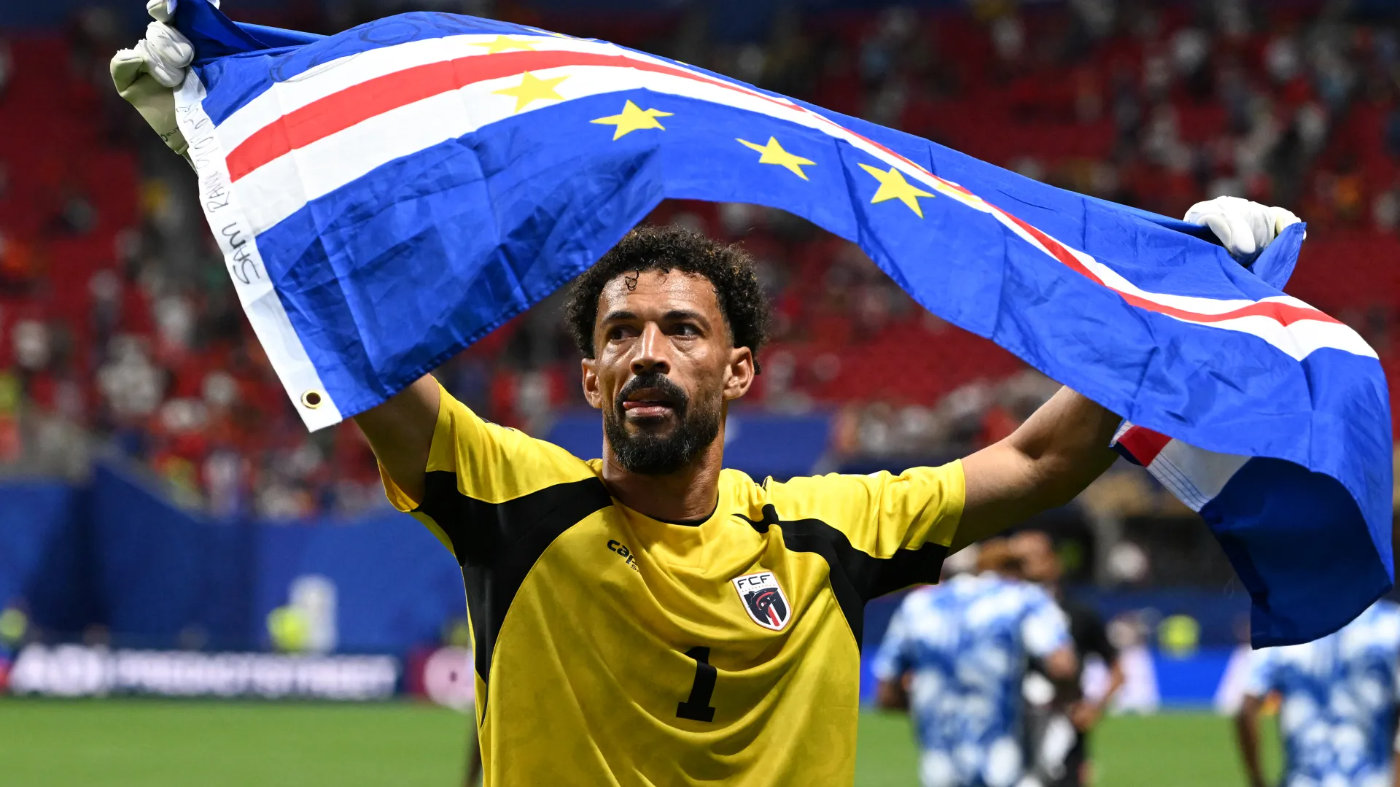
This sentiment is reflected in the details on the field: singing the national anthem passionately before matches with a determined look, and after the game, raising the national flag high to salute the world. For him, wearing the national team jersey is the highest honor, and once he puts it on, he must give his all.
National team matches are wars without gunpowder, carrying the weight of national pride and mission. This sense of honor is the most enduring driving force for professional players, sustaining them through tough times and pushing them forward against the odds.
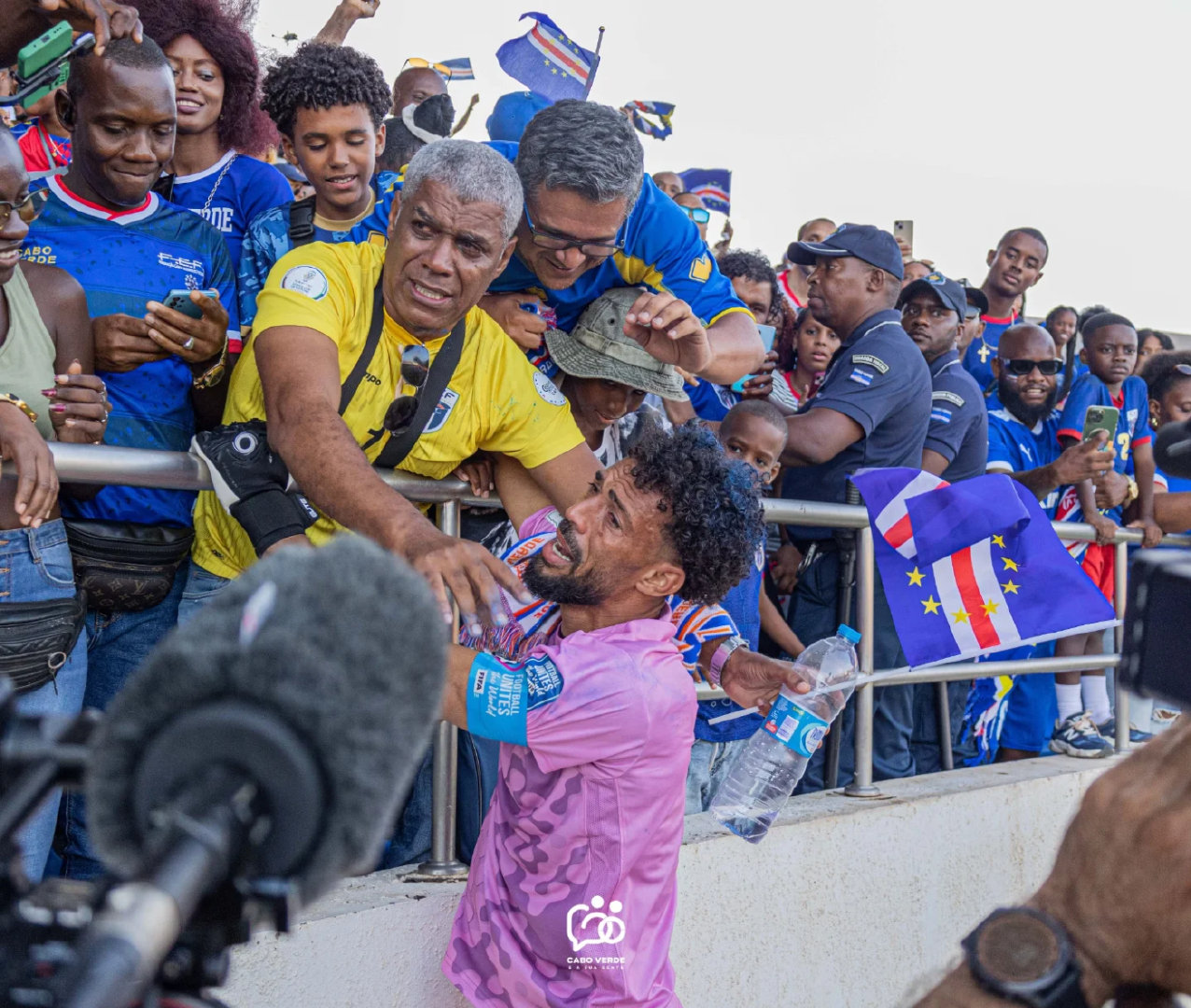
Some domestic players have become mediocre precisely because they have lost this sense of honor. Lacking the belief to fight for their country and persist in their profession, they also lose the motivation to improve, ultimately wasting away in comfort. There are many such examples.
Vozinha is a microcosm of the ordinary football professional: ordinary talent, humble background, low starting point, and unknown for most of his life. However, his comeback is by no means accidental; it is the inevitable result of the combination of pure love for football, enduring professional self-discipline, and sincere national pride. These are the professional qualities that domestic players most need to emulate and reflect upon.
Being ordinary does not mean being mediocre. What truly wears people down is never the low points of life, but the fading passion, loosening discipline, and lost faith. Football never betrays those who persistently chase the light, but destiny favors those who are prepared.
At 40, Vozinha has proven through his lifelong pursuit: as long as you keep your original intention, maintain your self-discipline, and never let your faith die, even after enduring hardships and hitting rock bottom, you will eventually see the clouds part and the moon shine, and shine brilliantly on your own stage.


Wonderfulshortvideo
BARCELONA REVENUE barcelona news today



Lashed home by Kieffer Moore ☄️
The saxophones are getting louder for Preston here…
When football is simple but beautiful 😍
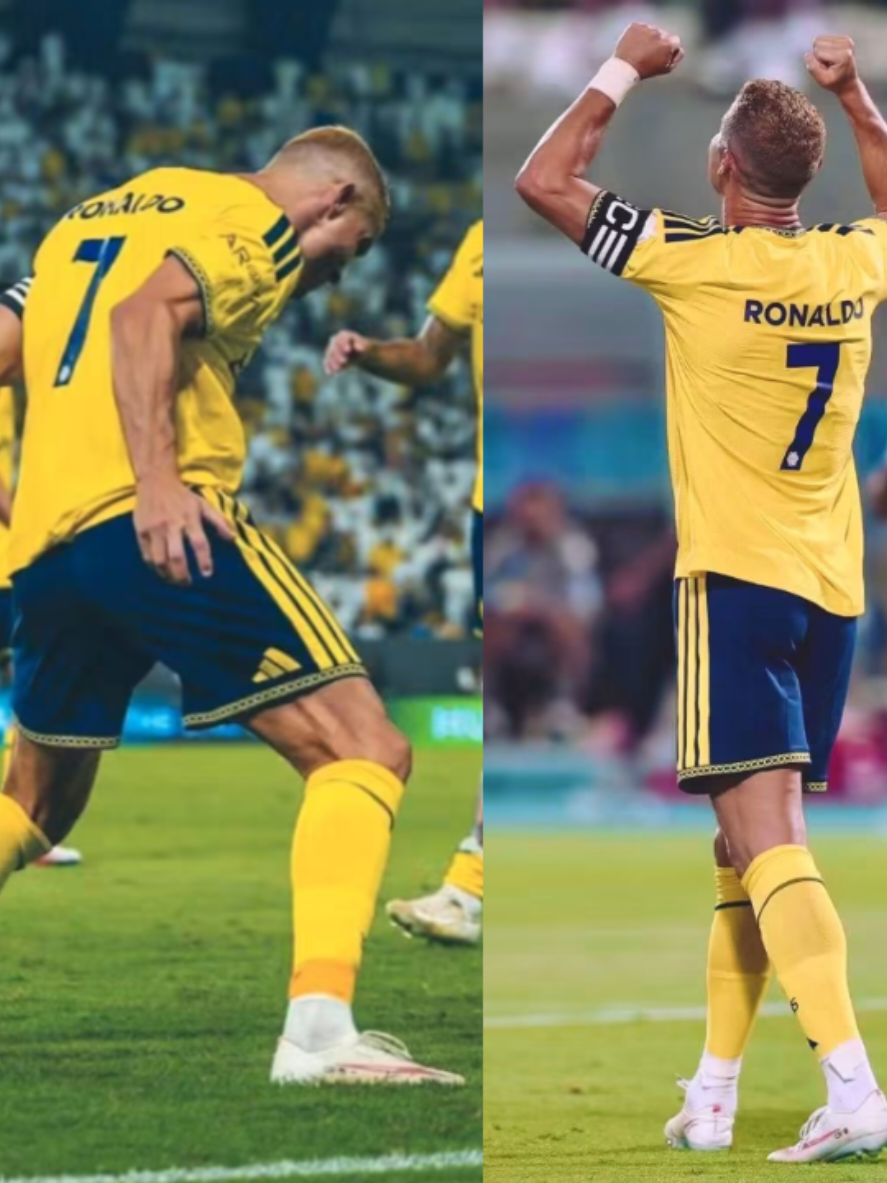
Cristiano Ronaldo is back on the quest for 1,000 goals, and these are his 977th and 978th goals.
messi argentina retirement messi retiring messi edit

The Swans go TOP of the Championship 🦢
 Links
Links
 Contact
 App
App


