



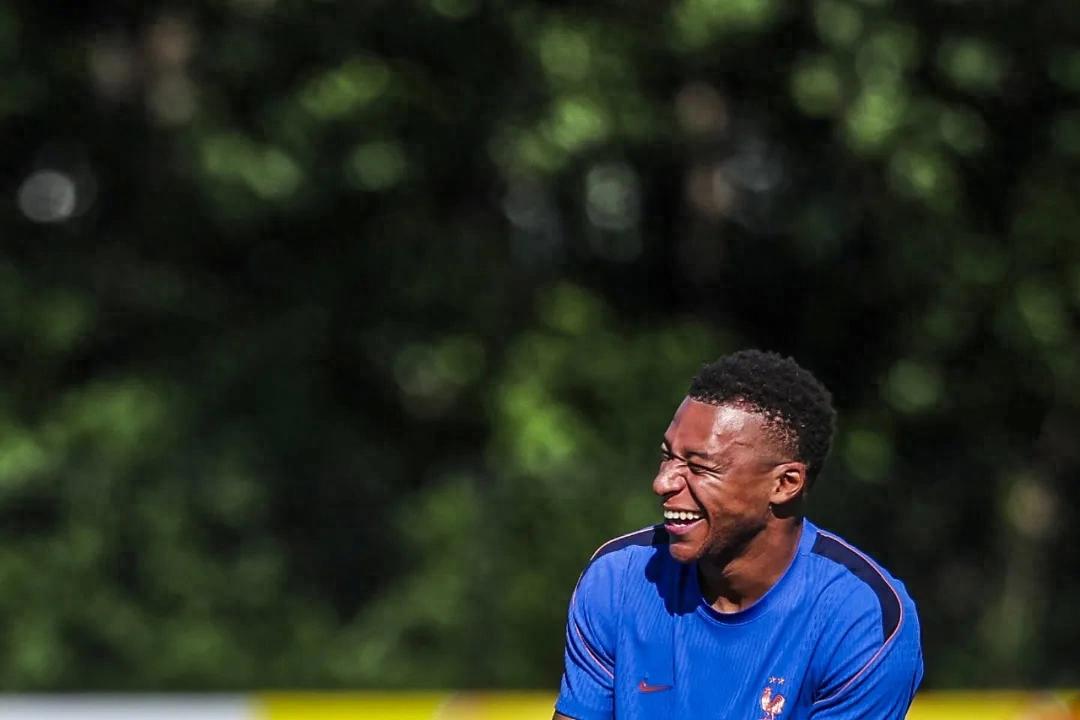
The French team, with smiles on their faces, is even more formidable.


Written by Han Bing Last Saturday, after discovering that their semi-final foe was longtime rival Spain, Deschamps' French squad quietly started their semi-final build-up.
Spanish coach Luis de la Fuente was the first to throw down the gauntlet: "We are the only team that has defeated France twice consecutively—Spain is fearless." He referred to the two semi-finals in the 2024 European Championship and the 2025 UEFA Nations League, but he did not mention that in the 2021 Nations League final, France beat Spain to claim the title, also the second trophy of Deschamps' tenure after the 2018 World Cup.
Times have changed. The previous two matches against Spain were both losses for Deschamps in Germany. This time, in Dallas, USA, he has enough confidence to seek revenge. The trio of Mbappé, Dembélé, and Olise has already become the most prolific attacking combination in World Cup history in terms of goals, and Deschamps believes that a more mature Mbappé can handle things as easily as he did in the games leading up to the World Cup.
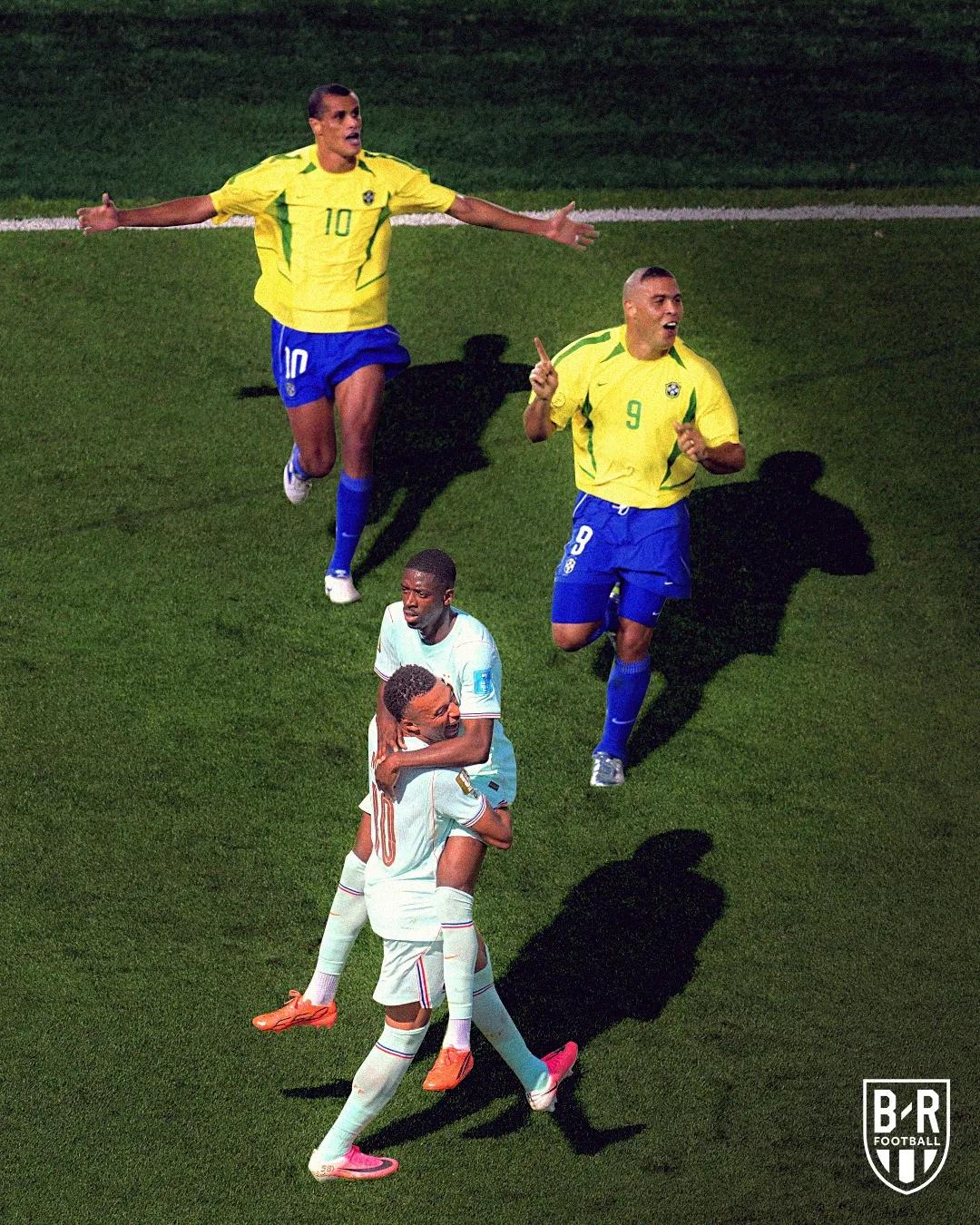
The French media are also optimistic about this match. *Le Parisien* believes this is the French team that fans most want to see, even better than the two previous title-winning sides. *L'Équipe* emphasizes that the French blue trident has surpassed Brazil's 2002 3R, and their formidable firepower is enough to tear apart Spain's seemingly impenetrable defense.
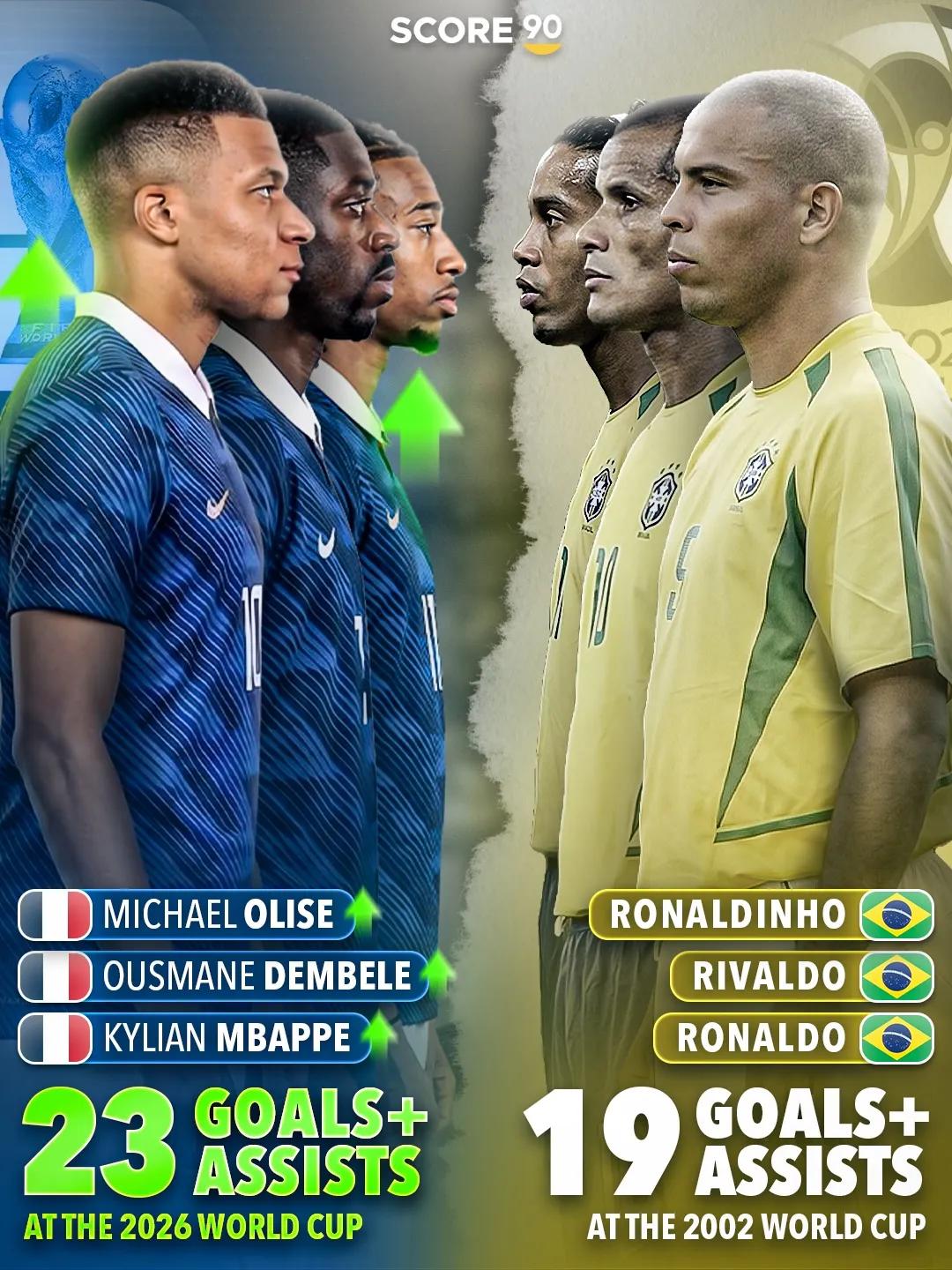

After a 2–0 quarter-final victory over Africa's strongest team, Morocco, Mbappé's new French trident has surpassed the 2002 Brazil 3R in total goals and assists. Mbappé (8 goals, 3 assists), Dembélé (5 goals, 2 assists), and Olise (5 assists) together have 13 goals and 10 assists, while the 2002 trio of Ronaldo (8 goals), Rivaldo (5 goals, 1 assist), and Ronaldinho (2 goals, 3 assists) totaled 15 goals and 4 assists. Counting non-overlapping goal involvements, the new French trident has contributed to 13 goals in 6 matches, accounting for 81.3% of all French goals. The 2002 3R contributed to 15 goals in 7 matches, 83.3% of Brazil's total. In terms of average goal involvements per match, the new French trident (2.16) slightly edges out the Brazilian 3R (2.14).
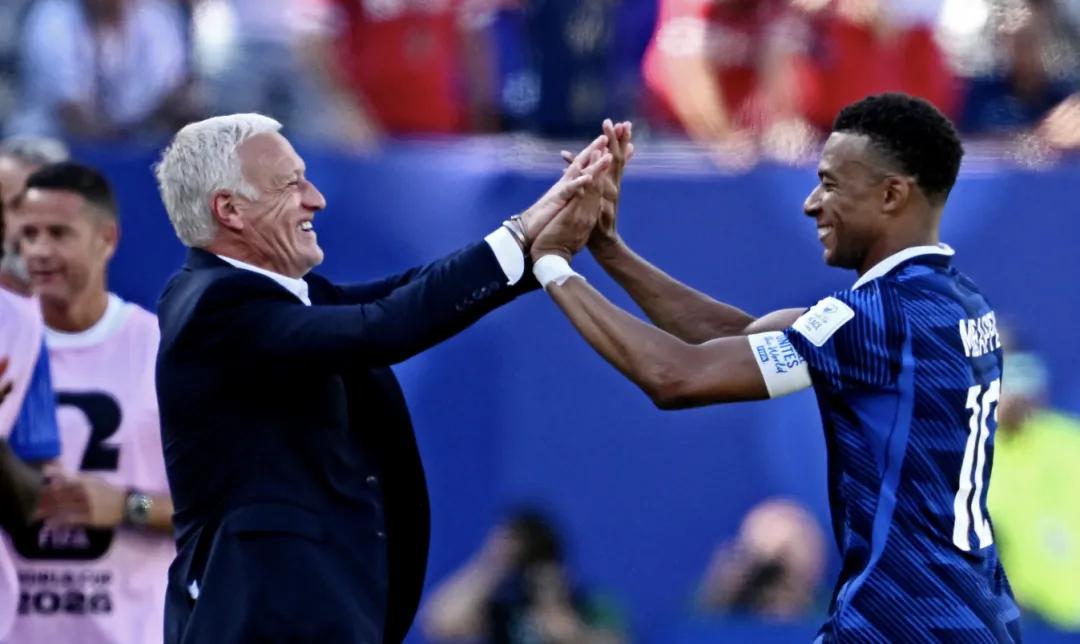
What allows Deschamps to confidently face the Spanish challenge is the red-hot form of the new French trident. *L'Équipe* believes Deschamps has successfully solved the Mbappé puzzle that Real Madrid couldn't, and Ballon d'Or winner Dembélé can coexist harmoniously with Mbappé in the French team. Most importantly, Olise, who supports the front line from behind Mbappé, ensures that there is no competition for scoring rights and that the entire attacking unit functions smoothly. In this World Cup, all three French superstars have undergone subtle changes. Mbappé has shed the temperament he displayed at Paris Saint-Germain and Real Madrid, showing the maturity, calmness, and selflessness expected of a captain. Deschamps never misses an opportunity to assert Mbappé's authority as captain, and the traditional locker-room infighting in the French team has thus disappeared.
Dembélé's transformation is largely thanks to Luis Enrique. Early last year, the PSG coach moved him from the wing to the center, which not only changed his tactical role but also his professional attitude. Dembélé can coexist with Mbappé in the French team and has also curbed his own ego. Having won the Ballon d'Or, Dembélé knows very well that the last and greatest honor of his career is to lift the World Cup as a starting player. For that, he is willing to make every effort. Trading 39 days for a lifetime of glory and pride is a worthwhile exchange. In the French team, although Mbappé still has priority in shooting, with Olise's selfless support, the desire to cooperate among the three outweighs competition.
The strike partner Mbappé has been waiting for over the years is precisely the Dembélé of this World Cup—someone who can not only tear open defenses on the right flank and participate in attacks but also act as a finisher in the attacking third. Dembélé is willing to sacrifice his personal statistics for the team, which is the foundation for the new French trident's cooperation, and the actual results have been satisfying. As for Olise, Mbappé and the French team need a perfect wingman who can deliver through balls to the two forwards at any moment, and the Bayern Munich midfielder has executed Deschamps' tactics almost flawlessly.

On Wednesday in Dallas, Deschamps has only one choice to make: Doué or Barcola? The three positions in France's attacking front line are settled, but the left flank requires further consideration. Both players have their advantages. Doué provides more options for the team's offense and can stretch the attack on the left side. In the quarter-final, he did a better job of suppressing the aggressive attacking full-back Achraf on that flank. Deschamps did not abandon his evaluation of Doué despite his emotional debut in the group stage. Doué has received playing time in all six World Cup matches so far. His outstanding performance as a starter against Morocco has made Deschamps consider whether to change his starting lineup for the match against Spain.
Choosing Doué or Barcola depends on whether Deschamps wants a more aggressive or cautious tactic. Spain's right-back Porro is similar to Achraf in terms of attacking contributions, so France's left-sided attacker also needs to help the full-back defend against Yamal on that side. Continuing with Doué as a starter aligns with tactical logic. Moreover, Doué can not only break through on the wing but also drop back into midfield to increase the number of French midfielders when contesting possession in the second half. Deschamps is well aware that he cannot let Spain control the ball too easily, especially in midfield.
From Mbappé's perspective, Doué can provide more support to the front line. The attacking four-man group formed by France will put greater pressure on the Spanish defense. However, the final decision rests with Deschamps—whether to spring a surprise or go with the flow—and the French coach still needs time. *L'Équipe* believes that starting Doué against Spain could have a greater impact, though the opponent will likely anticipate this, so there is a possibility of a proactive change.
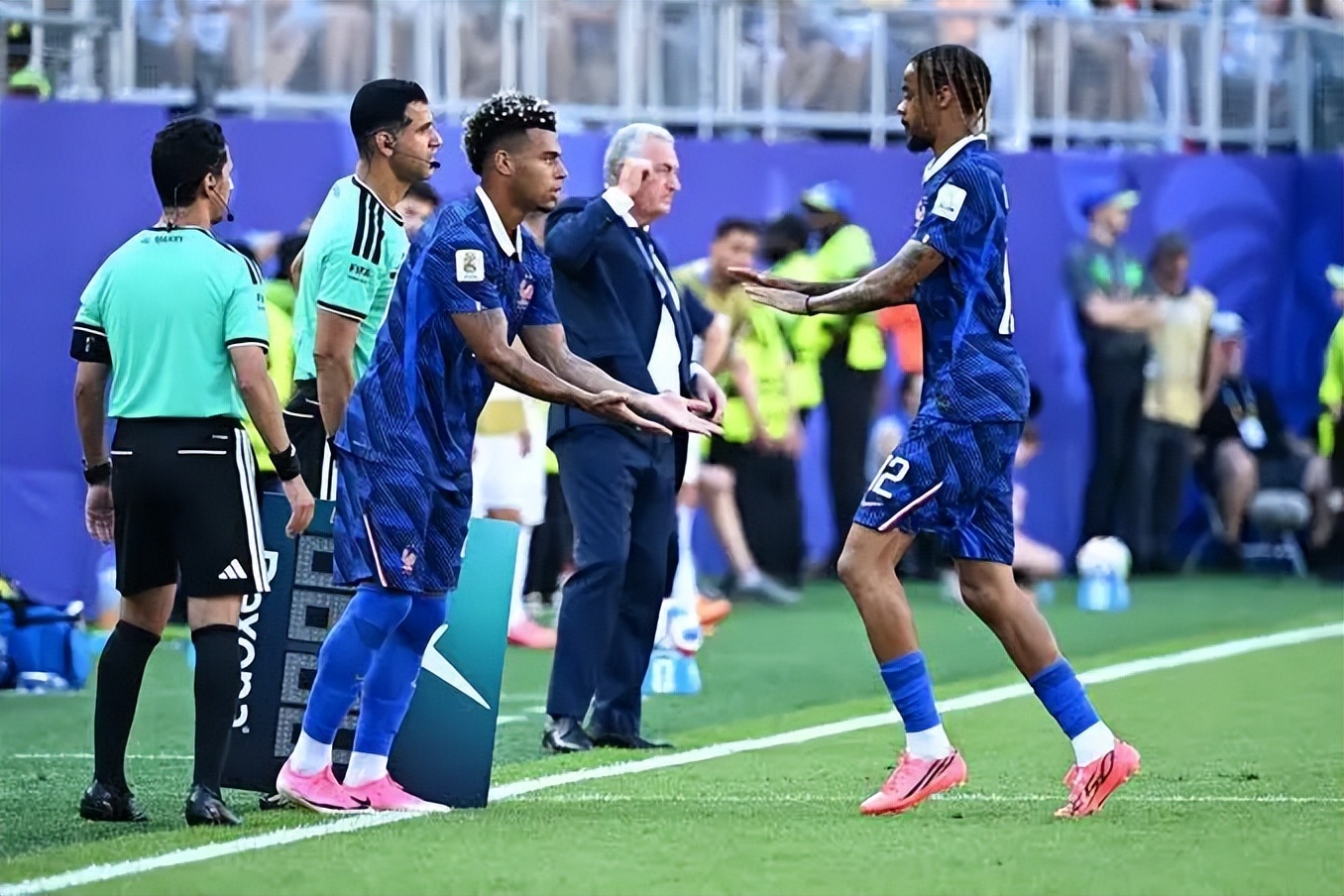
Barcola is better at high-speed counterattacks, has excellent off-the-ball movement, strong tactical discipline, can make vertical breakthroughs on the flank, and also possesses decent physicality. However, against a technically skilled Spanish side, Barcola's passing accuracy is not as good as Doué's or Olise's, and he struggles to organize attacks while holding the ball to help Mbappé. Doué has better finishing ability in front of goal, but it depends on how many shooting opportunities he gets. Compared to Barcola, who excels at high-speed dribbling, Doué is more suited to positional play. In addition, Doué's stamina is not abundant, so he and Barcola complement each other on the left flank. When France needs a wide breakthrough in the second half to open up a tiring Spanish defense, Barcola is a good option to come on. Conversely, if Spain's tactics are more open, Barcola is better suited to start, using his strengths in counterattacks.
Of course, no matter who starts, there will be no issues with executing the tactics. The reason Deschamps' France is so strong is that almost every position has players of comparable high quality. The Doué-or-Barcola question depends on their recent match and training form. Given that Spain's defense has been remarkably stable, Doué might be more suitable for a tough battle.
Considering that in the last two official semi-finals, Barcola came off the bench, and in last year's Nations League semi-final (4–5), Barcola replaced Doué, Deschamps' choice this time may need to take that into account. Last year, with Doué starting, Spain took a 4–0 lead, and after Barcola came on, France scored three consecutive goals. This year, at least the new French trident will not allow Spain's attack to be so efficient. De la Fuente fears the new trident, and Doué's chances of starting are no less than Barcola's.
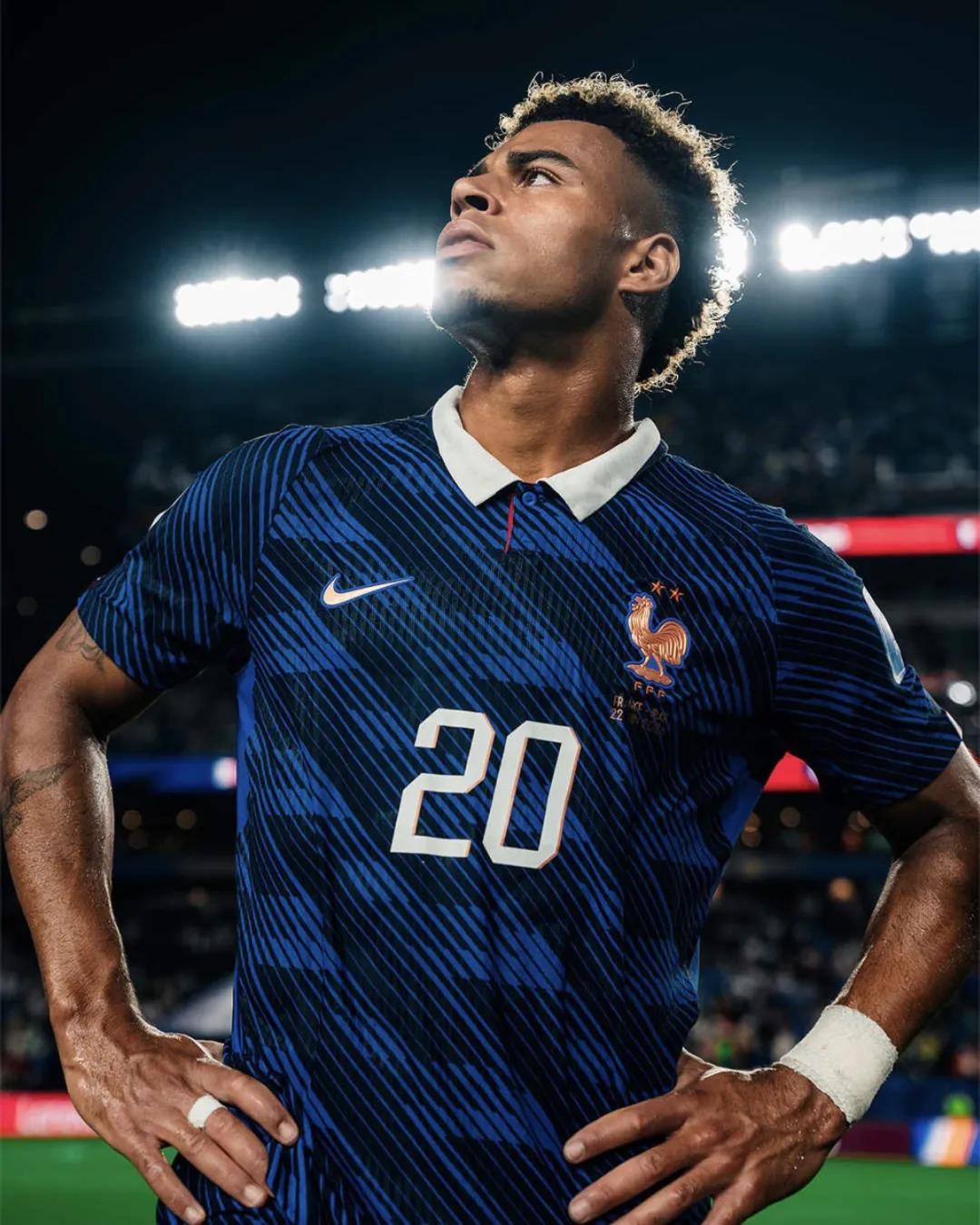

France has lost two consecutive official semi-finals to Spain, and this is their third consecutive year meeting in an official semi-final—a chance for Deschamps and France to seek revenge. But for Mbappé, this semi-final is also a personal revenge match against Yamal. Mbappé has faced Yamal five times in single-elimination matches. Apart from France's two semi-finals, there were also two recent Spanish Super Cup matches and the 2025 Copa del Rey final when Mbappé was at Real Madrid, all of which he lost to Yamal. His only victory dates back to the second leg of the 2023/24 Champions League quarter-final, when PSG overturned a deficit to eliminate Barcelona 4–1 at the Camp Nou.
But Mbappé in this World Cup has distanced himself from the Real Madrid environment, and the French team's attacking lineup is also completely different from two years ago. Most importantly, Mbappé has no worries in the current French team. Deschamps is committed to fully unleashing the attacking vitality, creating offensive threats through continuous high pressing from the forwards, which has completely changed France's tactical style and restored the players' confidence. Deschamps is well aware that France's success hinges on Mbappé, and how well he uses Mbappé will determine how far the team can go.
In recent years, Deschamps has deliberately pushed Mbappé to grow tactically and mentally to deserve the captain's armband.
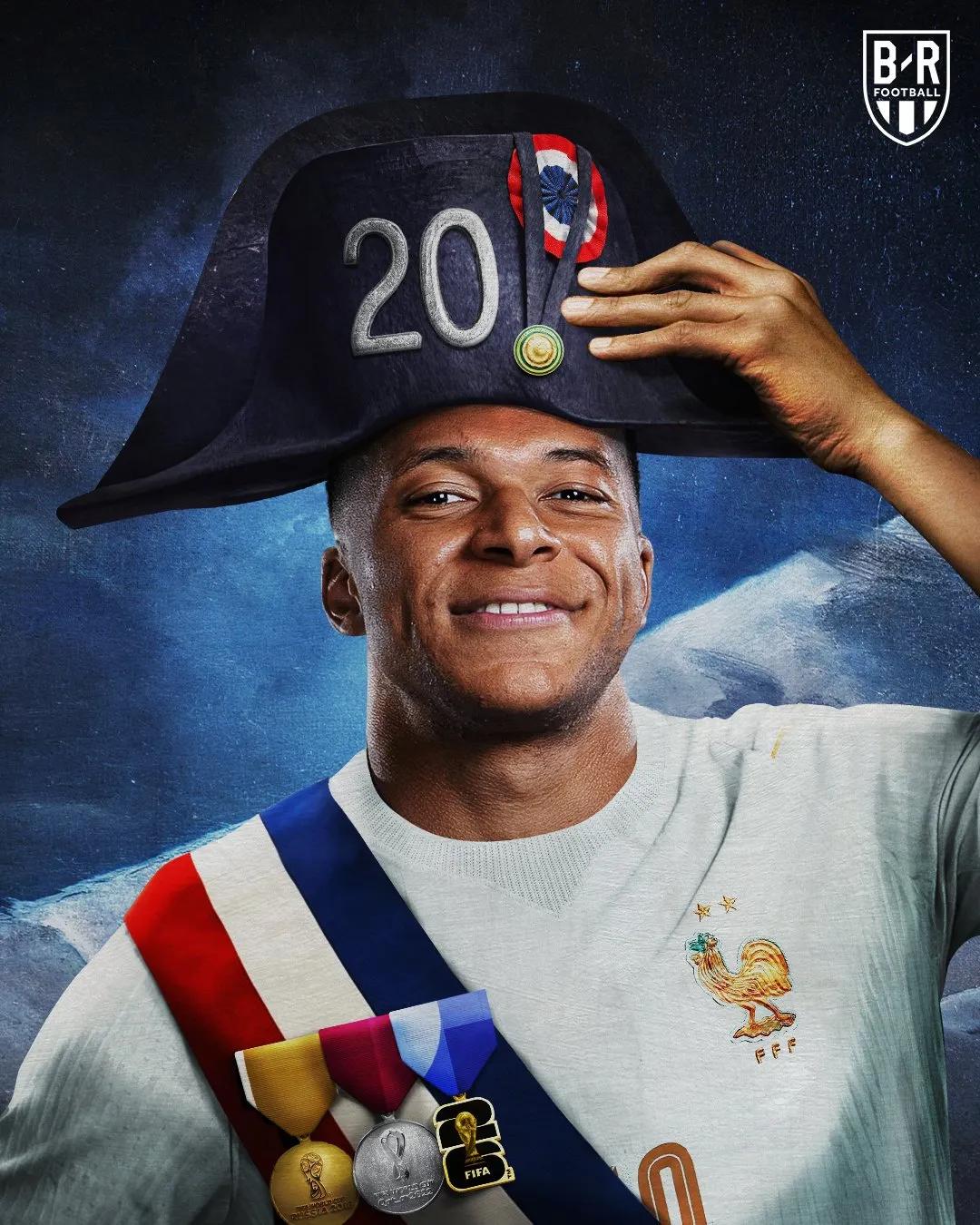
*L'Équipe* believes that the transformation of France's tactical style means that the captain and locker-room leader, once emerging from the defensive line, now naturally come from the forward line. With an attacking style, Mbappé as the forward has become the tactical core, and thus logically the locker-room leader. A generational shift has occurred: veterans like Lloris, Giroud, and Griezmann have all left, and the atmosphere in the French team has changed dramatically. The current French team resembles the 2018 title-winning side more than the 2022 one.
Four years ago, the French team's atmosphere of cooperation was poor, relying more on individual star power to solve problems, with the World Cup final being a one-man show for Mbappé. But now, Mbappé has two excellent partners in Dembélé and Olise, and Deschamps no longer needs to worry about the attacking end. In contrast to Spain, which has focused more on polishing its defense while sacrificing attacking efficiency, France has been completely reborn in just one year.
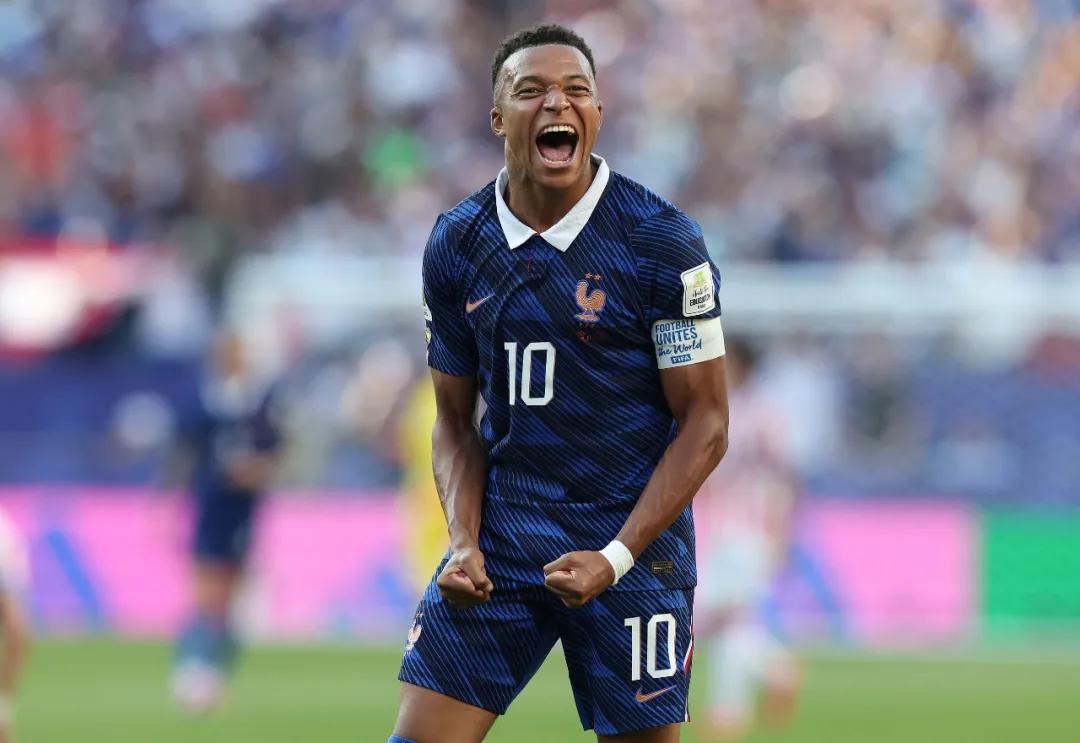
The current French team has a more relaxed internal atmosphere, with players not feeling the tension they had in Qatar. Deschamps also places great emphasis on relaxation, constantly adjusting training based on weather and other factors, being strict when necessary but keeping the mood light most of the time. As Monte Carlo Radio described: The French team, with smiles on their faces, is the one that can win the World Cup.


Wonderfulshortvideo
BARCELONA REVENUE barcelona news today


Lashed home by Kieffer Moore ☄️
The saxophones are getting louder for Preston here…
When football is simple but beautiful 😍
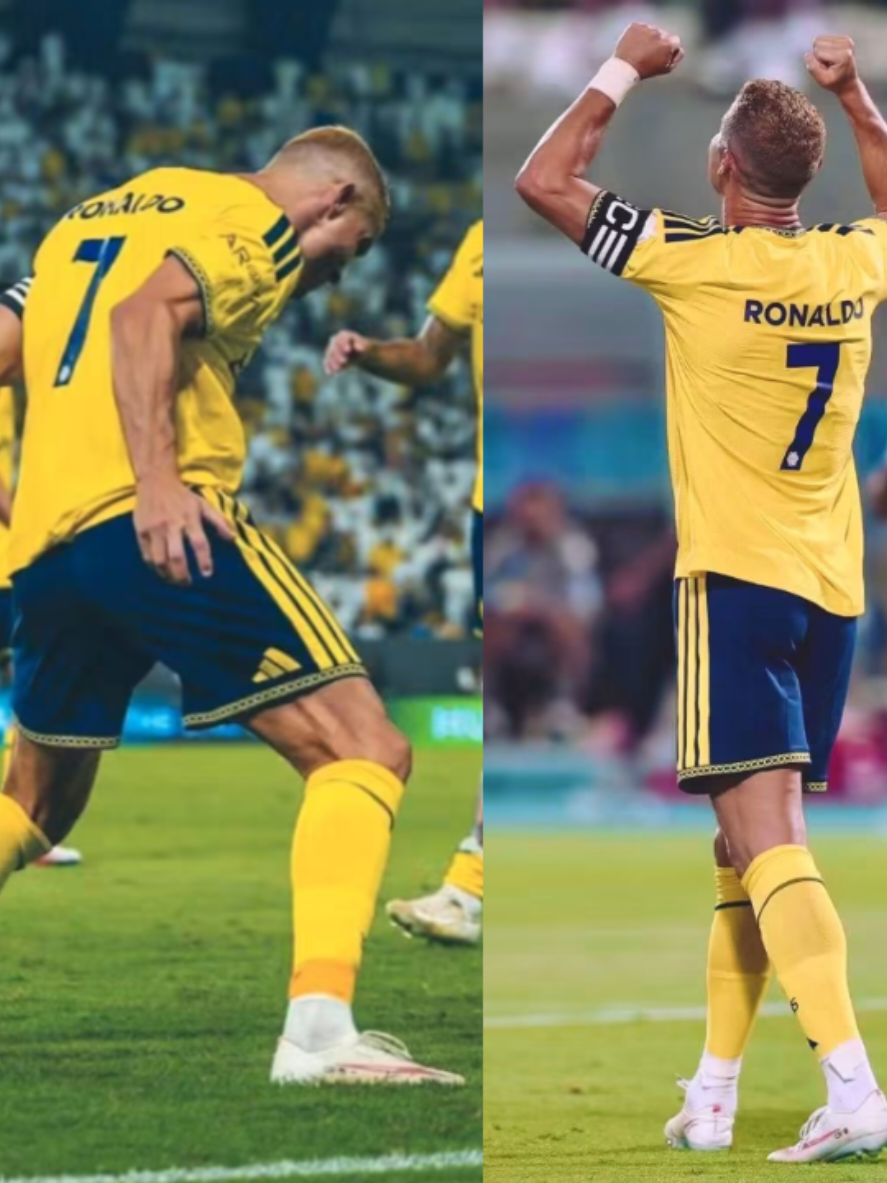
Cristiano Ronaldo is back on the quest for 1,000 goals, and these are his 977th and 978th goals.
messi argentina retirement messi retiring messi edit
The Swans go TOP of the Championship 🦢
 Links
Links
 Contact
 App
App


