



Is the best Yamal being "saved" for the French team?


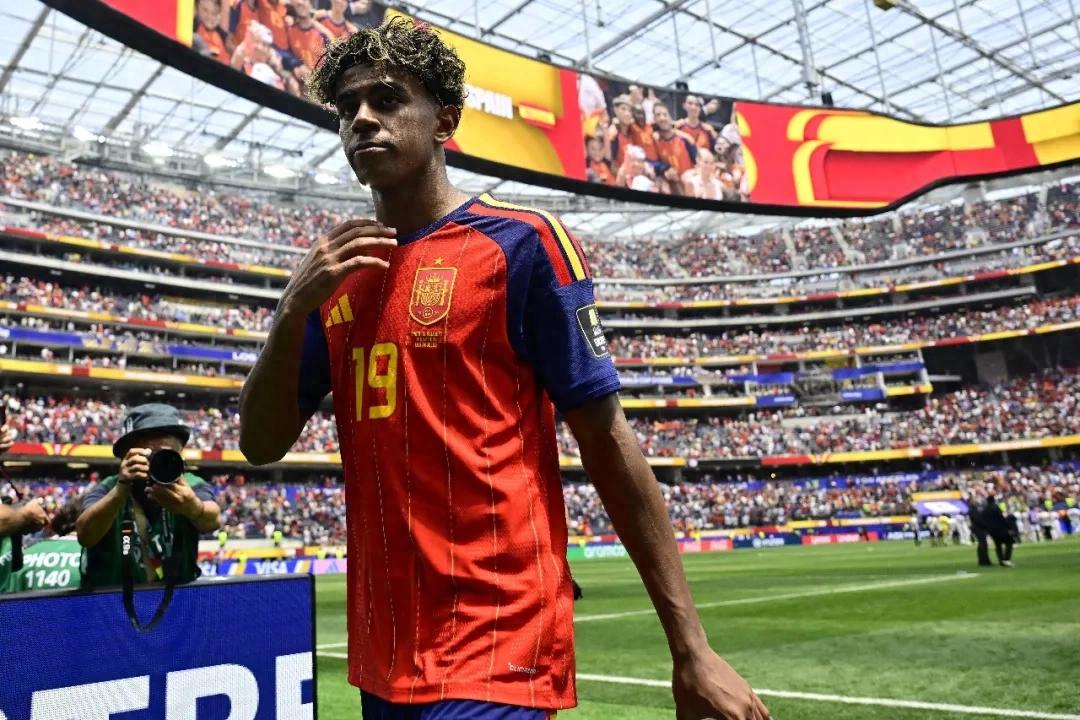
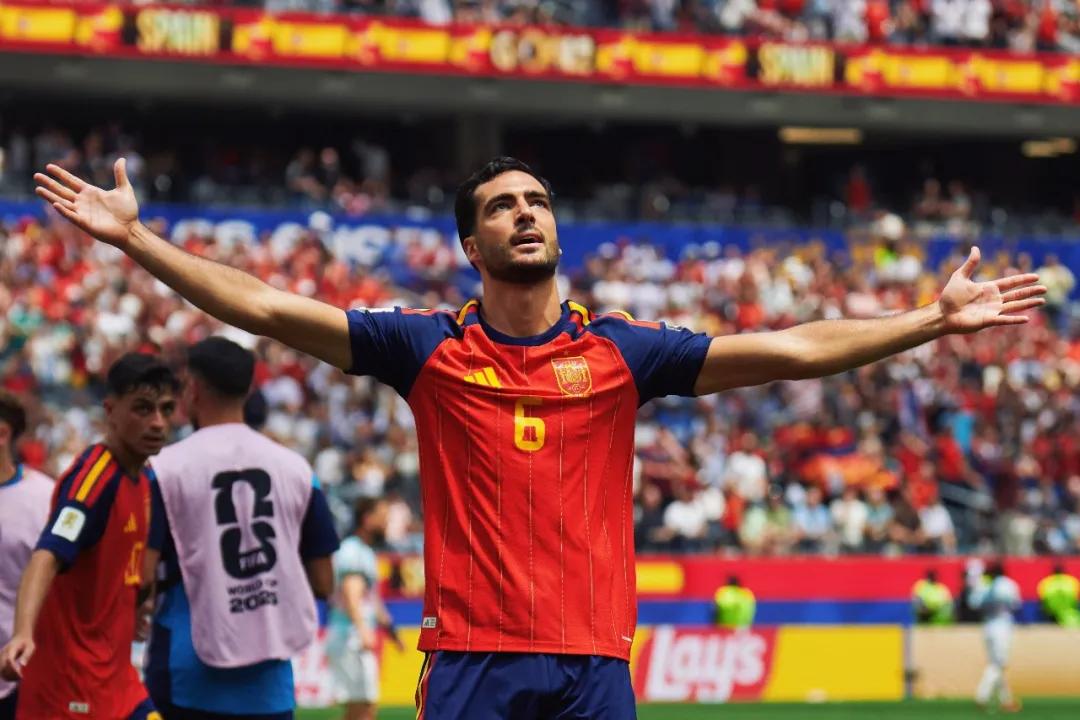
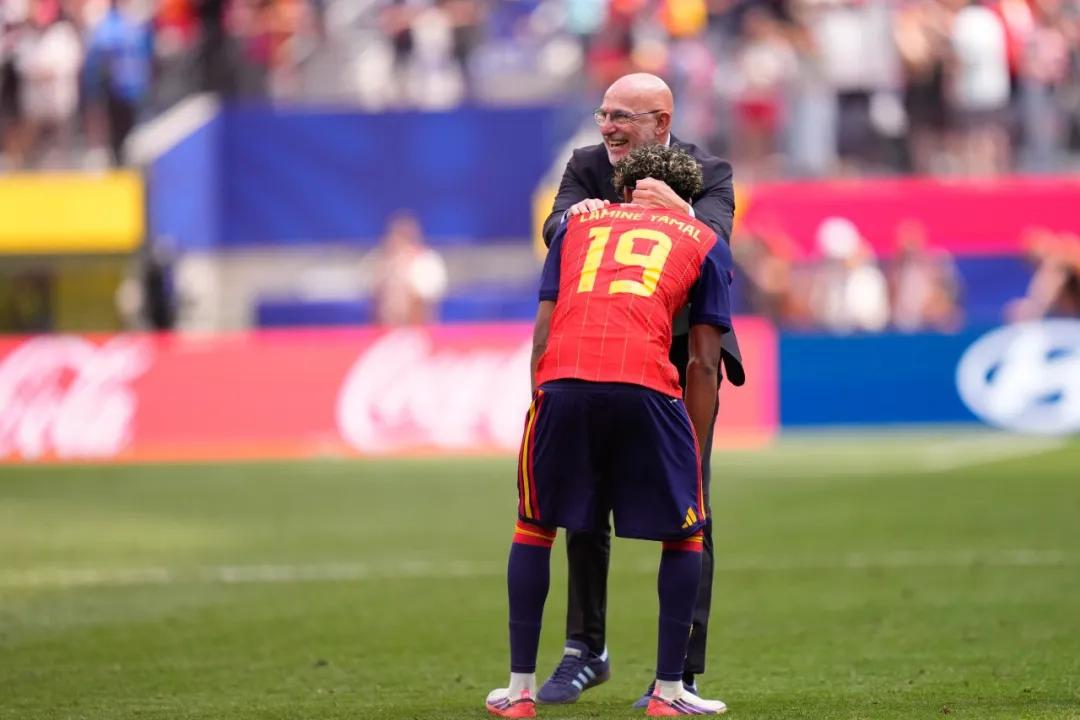
Written by Nan Nan Premier League official Michael Oliver signaled the end of the match, and the Spanish team exhaled. With Merino's decisive header, they triumphed in stoppage time yet again—Portugal was the previous victim, Belgium the latest. Defeating Belgium was not unexpected for Spain; what was unexpected was their conceding a goal and the course of the game. Even more surprising was the choice of the best player: not Merino, who scored in two consecutive games, not Rodri, who controlled the tempo, but Yamal, who is not yet 19.
This is the second time Yamal has been named Man of the Match in the knockout stage. Compared to Mbappé's dazzling performances against Sweden and Morocco, Yamal's showing was far less impressive. In this game, he had neither a goal nor an assist. The same was true in the previous match against Austria.

A player with zero goals and zero assists being named the best on the pitch is extremely rare in the data-driven era of the World Cup. If there is a reason, it must be that the criteria differ: FIFA looks not at the scoreline but at the game itself—when the ball is at his feet, Yamal dictates the rhythm.
That sounds rather vague, and if you only rely on statistics, it isn't very convincing. In this World Cup, Yamal has completed 21 successful dribbles, becoming the first player to break the 20 mark. Against Belgium, he succeeded in four dribbles, took six shots, two of which were on target—all match highs. However, Yamal also led both teams in a different statistic: 23 lost possessions.
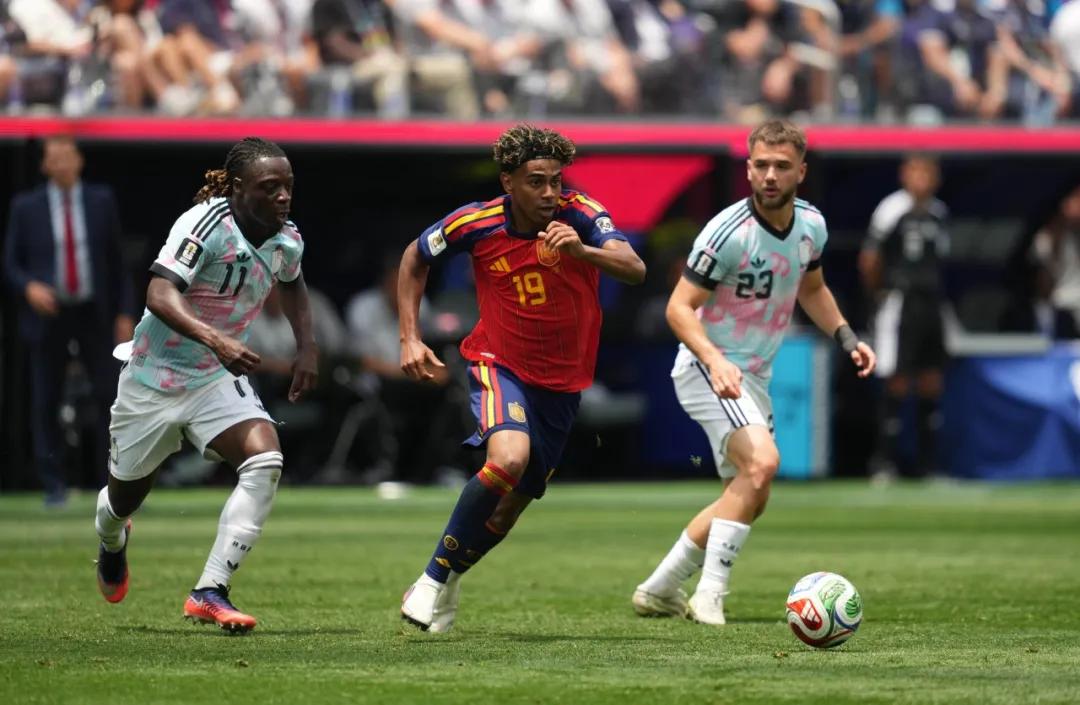
This staggering number reveals two basic truths. First, even though the Belgians kept a close eye on him, the ball still went to Yamal. That reflects De la Fuente's trust and the team's reliance: whenever Spain's attack stalled, their first instinct was to give the ball to Yamal and see what he could do. Second, Belgium had to choose—either double-team him or let him go one-on-one and gamble that he wouldn't score. In fact, the Belgians spent 90 minutes trying to contain Yamal, using double and even triple coverage. They did a decent job—Yamal had no goal and no assist—but in the end, Belgium lost.
This is the Spanish team now, completely different from two years ago. At Euro 2024, with Nico on the left and Yamal on the right, Spain's two-wing attack left Europe helpless. Now, things have changed. Nico has lost his form after a serious injury, and Yamal only became a starter after Spain's opening World Cup match was held to a draw by Cape Verde. So when the media questioned his lack of goals, he said: "I think people are too fixated on goals. When Spain won the European Championship, I only scored one goal in total."
The facts support Yamal. At Euro 2024, he indeed scored only one goal—a stunning strike against France in the semifinal. Back then, he could dribble and pass, causing headaches. Two years later, without goals or assists, he is still a headache because every opponent is forced to focus two or three players on him, leaving Merino unmarked. If Yamal cannot finish the game himself, he creates the conditions for his teammates to do so. This version of Yamal may be even more terrifying, because he inherently possesses the ability to decide a match, and that ability has become Spain's greatest tactical weapon.
In the semifinal, Yamal will face Mbappé again. From Ligue 1 to La Liga to the national team, Yamal has won 8 of their encounters. Spain vs. France has been the semifinal matchup in the last three major tournaments, and Yamal has come out on top twice. So he has the right to taunt the French. After beating Belgium, Yamal posted on social media: "If there is a team France should fear, it's us. We're the ones who crushed them before."
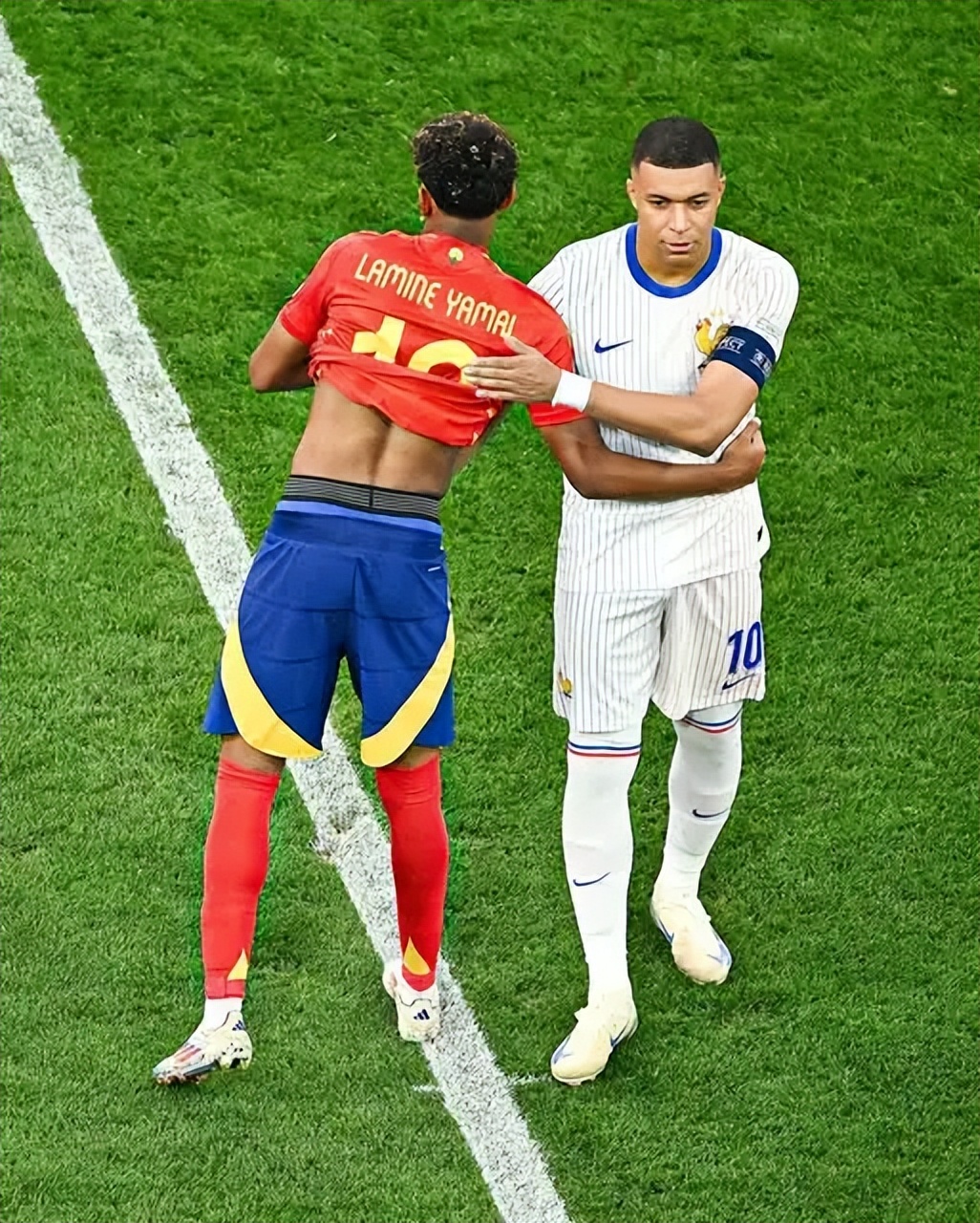

No one would disagree that France is the most impressive and consistent team at the 2026 World Cup so far. Yet Yamal dares to provoke them because he is their biggest threat, and also because he knows Spain's real killer is not him. When he is surrounded by multiple defenders, someone else is already waiting in another space on the pitch—that someone is Merino.
Against Portugal, in the 91st minute, Ferran Torres drew Ruben Dias into a challenge, then slipped the ball to an unmarked Merino behind Dias, who scored easily. The Portuguese were stunned—nobody had spotted Merino because he was out of their line of sight. Against Belgium, the same pattern, the same result. Two consecutive knockout matches, the same dagger plunged from the shadows, lethal. Everyone focused on Yamal's 23 lost possessions; nobody paid attention to the man named Merino.
Merino doesn't start. In both games, he came on after the 85th minute and scored within six minutes to seal the victory. By the time Merino enters, his opponents have already been ground down by Yamal and Spain's powerful midfield for over 80 minutes. So he doesn't need to do anything flashy—just quietly appear in the gaps that open up as the opposition tires, and wait for the ball. In ten minutes, how far Merino runs or how many touches he gets doesn't matter. What matters is that he is always in the most dangerous position to receive a pass that can kill the game.
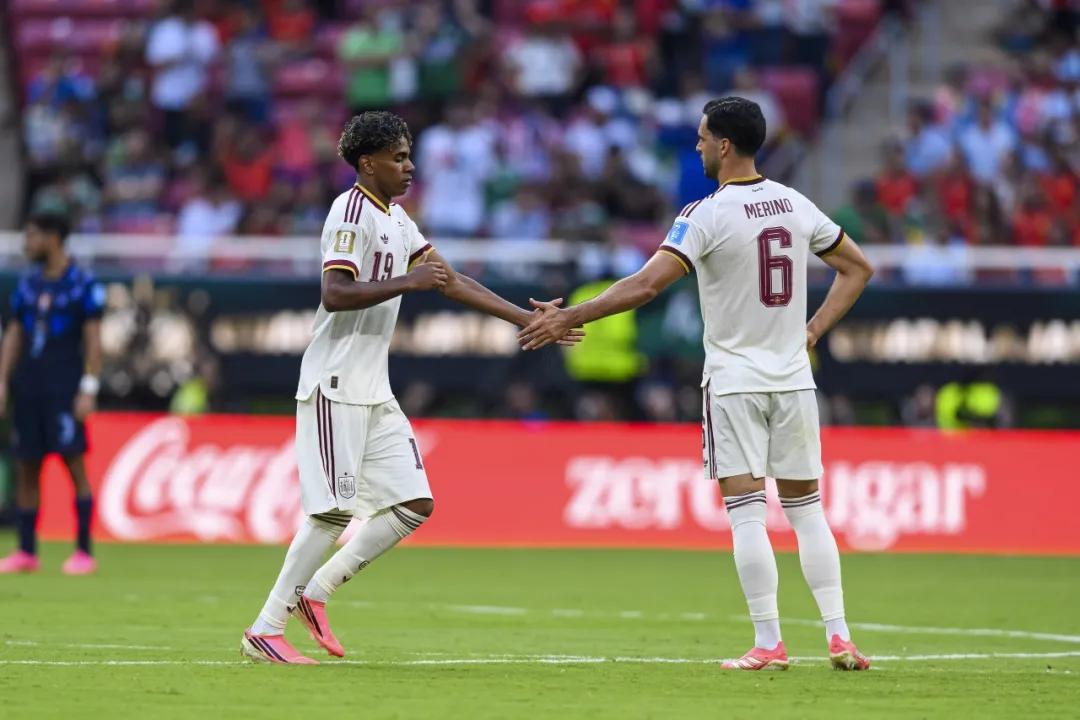
This is no coincidence; it's by design. The logic is simple: when the ball is at Yamal's feet, two or three opponents close in, and the defensive focus shifts to the right. Yamal uses his dribbling to compress the defense, then starts to move the ball. When the ball goes from Yamal's side to Merino's side, the defensive shape has already shifted. Each pass deepens the shift. By the time the ball reaches Merino, the defense is so skewed that he has a clear chance to strike.
After the Belgium match, Yamal said: "They marked me tightly, but there is always a player in space." The player he referred to as "the one in space" is Merino.
The data best proves De la Fuente's system. In this World Cup, six Spanish players have scored, netting 11 goals in six matches, equaling Spain's record for most goals in a single World Cup. Those goals are spread across six players, with no one scoring more than three. Everyone is a threat, yet no one is the only threat. Yamal tears open the gap, and Merino slips through. One is the obvious spearhead that everyone must guard; the other is the hidden blade waiting for a chance to finish the opponent. The French will certainly watch Merino, but who knows if De la Fuente's design includes another knife?

However, no matter how precise the design, it still relies on people to execute. The system's operation depends on one premise: that Yamal will not break down when double- or triple-teamed. Twenty-three lost possessions mean 23 failures. Most players would start getting anxious by the tenth; Yamal does not. This composure cannot be taught by tactics—it is forged by life. De la Fuente knows this well. He has witnessed Yamal's growth from the youth team and thus dares to place the entire attacking weight of the team on this teenager. He knows Yamal is not afraid of pressure, because that fearlessness is not talent—it is something grown on the concrete streets of the Rocafonda neighborhood.
In the Rocafonda district of Mataró, Catalonia, described by El País as a "forgotten, isolated, and stigmatized" place, Yamal was born. His childhood stories have been widely reported: his father, a waiter, set up training props on the concrete floor at 5 a.m. every day for his son. Neighbors were often disturbed and eventually let their dogs out. Yamal once said: "I was afraid the dogs would catch me, so I had to dribble faster and faster."
De la Fuente wants exactly that kind of player—someone who stays composed under multiple defenders, someone who remains calm after 23 lost possessions. It's not so much that De la Fuente values Yamal's fearlessness under pressure, but rather that he sees the ease with which Yamal operates under the constant pressure of being chased. De la Fuente said: "The best Yamal, the one who is more threatening in attack, has not fully shown himself yet." This statement carries great weight ahead of the semifinal. Spain has remained unbeaten in regular time for 36 consecutive matches, and Merino has scored late winners in two straight games against top European sides. Yet the player driving all of this, in the coach's eyes, has not reached his peak.
It seems Spain has prepared a surprise for the French. There is a story about Yamal's emergence. In 2007, a 20-year-old Messi participated in a UNICEF charity calendar photoshoot, and the baby in the bath was three-month-old Yamal. That photo later resurfaced and went viral on social media.
On July 13, Yamal will turn 19. Two days later, they will face Mbappé's France in Dallas. If both Spain and Argentina advance past the semifinals, the media will go wild: the baby once baptized by Messi will now stand alongside him on the World Cup final stage.
Of course, the first to reject this script are the French. Apart from seeking revenge against Spain, they also want revenge against Argentina. For Mbappé and France, the first six World Cup matches were just warm-ups. The real battle starts from the semifinal.



Wonderfulshortvideo
BARCELONA REVENUE barcelona news today


Lashed home by Kieffer Moore ☄️
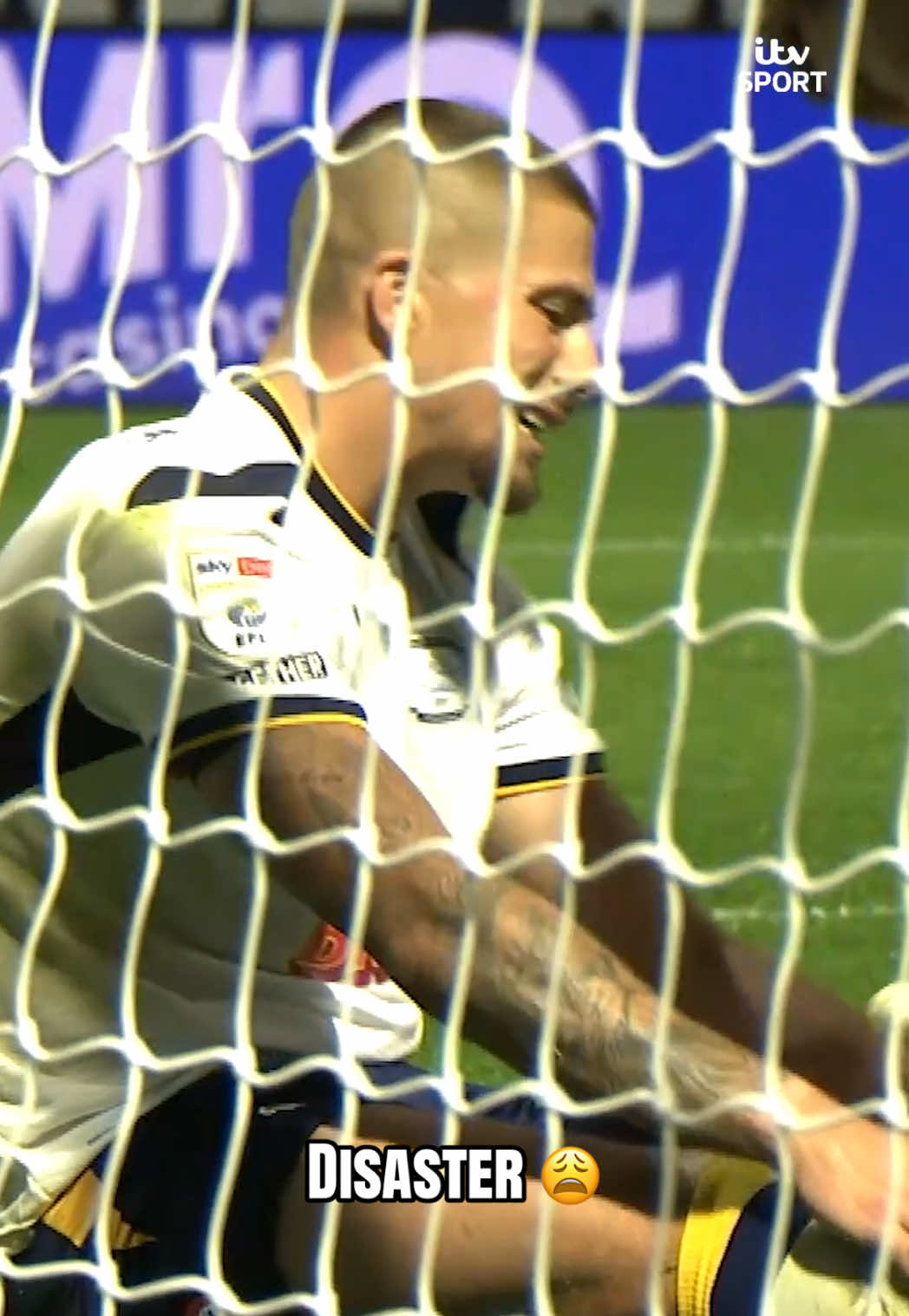
The saxophones are getting louder for Preston here…
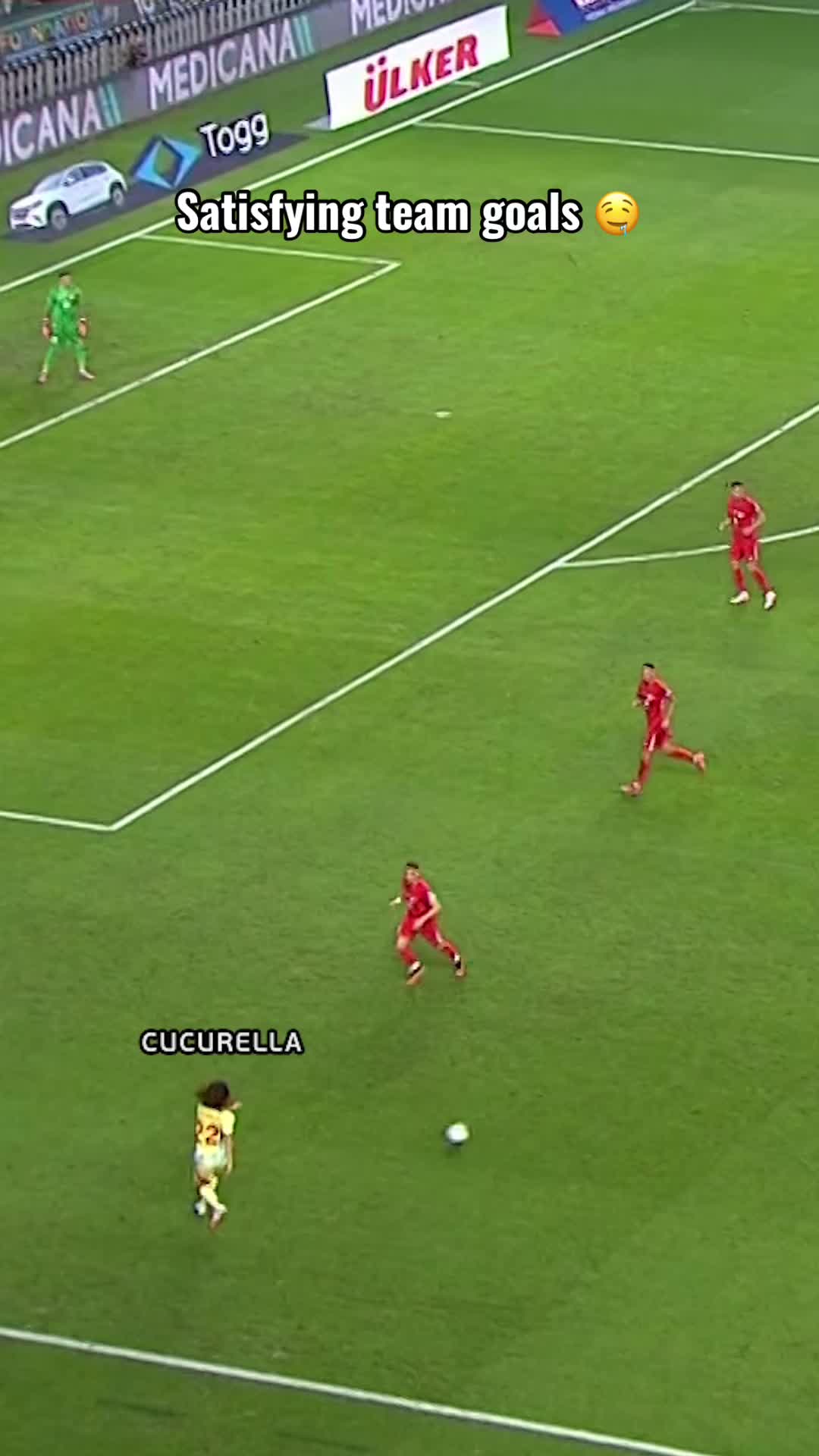
When football is simple but beautiful 😍
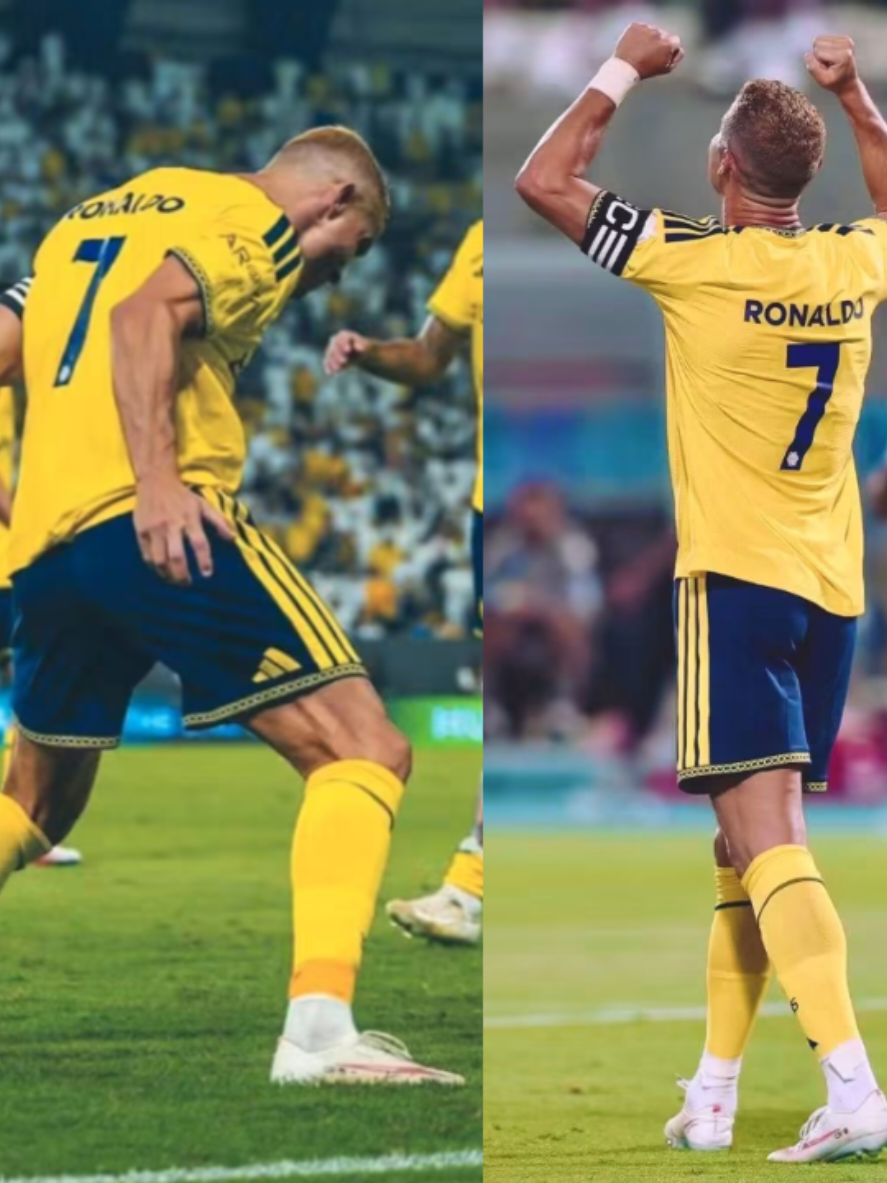
Cristiano Ronaldo is back on the quest for 1,000 goals, and these are his 977th and 978th goals.
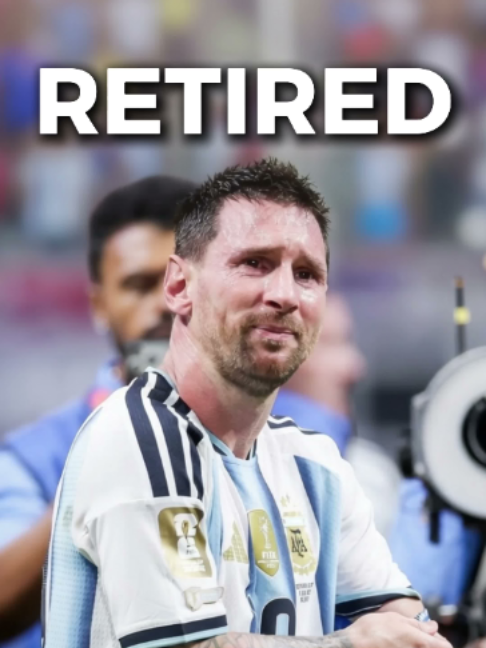
messi argentina retirement messi retiring messi edit
The Swans go TOP of the Championship 🦢
 Links
Links
 Contact
 App
App


