



Guedes enters Qatar's naturalization radar! Asian naturalization accelerates, will Chinese football follow suit?



Written by Han Bing Recently, ESPN Brazil reporter Lago revealed on his personal social media account that former Shandong Taishan Brazilian foreign player Guedes, who plays for Qatari club Al-Rayyan, has renewed his contract until 2030. This signifies more than just Al-Rayyan keeping the league's top scorer for two straight seasons; it highlights that Guedes is a naturalization target for Qatar. Guedes could become eligible to play for Qatar as early as September 2028, just in time for the 2030 World Cup Asian qualifiers' third round.
Before Guedes, Qatar had already begun shifting its traditional naturalization strategy, focusing on stronger foreign players in the league. Guedes' contract extension makes it clearer that Qatar, after a disastrous World Cup exit, is pivoting its naturalization strategy toward high-level league foreign players. Not only Qatar, but also UAE, Vietnam, and Malaysia, which failed to qualify for the World Cup, have accelerated naturalization of league foreign players to prepare for the 2030 World Cup. Faced with such fierce competition in "foreign player naturalization" among Asian rivals, the Chinese Football Association may need to reassess its foreign player naturalization strategy.


Previously, Qatar naturalized players in batches, primarily selecting young players from other Arab or African countries, filtering them through the Aspire Academy, and letting them prove themselves in the league before entering the national team. In Qatar's first World Cup match against Switzerland, all 11 starters were naturalized, but only three were not of Arab descent. Qatar had realized since the third round of Asian qualifiers that once aging foreign-born naturalized players like defender Pedro (Cape Verde, 35), midfielder Mendes (Brazil, 36), and forward Soria (Uruguay, 42) faded, Arab-origin naturalized players could not elevate the team's level significantly.
Qatar's head coach Julen Lopetegui has advocated for naturalizing stronger league foreign players. Last summer, Senegalese foreign player Raya renewed his contract with Al-Arabi for five years until 2030, was selected for the Qatar national team in late November, and entered the World Cup squad in June. Lopetegui even dropped experienced Arab-origin defenders Salman and Bassam Al-Rawi for him. English-born American-Indian mixed-race defender Niall Mason, who trained at Real Madrid, Southampton, and Aston Villa's youth systems, was called up to the national team in March after completing five years in the league and entered Qatar's preliminary World Cup list in June.
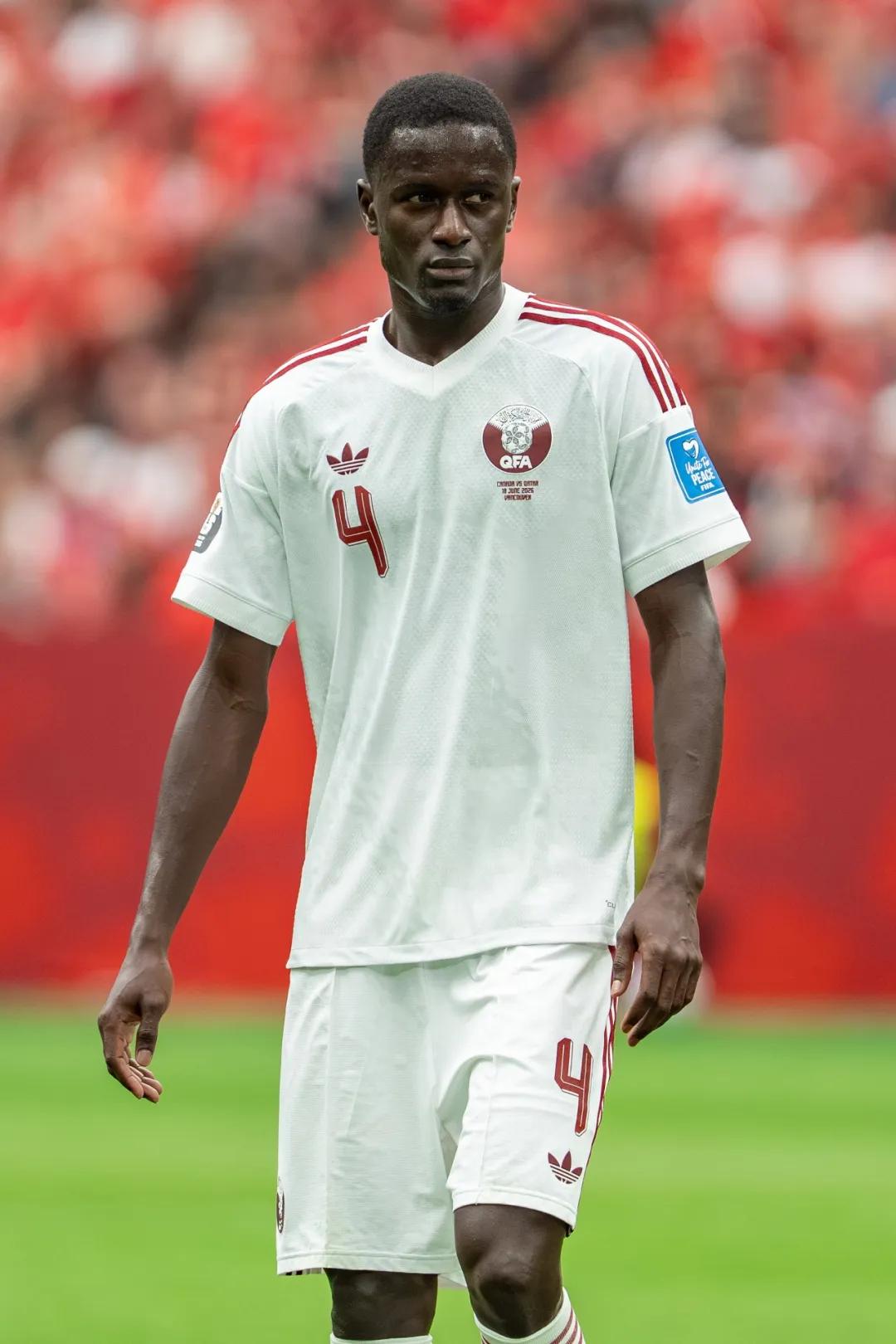
The disastrous World Cup exit made Qatar's football association realize the importance of high-level naturalization. Guedes, who has scored over 20 goals for three consecutive seasons and been the league's top scorer for two straight years, naturally became the primary target. The new season in the Qatar Stars League tightens foreign player rules, allowing only five foreign players on the field at once, aiming to encourage clubs to accelerate naturalization of league foreign players and improve national team strength.
Guedes, formerly of Shandong Taishan, entering Qatar's naturalization radar is just the latest example of Asian countries accelerating the naturalization of high-level league foreign players. Last year, Vietnam's league introduced policies encouraging non-blood-related naturalization. In the just-concluded season, six out of 14 clubs had naturalized foreign players. This year, Brazilian attackers Hendrio and Magno, as well as central defender Gustavo, have been selected for the Vietnam national team. The UAE has been the most aggressive, naturalizing at least 13 league foreign players last year alone. However, due to hasty integration and insufficient磨合, they ultimately fell short in the playoffs and missed the World Cup. Malaysia, after being exposed for using forged birth certificates to illegally introduce over 10 naturalized players from South America, has also returned to league-based naturalization, fully restarting non-blood-related naturalization of league foreign players.


In China, the strongest early calls for naturalizing high-level league foreign players centered on Muriqui, who played for Guangzhou Evergrande at the time. However, foreign player naturalization was not taken seriously then, and there was no policy push. During the wave of naturalization that began in 2019, Chinese football missed opportunities to naturalize players like Teixeira, Ivo, and Oscar due to various factors. The most regrettable case was Ricardo Goulart: because he was loaned to Palmeiras for four months in the first half of 2019, his continuous residency in China was interrupted, forcing the clock to restart from 2019. Even after successfully obtaining Chinese citizenship, he missed the 2022 World Cup's final round of Asian qualifiers and ultimately never played for the national team.
It's worth noting that when Guedes was at Shandong Taishan, there were also calls to naturalize him, but nothing came of it. In recent years, although there have been successful cases like Serginho, foreign player naturalization in China has largely stalled after Ai Kesen, Luo Guofu, Alan, and Fernando returned to Brazil. Occasional calls from fans and media to naturalize certain foreign players have mostly led nowhere.
Now, with Guedes entering Qatar's naturalization scope, Asian countries are not only continuing their frantic search for overseas bloodline naturalized players but also pushing league foreign player naturalization as a renewed trend, intensifying. The UAE and Qatar, which previously failed with bloodline naturalization, are now pivoting to non-blood-related naturalization of league foreign players. Even the traditionally wealthy Saudi league has shifted since last summer to signing young foreign players, building a reserve of naturalization talent for the 2034 Saudi World Cup. The expansion of the World Cup, doubling Asia's qualification spots, has also incentivized second- and third-tier Asian countries that previously had little hope of qualifying to accelerate their naturalization strategies.
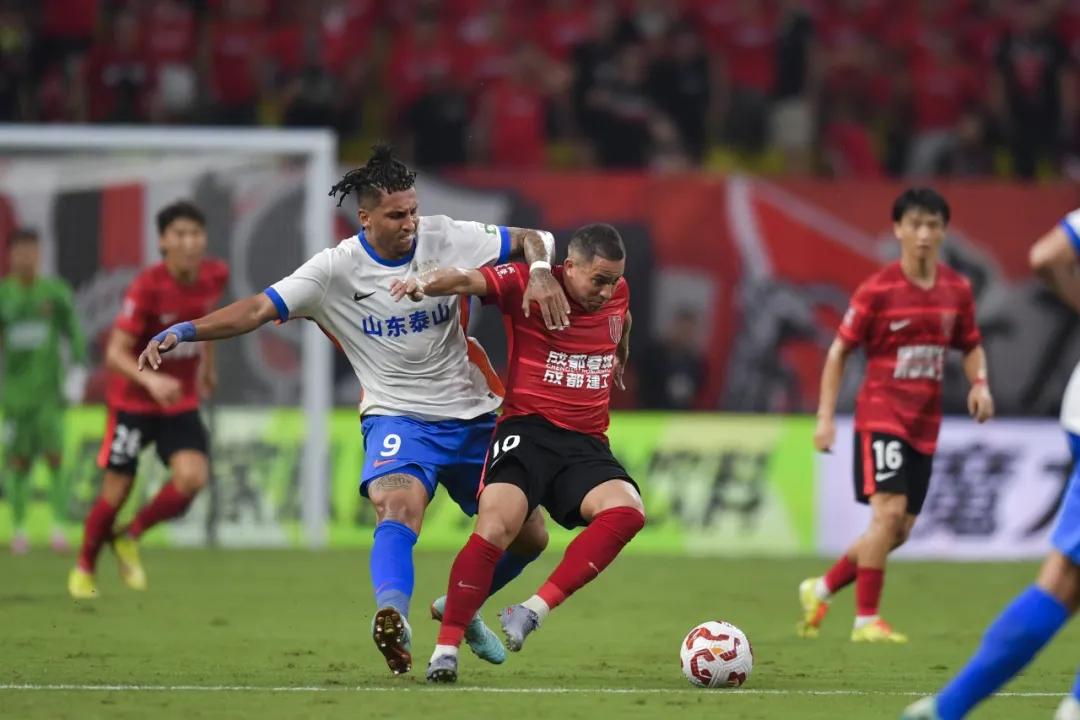
Against the backdrop of intensifying foreign player naturalization across Asia, Chinese football's foreign player naturalization has largely stalled. The root cause lies in the unclear naturalization strategy following the 2019 wave of league foreign player naturalization. Unlike other Asian countries, China lacks incentives and supporting measures for non-blood-related naturalization, leaving the matter to individual clubs' discretion without forming a forward-looking and comprehensive strategy like those of the UAE, Vietnam, Qatar, and Saudi Arabia.
Unlike West Asian and Southeast Asian countries, which have relatively abundant overseas bloodline naturalization resources, there are few high-level ethnic Chinese players abroad eligible for naturalization. The trend of naturalizing league foreign players stronger than local talent is becoming increasingly intense across Asia. Chinese football should fully recognize the severity of this competition in the naturalization race and clarify its thinking and strategy regarding naturalization, especially for high-level league foreign players. If deemed necessary, effective implementation should follow quickly, at least to avoid falling further behind Asian rivals in the league foreign player naturalization wave.
Grassroots youth development is a long-term solution, but keeping pace with the naturalization trend is a short-term shortcut to boost the national team's competitiveness and strive for World Cup qualification. How to balance the two is a question Chinese football must ponder.



Wonderfulshortvideo
BARCELONA REVENUE barcelona news today



Lashed home by Kieffer Moore ☄️

The saxophones are getting louder for Preston here…
When football is simple but beautiful 😍
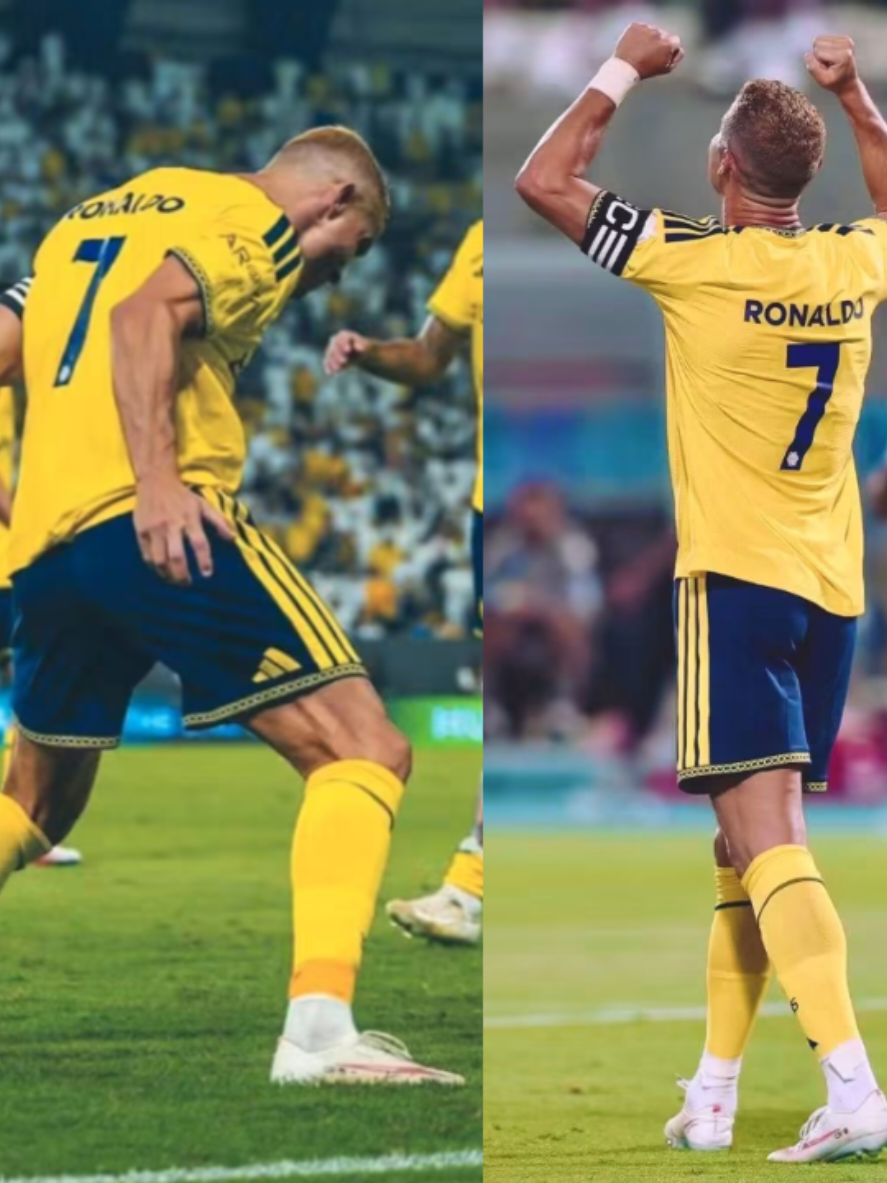
Cristiano Ronaldo is back on the quest for 1,000 goals, and these are his 977th and 978th goals.
messi argentina retirement messi retiring messi edit

The Swans go TOP of the Championship 🦢
 Links
Links
 Contact
 App
App


