



Chinese football's "learning" from Cape Verde should not be limited to just one friendly match


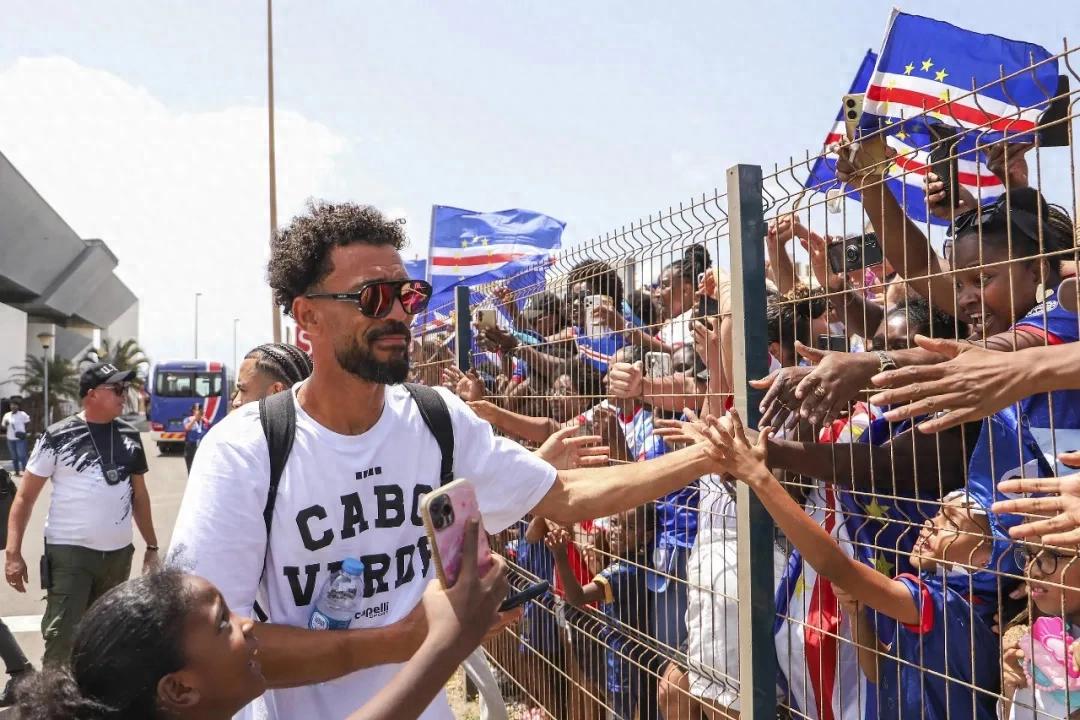
Written by Han Bing At the World Cup in the USA, Canada, and Mexico, Cape Verde drew with Spain and Uruguay in the group stage, and pushed defending champions Argentina into extra time in the knockout round. This Atlantic island nation staged a dark horse miracle, drawing widespread attention. Recently, there have been reports that the Cape Verde Football Federation intends to arrange a friendly with the Chinese national team after the World Cup, creating a connection with Chinese football. Currently, the Chinese team is focused on preparing for the Asian Cup in January next year, so a friendly with Cape Verde is not an ideal choice in the short term. However, if the two sides arrange a friendly at an appropriate time, extending their bilateral friendly relations into the football realm, it would be a positive development.
For half a century, China and Cape Verde have maintained harmonious and friendly relations. China's infrastructure aid to Cape Verde has laid a profound Chinese foundation for the country's football dark horse miracle. Last year, during the World Cup qualifiers, Cape Verde achieved its historic breakthrough to qualify for the World Cup at the National Stadium built with Chinese aid. This stadium is one of Cape Verde's key projects and has played a significant role in promoting local football development. At the same time, China has helped Cape Verde improve its education system and equip school sports facilities, laying a solid foundation for the country's sports development.
In the future, no matter in what form the two national teams engage in football exchanges, the bilateral friendship spanning mountains and seas will continue to be passed on. Relying on Cape Verde's outstanding performance in the World Cup, its youth training system, overseas development, and naturalization strategies are all worth studying and learning from for Chinese football.

Cape Verde is an Atlantic island nation composed of ten islands, with a local population of just over 500,000. Even including the overseas population eligible for naturalization, the total base is only around one million. Its football population is far smaller than the tens of millions of overseas naturalization reserves of traditional football powerhouses in North and West Africa. Yet, with such a limited football population, Cape Verde achieved impressive results: drawing with Spain and Uruguay, and nearly dragging Argentina into a penalty shootout.
There is a common misconception that Cape Verde's success relies excessively on European naturalized players. However, this is not the case. Among the 26 players on the World Cup squad, 12 were born locally and received full local youth training. In the four World Cup matches, at least four locally trained players were in the starting lineup, and in the match against Argentina, there were as many as six. The contribution ratio between naturalized players and locally trained players is extremely small, almost equal.
The rise of Cape Verde football relies on two pillars: scouting naturalized talents in Europe, and solid local youth training, along with a mature development model that sends young players to European leagues as early as possible and in large numbers for training.
The World Cup's popular goalkeeper Vozinha, Pina who scored the team's first World Cup goal, Cabral who equalized against Argentina in extra time, and captain Mendes all came from the local youth training system. After reaching adulthood, they moved to high-level overseas leagues to hone their skills. Vozinha started his overseas journey at age 26 in Angola; Pina and Da Costa ventured to Europe at 20; Mendes and Stopira went abroad at 18 to play in Ligue 1 and the Portuguese league respectively; Cabral joined Sporting Portugal at 16, Borges played for Vitória de Setúbal at 15, and Bencimol joined Real Sport at 14—all training in Europe from a young age.
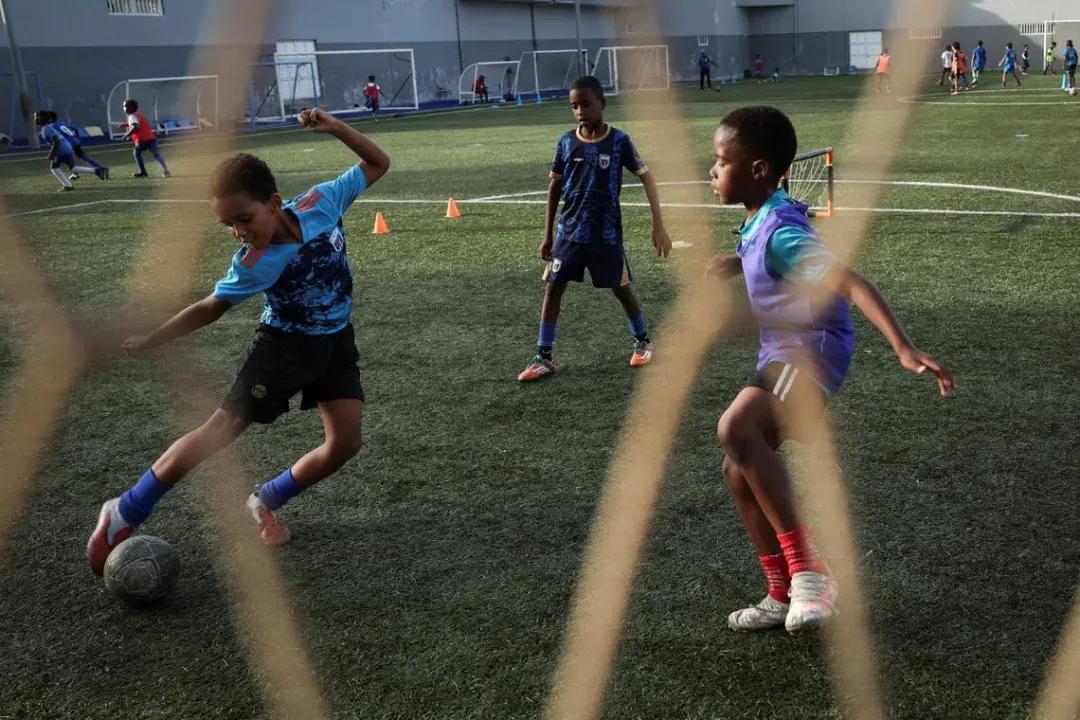
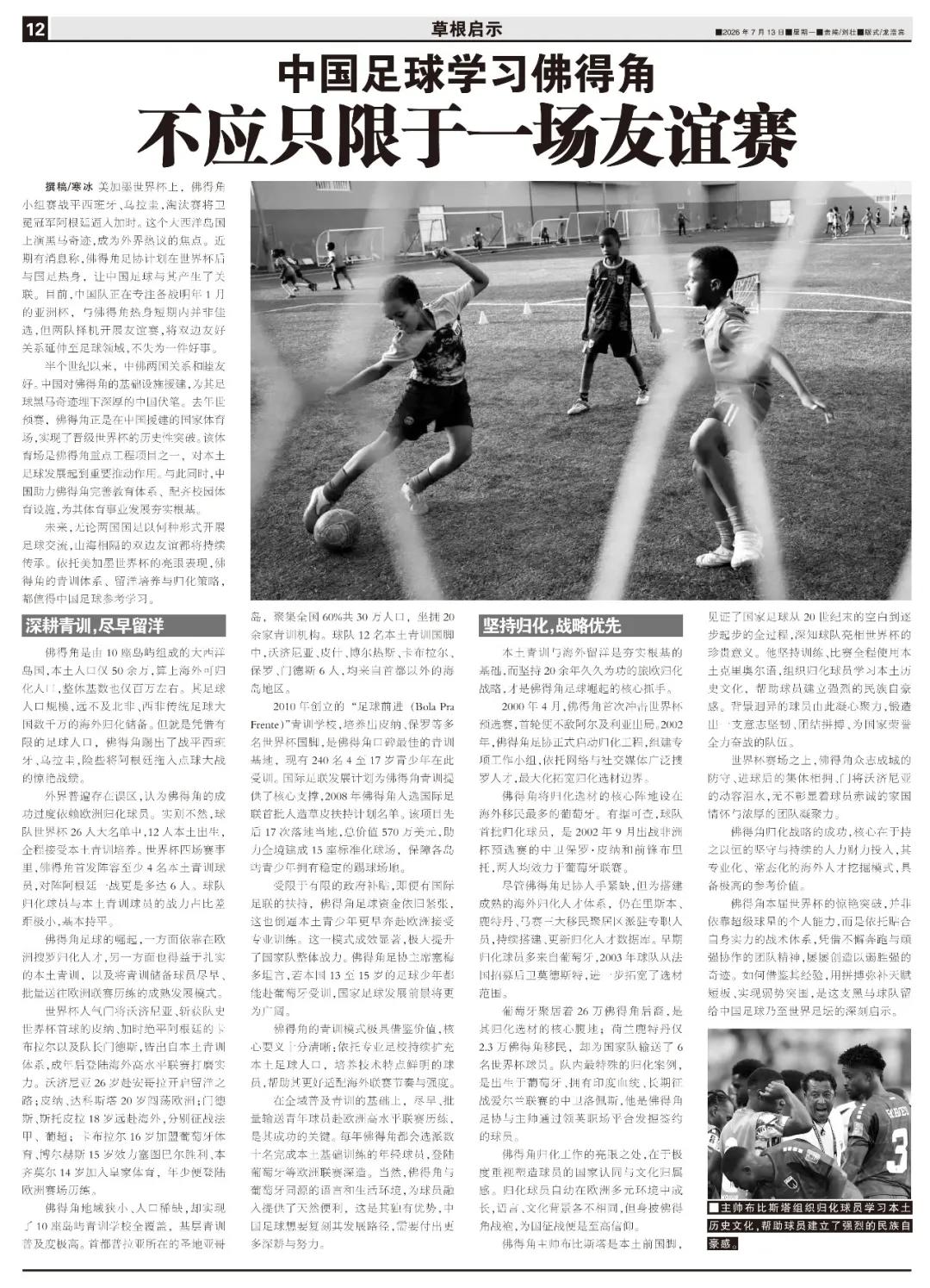
Despite its small territory and scarce population, Cape Verde has achieved full coverage of youth training schools across all ten islands, with extremely high grassroots penetration. Santiago Island, where the capital Praia is located, holds 60% of the national population (about 300,000) and boasts over 20 youth training institutions. Among the 12 locally trained national team players, six—Vozinha, Piche, Borges, Cabral, Paulo, and Mendes—come from islands outside the capital.
The "Bola Pra Frente" youth training school, founded in 2010, has produced several World Cup players including Pina and Paulo. It is Cape Verde's most acclaimed youth training base, currently training 240 young people aged 4 to 17. FIFA's development programs have provided core support for Cape Verde's youth training. In 2008, Cape Verde was selected for FIFA's first artificial turf support program. The project has been implemented locally 17 times, with a total value of $5.7 million, helping to build 15 standardized pitches across the country, ensuring stable playing fields for young people on all islands.
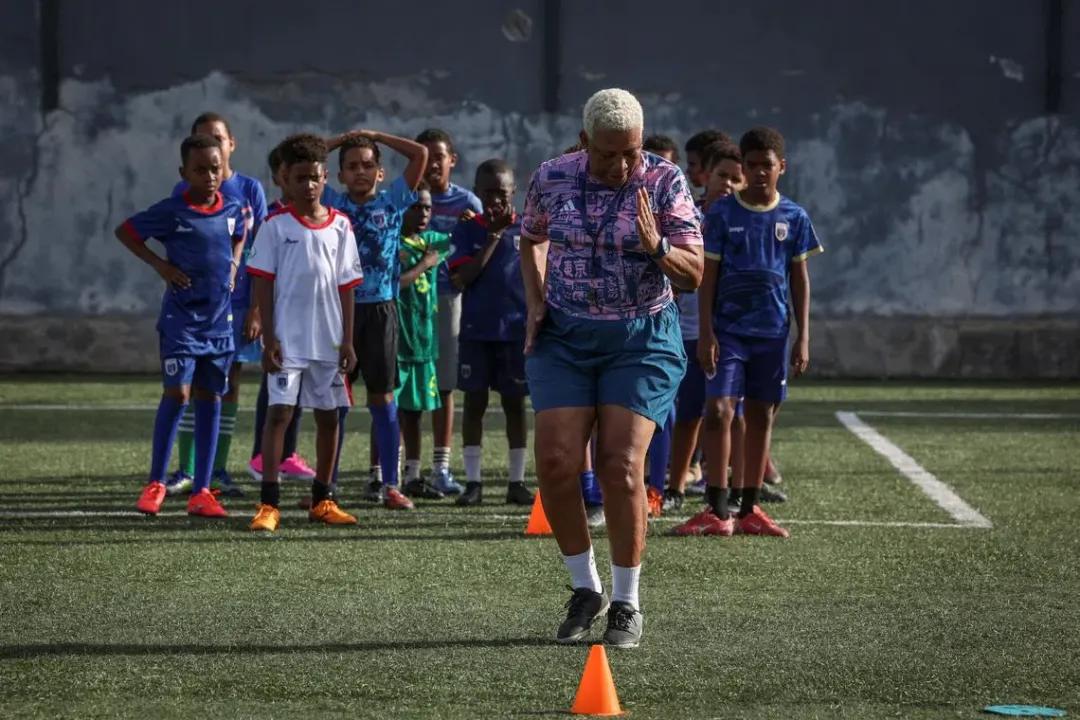
Limited by modest government subsidies, even with FIFA's support, Cape Verde football still faces financial constraints. This has forced local young people to go to Europe for professional training at an earlier age. This model has proven highly effective, significantly boosting the overall strength of the national team. Cape Verde Football Federation President Semedo admitted that if all local 13- to 15-year-old footballers could train in Portugal, the country's football development prospects would be even brighter.
Cape Verde's youth training model is highly instructive. Its core essence is clear: rely on professional football schools to continuously expand the local football population, cultivate players with distinctive technical characteristics, and help them better adapt to the pace and intensity of overseas leagues.
On the basis of universal youth training, sending young players to high-level European leagues as early as possible and in large numbers is the key to their success. Each year, Cape Verde selects dozens of young players who have completed local basic training to go to European leagues such as Portugal for further development. Of course, Cape Verde shares the same language and living environment as Portugal, which provides natural convenience for players to integrate—this is a unique advantage. For Chinese football to replicate this development path, more effort and deeper commitment are required.
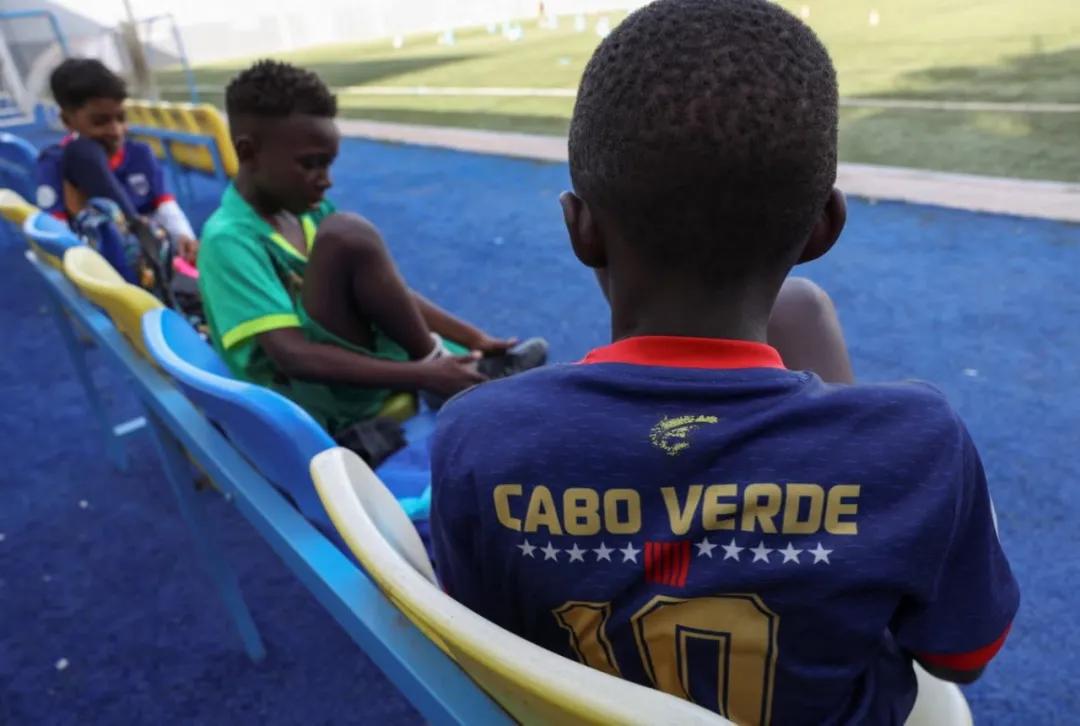

Local youth training and overseas study abroad are the foundation, but the core driver of Cape Verde's football rise is the persistent naturalization strategy carried out for over 20 years.
In April 2000, Cape Verde made its first attempt to qualify for the World Cup, but was eliminated in the first round by Algeria. In 2002, the Cape Verde Football Federation officially launched a naturalization project, setting up a special task force to search for talents through the internet and social media, maximizing the scope of naturalization selection.
Cape Verde's main naturalization battleground was Portugal, where the largest overseas diaspora resides. According to records, the first batch of naturalized players were central defender Paulo Pina and forward Brito, both playing in the Portuguese league, who represented Cape Verde in the Africa Cup of Nations qualifiers in September 2002.
Although the Cape Verde Football Federation is short-staffed, it has stationed full-time personnel in three major immigrant communities—Lisbon, Rotterdam, and Marseille—to continuously build and update a naturalized talent database. Early naturalized players mostly came from Portugal, but in 2003, the team recruited defender Modeste from France, further expanding the selection range.
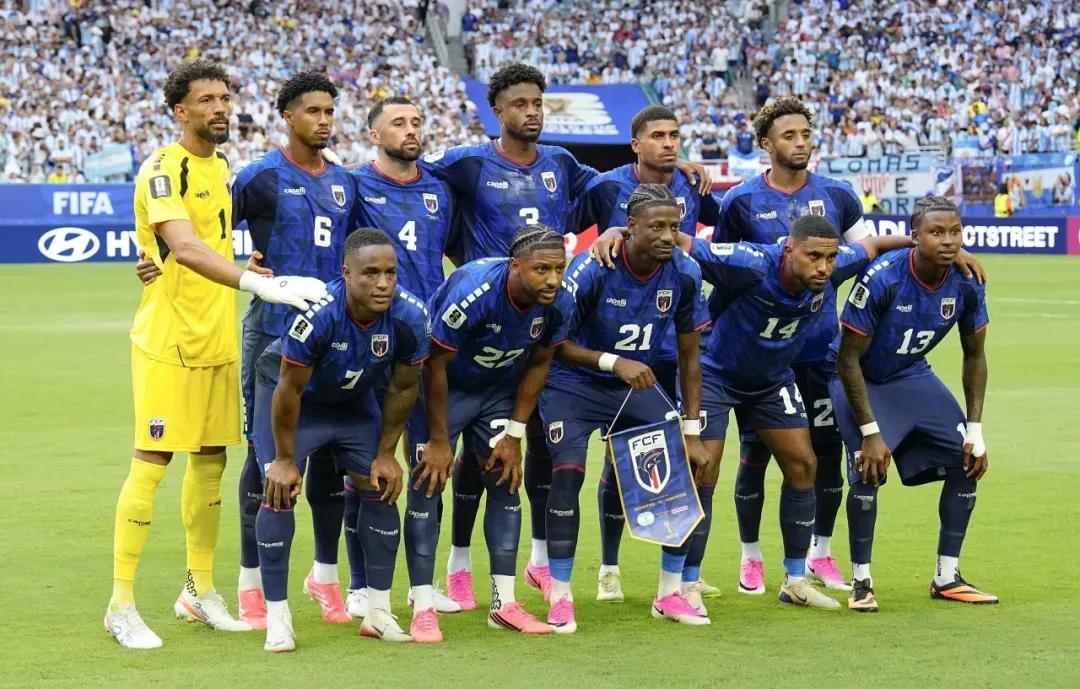
Portugal is home to 260,000 Cape Verdean descendants, making it the core area for naturalization. Rotterdam in the Netherlands has only 23,000 Cape Verdean immigrants, yet it has provided six World Cup players to the national team. The most unusual naturalization case is defender Lopes, who was born in Portugal, has Indian ancestry, and had long played in the Irish league. He was discovered and signed by the Cape Verde Football Federation and the head coach through the professional networking platform LinkedIn.
The standout feature of Cape Verde's naturalization work is its strong emphasis on fostering players' national identity and cultural belonging. The naturalized players grew up in diverse European environments with different languages and cultural backgrounds, but wearing the Cape Verde jersey and fighting for the country is their highest belief.
Cape Verde head coach Bubista is a former local international who witnessed the entire process from the near-total absence of national football in the late 20th century to its gradual rise. He deeply understands the precious significance of the team's World Cup appearance. He insists on using the local Creole language throughout training and matches, and organizes naturalized players to learn local history and culture, helping them build a strong sense of national pride. Players from vastly different backgrounds thus unite, forging a team with strong will, unity, and a fighting spirit dedicated to the nation's honor.
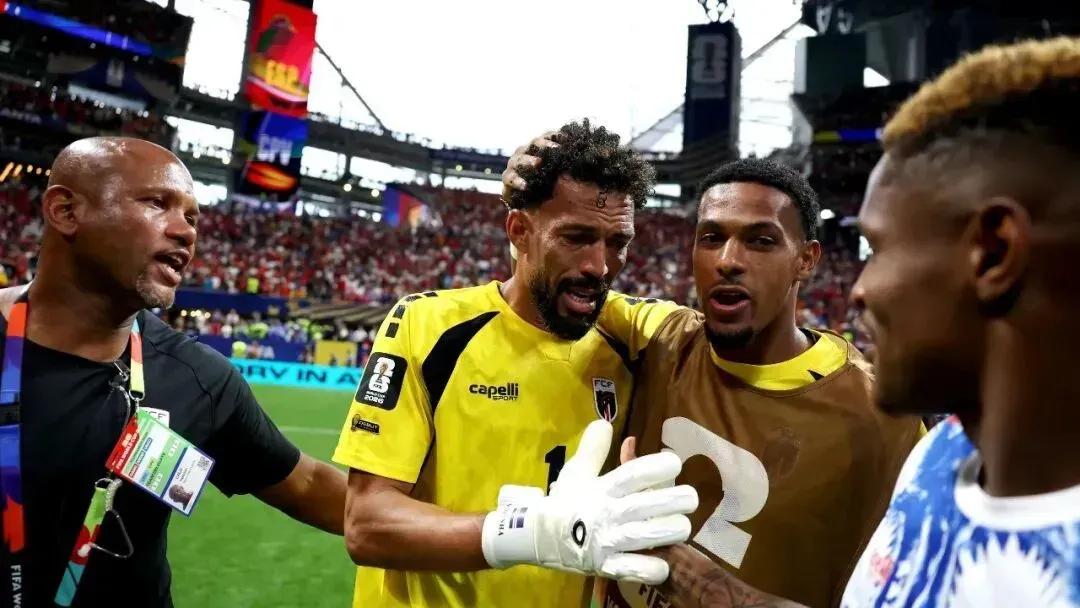
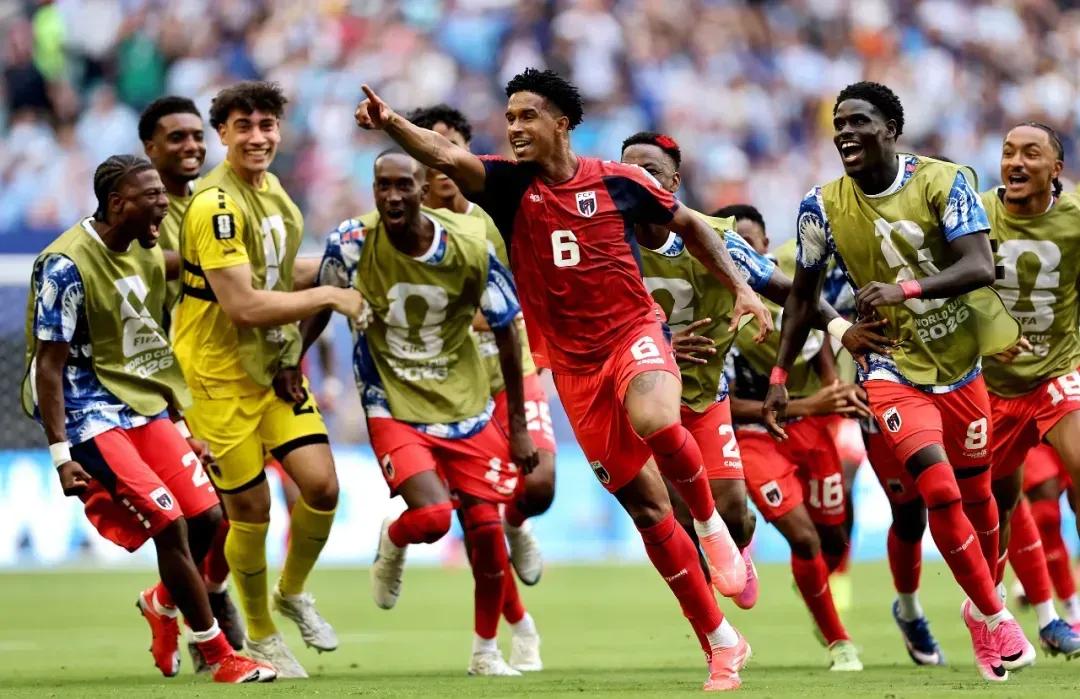
On the World Cup stage, Cape Verde's resolute defense, collective embraces after goals, and the emotional tears of goalkeeper Vozinha all demonstrate the players' deep patriotism and strong team cohesion.
The success of Cape Verde's naturalization strategy lies in persistent commitment and sustained human and financial investment. Its professional and routine overseas talent scouting model offers high reference value.
Cape Verde's stunning breakthrough at this World Cup did not rely on the individual brilliance of superstar players, but on a tactical system tailored to their own strengths, combined with relentless running and tenacious teamwork, repeatedly creating miracles of the weak defeating the strong. How to learn from their experience—using hard work to compensate for talent deficiencies and achieve breakthroughs from a disadvantaged position—is the profound lesson this dark horse team has left for Chinese football and the world.


Wonderfulshortvideo
BARCELONA REVENUE barcelona news today



Lashed home by Kieffer Moore ☄️
The saxophones are getting louder for Preston here…
When football is simple but beautiful 😍
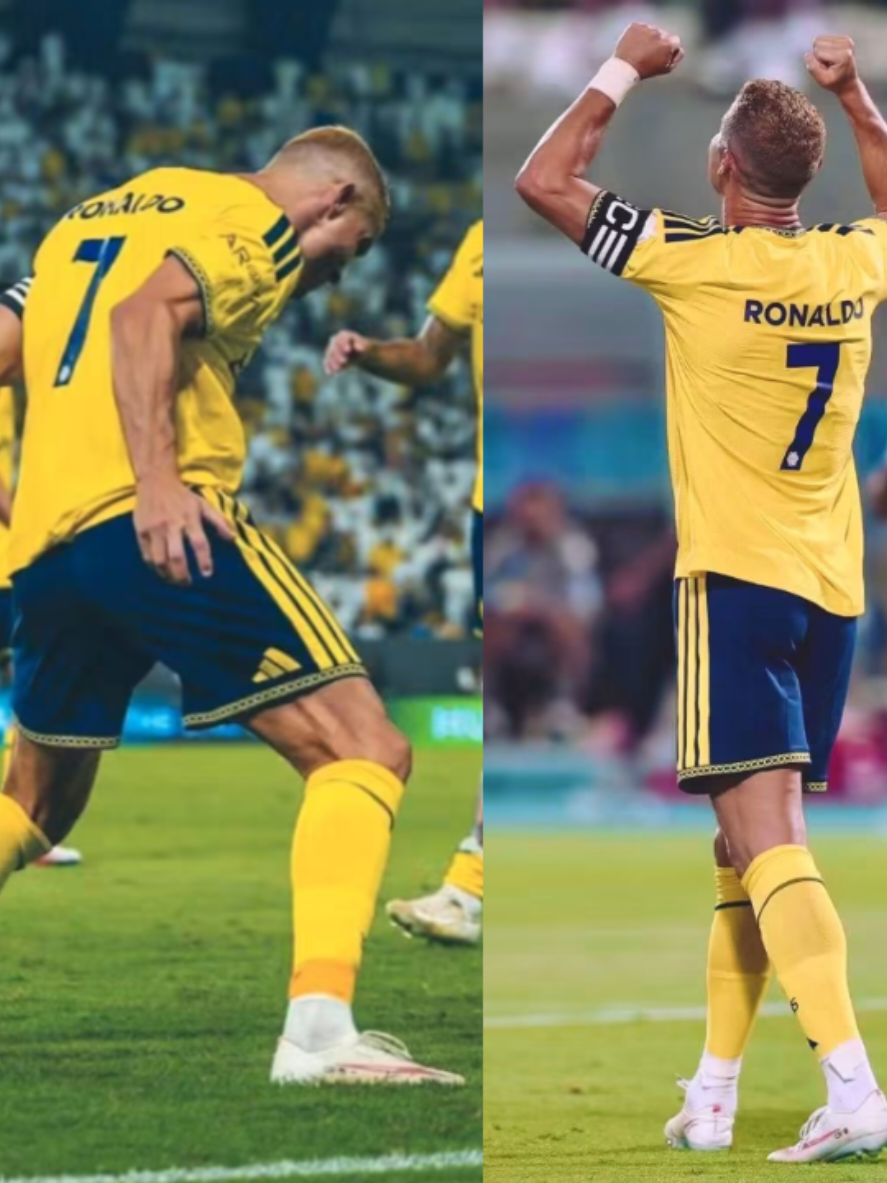
Cristiano Ronaldo is back on the quest for 1,000 goals, and these are his 977th and 978th goals.
messi argentina retirement messi retiring messi edit
The Swans go TOP of the Championship 🦢
 Links
Links
 Contact
 App
App


