



Vietnamese football viewed through South Korea's failure at the 2026 World Cup


On July 9th, a special hearing took place in the South Korean National Assembly: a "crisis diagnosis" of the entire football system. Just days earlier, Korea Football Association (KFA) President Chung Mong Gyu resigned, right before the first meeting of the K-Football Innovation Committee. South Korean football is in deep turmoil.
The noteworthy point is not a poor result. South Korea's performance is likely only inferior to Japan's. Football always has wins and losses. However, according to South Korean experts, the issue is that for many years—being the Asian team that participated in the most World Cups consistently and possessing world-class stars like Son Heung Min, Lee Kang In, and Kim Min Jae—the lack of any further progress in results clearly indicates something has gone wrong.
In other words, the failure does not stem from the surface but from within, as there exists an operational structure that experts bluntly call "almost impossible" to produce the next Son Heung Min from domestic resources. This is the paradox raised by football expert Park Moon Sung at the hearing: individual talents go global, but the institutional operation back home is opaque and lacks accountability mechanisms.
The root of the problem, according to analysts, lies in how the KFA operates. This organization is said to function in a "closed-door mutual protection" manner, most notably in appointing controversial coaches despite objections, warnings, and even boycotts from domestic public opinion and media.
South Korea's intensity—from police investigations and Ministry of Sports inquiries to an innovation committee co-chaired by insiders like former star Park Ji Sung—shows one thing: when a crisis is severe enough, a developed football system must confront its root causes instead of merely blaming on-field performance.
In Southeast Asia, the governance story is equally heated, albeit under a different scenario. Malaysia is one of two Asian countries where professional clubs are not official members of the national football association—a paradox that AFC General Secretary Windsor Paul John calls "outdated" compared to modern standards. This is part of the reform demands issued by the AFC, on behalf of FIFA, forcing Malaysian football to implement changes within a two-year period under supervision from higher bodies.
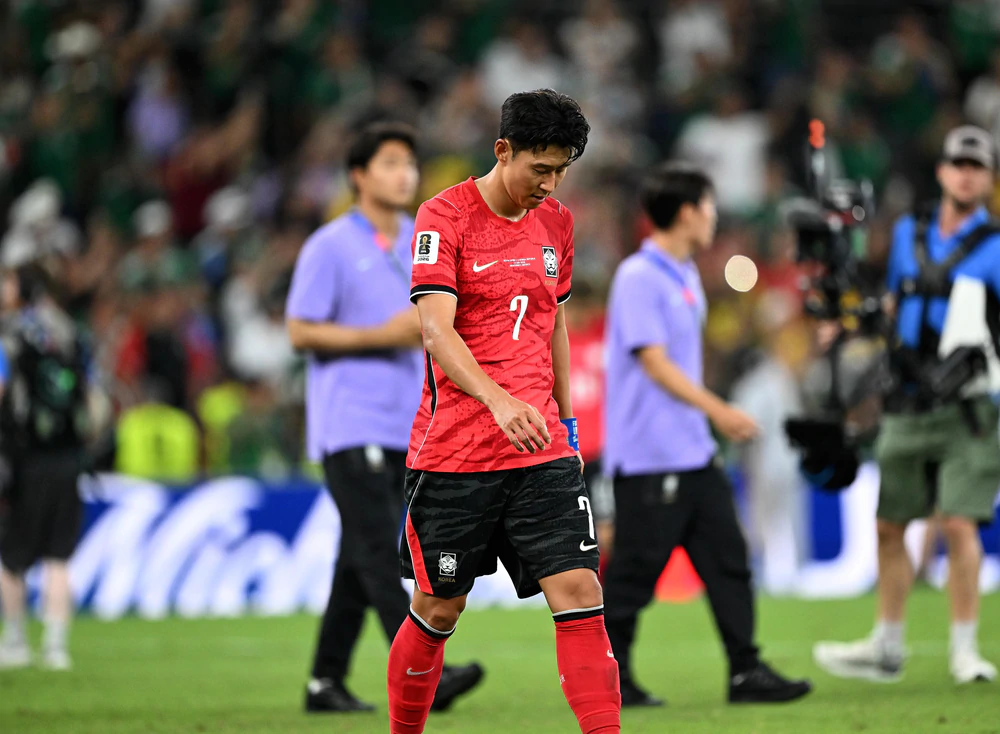
South Korean football currently is "almost impossible" to produce the next Son Heung Min from domestic resources. Photo: Xinhua/VNA
The teams that directly operate the league, develop players, and invest financially are excluded from policy decisions of the very football system they sustain. The governance audit conducted by the AFC, presented at the extraordinary congress of the Football Association of Malaysia (FAM), highlighted numerous gaps: from failing to submit annual budgets to the congress, to a committee structure lacking clear responsibility.
Mr. Windsor emphasized: the debate over who will occupy the FAM president's chair after the upcoming September election is less important than whether the operational system changes. "People may still be the same faces, but the system must be different."
As for Mr. Regent, owner of the country's top club Johor Darul Ta'zim, he bluntly dismissed Malaysia's dream of hosting the World Cup when the very home pitch issue—a problem he had demanded be fixed for 13 years—remains unresolved. Ambition to reach higher, without corresponding governance and infrastructure foundations, is merely an illusion painted with the glory of famous names.
Asian football just had an unsuccessful World Cup. There are many reasons, but one common factor: inconsistent and unscientific governance and operations. The key point is that if Asia's disadvantages in physique, talent, and finances are difficult to overcome compared to Europe or South America, governance is an aspect that can be improved through effort. Therefore, when that aspect has problems, both top teams like South Korea and "lowland" ones like Malaysia remain stuck in place.
The lesson from South Korea and Malaysia is not about copying models, but about spirit: governance is not a behind-the-scenes matter but the foundation determining how far a football system can go. FIFA and the AFC have given Malaysia an ultimatum—change or face sanctions. As for South Korea, though painful, it is dissecting itself under the public spotlight.
For Vietnamese football, when demands for reform only arise whenever the national team's performance is poor, does that lead to the rut described as "Not really retreating, but also not advancing far"?


Wonderfulshortvideo
BARCELONA REVENUE barcelona news today



Lashed home by Kieffer Moore ☄️
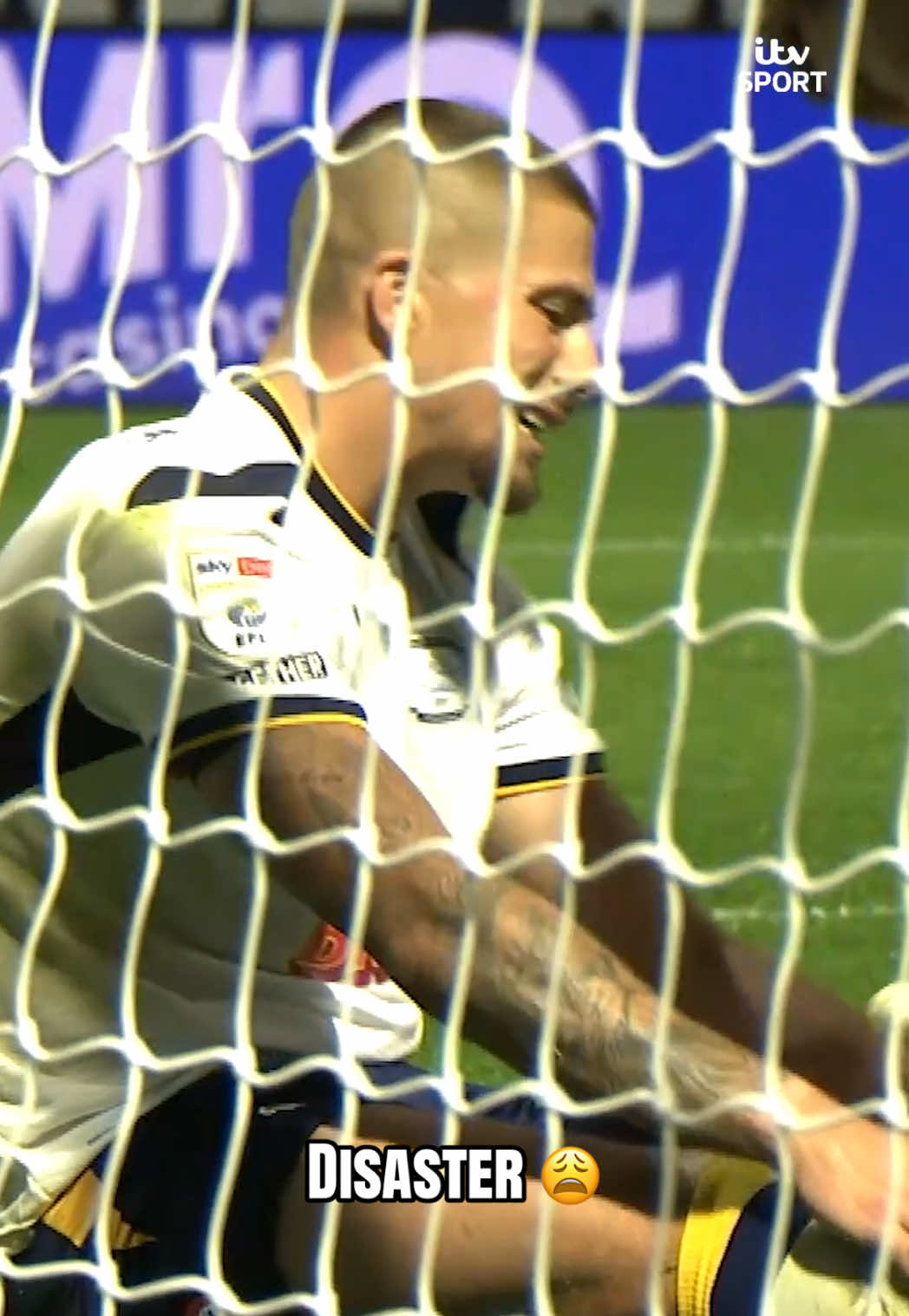
The saxophones are getting louder for Preston here…
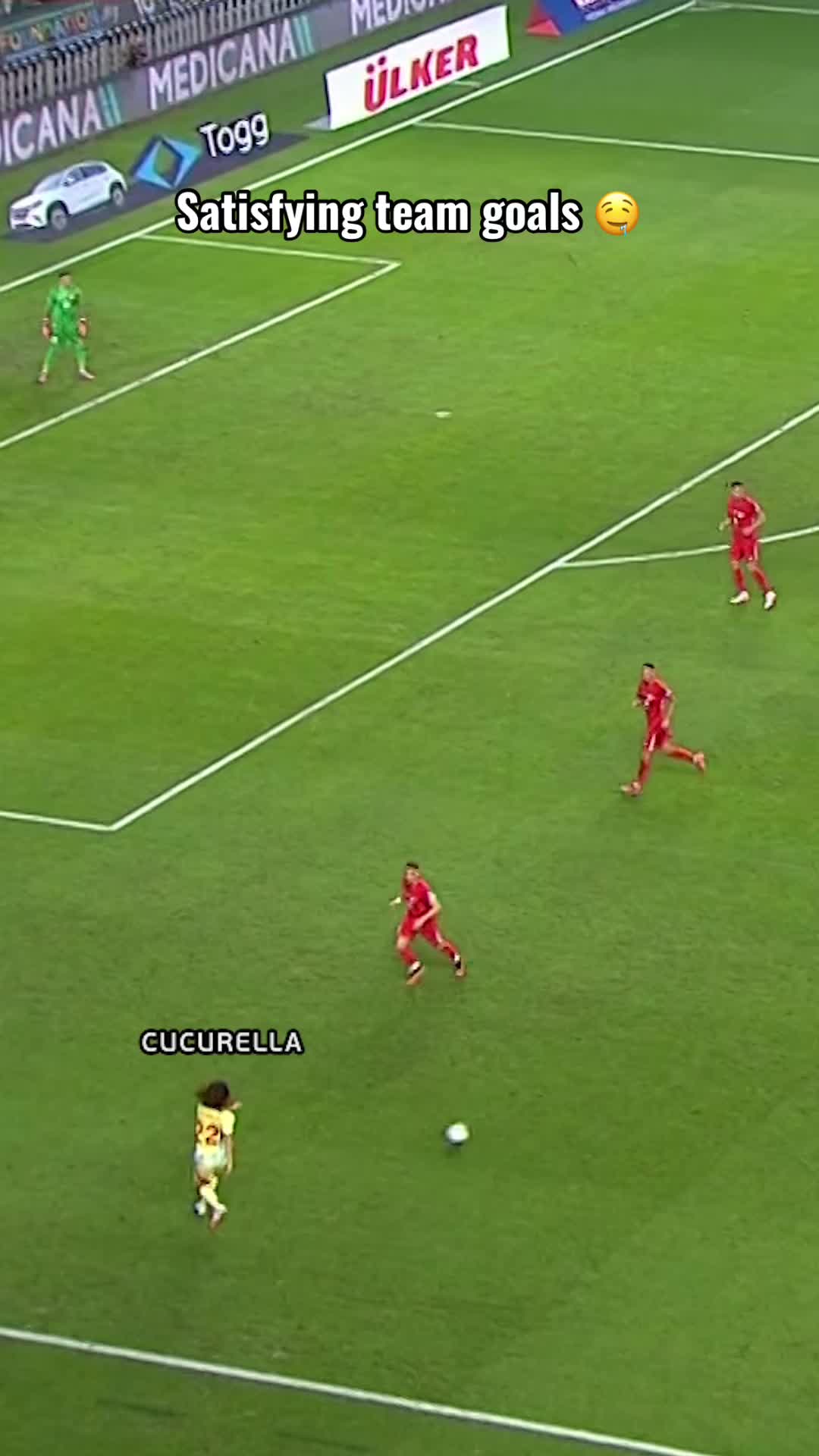
When football is simple but beautiful 😍
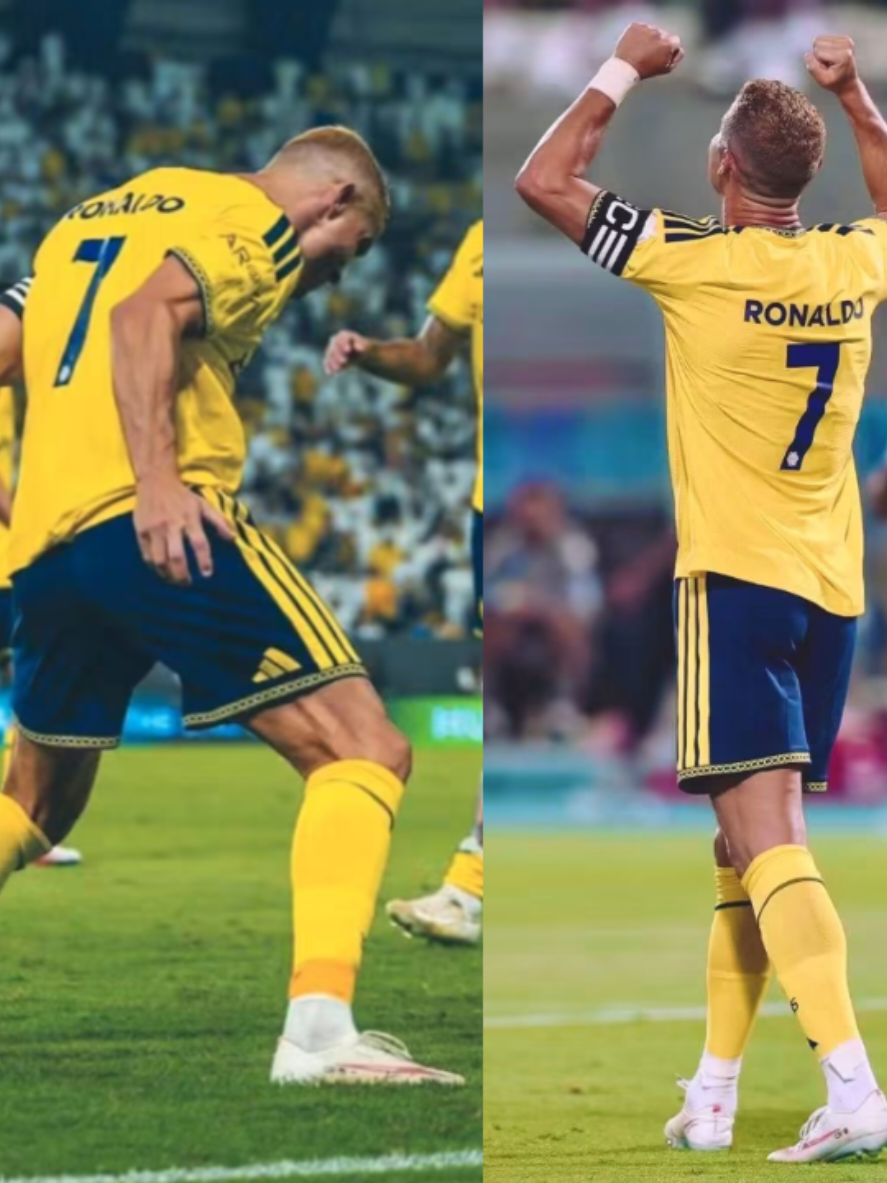
Cristiano Ronaldo is back on the quest for 1,000 goals, and these are his 977th and 978th goals.
messi argentina retirement messi retiring messi edit

The Swans go TOP of the Championship 🦢
 Links
Links
 Contact
 App
App


