



World Cup 2026: Mbappé's Three Transformations on the Global Stage


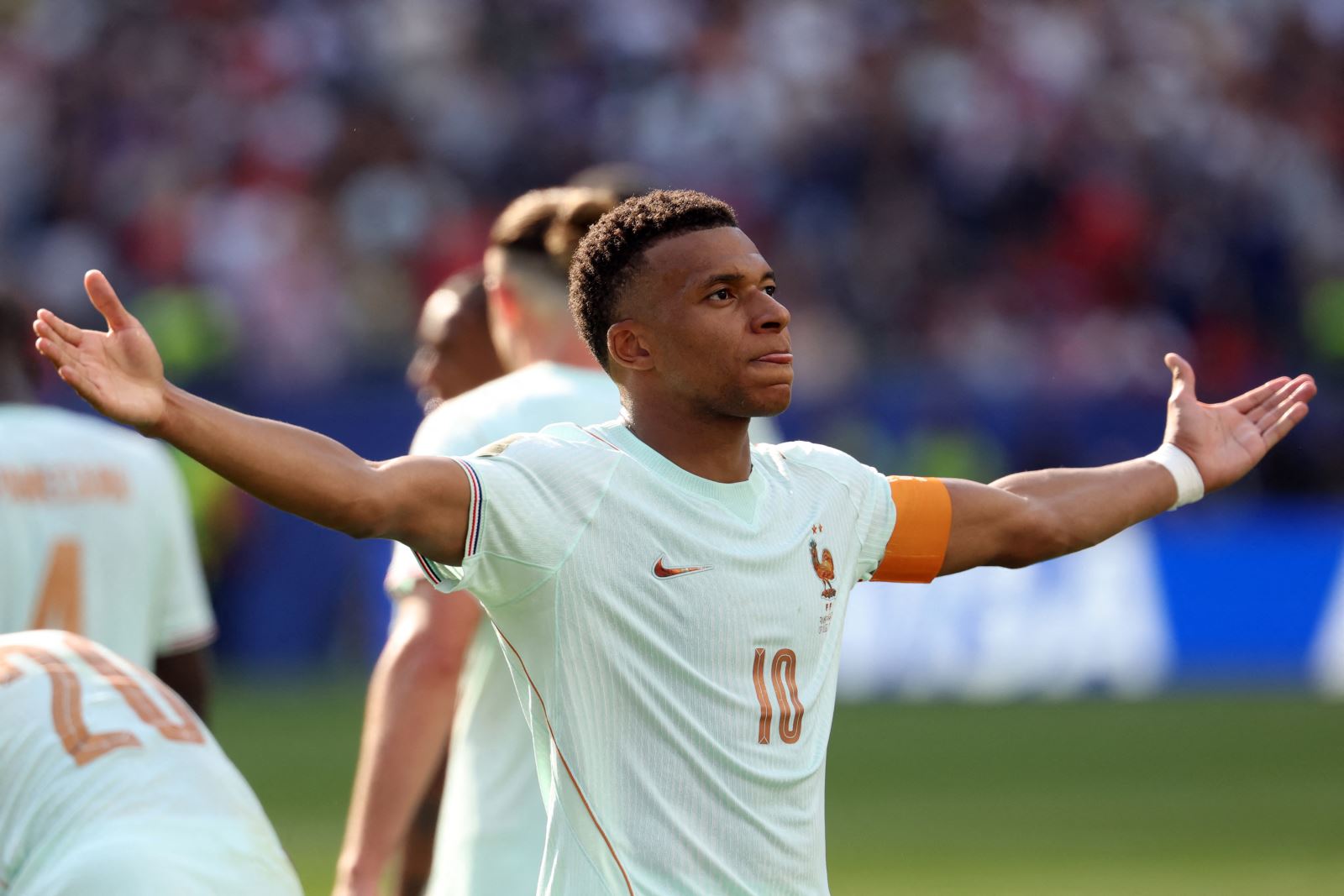
According to a TTXVN correspondent in France, over three consecutive World Cups, Mbappé's role has changed significantly along with his personal growth and the transformation of Les Bleus. From a 19-year-old talented youngster who shocked the world in Russia in 2018, the Real Madrid striker is now the captain, the all-time top scorer for France, and the backbone in the quest for the world championship.
At the 2018 World Cup, Mbappé mainly operated on the right wing, using his speed to exploit space behind the opponents' defense in counterattacks. Four years later in Qatar, he moved to the left wing, coordinated more with Theo Hernandez, and became the main attacking threat, winning the Golden Boot with 8 goals.
By the 2026 World Cup, Mbappé underwent another "transformation". Instead of hugging the touchline, he frequently moved into the central channel, operated in front of the penalty area, and participated more in short combinations. This is also the World Cup where he has the most shots and the most shots on target in his career, although his touches inside the box are fewer than in the Qatar tournament.
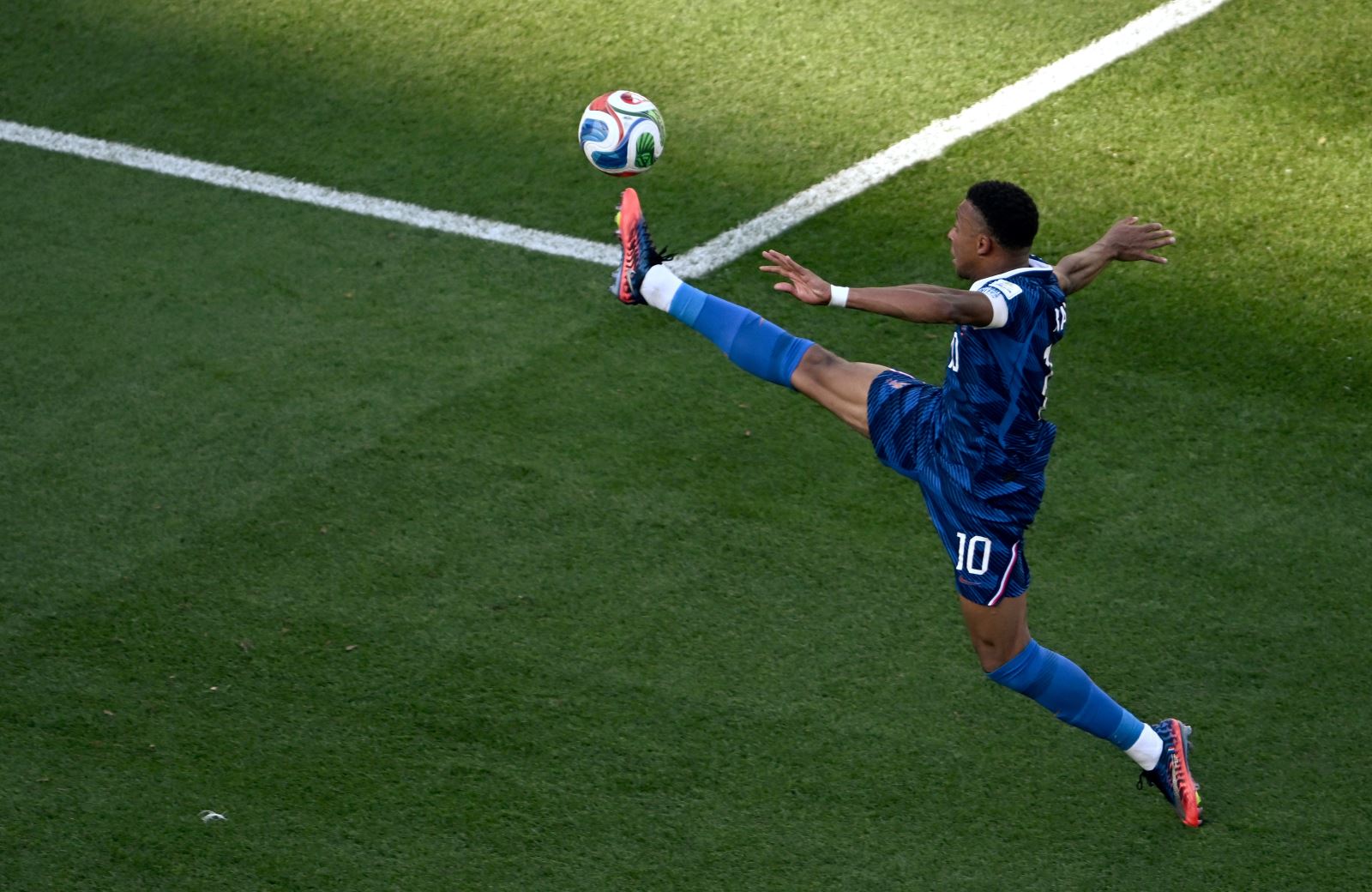
Experts believe this change shows that Mbappé has become more complete. He no longer relies solely on speed but knows how to choose positions, timing to accelerate, and combine with teammates more effectively. This growth also aligns with the renewal of the French squad, as players like Michael Olise, Désiré Doué, Bradley Barcola, and Ousmane Dembélé bring new attacking options, giving Mbappé more space to play.
Speed remains Mbappé's most important weapon, but the difference now is his calmness and game-reading ability. He knows when to burst forward and when to combine to create an advantage for the whole team.
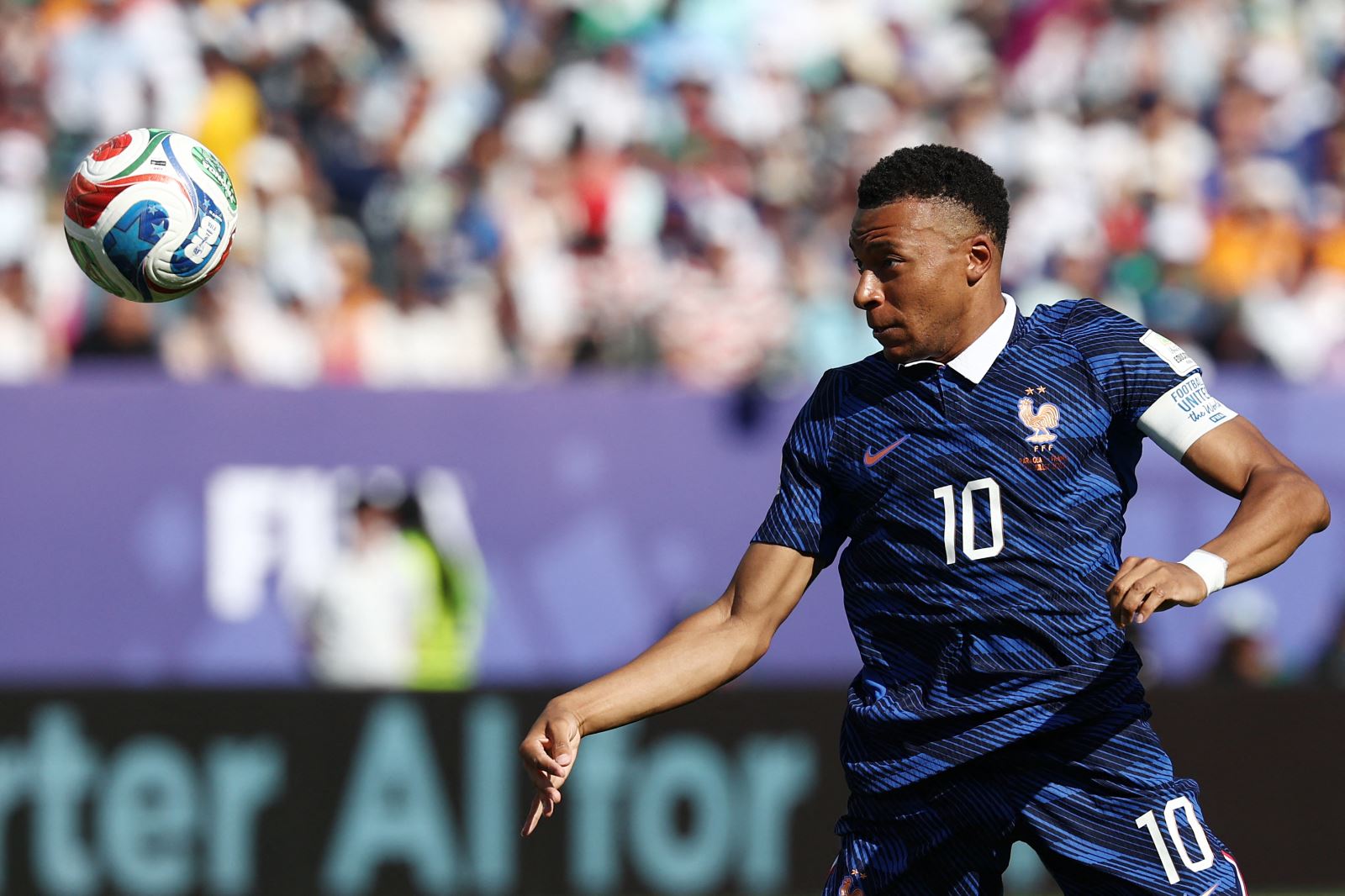
With 20 goals in 20 matches across three consecutive World Cups, Mbappé continues to affirm his status as one of the world's best strikers. Ahead of the semi-final against Spain, the Les Bleus captain is expected to once again be the difference-maker in the quest for the World Cup trophy.


Wonderfulshortvideo
BARCELONA REVENUE barcelona news today


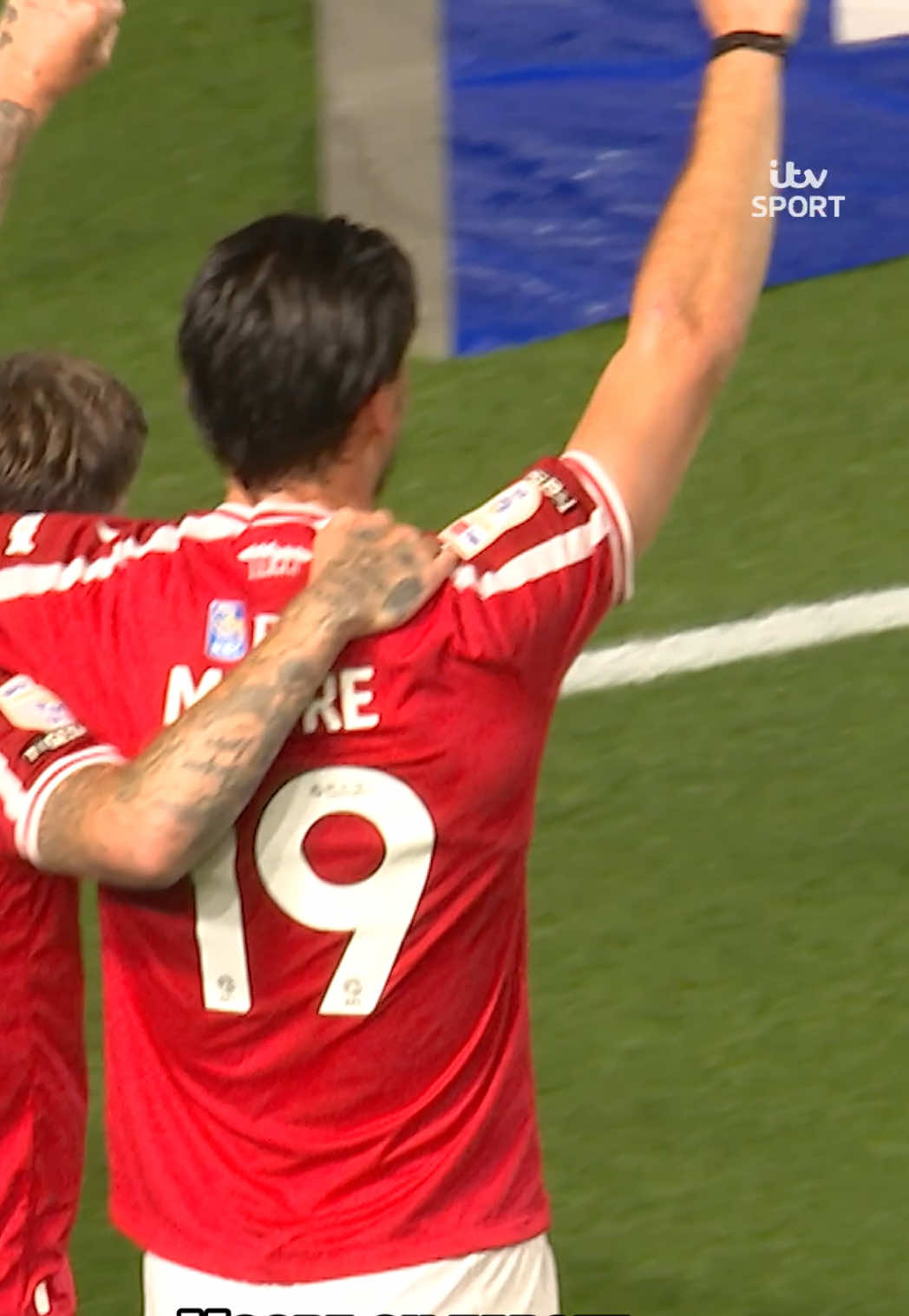
Lashed home by Kieffer Moore ☄️
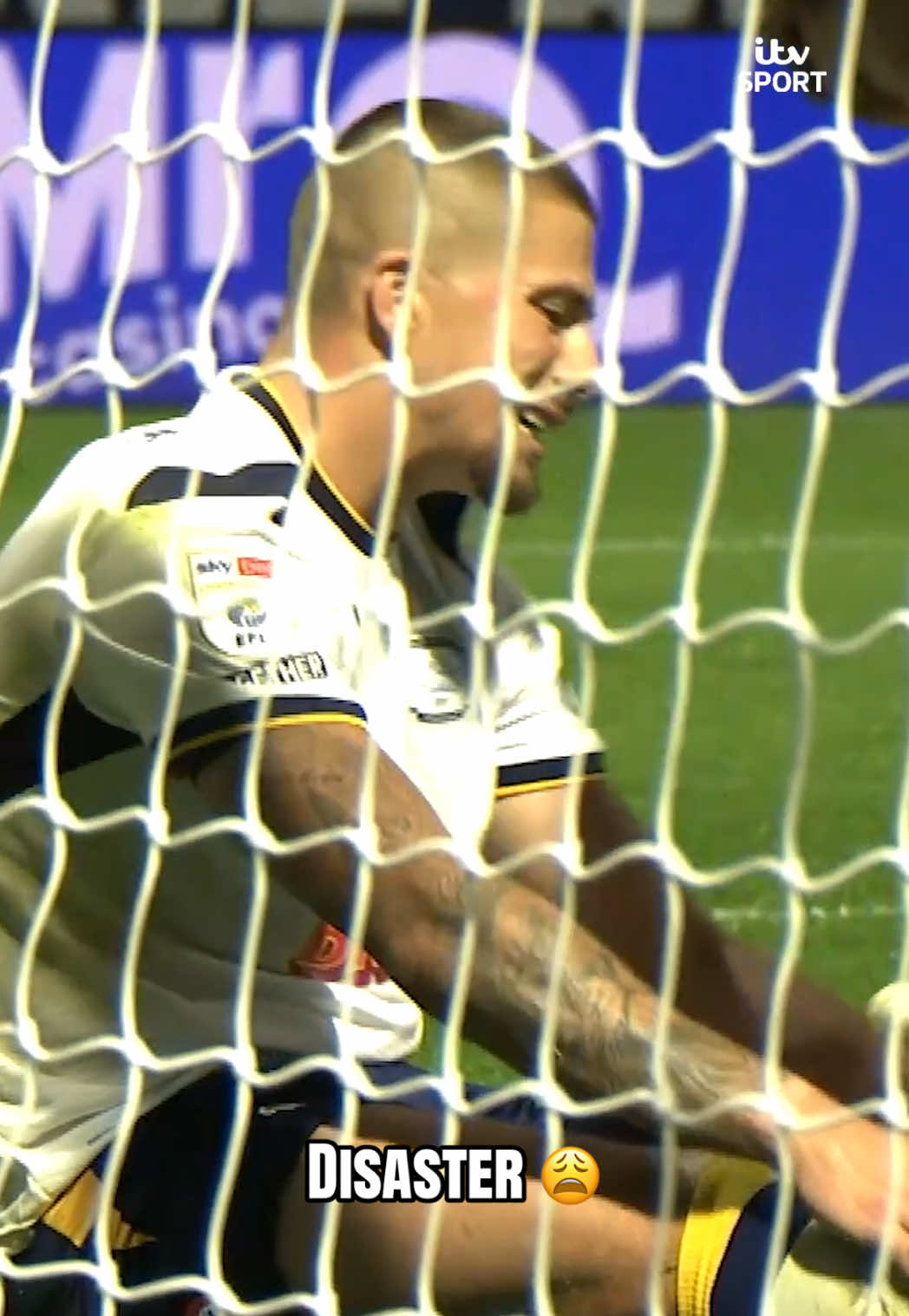
The saxophones are getting louder for Preston here…
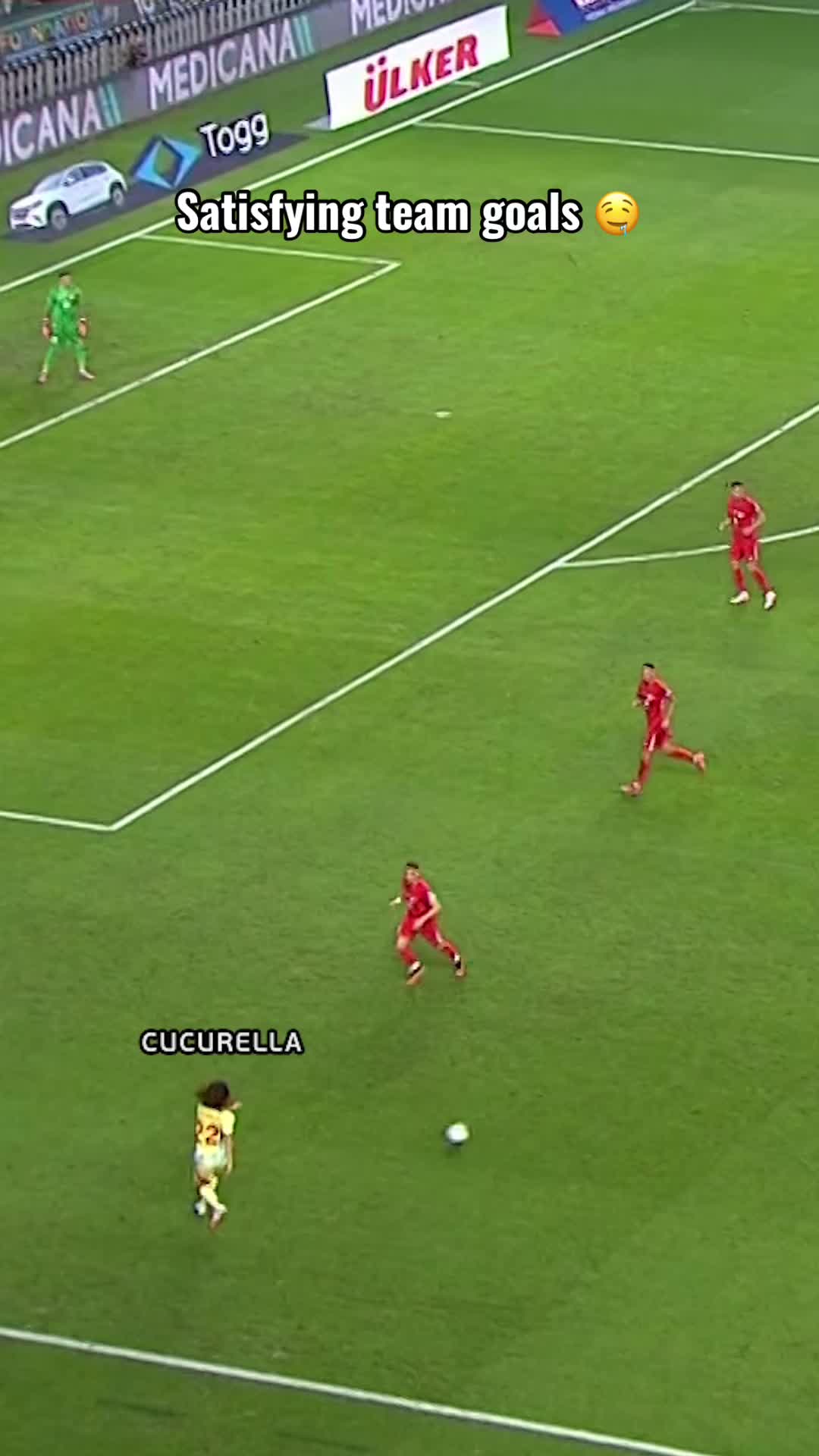
When football is simple but beautiful 😍
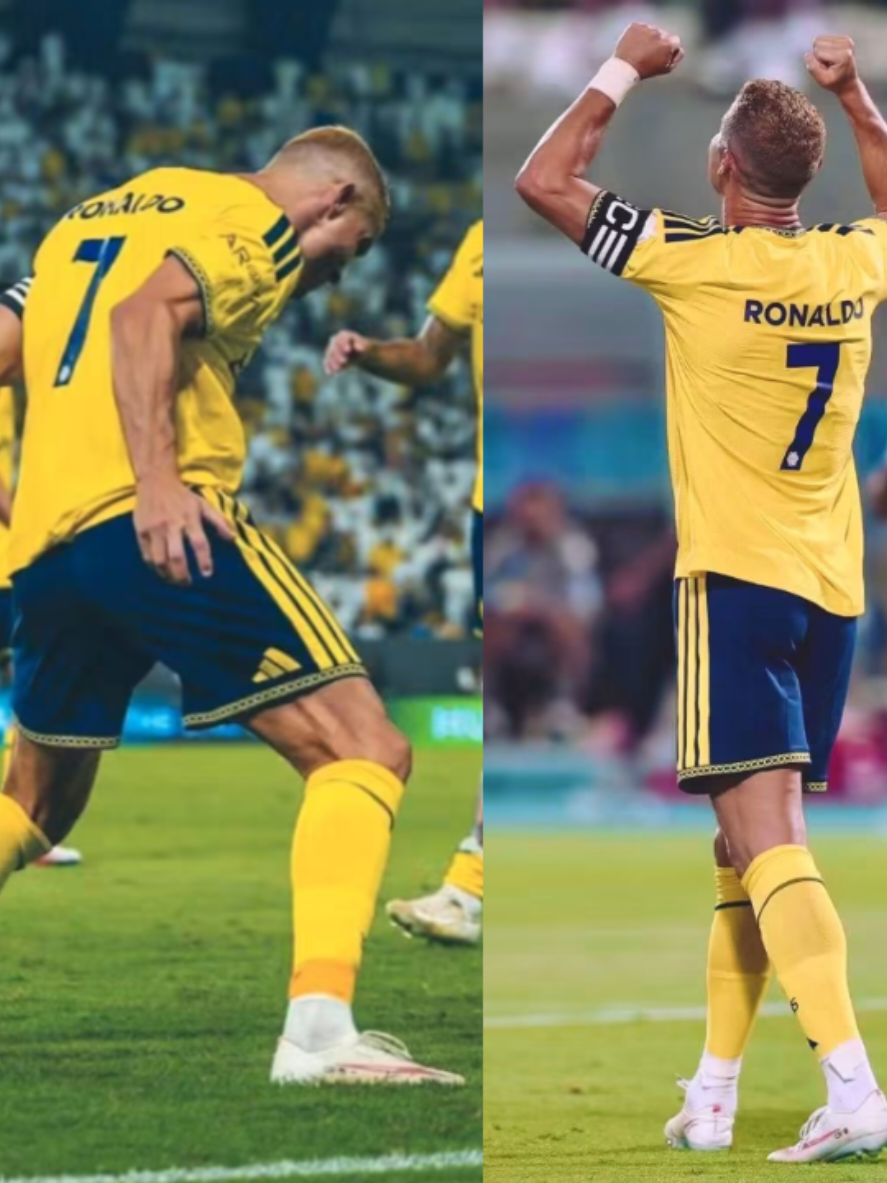
Cristiano Ronaldo is back on the quest for 1,000 goals, and these are his 977th and 978th goals.
messi argentina retirement messi retiring messi edit
The Swans go TOP of the Championship 🦢
 Links
Links
 Contact
 App
App


