



The secret behind the unique playing style of Argentina's superstar Lionel Messi



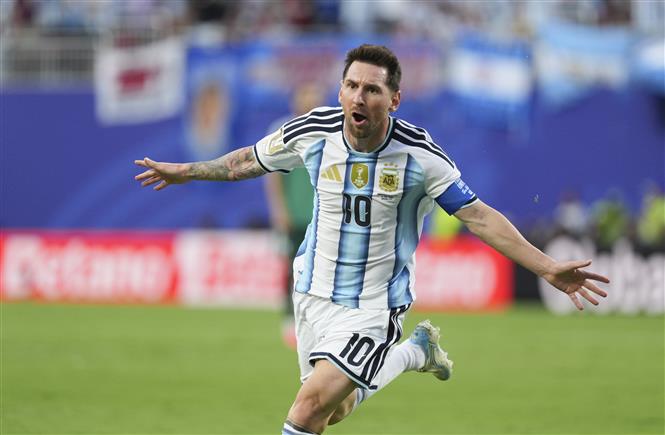
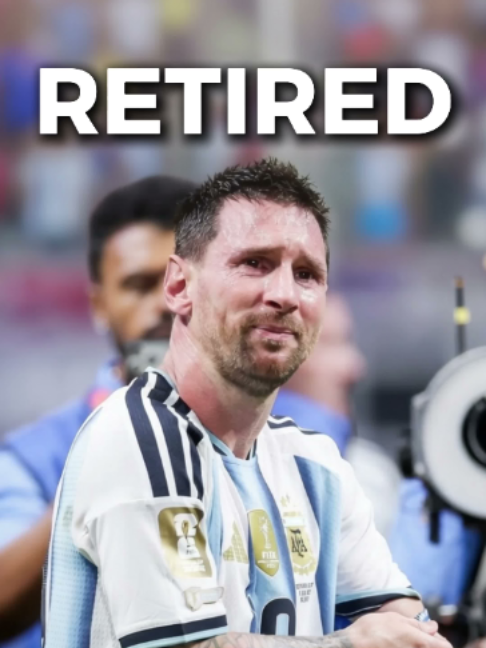
According to Western media, at 39 years old, Messi is playing in his sixth World Cup, matching the record held by Cristiano Ronaldo and Guillermo Ochoa. The football superstar has scored eight goals, provided three assists, and is tied with Kylian Mbappe at the top of the Golden Boot race.
But what impresses goes beyond the numbers. This World Cup has revealed a very different Messi compared to the young man who debuted for Barcelona over two decades ago.
At dawn on July 16 (Vietnam time), Argentina will face their arch-rivals England at the Atlanta stadium. Once again, all eyes will be on Messi. But this time, what makes him special is not his speed or constant dribbling, but his ability to influence the game while moving less than ever before.
Running less, creating more
Typically, as players age, they gradually lose the qualities that made them famous. The best ones must find ways to adapt. For instance, Cristiano Ronaldo transformed from a speedy winger into a center-forward specializing in the penalty area.
Messi has also changed, but in a different way. He hasn't adapted to compensate for declining physicality; instead, he has evolved to continue controlling the game on his own terms. Statistics from the 2026 World Cup clearly reflect this.
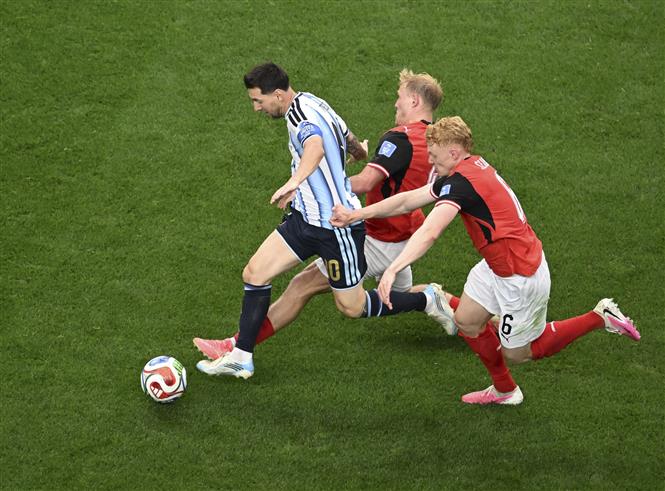
Messi has taken 33 shots and created 21 goal-scoring opportunities, totaling 54 direct involvements in attacking plays—the highest for any player at a World Cup since Diego Maradona in 1986. Remarkably, he achieved these numbers while walking for 47% of his total distance covered, the highest proportion among all field players.
The Argentina captain is also the player who runs the least among the starting lineup, averaging only 8.2 km per 90 minutes. His sprint frequency has dropped to 2.7 per game, compared to 5.3 per game four years ago at the World Cup.
In other words, Messi is creating more while expending less energy. Therefore, the challenge for England is not simply to contain a striker. They must do what only Poland has managed in Messi's last 15 World Cup matches: prevent him from scoring or assisting. In that streak, Messi has scored 16 goals and provided seven assists.
Guardiola saw what others hadn't yet noticed
To understand why Messi can play the way he does, we need to look back at his evolution over more than 20 years.
Since his debut for Barcelona in 2003, Messi has repeatedly reinvented himself. From a fast, skillful right winger, he gradually became the centerpiece of every tactical system.
The first time Ronaldinho saw Messi train, he predicted that the Argentine boy would become the best player in the world.
Two years later, his performance against Juventus in the Joan Gamper Cup impressed coach Fabio Capello so much that he reportedly tried to bring Messi to Italy.
By the time he was 21, as Ronaldinho faded into the background, coach Frank Rijkaard defined a new role for his protégé. According to him, Messi had to always be at the center of the game because the more he touched the ball, the more dangerous Barcelona became. And Spanish coach Pep Guardiola later perfected that idea.
Initially, Messi still started on the right wing. However, Guardiola quickly realized it was unreasonable to ask him to frequently track back for defense. More importantly, he understood that Messi should not be confined to a flank but should become the core of the entire system.
On May 2, 2009, in a 6-2 victory over Real Madrid at the Bernabeu, Guardiola made a landmark decision. He moved Messi from the right wing, positioning him as the highest forward but without the traditional center-forward role. Samuel Eto'o shifted to the right, Thierry Henry to the left, while Messi constantly dropped deep to receive the ball and orchestrate play.
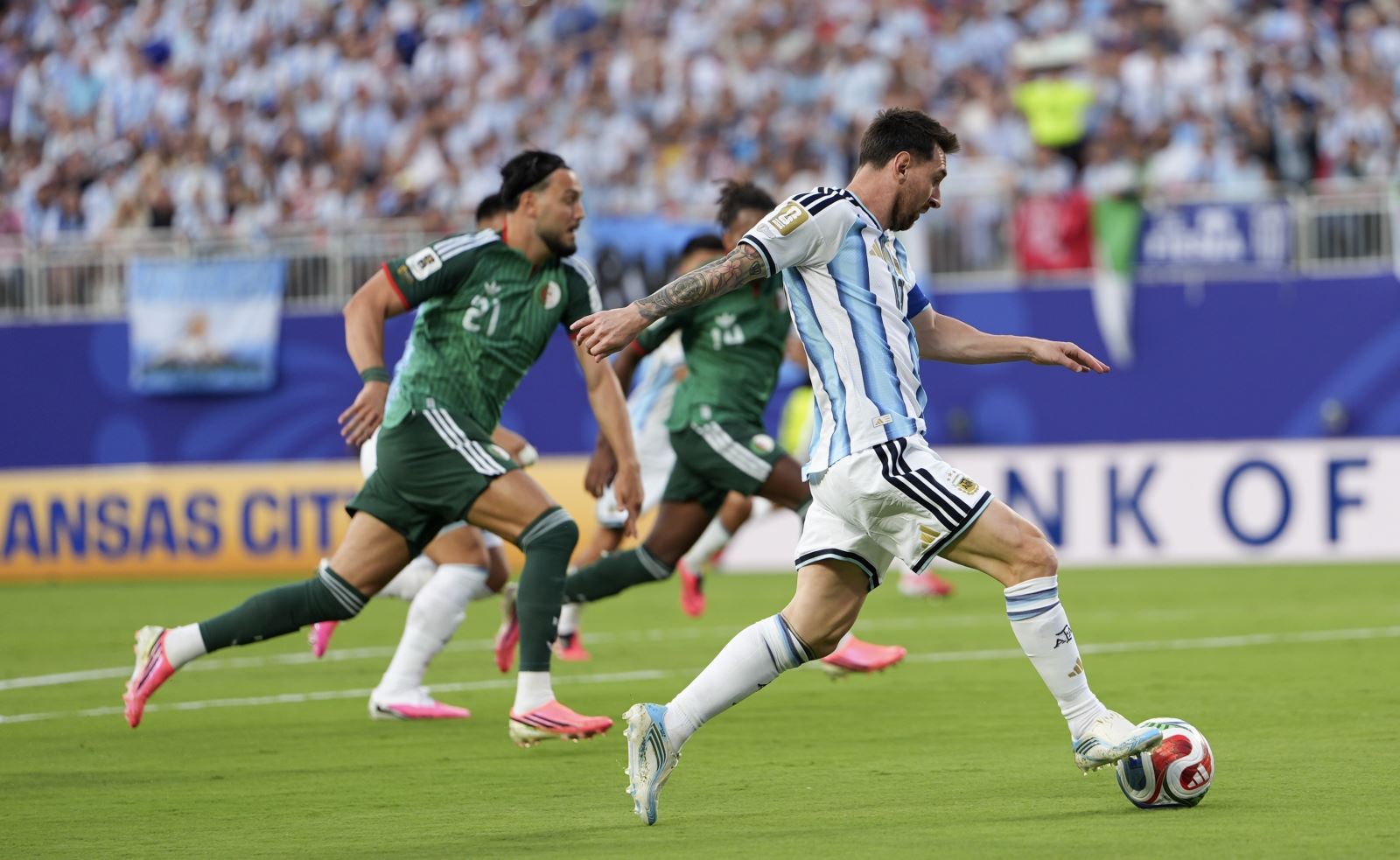
Between 2011 and 2013, he scored 96 goals in 69 La Liga matches. Not only did he keep winning Ballon d'Or awards, but he also changed the perception of a modern striker's role.
He himself once admitted that Guardiola helped him understand more deeply about space, ball control, and the essence of football tactics.
When Xavi and Iniesta left Barcelona, Messi dropped deeper, becoming a playmaker. His assists gradually became as numerous as his goals, showing his continued adaptation. Assists began to appear as frequently as goals.
In the 2019-2020 season, he scored 25 goals and provided 22 assists in La Liga. In his first season at Paris Saint-Germain, his assists (15) surpassed his goals (11) for the first time in his club career.
An Argentine football analyst once remarked: "Messi has gone from a goal-scorer to an Iniesta."
This tactical evolution went hand in hand with his growth in the Argentina national team. After many final defeats, Messi returned as a true leader, contributing to the team's Copa America 2021 victory and then the 2022 World Cup win.
Messi once told Zinedine Zidane that modern football is much more tactical and physically demanding than before. Space on the pitch is increasingly scarce, forcing players to read the game better.
The secret is not in the steps
At Inter Miami, the 2024 Copa America, and this year's World Cup, Messi continues to walk more than he runs. What was once seen as a sign of lack of effort is now regarded as a manifestation of an extraordinary football mind. He observes, calculates, conserves energy, and accelerates only at the decisive moment.
Pablo Aimar, Messi's childhood idol, once said: "The later version of Messi is always the best version."
What makes Messi great is not just eight Ballon d'Ors or countless team trophies. What is even more special is his ability to constantly reinvent himself to adapt to the changes in modern football.
From a winger, then a conductor, a captain, and now a veteran who barely needs to run much but still controls the rhythm of the game.
Therefore, the most astonishing thing about Messi is not that he remains excellent at 39, but that after more than two decades at the top, he still knows how to become a completely new version of himself.


Wonderfulshortvideo
BARCELONA REVENUE barcelona news today


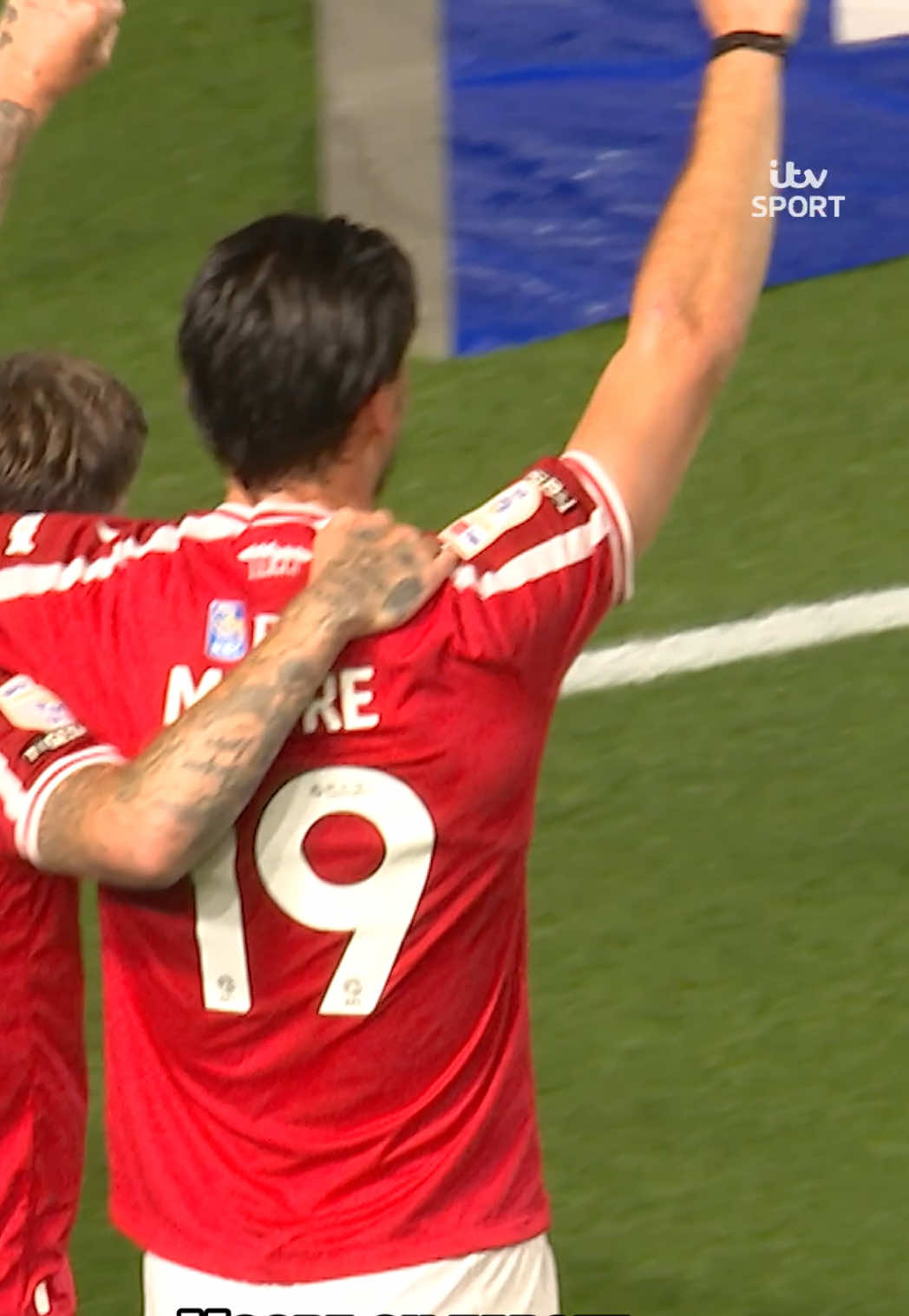
Lashed home by Kieffer Moore ☄️
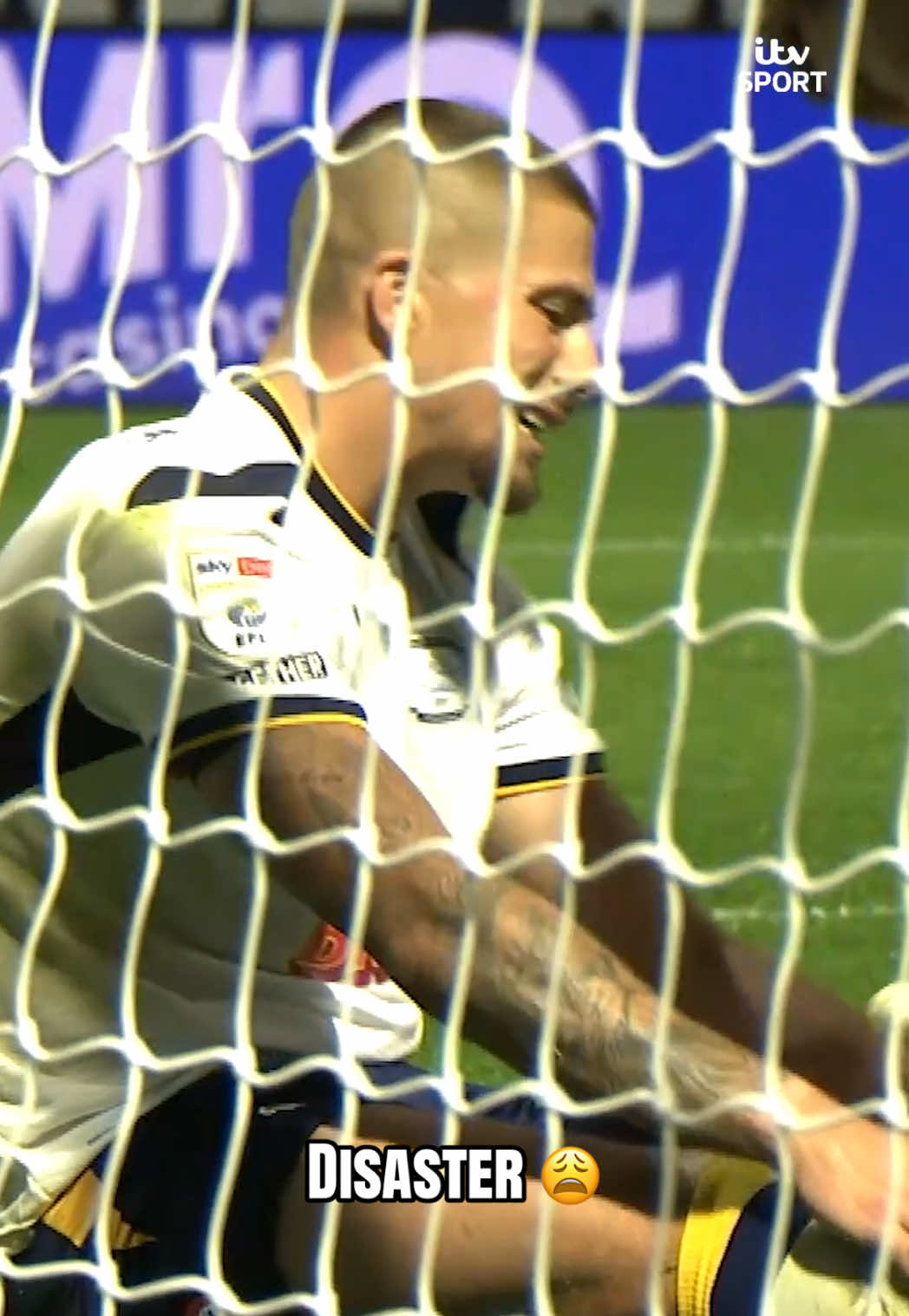
The saxophones are getting louder for Preston here…
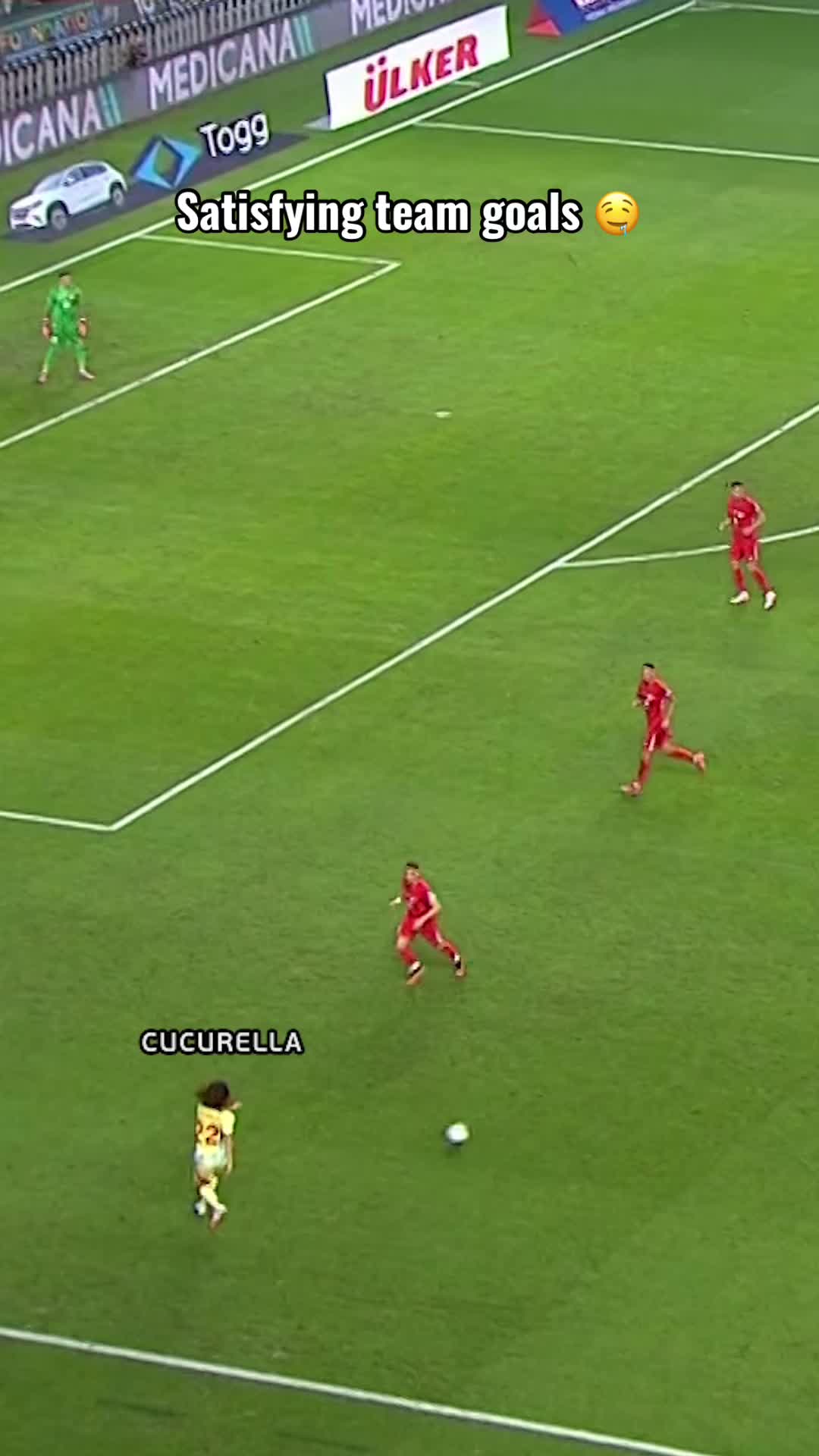
When football is simple but beautiful 😍
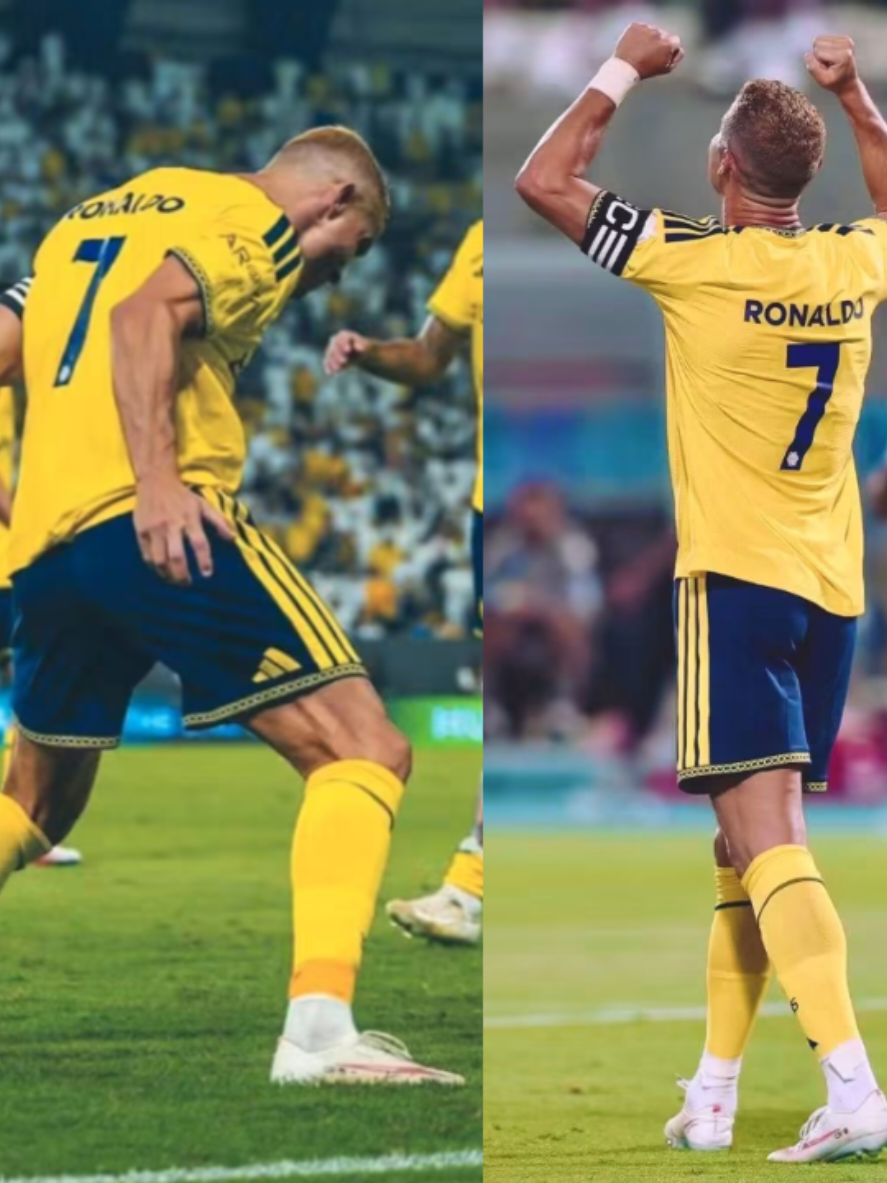
Cristiano Ronaldo is back on the quest for 1,000 goals, and these are his 977th and 978th goals.
messi argentina retirement messi retiring messi edit
The Swans go TOP of the Championship 🦢
 Links
Links
 Contact
 App
App


