



World Cup: Djed Spence and the Islamic Moment of the English National Team



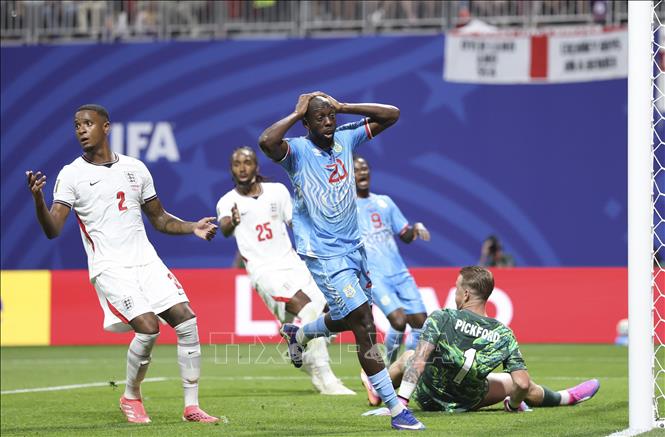
His story carries not only athletic significance but is also regarded as a landmark for diversity and inclusion in English football.
Following England's quarterfinal victory over Norway on July 11, Djed Spence knelt on the field and raised both hands to the sky to give thanks to God. This marked the first time an English player performed a Muslim prayer ritual on the pitch at a World Cup.
That moment quickly spread across social media and was widely seen as a historic milestone. In a previous interview, the 25-year-old defender stated that becoming the first Muslim player to represent the "Three Lions" had been a childhood dream. What brought him the greatest happiness was the ability to inspire children from similar backgrounds.
"I feel this is bigger than myself and will have significance for future generations," Spence said.
This player's journey is even more remarkable given that he suffered a fractured jaw in a match against Chelsea in May and had to compete at the World Cup wearing a carbon fiber face mask.
Spence's inclusion in the England squad is considered a relatively late milestone compared to Germany, France, or Spain—teams that have featured Muslim players for many years.
Riz Rehman, a former player who spent many years working at the Professional Footballers' Association (PFA), noted that English football has undergone a long process to create a more welcoming environment for Muslim players, from setting up prayer rooms to raising awareness about Ramadan. He revealed that Spence converted to Islam a few years ago and expressed confidence that the player will continue to serve as a positive role model.
"Djed's journey is not just about football. It is a message to young players and Muslim families that faith does not limit ambition, but can actually provide strength," Rehman said. However, he also cautioned against placing the expectations of an entire community on one player's shoulders.
The emergence of Spence also brings pride to many Muslim fans in England. Zain Gondal, a 23-year-old supporter from London, said he felt a greater connection upon learning that Spence shares his faith and praised the defender for his solid performances whenever given the chance.
Nevertheless, many people still worry that the player could become a target of negative comments on social media. Daniel Bennett, creative director of the community The Scene, argued that the presence of a Muslim player holds great significance in a context where minority groups often face prejudice. Still, he acknowledged that a historic milestone cannot instantly resolve all the existing issues in society.
According to Mark Overall, a youth football coach and scout, Spence's story can help change the way many people view players from minority communities.
"It helps people believe that anyone can reach the highest level, regardless of their beliefs or religion. Football is a sport for everyone," he said.
From a player who once struggled with injuries to one who created a historic milestone for the England national team, Djed Spence is becoming a symbol of inclusion and hope, inspiring a generation of young players to pursue their dreams regardless of background or faith.


Wonderfulshortvideo
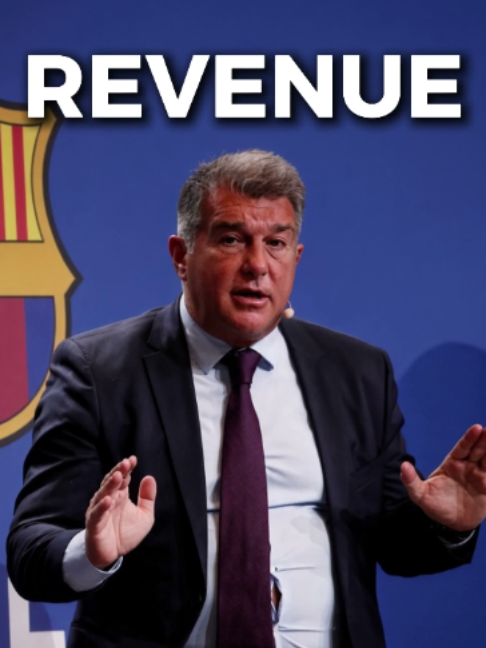
BARCELONA REVENUE barcelona news today



Lashed home by Kieffer Moore ☄️
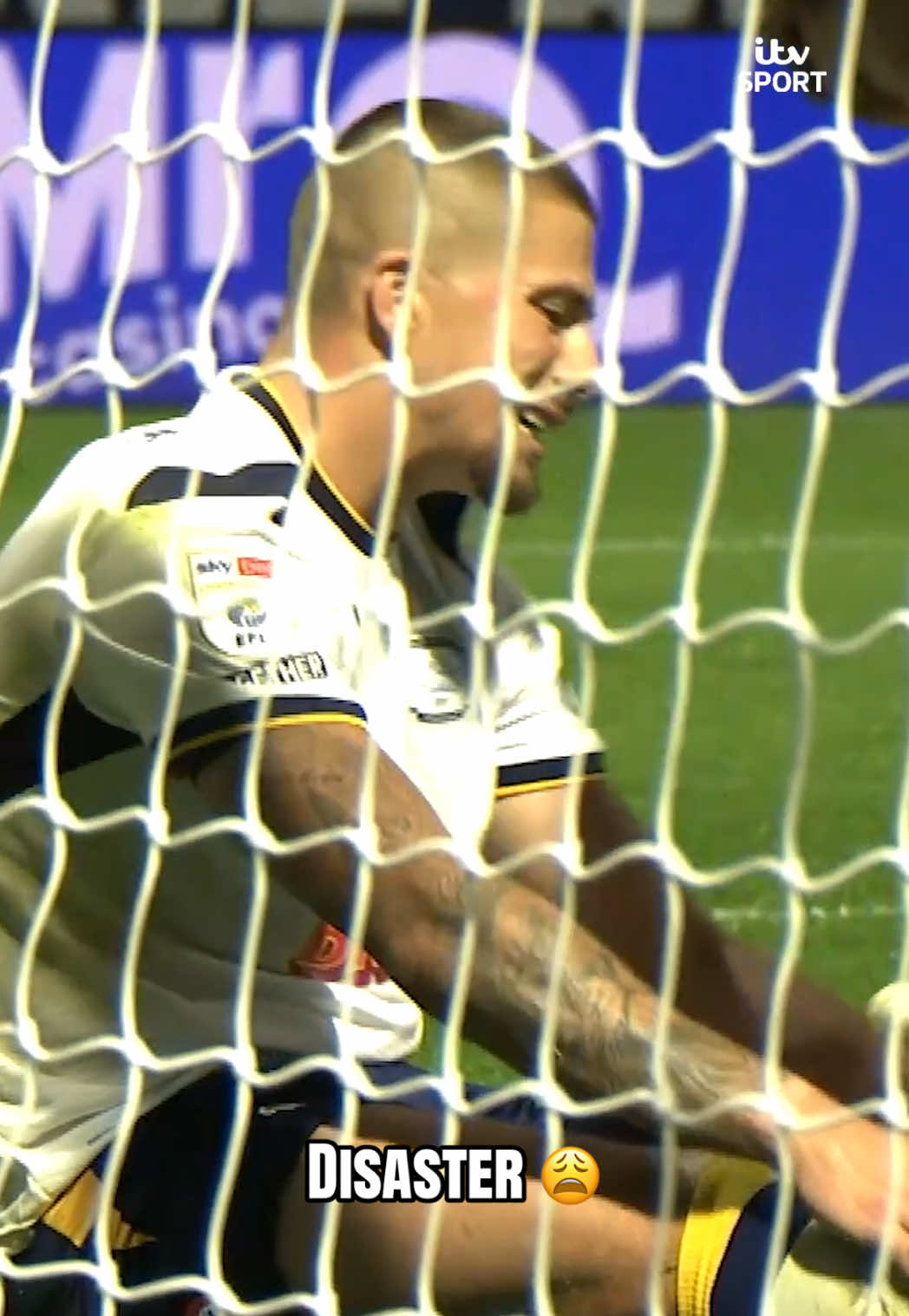
The saxophones are getting louder for Preston here…
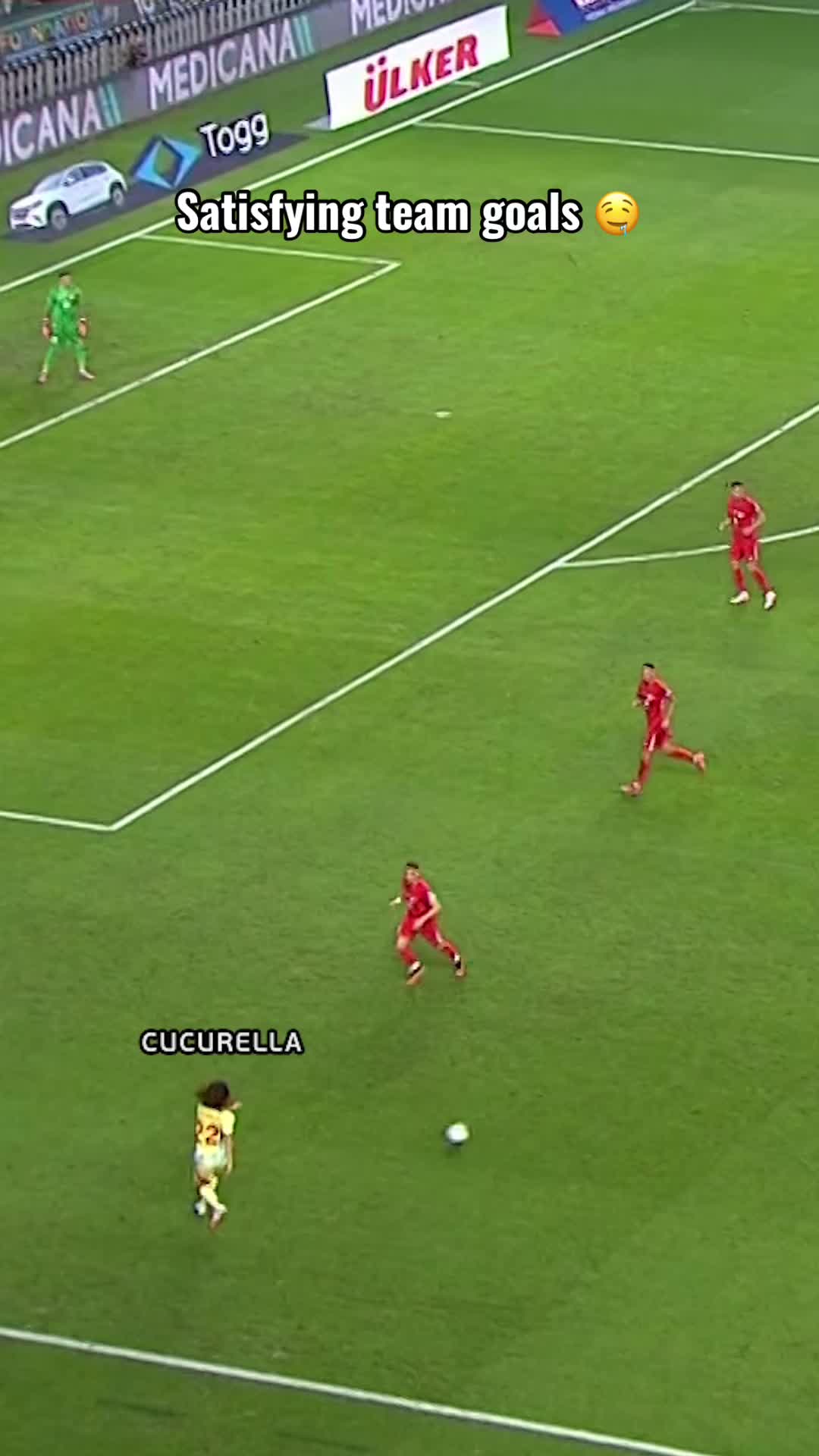
When football is simple but beautiful 😍
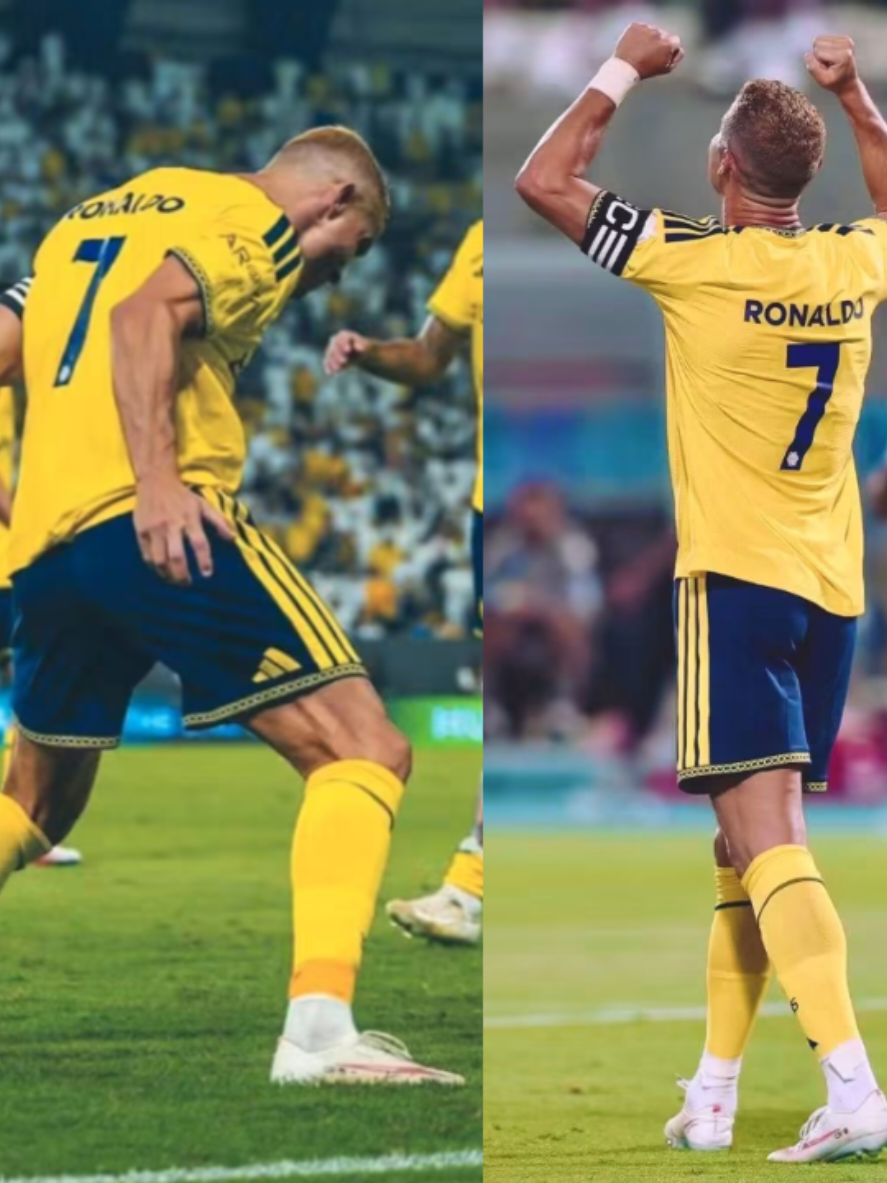
Cristiano Ronaldo is back on the quest for 1,000 goals, and these are his 977th and 978th goals.
messi argentina retirement messi retiring messi edit
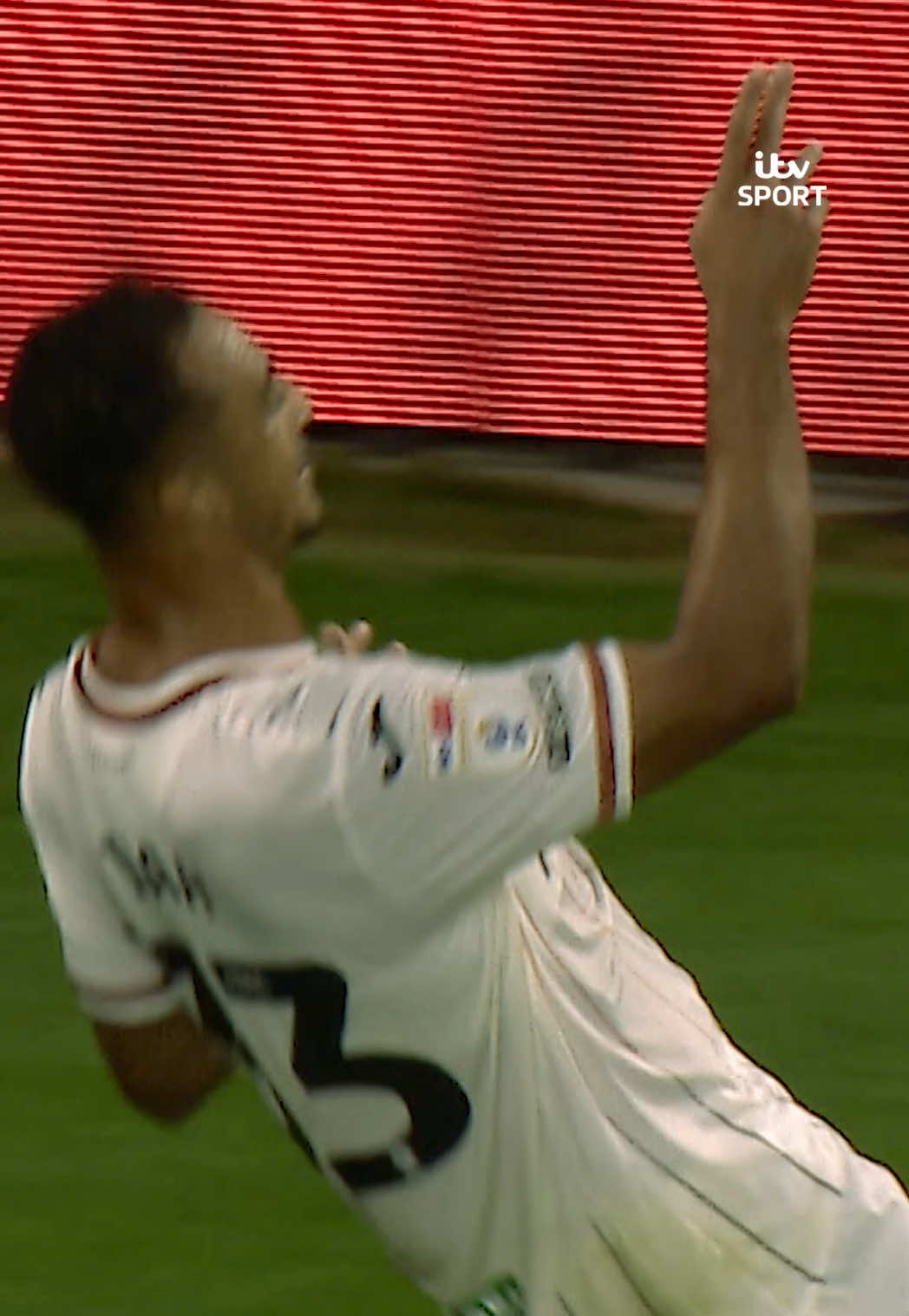
The Swans go TOP of the Championship 🦢
 Links
Links
 Contact
 App
App


